
















Lots of recipes call for kosher salt, but if you’ve never used it, it stands to reason that you've wondered what kosher salt is, why it’s called kosher salt and whether it’s really any different from regular table salt. Let’s salt the fact from the fiction.
What Is Kosher Salt?
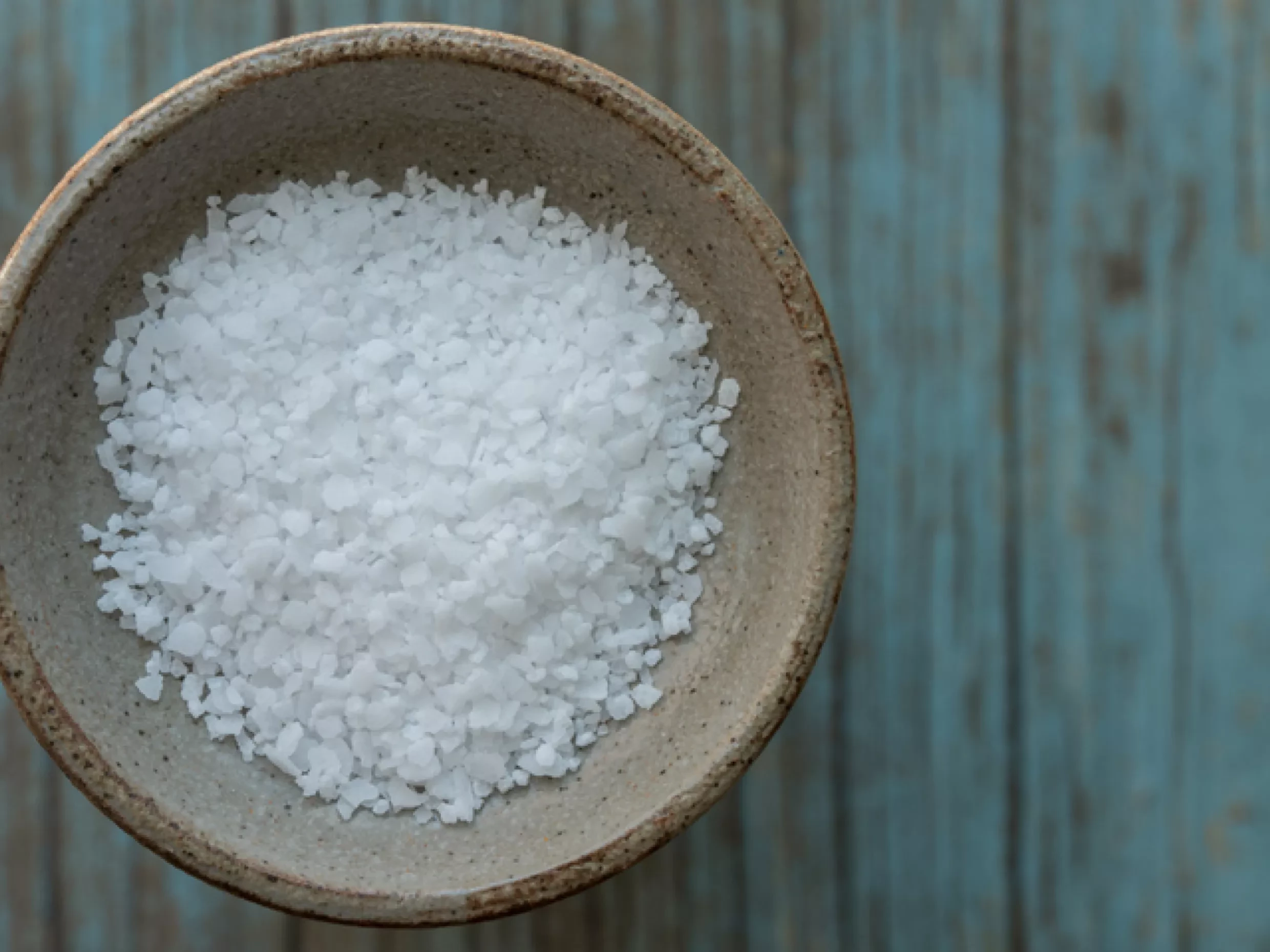
Kosher salt is a fairly large-grained salt that was originally used in the process of making meat kosher. Its purpose was to pull all of the blood out of the meat going through the koshering process, so that the meat would meet the standards of Jewish dietary laws. Over time, it became known as kosher salt everywhere.
Is Salt Kosher?
Any salt, just by its nature of being a simple mineral compound, is kosher. All raw vegetables and fruits are kosher and minerals are kosher - salt being mineral number one where food is concerned. So yes, salt is kosher.
What's the Difference Between Salt and Kosher Salt?
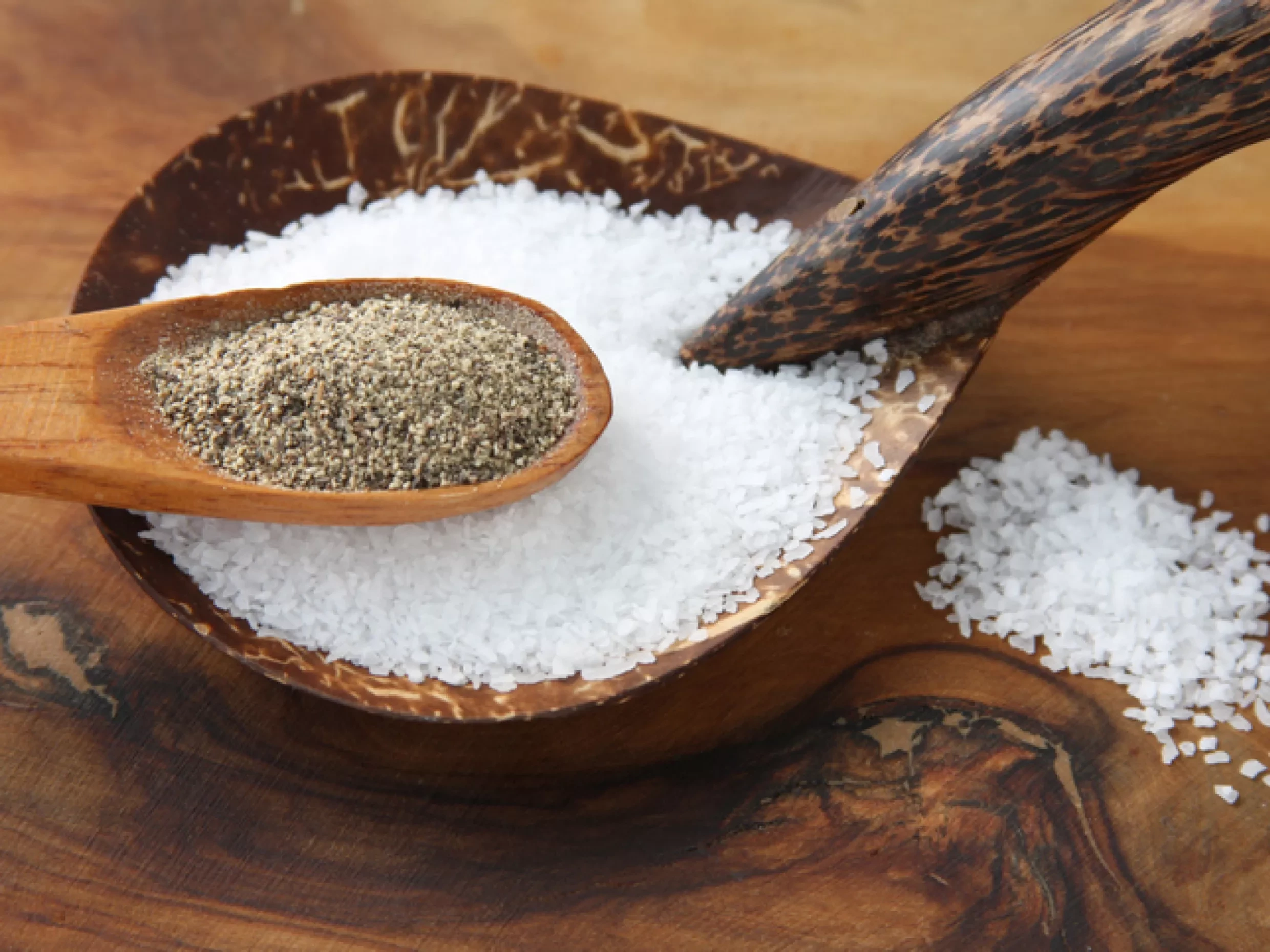
First, we need to define salt. In our culture salt means table salt - the fine salt that’s in the saltshakers in your home and just about every restaurant you’ve ever been to. It comes in a round cardboard container with a spout.
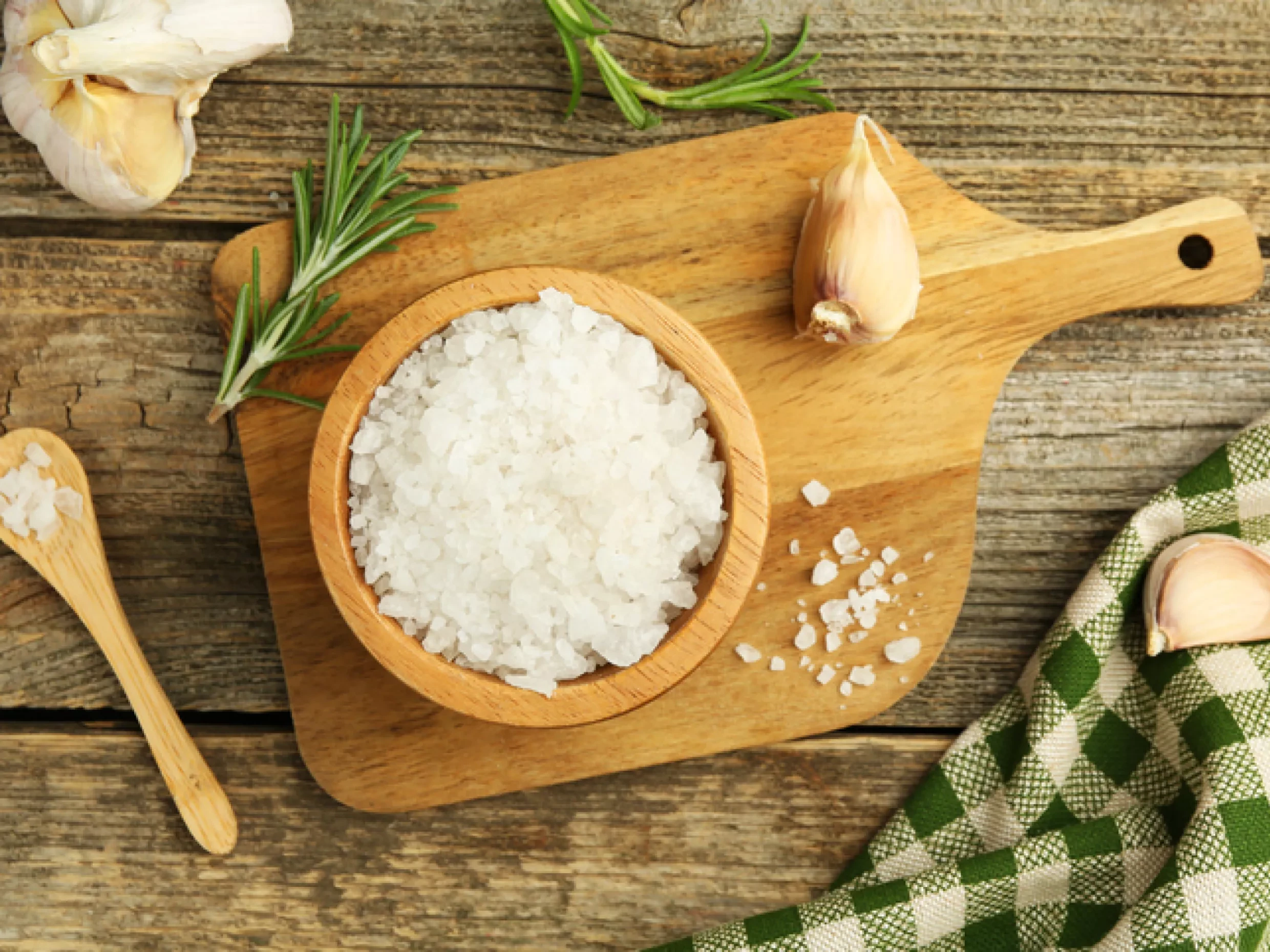
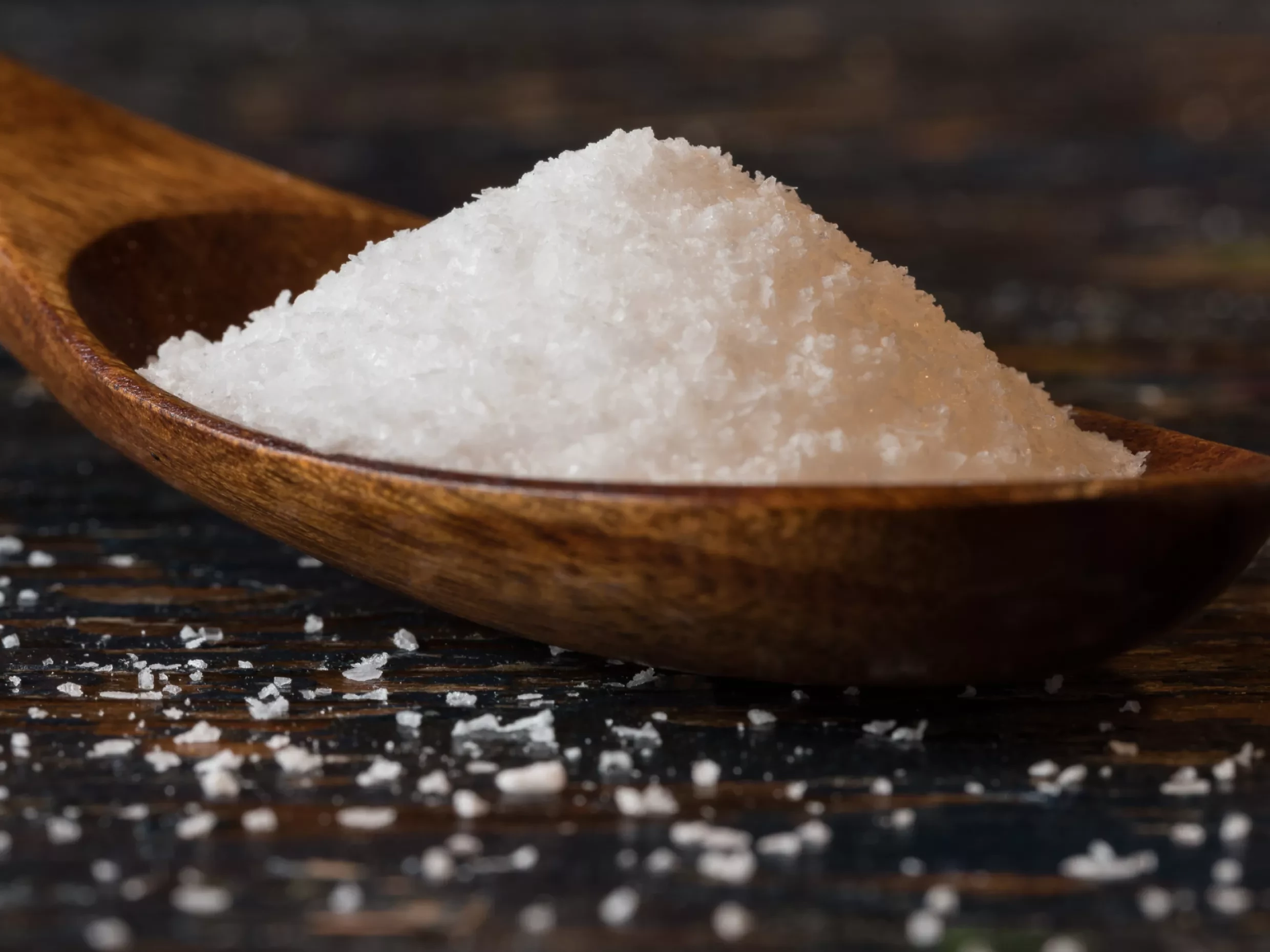
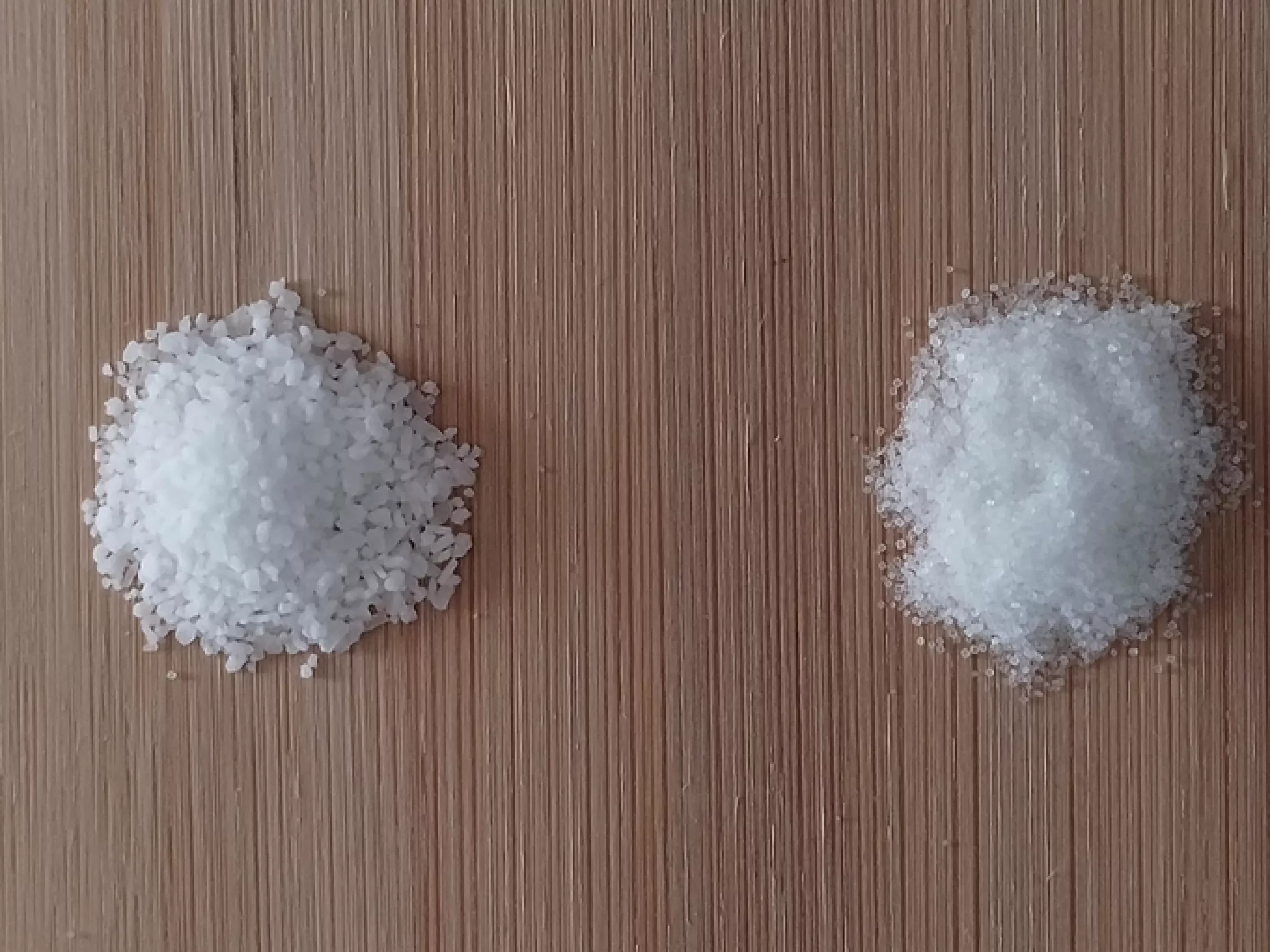
Kosher salt is a larger grained salt, so much so that you can easily tell the difference just by sight.
How does this happen? Because salt is a crystal, there is more than one way that the crystal can form. When the sodium and chlorine atoms are packed as close together as possible, the salt is fine grained and heavy (table salt). When the crystals are more open, the salt is lighter and flakier (kosher salt).
Why does that make a difference? If a recipe calls for 1/4 cup of kosher salt, that’s about 39 grams. If you substitute 1/4 cup of fine table salt for the kosher salt, you’ll be adding about 76 grams of salt by weight - about twice what the recipe really calls for. If you substitute table salt for kosher salt, it'll taste way saltier.
What Is the Advantage of Using Kosher Salt?
One advantage of using kosher salt is that when you are sprinkling it, you can control where it goes. This is especially important when you're seasoning savoury dishes, particularly meats. You can easily do a little experiment in your kitchen - grab a pinch of table salt and try to sprinkle it evenly onto a plate. It’s so fine that it’s almost slippery, and hard to control where it lands. Now try it with kosher salt and discover the difference. Table salt is often used in baking recipes where you need to measure out a precise amount of salt (the small, compact granules make this easy) but you don't need to control where the salt lands.
The other advantage is that kosher salt is pure salt, it is never iodised as table salt often is. Iodine has a slightly bitter, metallic taste. When you cook with kosher salt, you omit that flavour.

Can I Substitute Sea Salt for Kosher Salt?
The makeup, size and density of sea salt is similar to that of kosher salt, so the answer is yes, you can certainly substitute sea salt for kosher salt. The difference between the two comes down to the way sea salt is harvested, and its higher price tag - the grains are created when sea water evaporates.
There are many, many sea salts out there, each defined by where it’s from. Some are very flaky, light and white and some are very dense and grey. Most cooks who use sea salt have a very firm idea of which one they prefer - it really is a personal choice. Because sea salt is one of the most expensive types of salt, it's traditionally used as a finishing ingredient - sprinkled over a dessert, or on top of a food right before serving.