










It used to be true that vegan alternatives to animal products were expensive, hard to find, and unappetising. But that’s not the case anymore. Nowadays, there are loads of great vegan alternatives to meat, cheese, eggs, fish and milk. Yet for someone just starting to make the switch, setting out on a plant-based lifestyle can be daunting. To help ease you in gently, here’s a list of our best vegan swaps.
Swap Shop: Eggs
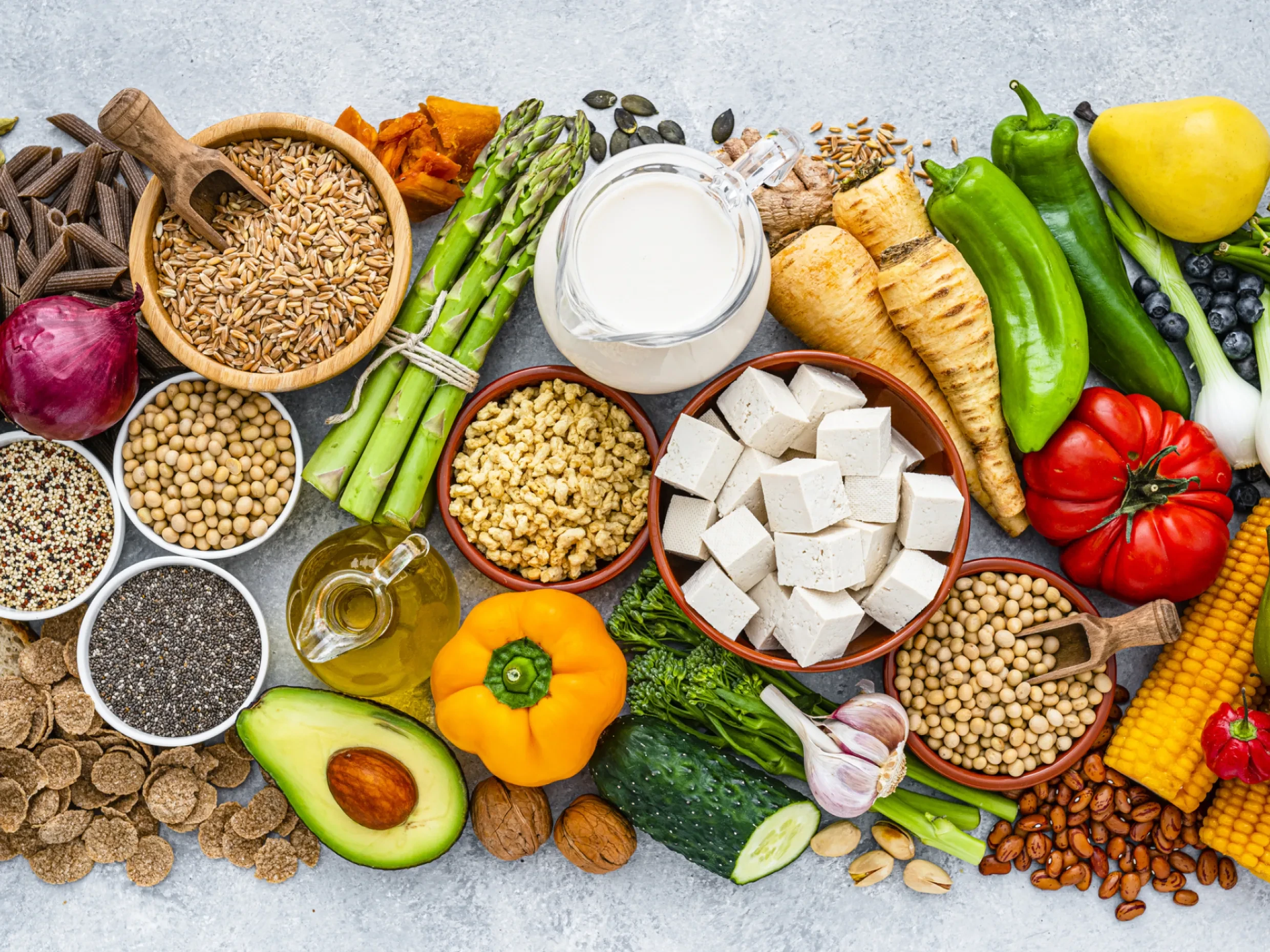
Eggs are one of the first ingredients that plant-based newbies worry about replacing, but they’re also one of the easiest to swap. Eggs do lots of different jobs in the world of cookery - they bind, they add moisture, they help bakes rise and they’re a fixture on brunch menus everywhere - so it’s important to choose the right alternative for the job.
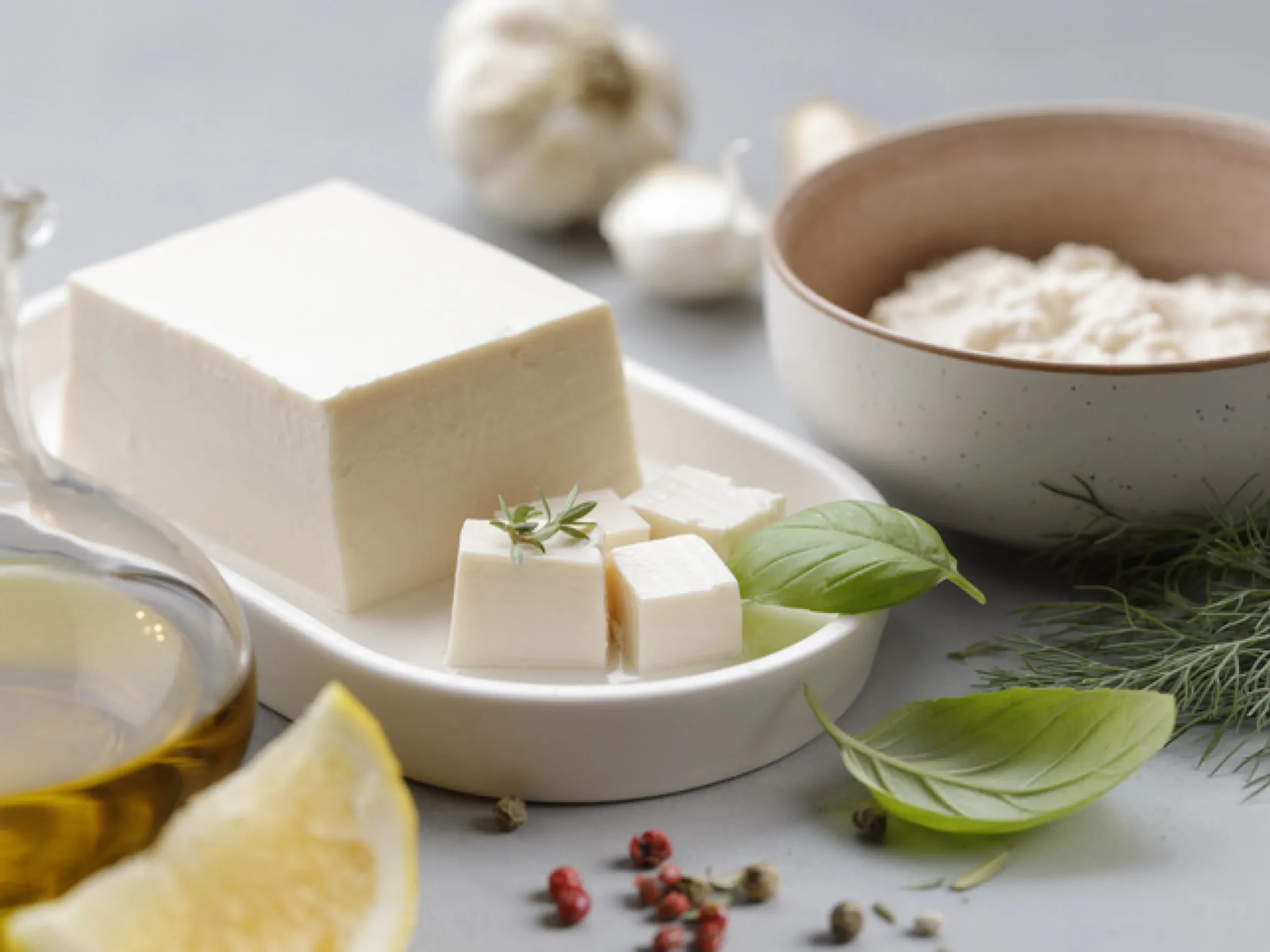
Silken Tofu
Blended silken tofu is a brilliant all-rounder for recipes where eggs provide moisture and richness. A general rule of thumb is to use 60g (roughly four tablespoons) of blended silken tofu to replace one egg in dense cakes, brownies, and creamy desserts such as vegan cheesecake. It has a mild flavour, so it won’t overpower sweet or savoury dishes.
Firm Tofu
Firm tofu is a great replacement for savoury eggs. One idea is to crumble it into a hot pan with a little oil, turmeric, salt, garlic powder and vegetables for a convincing vegan scrambled “egg” breakfast. It also works well in egg-free salads, breakfast burritos and fillings for sandwiches and wraps.
Aquafaba
Aquafaba is the liquid left over from a can of chickpeas, and one of the most magical vegan egg substitutes. Whisked, it behaves remarkably like egg whites, making it ideal for meringues, mousses and lighter bakes. Use three tablespoons to replace one whole egg, or two tablespoons for one egg white.
Flax Seeds
Ground flaxseed makes a simple, inexpensive binder known as a flax egg, or as some people call it, ‘flegg’. Mix one tablespoon of ground flaxseed with three tablespoons of water, leave for about 10 to 15 minutes, or until it becomes gel-like. It adds a subtle nutty flavour and works especially well in heartier recipes. Chia seeds work in exactly the same way but have a slightly more neutral flavour.
Banana & Apple
Mashed ripe banana adds natural sweetness, moisture and a little binding power. Use around 60g of mashed banana to replace one egg in banana bread, muffins, pancakes and other sweet bakes. Because of its distinct flavour, save this swap for recipes where banana will complement the other ingredients. Similarly, unsweetened applesauce is another easy fruit-based egg substitute, best for moist cakes, muffins and quick breads. Again, use around 60g to replace one egg. Since it doesn’t add much lift, it’s best used in denser bakes.
Chickpea Flour
Chickpea flour, also called gram or besan flour, is ideal for savoury egg-free dishes. Whisk 30g (about four tablespoons) of chickpea flour with 60ml (four tablespoons) of water or unsweetened plant milk to replace one egg, and it creates a batter that can be used for omelettes, frittatas, pancakes and fritters.
Swap Shop: Meat
Meat is often the ingredient that’s toughest to replace on a vegan diet, but there are plenty of plant-based choices that bring tasty options and plenty of protein to a meal. The best swap depends on what you’re cooking, so here’s a look at the best plant-based meat alternatives.
Tofu
Made from soybeans, tofu is one of the most versatile vegan meat alternatives. It can be marinated, then baked, fried, grilled or added to curries, stir-fries, noodles and salads. It has a neutral flavour that absorbs marinades well, and freezing and thawing it before cooking gives it a chewier, more meat-like texture.
Tempeh
Tempeh is a fermented soybean product with a firm, nutty texture and a slightly earthy flavour. It holds its shape well when sliced, crumbled or cubed, making it a good substitute for chicken, mince or bacon in sandwiches, stir-fries, tacos, curries and pasta sauces.
Seitan
Seitan is made from wheat gluten and has a dense, chewy texture that’s closer to meat than many other plant-based options. It can be shaped into sausages, steaks, strips, meatballs or deli-style slices, and works especially well in stir-fries, stews, kebabs and sandwiches. It’s high in protein, but not suitable for anyone avoiding gluten. For more information, check out our article called What is Seitan?
Jackfruit
Young green jackfruit has a stringy, shredded texture that makes it a popular stand-in for pulled pork or shredded chicken. Simmer it with barbecue sauce for sandwiches, or season with spices for tacos, burritos, and curries. Jackfruit’s quite mild in flavour and low in protein and works well with beans, lentils or other protein-rich ingredients.
Mushrooms
Mushrooms can bring a deep, savoury flavour and a satisfying bite to vegan cooking. Portobello mushrooms can be grilled or roasted as burger patties or ‘steaks’, while chopped chestnut, button or oyster mushrooms work well in Bolognese, stews, pies and stir-fries.
Lentils
Lentils are an affordable, protein-rich alternative to minced meat. Brown or green lentils hold their shape well in chillies, shepherd’s pie, stews and salads, while red lentils break down more easily and are ideal for thickening curries, soups and sauces. A rough guide is to use like-for-like, so 250g of cooked lentils replaces 250g of mince.
Beans
Beans are hearty, cheap and versatile. Black beans, kidney beans, chickpeas and cannellini beans can be used in chillies, stews and salads, or mashed and seasoned to make burgers, meatballs and taco fillings. Roasted chickpeas or beans also make a crunchy alternative to bacon bits when tossed with oil, smoked paprika and a little salt.
Textured Vegetable Protein
TVP, or textured vegetable protein, is a plant-based meat alternative commonly made from soya which rehydrates into a mince-like texture. It works well in Bolognese, chilli, tacos, shepherd’s pie and other recipes that traditionally call for minced beef. Rehydrate it in hot stock or a seasoned sauce, then use it as you would minced meat.

Swap Shop: Fish
Fish is one of the trickier foods to replace on a vegan diet, but plant-based ingredients can recreate much of what makes seafood appealing - a flaky texture, a fresh, briny flavour and that satisfying contrast between crisp coating and tender centre. Here’s how to find the unique taste of the sea without going swimming.
Tofu
Firm or extra-firm tofu is a versatile base for vegan fish fillets and fish fingers. Press it well, cut into pieces, then marinate in a mixture of soy sauce, lemon juice and crumbled nori before coating in batter and frying or baking. Wrapping a strip of nori around the tofu before battering adds an extra savoury, sea-like flavour.
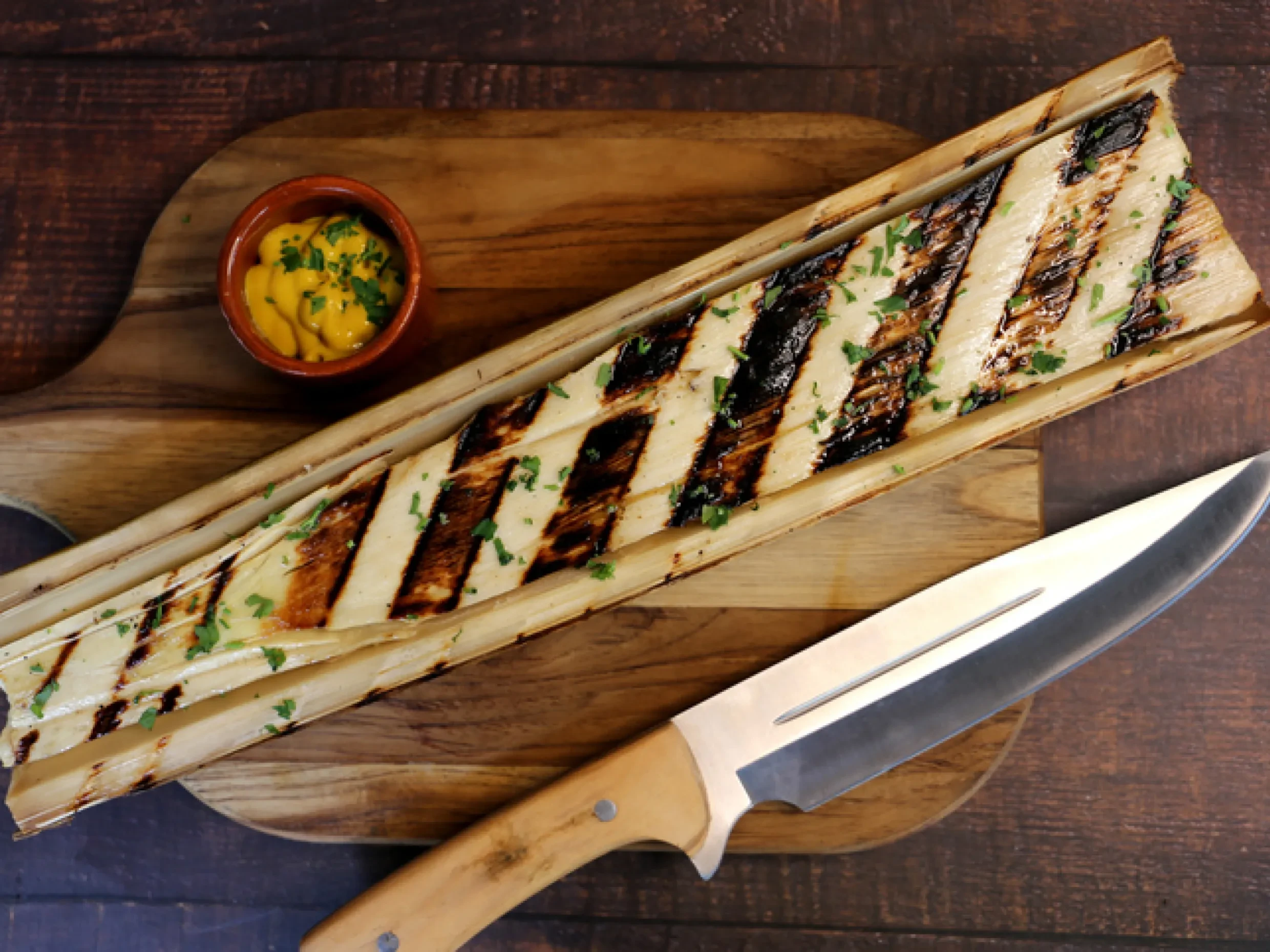
Banana Blossom
Banana blossom is the flower bud of the banana plant, usually sold in cans. Once it’s drained, flaked and pressed, it has a naturally layered, flaky texture which makes it one of the best choices for vegan battered fish and chips. Marinate with nori, lemon and seasoning, then coat and fry or bake for a convincing fish-free fillet.
Jackfruit
Young green jackfruit has a soft, stringy texture that works well in place of flaked fish. It is particularly good in fish tacos, sandwich fillings, fish cakes and curries. Because it has little flavour, season it generously with nori or dulse, lemon juice, capers and vegan mayonnaise for a tuna-style filling.
Hearts of Palm
Hearts of palm have a tender, slightly sweet flesh that shreds into delicate flakes, making them ideal for crab cakes, seafood-style salads, ceviche-style dishes and “lobster” rolls. Combine the shredded hearts of palm with vegan mayo, lemon, capers, fresh herbs and seaweed seasoning, then chill before shaping into cakes and pan-frying.
King Oyster Mushrooms
King oyster mushrooms are one of the best plant-based options for vegan scallops. Slice the thick stems into rounds, score the tops lightly, then sear them in oil or vegan butter until they’re wonderfully golden and caramelised. Their dense, meaty texture also makes them useful in fish pies, chowders and seafood-style pasta dishes.
Nori & Other Seaweed
Nori, dulse and other edible seaweeds can help create a convincing seafood flavour. Crumble a little nori into marinades or blend into tartare sauce to add a salty, savoury taste. Use kelp sparingly, as its iodine content can be exceptionally high.
Swap Shop: Milk
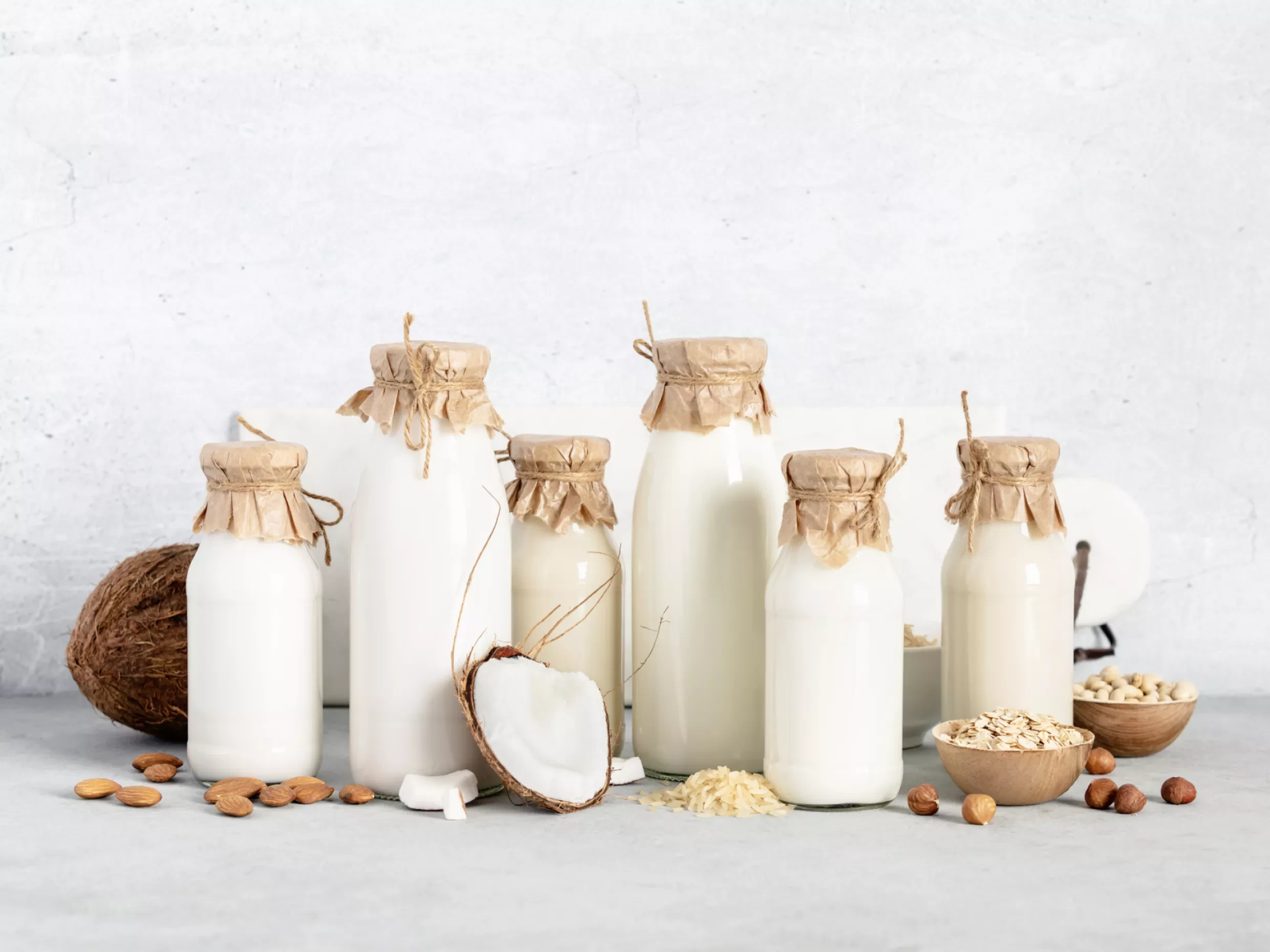
Milk is one of the easiest products to swap for a vegan alternative, with plant-based options now available in almost every supermarket. The best choice depends on what you’re using it for - soy milk is a close all-rounder for baking and cooking; oat milk is creamy and works well in coffee; while almond and coconut milks each bring their own flavour and texture. As a general rule, choose unsweetened versions for savoury dishes and most baking, and look for ‘barista’ blends if you want a milk that froths well for lattes and cappuccinos.
For the full breakdown of the different plant-based milks - and which to choose for tea, coffee, cereal, baking and cooking - see our guide to plant-based milk alternatives.
Swap Shop: Cheese
Cheese comes in all shapes, flavours and sizes, so sometimes presents a challenge to find your favourite replacement. The good news is that vegan alternatives have come a long way since they first appeared on the supermarket shelves. The best swap depends on whether you need a melty mozzarella-style cheese, a crumbly feta-style option, a tangy cream cheese or a rich sauce for mac and cheese. Here are the main options.
Nutritional Yeast
Affectionately called ‘nooch’, nutritional yeast is a deactivated yeast sold as golden flakes or powder. It has a naturally savoury, cheesy flavour and is one of the easiest ways to add depth to vegan dishes. Sprinkle it over pasta and roasted vegetables as a Parmesan-style topping, or blend into cashew or potato-based sauces for mac and cheese, nachos and cauliflower bakes.
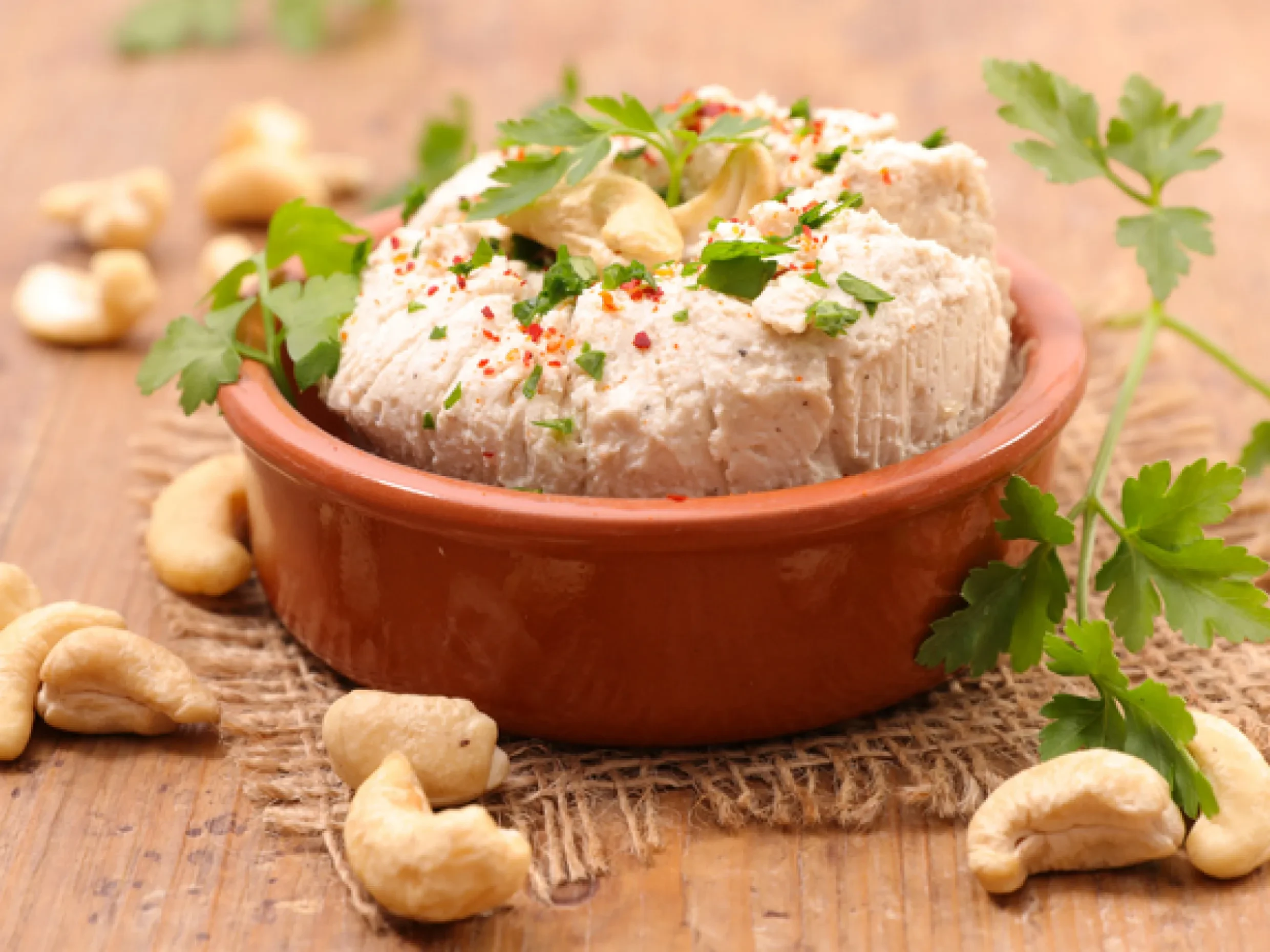
Cashew Cheese
Soaked cashews blend into a creamy base for vegan cheese sauces, spreads, dips and soft cheeses. Blend them with nutritional yeast, lemon juice, garlic, miso and a little water or plant milk for a rich sauce, or season and chill the mixture for a spreadable cheese board option. Cashew cheese is especially good in mac ‘n’ cheese, quesadillas, dips and creamy pasta dishes.
Tofu Ricotta
Tofu makes an excellent ricotta-style cheese, particularly in lasagne, cannelloni, stuffed shells, and calzones. Mash or blend firm tofu with nutritional yeast, lemon juice, garlic, salt and fresh herbs until it’s creamy but slightly textured. Its mild flavour makes it easy to season, and it holds up well when baked.
Potato & Carrot Cheese Sauce
For a budget-friendly, ‘cheese’ sauce, blend cooked potatoes and carrots with nutritional yeast, lemon juice, garlic powder, onion powder, mustard and plant milk. The vegetables create a smooth, thick base, while the seasonings provide the savoury “cheesy” flavour. It works particularly well for mac and cheese, nachos, baked potatoes and cauliflower cheese.
In With the New
Whether you’re ready to go full vegan, or you’re just discovering what a plant-based diet looks like, there’s a lot to explore. But it’s important to know that it doesn’t mean giving up the meals, flavours and textures you might be used to - it just means approaching them with a few clever ingredient swaps.
From tofu and aquafaba in place of eggs, to jackfruit, cashew cream and nutritional yeast bringing richness to plant-based dishes, there’s a vegan alternative for almost every kitchen staple.