



















Self-rising flour (or as we know it in the UK, self-raising flour), is a staple in many recipes - particularly Southern recipes like biscuits, cobblers and more. It simplifies the baking process by including the leavener and salt right in with the flour, making it handy to have around when you’re running low on baking supplies (or time to assemble it all).

What Is Self-Rising Flour?
Many popular varieties of self-rising flour are made with bleached, low-protein soft wheat flour, which gives baked goods a super-light texture and tender crumb. In a pinch, however, all-purpose flour (plain flour in the UK) makes a fine substitute. It does not matter if it is bleached or unbleached. If you happen to have plain cake flour on hand as well, you can use a 50/50 mix of that and all-purpose for an even closer approximation.

How to Make Self-Rising Flour
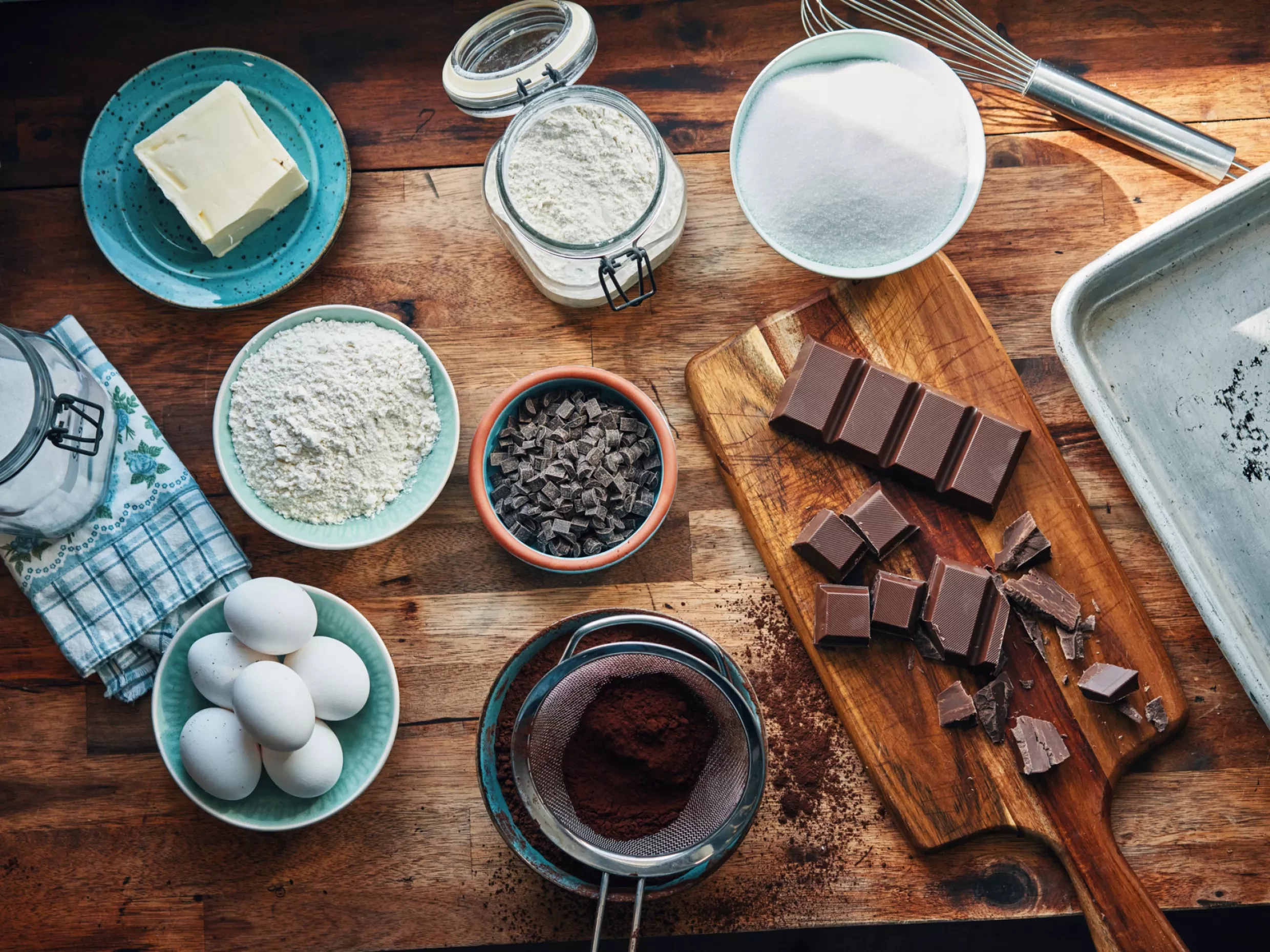
Making self-rising flour at home is easy. Just use this basic formula: For every 1 cup of all-purpose flour, add 1 1/2 teaspoons of baking powder and 1/4 teaspoon of fine salt. Whisk the ingredients thoroughly in a large bowl or put them in a glass jar and shake well. Store your self-rising flour in an airtight container in your store cupboard. (Be sure to label it, so you know it contains a leavener.) Use within six months or the baking powder will start to lose its potency.