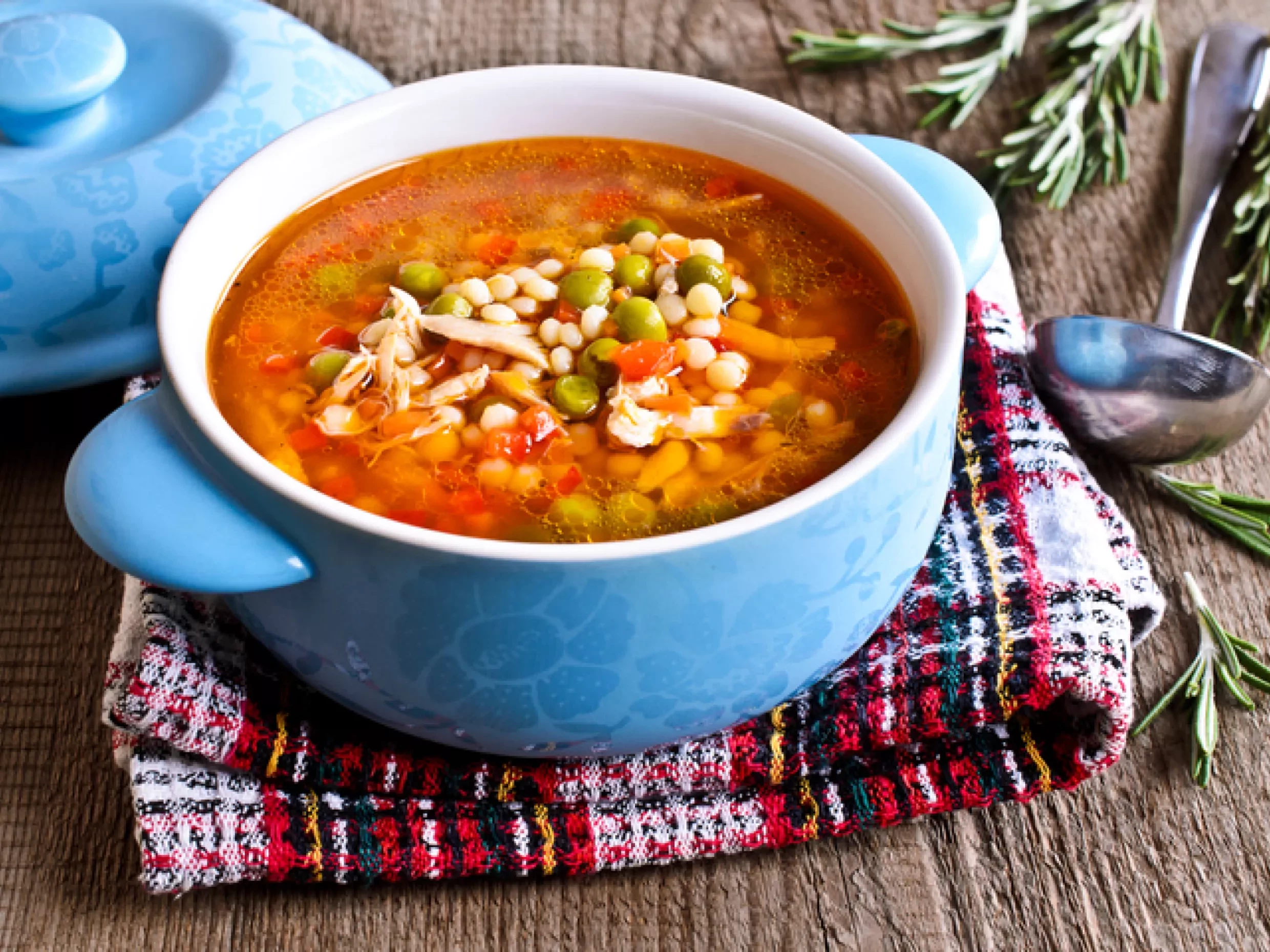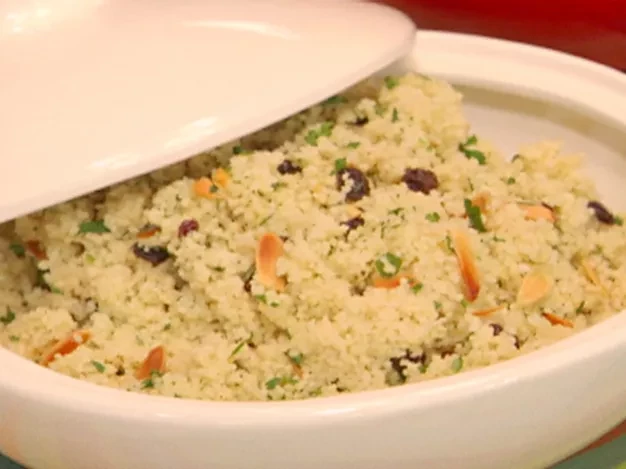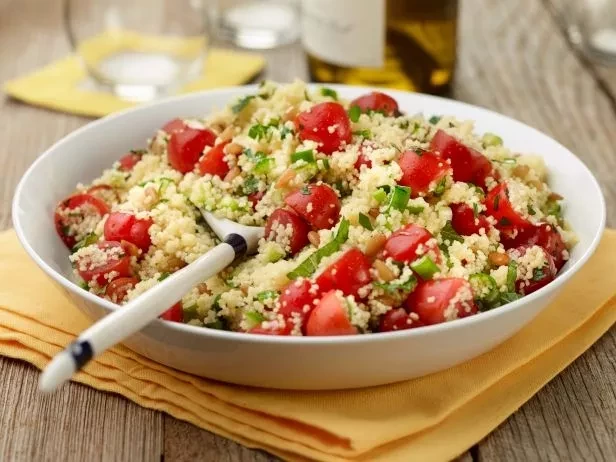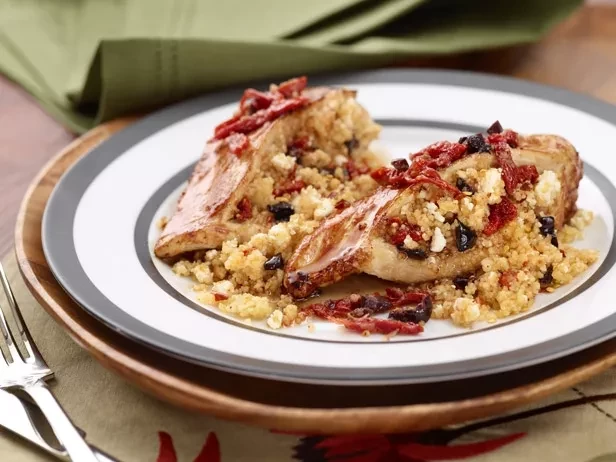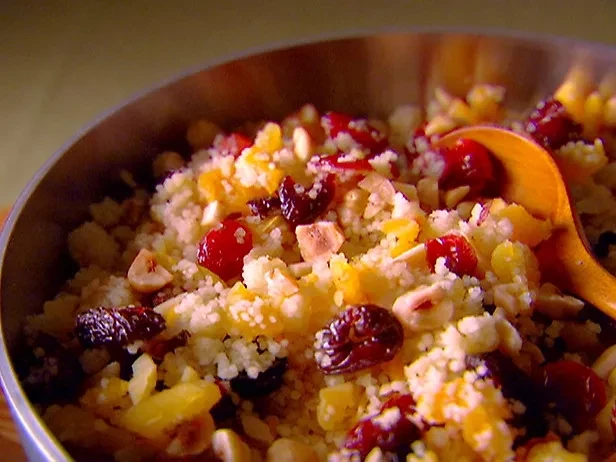












Versatile couscous cooks in minutes, making it an excellent item to keep in your cabinet for quick meals. It comes in all sorts of shapes and sizes, including whole wheat varieties and the larger-grained Israeli and pearl couscous, which are great in salads and soups. A traditional Moroccan pot known as a couscoussier steams the grains over a simmering stew, but all you really need to cook couscous is a single saucepan and about 10 minutes.
Is Couscous a Grain or a Pasta?
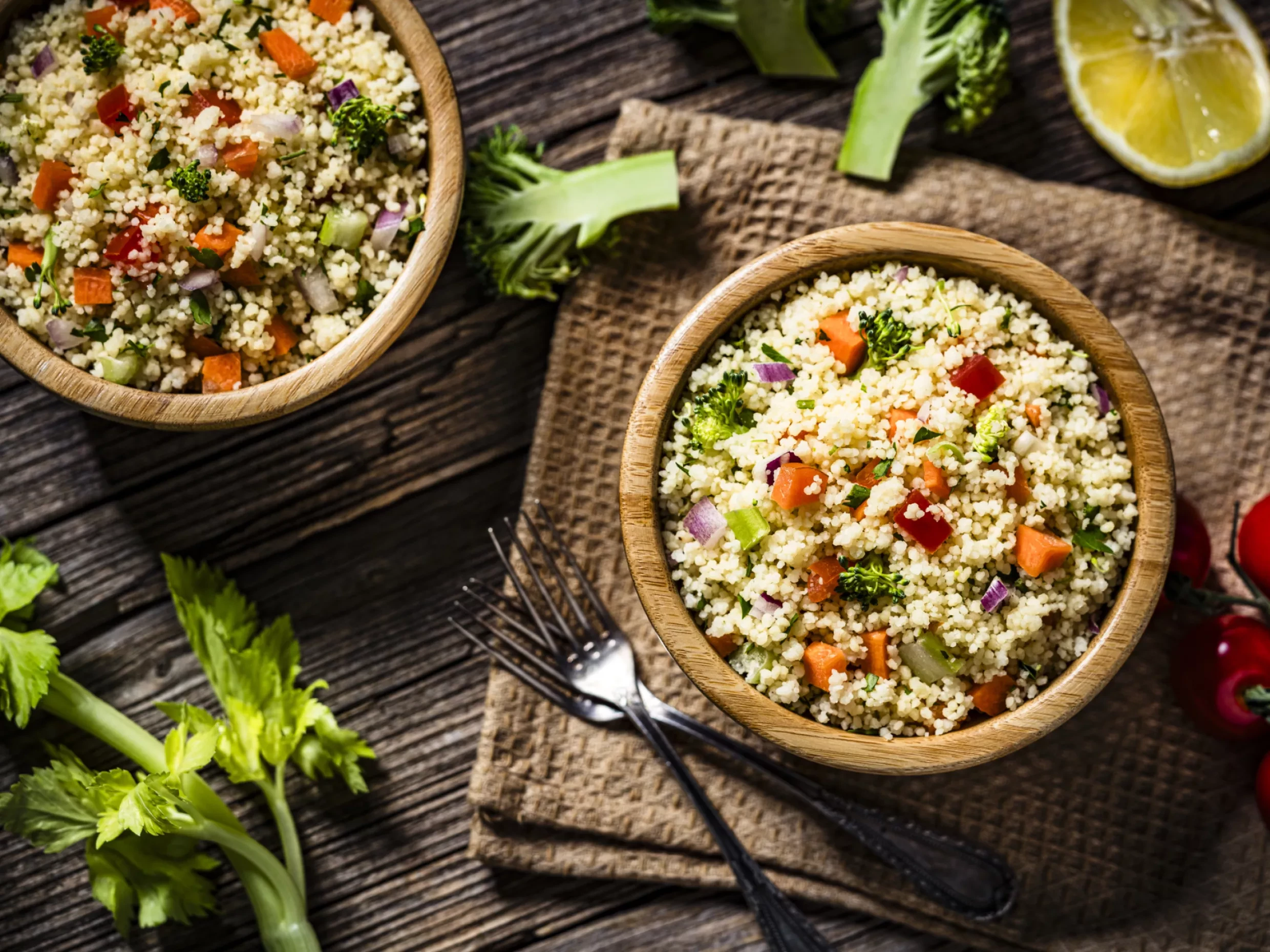
Couscous is often treated as a grain, like rice, but it’s actually made of semolina flour just like pasta. The kind of couscous labeled simply “couscous” on most packages is what is known as Moroccan couscous. The individual bits of dried semolina are so small they sometimes look like coarse cornmeal. Couscous is steamed and then dried, so it’s essentially “instant” - all you need to do is soak it for a few minutes in boiling water. You can also find couscous made from whole-wheat flour and tri-colour varieties; these cook identically to those made with plain semolina.
What Is Israeli Couscous and Pearl Couscous?
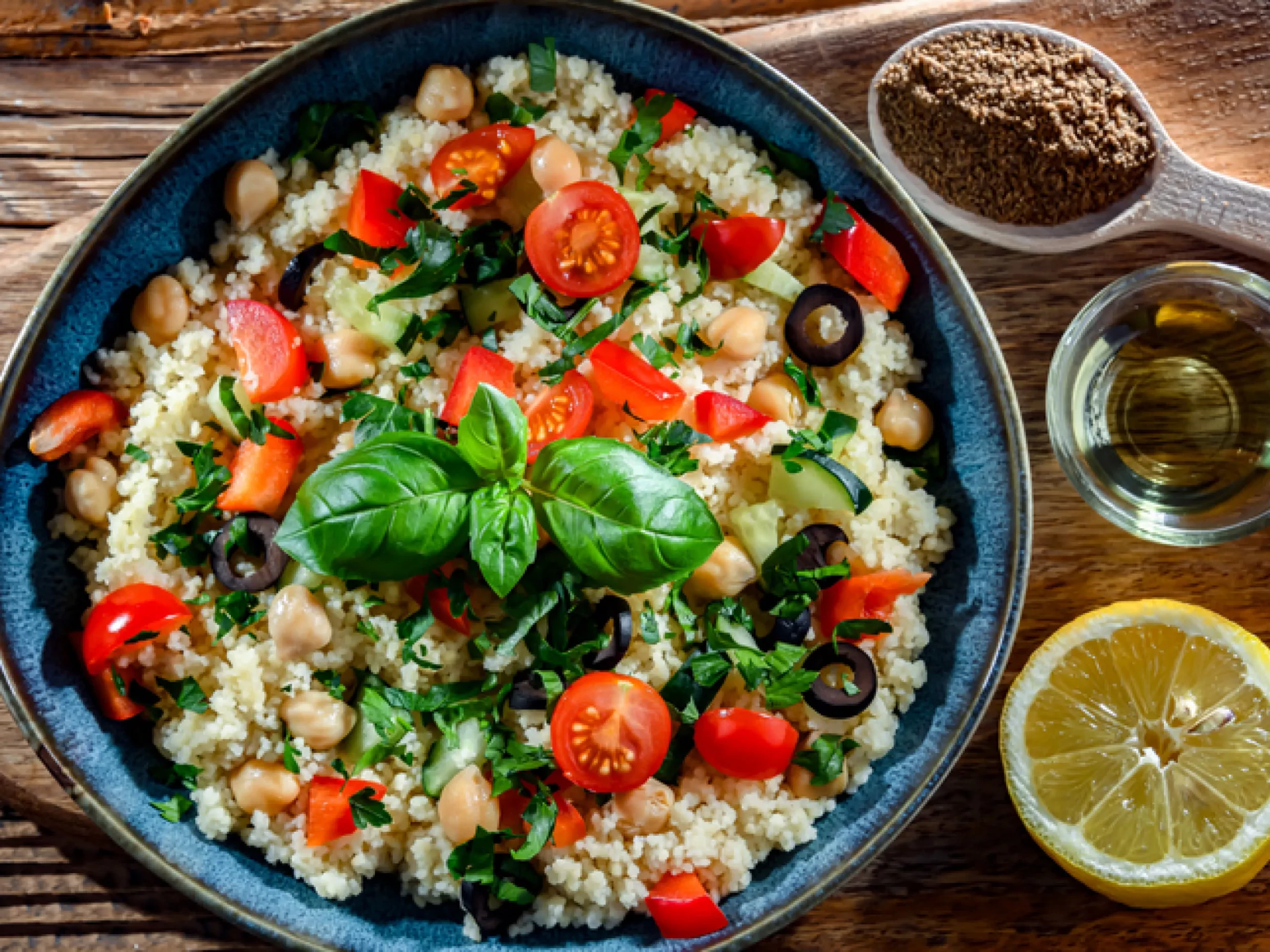
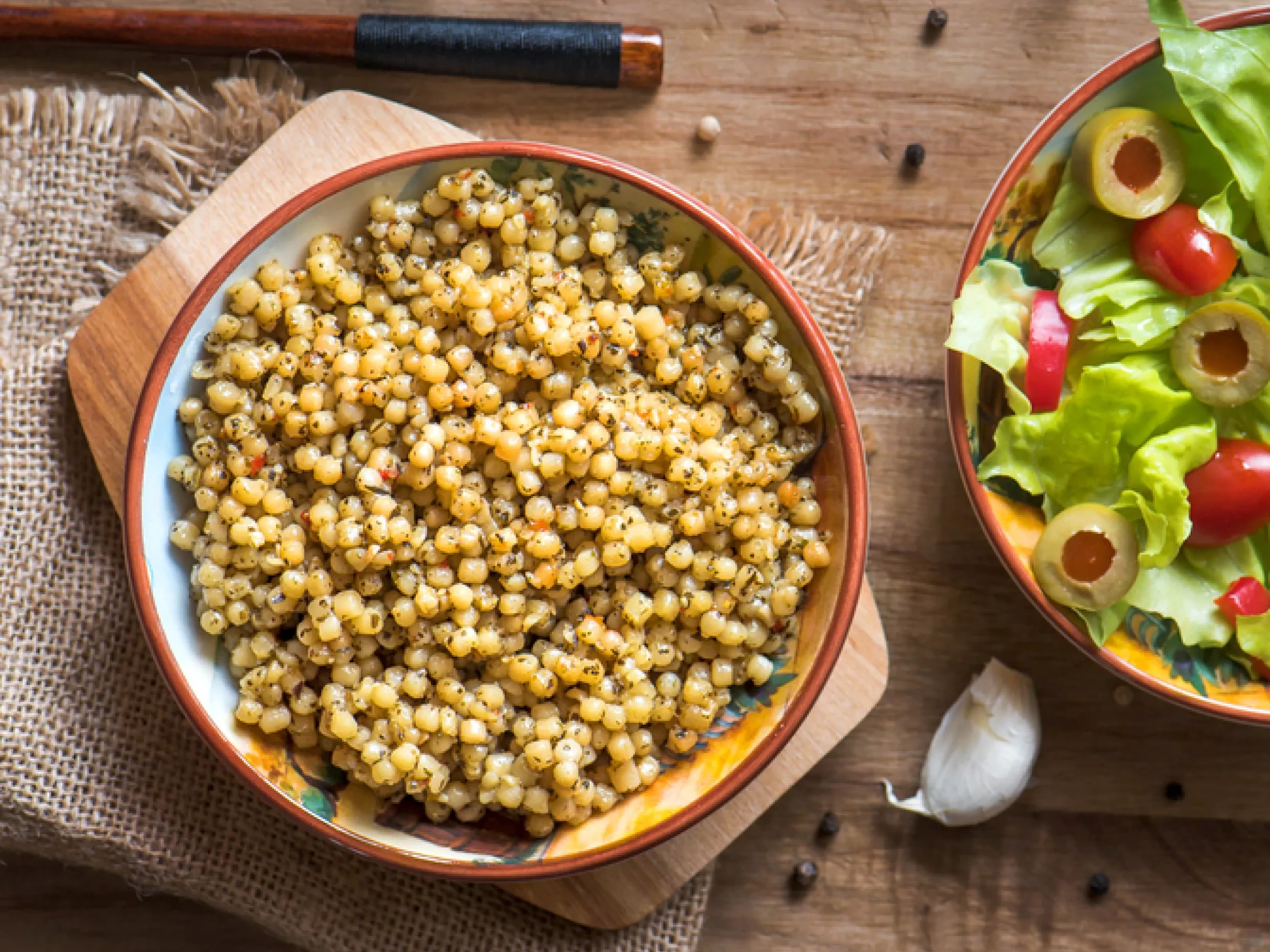
The terms pearl couscous and Israeli couscous are sometimes used interchangeably, but they’re actually not the same. Invented in the 1950s in Israel, Israeli couscous is made from semolina dough just like Moroccan couscous but the individual grains are rolled into small round beads. Pearl couscous has somewhat larger grains and is sometimes called Lebanese couscous.
Since the beads of these kinds of couscous are quite large, they’re usually cooked in boiling water like pasta is and drained. While regular couscous is tender and grainy, Israeli and pearl couscous have a distinctive chewy bite that stands out in grain bowls, salads and soups.
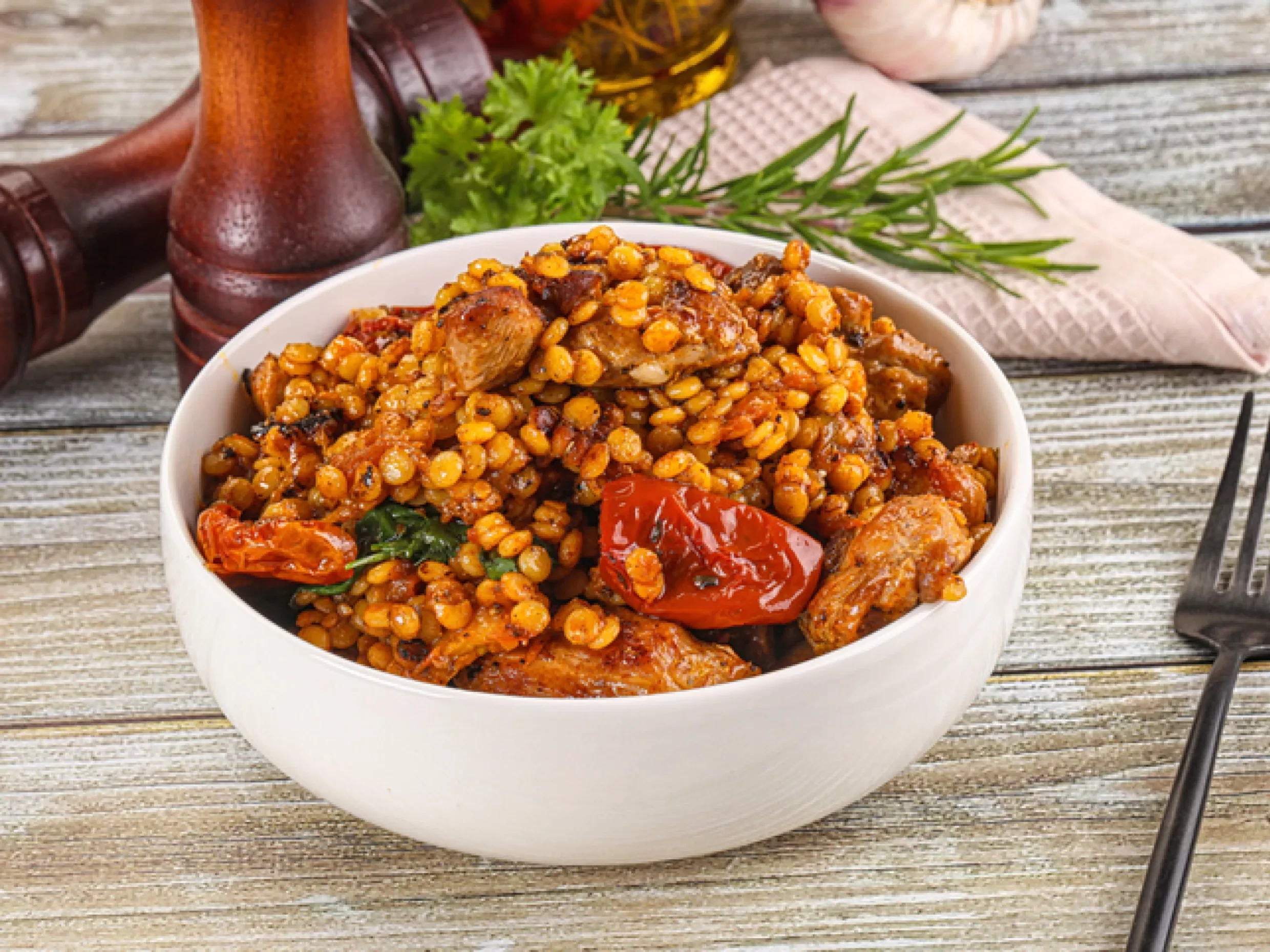
How to Cook Couscous
To prepare couscous, place it in a bowl and pour an equal amount of boiling salted water over it. Let it sit for five minutes and then fluff.
Couscous is so quick and easy to prepare that the word “cook” hardly seems to apply. Another great thing about this staple is that the liquid-to-couscous ratio is too straightforward to forget: one cup boiling liquid to one cup couscous. You can’t get simpler than that! A few bells and whistles are also nice, but more about that later.
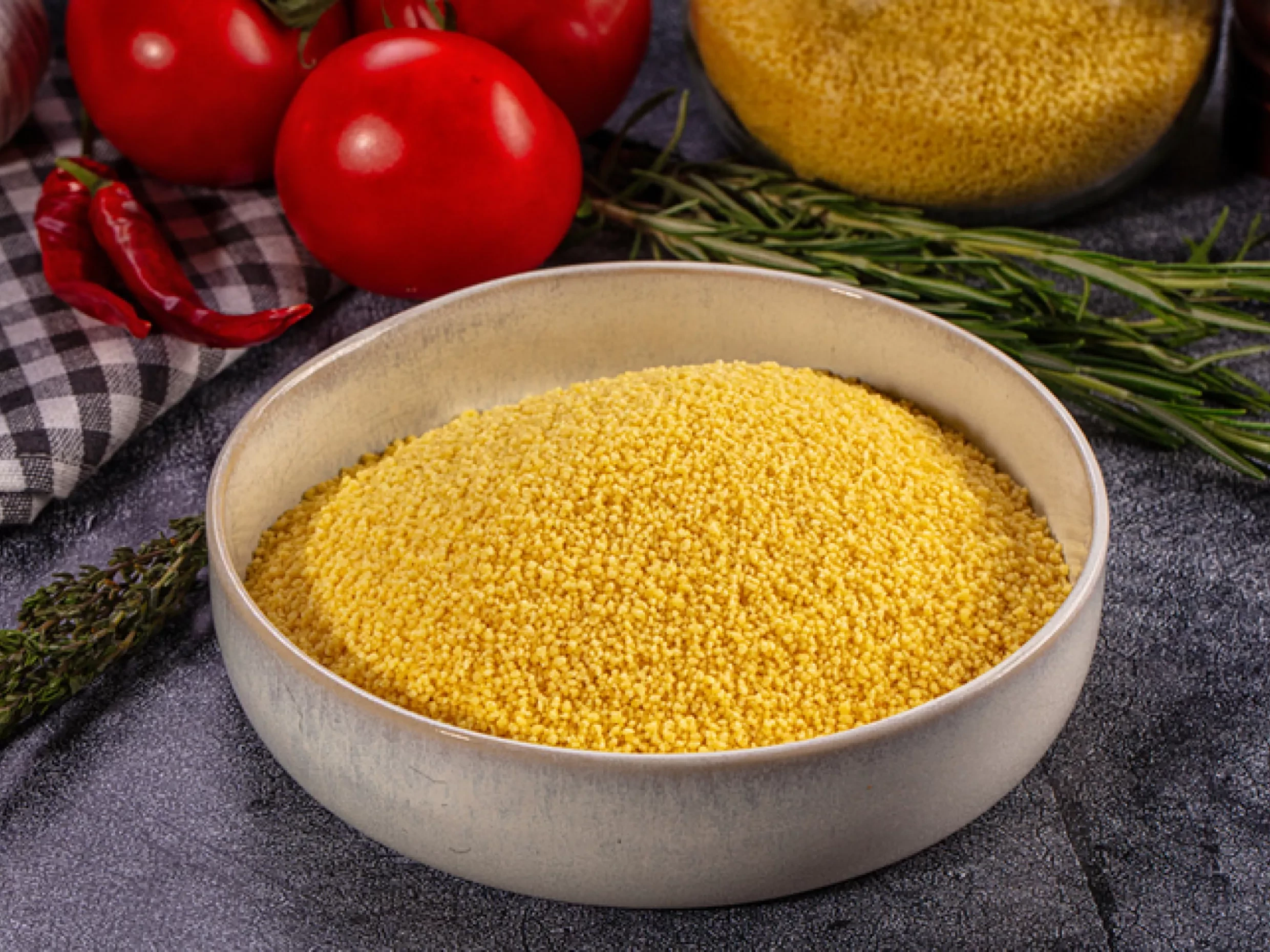
How to Make the Simplest Couscous
This recipe makes about two cups, enough for three to four servings. The 1-to-1 ratio makes it easy to scale up or down.
Step One: Boil the liquid. Bring one cup of water or broth to a boil in a saucepan. Add 1/2 teaspoon kosher salt if you’re using water and a drizzle of olive oil or pat of butter if you like.
Step Two: Add couscous and cover. When the liquid boils, stir in one cup of couscous. Remove the pot from the heat, cover with the lid and let sit undisturbed for five minutes.
Step Three: Uncover and fluff the couscous. Remove the lid and use a fork or spoon to stir up the couscous until light and fluffy. Taste and adjust the salt if necessary. Add a garnish of fresh herbs, toasted pine nuts or a sprinkle of spices (za’atar or sumac are good for the Middle Eastern feel) and serve.
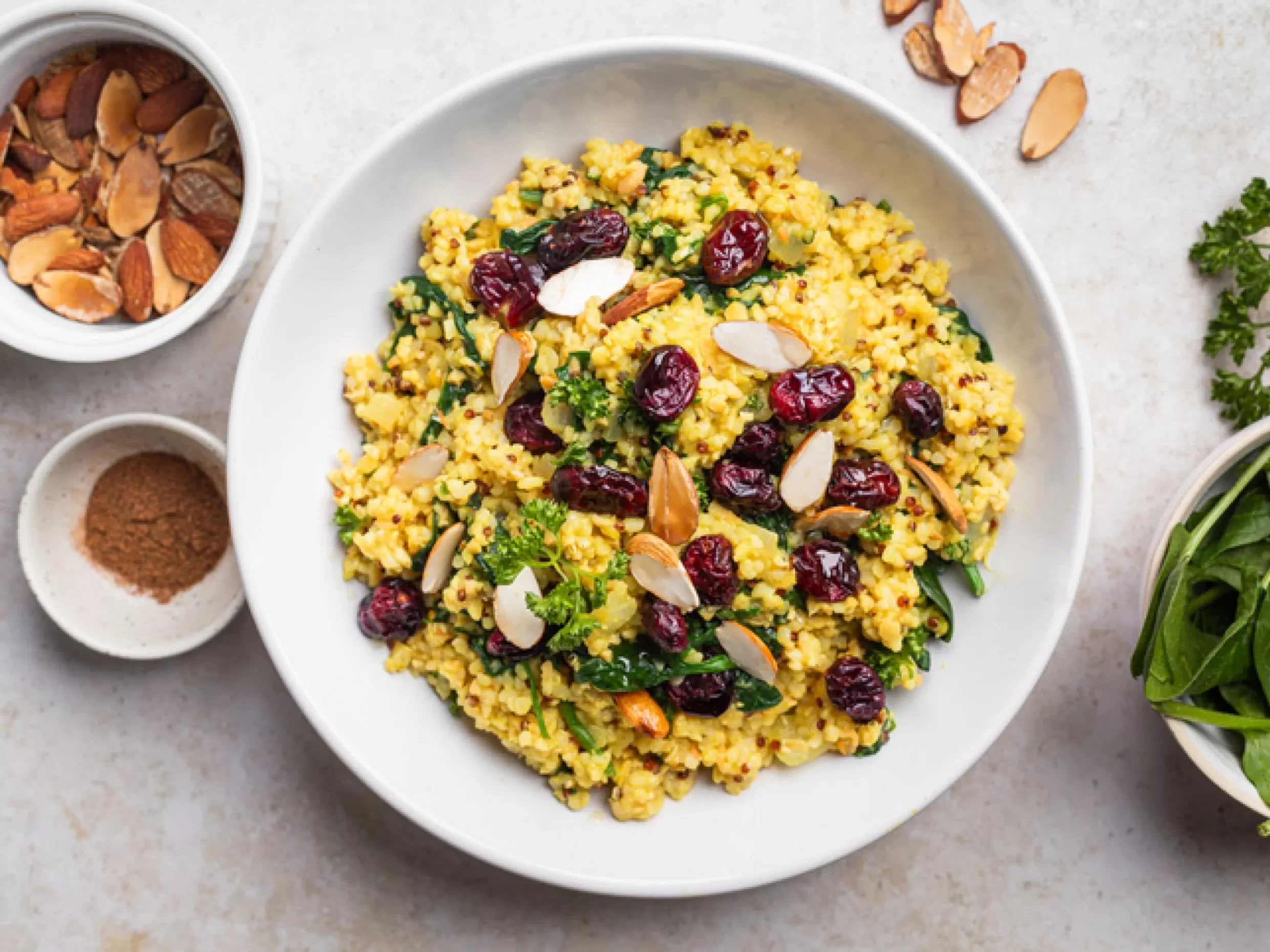
How to Cook Toasted Couscous
Quickly browning couscous in oil before cooking it deepens its flavour. If you have a few extra minutes, it’s worth the extra step. This makes about two cups, enough for three to four servings; the 1-to-1 ratio makes it easy to scale up or down, just adjust the amount of oil you use.
Step One: Boil the liquid. Bring one cup of water or broth to a boil in a saucepan. Add 1/2 teaspoon kosher salt if you’re using water and a drizzle of olive oil or pat of butter if you like.
Step Two: Toast the couscous. Heat a small skillet over medium heat. When hot, add one tablespoon of olive oil. Add one cup of couscous and stir until the grains are just lightly toasted and fragrant, three to four minutes. (Watch carefully so it doesn’t burn.)
Step Three: Add to water and cover. Immediately scrape the couscous into the boiling water. Remove the pot from the heat, cover and let sit undisturbed for five minutes.
Step Four: Uncover and fluff the couscous. Remove the lid and use a fork or spoon to stir up the couscous until light and fluffy. Taste and adjust the salt if necessary. Add any herb or spice garnish you like and serve.
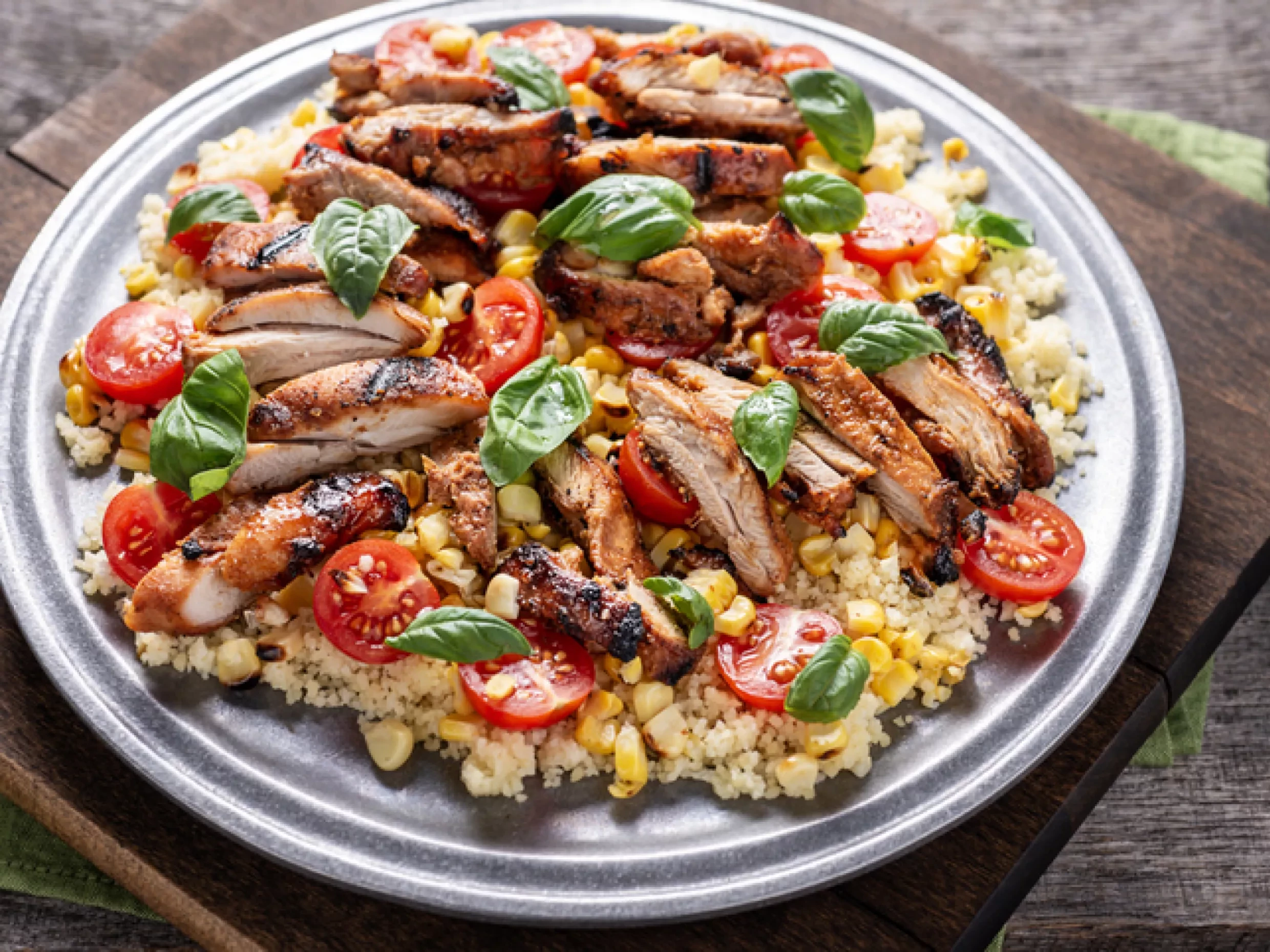
How to Cook Israeli or Pearl Couscous
The grains of Israeli and pearl couscous are much larger than those of regular instant couscous. Although the names of these two are often used interchangeably, the beads of pearl couscous are technically slightly larger. The preferred way to cook either is in a large amount of salted boiling water just like you would pasta. You can amplify the flavour of these varieties by toasting them before boiling, or you can also skip this step if you like.
Step One: Add couscous to hot oil. To toast the couscous, heat a bit of oil in a saucepan over a medium-high heat. Add the couscous and cook, stirring, until the individual grains turn golden brown, three to four minutes. Immediately transfer it to a plate.
Step Two: Cook in boiling liquid. Fill a pot or large saucepan about two-thirds full of salted water and bring to a boil. Add the toasted couscous or couscous directly from the package. Boil until the beads are tender with a bit of toothsome bite (like al dente pasta), about 10 minutes.
Step Three: Drain. Drain the couscous and transfer it to a bowl. Toss with a drizzle of olive oil or herbs if you like.
Can You Freeze Couscous?
Yes, you can freeze couscous for three to four months. For best texture however, it’s important to cool and freeze it spread out first, then transfer it to storage containers. This keeps the grains separate so they don’t freeze in a solid block and become mushy.
Here’s how to do it:
Step One: Cook and cool. Cook the couscous and cool completely to room temperature. Spread it out in a very thin layer on a large rimmed baking sheet or two smaller sheets.
Step Two: Freeze on a baking sheet. Place the couscous in the freezer until frozen solid, about an hour.
Step Three: Freeze in bags. Use a spatula to scrape the couscous off the baking sheet and break up any large clumps. Transfer the couscous to one or more resealable bags, remove excess air and label the bags with the contents and date. Place the bags in the freezer and use within four months.
To defrost couscous, transfer the frozen grains to a microwavable bowl and sprinkle with a few tablespoons of water. Microwave it on high in one-minute increments until it’s hot and steaming. Fluff it with a fork and taste it; adjust the seasoning if necessary and add a sprinkle of olive oil if it seems like it could use it.