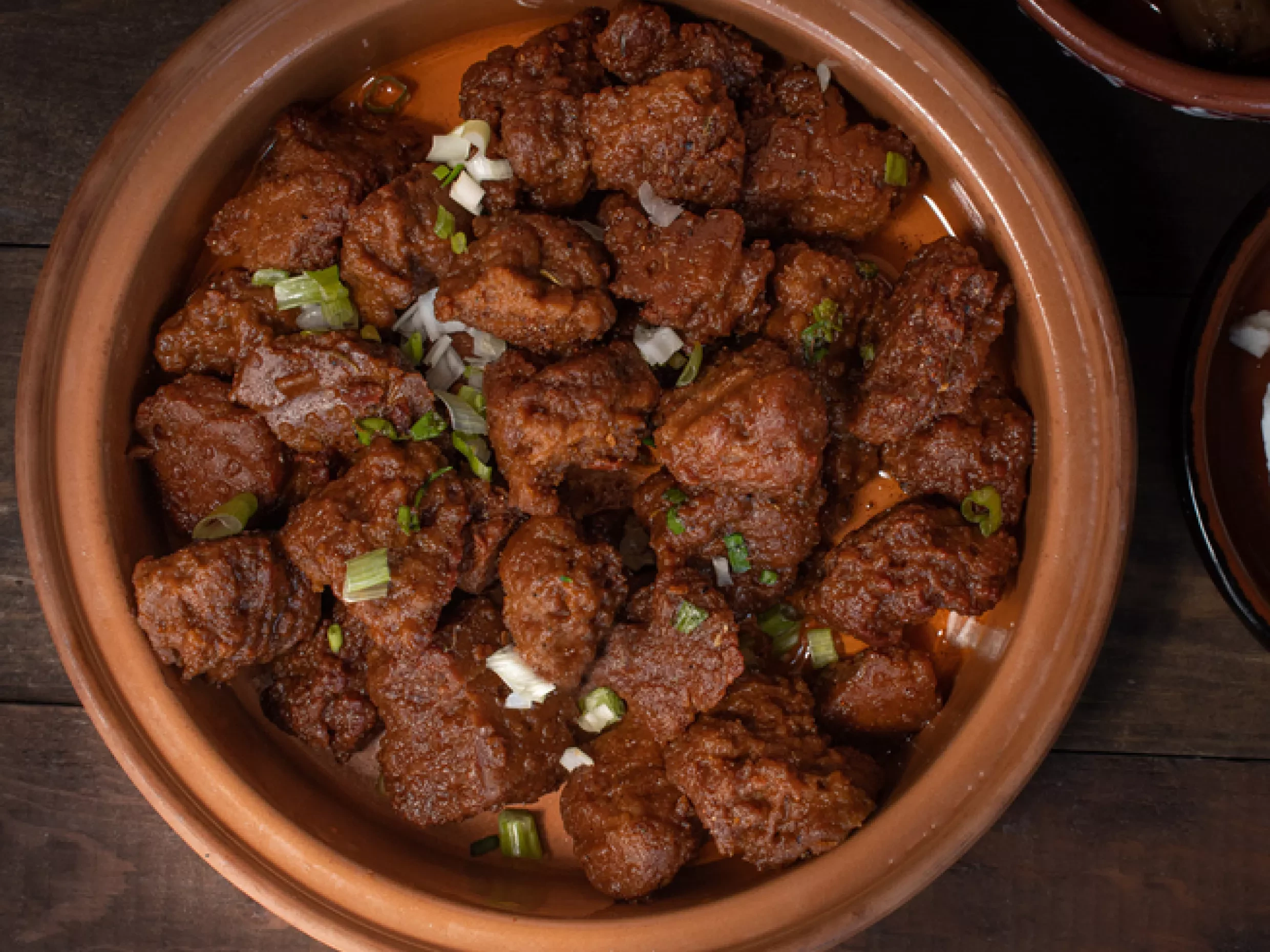
















Perhaps you’ve seen flour-and-water "chicken" on your TikTok recently - plant-based eaters have been enthralled by a recent viral video where TikTok-user @futurelettuce kneads flour and water into dough, rests it, kneads it again under running water, kneads spices into it, sears it and then simmers it until it’s tender. The end result looks and acts like a cooked chicken breast. You can slice it. You can butterfly it. You can shred it, or you can throw it into a stir-fry and continue cooking it.
Essentially, this is a two-ingredient take on seitan, which originated in China and Japan ages ago. We’re here to give a little more info on the traditional plant-based staple.
What Is Seitan?
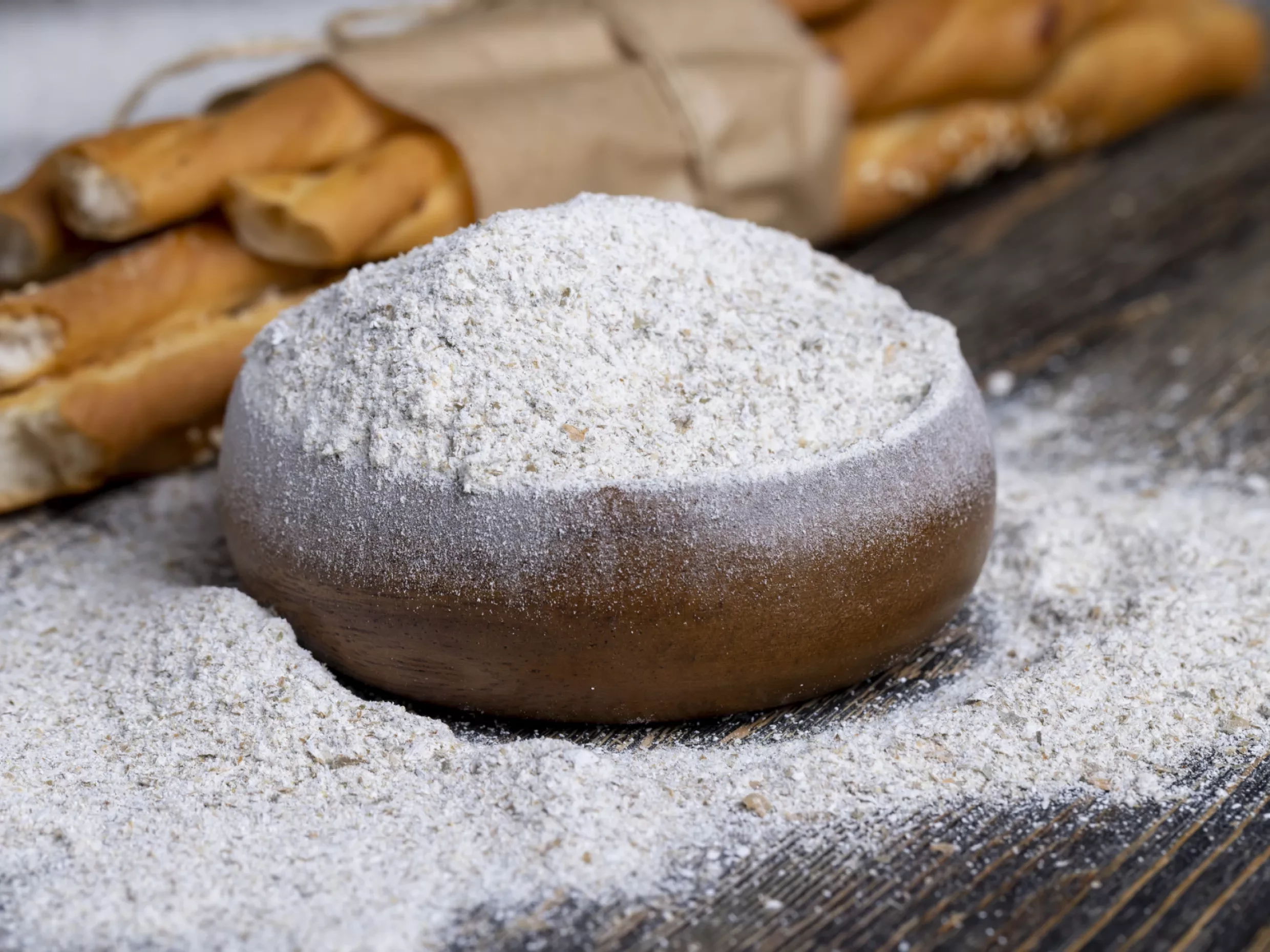
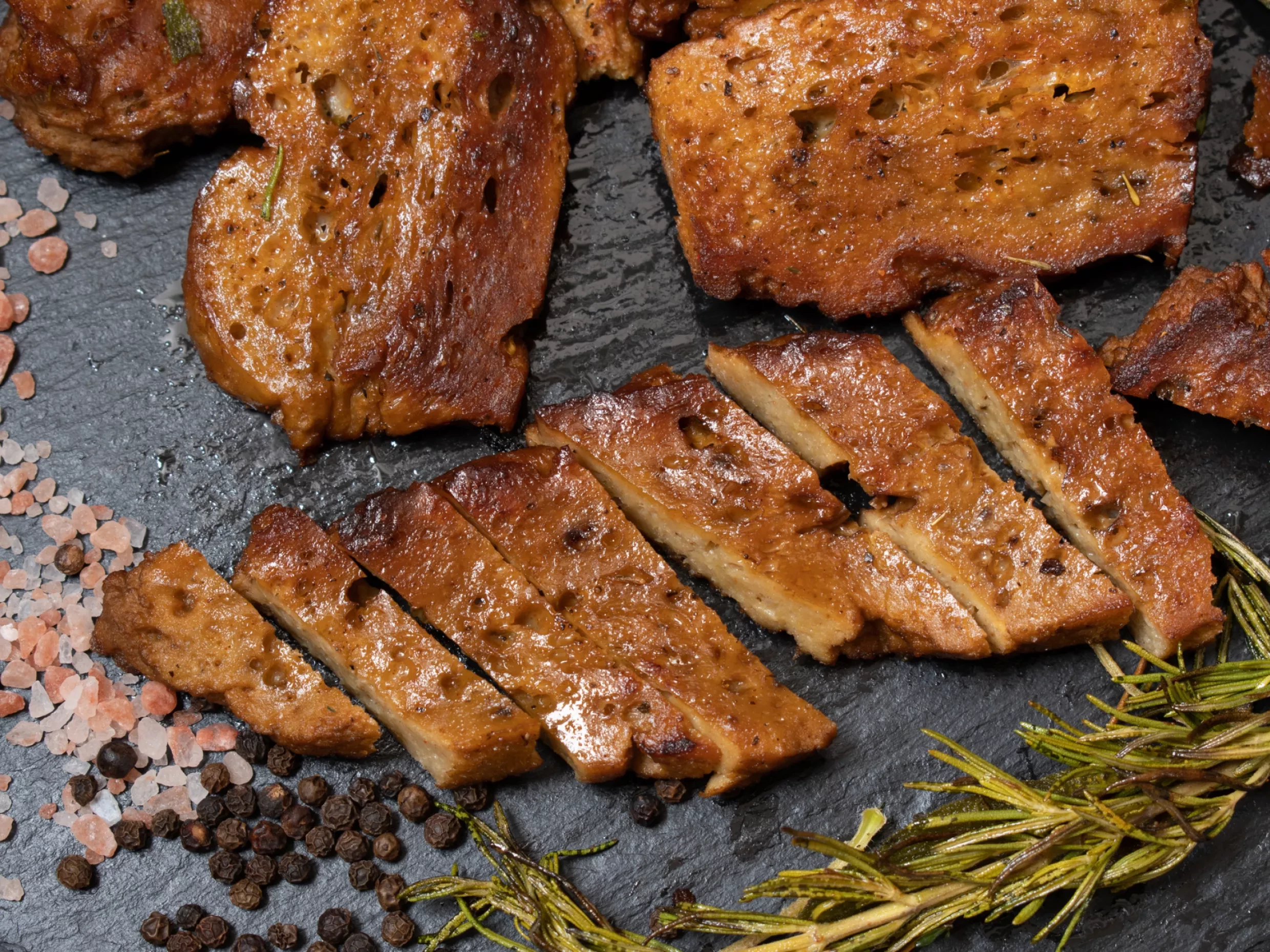
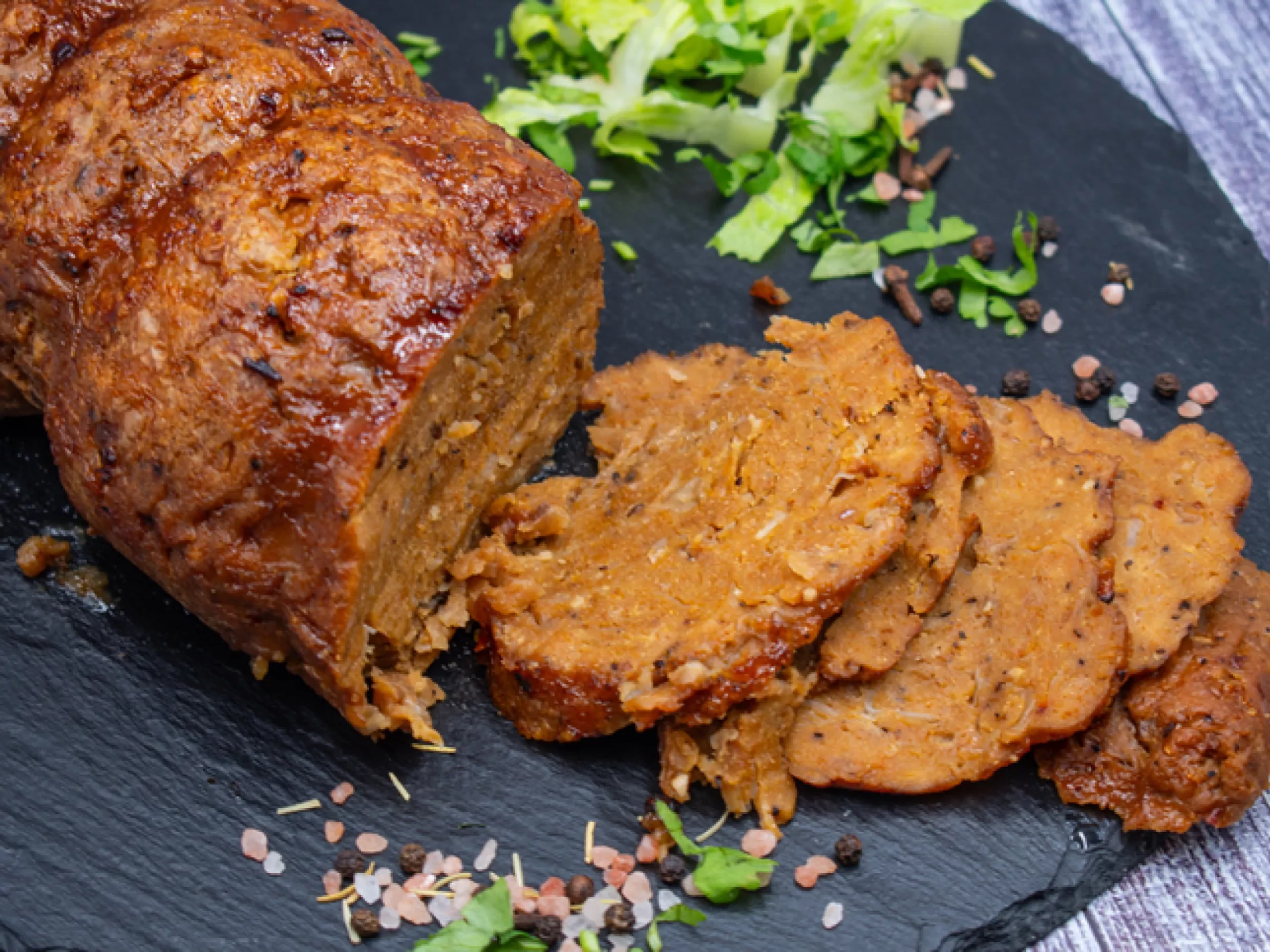
Seitan is a plant-based meat substitute made from wheat gluten that mimics the flavour and texture of chicken. You can buy it in many health food supermarkets, or you can make it yourself. It’s typically made out of vital wheat gluten, an ingredient that has a similar texture to flour but is mostly, well, gluten.
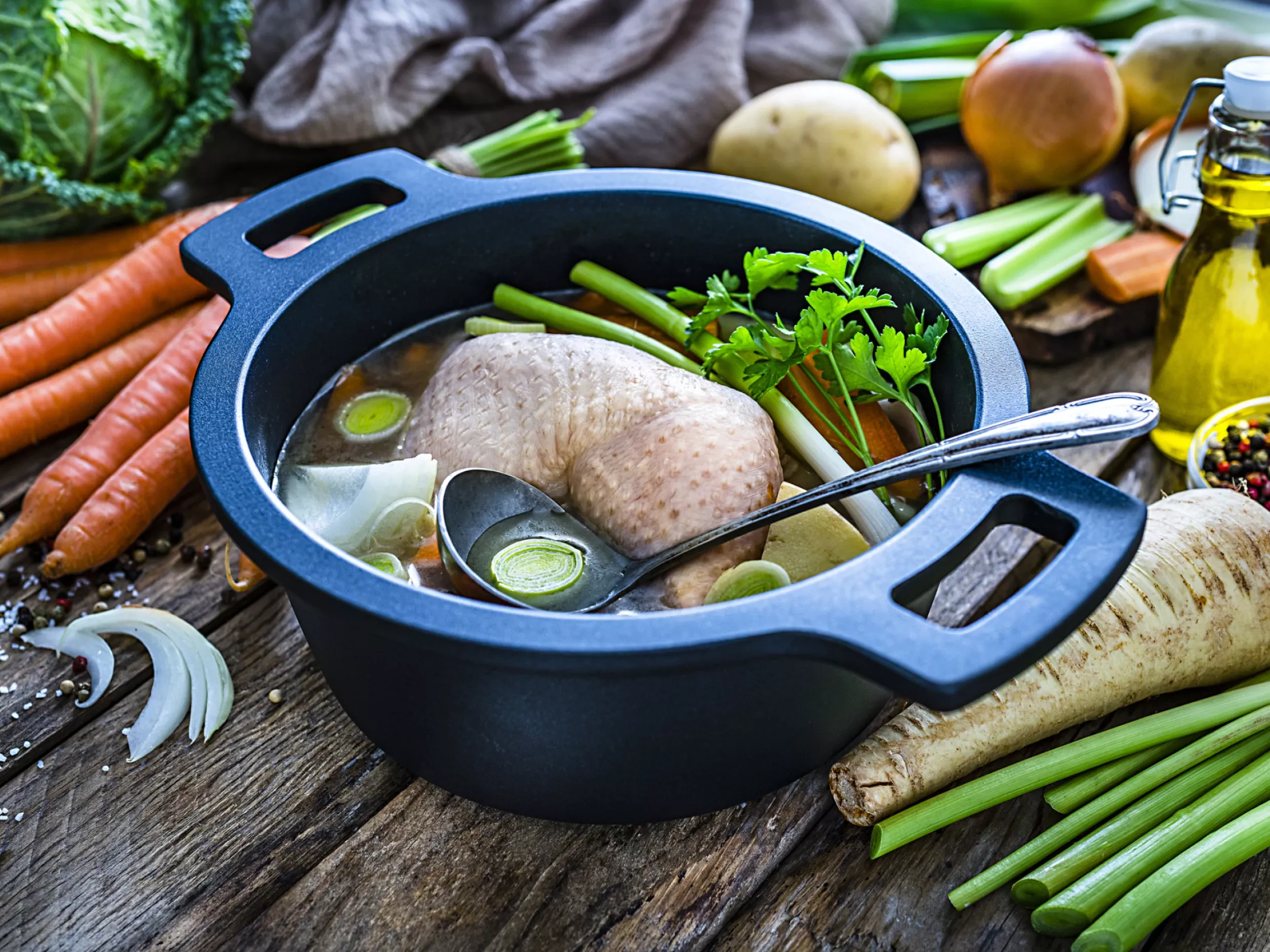
A friendly PSA (public service announcement) - although gluten gets a bad rap, it’s essentially pure protein. You can make seitan out of regular flour, like the TikTok trend shows, but using vital wheat gluten means you have to do a lot less kneading to develop the gluten. Seitan is often kneaded with spices and flavourings such as nutritional yeast and soy sauce as well as vegetable stock for extra flavour. Then it’s simmered in more vegetable stock until it’s firm.

What Does Seitan Taste Like?
Seitan is chewy like chicken and has a pleasant savoury umami flavour. It also readily absorbs the flavours of what it’s cooked with, making it somewhat of a blank canvas.
What’s the Difference Between Seitan, Tofu and Tempeh?
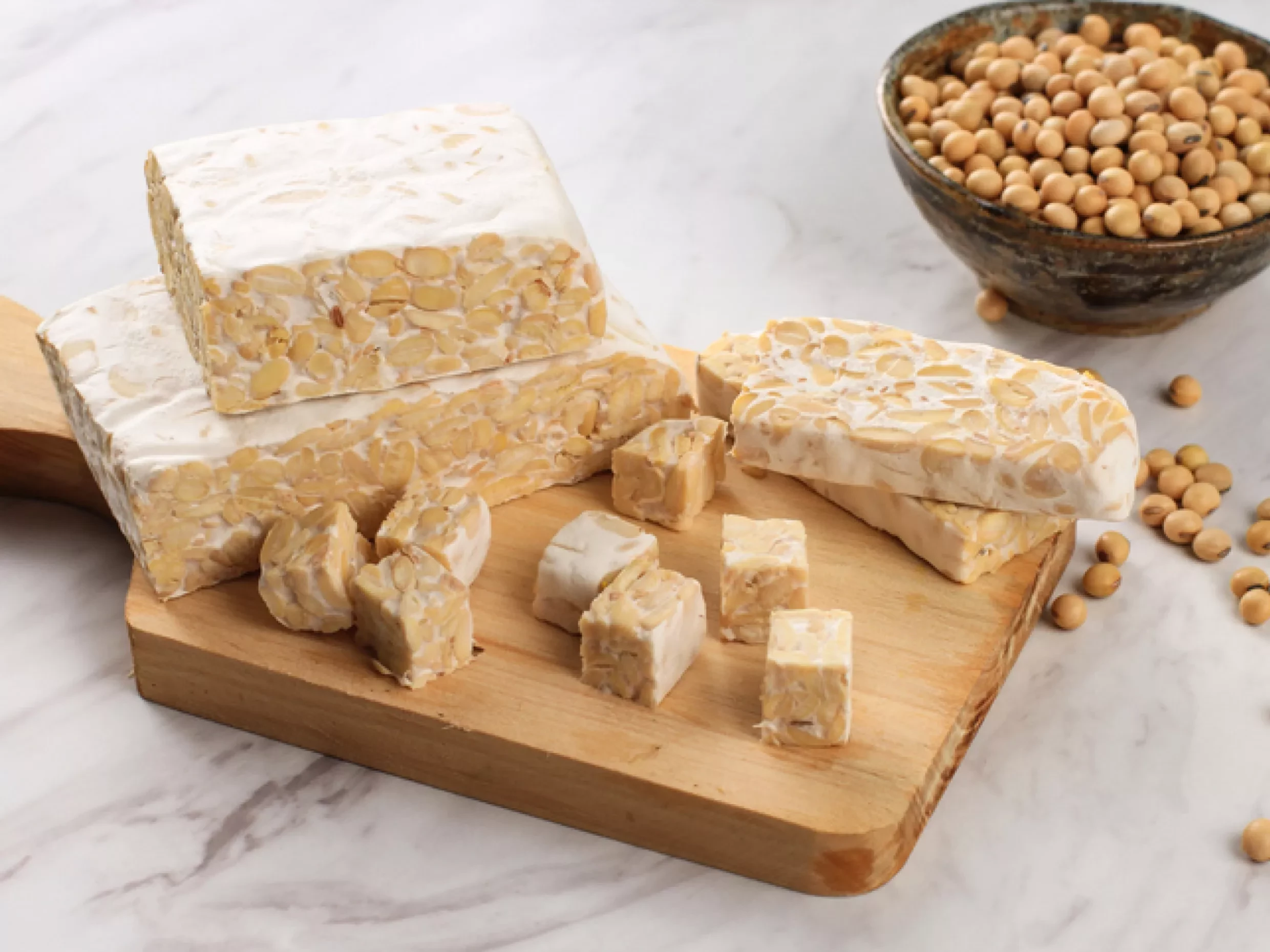
Tofu and tempeh are both soy-based ingredients. Tofu has a smooth texture and is made from condensed, pressed soy milk, while tempeh, which originated in Indonesia, is made from fermented soybeans - forming them into a dense patty with ingredients like beans, grains and spices. Both of these ingredients are quite different from gluten-based seitan, although all three are delightful plant-based options to cook with.
How to Store Seitan
Cool homemade seitan completely in the broth that you cooked it in and transfer it to an airtight container. Store it in the fridge for up to four days. Store pre-made seitan in the fridge for up to four days after opening. You can also freeze seitan (without any liquid) in an airtight container resealable bag. The thawed seitan will be slightly chewier but not unpleasant.
How to Cook Seitan
If you’re making seitan from scratch, you’ll want to make sure to simmer it until the flour is completely cooked through (eating raw flour can be dangerous). Simmer the seitan until it has expanded, is firm to the touch and an instant-read thermometer measures 160 degrees F when inserted into the centre.
The seitan you buy in the shops or make yourself is already cooked and ready to eat. Think of it as a fully cooked protein that you just want to warm up and add some flavour to. Here are some ideas. It can easily dry out, so seitan lends itself well to moist, slow cooking (in dishes like soups and stews). If you’re cooking it in a dry environment, like in a frying pan or on the grill, cook it hot and quickly. Here are some more ideas.
- Cut it into cubes and add it to a soup or stew you’re simmering.
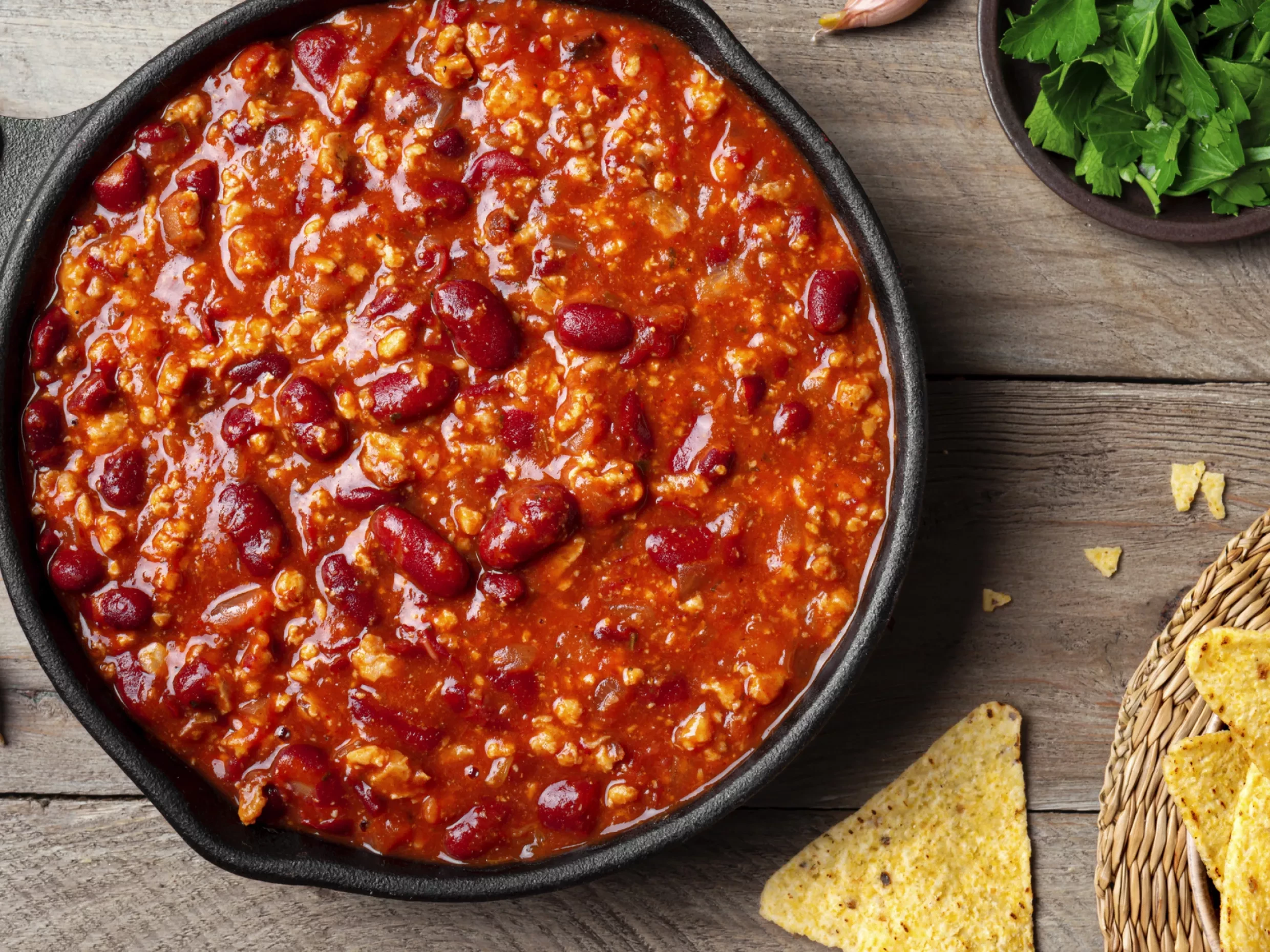
- Grind it up in a food processor and mix it into chili, tacos or pasta instead of ground meat.
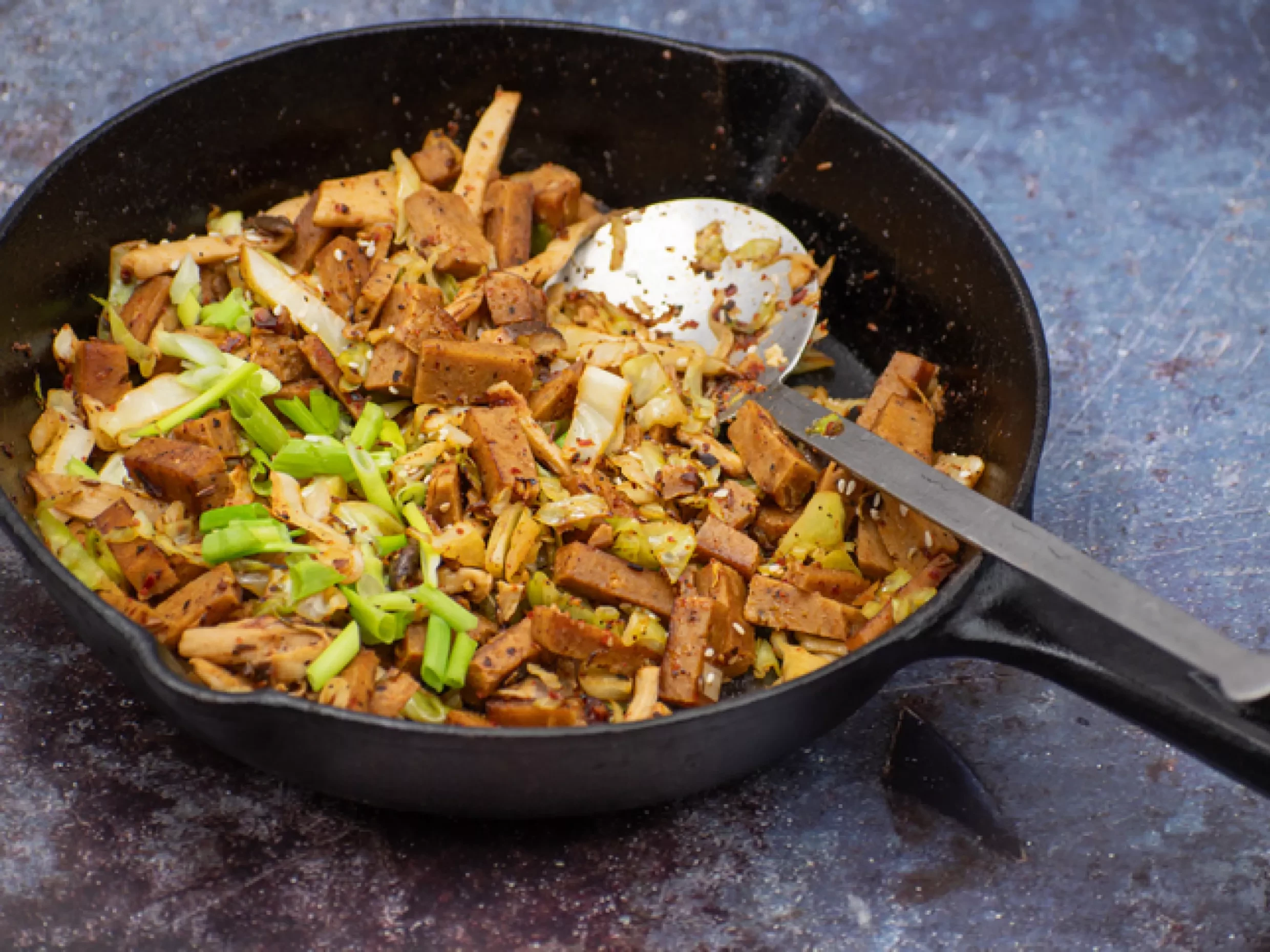
- Slice it thinly and stir-fry it.
- Cube it, marinate it, thread it onto skewers and grill it.