







At first glance, these two tropical fruits look similar. But their flavour, texture and ripeness make them better suited to different types of dishes. Here’s everything you need to know about the differences between plantains and bananas, plus some of the best recipes for each.
What Is a Plantain?
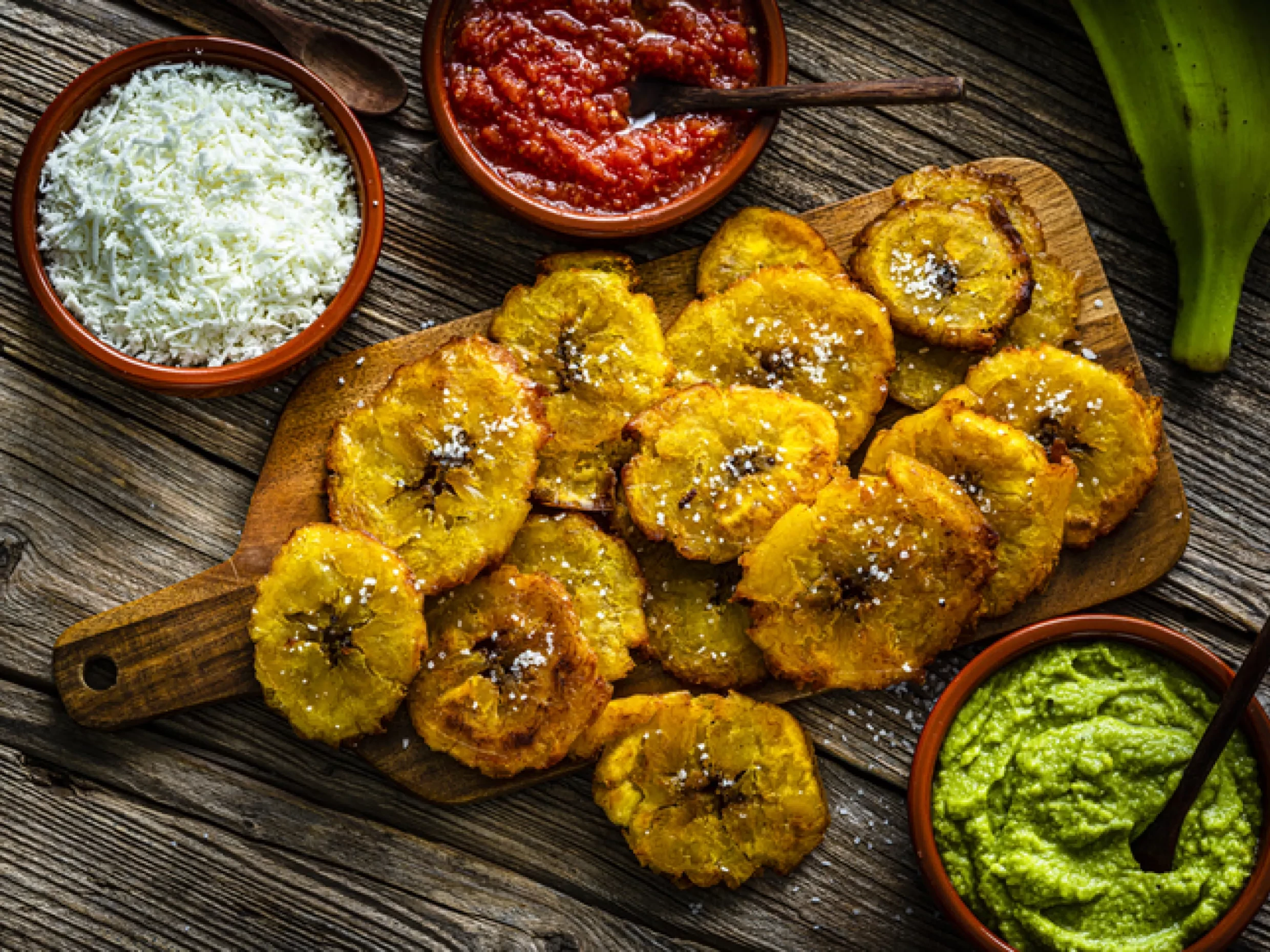
A plantain is a starchy tropical fruit that is part of the banana family.
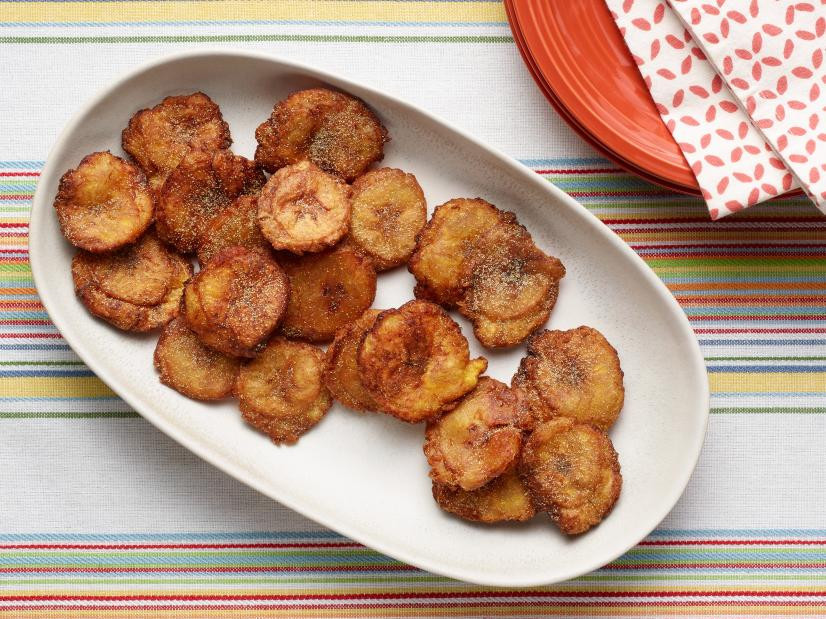
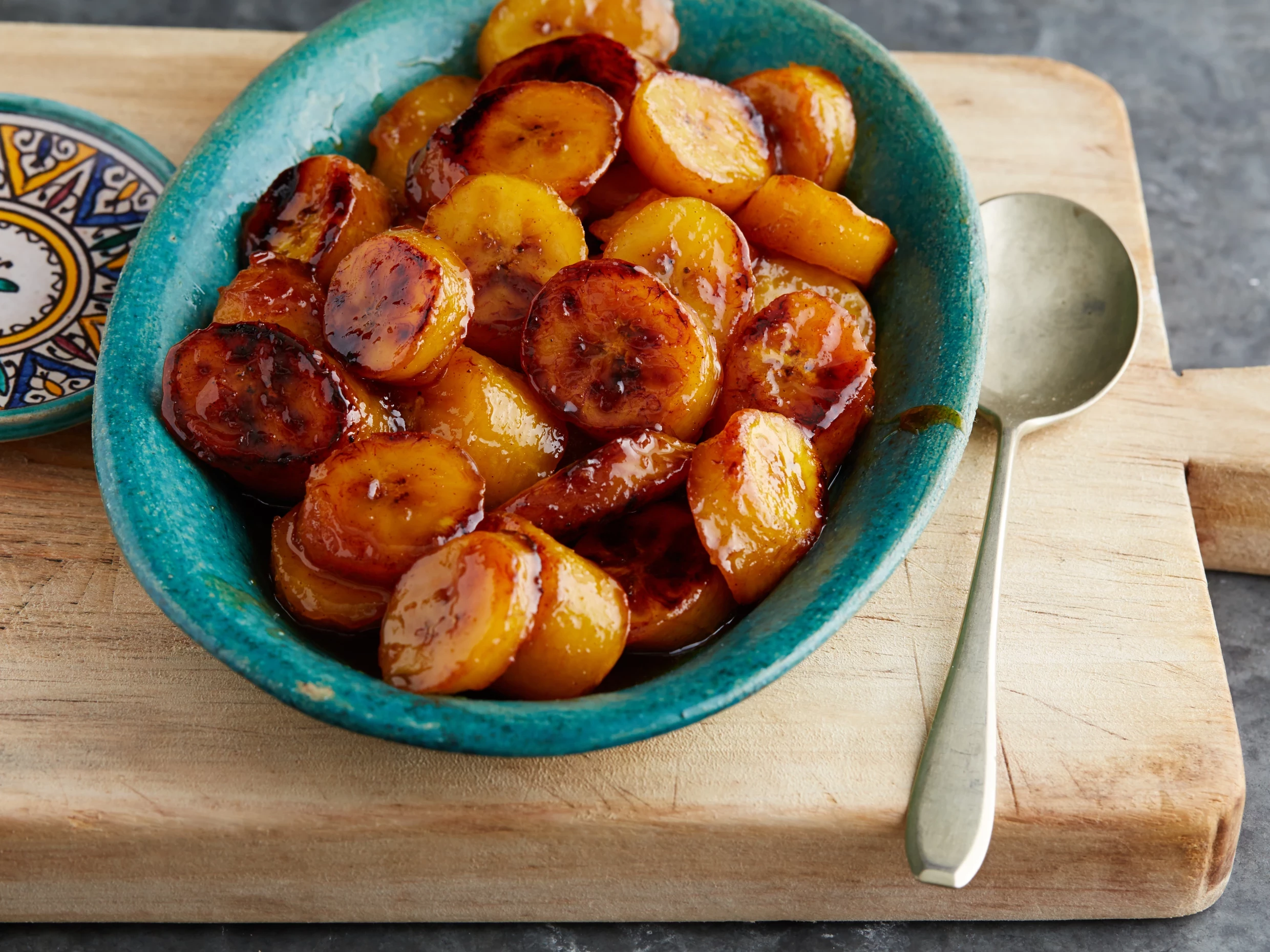
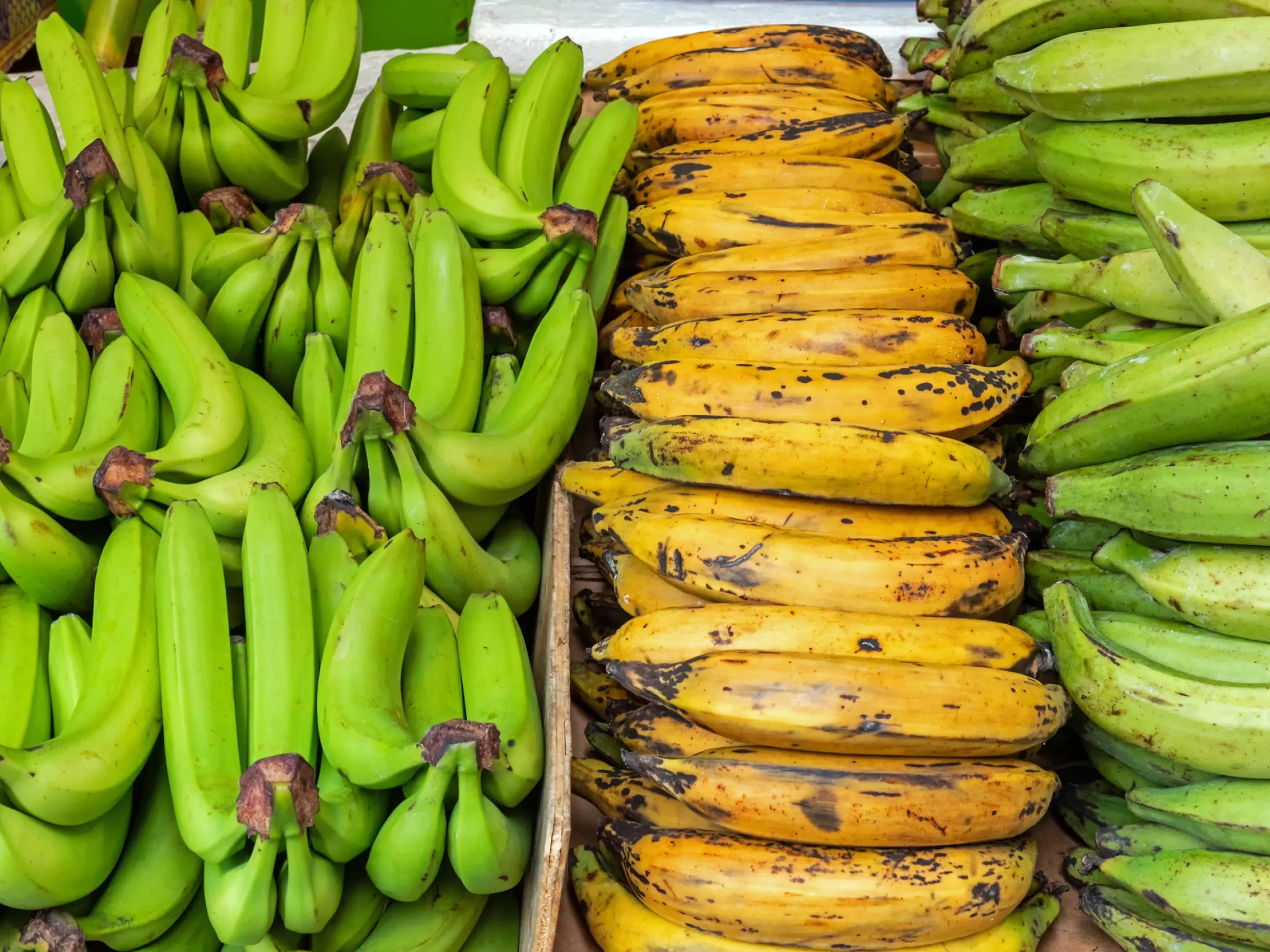
Plantains are larger than bananas, have a thicker skin and a higher starch content. Plantains can be eaten when ripe (yellow or brown skin) or unripe (green skin) and are used in sweet and savoury applications. Plantains are frequently cooked like vegetables in Caribbean, Latin American and African cuisines.
What Is a Banana?
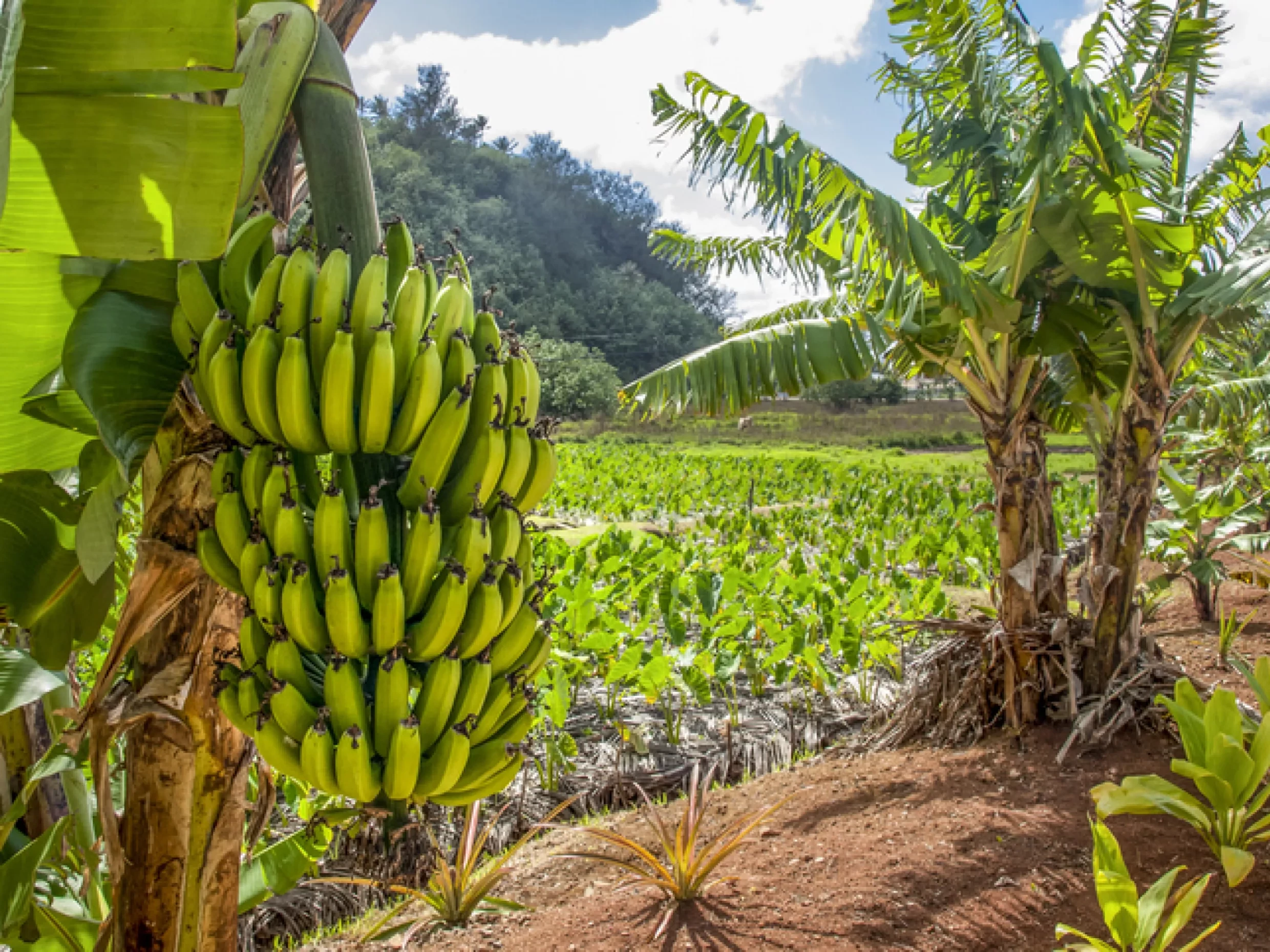
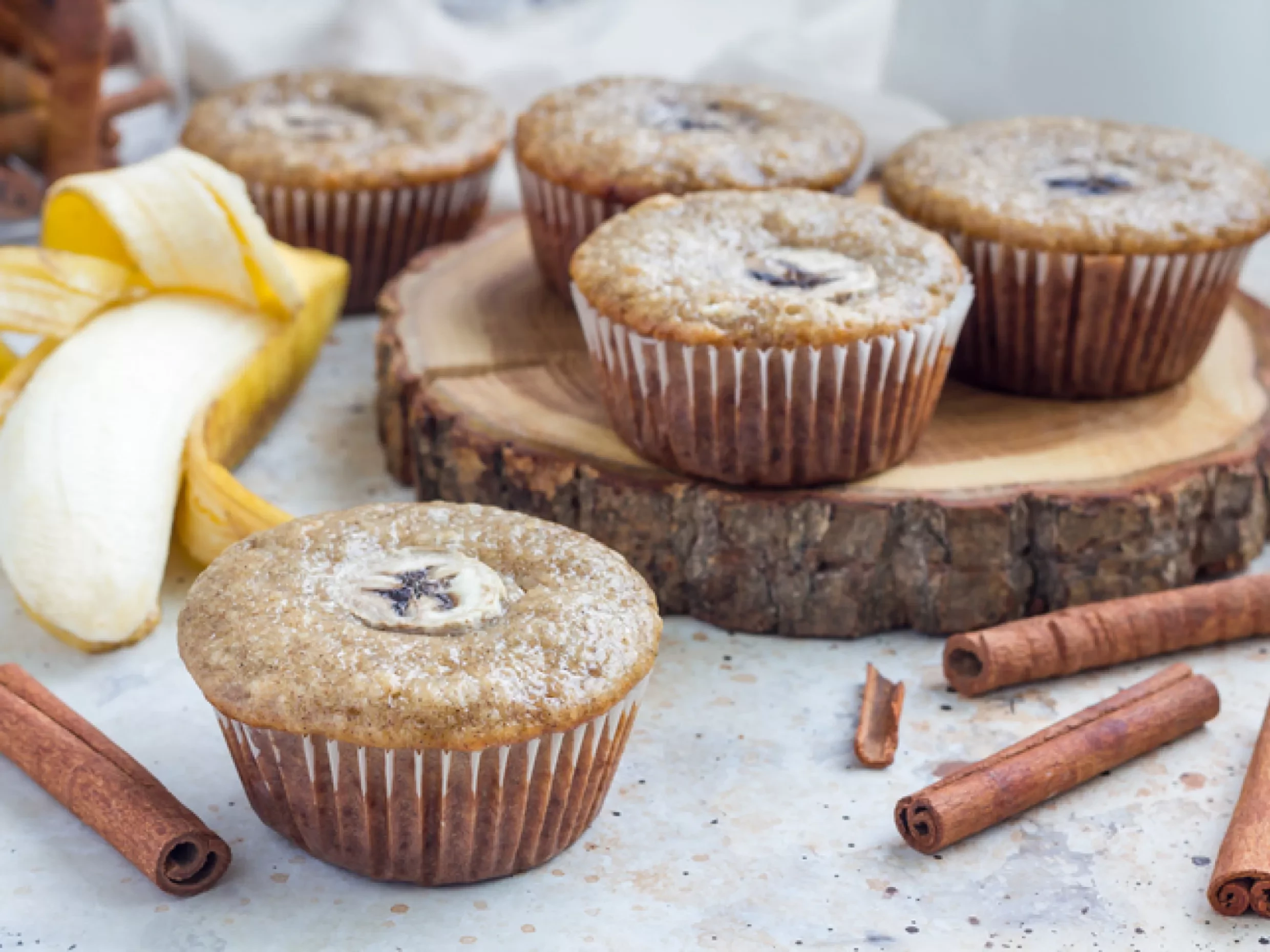
A banana is a tropical fruit that is grown in bunches, has an inedible yellow skin and soft, sweet flesh.
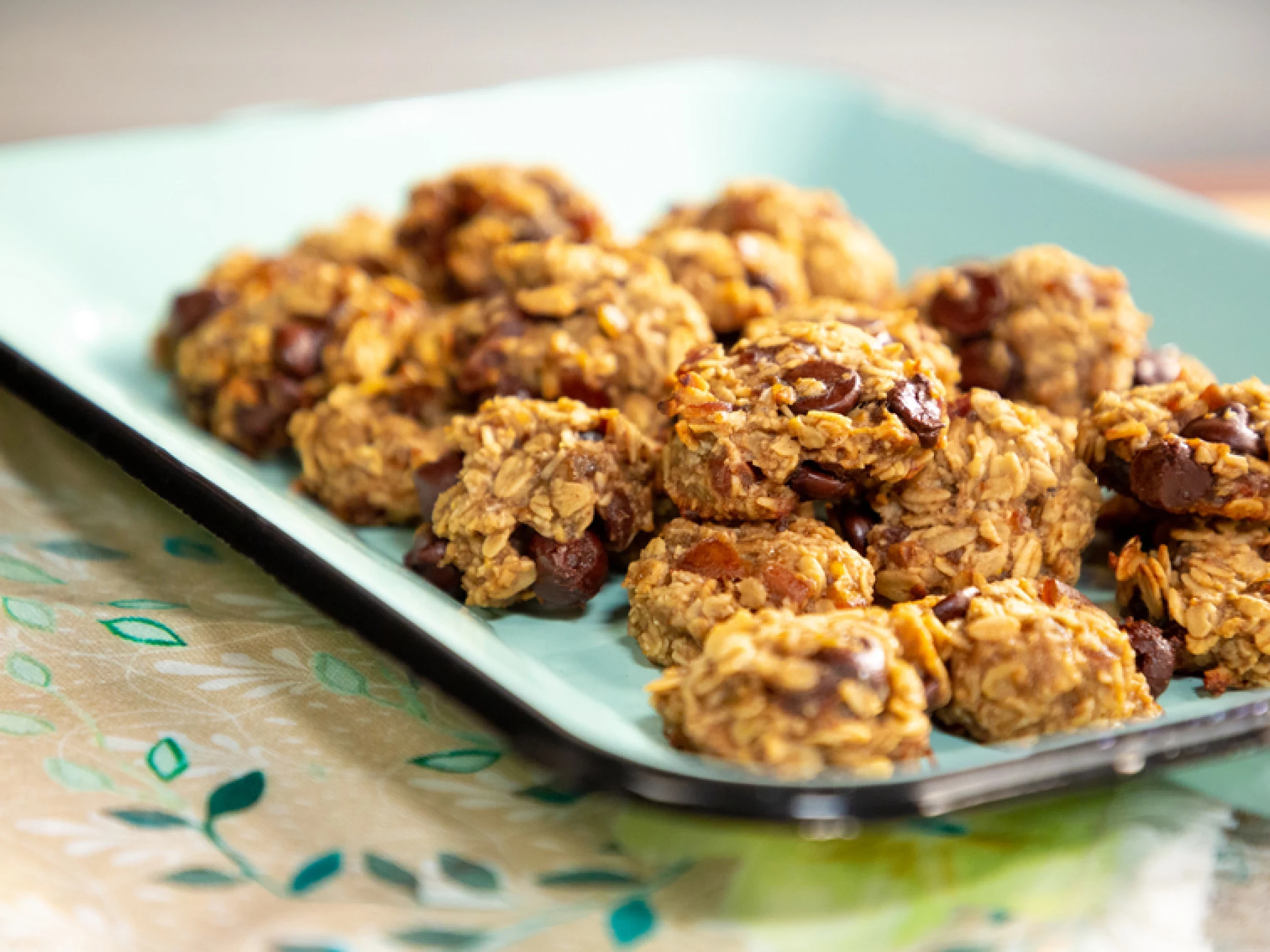
Fresh bananas are harvested when green, and they ripen best when stored at room temperature. Ripe bananas have a yellow skin with brown flecks and can be eaten out of hand (once peeled) or added to smoothies, desserts or fruit salads. Overripe or bruised bananas are best suited to baking into quick breads or muffins. The riper the banana, the sweeter the flavour.
Plantains vs Bananas
Although both belong to the banana family, there are several differences between plantains and bananas, including origin, appearance, flavour, texture and use.
Origin: Bananas are grown around the world, primarily in India and China, while plantains are mostly grown in equatorial regions of Africa and the Americas.
Appearance: Plantains tend to be larger than bananas and have a thicker skin. Plantains are eaten when unripe or ripe. Bananas start with a green skin and turn yellow when ripe.
Flavour: Bananas are eaten only when ripe and sweet; the riper the banana, the sweeter it tastes. Unripe (green) plantains have a mild, starchy flavour, while ripe (yellow or brown) plantains have a concentrated sweet flavour.
Texture: Unripe plantains are firm and starchy while bananas have a creamy, soft texture. Ripe plantains are softer than unripe plantains.
Use: Bananas are eaten when ripe and used in sweet-leaning applications such as breakfast dishes, baked goods and desserts. Plantains can be eaten ripe or unripe, and prepared in sweet and savoury dishes.
Nutrition: For more info about the differences in nutrition between plantains and bananas, we consulted Dana Angelo White, a cookbook author, registered dietitian nutritionist and certified athletic trainer. “Bananas and plantains have similar nutrient profiles, but the extra starchy nature of plantains means they are higher in carbs and calories compared to bananas. Both offer up some tummy-pleasing fibre to help aid in digestion as well as potassium and vitamin B6 that aid in muscle function and brain and immune health, respectively.”