




Crispy on the outside, soft in the middle, and, according to the Royal Society of Chemistry, at least ten centimetres tall, the Yorkshire pudding has earned its place at the heart of the roast, yet behind its puffy deliciousness lies a history of thrift, innovation, and northern pride. So how did it go from kitchen economy to national icon? Let’s dive into the story of a true British classic.
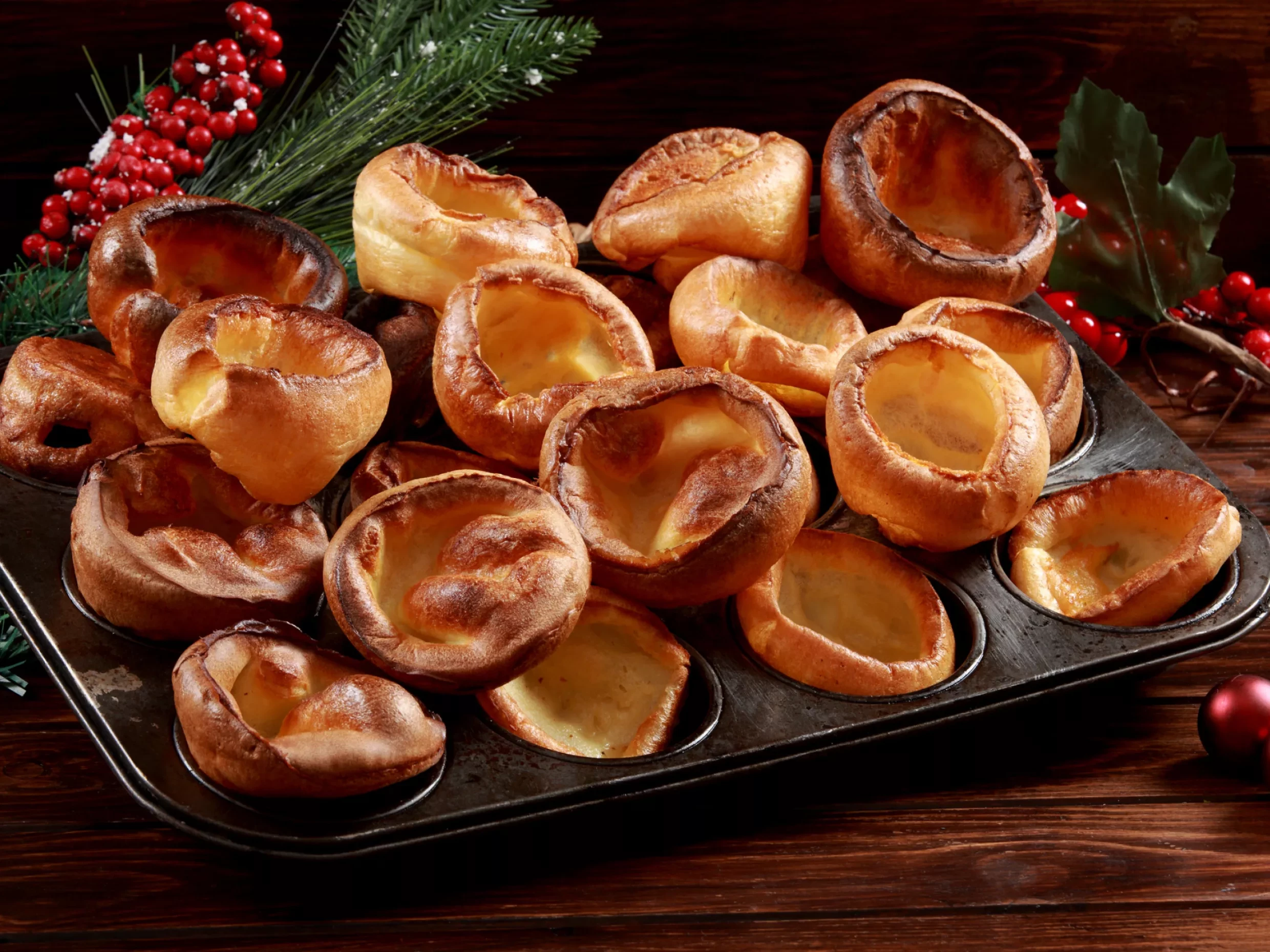
What is Yorkshire Pudding?
Golden, airy, and gloriously crisp, Yorkshire pudding is the crowning glory of the British Sunday roast. It’s a simple batter of eggs, flour, and milk, baked until it puffs up. You can fill it with lashings of gravy, crunchy roast potatoes, or whatever you like! It’s most commonly served as an accompaniment to a Sunday roast, but it’s more than a simple side. For the Yorkshire pudding is a cultural icon, and its story stretches from open hearths in northern cottages to aristocratic and royal dining tables, rising through centuries of culinary ingenuity to become a true British classic that's loved the world over.
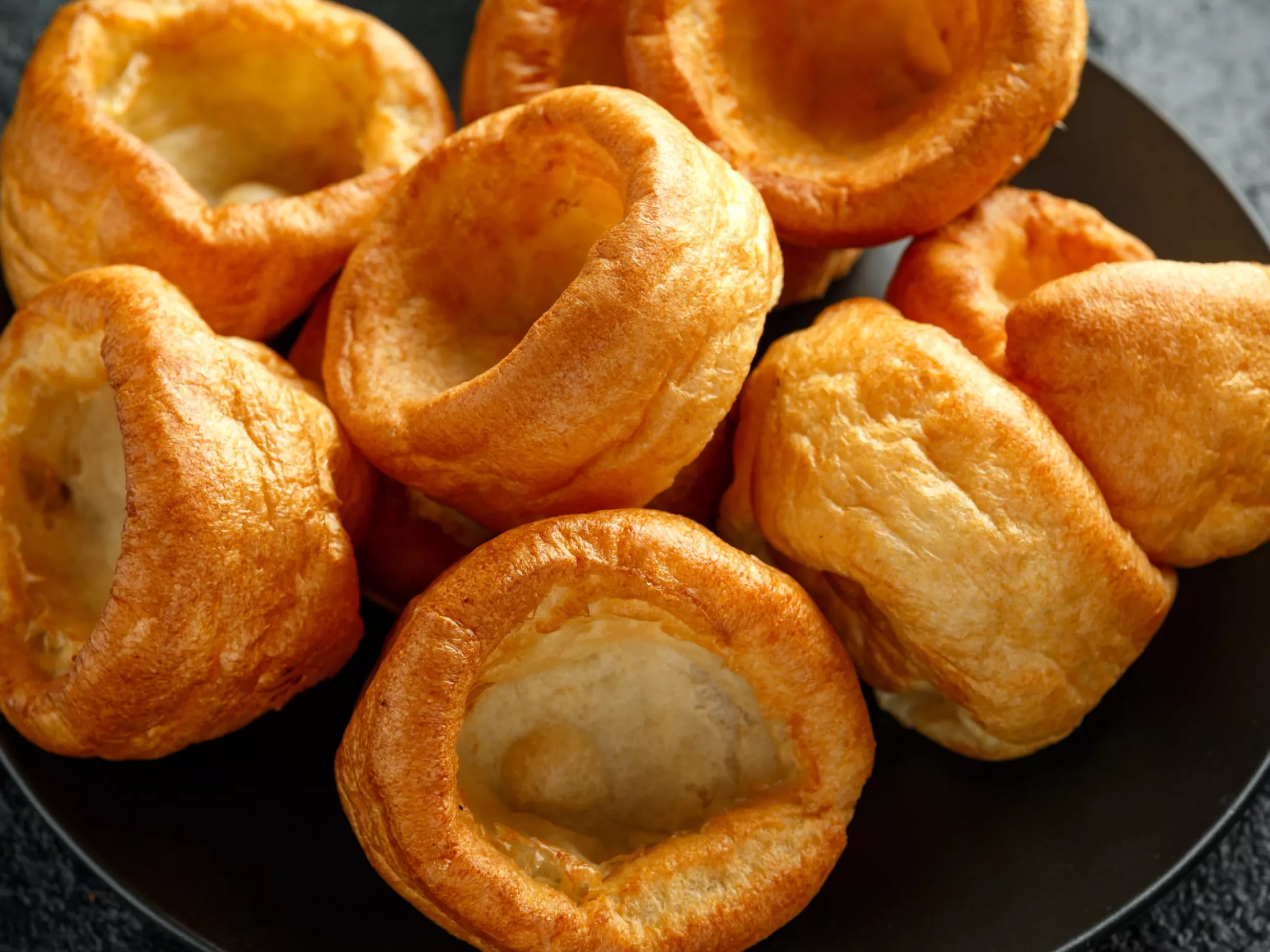
From Dripping Pudding to Legend
While it’s possible the practice may have started decades or even centuries earlier, the origins of Yorkshire pudding as we know it began life in the early eighteenth century as a practical way to make the most of a roasting joint. A thin batter of flour, eggs, and milk was poured into a pan set beneath spit-roasting meat, where it sizzled and swelled in the hot fat. It was a flat slab of fried batter that was sliced and served as a cheap, filling starter, and it meant those round the dinner table wouldn't eat as much meat, which stretched it out over a few days. In poorer households, this batter pudding was often the only course, and it was eaten with a sauce or gravy. But what started out as an economical way of making food last longer was on its way to becoming something much grander.
As domestic ovens replaced open hearths, cooks discovered that smoking-hot fat and a well-rested batter could produce dramatic lift, turning the once-flat slab into a towering, golden crown. No longer just a way to stretch the roast, it became a point of local pride - how high would it rise, how crisp the edges, how deep the hollow? Somewhere between thrift and theatre, the Yorkshire pudding stepped out from the meat’s shadow and quickly claimed its place as a star of the British table.
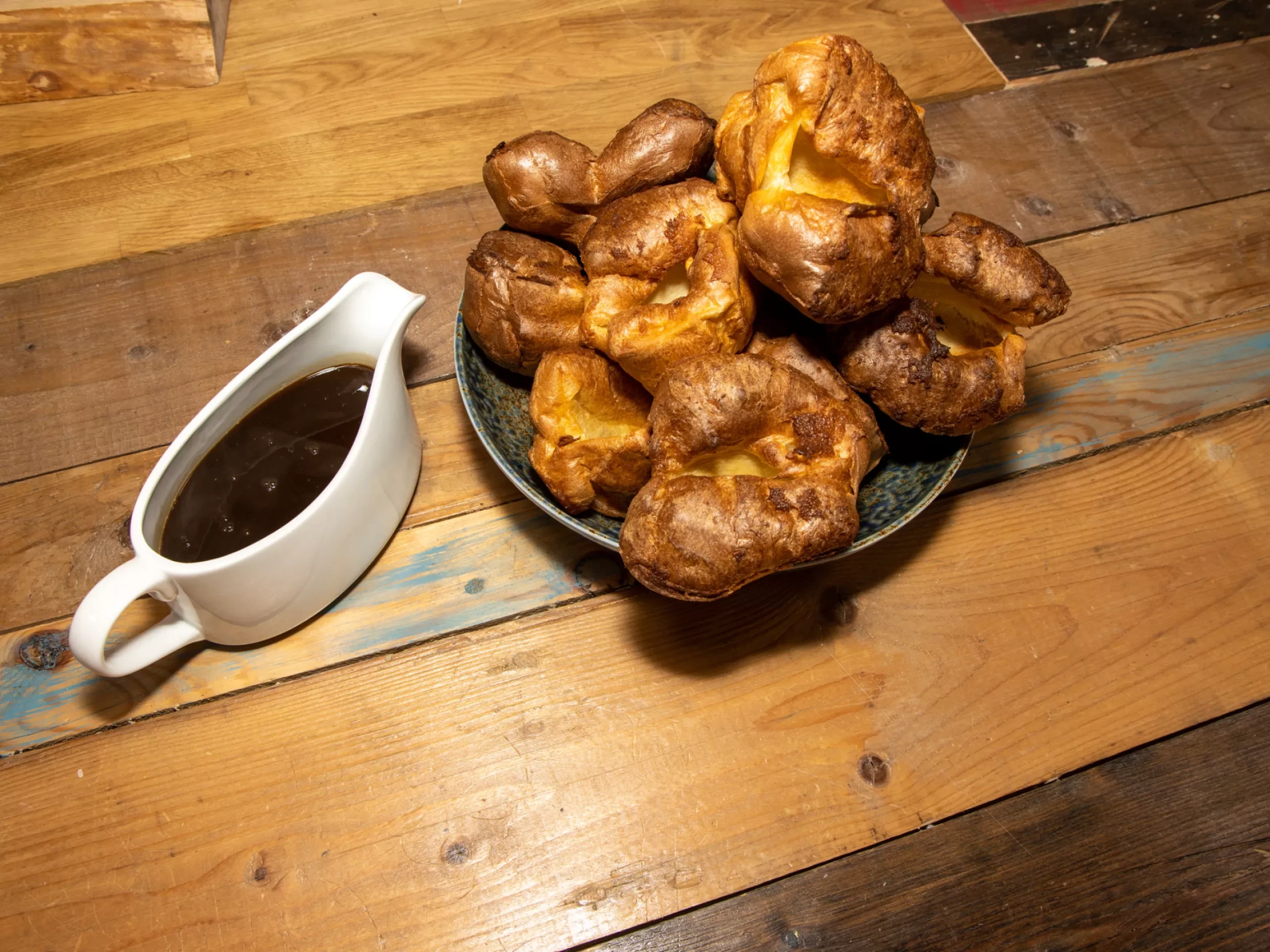
Into Print: Cassey, Glasse & A New Name
The first documented recipe for what we now call Yorkshire pudding was published in 1737 in a book called The Whole Duty of a Woman. This called it ‘dripping pudding’ and said -
“Make a good batter as for pancakes; put in a hot toss-pan over the fire with a bit of butter to fry the bottom a little then put the pan and batter under a shoulder of mutton, instead of a dripping pan, keeping frequently shaking it by the handle and it will be light and savoury, and fit to take up when your mutton is enough; then turn it in a dish and serve it hot.”
A decade later in 1747, Hannah Glasse took that same thrifty idea and effectively rebranded it. In The Art of Cookery Made Plain and Easy, she published a recipe titled “Yorkshire pudding,” linking the dish to a region already famed for its rich roasting traditions and fierce culinary pride. Glasse’s bestselling book spread the name - and the method - across Britain, helping to transform dripping pudding from a local custom into a nationally recognised dish.
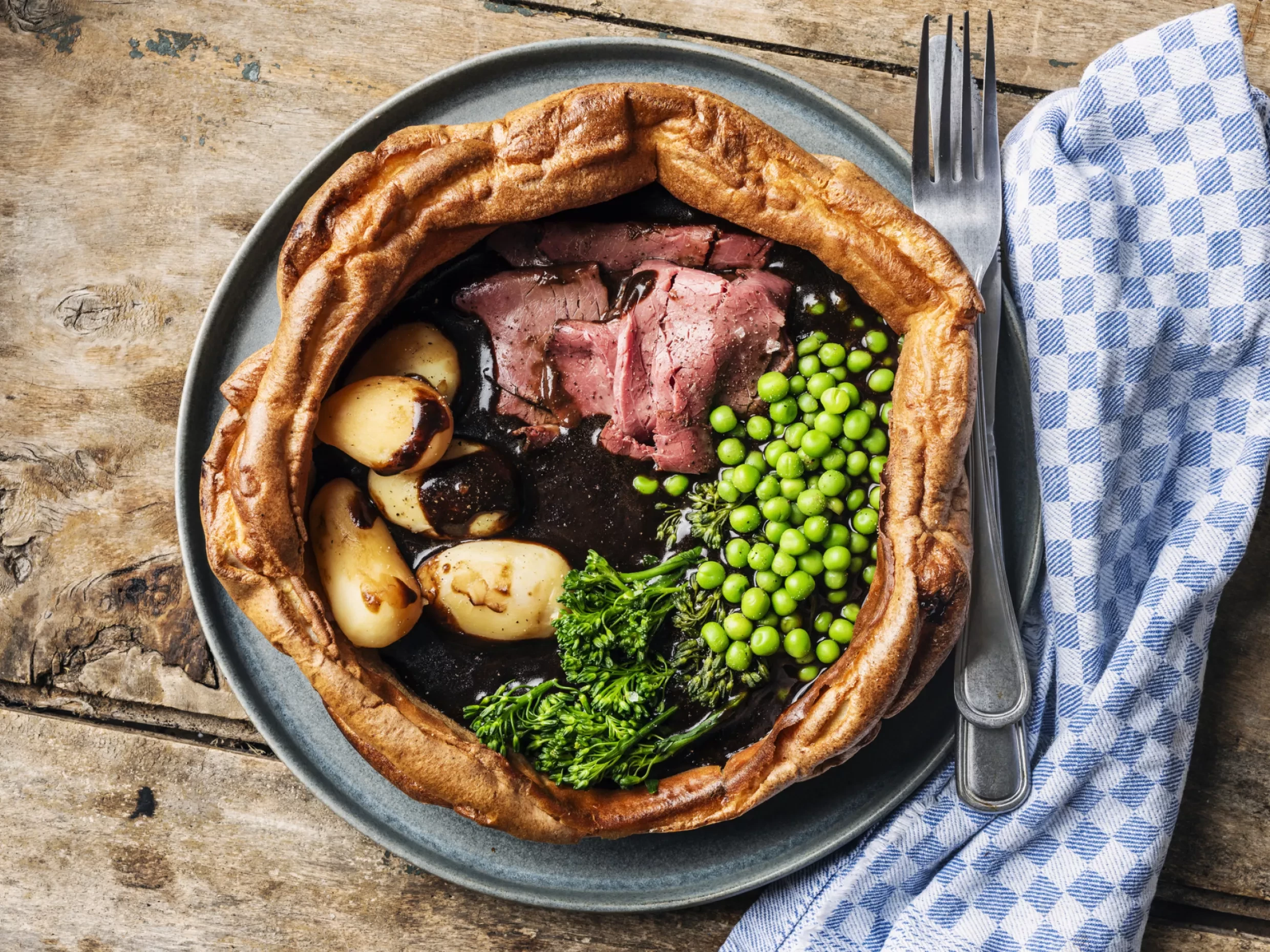
How Yorkshire Pudding Won the Roast
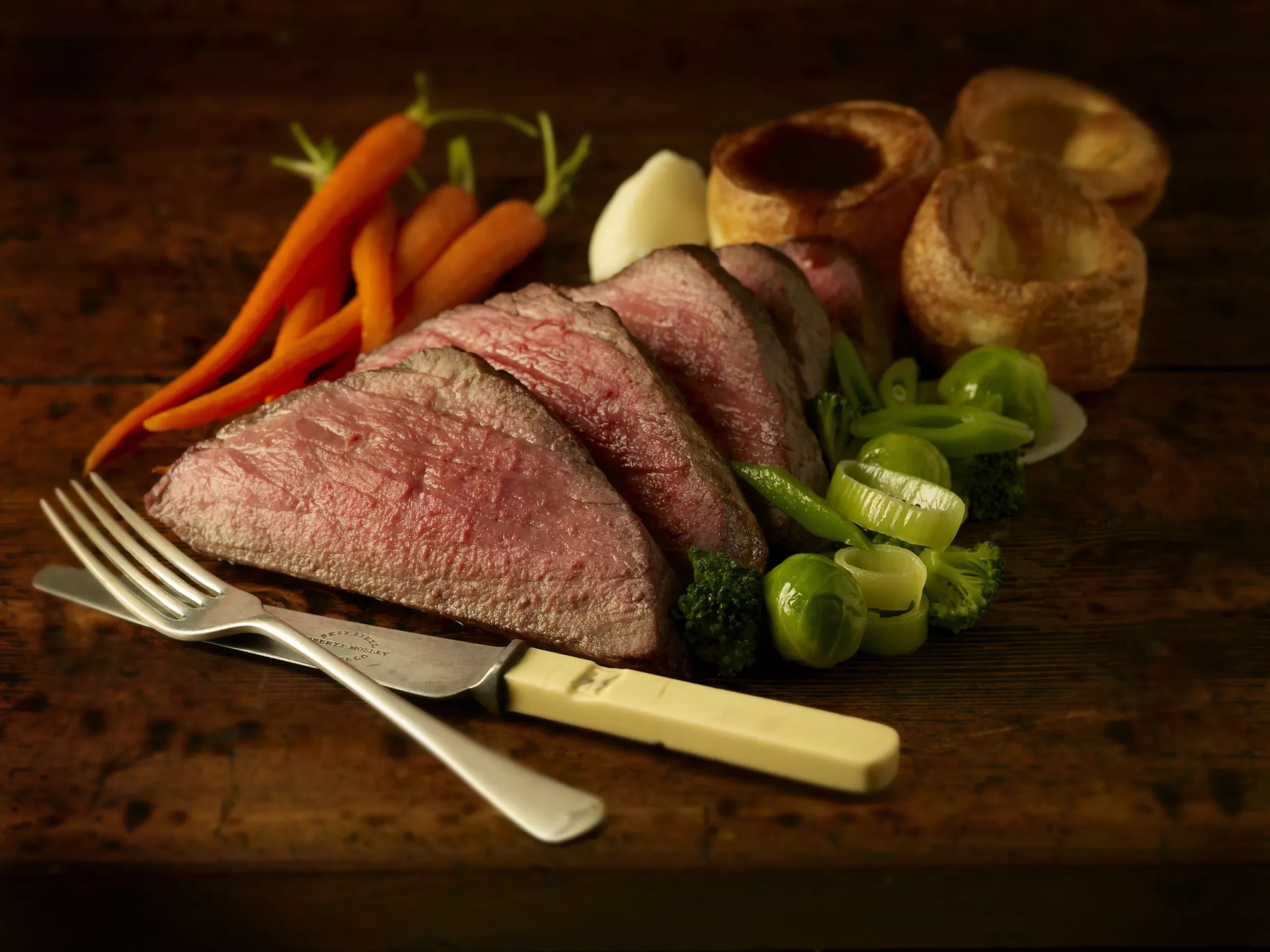
As British cooking shifted from open hearths to enclosed ovens around the late eighteenth and early nineteenth centuries, the Sunday roast evolved into a weekly ritual built around roast beef, rich gravy, and accompaniments such as vegetables, roast potatoes, stuffing and suet pudding. Yorkshire pudding sat perfectly with this new way of cooking. It was economical, comforting, and visually impressive - everything a centrepiece Sunday meal demanded.
As time passed, industrialisation and rising prosperity meant more households could afford regular joints of beef, and this cemented the link between Yorkshire pudding and the classic roast dinner. Eventually, cookbooks, pub menus, and family traditions all reinforced the pairing until it became almost unthinkable to imagine a proper British Sunday roast without those crisp-edged, gravy-filled Yorkies on the side!
Beyond the Roast: Toad in the Hole & More
Once Yorkshire pudding proved it could rise to the occasion, cooks began putting that wonderfully versatile batter to work in other ways. Toad in the hole, sausages baked into a Yorkshire pudding batter and then smothered in an onion gravy is the ultimate comfort food, while in pub and home kitchens alike, a giant Yorkshire became the perfect edible bowl for stews, chicken and veg, bacon and eggs, or even a full roast dinner.

Putting the Pudding in Yorkshire Pudding
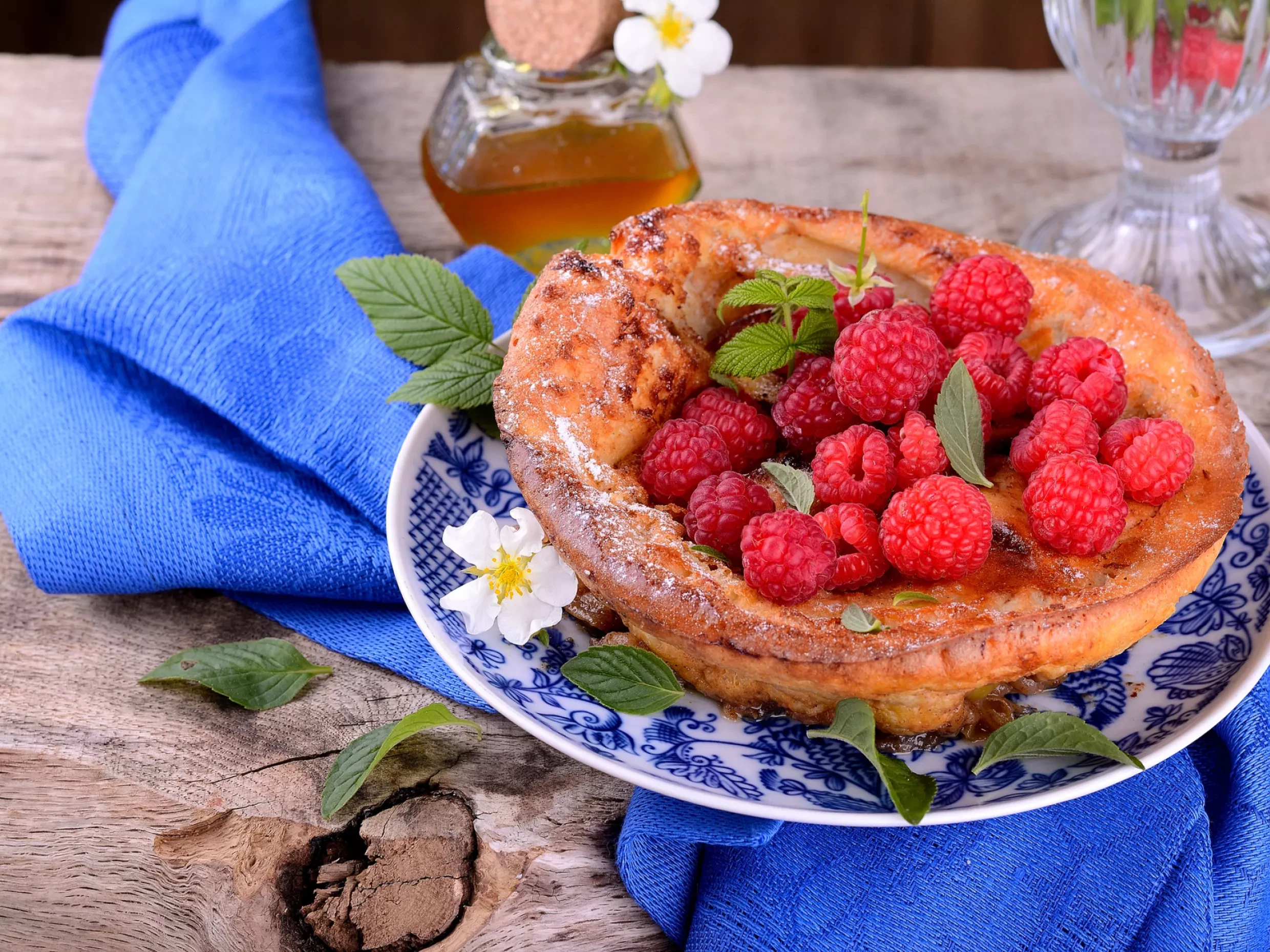
Despite what we see as a savoury classic, there’s even a sweeter side to Yorkshire pudding too. The same batter that once sat under the roast was turned into dessert, served with jam, golden syrup or a sprinkle of sugar and a splash of cream.
If the sweet approach appeals, how about filling it with fruit and ice-cream or custard, or turning it into a trifle bowl? Chocolate buttercream, marshmallows, lashings of chocolate sauce and sprinkles for a decidedly British take on s’mores? The possibilities are endless!
Yorkshire Pudding Around the World
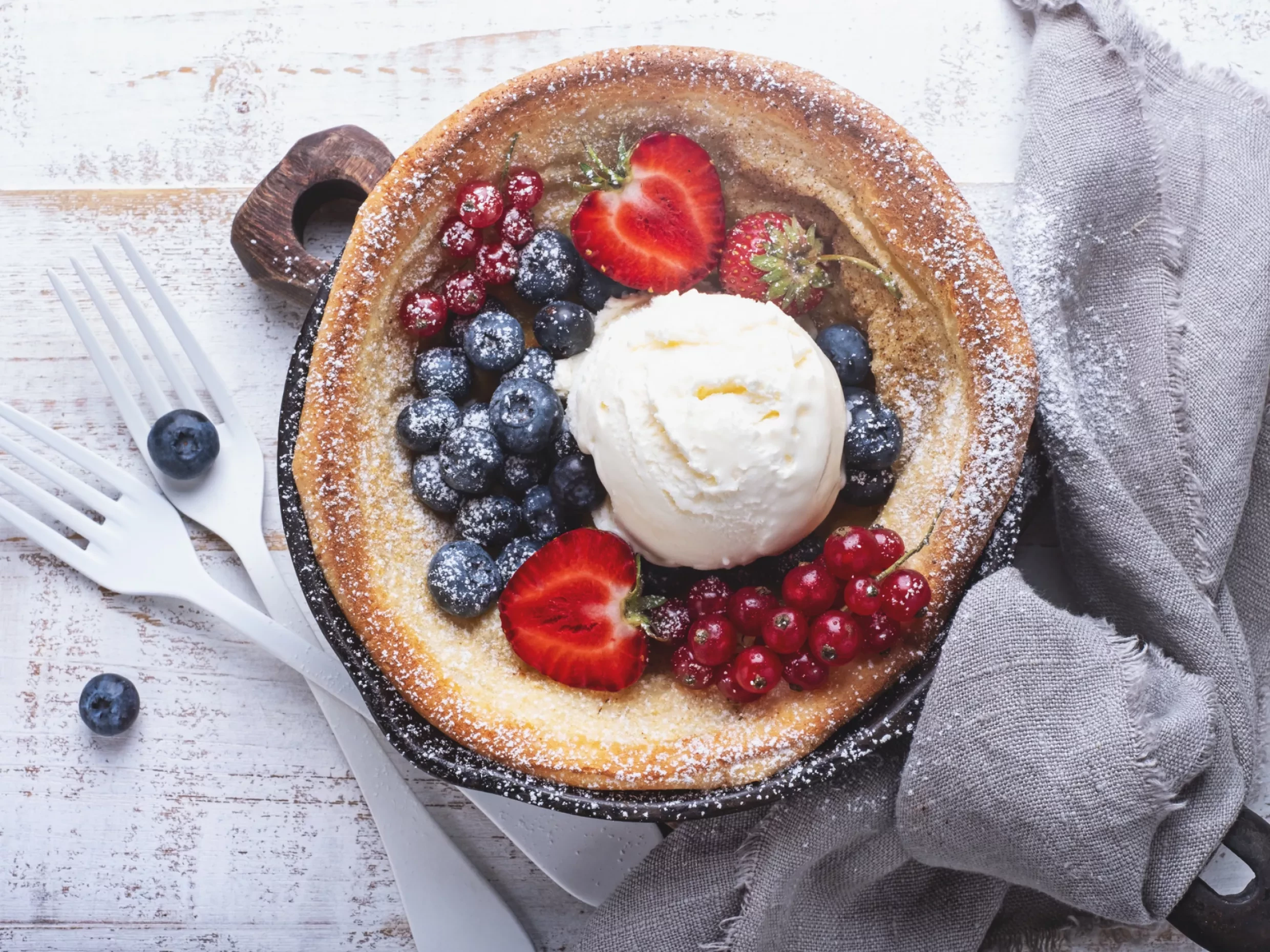
Wherever the British have travelled, Yorkshire pudding usually tags along - sometimes proudly named, sometimes quietly ‘translated’ into a local favourite. In North America, the closest cousin is the popover, the same flour, egg and milk batter baked in hot, greased tins until it balloons into a crisp shell with a hollow centre (ideal for butter and jam as much as gravy). In the brunch world, that same dramatic lift gets supersized as the Dutch baby (also called a German pancake): baked in a sizzling skillet, then finished sweet with lemon and powdered sugar or savoury with bacon and herbs - essentially a Yorkshire pudding that’s wandered into breakfast.
You’ll find Yorkshire puddings on British pub menus all over the world, from Saskatchewan to Sydney, and food writers also draw parallels with other batter‑based dishes, from Dutch pannekoeken to German pfannkuchen, all made from the same humble store cupboard ingredients of flour, eggs and milk cooked over fierce heat. Yet wherever it travels, the Yorkshire pudding carries its roots with it - a simple English side that has quietly become a global comfort food hero.
So, Is It Really From Yorkshire?
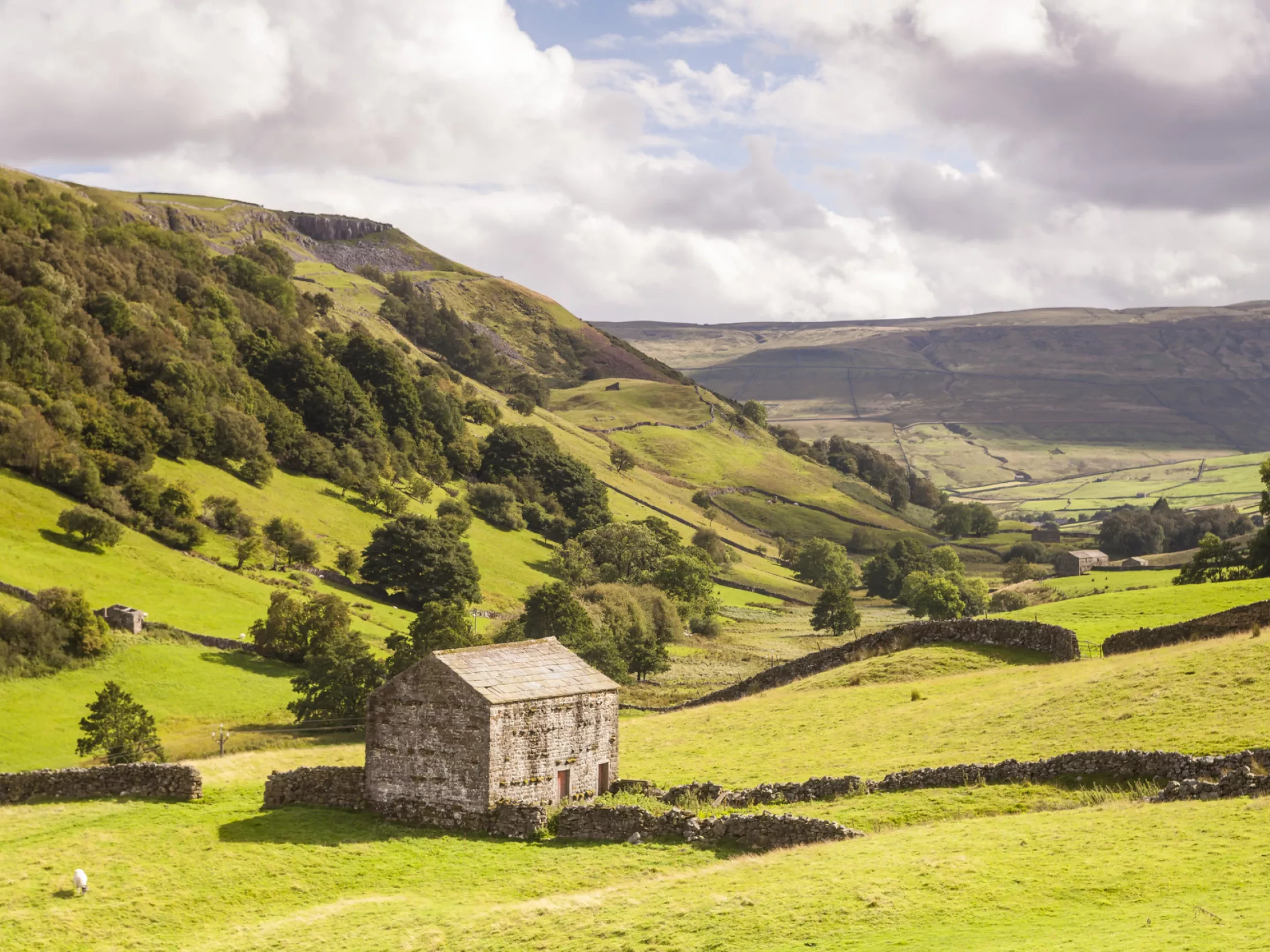
We know how the first dripping puddings were made, and we’re relatively certain we know when they were made, but where? Not so much. As we said, Hannah Glasse was the first to name them ‘Yorkshire puddings’ in the 1740s, but “dripping puddings” were cooked beneath roasting meat in various parts of England, long before it was formally linked to any one county. As for why she used Yorkshire? This has, unfortunately, been lost to history.
A common theory is that Yorkshire/northern kitchens (often linked with hotter coal-fired cooking) produced a crisper, better-risen result, so the name stuck to what people thought was the ‘best’ version. So is it really from Yorkshire? In spirit, absolutely, but its roots are probably nationwide.
Get Cooking
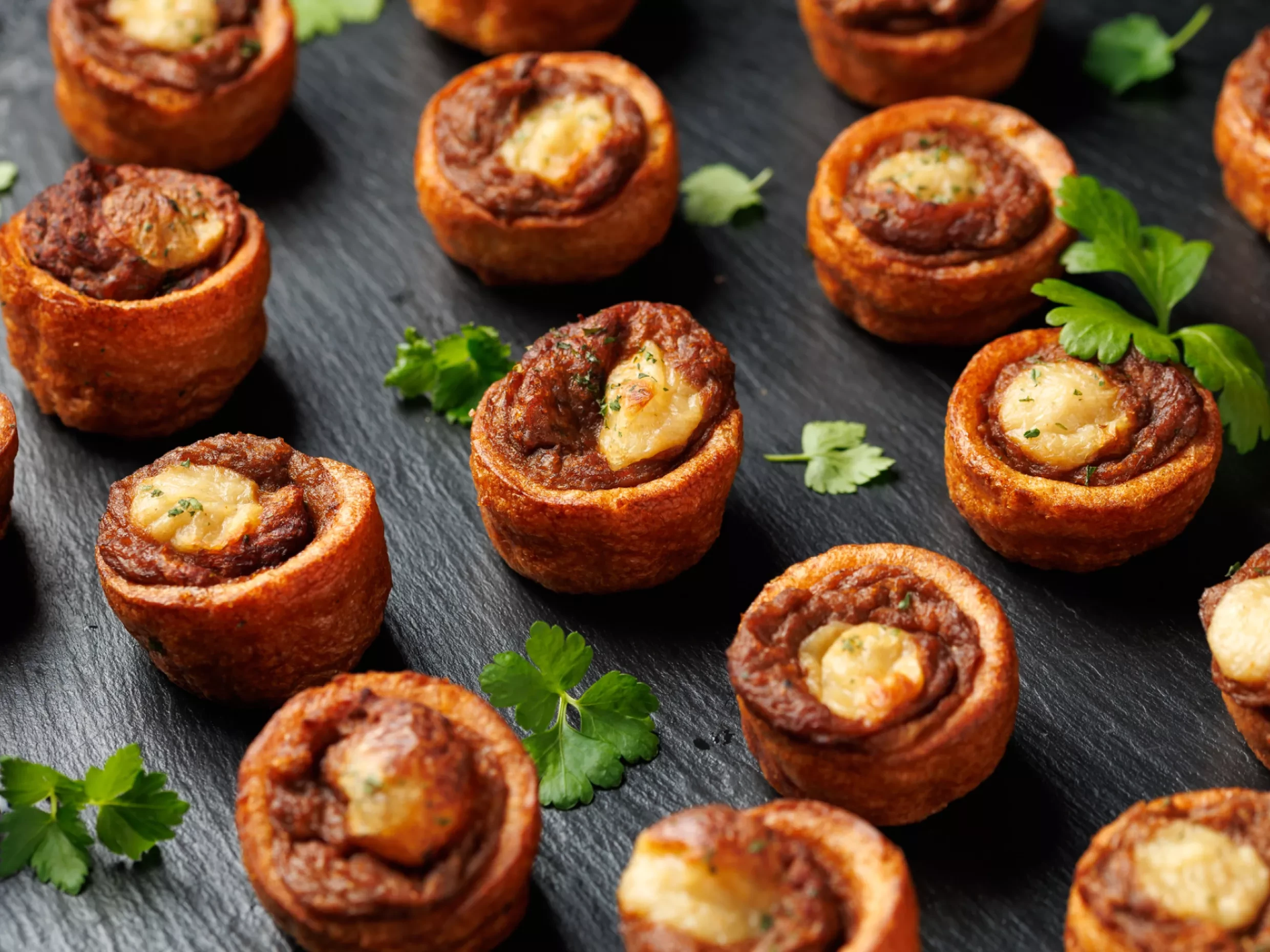
For incredible Yorkshire pudding recipes, including Michelin maestro Tom Kerridge’s giant Yorkies, mini Yorkshire puddings with Parma ham and cream cheese, and a hot apple Yorkshire pudding pancake, click here.
Watch Adam Richman Eats Britain On Discovery+
Man vs Food legend Adam Richman’s new show on Discovery+ uses the map as a menu as he worships at the dining table of Britain’s food superstars. In the first episode, he ticks “Yorkshire Pudding in Yorkshire” off his foodie bucket list. He also tries Yorkshire parkin, the very best local rabbit and an innovative Yorkshire tea-inspired dessert.