





The world’s great salads are more than just plastic lunchboxes filled with veggies and last night’s chicken, they’re works of culinary art with stories to match. But who and where are the people and places behind these iconic creations, and how did their dishes earn a place on menus across the globe? Here’s how a handful of humble ingredients became legends of the lunch table.
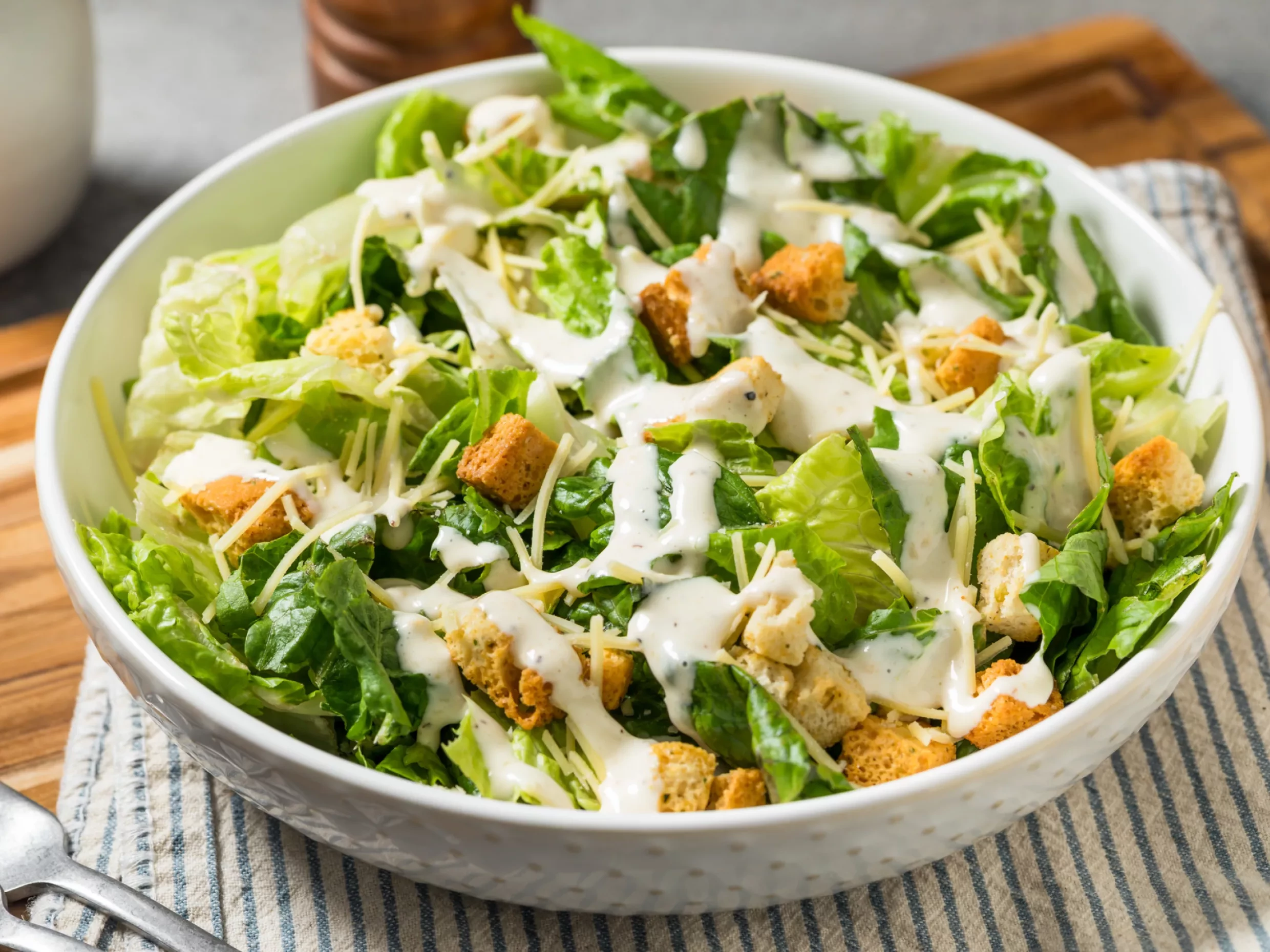
Salad’s Salty Start
The word ‘salad’ has its roots in the Latin sal, meaning salt, and in its earliest form it referred to foods seasoned, dressed, or preserved with salt. In the ancient world, this usually meant fresh green leaves, herbs, and vegetables tossed with oil, vinegar, and seasoning rather than cooked into anything overly fancy. Indeed, the Romans are often credited with helping to establish the process of seasoning raw greens as part of a broader Mediterranean diet. Over time the idea travelled and changed, but the core remained the same - a salad was, and to a greater or lesser extent still is, a simple dish of dressed vegetables.
The word itself probably evolved into English from the fourteenth century sallet, which came from the French salade, and even earlier from the Latin herba salata, or ‘salted herb’.

From Roman to Medieval Tables
By the time salads began to take shape as a recognisable dish, they were already centuries old. After the Roman world gave way to the Medieval period, kitchens kept the idea alive, though salads as we’d recognise them today were still centuries away. For the most part they remained practical, seasonal, and, sometimes, medicinal, with only the occasional example of something more complex. In the sixteenth century, Mary, Queen of Scots, was said to have eaten boiled celery root (what we know today as celeriac) over greens with slices of hard-boiled egg, truffle, and chervil, and a creamy mustard dressing.
It was probably sometime around the mid to late seventeenth century that salads began to acquire a more cultured reputation. This is when writers and cooks took greater interest in how they were prepared and served. In 1699, English writer and gardener John Evelyn published Acetaria: A Discourse of Sallets, widely believed to be the first book devoted entirely to salads. Among other things, he wrote about the cultivation and proper preparation of salad plants, and he included information on diet, the health benefits of eating salads, and a number of recipes.
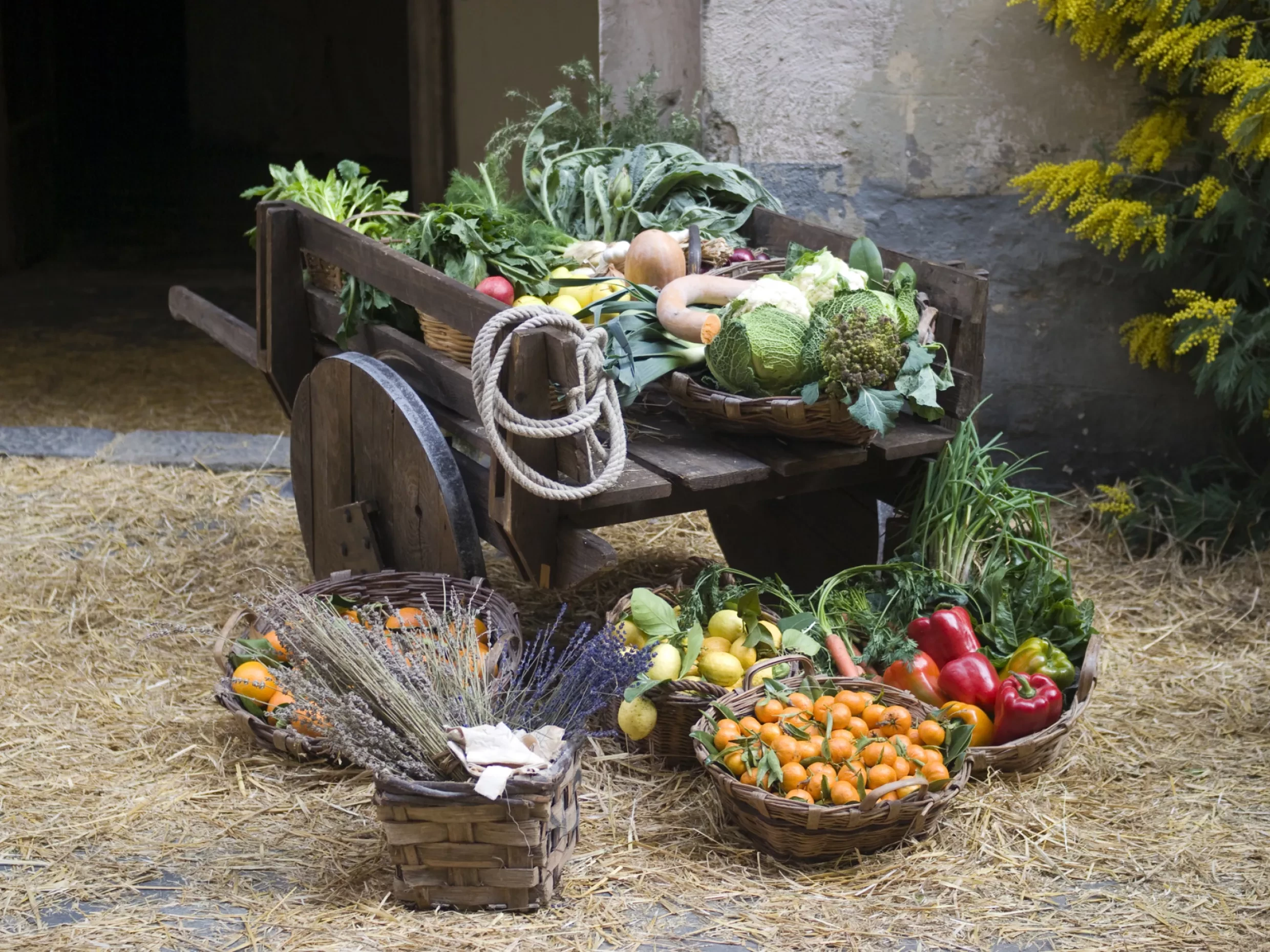
Modern Salad Culture
By the eighteenth and nineteenth centuries, salad had moved from being a simple bowl of greens to a marker of style and refinement in homes, hotels and restaurants. Writers and cooks began to treat salads as part of a more mature and educated table culture, and they paid close attention to seasonality, presentation, and the balance of sharp, oily, and crisp elements.
This was also the period when salads started to feel more like a category than a single dish, opening the door to versions made with different types of meats, vegetables, potatoes, fruits, and grains. Alongside the salads themselves, dressings also became an important element of the way these dishes were prepared and served.
What had once been a rustic preparation of simply dressed leaves was now something versatile enough to suit modest weekly household budgets and the most opulent of royal and aristocratic dining rooms.
So we know where salad came from and how it evolved, but what’s the story behind the world’s most famous salads? Romaine calm, and lettuce introduce the superstar salads.
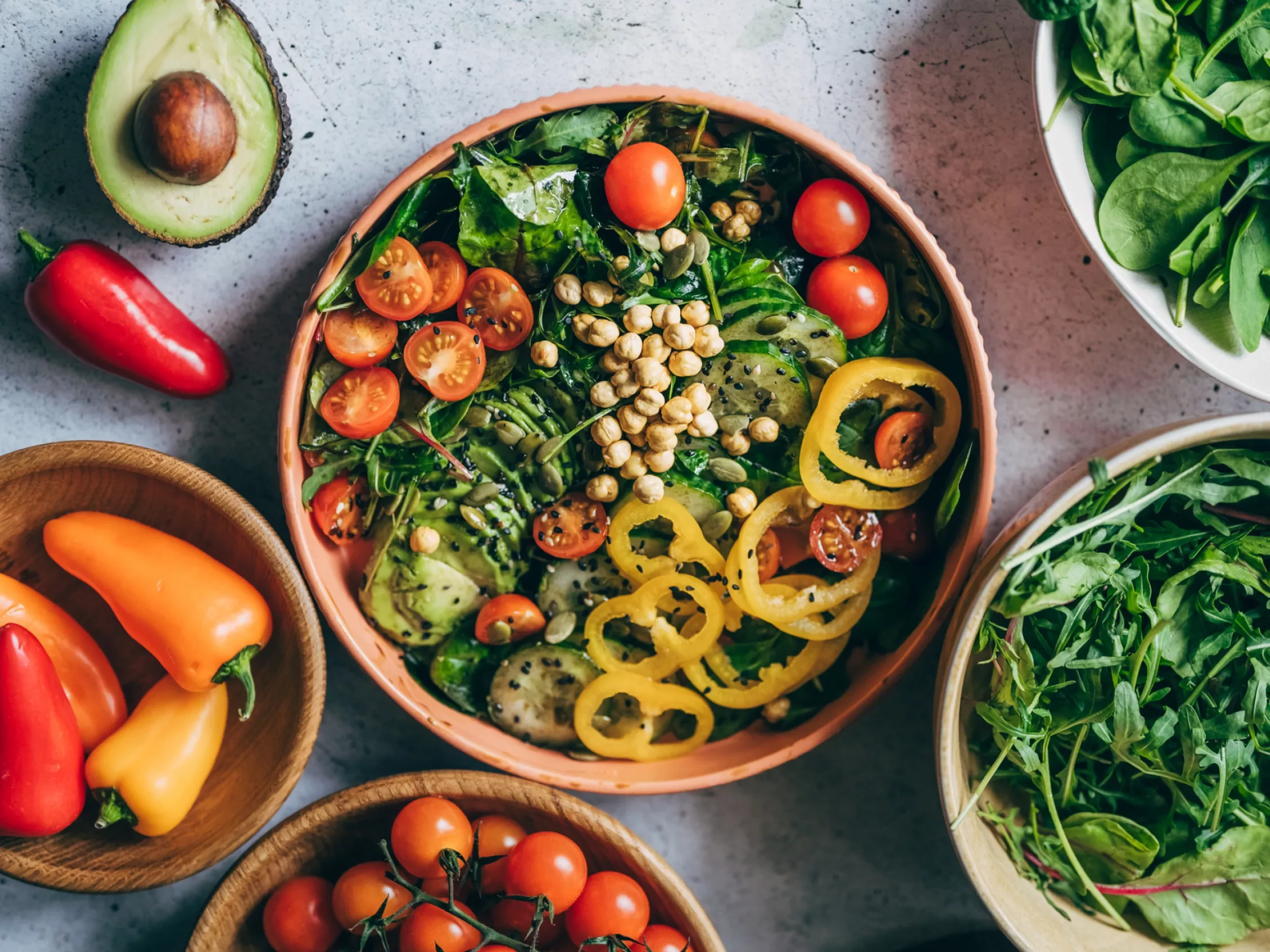
All Hail, the Caesar Salad
The Caesar salad is traditionally a mix of romaine lettuce, croutons, garlic-infused olive oil, coddled eggs (similar to poached eggs), lemon juice, Worcestershire sauce, Parmesan, and salt and pepper, although modern versions might also include chicken, bacon, boiled egg, anchovies and other ingredients.
The most commonly-accepted origin story is that the salad was invented by Italian-American immigrant Caesar Cardini who ran a restaurant in the Mexican border town of Tijuana in the 1920s to cater for Americans visitors during Prohibition. His daughter Rosa recounted that during a rush on the Fourth of July celebrations in 1924, kitchen stocks were so depleted he had to prepare dishes with whatever was left, and more by luck than judgement, the Caesar Salad was born. It was said Caesar tossed the salad tableside as a bit of theatre.
In different retellings of the story, Cardini’s brother Alex, as well as several people that worked in the kitchen, all laid claim to the salad’s invention, and some even suggested its original name was Aviators Salad, as it was made for pilots and their guests coming from the US. One of the most persistent misconceptions is that the salad was named after Roman dictator Julius Caesar. It wasn’t.
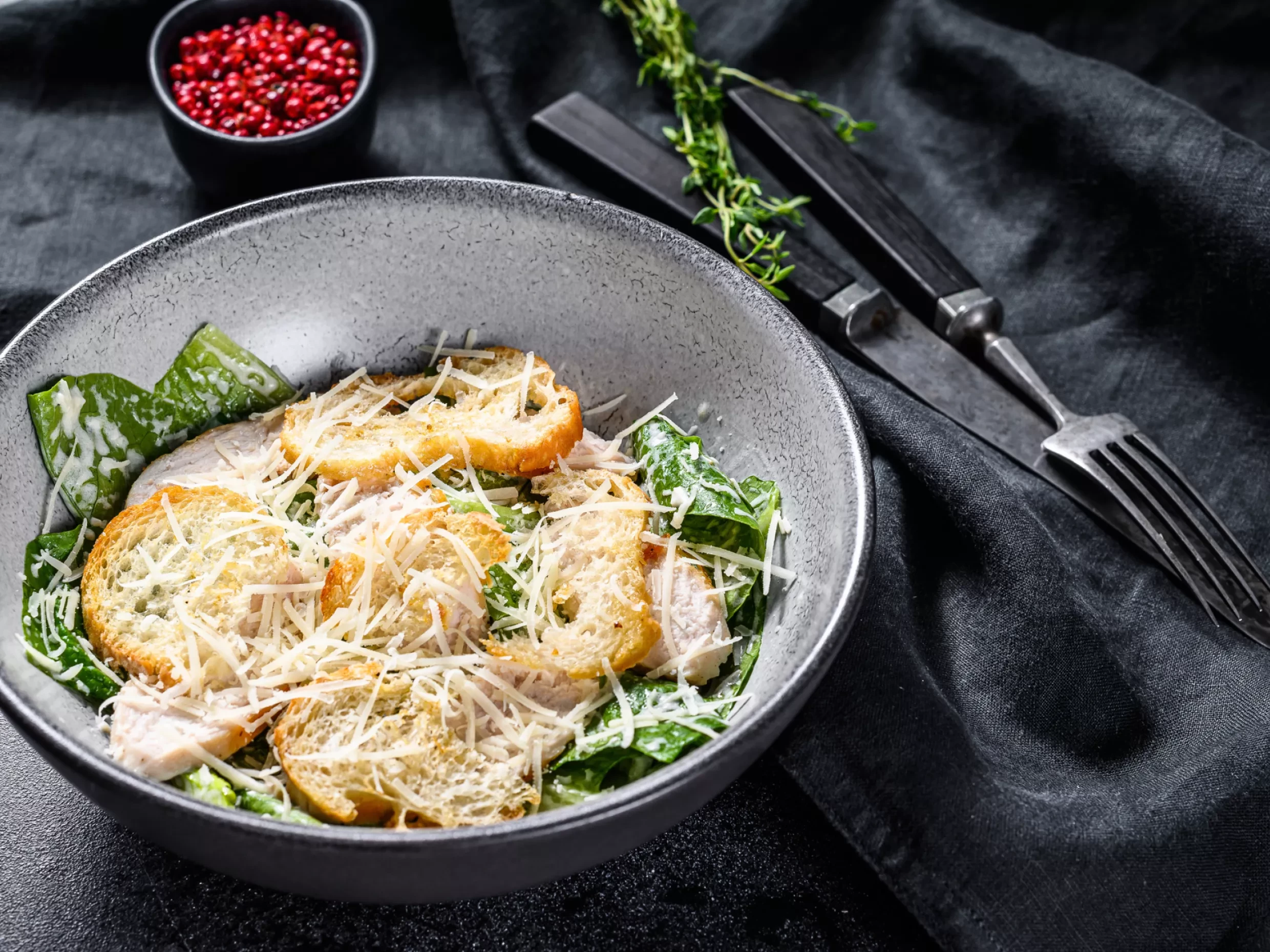
Bob Cobb Not Ty Cobb: The Cobb Salad
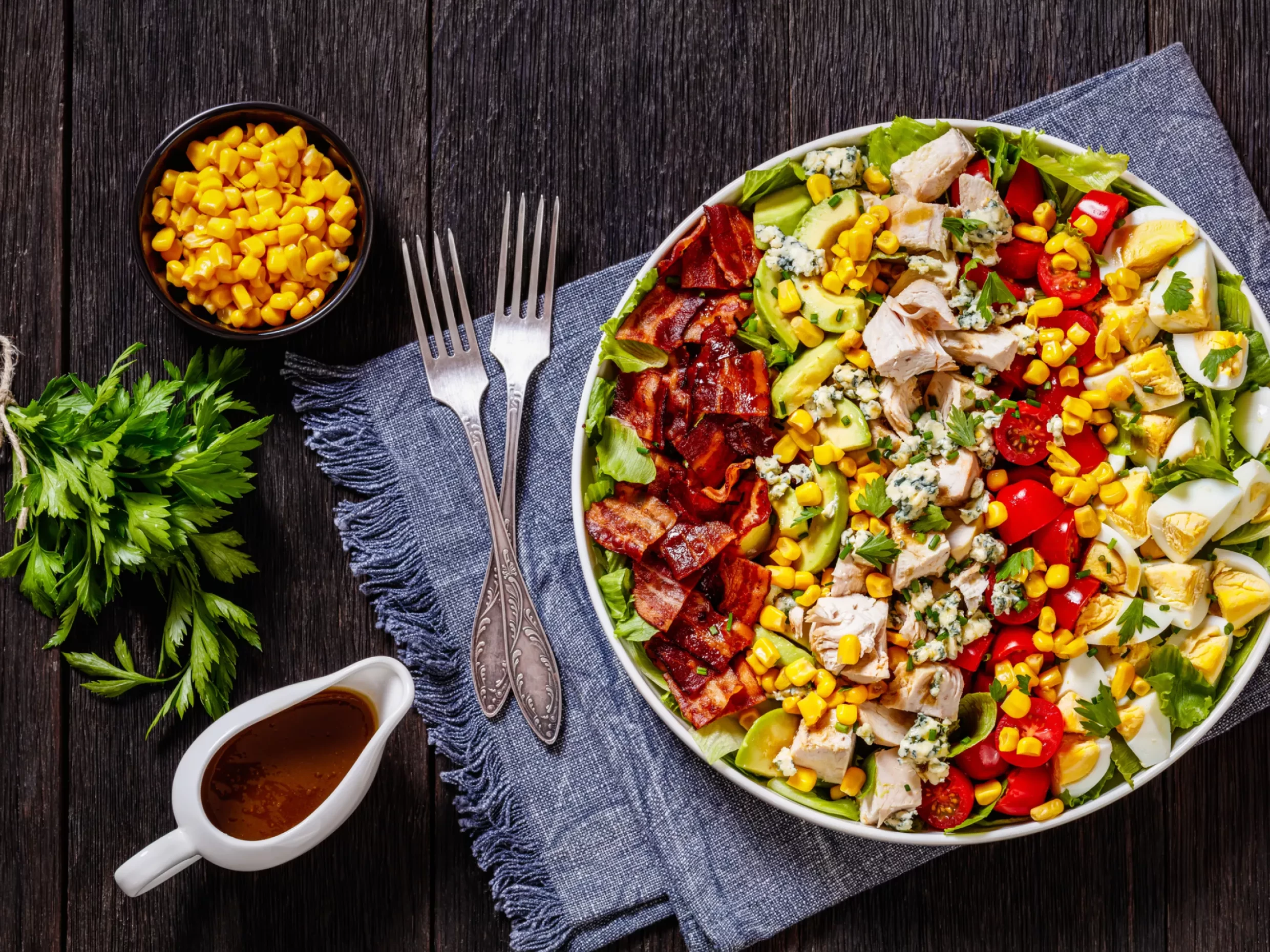
The Cobb salad is a hearty, chopped mix of lettuce (Romaine or iceberg), tomato, crisp bacon, chicken, hard-boiled egg, avocado, blue cheese (originally Roquefort) and a red wine vinaigrette, though modern versions often vary the protein or add extras like turkey, grilled prawns, or different cheeses.
The origin story of the Cobb Salad has long been the subject of debate. One version places it at the Brown Derby restaurant in Hollywood in 1937, where it’s usually credited to owner Robert Howard ‘Bob’ Cobb who hadn’t eaten all day and threw the salad together late at night from his kitchen’s leftovers for a quick meal. A slight variation on this story was that Cobb created the salad for legendary showman Sid Grauman and chopped the ingredients very small due to the fact Grauman had recently had dental work done.
Another version says that the salad was created in 1929 by the restaurant’s executive chef Robert Kreis and was named in honour of owner Bob Cobb. What we do know for sure (and this is another modern misconception) is that it wasn’t created for legendary Hall of Fame baseball player Ty Cobb, but it’s these competing tales that add to the dish’s mystique.
The A-story-a The Waldorf Salad
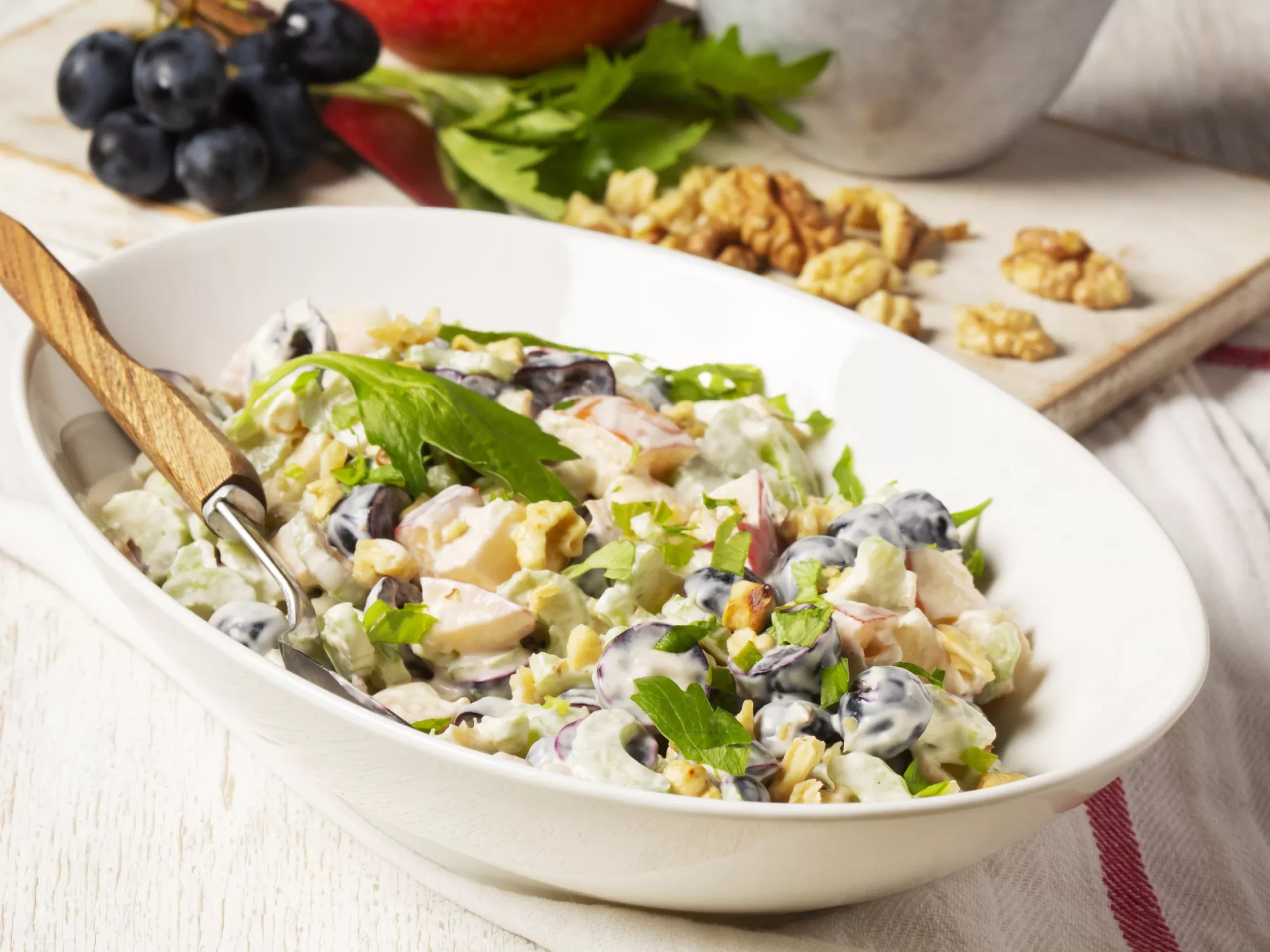
The original Waldorf Salad was a simple mix of apple, celery and mayonnaise, but over the years it’s included walnuts, grapes, dates, raisins, lemon juice, eggs, chicken and turkey. One version of the recipe even includes chunks of marshmallow. Another replaces celery with cauliflower, and yet another swaps the mayo for a mix of plain yoghurt and peanut butter.
Unlike some of the other salads on this list, the Waldorf is named for a place rather than a person. It’s thought to have first been made in 1893 for a charity ball at what became a few years later New York’s iconic Waldorf-Astoria hotel. It’s widely credited to the hotel’s famous maître d’hôtel, Oscar Tschirky, known as ‘Oscar of the Waldorf,’ though some accounts suggest the recipe may have been developed by a chef in the hotel’s kitchen rather than by Oscar alone.
Very Nice: The Salad Niçoise
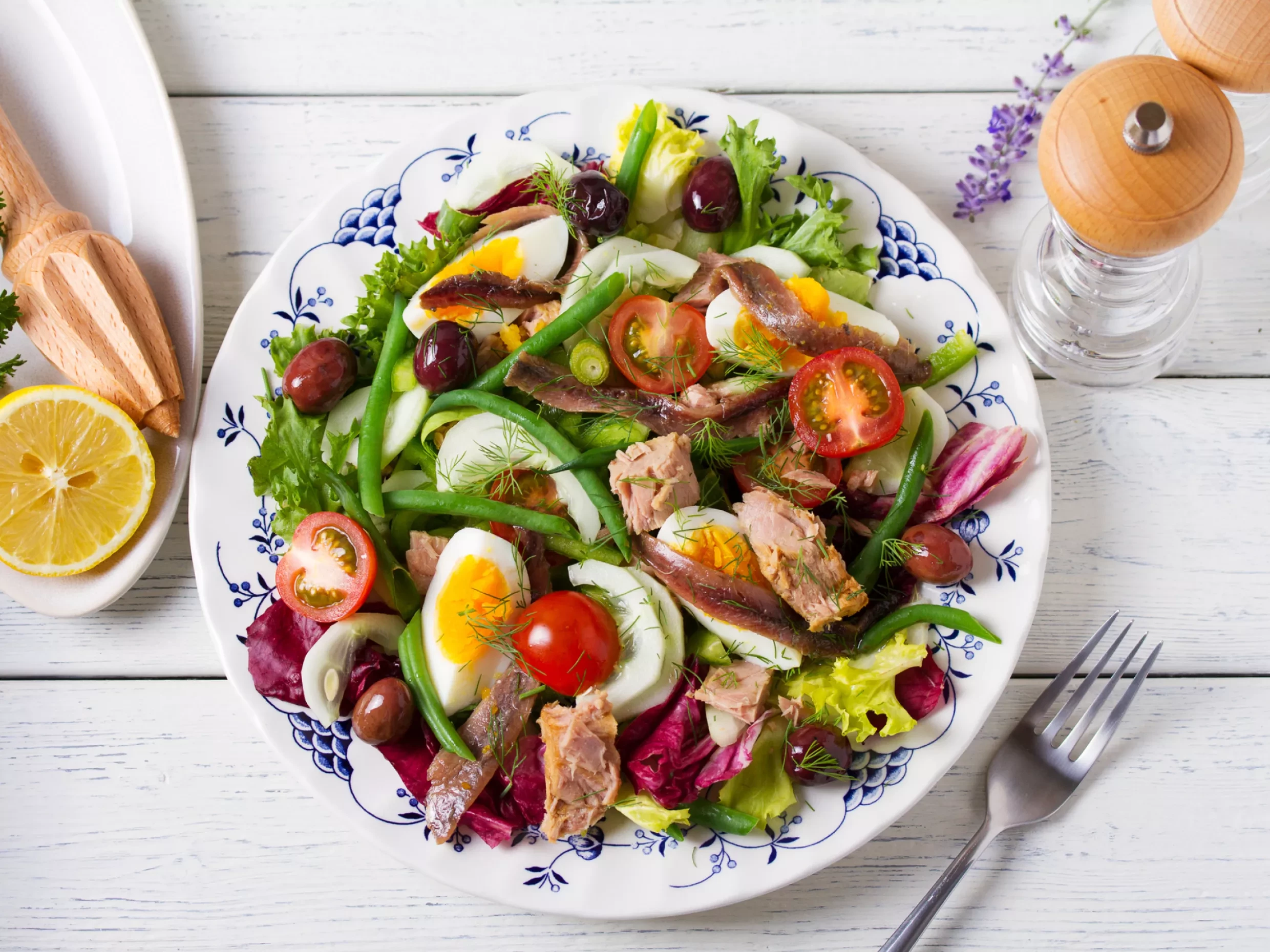
The Niçoise salad is a bright, Mediterranean mix of tomatoes, hard-boiled eggs, olives, anchovies, and tuna, arranged with green beans and sometimes potatoes over lettuce, though the exact formula depends on where and when you ask for it. Superstar chef Gordon Ramsay said of the Niçoise “it must be the finest summer salad of all”.
Named for Nice, the French city on the Côte d’Azur, its roots lie in the local produce of the region rather than in one dramatic kitchen invention. But what makes the story of this salad so interesting is the long-running argument over its authenticity. Purists in Nice have often insisted that the ‘real’ version (which likely dates back to the nineteenth century and was described as ‘simple food for poor people’) shouldn’t include cooked vegetables like potatoes or green beans, while many modern interpretations treat those additions as standard. Likewise, tuna is now common, but anchovies were used in the original creation.
One of the most famous stories comes from former mayor of Nice and cookbook writer Jacques Médecin who was one of the Niçoise purists. He said the bowl the salad was to be served in should be rubbed with garlic, the tomatoes should be salted three times and moistened with olive oil, and "never, never, I beg you, include boiled potato or any other boiled vegetable in your salade Niçoise!"
Not Laurence: The Olivier Salad
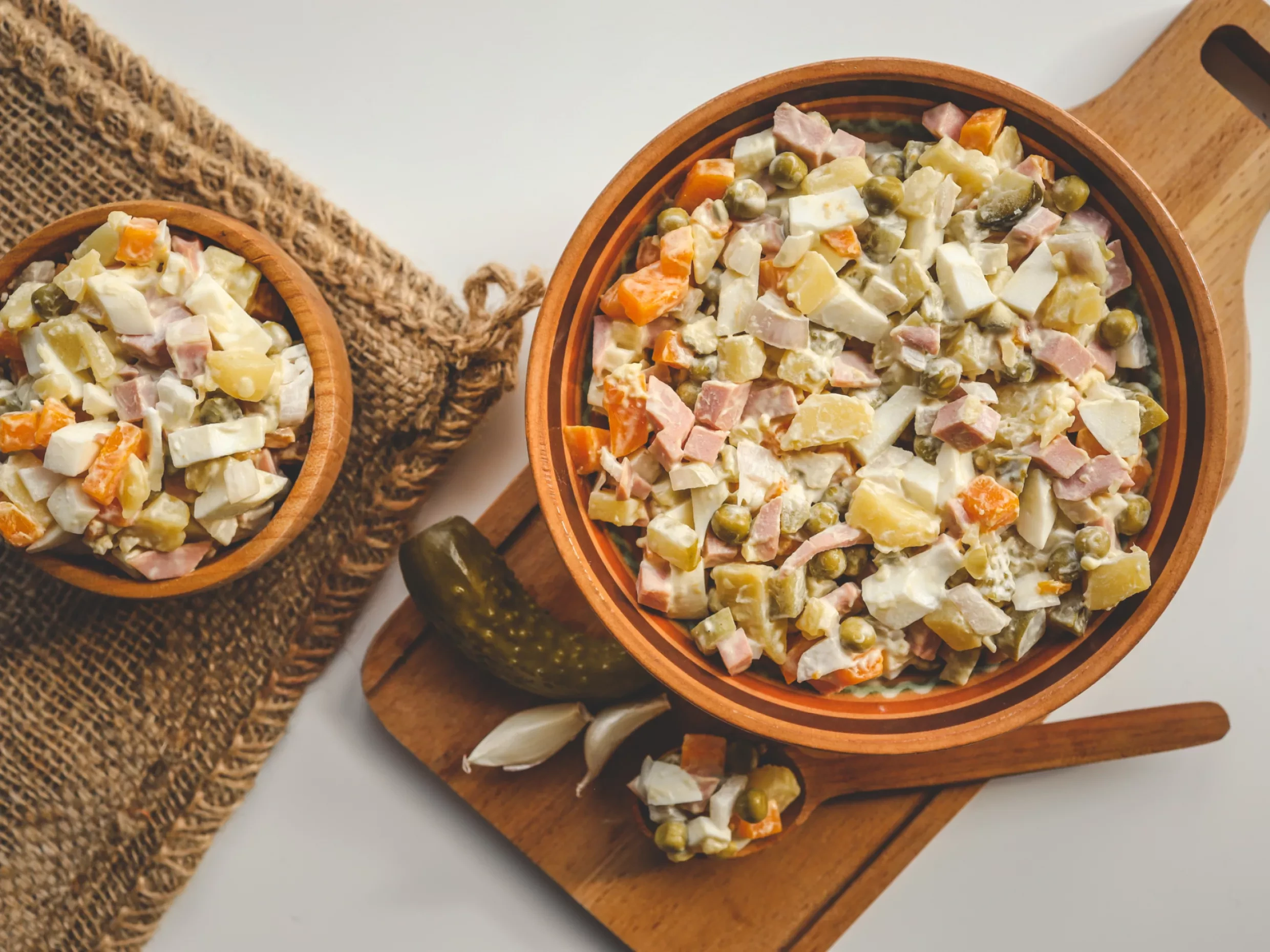
What started as a luxurious restaurant creation and has since become a beloved rustic homemade classic has a story as blurry as a foggy day. Traditionally, the Olivier Salad (mostly these days called Russian salad) is a rich, finely chopped mixture of potatoes, carrots, peas, pickles, eggs, and a creamy mayonnaise dressing, often with chicken, ham, or even hot dogs in later variations.
It’s named after Lucien Olivier, the Belgian-French chef who created it in the 1860s at the celebrated Hermitage restaurant in Moscow, where the original version was reportedly far more lavish than the everyday bowl now known in its many incarnations almost everywhere around the world. However, the exact original recipe is one of food history’s great puzzles. Most contemporary accounts suggest Olivier guarded the recipe closely, but after his death, versions began to circulate and gradually became simpler and more affordable.
One of the first printed recipes (from 1894) called for half a hazel grouse, two potatoes, one large cornichon, 3-4 lettuce leaves, three large crayfish tails, a quarter cup of cubed aspic, a teaspoon of capers, 3-5 olives and one-and-a-half tablespoons of mayonnaise. Many of these ingredients in pre-revolutionary Russia were very expensive, not to mention hard to prepare for normal households. So in post-revolutionary Russia, many or most were replaced with more affordable options - grouse was replaced with chicken or sausage, crayfish with hard-boiled egg, olives and capers by peas and pickled cucumbers.
From place to place, the Olivier salad has its own rules, and there are slightly different versions across almost all of Eastern Europe. In Croatia and Slovenia, it’s often prepared without meat but with corn, carrots and apples. The Bulgarian version uses ham or salami, and in Turkey, pickled beetroot is often added. The Spanish have a tapas version, it’s a common side dish in Iran, and in India, Vietnam, Bangladesh and Pakistan, it’s often served with pineapple.
Anything Goes
From crisp classics to the wonderfully odd, salad is one of the world’s most adaptable dishes. There are strange, surprising versions everywhere, but if it tastes good to you, that’s really all that matters!