








There’s a strong argument to say that every day should be International Bacon Day, but when did our love affair with this savoury, salty, sensation start, and how did bacon become a breakfast table favourite around the world? From streaky to smoky, pancetta to prosciutto, and guanciale to gammon, the varieties are deliciously diverse, but we’ll leave one question hanging - when it comes to the ultimate bacon sandwich, are you Team Red Sauce or Team Brown? This is the story of bacon.

The Beginnings of Bacon
Long before the fridge was invented, people needed clever ways to preserve meat, and rubbing it with salt helped to draw out moisture and slow the decomposition process. Around 1500 BC, the Chinese are recorded in modern food histories as salting pork belly, although methods of preserving meat through salting, drying and smoking developed in different parts of the world over thousands of years. Indeed the principle of salting and curing pork probably started at least 3,500 years ago, and possibly even earlier.
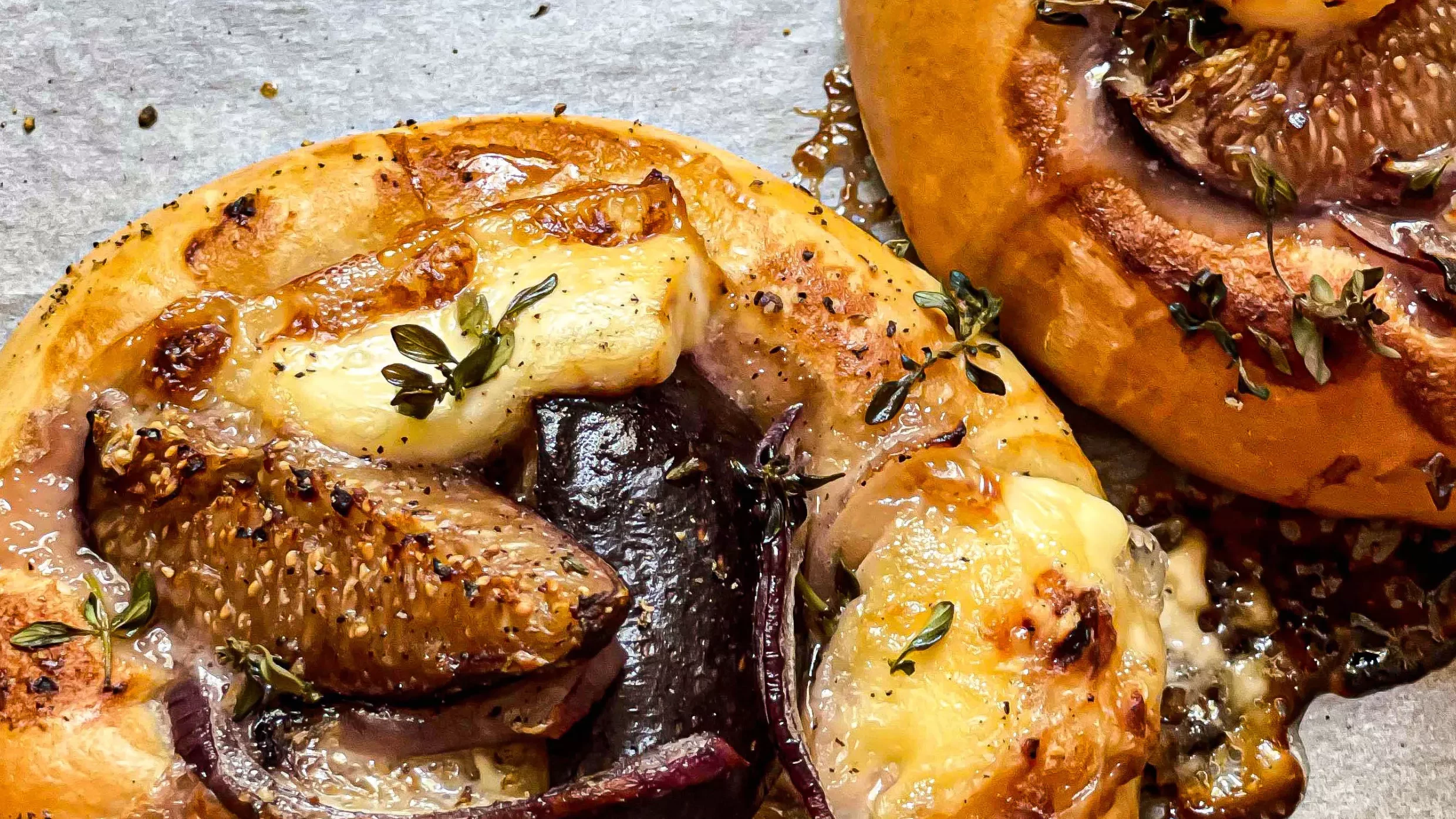
In the Mediterranean region, the ancient Greeks and Romans developed their own methods of curing and smoking meat, and Roman soldiers valued salted pork because it was widely available, and could be stored and transported on long campaigns. The writer Cato the Elder even recorded a recipe for curing pork in the second century BC. Roman cookery also included perna, a recipe that used salted pork with figs and wine. Other Roman recipes such as petaso, preserved in Apicius, used fresh, uncured ham with barley and figs before glazing it with honey and serving with a wine-and-pepper sauce.

What’s in a Name?
The word bacon entered Middle English somewhere between the eleventh and fourteenth centuries as bacoun. It was likely borrowed from Anglo-Norman or Old French bacun, words that referred to cured pork, a leg, or a whole side, known as a ‘flitch.’ In Old High German it was bahho, and in Old Dutch, baken.
Over the centuries, the word bacon itself came to mean the rashers we’re more familiar with, and other cuts of pork were given their own names, like gammon, pork belly, or chops.

Bacon Comes to Britain
By the eighteenth century, bacon had been firmly established in Britain as a practical way of preserving pork for the winter months. In the 1770s, Sarah Harris and her son John began a small family business in the Wiltshire town of Calne that would grow into one of Britain’s best-known bacon producers. Starting from a modest butcher’s shop, the Harris business developed into a major curing operation and helped establish Wiltshire bacon as a popular product across the country.
A major turning point came after George Harris (Sarah Harris’s great-grandson) travelled to America in 1847 to investigate new sources of pork and methods of curing. While there, he saw how ice was being used to keep meat cool and brought the idea back to Calne. In 1856, the Harris family built its first ice house at their factory, allowing bacon to be cured throughout the year and helping develop a milder cure that relied less heavily on salt.
The opening of the Calne - Chippenham railway in 1863 (which the Harris and other prominent local families helped to finance) supported the growing trade, while increasing mechanisation transformed production during the later nineteenth century. Mechanical refrigeration followed in 1885, replacing the older ice-house system and helping the Harris businesses develop into a large-scale industrial operation.

Bacon Goes Global
As the tradition of curing spread far and wide, bacon began to acquire a different identity in every country. In Britain, bacon usually means the meaty, oval rasher cut from the loin, while American bacon is typically streaky, smoky pork belly. In Italy, pancetta is salt-cured pork belly, while guanciale is made from the jowl and is prized for its rich, savoury fatty flavour.
German speck is a type of cured, salted, and often cold-smoked pork, France has lardons (small pieces of cured pork belly or fatty bacon used to add flavour to dishes) and poitrine fumée (smoked pork belly similar to smoked bacon). In Canada, peameal bacon is a brined pork loin rolled in cornmeal.
Elsewhere around the world, local climates, available cuts, spices and smoking woods have shaped countless regional variations. They may not all be ‘bacon’ in the strictest sense - Italian prosciutto, for example, is cured ham - but each variety reflects the same process of preserving pork and brings a wide variety of options to the menu.

Bacon at the Table
Once bacon moved from the curing shed to the supermarket, its possibilities seemed almost endless. In Victorian Britain, bacon and eggs was already firmly established as a breakfast favourite, while the modern ‘full English’ developed gradually over the next few decades.
Then came the iconic bacon sandwich - crisp or tender rashers tucked into buttered bread and finished with the great red-sauce-versus-brown-sauce debate.
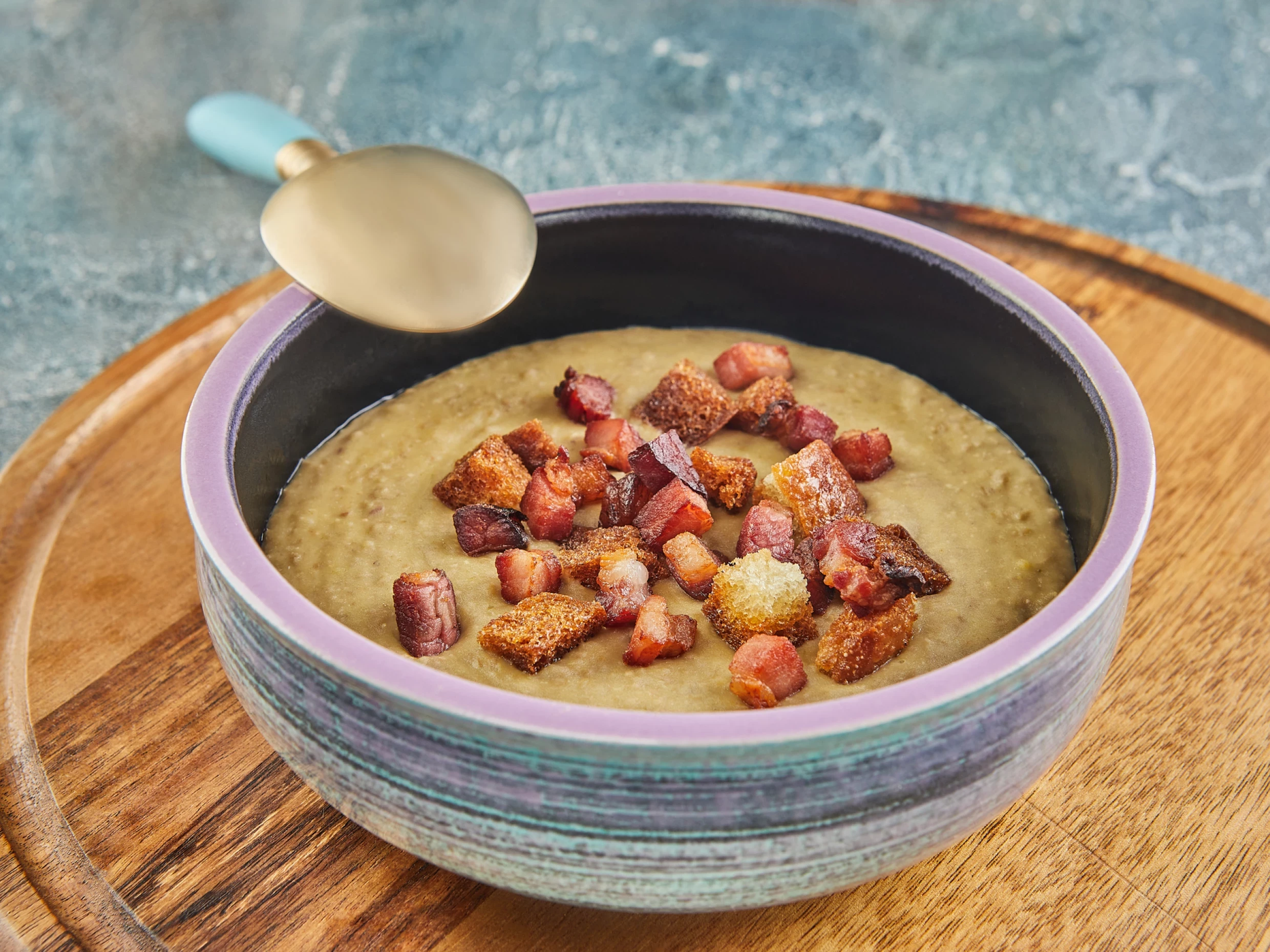
In America, bacon took a starring role in the BLT, where smoky pork is joined by cool crunchy lettuce, juicy tomato and creamy mayonnaise. It also added a new dimension to cheeseburgers, pasta dishes, soups and salads, while at Christmas bacon wrapped around dates or prunes (‘devils on horseback’) and sausages (‘pigs in blankets’) became a festive staple.

Bringing Home the Bacon
From ancient salted pork to sizzling rashers under the grill or in the frying pan, bacon has changed with the times. Across many countries and regions where pork is eaten, people developed their own ways to cure, cook and enjoy it. So whether your preference is streaky or smoked, pancetta or peameal, a bacon sandwich with red sauce or brown, there’s no wrong way to celebrate this global favourite on International Bacon Day!