












Smooth, sweet and seriously scrummy, ice cream feels like a simple summertime pleasure, but its story is anything but straightforward. From Persian princes and Roman rulers, to Japanese royalty, Indian emperors and European nobility, ice cream has plenty of ‘it was us’ claims. So how did this frozen indulgence travel from the ancient world to your freezer? Sundae school is now in session…
The Earliest Frozen Treats
Millennia before Mr Whippy, civilisations across the ancient world were experimenting with cold food. In ancient Persia engineers built ingenious ice pits known as yakhchals, so they could store winter ice in the searing desert heat. From the stored ice, they created faloodeh - a mixture of frozen vermicelli noodles, rose water or grape juice, and sugar.
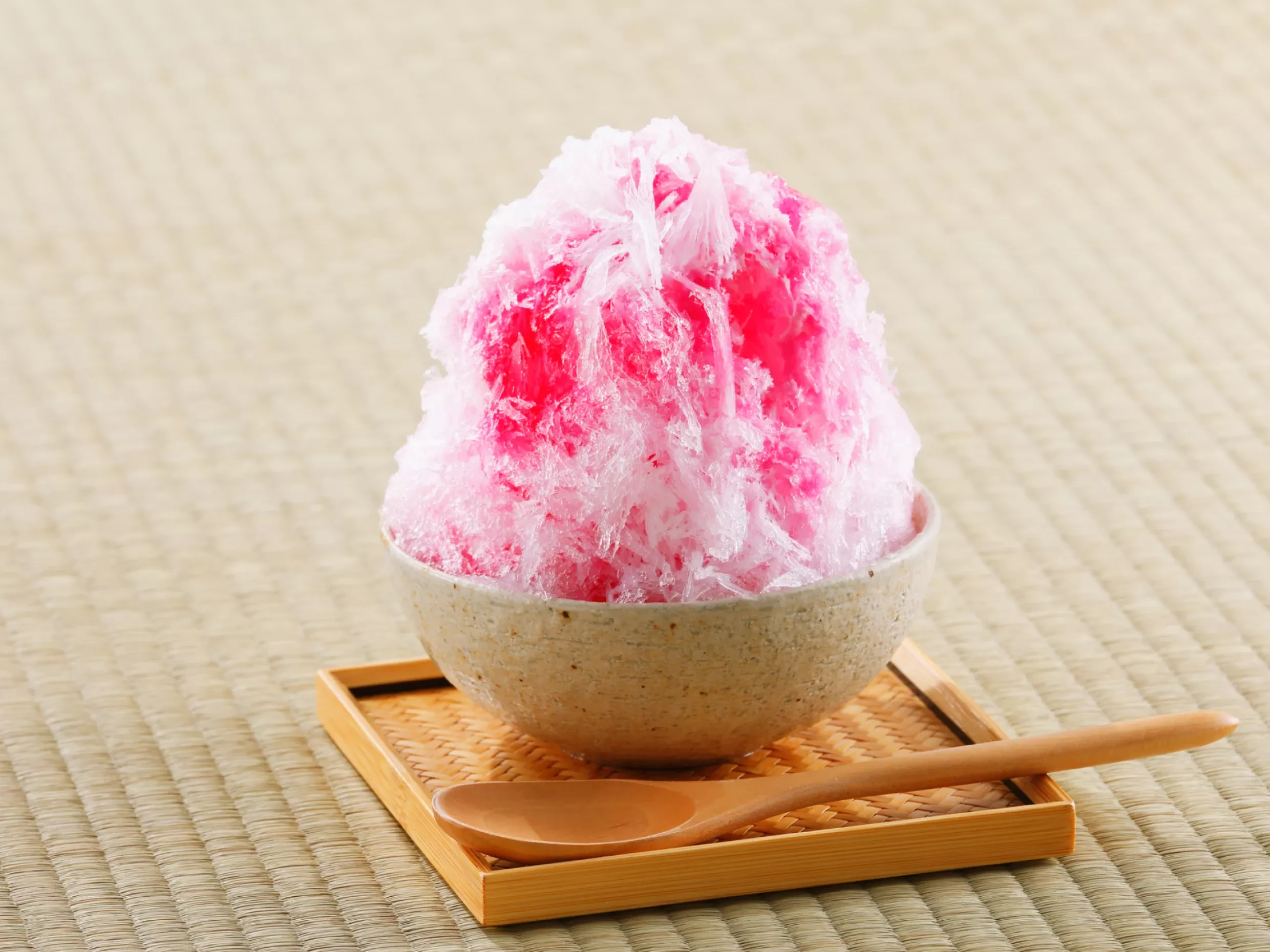
Elsewhere around the world, similar ideas took shape. In ancient China, mixtures of milk, rice, and snow were flavoured and chilled using saltpetre to lower temperatures (a very primitive precursor to controlled freezing), and in Japan around the tenth century, kakigōri - finely shaved ice drizzled with sweet syrups - emerged as a summer delicacy mainly reserved for the imperial court because the process of storing ice was so expensive.
These early dishes were miles away from ice cream as we know it, but they embraced the concept of the cold dessert as a real winner.
Ice & Status in the Ancient World
In the ancient Mediterranean, ice was a costly luxury, reserved for those with the wealth and power to get it. In Greece, snow was collected from mountain peaks and stored in insulated pits, then mixed with honey, fruit, or wine. Alexander the Great was said to have eaten snow and ice mixed with honey and nectar.
The Romans (as they were prone to do) went one step further, turning ice into a symbol of imperial excess. One common story told about Emperor Nero was that he sent runners to the Apennine mountains to gather snow, which was then flavoured with syrups, fruit juices, and flowers. However, without a way to control the freezing process, these cold treats were fleeting and inconsistent.

Kulfi & The Mughal Empire
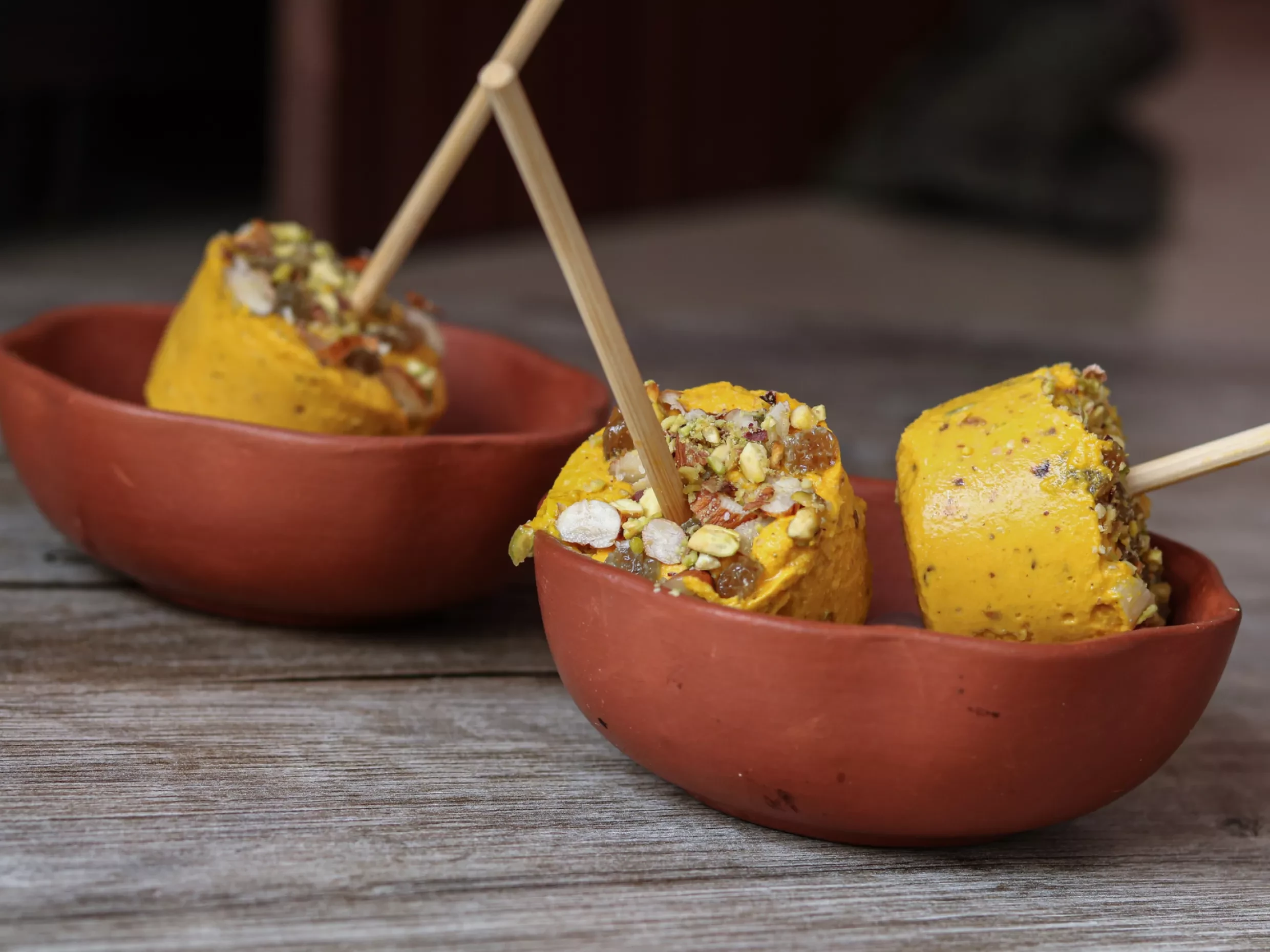
While Europe was still experimenting with freezing techniques, the Mughal Empire - much of present-day India, Pakistan, Bangladesh and parts of Afghanistan - was developing its own distinctive approach to frozen desserts. By the sixteenth century, kulfi had emerged as a rich, dense treat made by slowly simmering milk until it thickened, then flavouring it with sugar, saffron, pistachios, or cardamom. Unlike later European ice creams, kulfi was not churned, giving it a firmer, almost velvety texture.
Ice was transported from the Himalayas or harvested from winter frost and stored in insulated pits, similar to the Persian yakhchals, allowing it to be used even in the intense heat of the Indian plains. The Mughals filled metal moulds with this sweetened milk and submerged them in an ice-salt mixture. This process froze the dessert evenly from the outside in.
The Science Bit
The real turning point in the story of ice cream in Europe came with one key fact - that by combining ice with salt or saltpetre, temperatures could be dramatically lowered. This in turn created a stable enough environment for liquids to be frozen rather than just chilled. This principle, understood for centuries in parts of Asia and the Middle East before spreading westward, transformed frozen desserts from expensive novelties into something closer to a controlled craft.
By the seventeenth century, this technique was becoming increasingly popular in Europe, where cooks and confectioners would experiment with cream, sugar, and flavourings, placing mixtures into containers surrounded by salted ice. But it was a process that required patience and precision, with constant stirring needed to prevent large ice crystals from forming.
For the first time, texture became as important as taste. Smoothness, richness, and consistency - hallmarks of modern ice cream and gelato - were achievable, but only with serious effort.

Ice Cream in Europe
By the sixteenth and seventeenth centuries, frozen desserts had become far more widespread in Europe, particularly in Italy and France, where advances in sugar refining created a fertile breeding ground for innovation in the kitchen.
The royal courts of Italy produced delicate sorbets and cream-based ices that gradually spread across the continent. In France, these chilled desserts evolved into fashionable luxuries, served at royal banquets and in the homes of the aristocracy.
Alongside these developments came a swirl of associated legends, many of which blur the lines between fact and fiction. Among them is the persistent rumour that Marco Polo returned from China in the 1290s with recipes for frozen desserts and methods of how to freeze them, though this particular tale remains a point of serious debate. Another questionable story credits Catherine de’ Medici with introducing flavoured ices to the French court when she married the Duke of Orléans, later King Henry II of France, in 1533. Yet another tells of King Charles I of England in the first half of the seventeenth century, who was said to have offered one of his confectioners a lifetime pension if he kept his recipe for ice cream a secret so it could only be enjoyed by the royals.

From Monarchs to the Masses
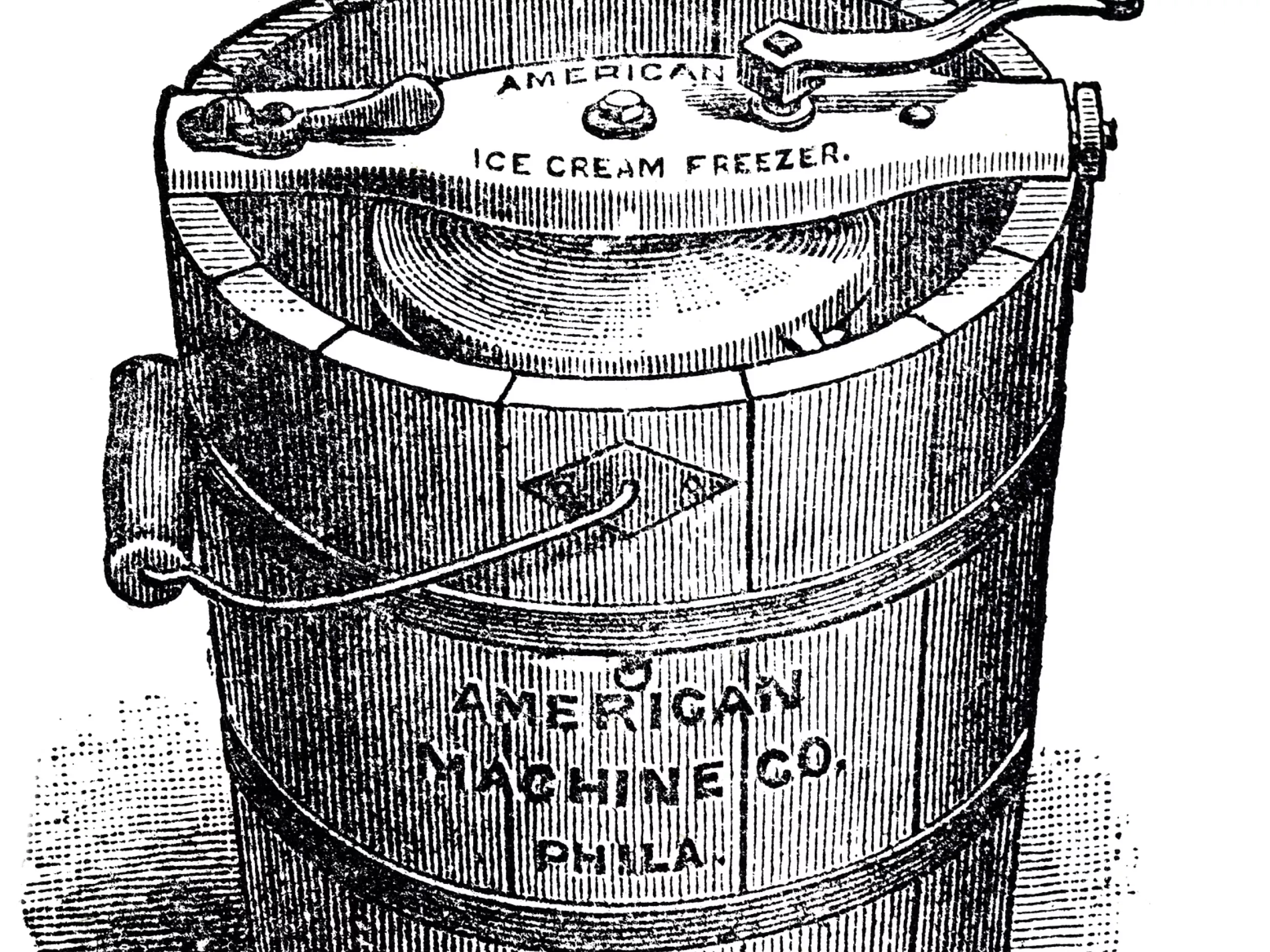
Into the eighteenth and nineteenth centuries, and ice cream was beginning to slip beyond the confines of royal courts and into public life. In cities across Europe and America, confectioners and street vendors started selling frozen treats to a growing middle class, helped by innovations such as the hand-cranked ice cream maker, patented by Nancy Johnson in 1843. At roughly the same time, ice was finally able to be harvested, transported, and stored on an industrial scale.
In France, Italy, Britain and the US, ice cream parlours became places to eat ice cream, but also a place to socialise, and the invention of the wafer cone in the early twentieth century meant that ice cream could, for the first time, be eaten on the go. What had once been a symbol of wealth and exclusivity was suddenly everywhere and in demand.
The Industrial Revolution of Ice Cream
The twentieth century transformed ice cream from an artisan, handcrafted indulgence into a global industry. Great leaps forward in home refrigeration and freezing techniques meant that what was once perishable with a very short shelf life could now be produced, stored, and enjoyed all year-round.
Large-scale ice cream manufacturers emerged, standardising production and introducing brands that would become household names, from Walls in the UK who started producing ice cream in 1922, to Häagen-Dazs, founded in 1960 in New York.
Ice cream also diversified into a number of different versions, including gelato, soft-serve, traditional ice cream, frozen yoghurt, water ices and sorbets. In addition, flavours expanded far beyond vanilla, chocolate, and strawberry, reflecting both global influences and shifting consumer tastes. By the century’s end, ice cream had become almost endless in its flavours, combos and popularity.
99 With a Flake, Please
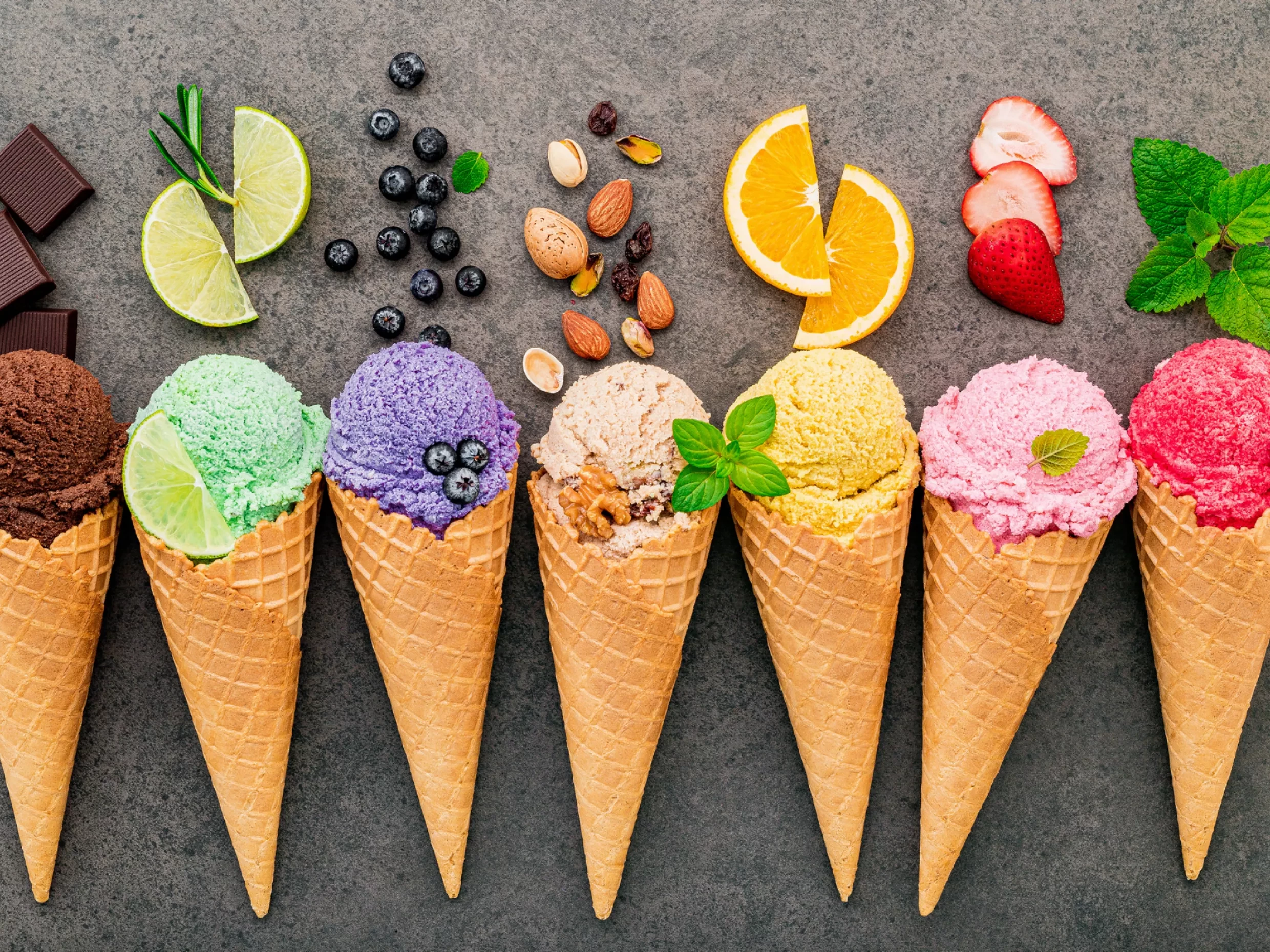
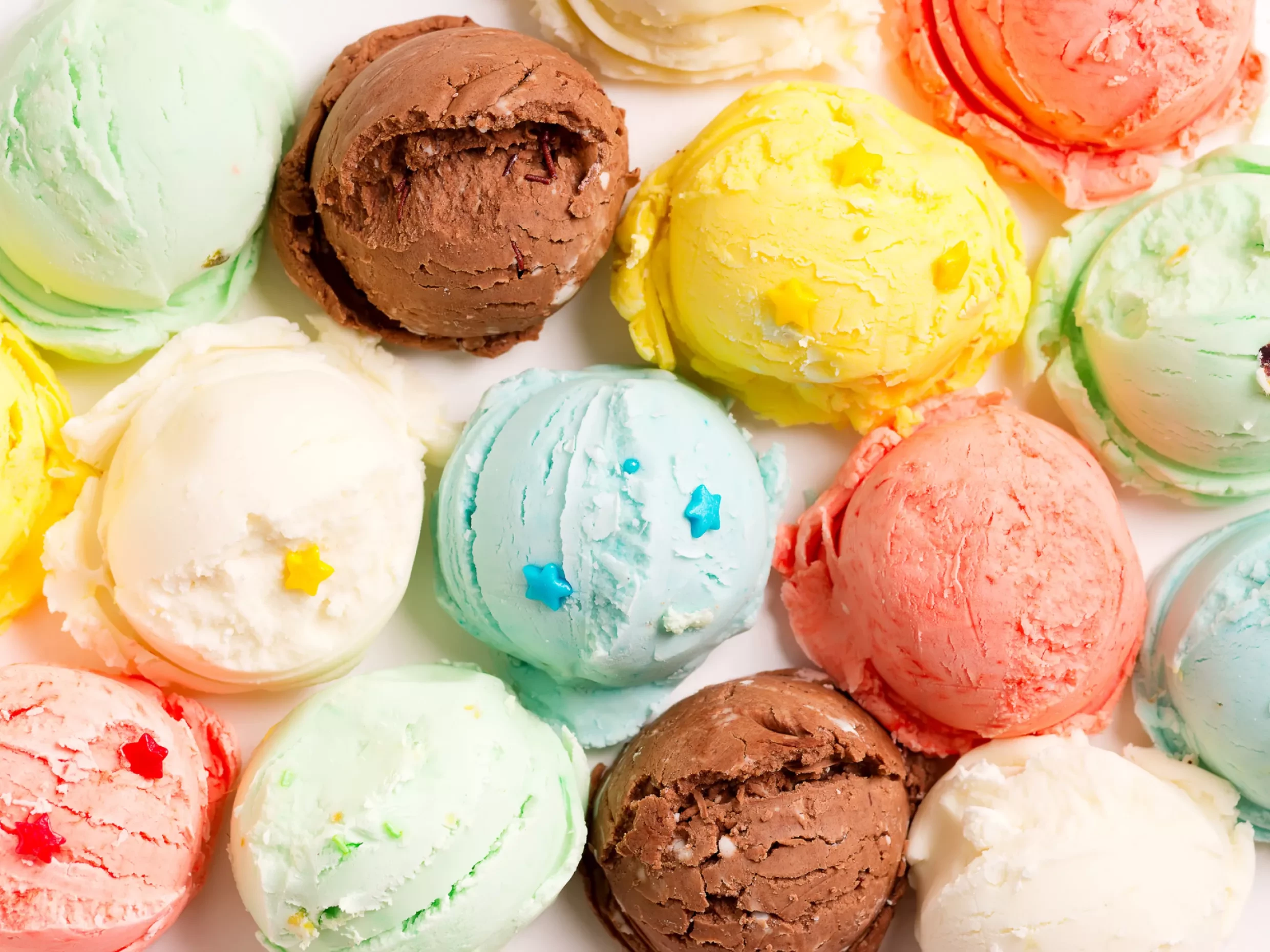
These days, ice cream comes in just about every type you can imagine: classic cones shoved full of vanilla, insane chocolate or mint choc chip; tubs packed with cookie dough, brownie chunks and salted-caramel swirls; soft-serve from the van with a Flake stuck in the top; gelato, sorbet, frozen yoghurt and dairy-free scoops made from oat, coconut or almond milk.
Some prefer proper old-school flavours, some want pistachio with sea salt and a drizzle of something expensive, and some just want the biggest sundae on the menu with whipped cream, sauce and enough toppings to count as structural engineering.
However you take it, ice cream’s still doing what it's always done best: making people happy.