












Barbecue is smoky, slow-cooked, and seriously scrumptious, with roots that stretch back millennia. From age-old open fire pits to street-side smokers and garden grills, BBQ’s about good food, good company and a hat-tip to the chef, but the story of barbecue is more than just bunging some bangers and burgers on the barbie. So how did barbecue become one of the world’s best-loved food traditions? Let’s smoke out the truth.
The Origins of Barbecue
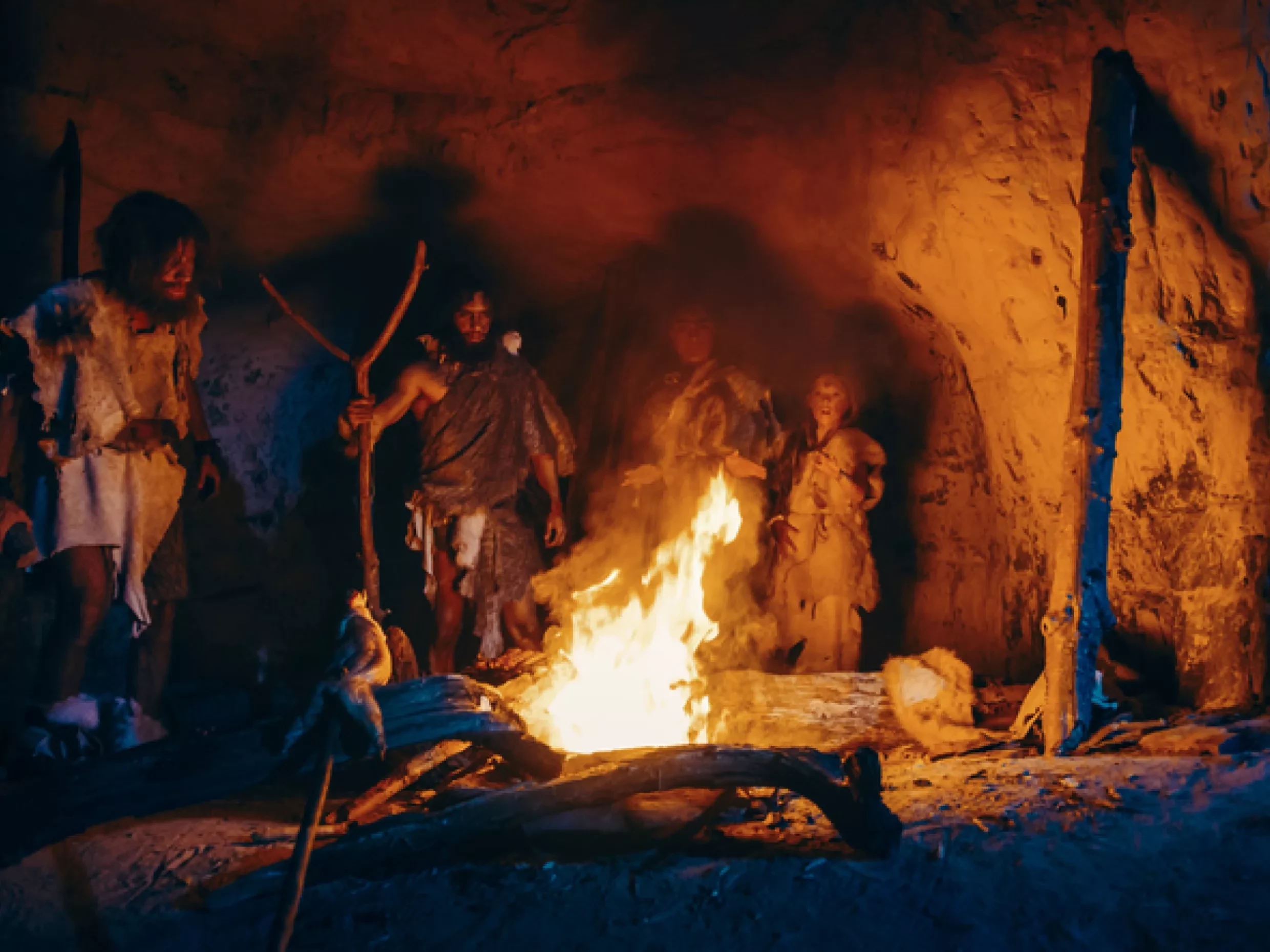
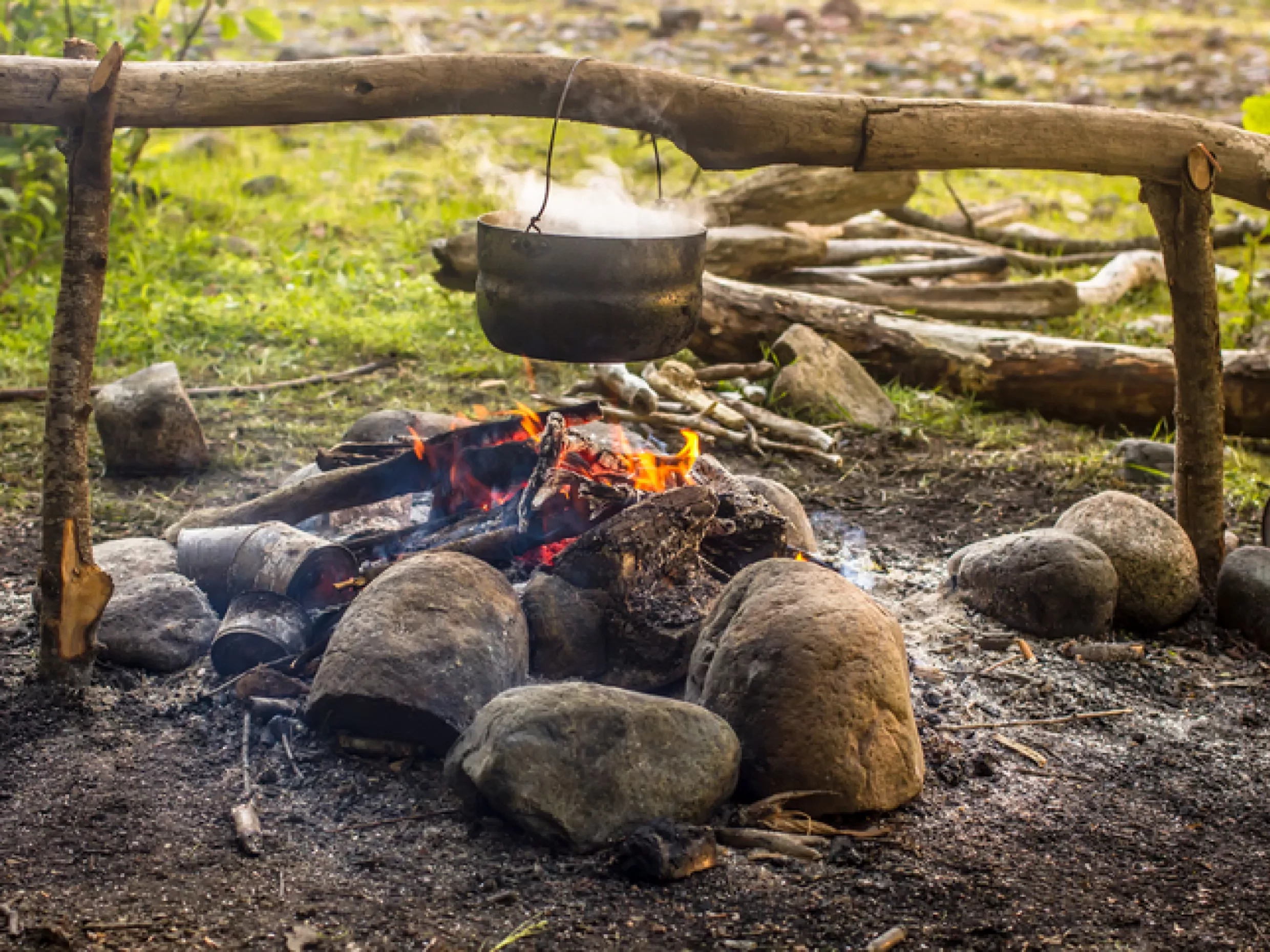
Modern BBQ may have its own grills, smokers, sauces and styles, but at its core it actually has similar trappings to humanity’s oldest cooking tradition: preparing food over open fire. From prehistoric open flames to today’s backyard barbecues, the basic appeal remains the same: heat, smoke and flavour.
Where Does the Word ‘Barbecue’ Come From?
The word barbecue has travelled almost as far as the cooking style itself. It’s usually traced back through the Spanish word ‘barbacoa’, which likely came from the indigenous languages of the Caribbean region. From there, barbacoa made its way into English in various spellings before settling into barbecue, while barbeque remains a common alternative in places including Australia, New Zealand and the US.
From Barbacoa to Barbecue
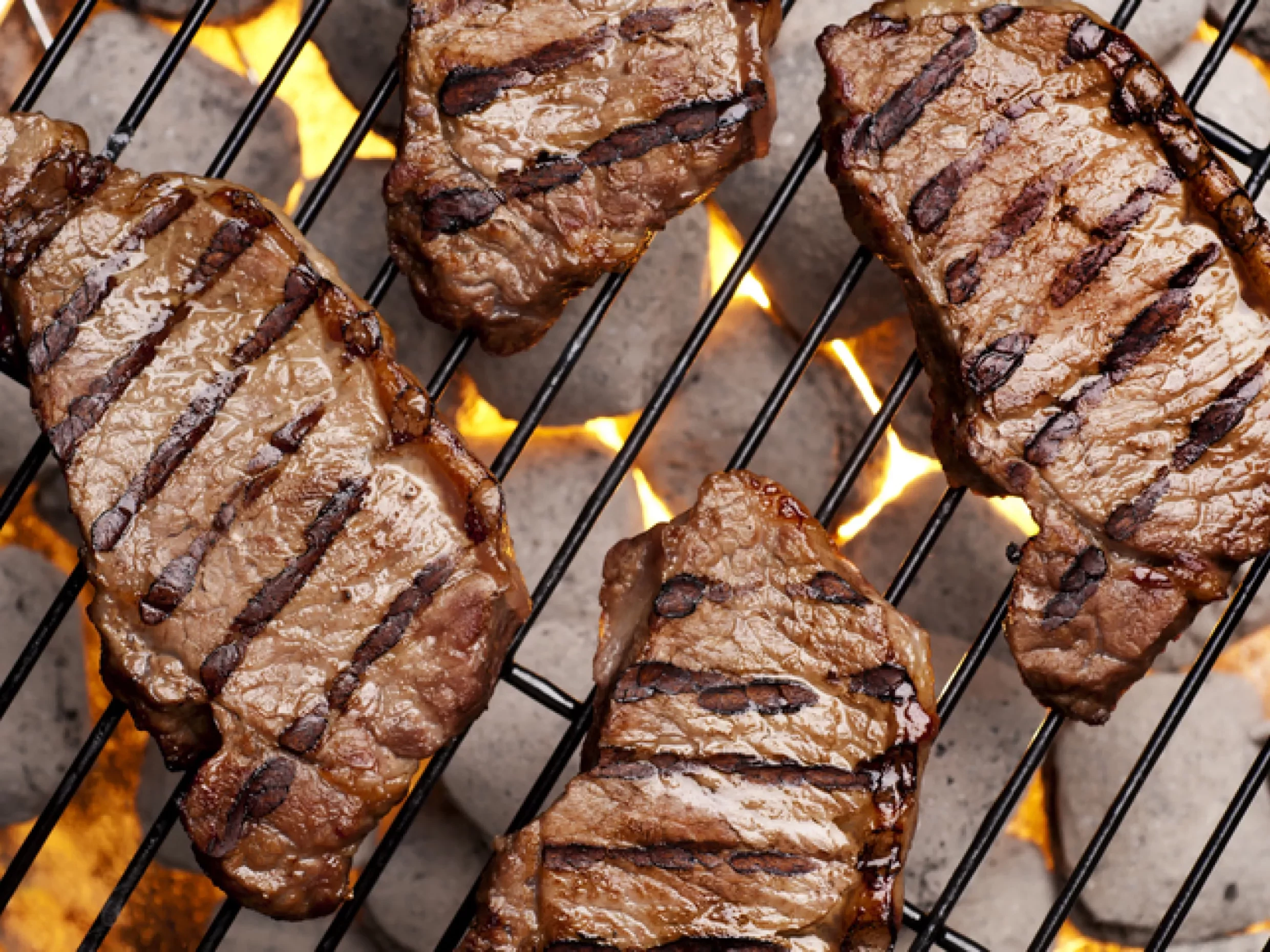
By the sixteenth century, the term barbacoa was being used by Spanish writers to describe a method of slow cooking food over a wooden framework or rack above a fire. This method allowed meat to cook gradually, using both heat and smoke, and it was especially useful in warmer countries where preserving food was important.
Over time, this way of cooking spread throughout the Caribbean, Central America and wider Spanish colonial holdings, where local cooking customs and ingredients shaped it into a range of regional practices.
By the seventeenth and eighteenth centuries, barbecue had transformed from a single way of cooking into a family of techniques, including pit roasting, smoking and outdoor communal cooking.
The Backyard Barbie
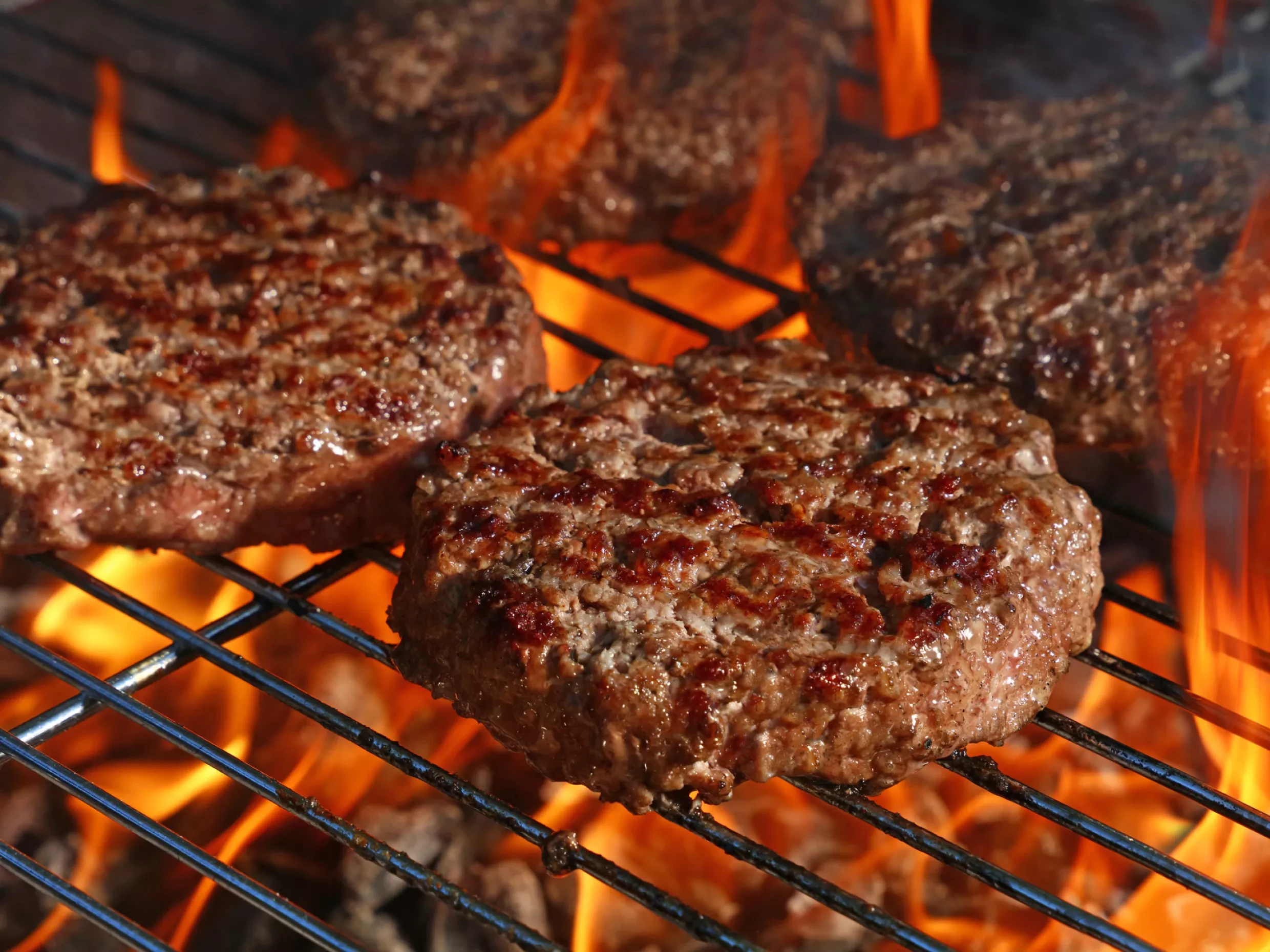
By the twentieth century, barbecue had moved beyond pits, farmyards, and smokehouses, and into campsites, patios and gardens. The availability of portable charcoal grills made outdoor cooking easier, quicker, and more accessible for home cooks, especially after World War II. What had once been a slow, labour-intensive practice increasingly became part of weekend meals, family get-togethers, and summer entertaining.

The Great American BBQ Divide
Almost every country around the world has their own way of cooking meat over open fires or in smokers, but in America, barbecue developed into a set of strongly regional traditions, each with its own methods, sauces, and loyalties. Here are what would be considered the four most famous US BBQ styles.
Kansas City-Style BBQ
Perhaps the most varied of the four, Kansas City-style BBQ is a melting-pot, in part shaped by the Missouri city’s history as a meatpacking crossroads. This barbecue style is famous for its versatility and bold flavour. It’s built around a wide range of meats, including beef, pork, chicken and sausage. Signatures include cooking with hickory smoke, and burnt ends - the caramelised point of the brisket. The sauce is thick and sweet, built on tomato and molasses, and it's the style most mass-market bottled sauces imitate.
(North & South) Carolina-Style BBQ
Carolina barbecue is focused on pork and sharper, vinegar-based sauces, but the details differ as you move around the two states. The eastern parts of North Carolina often cook whole hog with a thin vinegar-and-pepper sauce. The western Lexington style favours pork shoulder with tomato added. South Carolina is famed for its sweet mustard-based BBQ sauce known as ‘Carolina Gold,’ a legacy of the state's German immigrant heritage.
Texas-Style BBQ
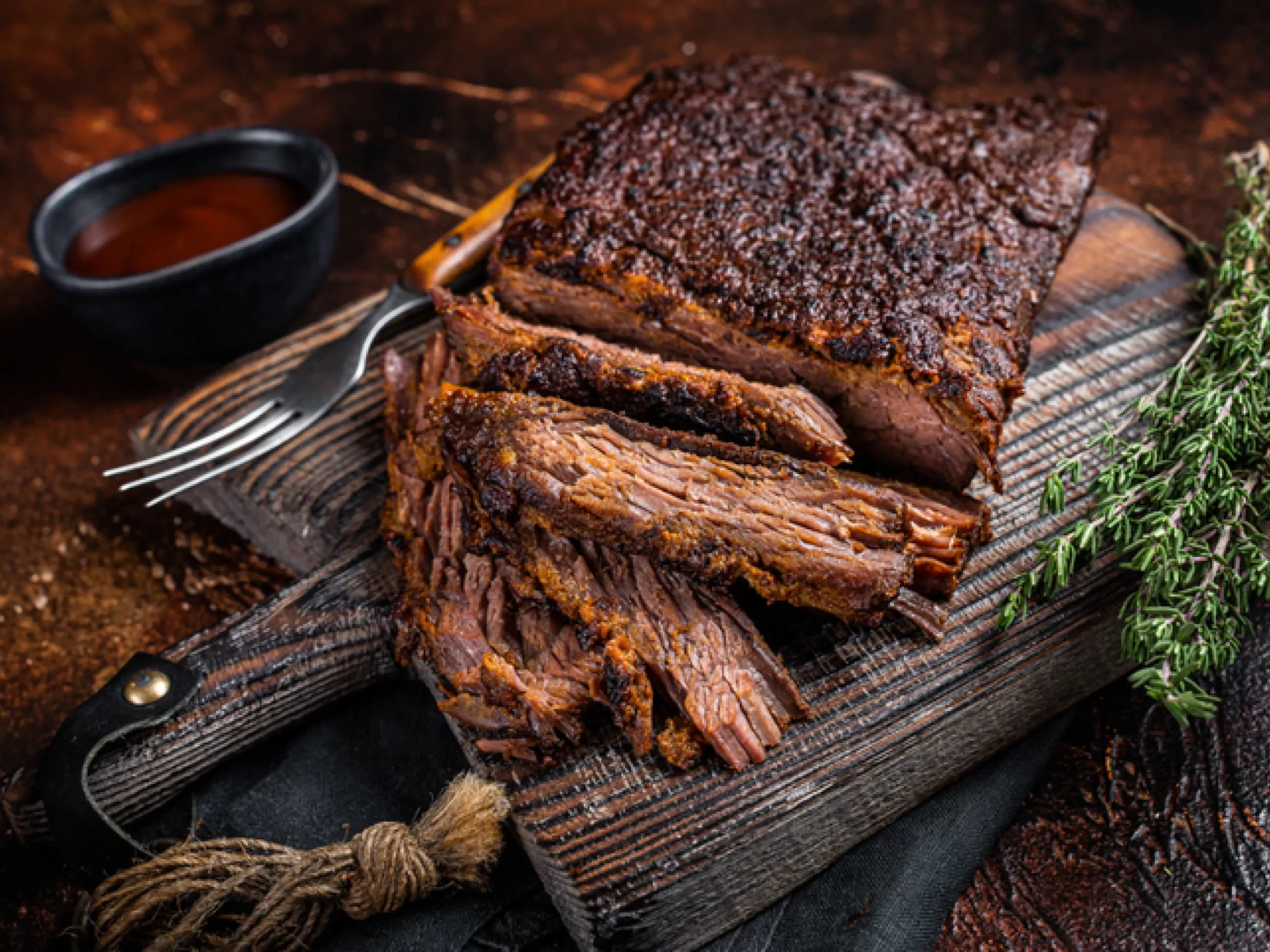
Texas barbecue is strongly associated with beef, especially brisket, cooked low and slow until tender. Different parts of the state have their own traditions, but wood smoke is central throughout, with oak and mesquite often used for flavour. Texas barbecue is usually less sauce-heavy than some of the other styles, relying instead on the quality of the meat and the skill of the pitmaster. Travel around the state and you’ll also find saucier East Texas barbecue, Mexican-influenced South Texas barbacoa, and direct-heat West Texas cooking.
Memphis-Style BBQ
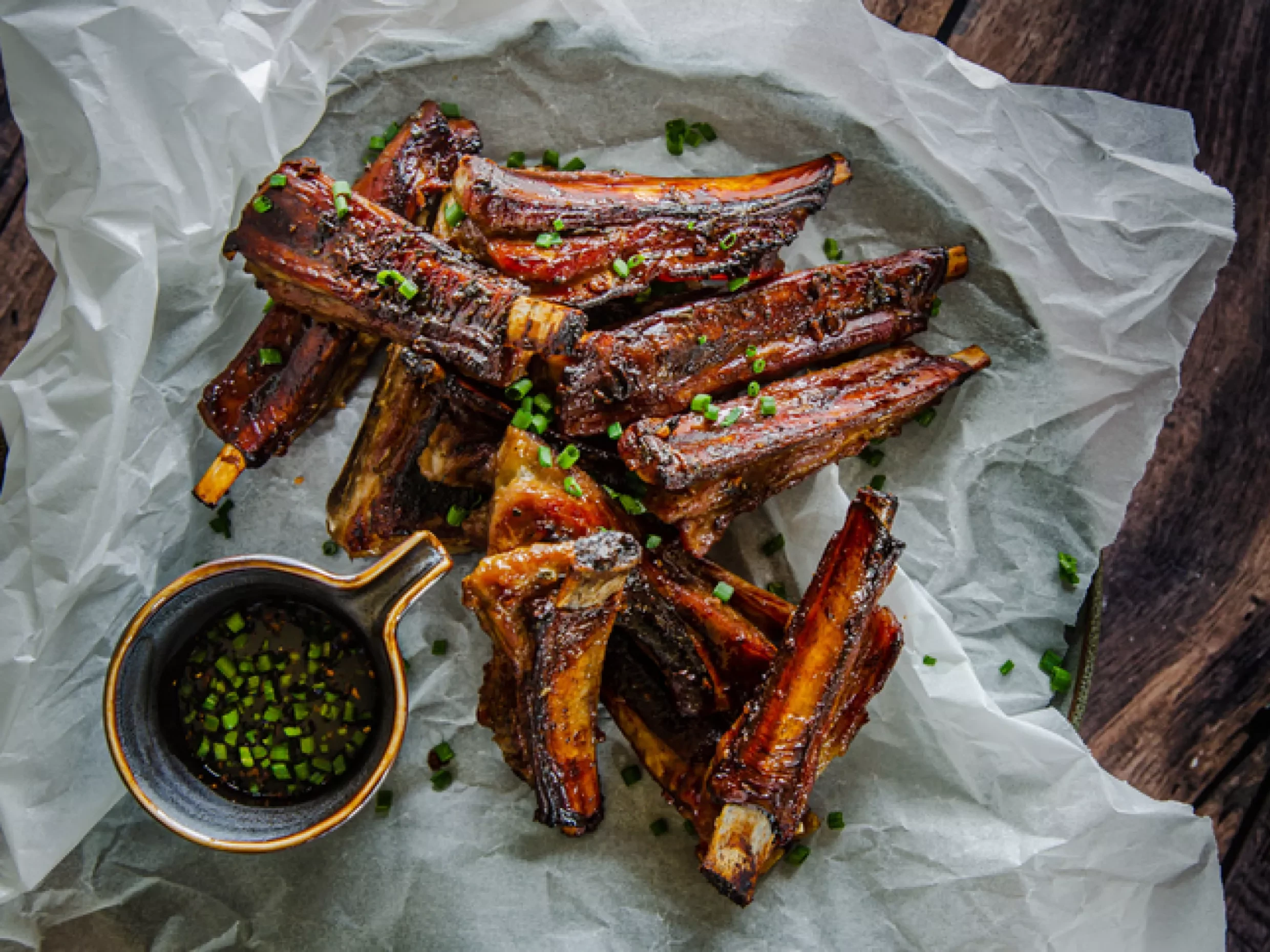
Memphis barbecue is a pork story, best known for ribs served either dry with a spice rub or wet brushed with sauce, alongside pulled pork shoulder often piled into sandwiches. Its tomato-based sauce is thinner and tangier than Kansas City's sweeter style. In mid-May, the city of Memphis in Tennessee holds the legendary annual World Championship Barbecue Cooking Contest, believed to be the largest pork BBQ contest in the world. This is where the nation’s best pitmasters (and teams from around the world) vie for immortality in categories including Ribs, Shoulder, Whole Hog, Patio Porkers, Hot Wings, Sauce, and Anything But Pork!
BBQ Around the World
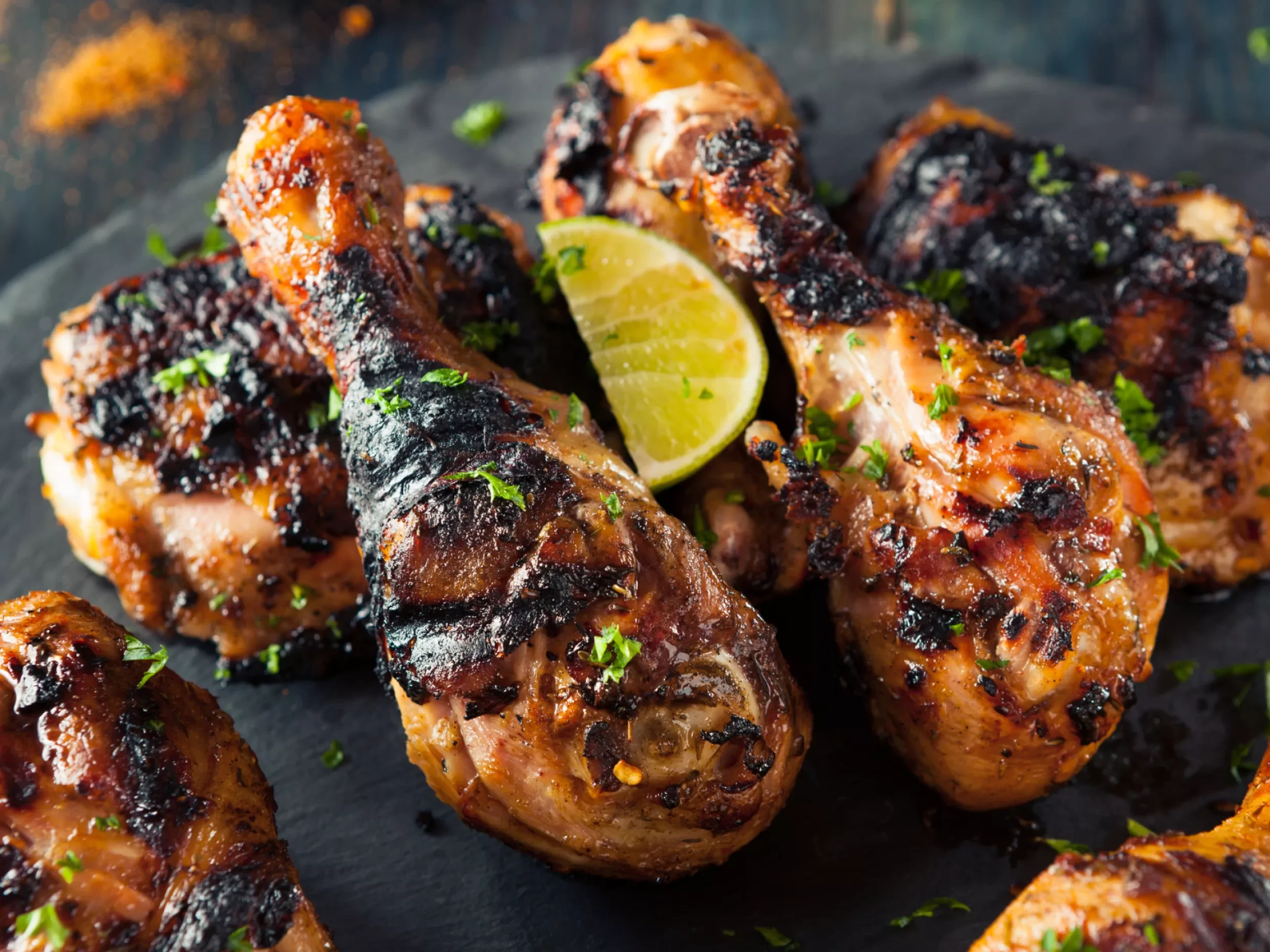
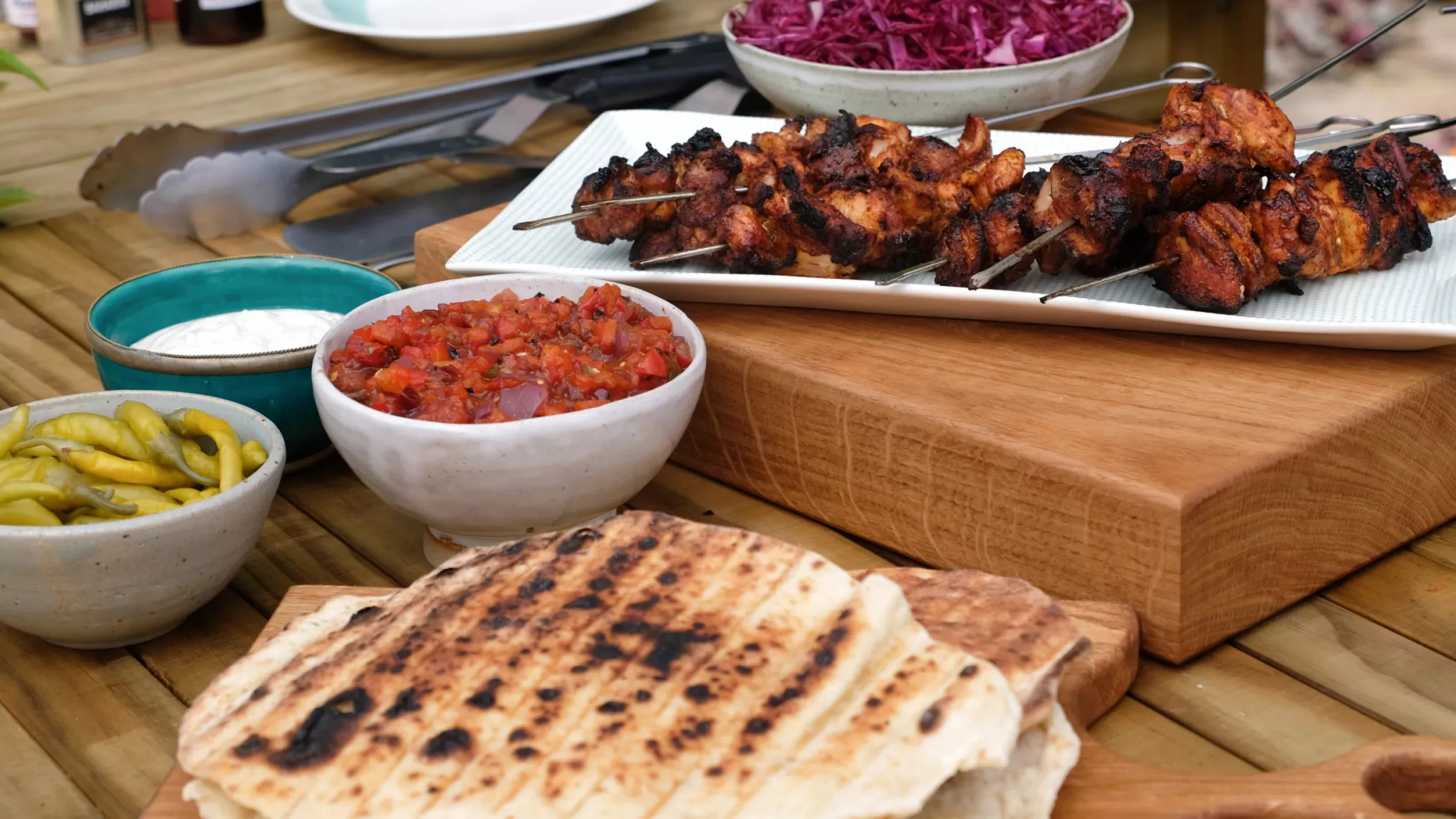
Of course, barbecues are part of life all across the globe, and countries far and wide have their own unique BBQ style. In South Africa, braai is both a cooking method and something of a national ritual. In practical terms, it usually means cooking meat such as steak, boerewors, chicken, or chops over wood or charcoal, rather than on a gas grill. In Argentina and Uruguay, asado centres on beef cooked slowly over wood or charcoal, and all over the Mediterranean, charcoal grilling is built around lamb, fish, vegetables, and skewers. In Korea, barbecue is known as gogi-gui, and includes the specific styles of bulgogi and galbi, where different cuts of marinated meats are charcoal-grilled at the table and shared as part of the meal.
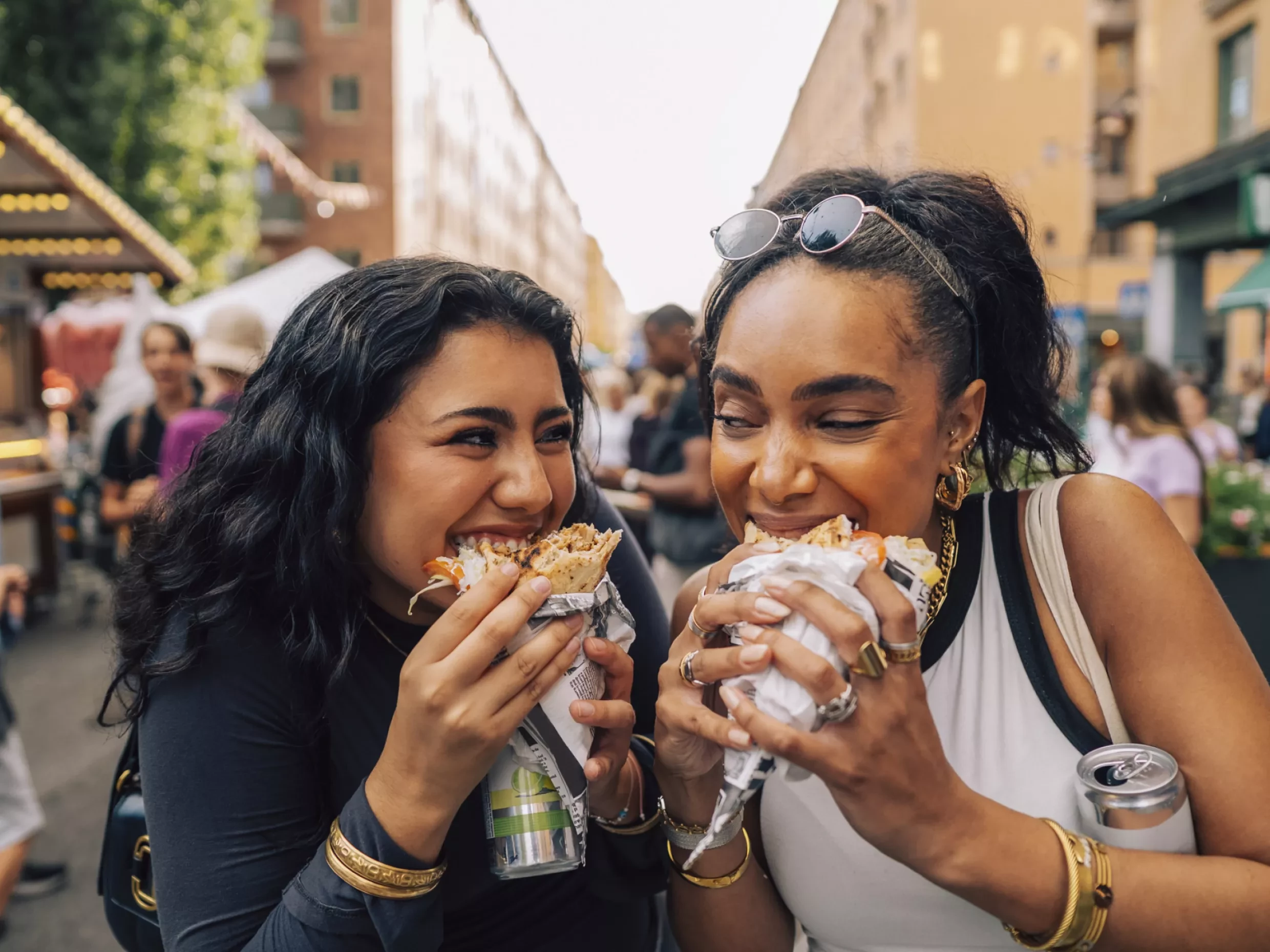
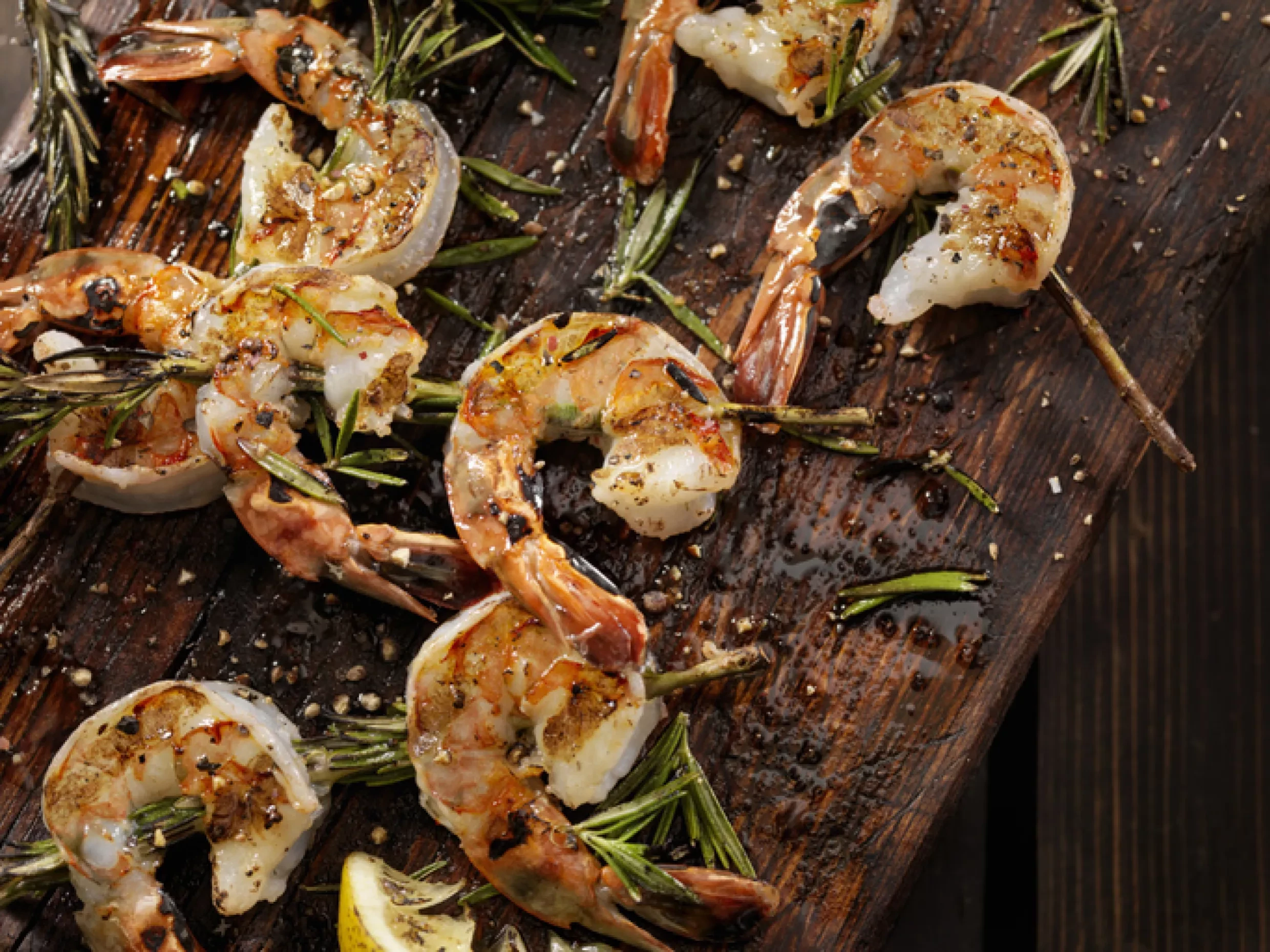
Australia’s clearly famous for its barbecue culture - outdoor cooking which often brings seafood, sausages, and steaks to the grill. Nyama choma (‘grilled meat’ in Swahili) is a style of grilling goat meat or beef over coal or open fire in Kenya and Tanzania, and one of China’s most popular street food styles is cooking ingredients including meat, tofu and vegetables over white-hot coals known as shaokao.
Though the ingredients and recipes differ, the appeal is the same - fire, flavour, and food shared outdoors.
Grill Seekers: The Joy of Barbecue
The idea of the barbecue has been evolving ever since our earliest ancestors thought to cook meat over a fire, but the core appeal has barely changed. The endless debates over sauce, wood, meat, and method are all part of what makes barbecue such a popular and treasured tradition. Whether it’s a Kansas City smokehouse, a competition pit, a garden grill, or a street-side food truck, barbecue the world over brings that outstanding smoky finish to delicious outdoor dining.