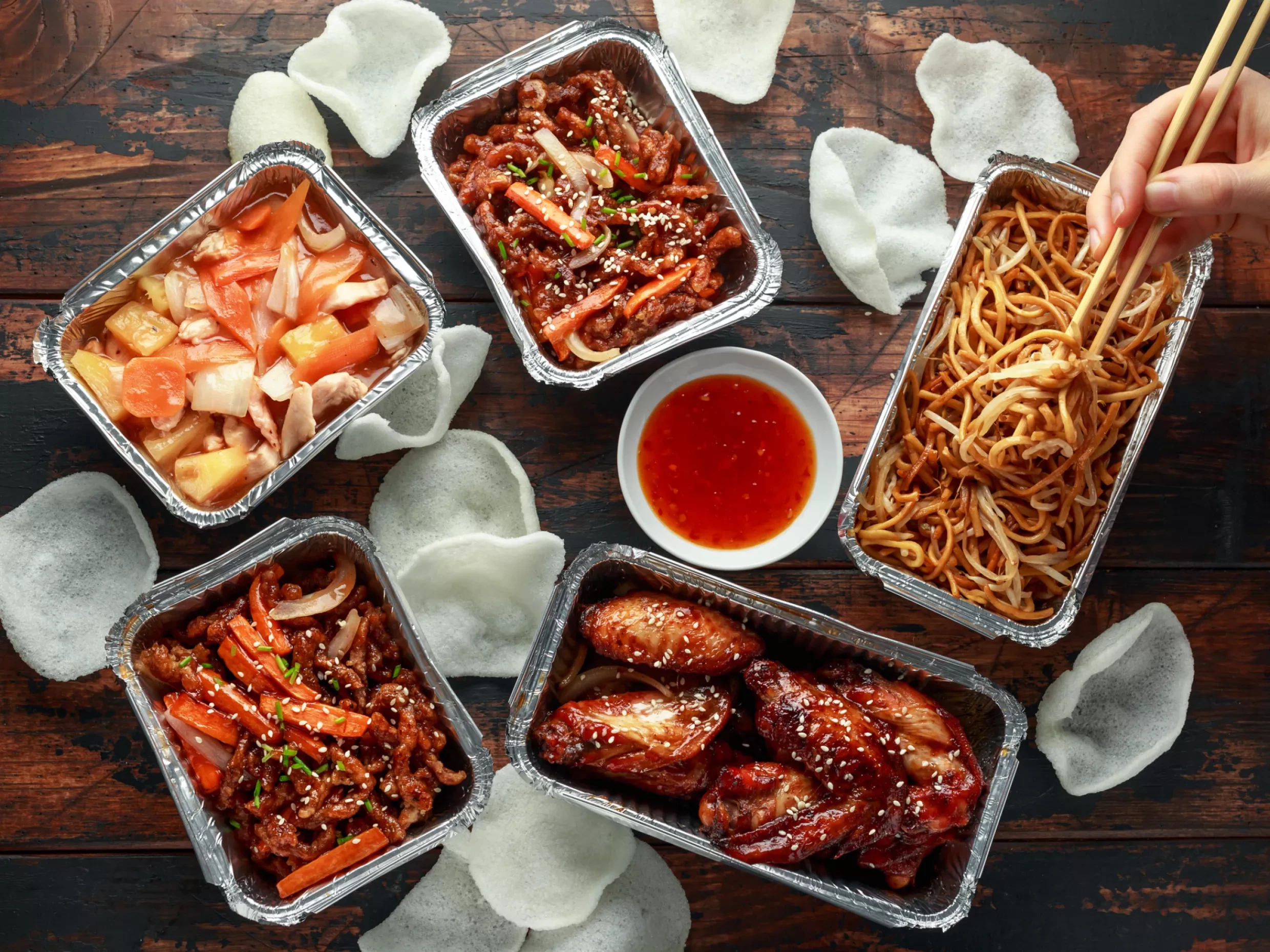






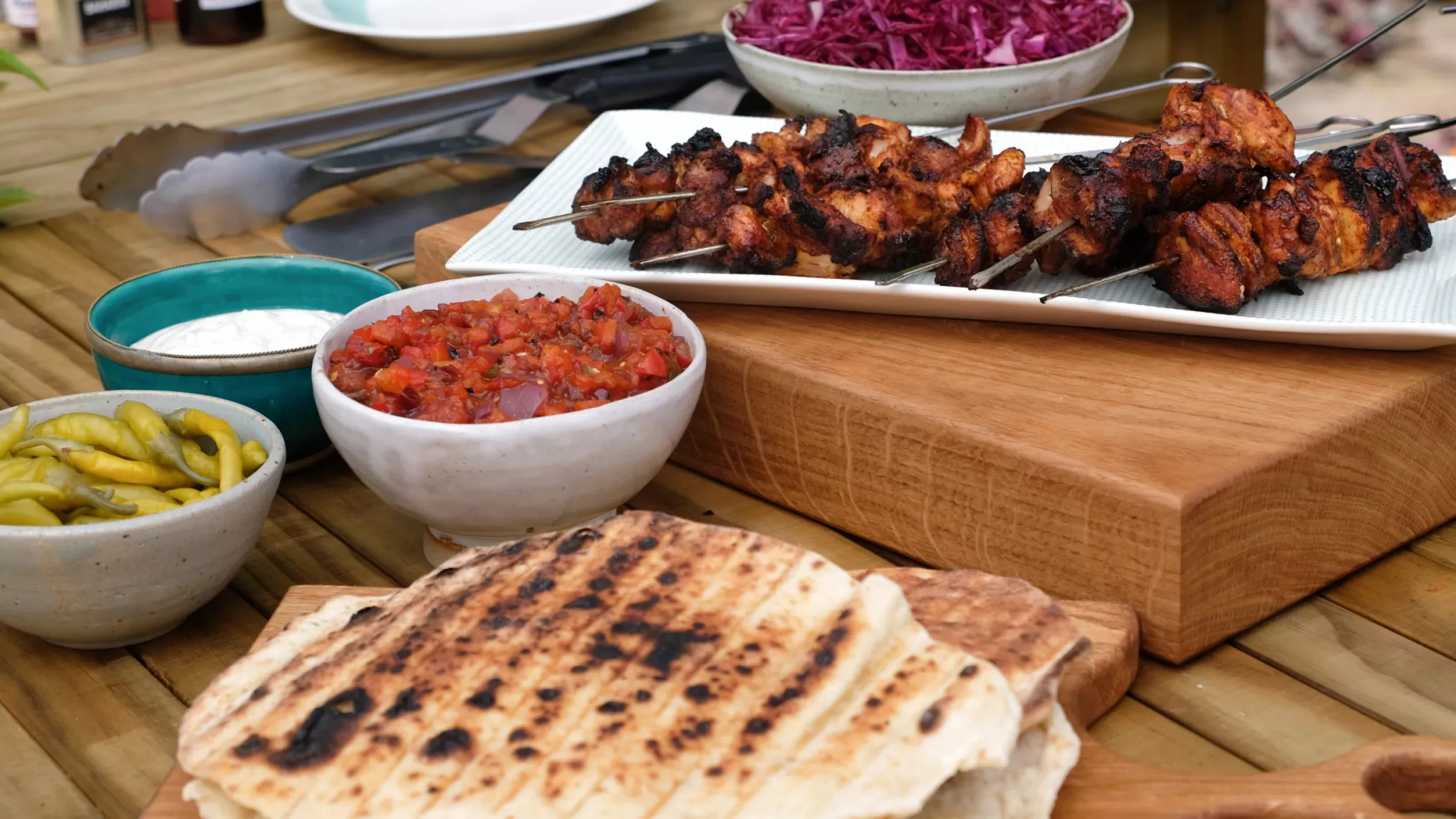
The 1980s was the decade of big hair, Rubik’s Cubes, Filofaxes, and penny sweets that actually cost a penny. It also ushered in a new era of food. It was a time when Britain embraced convenience with open arms, filling freezers, microwave ovens and supermarket trolleys with brands and products that promised speed, novelty and a touch of modernity. From crispy pancakes to instant mash, it was a decade of dinners that felt truly futuristic.
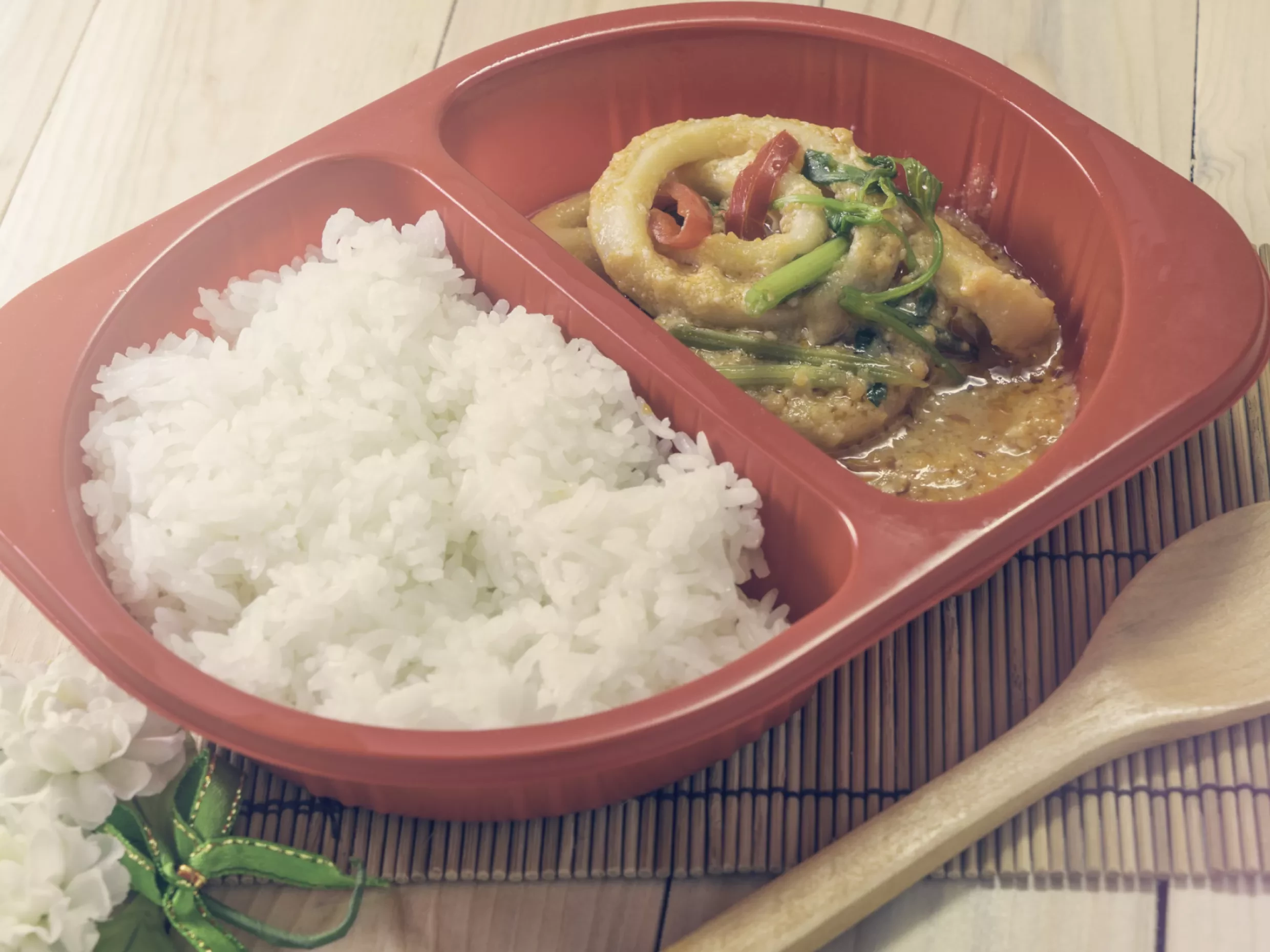
A New Decade, A New Way To Eat
As the 1970s turned into the 1980s, there was a slightly glossy, ambitious energy simmering in Britain. People could spend a bit more and want a bit more. Consumerism was on the rise, and package holidays to Spain were giving Brits a taste - literally and metaphorically - of life beyond meat and two veg. The new decade also marked a turning point in the British kitchen, when food began to feel faster, more convenient and more brand-led than ever before. There was an appetite for novelty, people were hungry for something new, and the supermarket shelf was one of the best places to find it.
As freezers became more common and microwaves moved into everyday life, supermarket shelves began to stock exciting, colourful products that promised to make life easier without sacrificing comfort. For busy families, that meant branded, ready-made favourites, frozen staples and quick-cook meals.
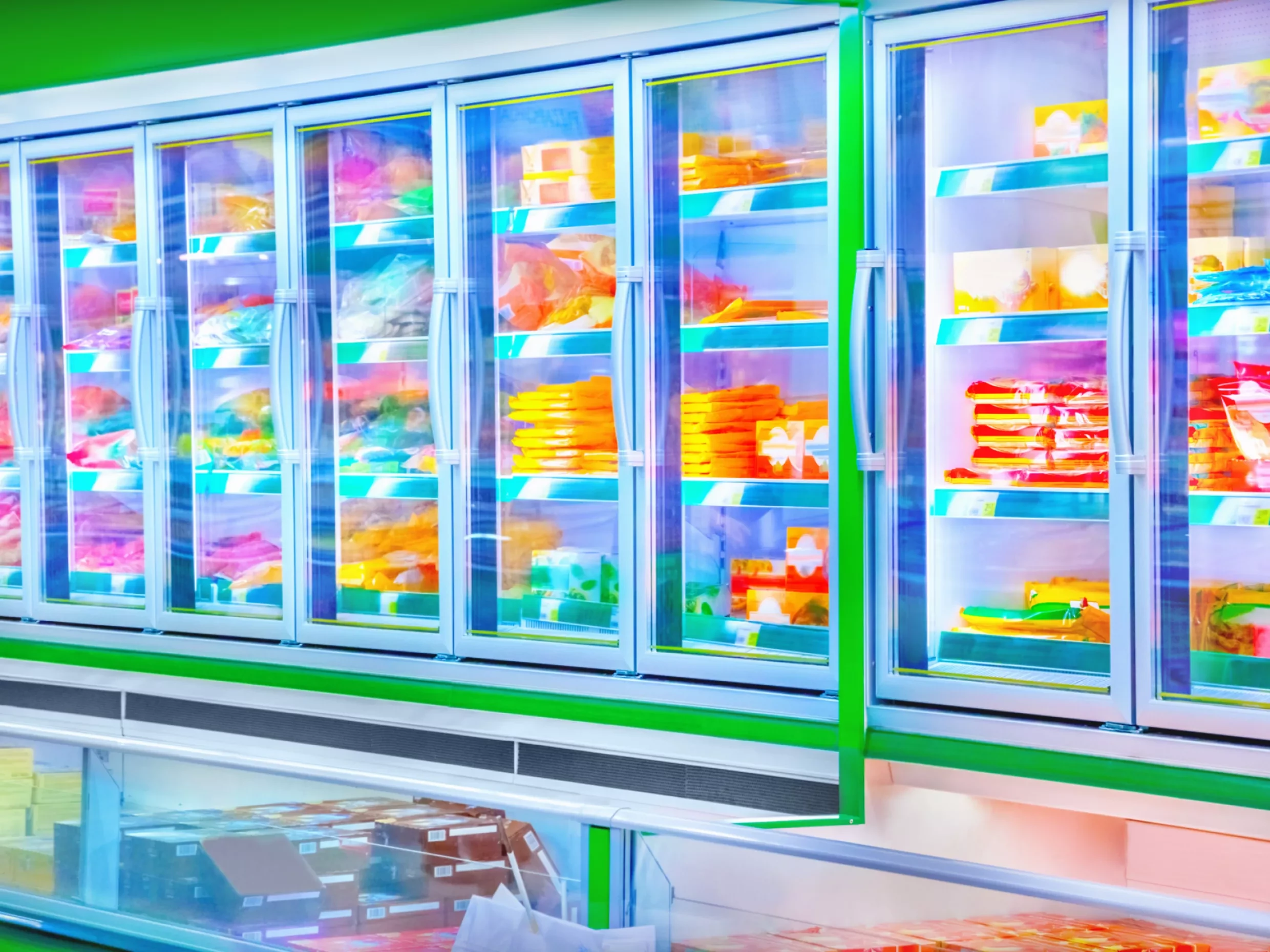
The Freezer Aisle Revolution
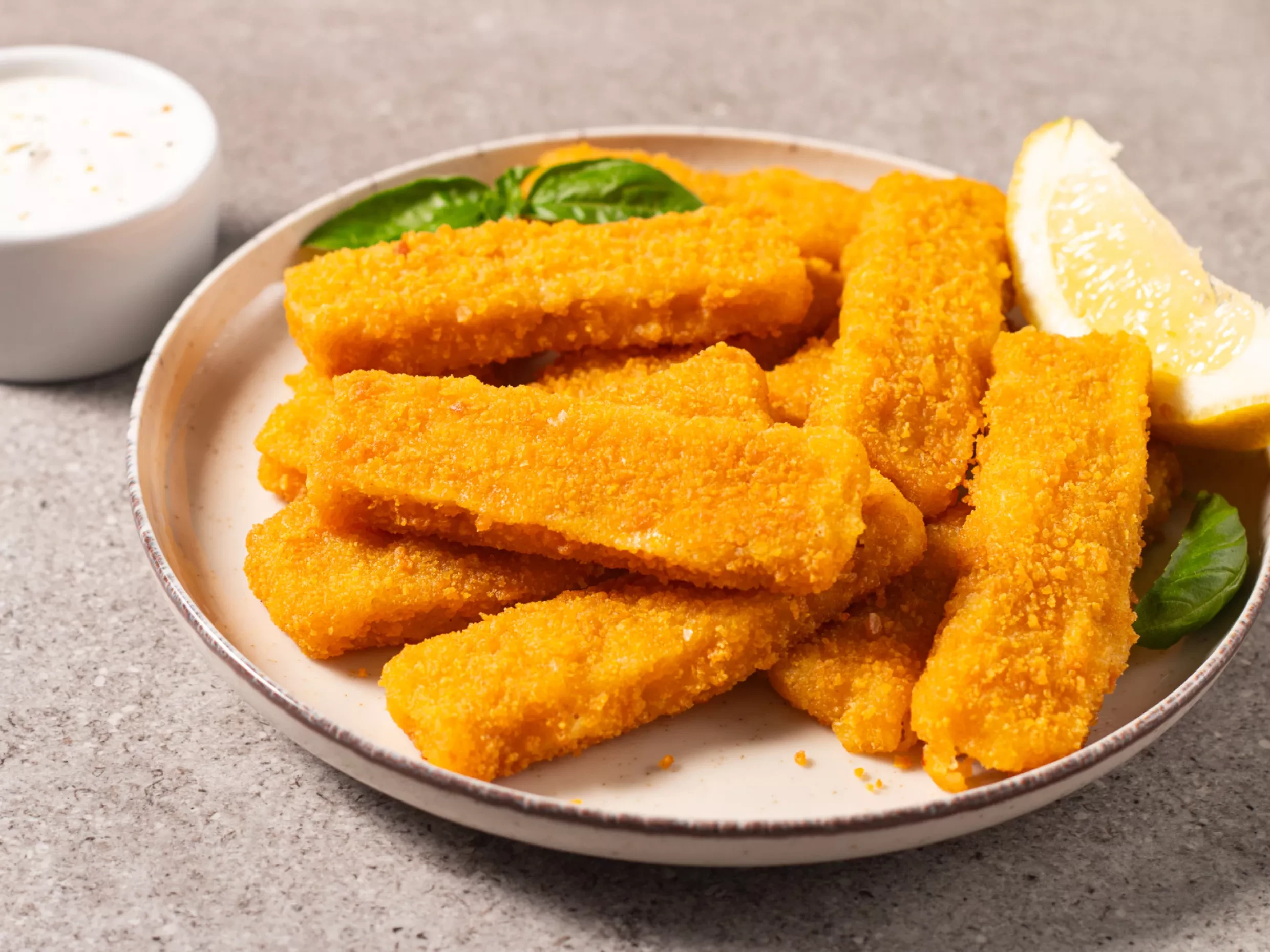
The 1980s saw a revolution in how food was packaged, advertised, and sold, but it was in the freezer aisle - and in the frozen food-only shops like Bejam and Iceland - where the change really came alive. Products such as Findus Crispy Pancakes and French Bread Pizza, the waffly versatile Birds Eye Potato Waffles, and frozen sausages, meat pies, and Captain Birdseye’s fish fingers became part of the weeknight routine.
For families juggling work, school and everything else, these were practical answers, but they also carried a certain thrill. They felt modern, efficient and just a little bit exciting. And while no-one would have mistaken these products for fine dining, they earned their place on the national table by making dinner quicker, easier and extremely practical.
Microwave Meals and Chilled Convenience
If the freezer aisle helped define the way we ate in the 1980s, the microwave took that convenience one step further. By the middle of the decade, the kitchen was becoming a place of speed as much as prep, and the appeal of complete meals which could be heated and on the table in minutes was impossible to ignore.
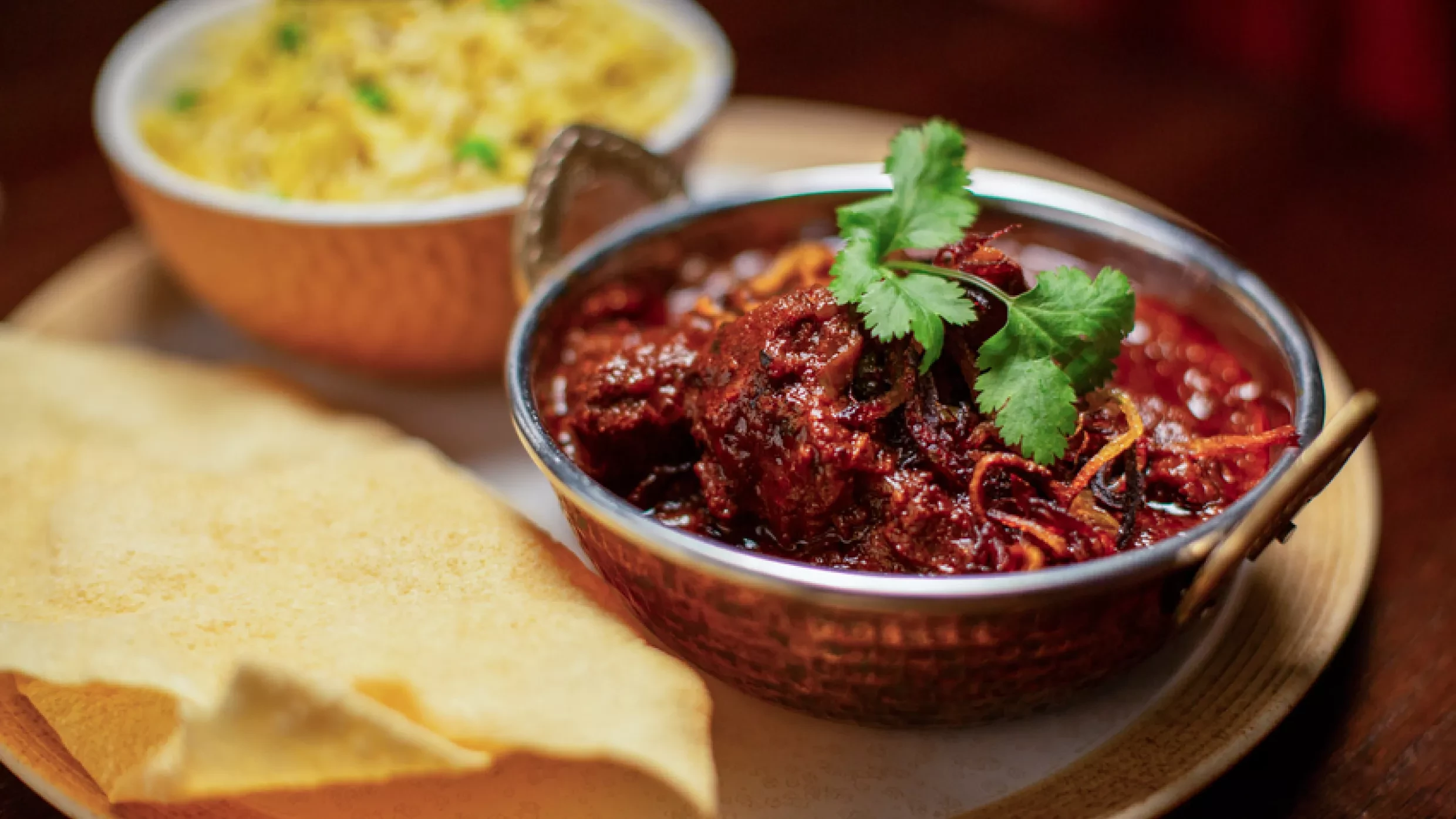
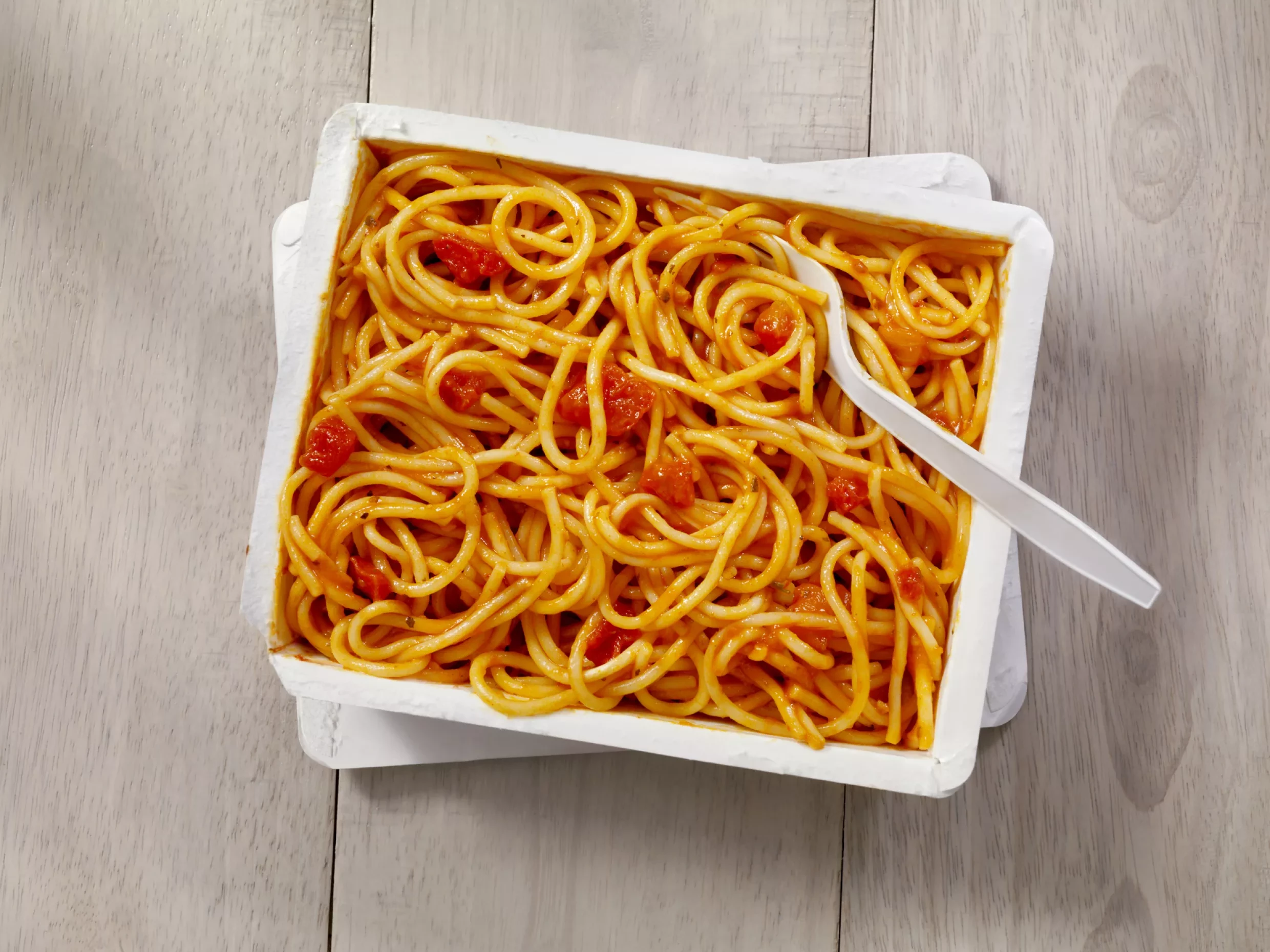
All of a sudden people could find ready-portioned stews, shepherd’s pie, macaroni cheese, and roast dinners which could be microwaved. What’s more, this revolution began to take consumers on a global gastronomic getaway. Indian curries, Spanish paella, Italian risotto, Chinese chow mein, and chicken cordon bleu were all available without leaving the comfort of your own high street. Who remembers McCain’s Micro Chips? Three minutes in the microwave and you had a hot portion of chips in a cardboard box.
Alongside microwave-ready dinners and chilled supermarket soups, Smash cemented its place as one of the era’s most memorable shortcuts, offering instant mashed potato.
Together, these products captured the zeitgeist of the decade - fast, modern and increasingly dependent on foods that promised less effort without entirely losing the comfort of a proper meal.
The Continental Table Comes Home
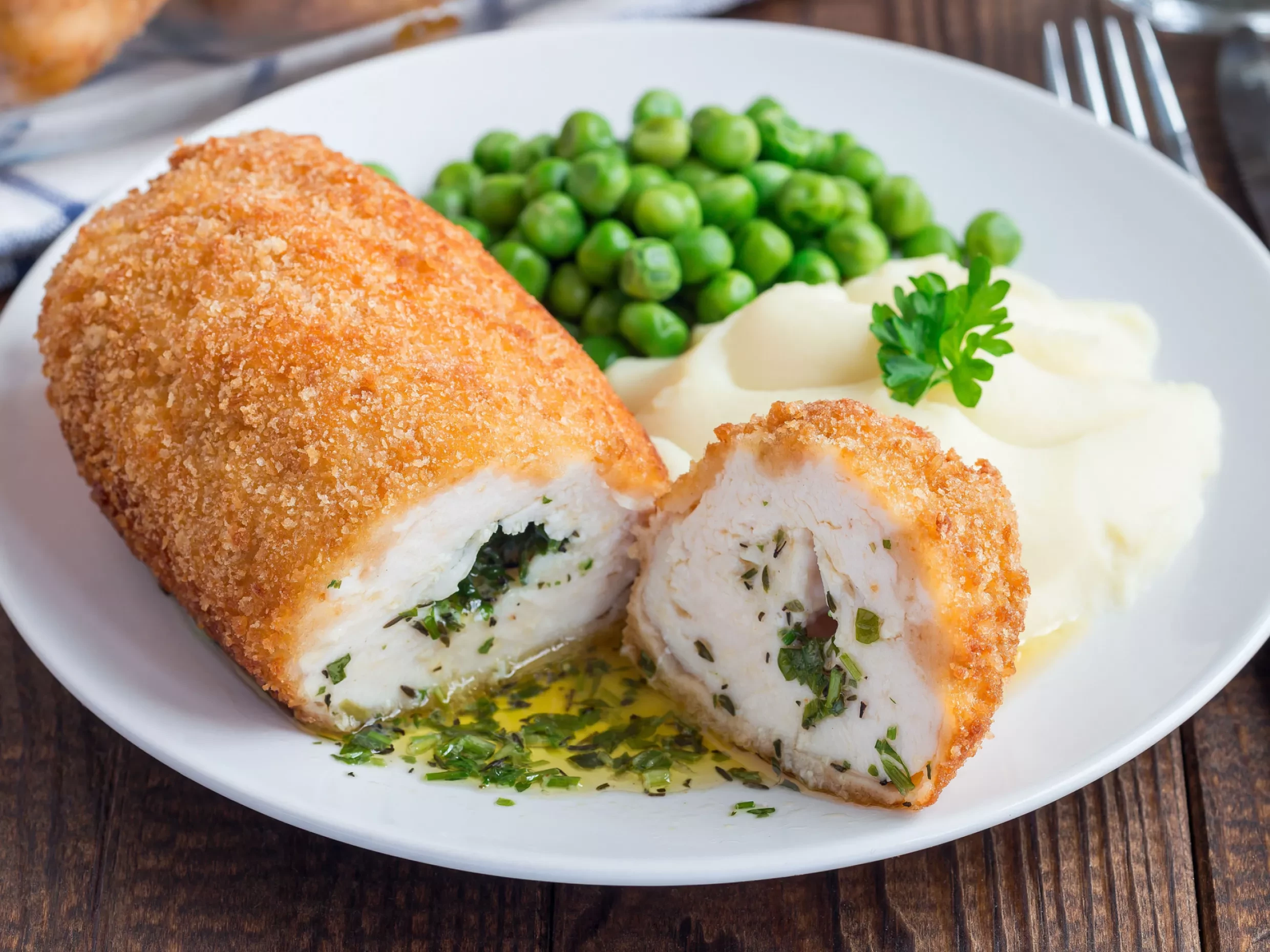
By the 80s, British home cooking had started to look beyond casseroles and roasts. Nowhere was that shift more visible than in the rise of continental-style dishes. The most iconic was chicken Kiev (still a beloved favourite today), which offered a little drama at the dinner table with its garlicky, buttery centre. It sat alongside quiches, pasta bakes and other dishes that felt more cosmopolitan than the roasts and stews of earlier decades.
Heinz Sandwich Spread had more of a zing than a boring cheese sandwich, while sun-dried tomatoes, garlic bread and pasta sauces in jars were welcomed with open arms. And while Pot Noodles never claimed to be an exotic Eastern delight, there was something about waiting impatiently for four minutes which found a place in British hearts.
For many households, these foods were a way of eating more adventurously without straying too far from the comfort of home. They suggested a new kind of middle-class confidence too - food that was stylish and aspirational.
Breakfast, Brands and Everyday Staples
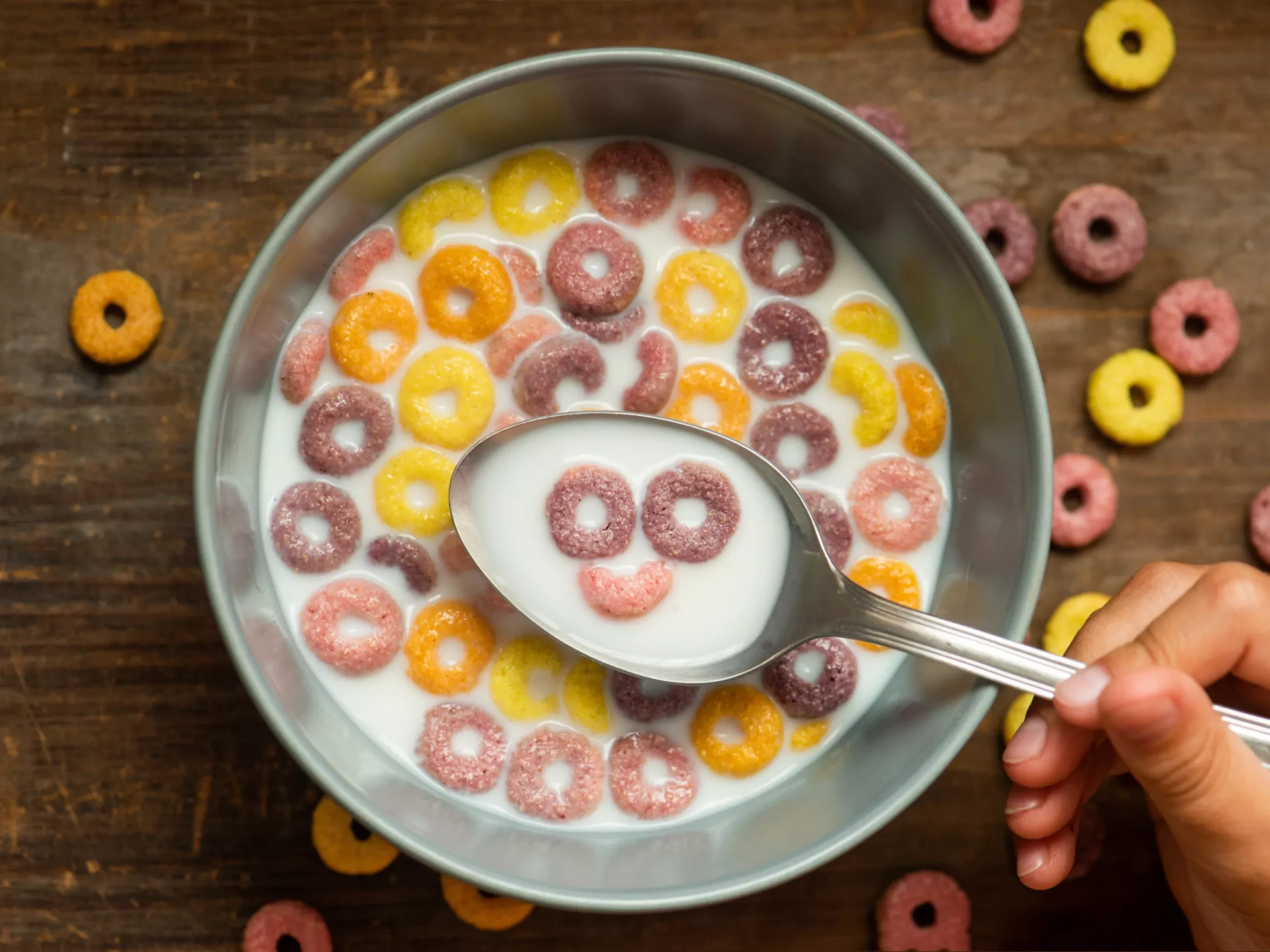
In the 60s and 70s it was a fry-up, toast and jam, or a bowl of cornflakes, but as the 1980s came around, breakfast became another way for brands to shape the day. Cereal boxes shouted louder for shelf space, colours were brighter, and marketing became more memorable (Tony the Tiger, anyone?), with names like Crunchy Nut Cornflakes helping to define the decade’s sense of indulgence and aspiration.
Start was marketed by Kellogg's as a breakfast cereal for active, sporty and health-conscious adults, while Ready Brek was sold as ‘central heating for kids.’ Alongside them came everything from toast and spreads to the quick-fix foods that made school runs and workdays feel more manageable.
Fast Food, Takeaway and the New Dining-Out Culture
If Wimpy, Little Chef, and Golden Egg were the fast-food leaders of 70s Britain, then the 80s marked the dominance of the American giants, including McDonald’s, Kentucky Fried Chicken, Burger King and Domino’s Pizza.
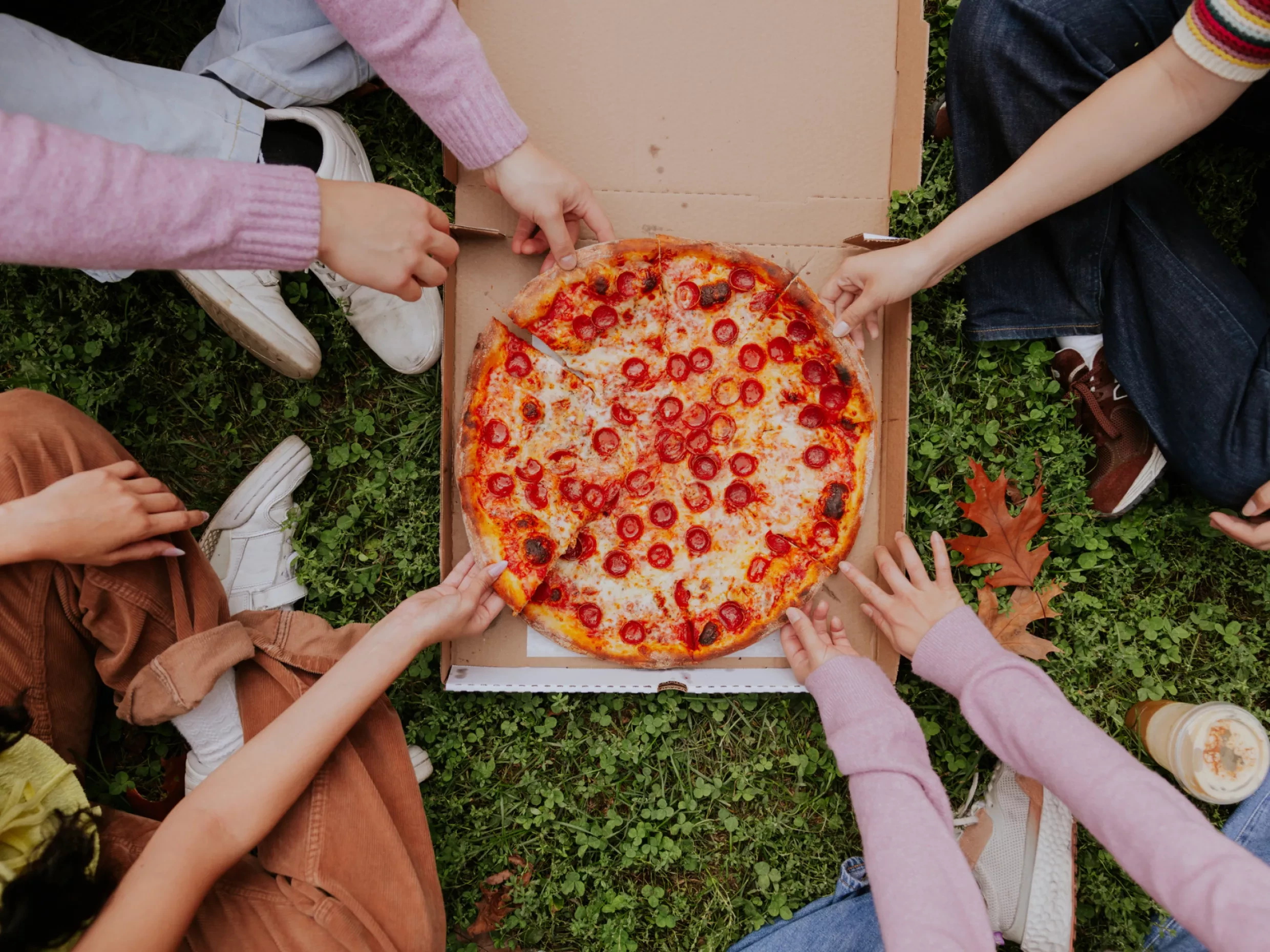
This fast food revolution began to reshape the British appetite. The arrival of Chicken McNuggets in 1984 gave McDonald’s yet another family favourite, while the growing presence of pizza chains in every town helped establish delivery as part of everyday life. Pizza no longer just came from the freezer aisle. They arrived hot, with dozens of different toppings, including pineapple.
Food for Thought
The foods we remember from the 1980s tell a story that was as much about change as it was about taste. From freezer favourites and instant mash to continental-inspired dinners, branded breakfasts and the phenomenal rise of fast food, this was the decade British eating became more convenient, more commercial, faster and more open to global cuisine.