









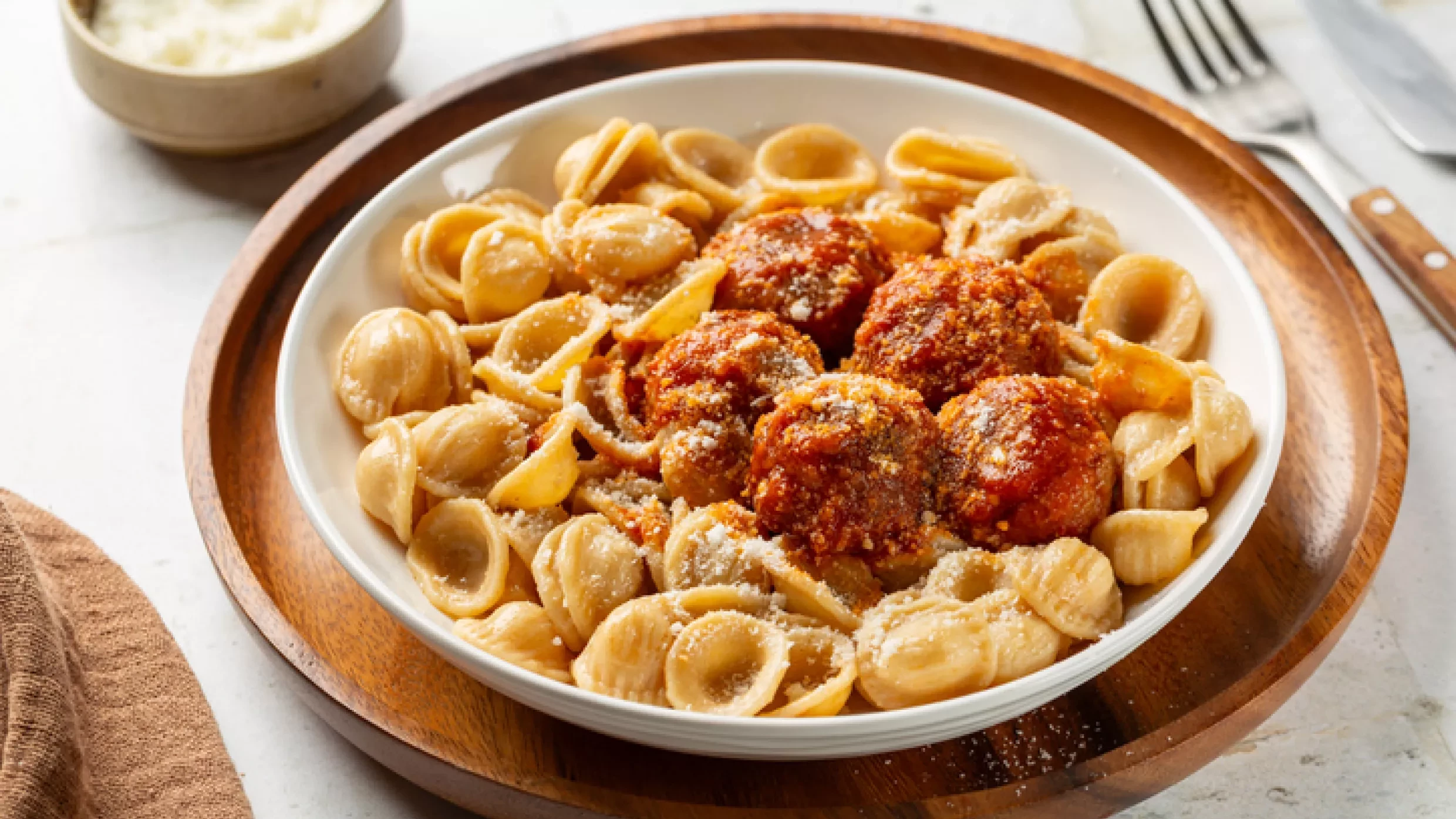
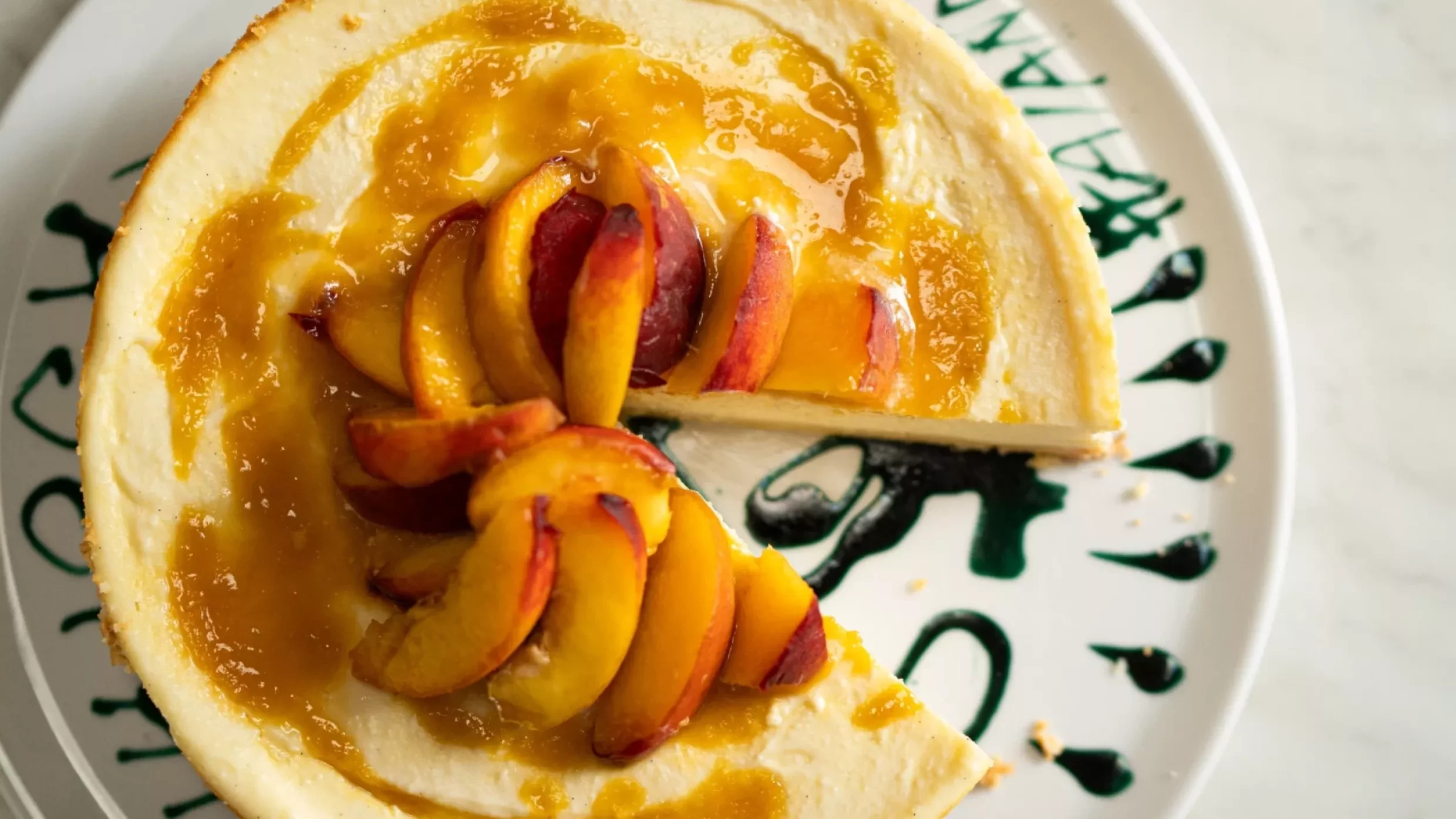

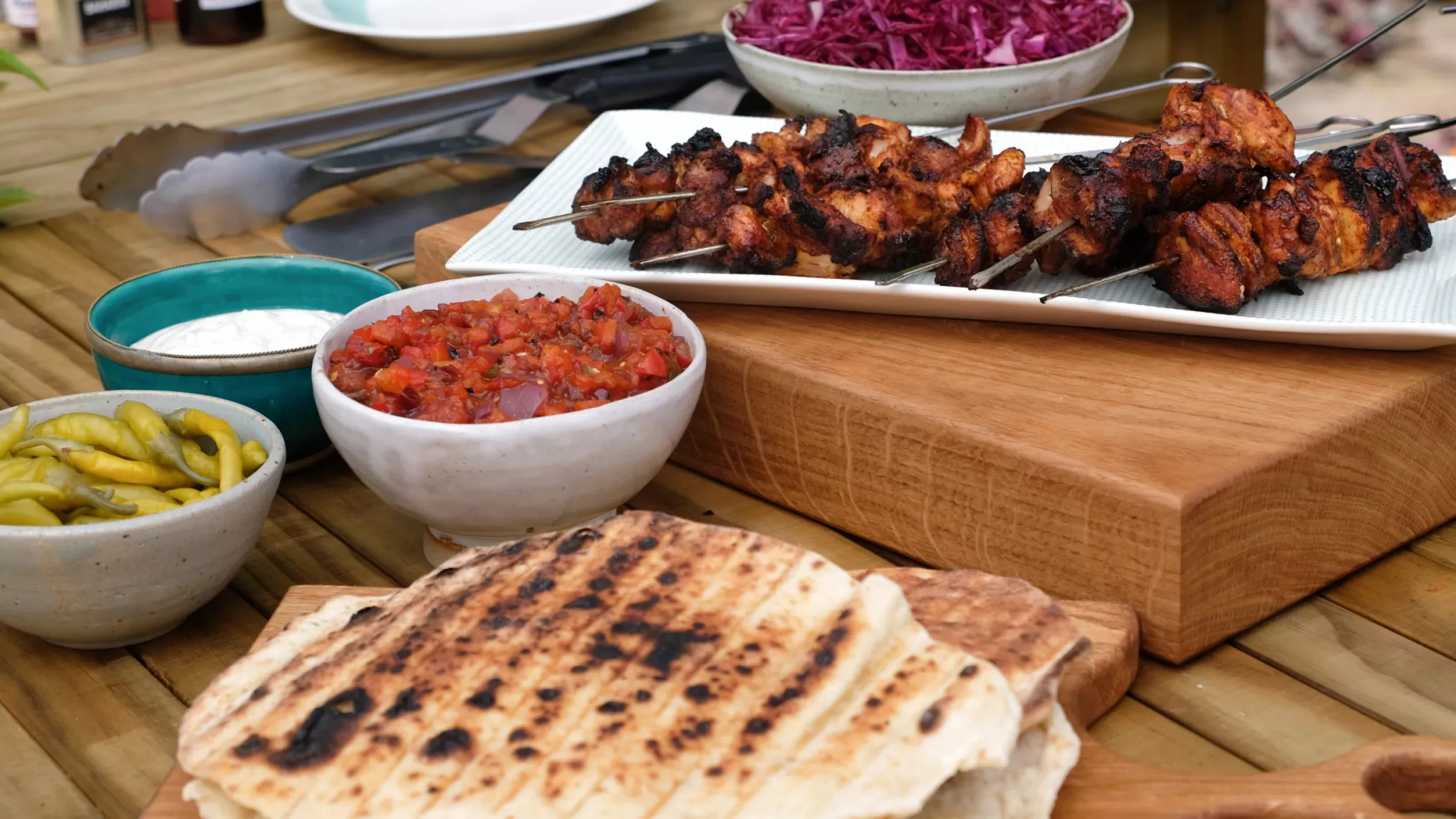
From the olive oil into which you dunk your crusty bread, to the unmistakable crackle of chips hitting hot fat, cooking oils have shaped the way the world eats for millennia. They add flavour, they transform, they carry heat, they unlock amazing smells and they help turn staple ingredients into something wonderfully irresistible. We’re pressing ahead with the ingredient that made modern cooking possible.
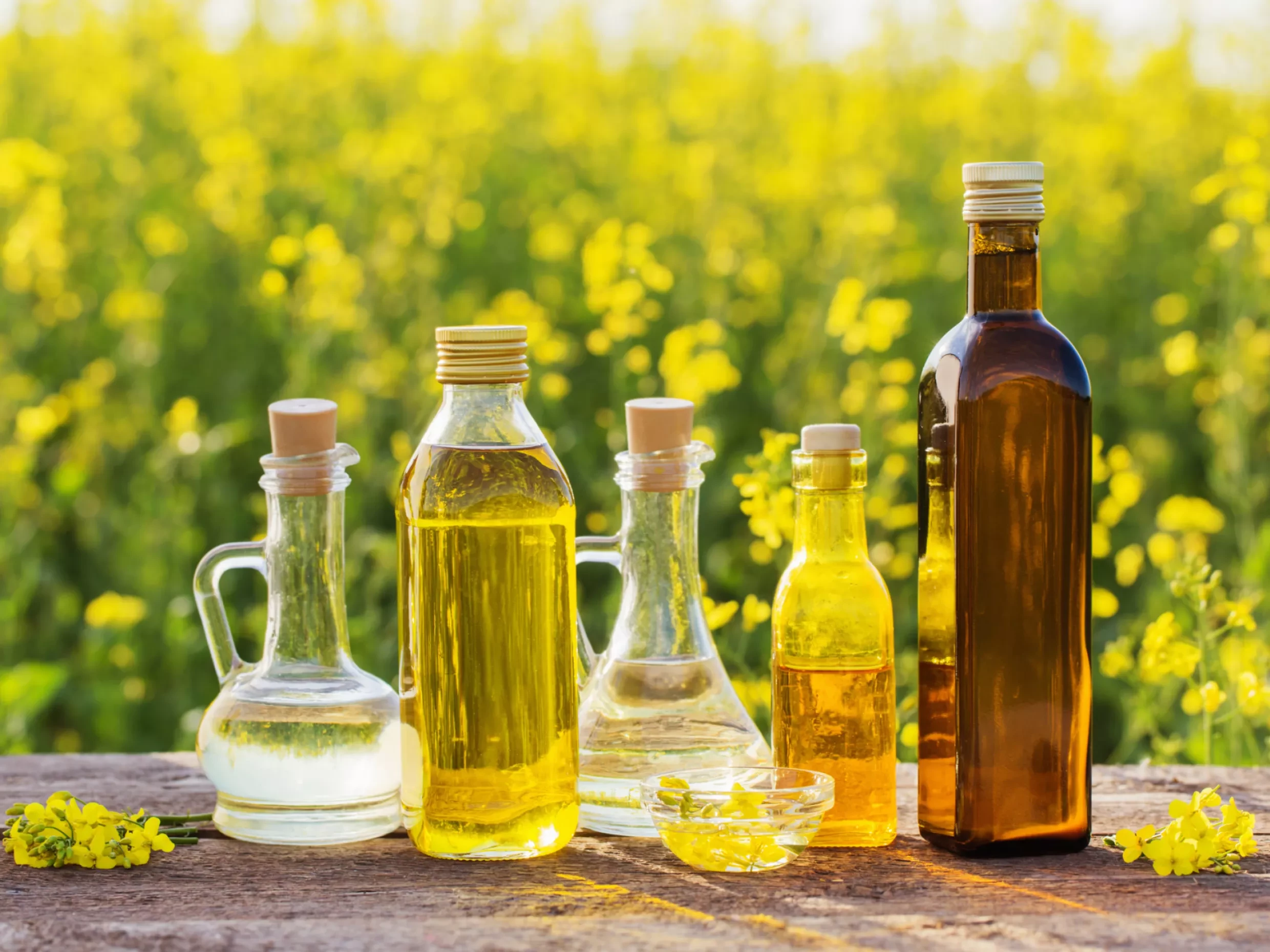
Liquid Gold: The Origins of Cooking Oils
From the moment early humans first cooked food over fire, fat became essential. Thousands of years before bottled oils, our ancestors relied on what they could extract by hand - rendered animal fats from hunted meat, or oils pressed from nuts and seeds using rudimentary tools.
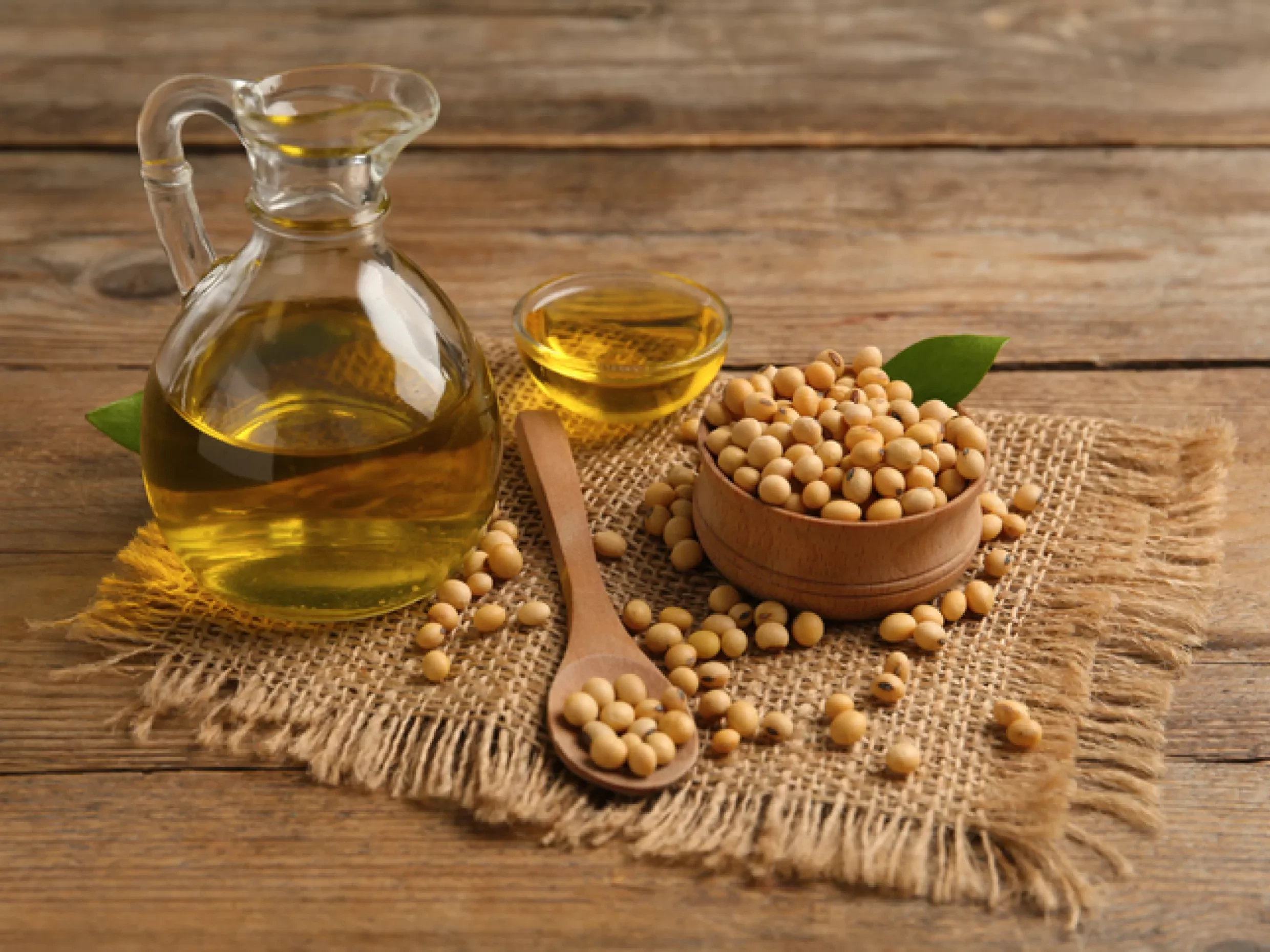
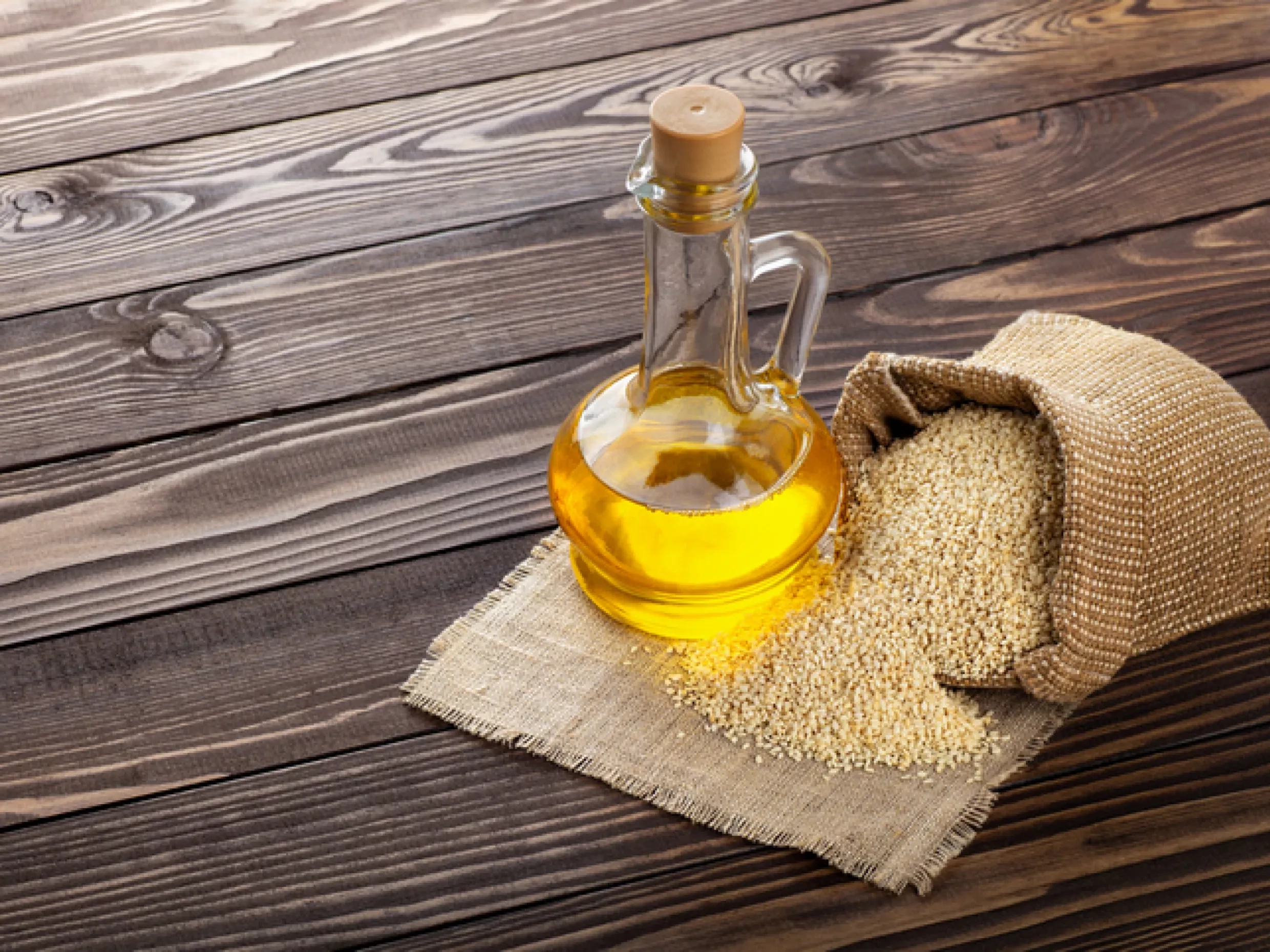
By around 4500 BC, olive oil production was taking place in the eastern Mediterranean and was used for cooking, as well as in religious rituals and ceremonies, as a medicine, and later in soap-making and as fuel. It was also an expensive commodity to trade. Sesame oil followed in ancient Mesopotamia and India somewhere between 3500 and 3000 BC, while in China, later, around the tenth century AD, soybean oil began its quiet rise. Dictated by climate and agriculture, each region developed its own version of ‘liquid gold.’
Extracting oil was however incredibly labour-intensive, often involving grinding, heating, and pressing by stone or wooden devices. Yet as techniques and technology improved, oils became more accessible, transforming from rare commodities into everyday staples.
Why Cooking Oils Matter
From very early on, people who cooked using oil understood one thing instinctively - oil changed everything. Food dropped into hot fat created something remarkable. Instead of softening as it would in water, it crisps, browns, and develops flavour. This is because oil can reach far higher temperatures than water without evaporating, allowing the surface of food to transform.
At very high temperatures, something called the Maillard Reaction happens - a complex scientific process where the food’s amino compounds and sugars react to create the amazing smells and golden colour we associate with fried and roasted foods.
But not all oils behave in the same way. Each different one has what’s known as a ‘smoke point,’ the temperature at which the fats degrade and it produces a burning, acrid smoke. It can also release harmful compounds and will give the food an unpleasant, bitter taste.
From Press to Pan: The Cooking Oils We Use Today
Modern supermarkets have aisles of oils, and the sheer choice can seem overwhelming, but each one has its place. From neutral, high-heat workhorses to deeply flavoured delicate drizzlers, they differ in taste, how they’re made, how they behave in the pan, and where they come from.
Some, like sunflower and vegetable oil, are refined for consistency and versatility, making them ideal for everyday frying and roasting. Others, such as extra virgin olive oil or sesame oil, are less processed, and have very distinctive flavours that can be the difference between a good dish and a great dish. Then there are traditional animal-derived fats like butter, lard (rendered pig fat) and ghee (clarified butter used widely in Indian cookery), which blur the line between oil and ingredient.
Knowing which oils to use depending on what you’re cooking explains why certain oils dominate British kitchens.
Sunflower Oil
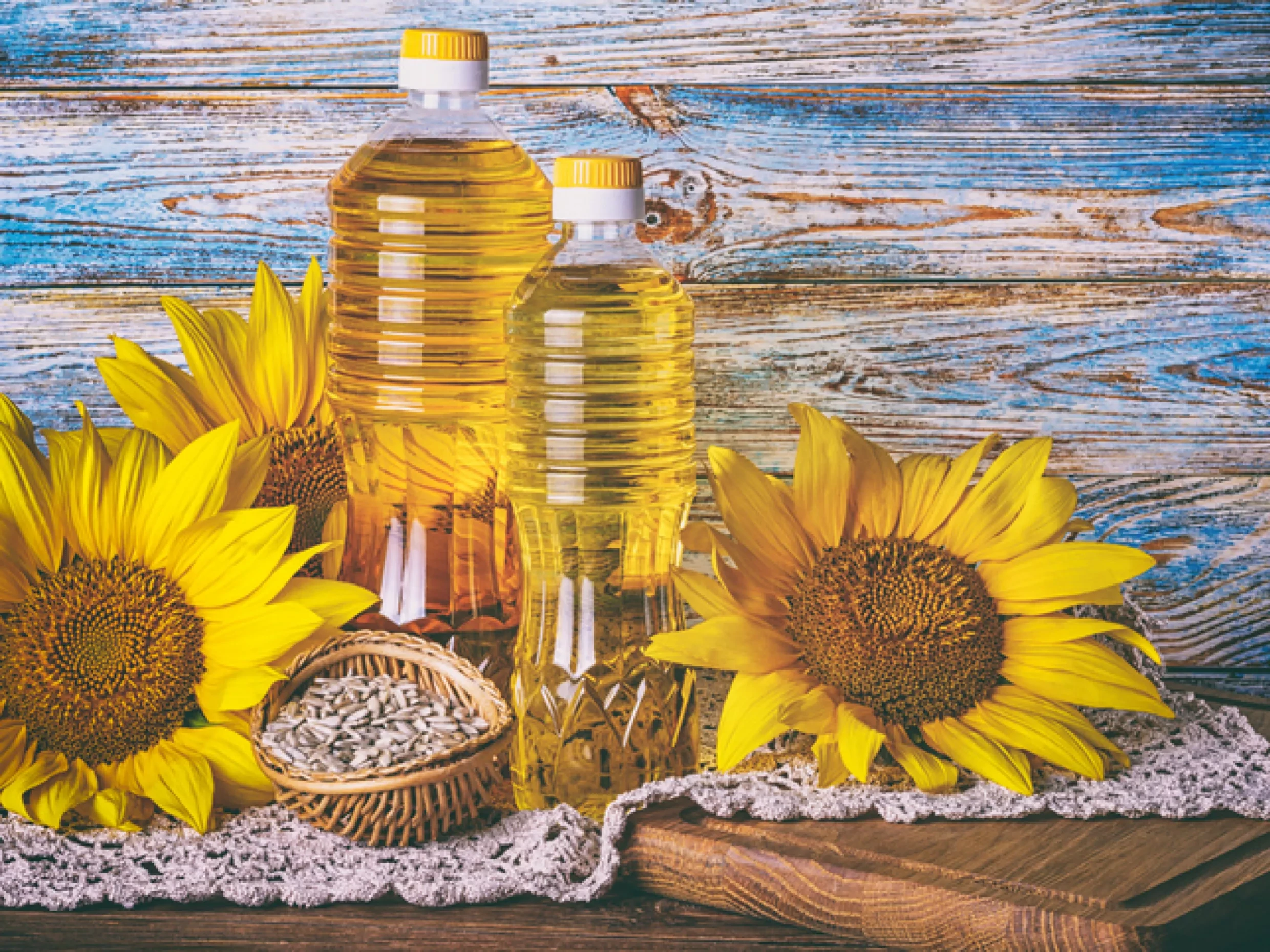
Today sunflower oil is a dependable, all-purpose cooking oil that’s affordable, versatile and widely available.
What Is It? Sunflower oil is extracted from the seeds of the sunflower plant, typically through pressing followed by refining to remove impurities, colour, and strong flavours. In the UK, most varieties are highly refined, resulting in an oil suited to everyday cooking.
Flavour It’s almost flavourless and designed not to interfere with the taste of other ingredients, making it a reliable base for a wide range of dishes.
Best Uses Its high smoke point makes it ideal for frying, roasting, and baking. It’s commonly used for everything from crispy chips to light sponge cakes, where a neutral oil is preferred.
Vegetable Oil
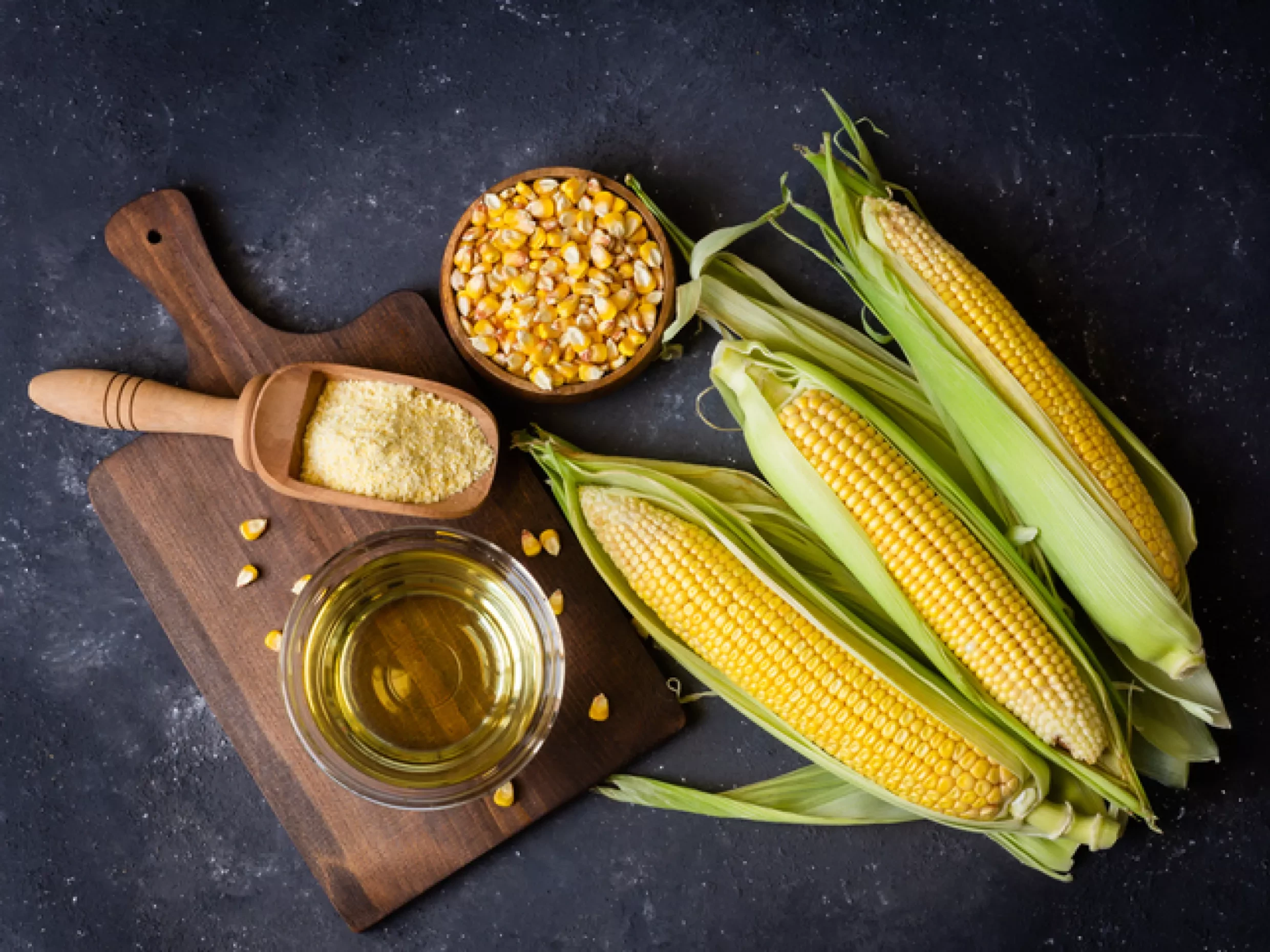
Oils from vegetables and plants have been used for thousands of years, but vegetable oil as we know it today can often be a blend of several oils - including soy, rapeseed, corn and sunflower. Designed for consistency and affordability, it’s become a reliable, all-purpose option for everyday cooking.
What Is It? Vegetable oil can be a refined blend of plant-based oils, processed to remove colour, odour, and impurities (it can also be refined rapeseed oil sold under the ‘vegetable oil’ label). This refining creates a uniform, shelf-stable product that performs consistently across a range of cooking methods.
Flavour Like sunflower oil, it’s neutral in taste, allowing the natural flavours of the ingredients to stand out.
Best Uses Its versatility and high smoke point make it suitable for frying, roasting, baking, and deep-frying. It’s commonly used in everything from muffins to mayonnaise.
Rapeseed Oil
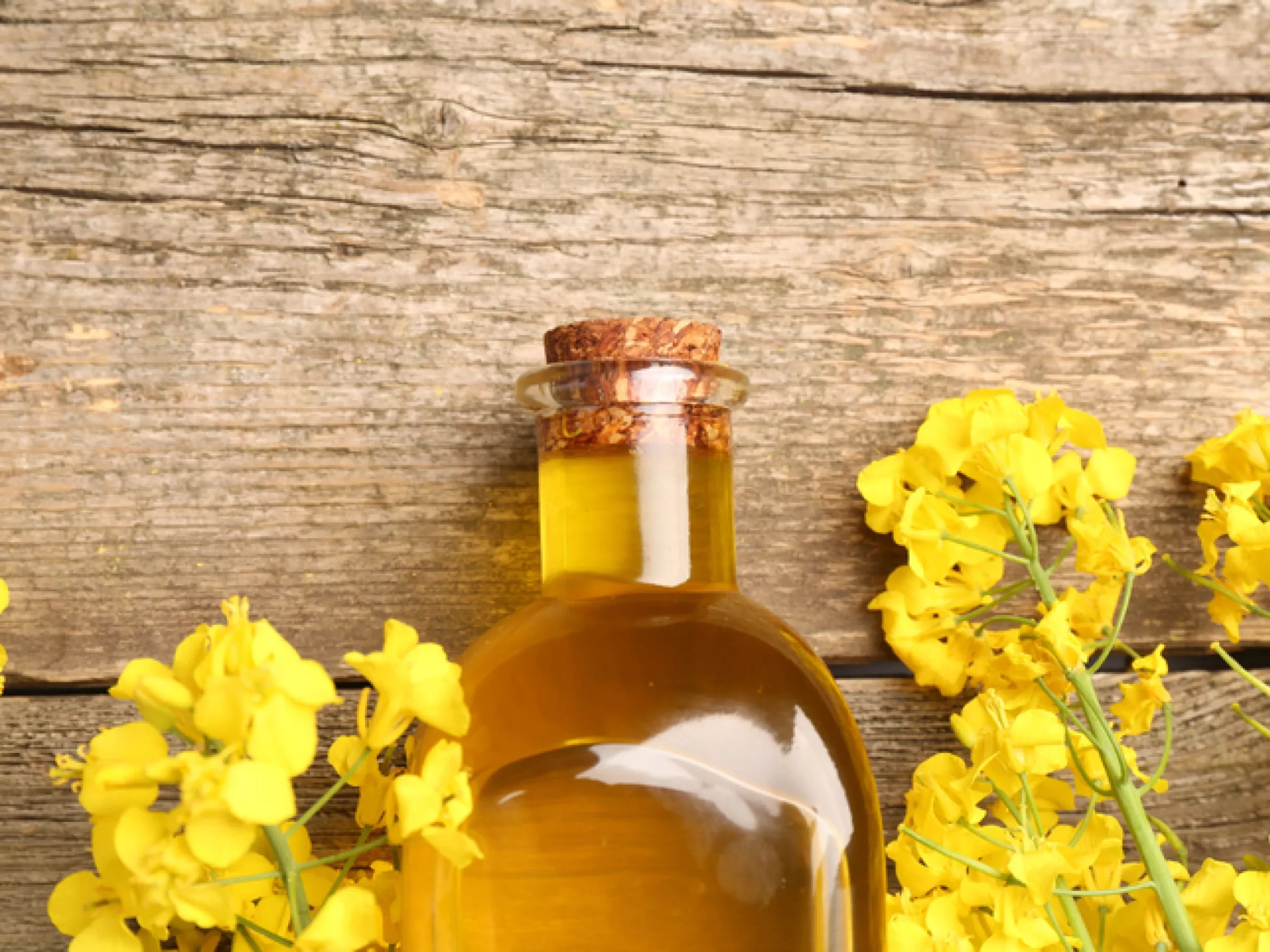
Brassica crops, including rapeseed, are among the oldest cultivated plants, with a history stretching back thousands of years. Today, rapeseed is widely grown across British farmland - its bright yellow fields are a familiar spring sight - and is often promoted as a local alternative to imported oils.
What Is It? Rapeseed oil is extracted from the small black seeds of the rapeseed plant, usually through cold pressing or refining. In the UK, both refined and cold-pressed varieties are available, with the latter having more colour and flavour.
Flavour Refined rapeseed oil is light and neutral, while cold-pressed versions have a subtle, nutty taste, making them more distinctive without being overpowering.
Best Uses Its high smoke point makes it ideal for frying and roasting, while cold-pressed rapeseed oil works well in dressings, drizzled over vegetables, or used as a finishing oil where its flavour can come through.
Olive Oil
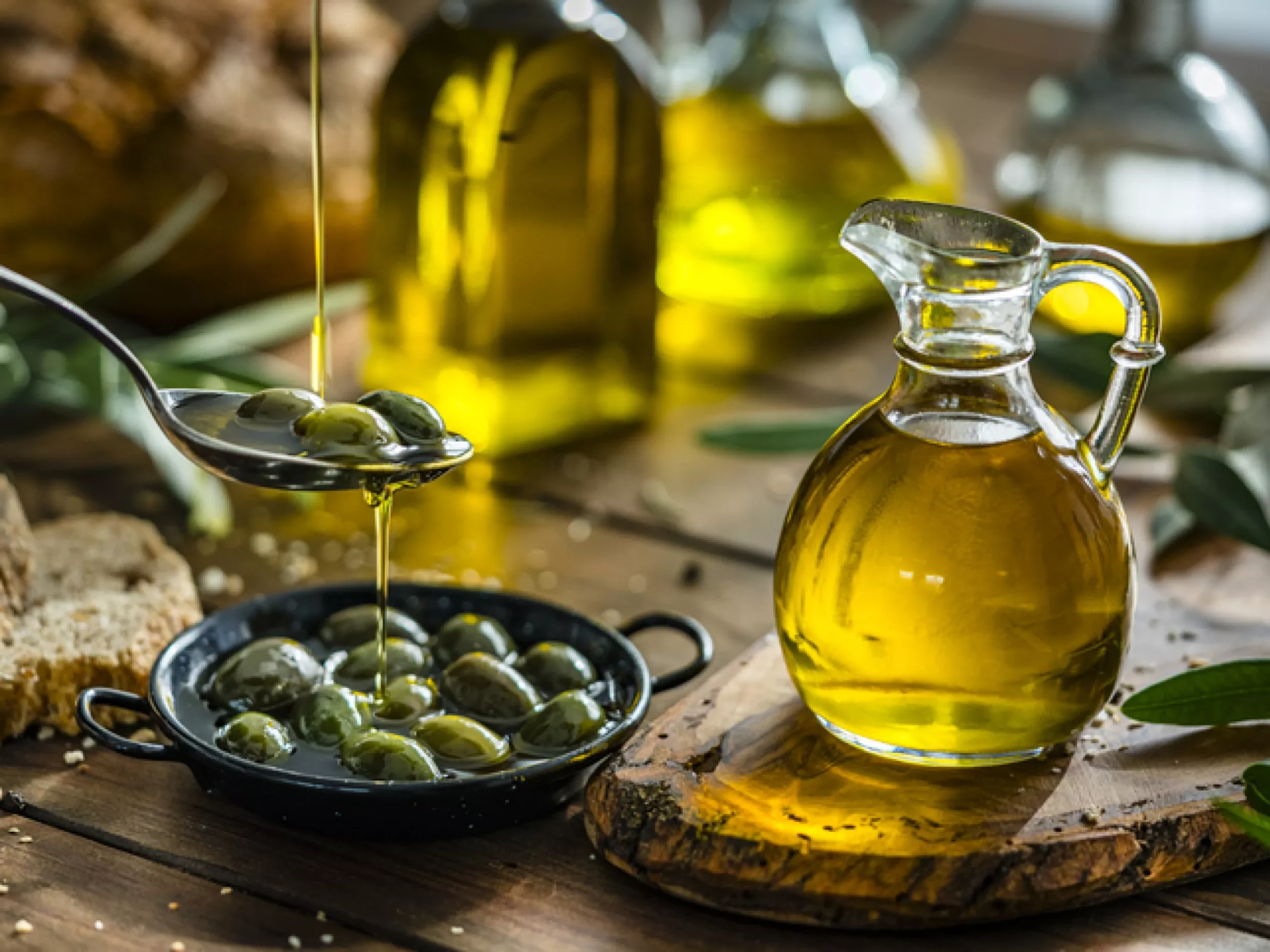
Few oils carry the same cultural heft as olive oil. It’s been produced for thousands of years across the Mediterranean and been woven into everything from ancient rituals to everyday cooking. Today, it remains one of the UK’s most popular oils.
What Is It? Olive oil is made by pressing whole olives to extract their natural oil. Extra virgin olive oil is the least processed and is produced with very low heat and without chemicals, while refined varieties are treated to create a milder, more heat-stable product.
Flavour Extra virgin olive oil is known for its fruity, sometimes peppery flavour, which can range from delicate to robust depending on the olives used and whether they’re picked during the early harvest or late harvest. Refined olive oil has a more mellow flavour profile.
Best Uses Extra virgin olive oil is best used for dressings, drizzling, and finishing dishes, whereas refined olive oil, with its higher smoke point, is better suited to frying and roasting.
Coconut Oil
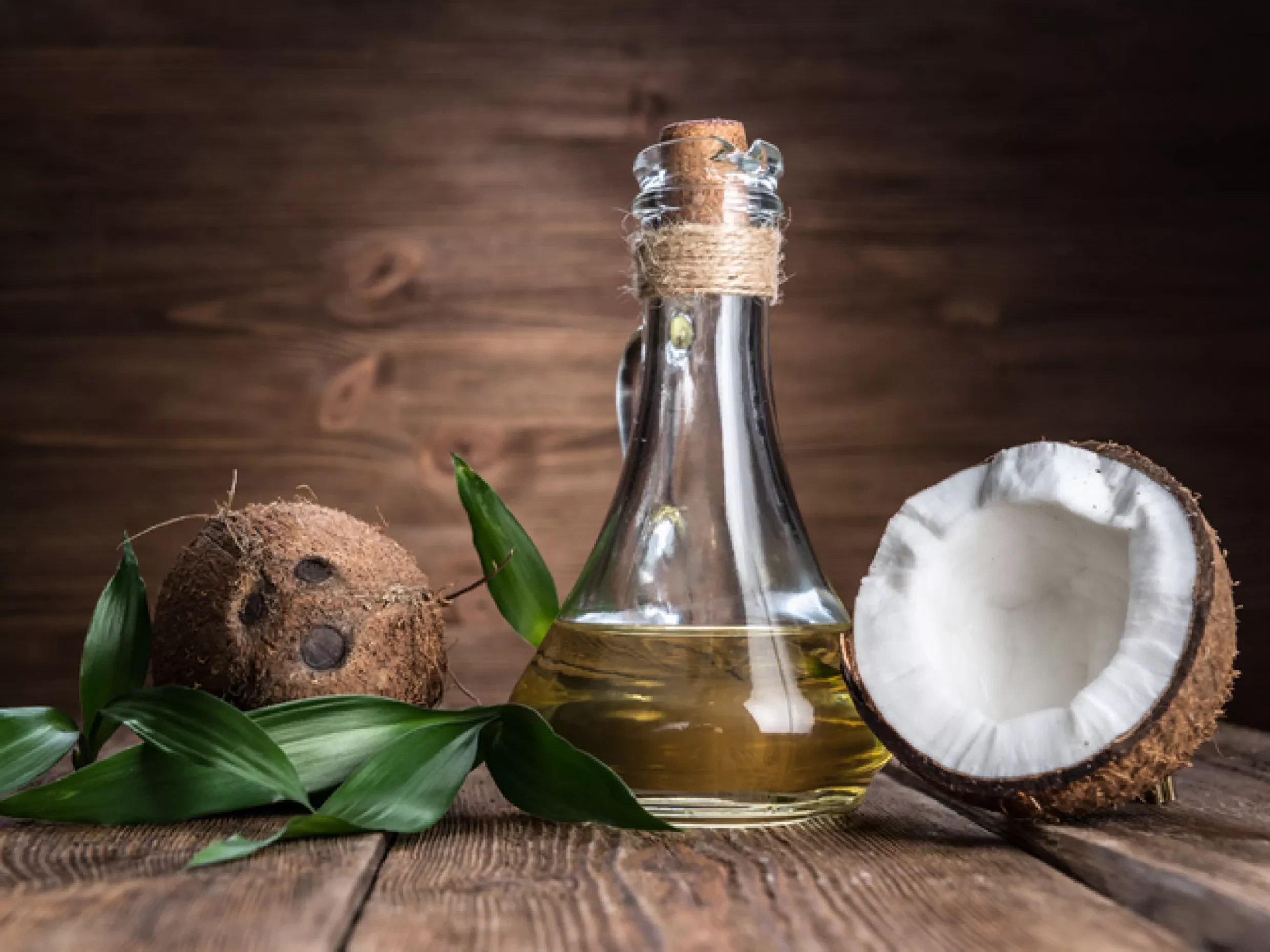
Coconut oil has been used for cooking, skincare and medicine for more than 4,000 years across India, Southeast Asia, and Polynesia but it’s only been on British supermarket shelves since around 2015. Popular in vegetarian and vegan diets, it’s moved from lesser-known options to a widely recognised alternative fat in everything from curries to baking.
What Is It? Coconut oil is extracted from the flesh of mature coconuts, either through dry processing or wet methods which preserve more of the coconut’s natural qualities. Available in both refined and unrefined (often labelled virgin) forms, like extra virgin olive oil, the latter undergoes minimal processing.
Flavour Unrefined coconut oil has a distinct, sweet coconut aroma and flavour, while refined versions are much milder.
Best Uses Refined coconut oil has a relatively high smoke point that makes it suitable for frying and roasting, while its subtle sweetness works particularly well in baking, curries, and dishes where a hint of coconut flavour is desired.
That’s Oil Folks
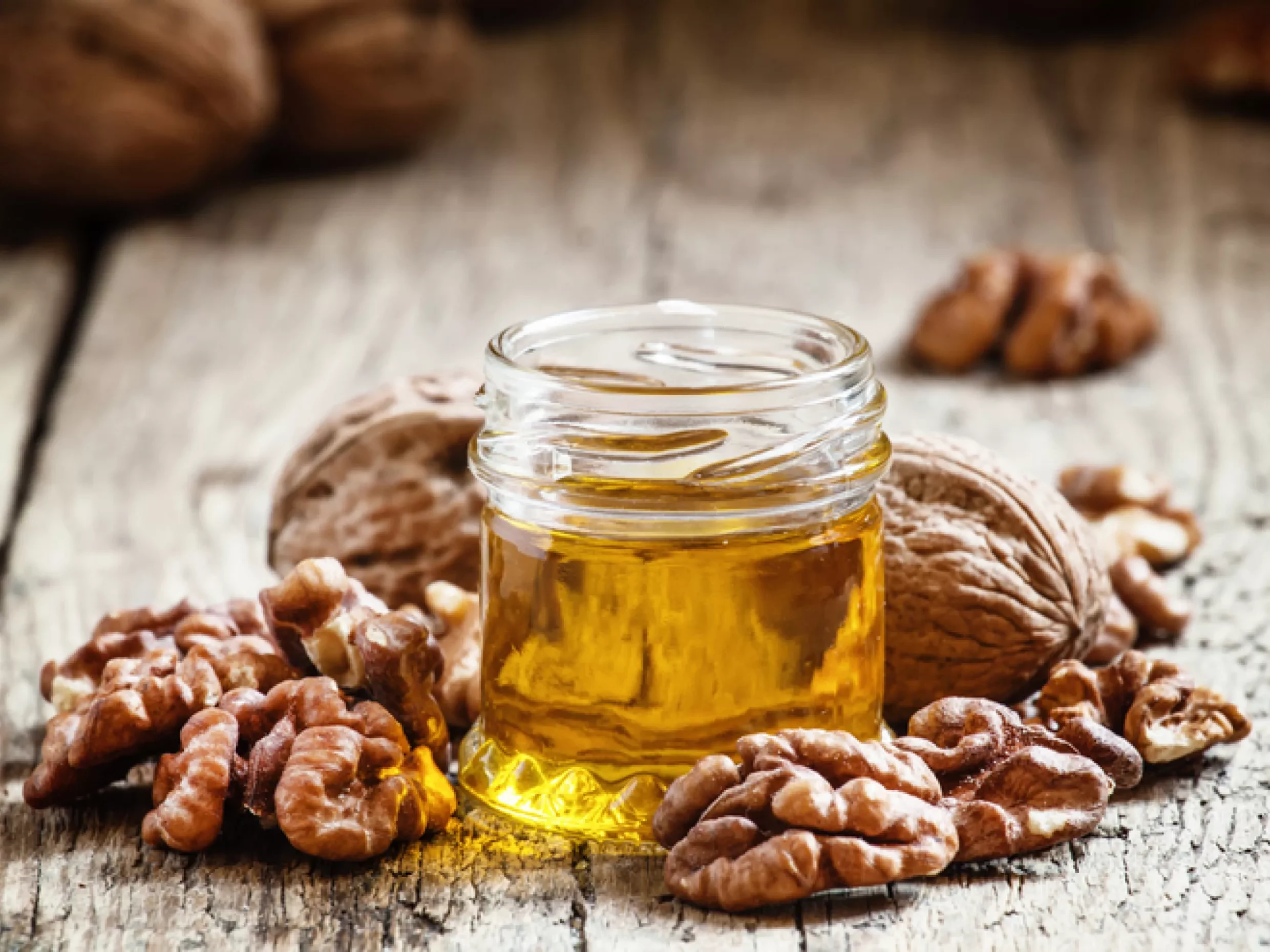
From ancient, hand-cranked presses to modern industrial production on a vast scale, cooking oils have quietly gone about their business, shaping how we prepare and eat food. While the store cupboard staples we’ve mentioned here dominate British kitchen cupboards, you can now find all sorts of different cooking oils, including avocado, sesame, groundnut, soybean, almond, rice bran, hemp and walnut oil. No single oil does it all, but literally and metaphorically, each one brings something to the table.