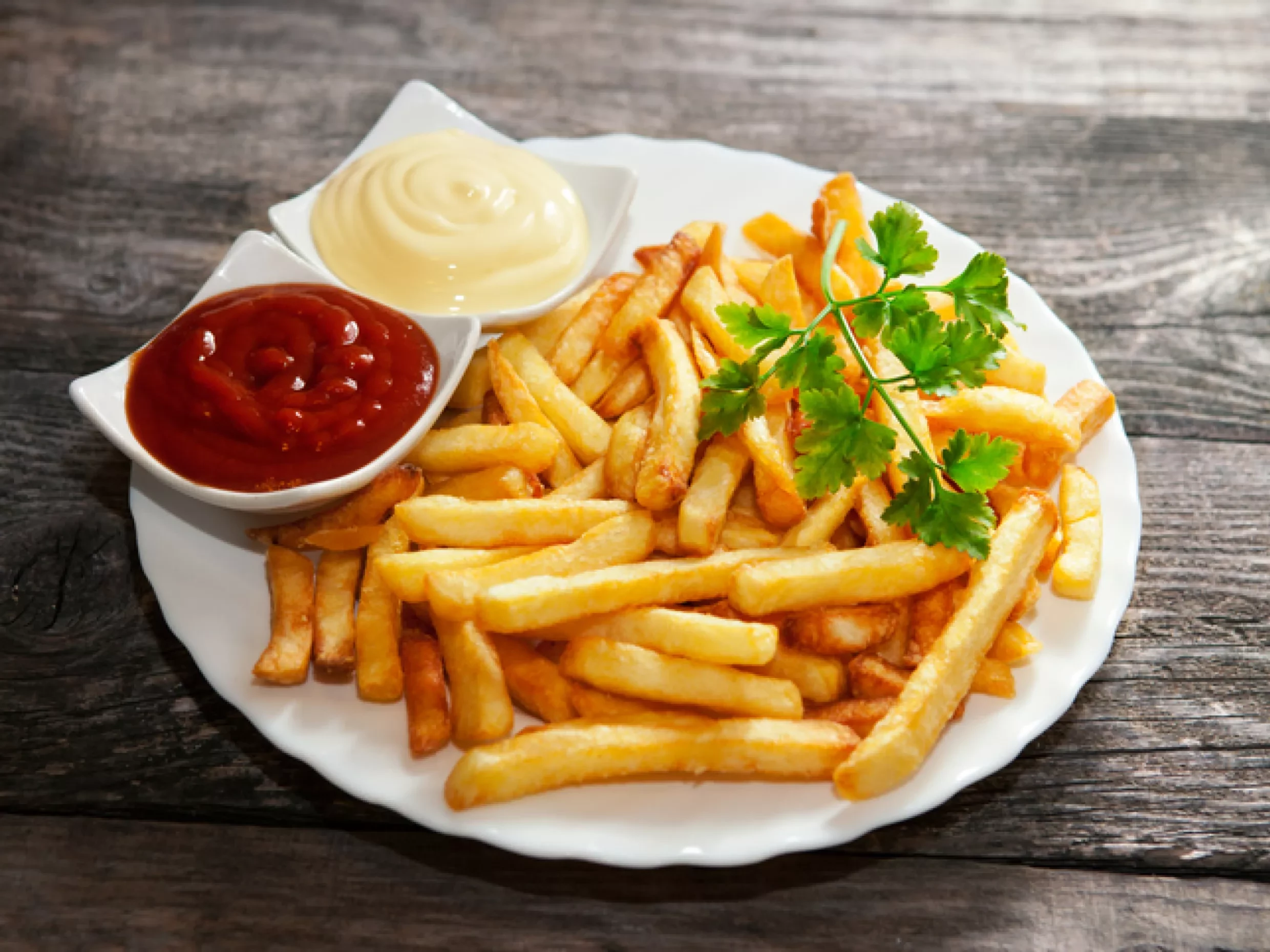




From the pungent punch of ancient garum, to a Hollandaise on your eggs Benedict, and brown sauce on a bacon butty, few elements have shaped the story of food quite like sauce. Often overlooked but impossible to ignore, sauces have been the driving force behind the world’s most memorable dishes for centuries. This is the story of how sauces stole the spotlight.
The Story of Sauce
Thousands of years before sauces were found in bottles on supermarket shelves, they existed as a way to make food more delicious. In ancient kitchens, broths, drippings, crushed herbs, and fermented liquids were used to stretch ingredients, mask the bitter taste of some foods, or to preserve others. Over time, these practical beginnings evolved into something more deliberate. Sauces turned tough or cheap cuts of meat tender, they brought disparate ingredients together, and elevated simple meals into something more decadent.
The First Sauces: Fermentation in Ancient China
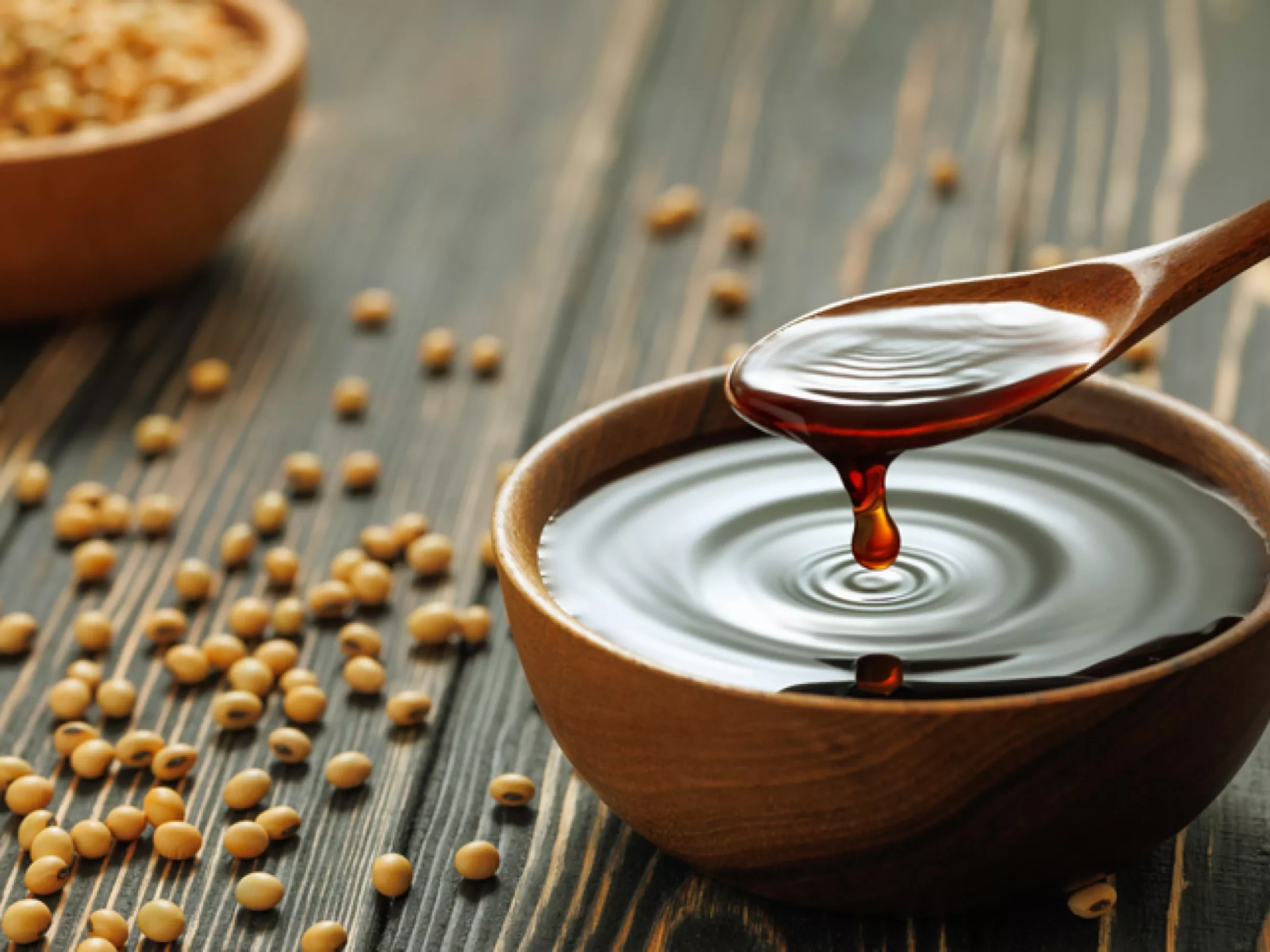
Some of the earliest recognisable sauces were created from fermentation - a process discovered as much by accident as design. As early as the first millennium BC in ancient China, cooks preserved foods by packing them with salt. The result was known as jiang, a broad category of fermented pastes and liquids made from meat, fish, grains, or soybeans.
These early sauces had an intensely rich savoury flavour - what we’d recognise today as umami - and they became essential to everyday cooking. Over time, regional variations emerged, and these concoctions evolved into some of East Asia’s most enduring condiments, including soy sauce.
Garum: The Sauce that Built an Empire
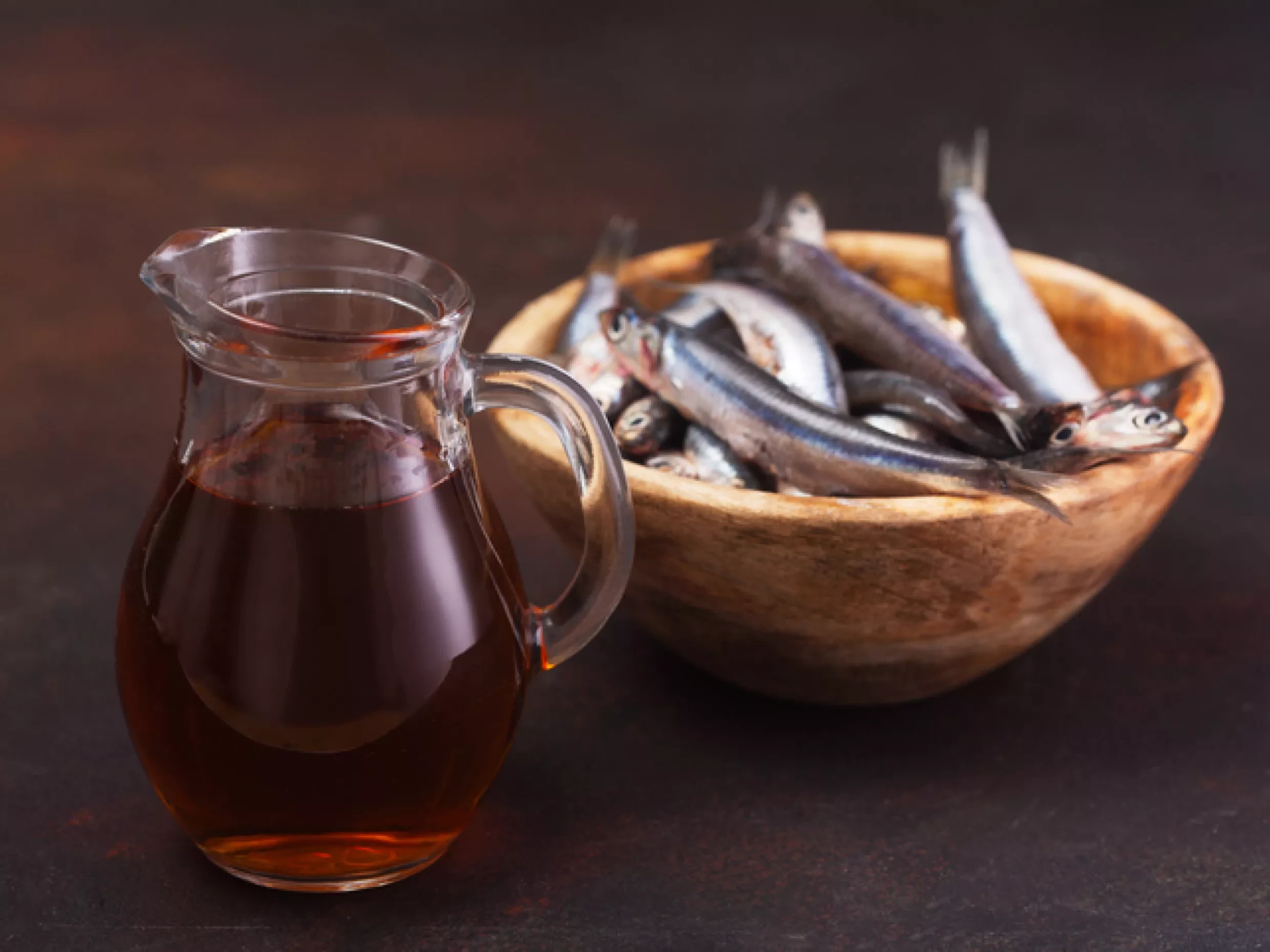
Like much of what the Romans gave the world, they took something that existed and refined it, almost beyond recognition. At the heart of their culinary world was garum, a pungent, amber-coloured liquid made by layering fish - often anchovies or mackerel - with salt and leaving the mixture to ferment under the Mediterranean sun. Over weeks or even months, the fish broke down into a rich liquor which was prized across the Roman Empire. It may have also been in earlier use in some form or another by the ancient Greeks, and featured in the cuisines of Phoenicia, Carthage and later, Byzantium.
Garum was everywhere in ancient Rome - used to flavour stews, as a salad dressing, to enrich grains (in what may have been a very early precursor to risotto) and even mixed with wine to produce oenogarum, a type of marinade. Like the best olive oils today, the finest varieties of garum were expensive luxuries and traded at seriously high prices.
One of the most persistent myths about garum is that it was used to mask the flavour of meat that had gone off. This isn’t true at all. Romans valued freshness, and good quality garum enhanced rather than concealed flavour, much like modern fish sauce or soy sauce.
Spice, Status & The Medieval Table
Garum’s influence faded as the Roman Empire declined, but it gave way to a new generation of sauces. In medieval Europe, sauces became bolder. Vinegar, verjuice (a liquid made by pressing unripe grapes), wine, and citrus were paired with expensive imported spices like cinnamon, cloves, and ginger to create sauces that were as much a display of wealth as they were to enhance food.
By the fourteenth century, these ideas were being recorded in some of Europe’s earliest cookbooks. Among them was Le Viandier, attributed to the French chef Guillaume Tirel, known as Taillevent, which listed a number of sauces that were thickened with bread or almonds and sharpened with acidity. These were flavour-packed creations full of spices and designed to impress.
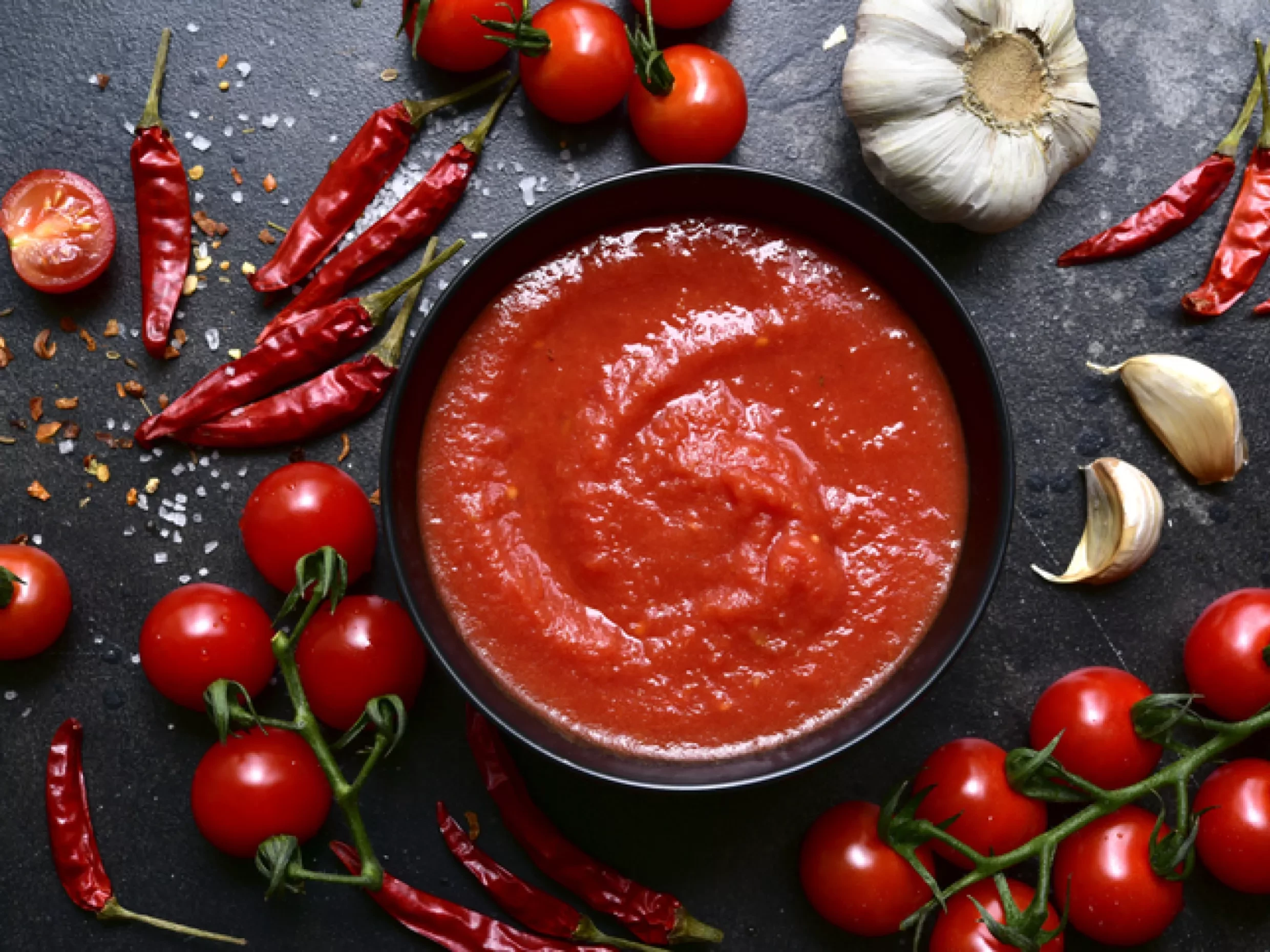
Into the fifteenth and sixteenth centuries and the Renaissance and the Age of Discovery would take the variety of available sauces even further. New ingredients began to arrive from across the globe - most notably chillies and tomatoes - and they soon reshaped the foundations of sauce-making.
The French Revolution (In Sauces)
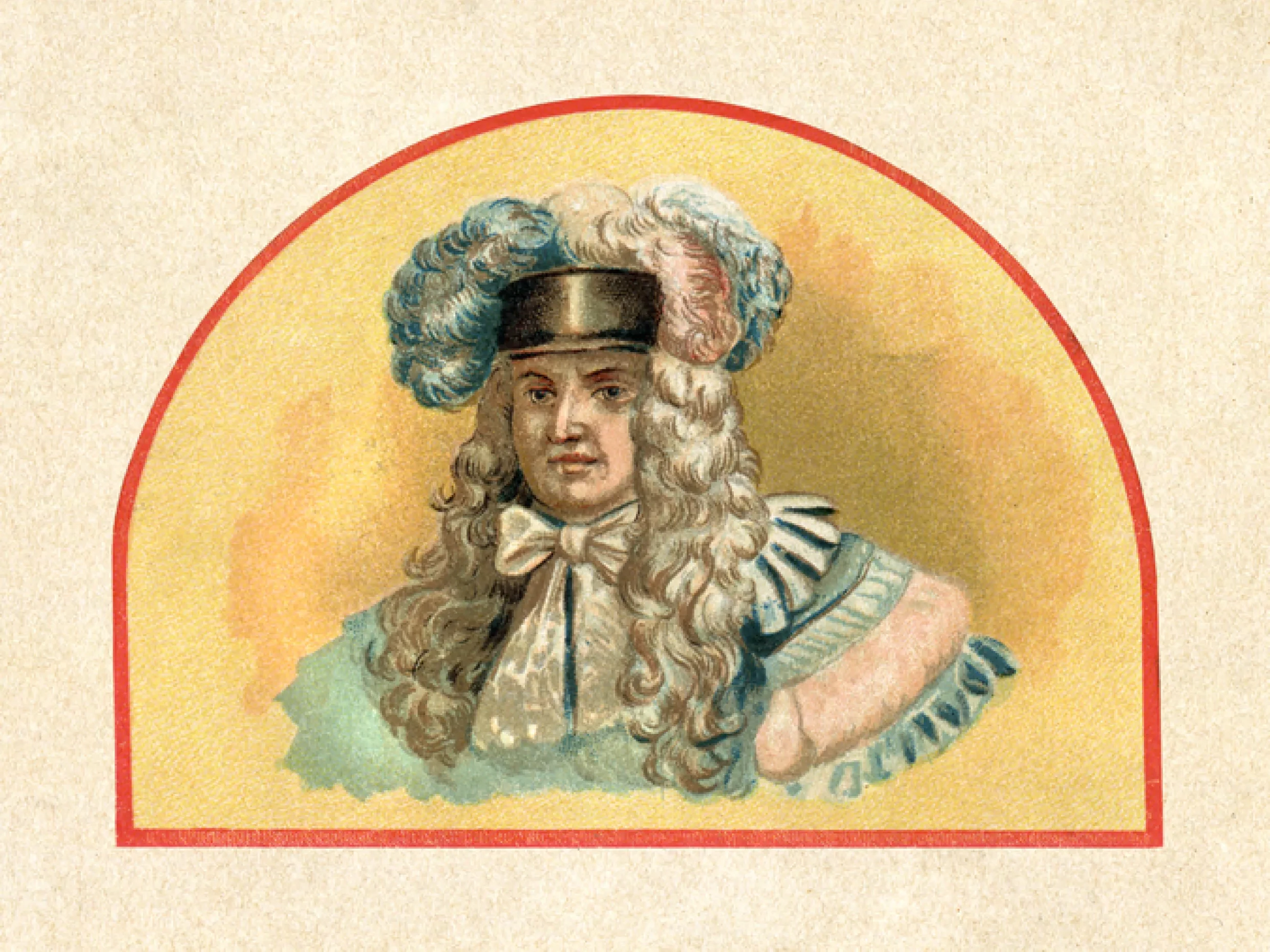
As the seventeenth century came around, the acidic, spice-heavy sauces of medieval kitchens evolved into something altogether more refined. In France, particularly within the royal courts of Louis XIII and Louis XIV, a new philosophy emerged of taste balance, clarity of flavour, and precise selection of ingredients. Sauces became less about impressing and more about enhancement.
Cooks started to rely on local elements such as butter, herbs, stocks, and wine. Roux was used to thicken sauces and careful reductions were overseen to concentrate flavour. The result was more deliberate preparations that complemented rather than dominated a dish.
It was during this period that sauces, once a creative hotbed of improvisation, began to follow strict rules.
The Mother of all Sauces
By the 1800s, French sauces were structured, teachable, and almost endlessly adaptable. At the centre of this evolution were two towering figures who are still revered in the rarified world of fine dining with an almost mythical status - Marie-Antoine Carême, who began organising sauces into families, and later, in the first years of the twentieth century, Auguste Escoffier, who refined and documented them into what we now know as the five ‘mother sauces.’
Escoffier’s five became the foundation of classical French cooking. Each one was a base from which countless ‘daughter sauces’ could be created, by adding elements including wine, herbs, mustard, or stock. It was a framework that brought order to what had once been an inconsistent way of cooking.
The Mother Sauces
These mother sauces became the essential building blocks of classical French cookery, central to both technique and training in professional kitchens. That remains the case to this day.
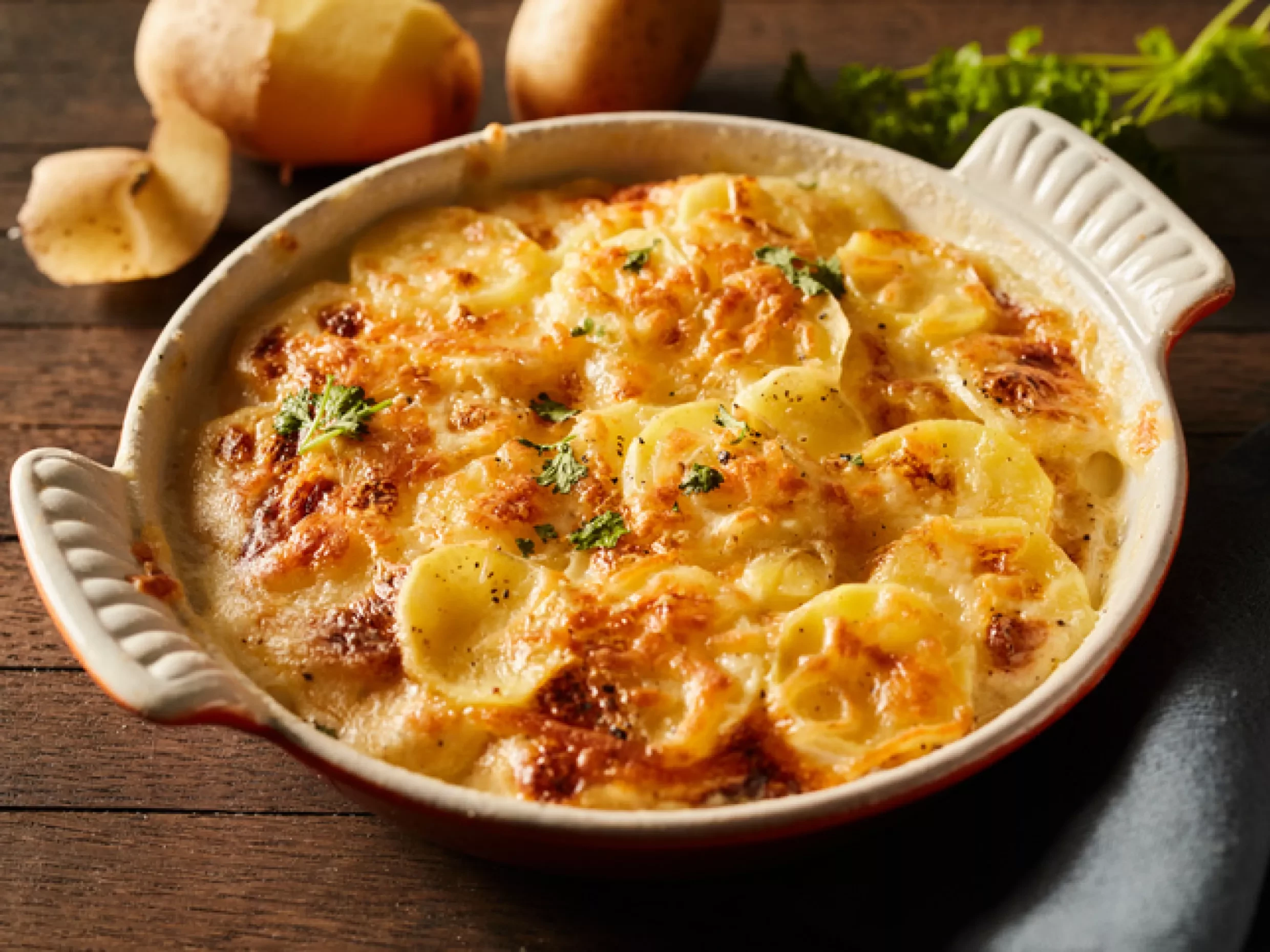
Béchamel: A white sauce made from milk thickened with a pale roux, sometimes flavoured with nutmeg, thyme or onion, often used in gratins and cream sauces.
Velouté: A light stock-based sauce thickened with roux, typically made with chicken, veal, or fish stock. Velouté translates as ‘velvety’.
Espagnole: A rich brown sauce made from a brown stock reduction (usually beef or veal), roux, tomato or tomato paste, and aromatics, used as a base for demi-glace.
Sauce Tomate: A tomato-based sauce enriched with butter, garlic, vegetables (usually carrots and onion), herbs, stock, and sometimes salted pork belly or roux.
Hollandaise: A warm emulsified sauce of egg yolks, clarified butter, and lemon juice, classically served with eggs, fish, and vegetables.
Global Sauce Traditions
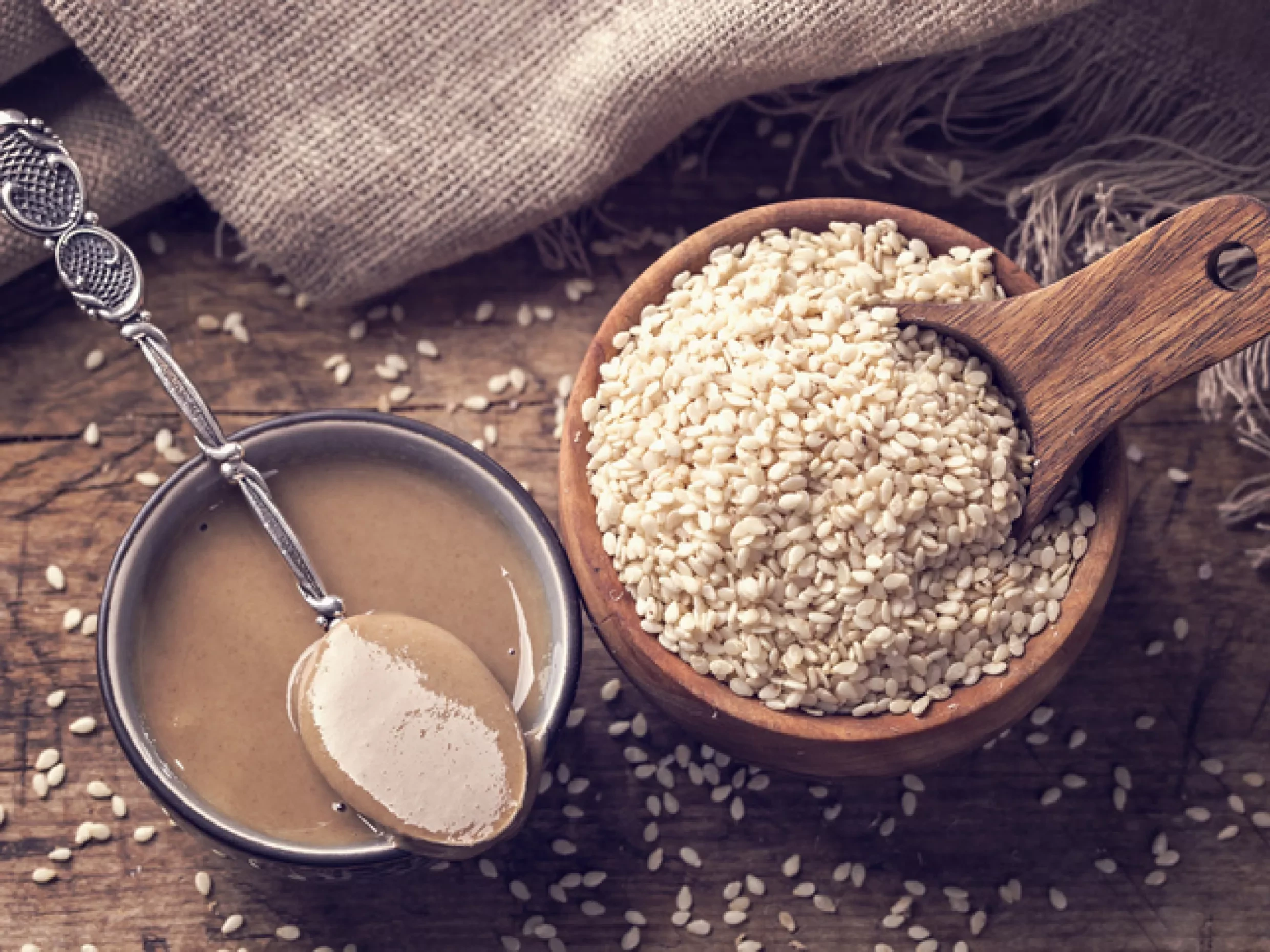
As the European sauce heritage took shape, similar processes were taking place elsewhere in the world. In East and Southeast Asia, fermentation remained central, giving rise to soy sauce and fish sauce, both deeply savoury condiments that continue to underpin entire cuisines. Across the Middle East and Mediterranean, sauces took on a different character. Tahini, yoghurt-based dressings, and herb blends were designed to complement grains, roasted meats, and vegetables. While in the Americas, indigenous traditions leaned heavily on chillies and seeds, and included sauces such as mole.
Bottles & Brands
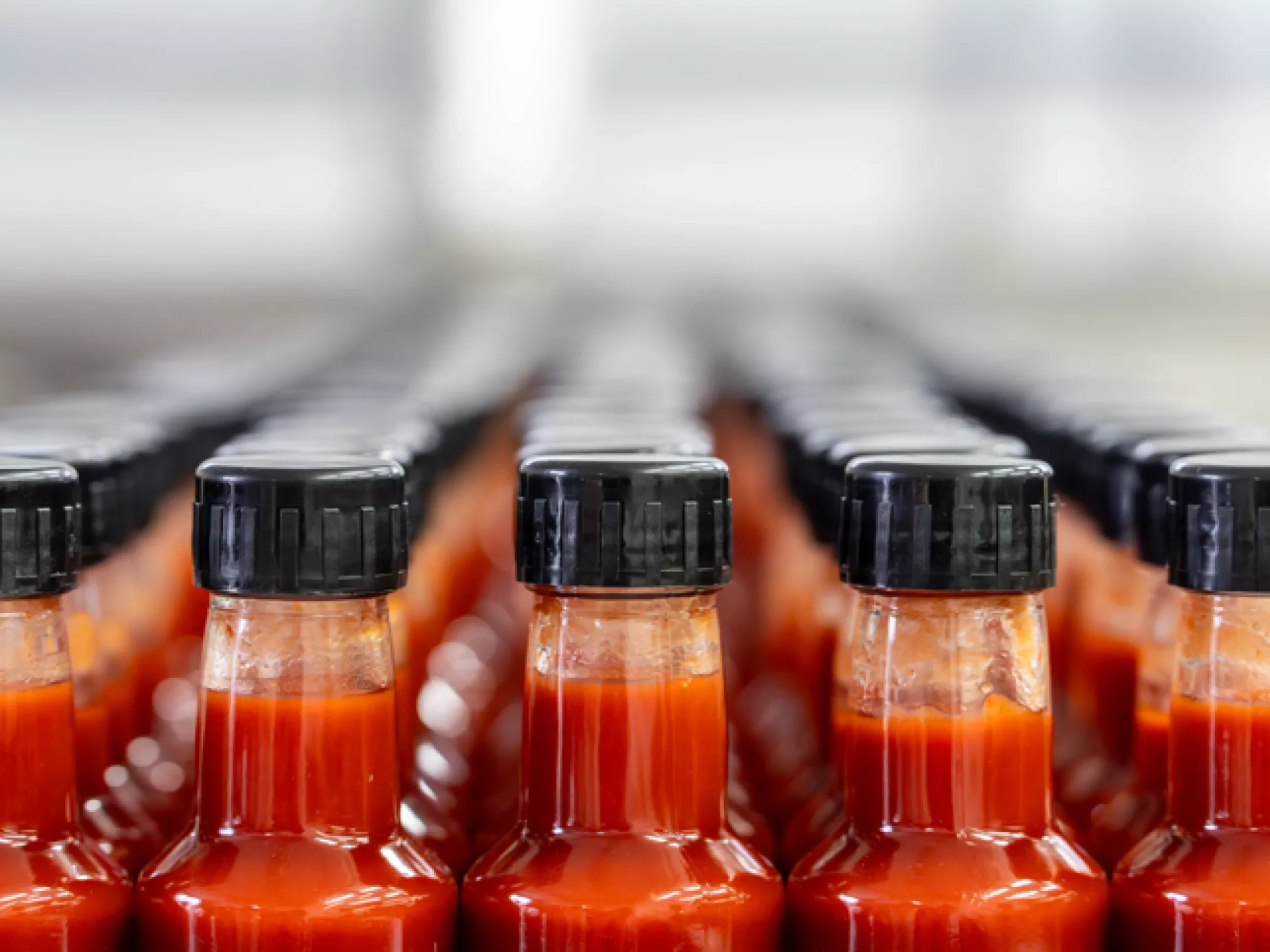
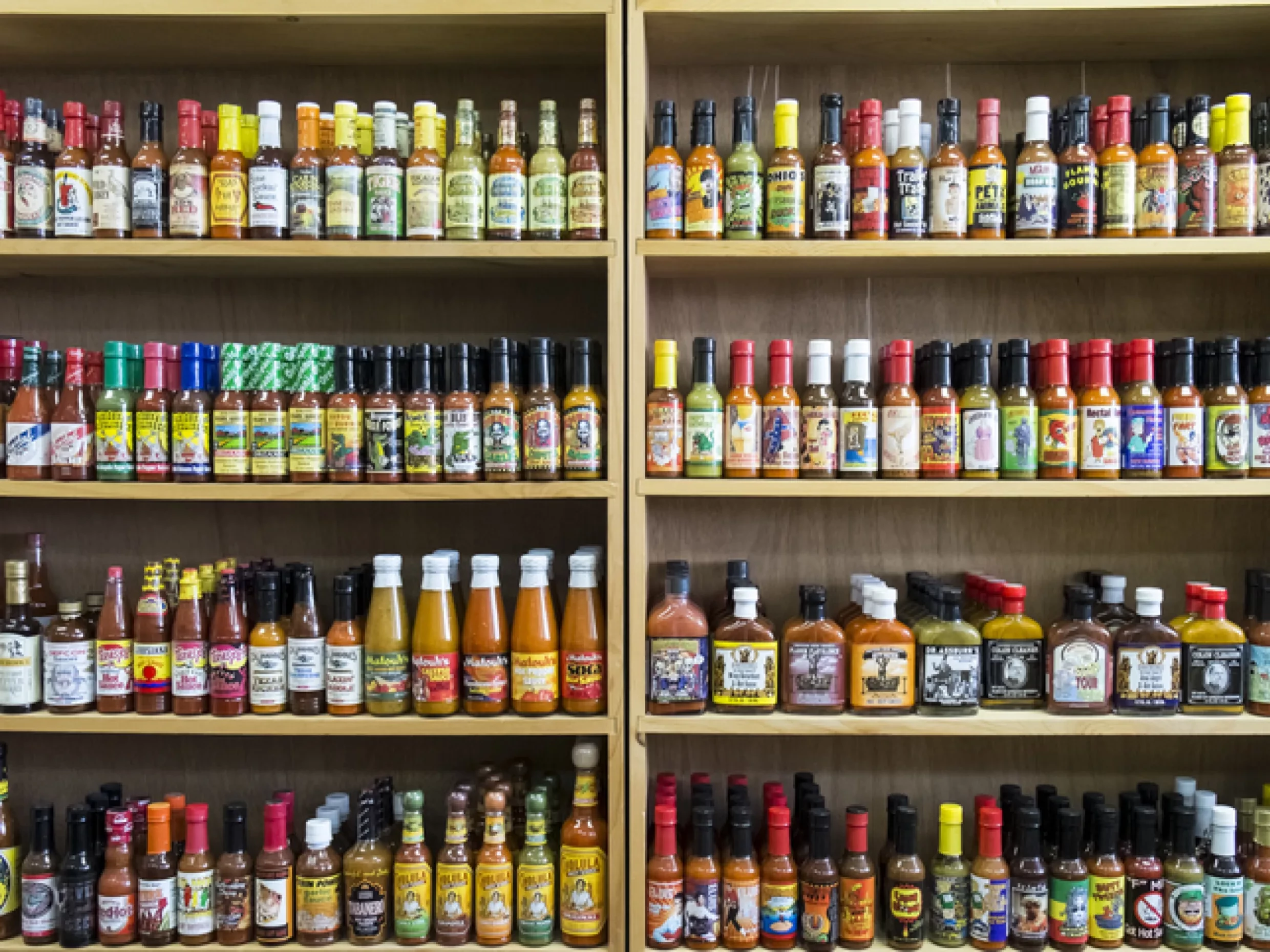
Sauces stepped out of the kitchens and onto the shop floor from the mid-nineteenth century. Advances in food preservation, glass (and later, plastic) bottling, and industrial production transformed the availability of all types of sauces. What had once required skill, patience, knowledge and specific ingredients could now be poured, spooned or squeezed straight out of a bottle. Lea & Perrins Worcestershire Sauce was available from 1837, and Tabasco from 1868.
Sauces that took years, decades or even centuries to create and perfect became available in the world foods aisle of most supermarkets. They were products of a rapidly modernising world that leaned heavily on branding, advertising and mass distribution.
The Sauces That Defined the Modern Table
The modern era has turned a handful of recipes into global icons. Some began as humble experiments, others as commercial innovations, but they’ve all evolved far beyond their original forms. Often disputed in origin and endlessly adapted, these sauces have become shorthand for entire cuisines, cultures, and even brands, recognisable not just by taste, but by story.
Ketchup
Ketchup’s origins are famously murky, and they appear to trace back to fermented fish sauces from Southeast Asia, known as kê-tsiap. By the eighteenth century, British versions - often made with mushrooms or walnuts - were circulating in cookbooks. Tomato ketchup emerged in the early nineteenth century, but it was Henry J. Heinz who standardised it in 1876, creating a sweeter, shelf-stable version. With its balance of sugar, vinegar, and tomato, Heinz ketchup became a global staple, and it’s estimated they sell more than 650 million bottles a year in around 140 countries.
Mayonnaise
Few sauces are as contested as mayonnaise. One popular story places its creation in 1756, following the French capture of Port Mahon in Menorca, where a celebratory sauce - mahonnaise - was said to be born. Others argue for an earlier, more gradual origin born out of Mediterranean emulsions. By the nineteenth century, mayonnaise became prized for its silky texture and versatility. Industrial production in the twentieth century transformed it into a household essential, and today, it underpins everything from sandwiches to salads and plenty more besides.
HP Sauce
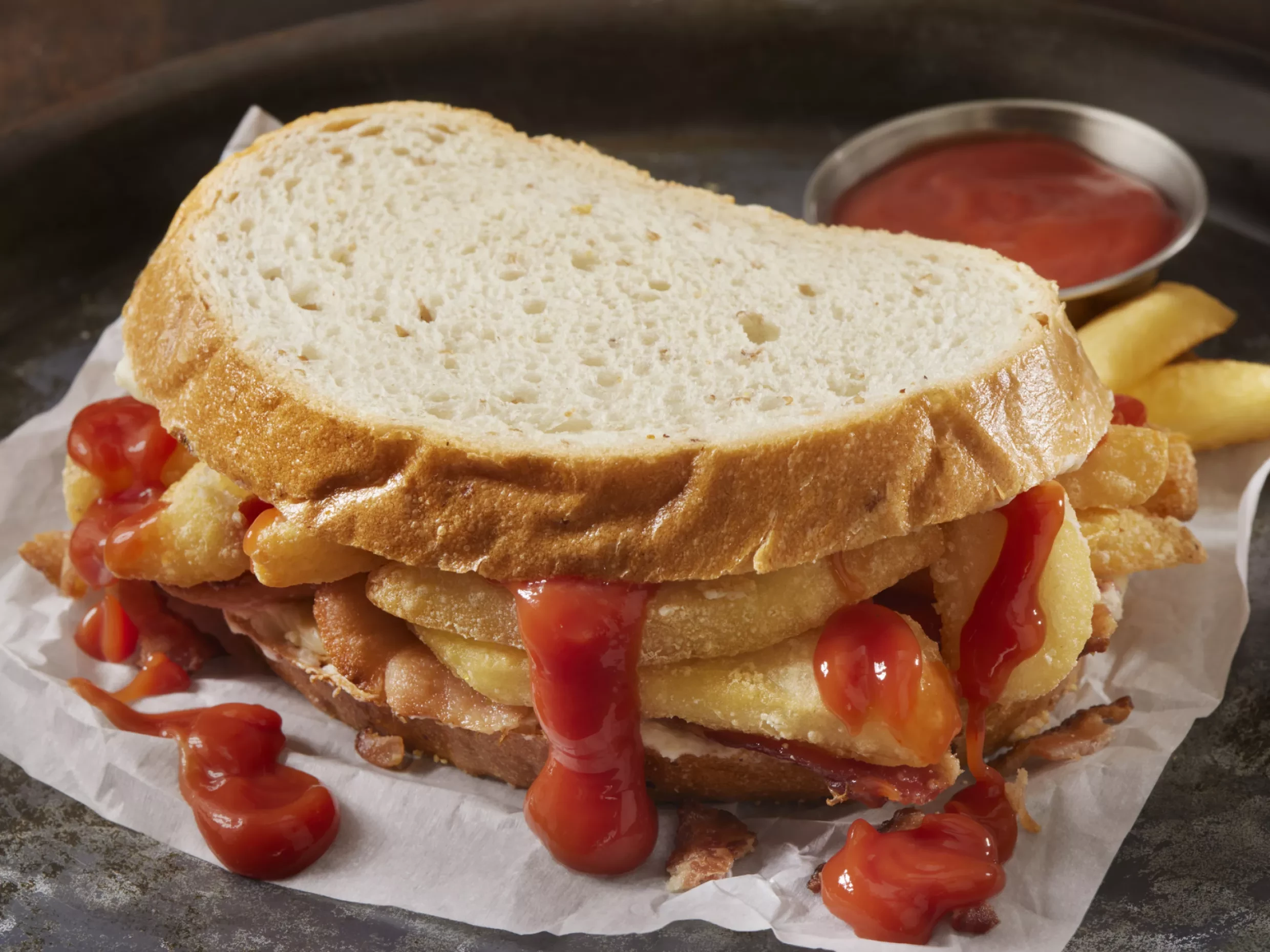
HP Sauce is steeped in British identity, though its beginnings are less clear-cut than its name suggests. Created in the late nineteenth century by Frederick Gibson Garton in Nottingham, it was reportedly served in the Houses of Parliament, hence the name. Combining malt vinegar, tomatoes, dates, tamarind, and spices, it was a mix of both British and colonial influences and some say it’s the only sauce to have on a bacon sandwich!
Thousand Island
Thousand Island occupies that hazy border between sauce and salad dressing. Its most popular origin story is that it’s from the Thousand Islands region of the upper St Lawrence River that spans the US and Canada but over the years that has been disputed in favour of a fishing guide’s wife, or even a hotel chef who stumbled on it. It typically blends mayonnaise, ketchup, and pickles or relish, and its creamy, sweet-tangy taste made it a staple of mid-century dining.
Sriracha
Sriracha was named after the coastal Thai town of Si Racha, where (some very, very hot) chilli sauces have long been made, but the version most widely recognised today was developed in California in the 1980s by Vietnamese immigrant David Tran. Blending chillies, garlic, vinegar, sugar, and salt, it struck a perfect balance of heat and sweetness which better suited the Western palate. From street food to fine dining, Sriracha’s rise reflects a modern appetite for bold new flavours, and is the perfect example of the globalisation of taste itself.
Big Mac Sauce
And what a way to finish! Few sauces are as closely tied to a single product as Big Mac Sauce. Developed in 1967 by McDonald’s franchisee Jim Delligatti, it was created specifically for (arguably) the world’s most famous burger. While often compared to Thousand Island dressing, the proportions of its recipe remains an extremely closely guarded secret. Many have tried, none have succeeded! Over time, it has become central to the brand’s identity, so much so that McDonald’s has occasionally released bottled versions.