



Rich, frothy, and laced with a hint of mischief, eggnog has been warming winter spirits for centuries! But how did this creamy concoction become the quintessential Christmas tipple - and why the generous splash of booze? From medieval posset to colonial party punch, the story of eggnog stirs up tradition, indulgence, and a dash of festive folklore. Raise your glass as we uncover the spirited history behind this Yuletide classic.
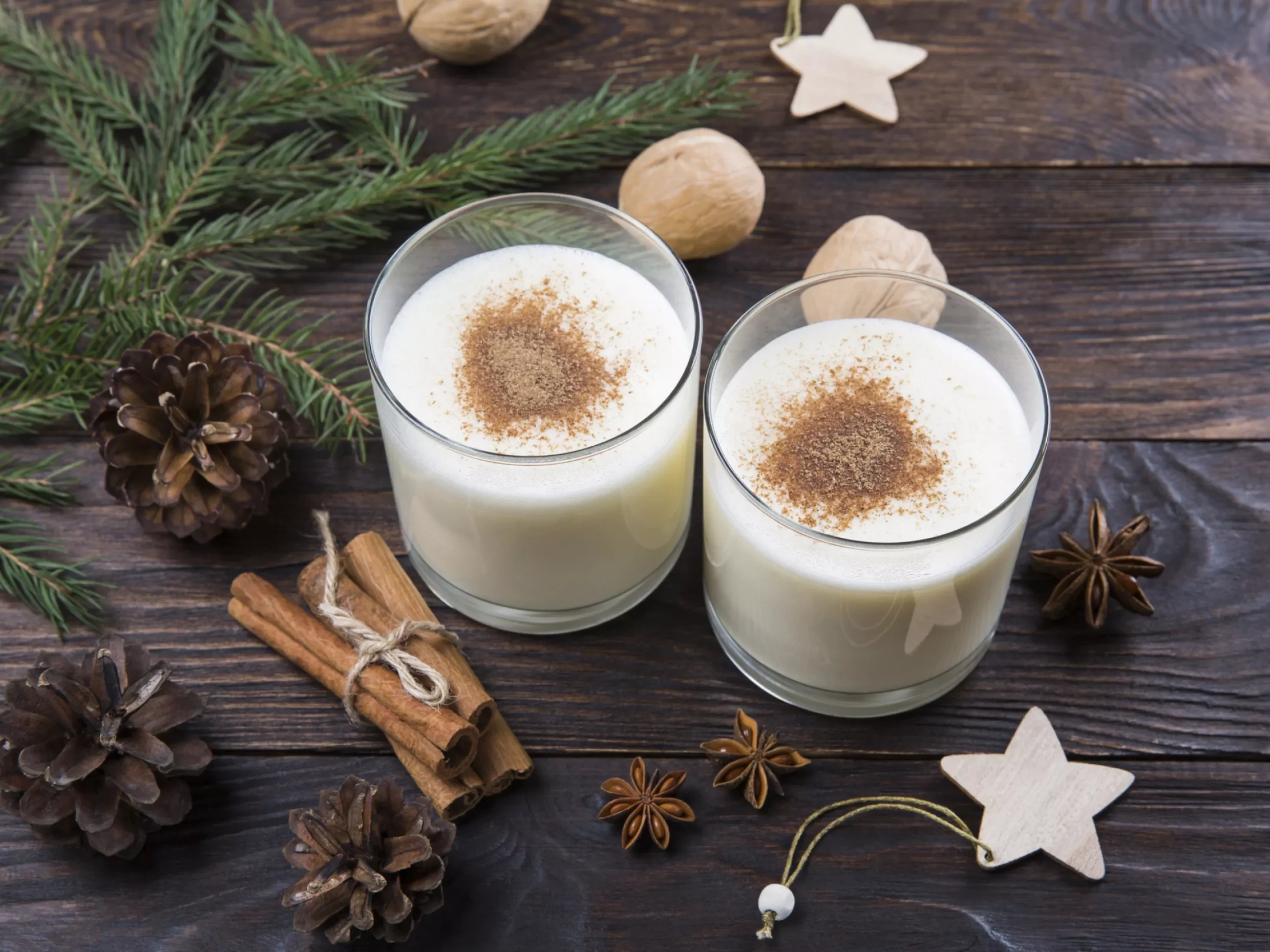
What Exactly is Eggnog?
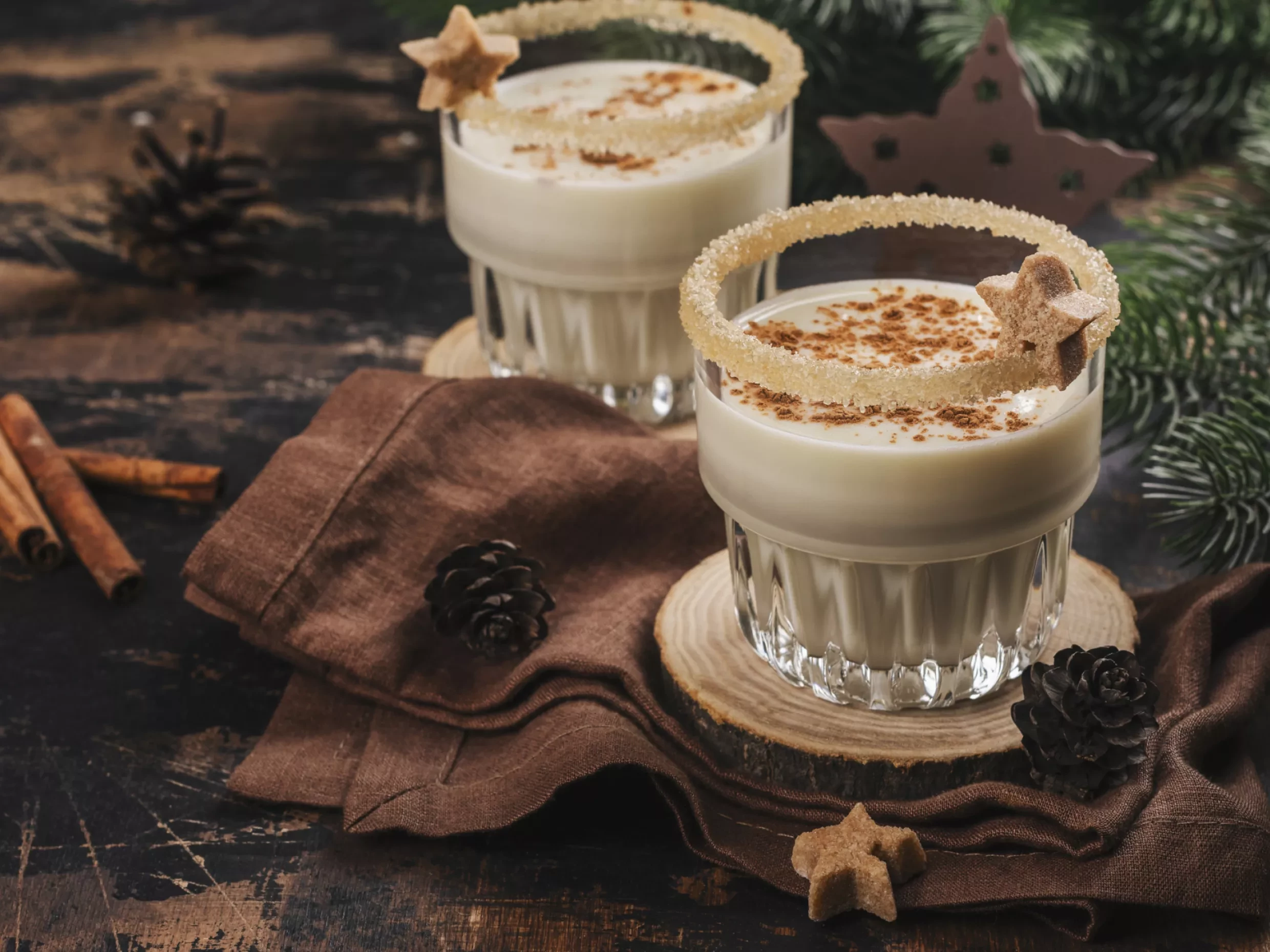
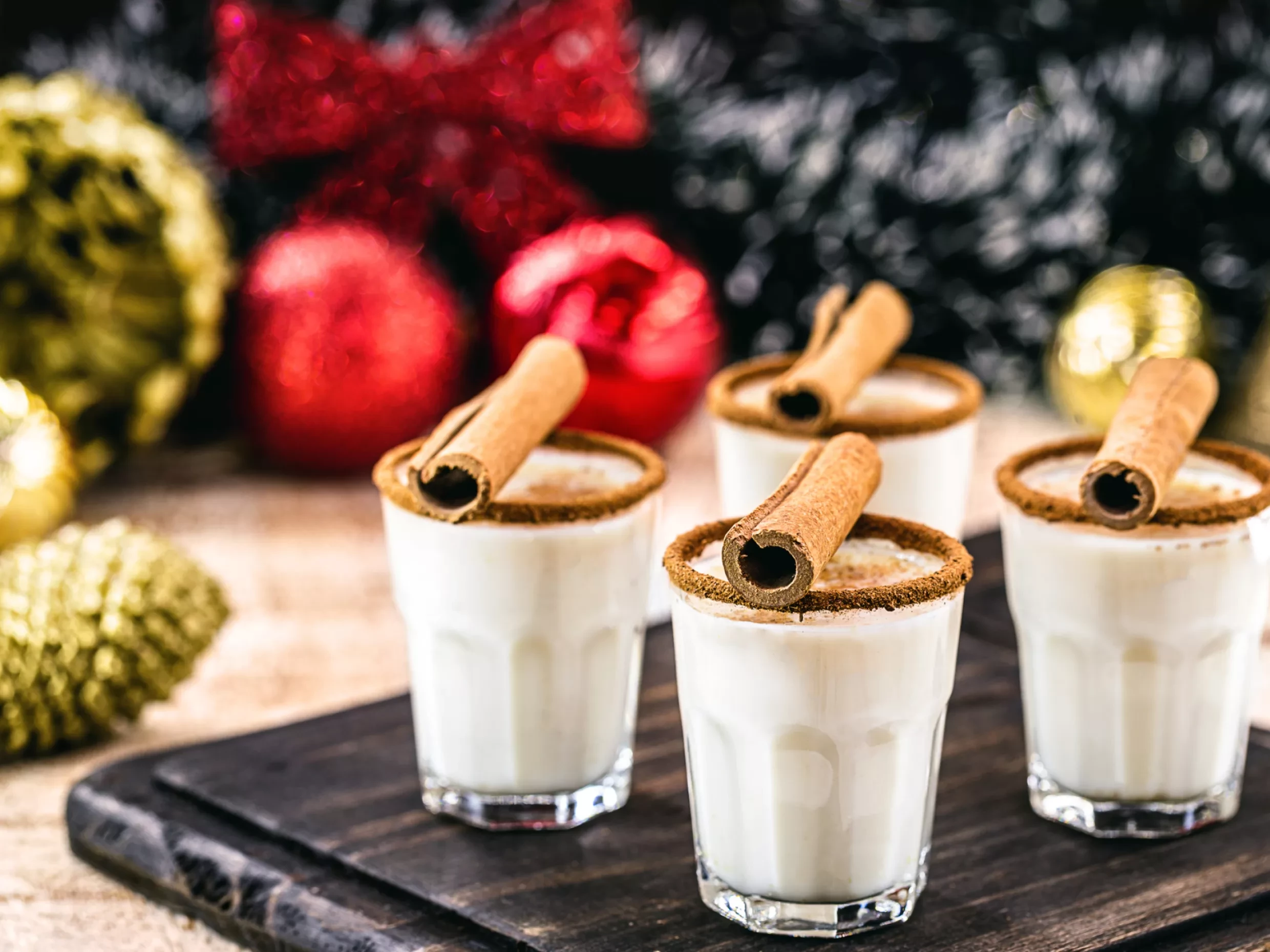
Eggnog is a rich, (usually) chilled dairy-based drink with a frothy texture, traditionally made from milk and cream, sugar, beaten eggs - yolks and whipped whites - and Christmassy spices like nutmeg and cinnamon. While tasty on its own, many like to add a splash of rum, sherry, whisky, bourbon or brandy. It’s also fair to say that Eggnog’s had a love/hate relationship with Christmas revellers over the years, but whether you like it or loathe it, it’s deeply entrenched in the spirit of the season.
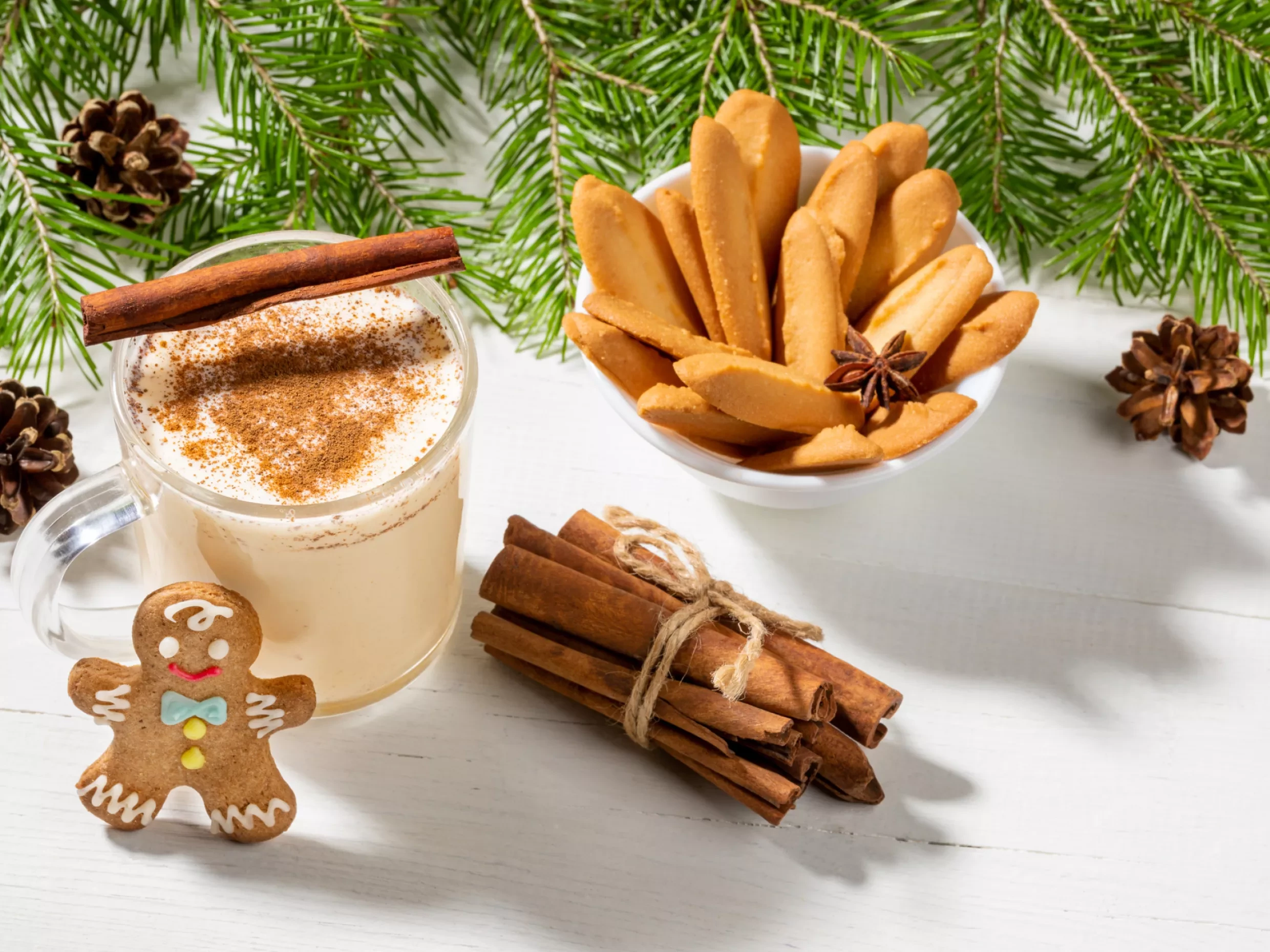
Why Is Eggnog Called Eggnog?
Eggnog doesn’t have a particularly enticing name, unlike a Mojito, a Cosmopolitan or a Singapore Sling, so where did the name come from? Turns out that Eggnog’s something of an etymological enigma.
The name may stretch back as far as the seventeenth century, where the word ‘nog’ was used to refer to a strong ale brewed in East Anglia. It may even refer to the word ‘noggin’, meaning a small wooden mug used to serve ale or beer. Another popular theory links the name to ‘grog,’ the sailors’ term for watered-down rum. According to this idea, colonial Americans may have mixed eggs with grog and colloquially called it something like ‘egg-n-grog,’ perhaps finally morphing into ‘eggnog’. Yet another theory claims it came from a Scottish term ‘nugged ale,’ which was a type of cold beer warmed up using a hot poker.
So, the answer to the question above is, no-one’s really certain, and it remains a festive linguistic puzzle.
Early Written Mentions
The first known written uses of the word eggnog date to the late 1700s. The earliest appears in a poem composed around 1775 by Anglican minister Jonathan Boucher, a close friend of George Washington. The poem contains the word “egg-nogg,” although for some reason it didn’t appear in print until 1833, nearly thirty years after Boucher’s death.
In the press, one of eggnog’s earliest known appearances is in a 1788 issue of the New-Jersey Journal, which describes a young man with a prodigious appetite who enjoyed “thirty raw eggs, a glass of egg nog, and another of brandy sling.”
Where Did Eggnog Come From?
Just like the name, food historians can’t quite agree on the exact origins of eggnog, but it seems its story probably begins life in medieval Britain with posset, a hot, curdled mixture of milk or cream heated with ale or wine and spiced with ingredients such as cinnamon and nutmeg. It was used both as a comforting drink and as a medicinal tonic for colds and flu.
By the seventeenth century, possets had become elaborate status symbols, as seen in ‘My Lord of Carlisle’s Sack-Posset,’ a luxurious (and bizarre) recipe using large quantities of cream, eighteen egg yolks and eight whites, sugar, cinnamon, and a pint of sack (a fortified wine similar to sherry). At the end, ambergris - a strange substance produced by the digestive system of sperm whales - and animal musk, were added and it was served in special, two-handled posset pots.
This evolution from rustic remedy to decadent showpiece for the rich and famous laid the groundwork for the creamy, eggy, boozy tradition that would eventually become eggnog.
English colonists took these posset-style drinks to North America, where an abundance of eggs and dairy, as well as access to Caribbean rum, saw the development of a chilled, punch-like adaptation that turned into the eggnog we now link with winter holidays.
By the eighteenth and nineteenth centuries, eggnog was firmly established as a celebratory drink, with lots of regional variations and spin-offs such as the Tom & Jerry, a warm cocktail of whipped eggs, sugar, and spices mixed with hot milk and brandy, which became popular in the US as a sort of ‘eggnog plus’ for Christmas get-togethers.
The cocktail’s strange name is most often attributed to British boxing journalist Pierce Egan who created the drink in the 1820s as a novel way to publicise his book ‘Life in London, or The Day and Night Scenes of Jerry Hawthorn Esq. and his Elegant Friend Corinthian Tom’.
The cartoon came more than a century later!
Eggnog Around the World
The traditional eggnog recipe has festive cousins all over the world. In Latin America, Puerto Rican coquito sometimes swaps eggs for coconut cream and milk, then adds rum. Mexico’s rompope uses egg yolks, milk, sugar, cinnamon, vanilla, and rum, and sometimes ground almonds. Colombia’s sabajón and Venezuela’s ponche crema use condensed milk and local spirits including aguardiente to create thick, dessert-like holiday sippers.
The Europeans have their own takes on eggnog. Dutch advocaat and German Eierlikör are both thick, spoonable egg liqueurs made with egg yolks, sugar, and brandy or similar spirits. In Scotland, Auld Man’s Milk is a traditional boozy version of eggnog made with eggs, sugar, milk (or cream), and a generous amount of whisky, often garnished with nutmeg and served as a warming dram, especially around Hogmanay (New Year).
In Japan, tamagozake blends hot sake with egg and sugar as a cosy cold-season drink, while Chile’s cola de mono is slightly different, with milk, sugar, coffee, spices, and aguardiente or pisco for a lighter, coffee-scented Christmassy cocktail.
Eggnog Recipes
Pioneer Woman Ree Drummond’s eggnog recipe is absolutely delicious, and if you’re looking for tasty takes on this Christmas classic, how about eggnog shortbread cookies, a wonderful gingerbread souffle with eggnog custard, or a devilishly decadent eggnog-pannetone bread pudding! Have an egg-cellent Christmas!