








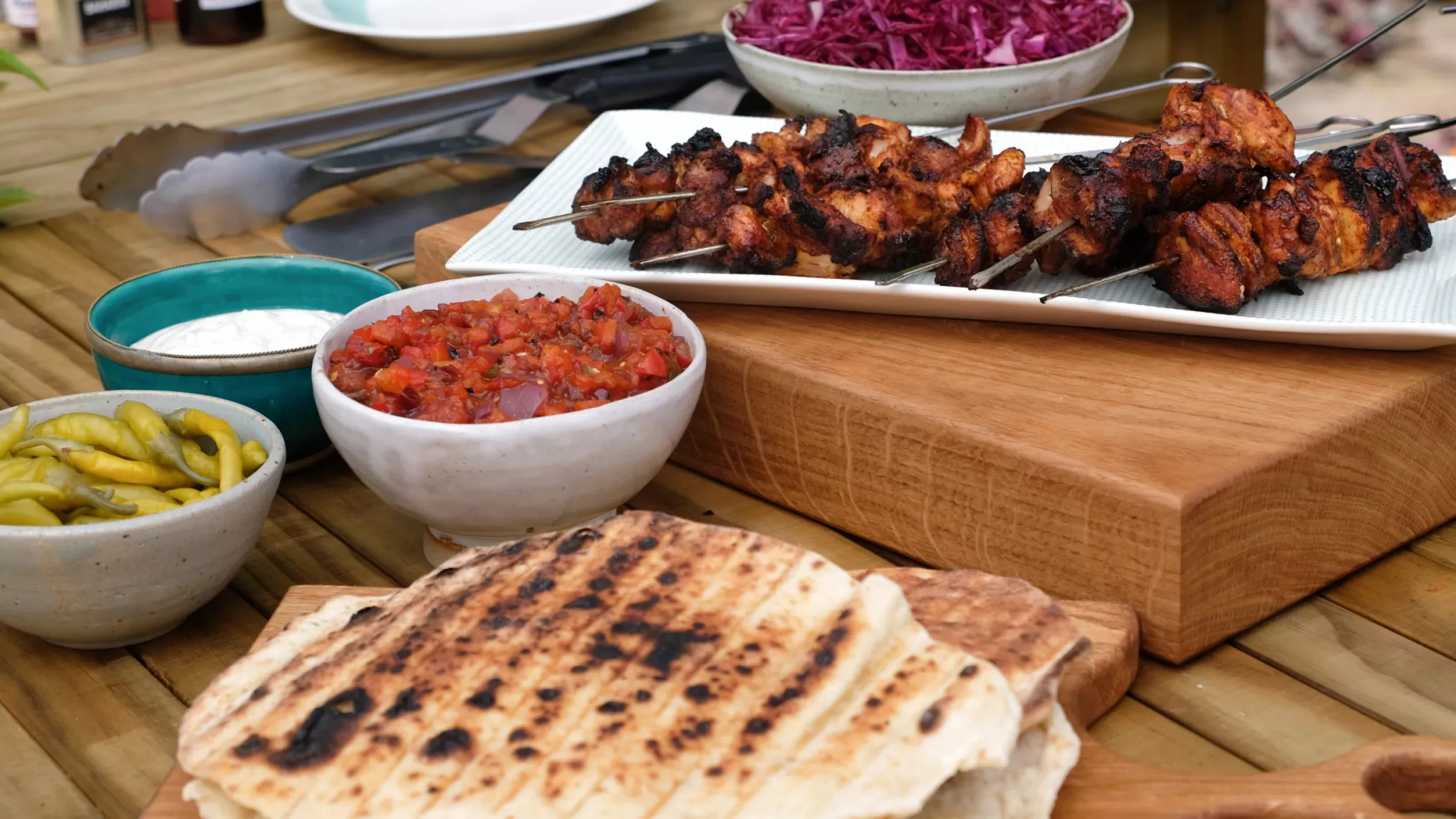
Few foods are as closely tied to British identity as Cheddar cheese. From ploughman’s lunches to toasties, sauces, and celebration boards, it’s long held a central place on Britain’s tables. But Cheddar is more than just a familiar flavour. Its story stretches back centuries, shaped by geography, agriculture, industrial change, and evolving tastes.
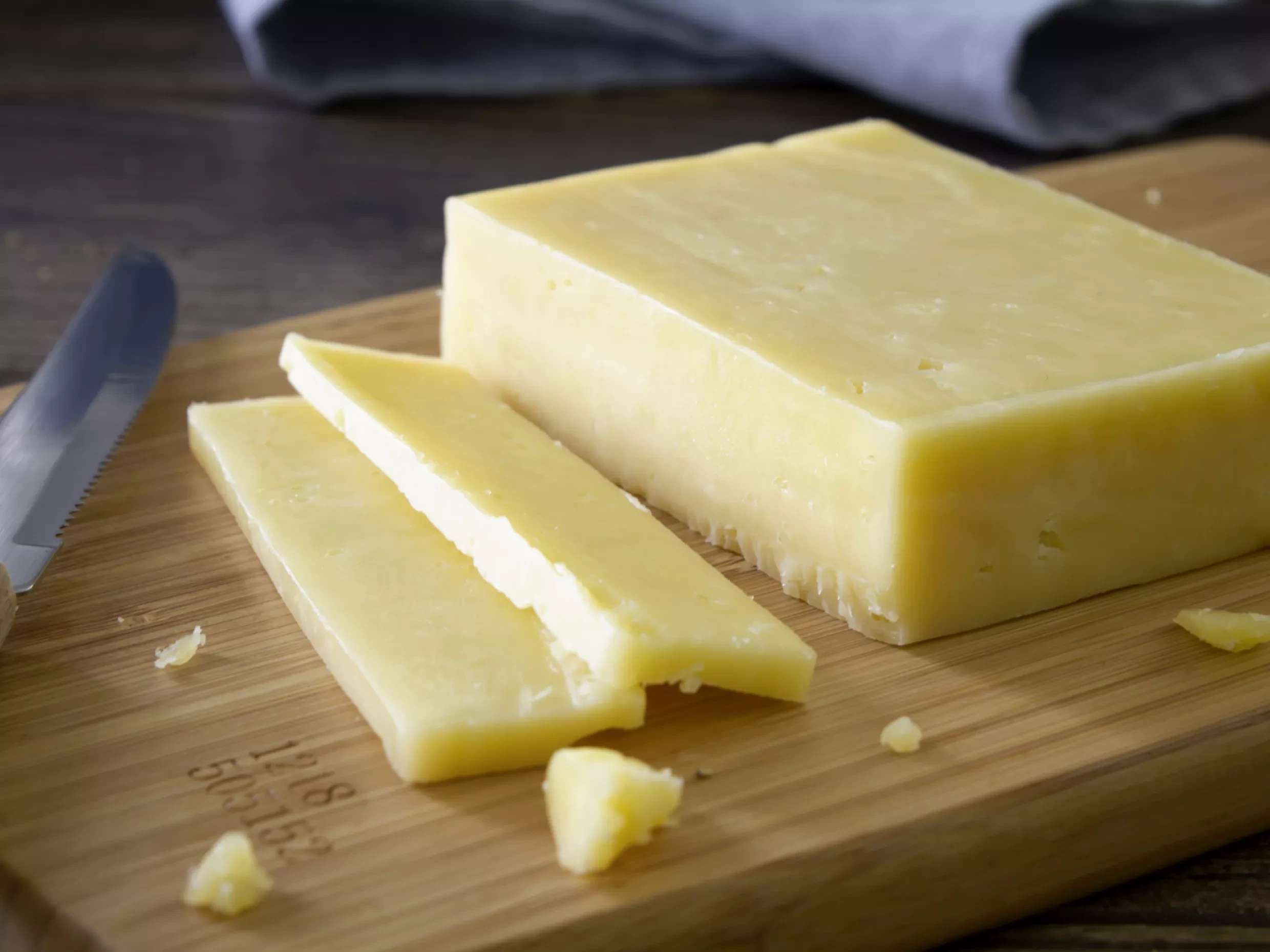
Born of Place: Cheddar Gorge and the Somerset Landscape
The origins of Cheddar cheese are inseparable from the village of Cheddar in Somerset and the dramatic limestone cliffs of Cheddar Gorge.
Cheddar’s story starts with one very specific place: unsurprisingly, it’s the Somerset village of Cheddar. This rural idyll sits beside the limestone cliffs of Cheddar Gorge, where natural caves hold a cool, humid, steady temperature all year. In a world without refrigeration, that mattered. It gave local makers a dependable way to do what every dairy community needed to do, turn fresh milk into something that would last by ageing cheese slowly and evenly until it became firmer, drier, and more durable.
That need to preserve milk was already driving cheese-making across medieval Britain, but the West Country was especially well placed for it. Rich pastureland and a mild climate supported strong dairy farming, and Somerset became known for producing substantial, long-keeping cheese wheels. Over time, cheeses made from the local milk and matured in the gorge’s caves began to earn a reputation beyond the local area. They weren’t uniform products with a fixed formula; they were farmhouse cheeses whose character shifted with the seasons, the herd, and the maker.
In that early period, “Cheddar” was less a recipe than a shorthand for origin. It referred to cheeses made in and around the village, matured in the gorge, and traded locally or carried onward to nearby towns under the name of the place that helped shape them.

Medieval Tables and Royal Approval
At this stage, cheese was a staple rather than a luxury, eaten across social classes. However, certain regional cheeses stood out for their reliability and flavour, and Cheddar became one of them as its reputation grew steadily through the Middle Ages. Records from the reign of King John and later monarchs show that Cheddar was purchased for the royal household, suggesting it was already known well beyond the local area by this time. Indeed, large wheels of Cheddar could be stored for long periods, making them useful for winter months and long journeys. This durability helped Cheddar travel further afield than many softer, fresher cheeses.
The actual production at this time though remained small-scale and farm-based. Each household might make its own cheese, passing down methods through generations. Variations were inevitable, but the core characteristics - firm texture, full flavour, and good keeping qualities - remained consistent enough to build Cheddar’s reputation.
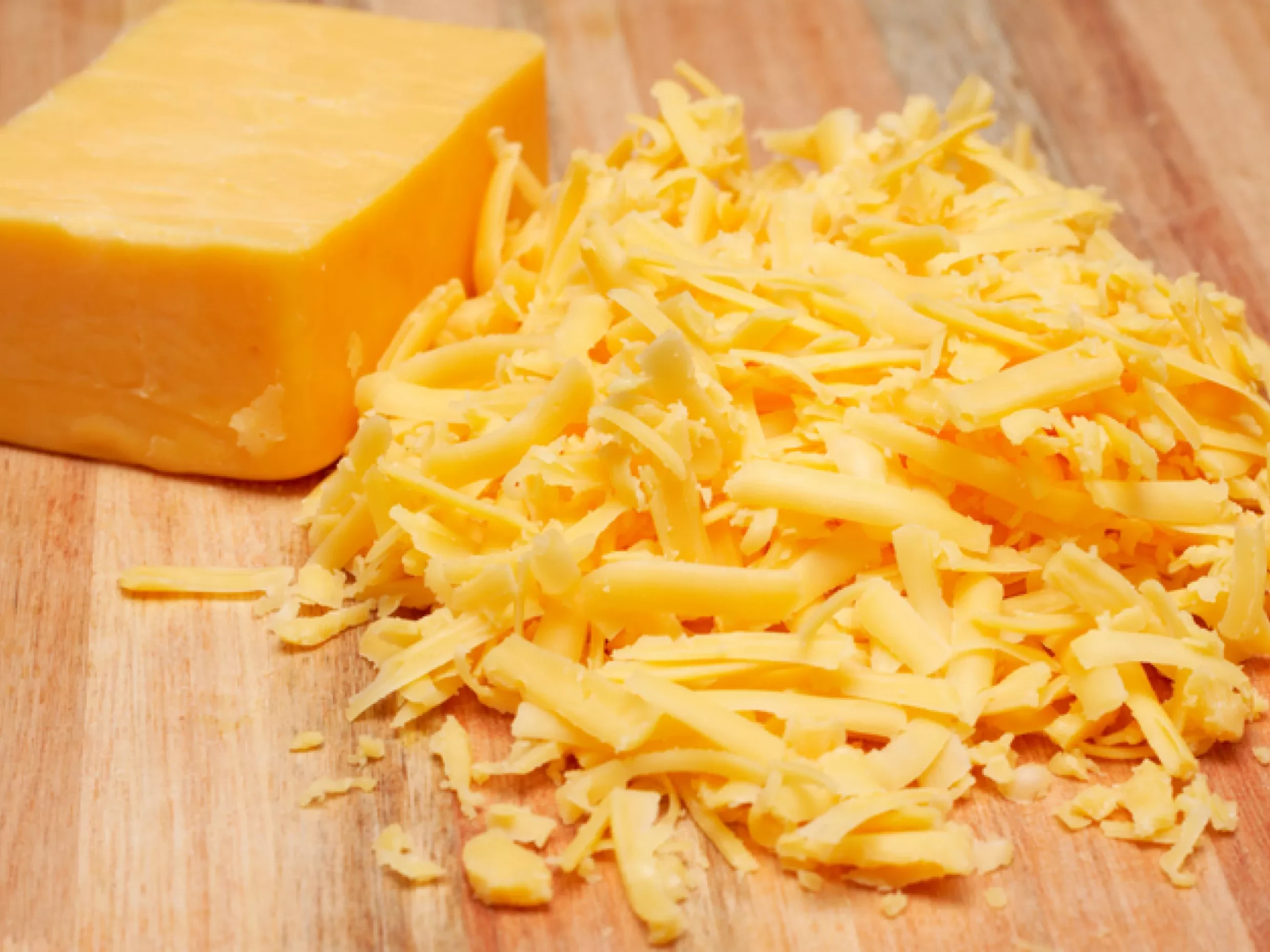
From Farmhouse to Formula: The Rise of Standardisation
For centuries, Cheddar was a farmhouse cheese, shaped by instinct and experience rather than written instruction. That began to change in the 18th and 19th centuries, a period of enormous transformation in British agriculture and food production.
The Industrial Revolution brought better transport links, urbanisation, and growing demand for consistent food supplies. As cities expanded, so did the need for cheeses that could be made in larger quantities and transported reliably. Cheddar, already known for its sturdiness, was well suited to this new world.
One of the most important developments in Cheddar’s history was the refinement of the “cheddaring” process. This technique, unique to Cheddar, involves stacking slabs of curd on top of one another, cutting and re-stacking them repeatedly. The process expels whey, develops acidity, and creates Cheddar’s dense, slightly crumbly texture.
Joseph Harding, a Somerset dairyman working in the mid-19th century, is often credited with standardising Cheddar production. He introduced controlled temperatures, improved sanitation, and precise timings, transforming the cheese-making from an art guided by feel into a repeatable process. Harding’s methods allowed Cheddar to be made consistently beyond Somerset, without losing its essential character.
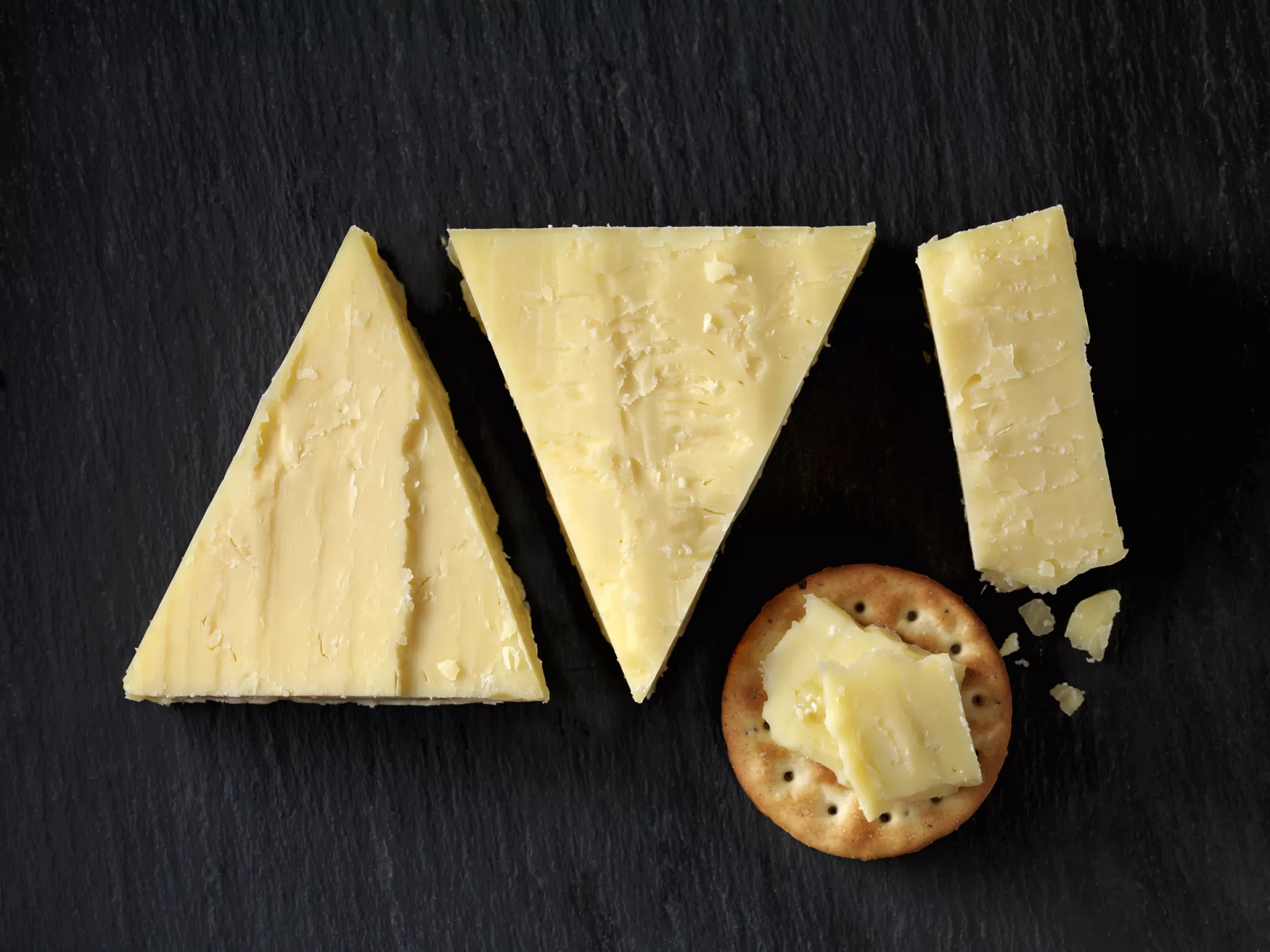
Cheddar Goes Global
As Britain’s influence spread through trade and empire, so did Cheddar. Harding himself played a role in this expansion, teaching Cheddar-making techniques to producers in Scotland, Ireland, North America, Australia, and New Zealand.
By the late 19th and early 20th centuries, Cheddar-style cheese was being produced around the world. In some regions, particularly the United States, it became the dominant cheese style. British Cheddar, however, continued to be regarded as the benchmark, especially cheeses made in the West Country using traditional methods.
Back home, industrialisation continued to reshape production. Creameries replaced small farmhouse operations, and Cheddar became one of the first cheeses to be produced on an industrial scale. This made it more affordable and widely available, securing its place as a household staple.
War, Rationing, and “Government Cheddar”
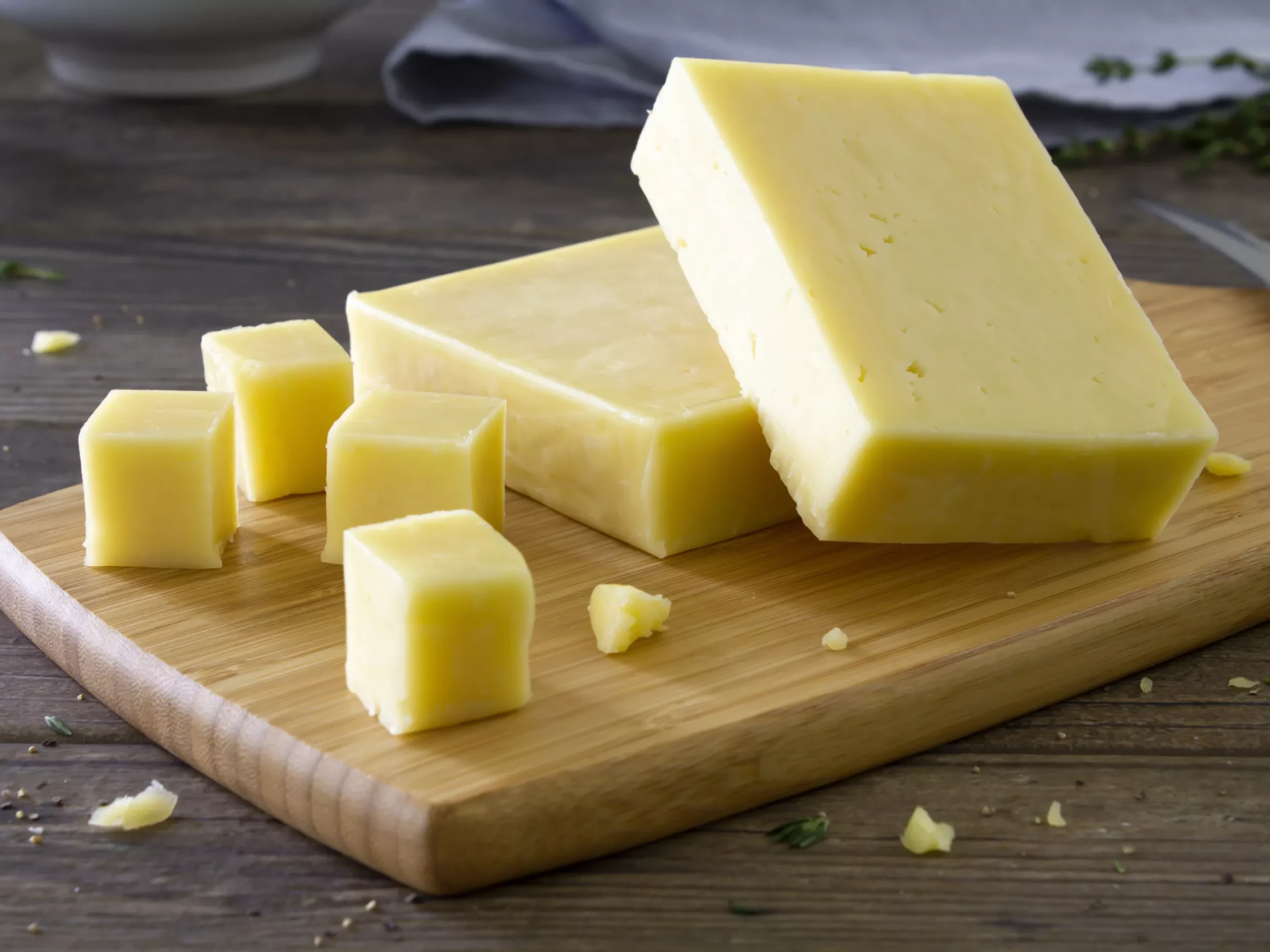
The Second World War marked another turning point. Food rationing and government control of agriculture dramatically altered British cheese-making. To maximise efficiency, nearly all cheese production was focused on a single type of cheese: a plain, factory-made Cheddar often referred to as “Government Cheddar”.
While this cheese was nutritious and practical, it lacked the appeal and regional variation of pre-war Cheddars. Many traditional producers disappeared during this period, and Britain’s cheese diversity suffered as a result.
Yet Cheddar’s dominance only increased. For a generation, it became synonymous with cheese itself in Britain. Post-war tastes were shaped by familiarity, and Cheddar emerged as the default option on sandwiches, in cooking, and on the cheeseboard.
Revival and Reclamation
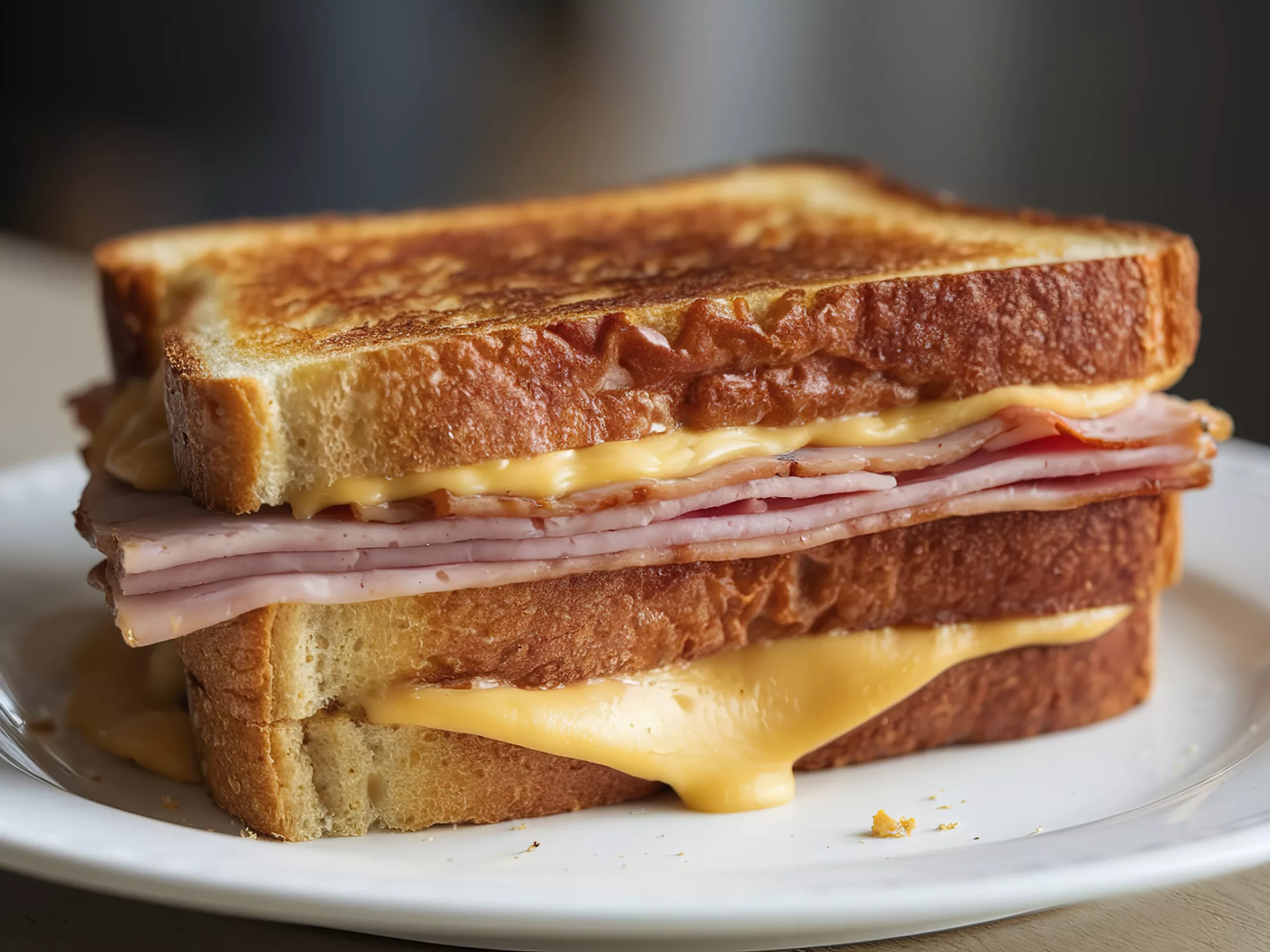
From the late 20th century onwards, a renewed interest in artisan food and regional produce sparked a revival in traditional Cheddar-making. A small number of producers in Somerset and the wider West Country returned to older methods, including using unpasteurised milk, cloth-binding wheels, and ageing them slowly for extended periods.
These traditional Cheddars often stood apart from mass-produced versions. They were sharper, more unique, and linked to local milk and climate conditions. Nutty, grassy, savoury, or even slightly sweet tastes reflected the pastures the cows grazed on and the length of maturation.
This revival also led to legal protection. “West Country Farmhouse Cheddar” gained Protected Designation of Origin (PDO) status, meaning it must be made in Somerset, Dorset, Devon, or Cornwall using traditional methods. While not all British Cheddar falls under this label, it reinforced the idea that Cheddar is not just a generic cheese, but a product with very specific roots.
Cheddar in Modern British Life
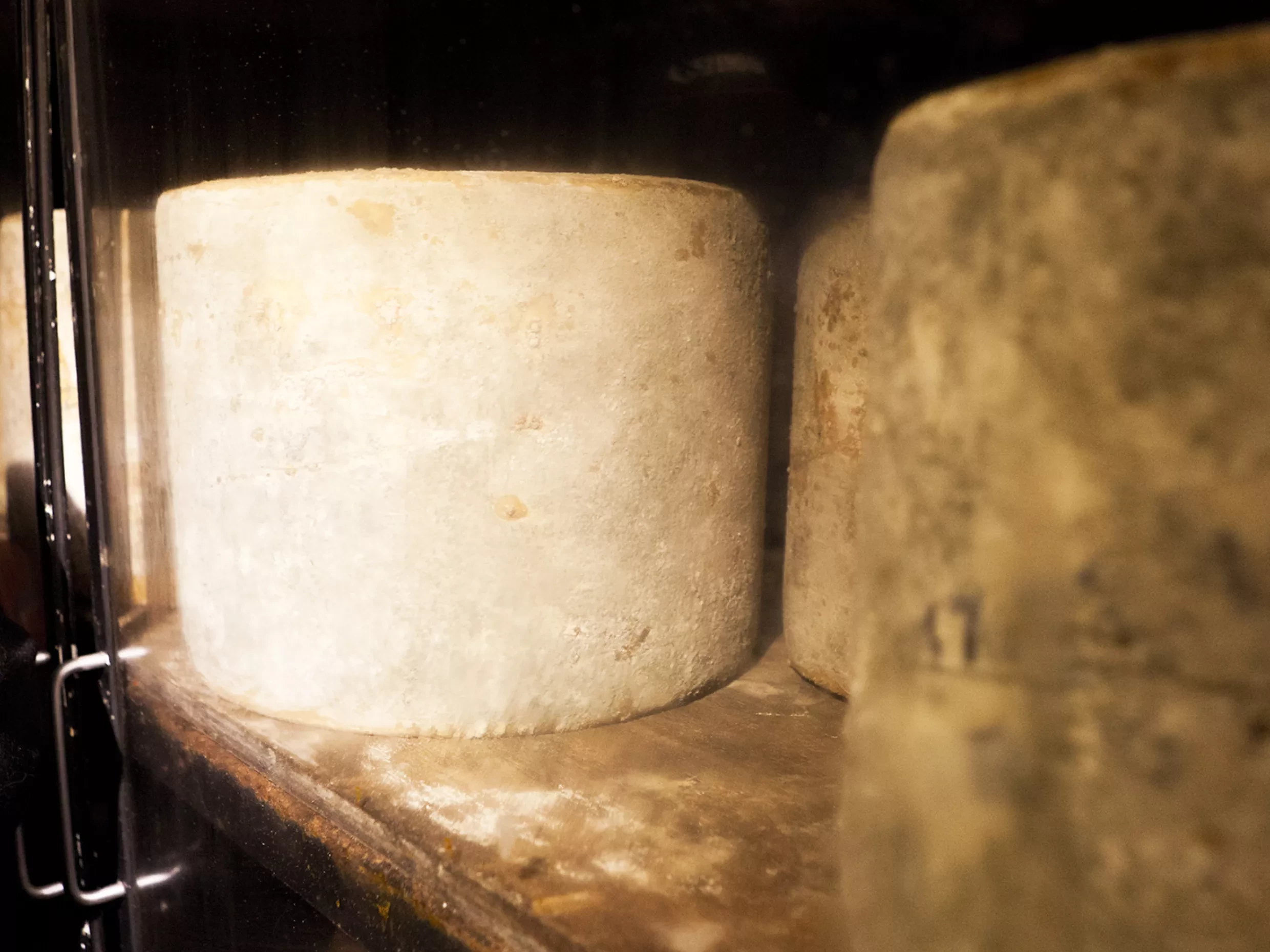
Today, Cheddar occupies a hallowed position in British food culture. It’s both everyday and special, equally at home melted over beans on toast or served as a carefully aged centrepiece on a cheeseboard.
Supermarkets stock dozens of variations, from mild and creamy to extra mature and crumbly. At the same time, farmhouse producers continue to champion slower, more labour-intensive approaches.
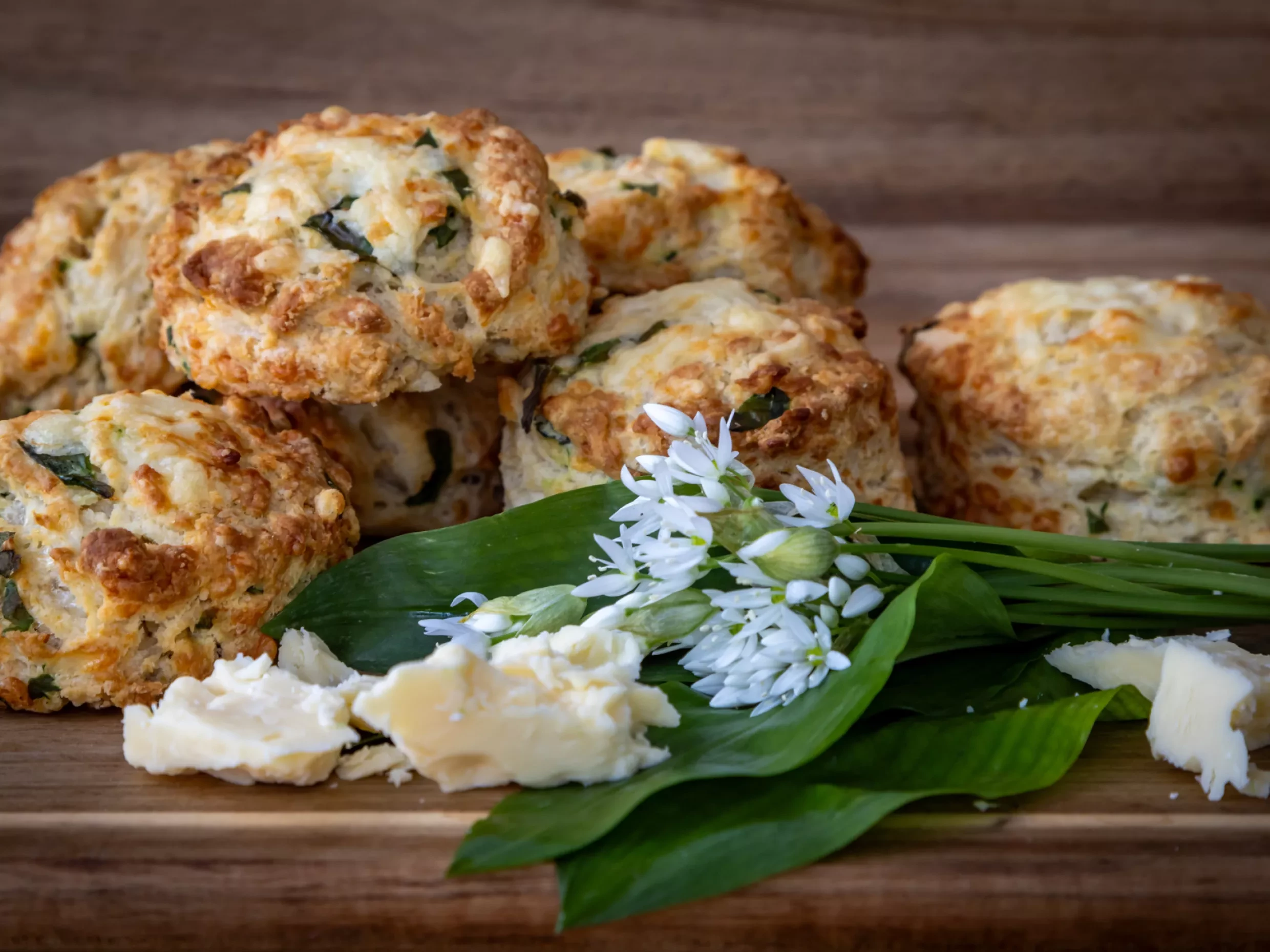
Cheddar has also become a key ingredient in British cooking. Its reliable melting qualities make it ideal for sauces, pies, and bakes, while its sharpness adds flavour to everything from soups to savoury scones.
A Grate Story
From its medieval beginnings in a Somerset village, cheddar has gone on to conquer the world.
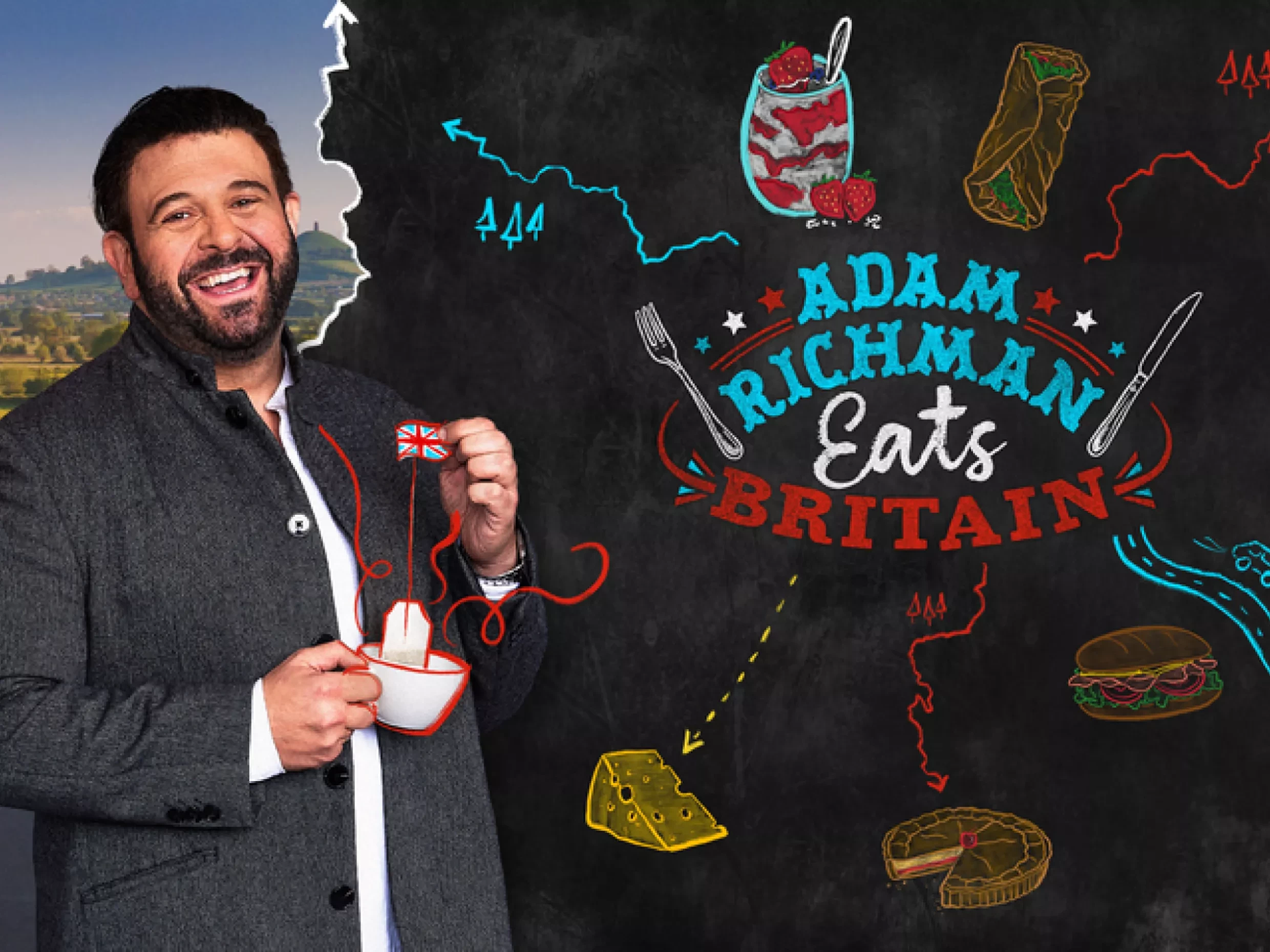
Watch Adam Richman Eats Britain On Discovery+
Man vs Food legend Adam Richman’s show on Discovery+ uses the map as a menu as he worships at the dining table of Britain’s food superstars. In episode eight, he's in Cheddar for a true taste of real cave-aged Cheddar cheese, before touring and tasting the surrounding area, tucking into farm-fresh roast chicken with a cheesy celeriac and leek bake, sampling chocolate milk from a farm vending machine and topping off his travels with a showstopping cheddar and mushroom quiche.