



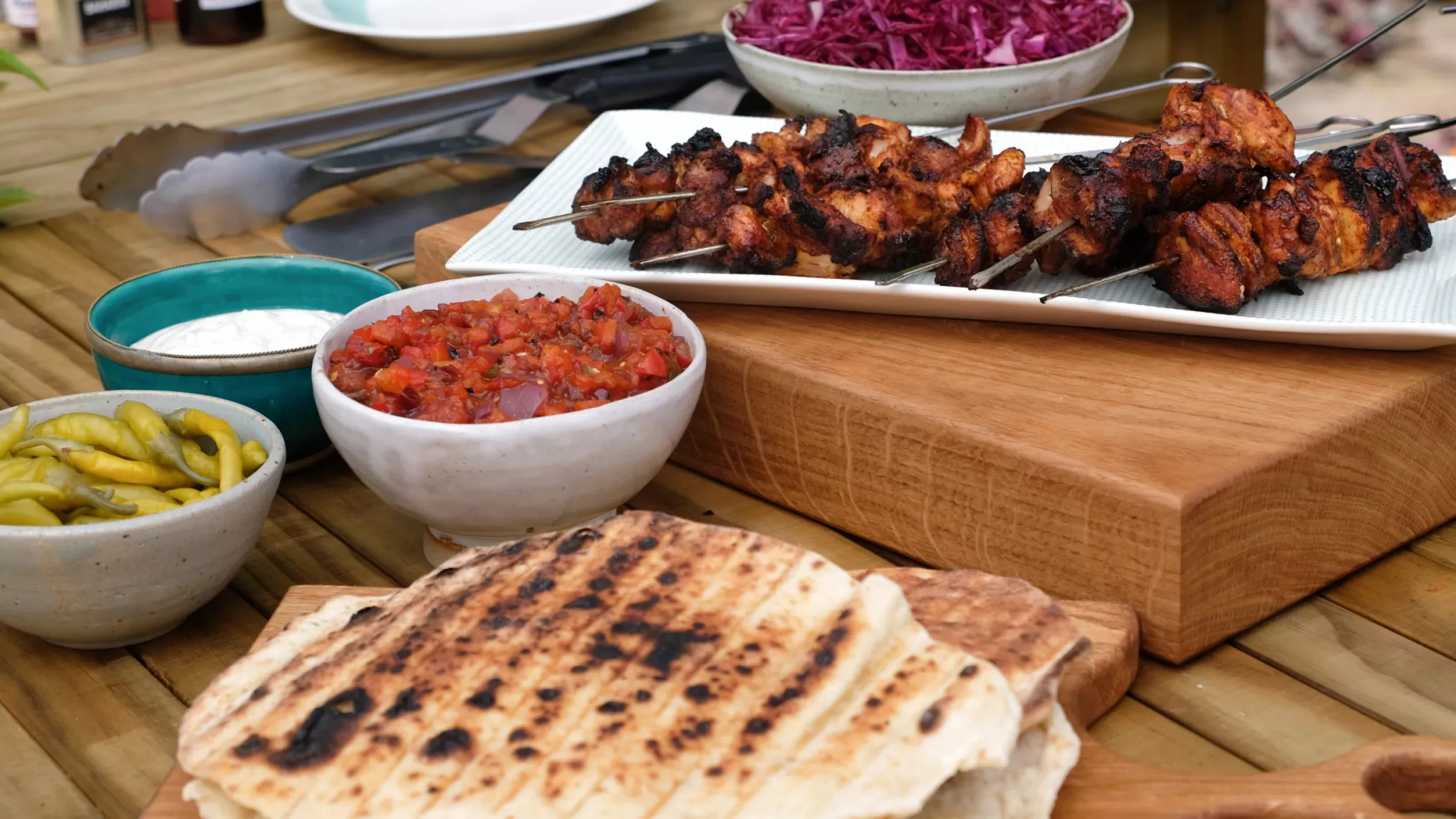
Few days on the calendar are as synonymous with food, festivity, and a splash of green as St. Patrick’s Day. From humble Irish stews simmered over cottage fires to the corned beef and cabbage found on modern tables, the flavours of the Emerald Isle are as varied as they are delicious. Rooted in tradition yet endlessly reinvented, these dishes nod to Ireland’s hearty heritage and global journey. Join us as we savour the tastes of Ireland.

Who was St. Patrick?
Born somewhere in Roman Britain in the late fourth or early fifth century, St. Patrick was kidnapped by raiders as a teenager and kept as a shepherd somewhere in Ireland. After six years he escaped, returning home to the mainland with an unshakable sense of faith and purpose. In time, he felt called back to the island of his captivity - this time as a missionary, and wanted to spread the word of Christ.
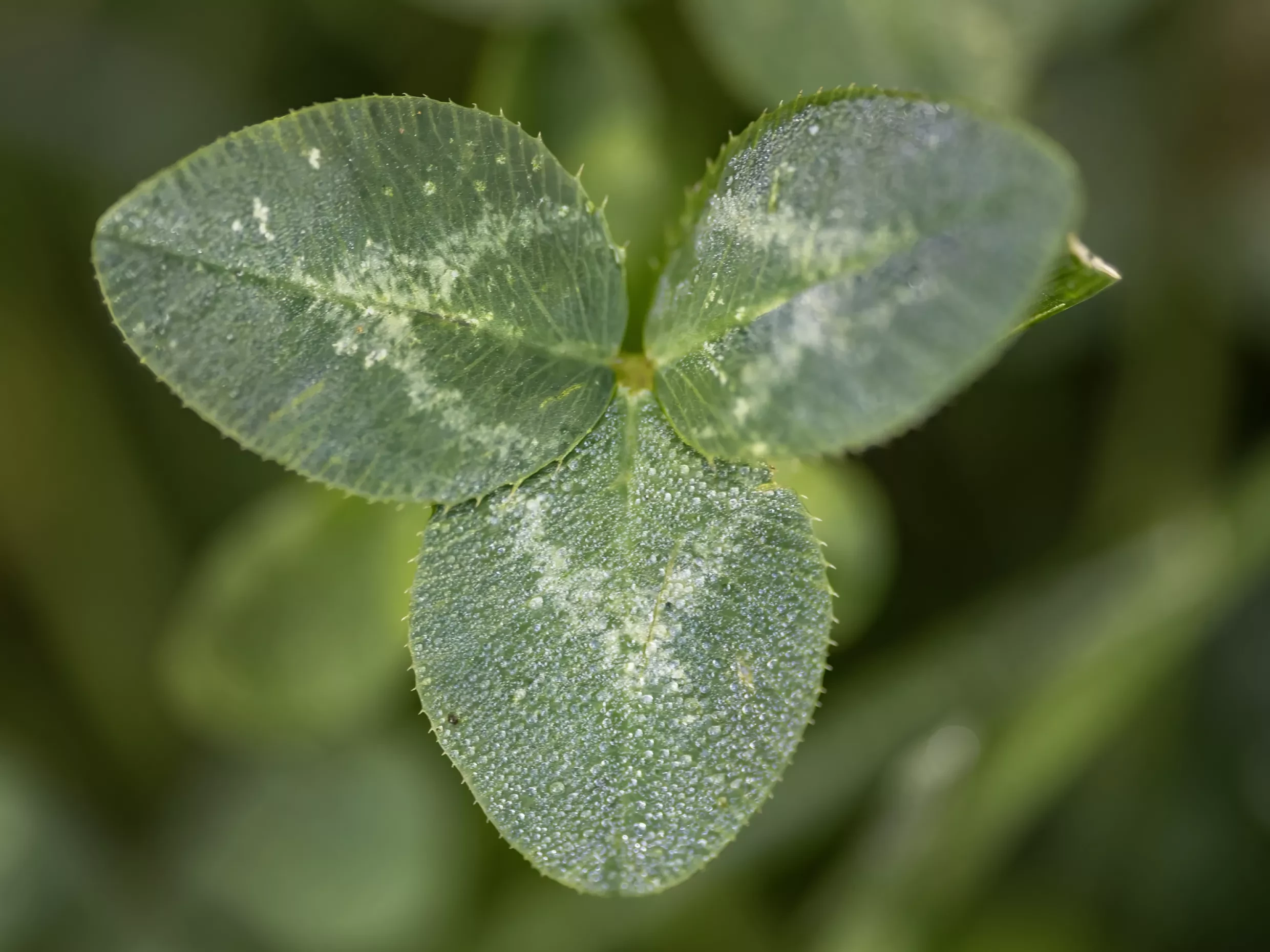
Patrick travelled widely, preaching Christianity to a largely pagan land. Legends soon gathered around him, that he used the three leaves of the shamrock to explain the Holy Trinity, and that he drove snakes from Ireland - a metaphor for banishing paganism.
Though records are sparse, his influence was extraordinary. By the seventh century, Patrick was recognised as Ireland’s ‘national apostle’, and Christians were celebrating his feast day (March 17th, supposedly the date on which he died) by the ninth and tenth centuries.
St. Patrick’s Day, as an officially recognised church feast day in the liturgical calendar, didn’t happen until the 1600s (usually quoted as 1631). He was a shepherd who returned to the country of his captors not with vengeance but with faith, and people eat and drink to celebrate his life.
The Early Feasts of St. Patrick’s Day
After he died, Patrick’s legacy grew across Ireland, and what began as a solemn day of worship gradually came to embody Irish identity, faith, and festivity.
Falling in the middle of Lent, St. Patrick’s Day offered a welcome reprieve from the season’s strict fasting rules. Meat and dairy could once again grace the table - even for just a single day. Medieval Irish households might have shared salted pork or beef alongside oatcakes, butter, and ale, while wealthier families enjoyed lamb or fowl. Over time, parish gatherings, church fairs, and local meals helped embed St. Patrick’s Day into the heart of Irish tradition.
Modern Festivities & Food Traditions
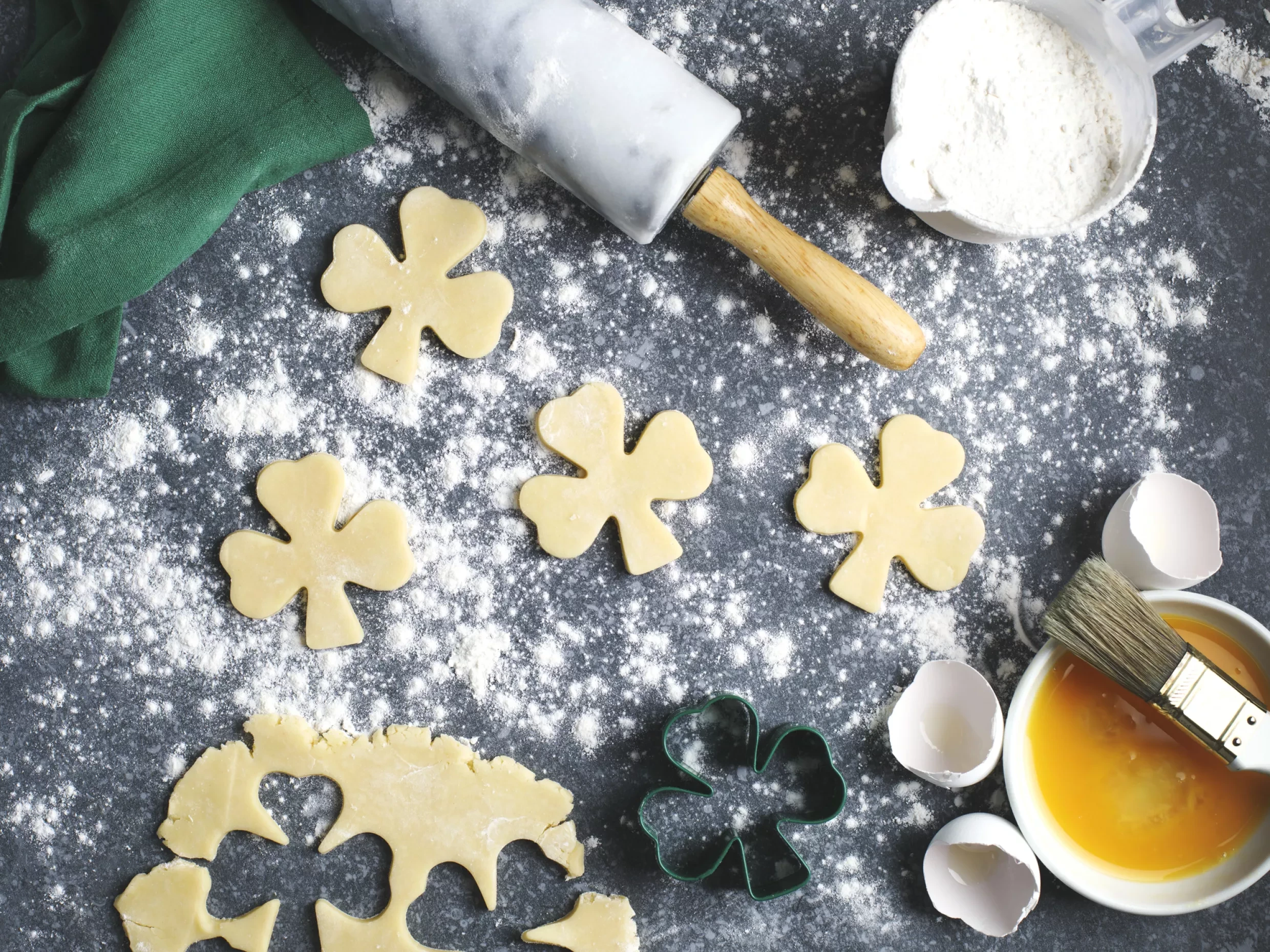
Today, St. Patrick’s Day is an official feast and public holiday in Ireland, marked by parish gatherings, family meals, and lively parades. Dublin’s festival fills the city for days with music, dance, and markets showcasing local Irish produce - from farmhouse cheeses to artisanal breads and smoked salmon. Across the countryside, you’ll find pubs and homes serving hearty, familiar fare, like bacon and cabbage, Irish stew bubbling on the stove, fresh soda bread on the table, and creamy colcannon alongside slices of roast meat.
And around the world, St. Patrick’s Day has taken on a life of its own! Chicago famously dyes its river green, and New York hosts the world’s largest St. Patrick’s Day parade. Festive indulgence often centres on drink - the famed Pota Phádraig, or ‘Patrick’s Pot,’ is the tradition of dropping a clover into a drink, known as drowning the shamrock, to mark the temporary end of Lenten restrictions. Guinness, Irish whiskey, and Irish coffee have also become liquid emblems of the day.

Dishes of the Emerald Isle
Ireland’s culinary story is one of comfort and innovation - dishes born from humble ingredients that are deeply rooted in tradition and passed down through generations.
Irish Stew
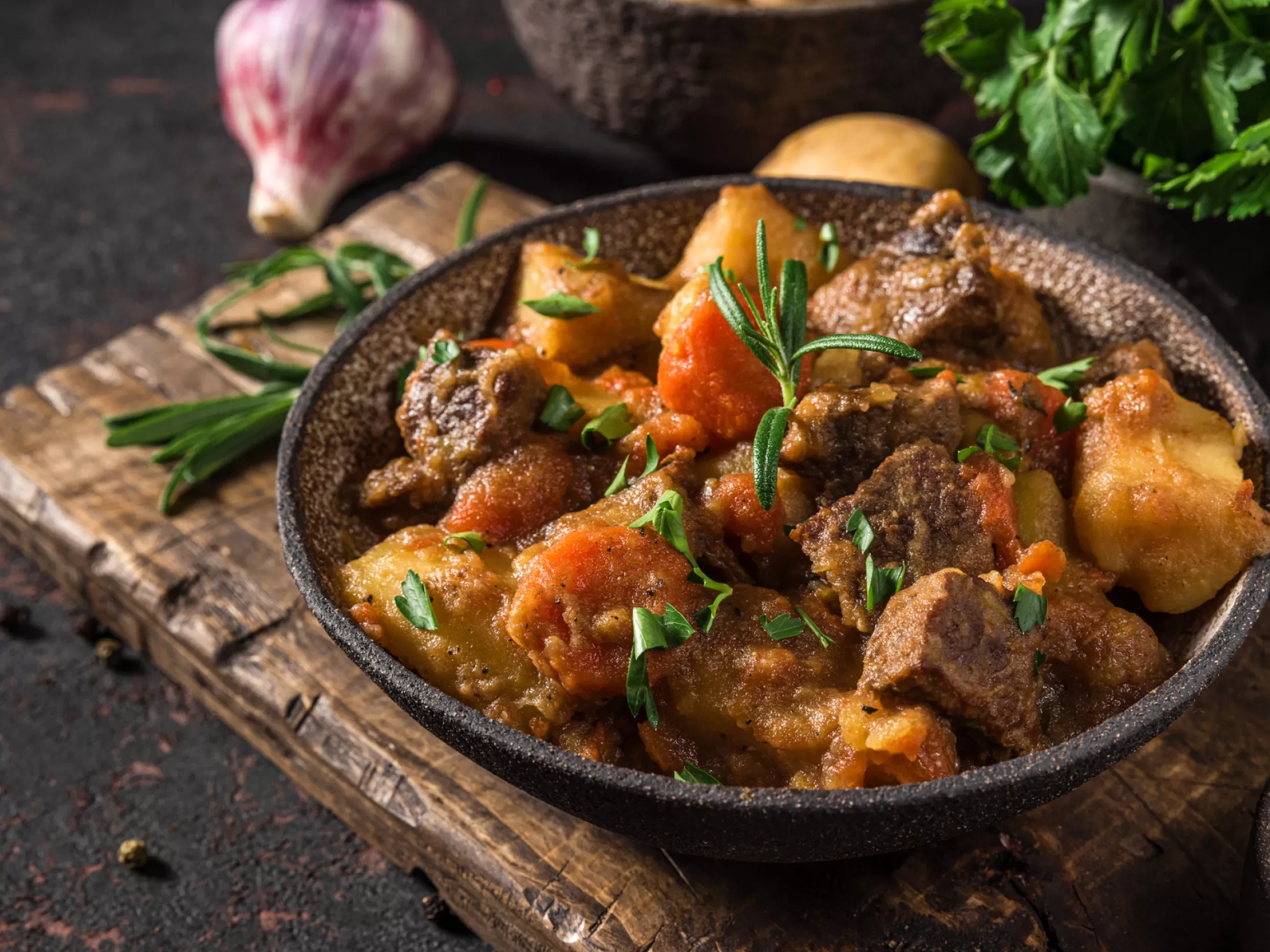
Perhaps Ireland’s most famous dish, this slow‑cooked classic blends lamb or mutton with potatoes, onions, and carrots simmered until tender in a simple, savoury broth. Each region (and indeed each family) has its own take - some add barley, others include fresh parsley or a splash of stout.
Colcannon
A beloved side dish of mashed potatoes mixed with cabbage or kale, butter, and spring onions. Traditionally served at harvest festivals as well as Halloween, colcannon became a St Patrick’s Day staple and a creamy, buttery echo of rural Ireland.
Boxty
Part pancake, part potato cake, boxty is made from grated raw potato mixed with mashed potato and flour, then fried or baked. Crispy outside and soft and tender inside, it’s often served with butter, smoked salmon, or eggs.
Soda Bread
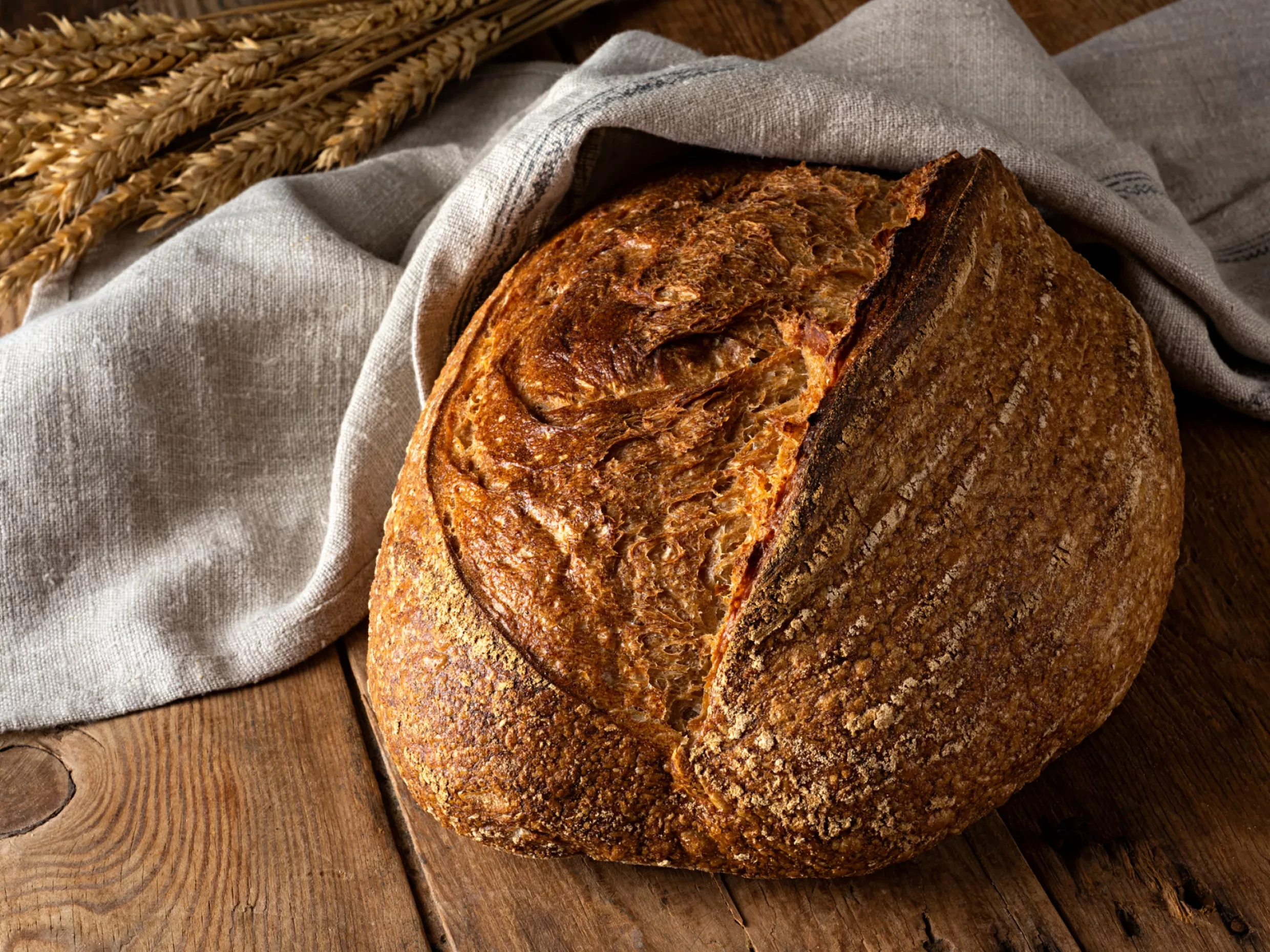
Baked daily all over Ireland, soda bread rises with baking soda instead of yeast. The result is a dense, crusty loaf with a hint of sweetness that’s perfect alongside stew to mop up all the unctuous gravy, or spread thick with Irish butter.
Shepherd's Pie
Layers of minced lamb cooked with onions and vegetables, topped with creamy mashed potatoes and baked until golden. Shepherd’s pie is a dish that captures the homely spirit at the heart of Irish cooking.
Bacon & Cabbage
A true taste of rural Ireland, this dish was once the centrepiece of feast‑day meals. Salt‑cured pork collar is simmered gently with cabbage and potatoes, then sliced and served with a creamy parsley sauce. In America, corned beef or brisket is substituted for bacon, but it’s no less delicious!
Keeping the Spirit of St. Patrick Alive
From ancient feasts to global festivities, St Patrick’s Day is a celebration of all things Ireland. Whether it’s a bowl of stew in a Dublin kitchen, or corned beef in New York, each dish brings with it that heart‑warming familiarity. In every loaf, every pint, and every shared meal, the taste and joy of St. Patrick’s Day and Ireland endures.
Sláinte!