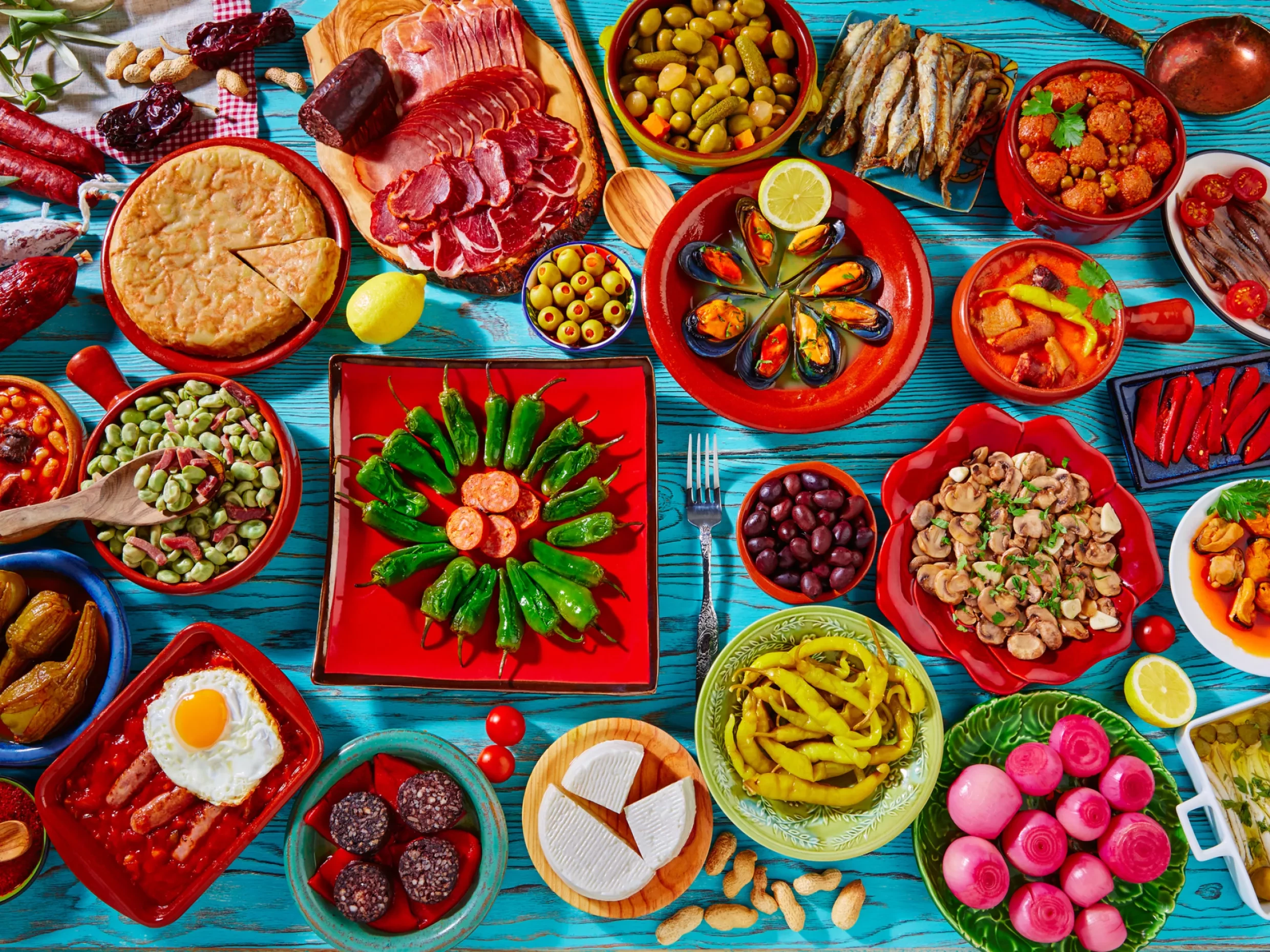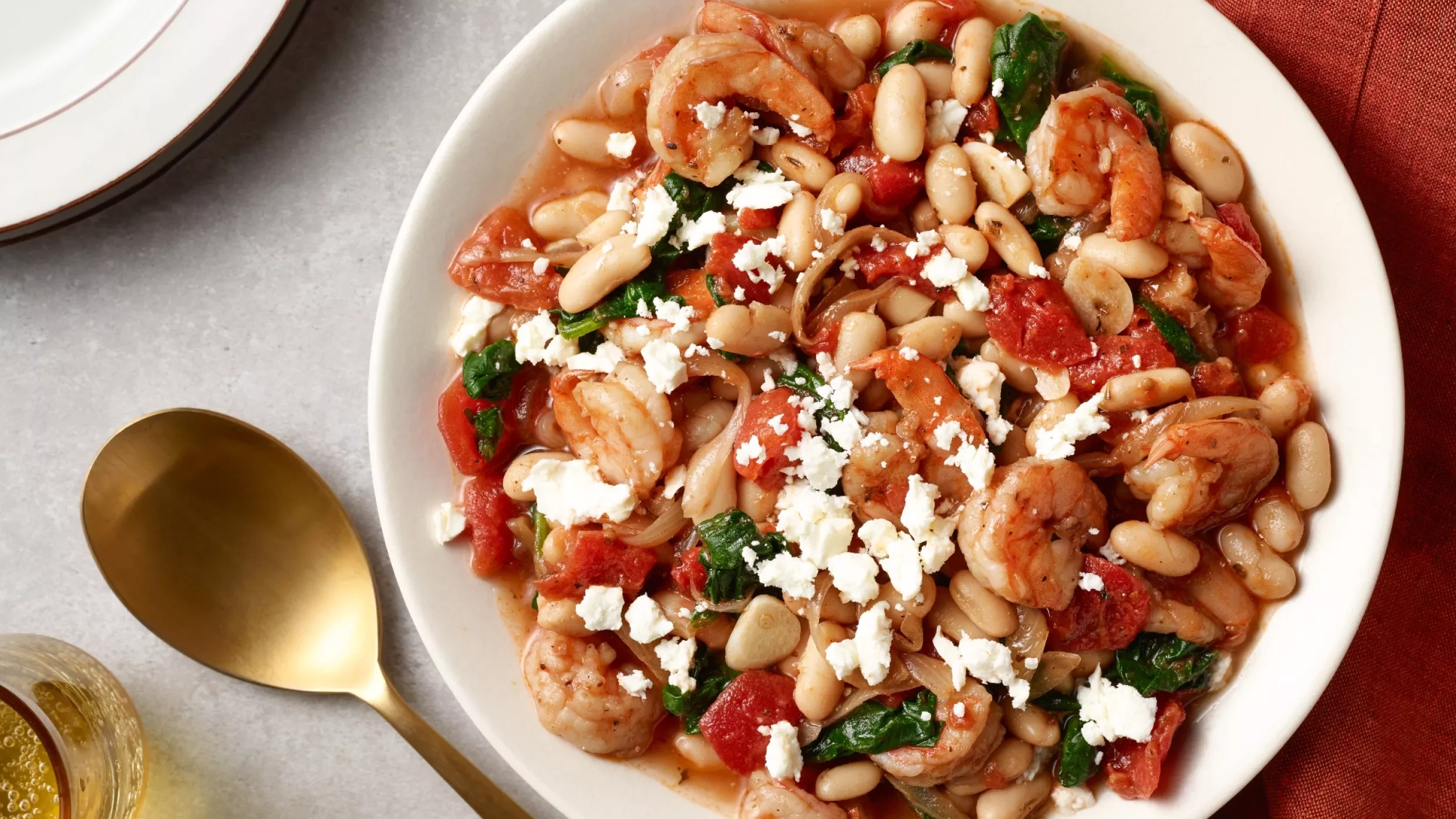
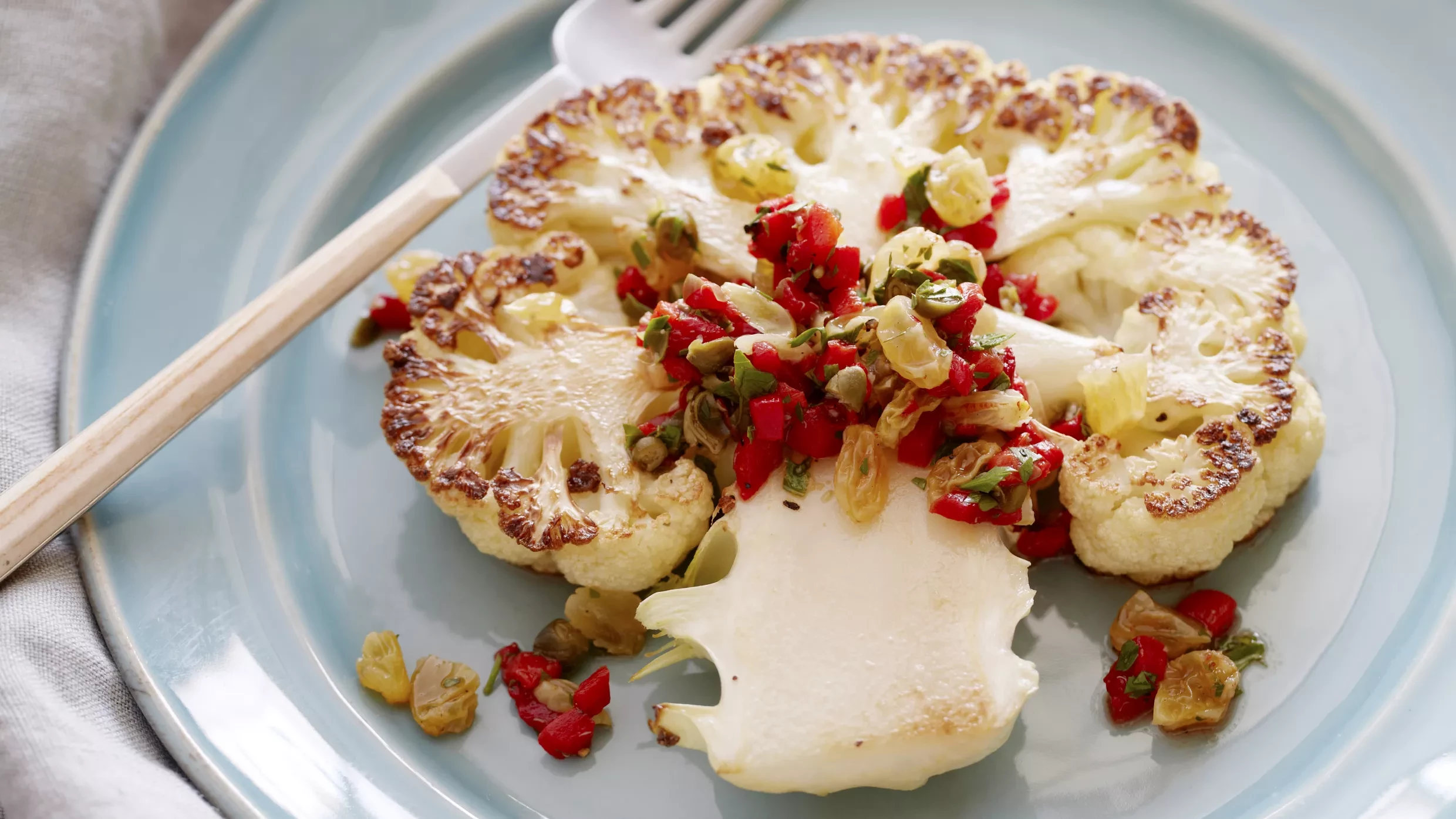
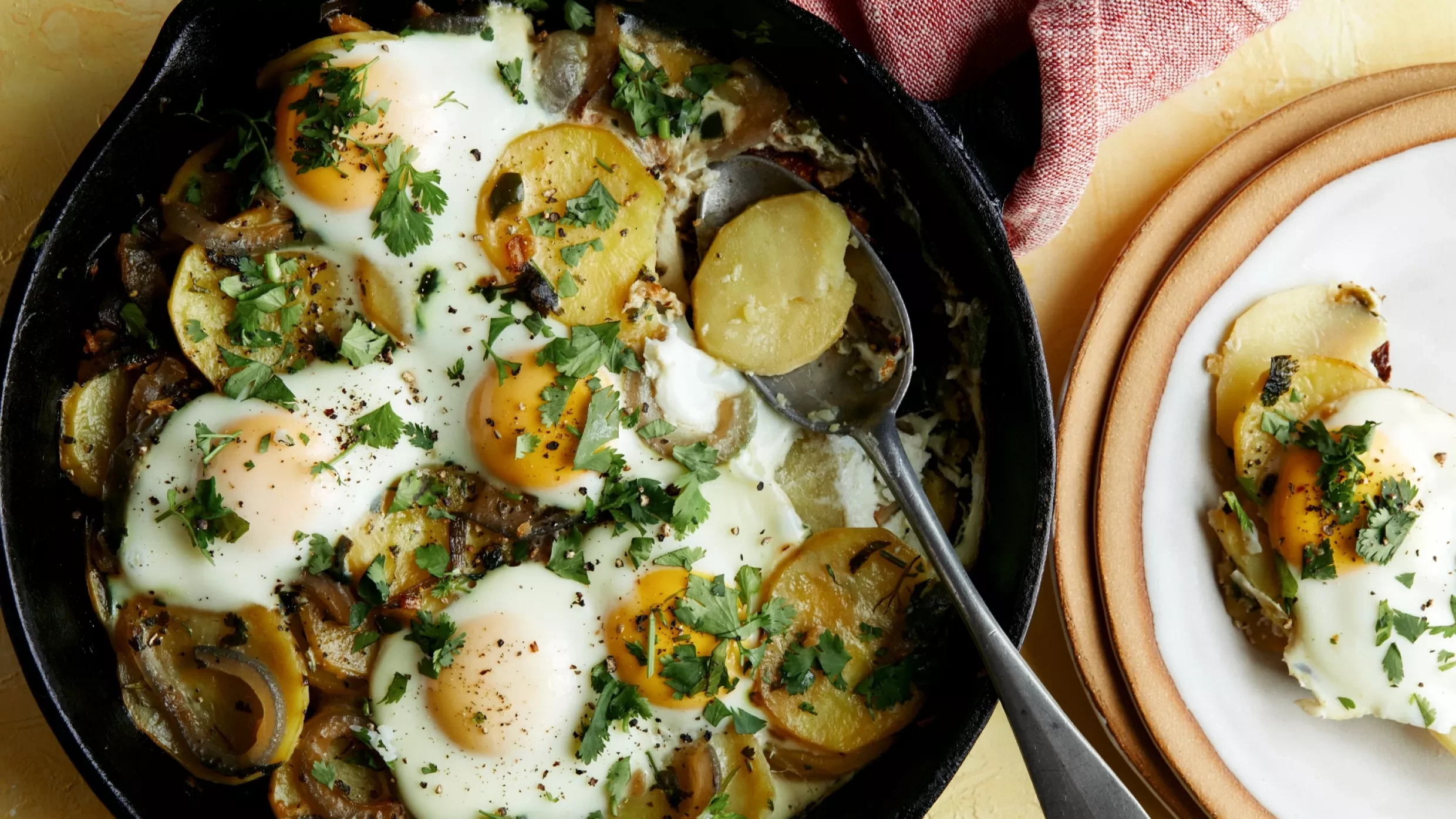


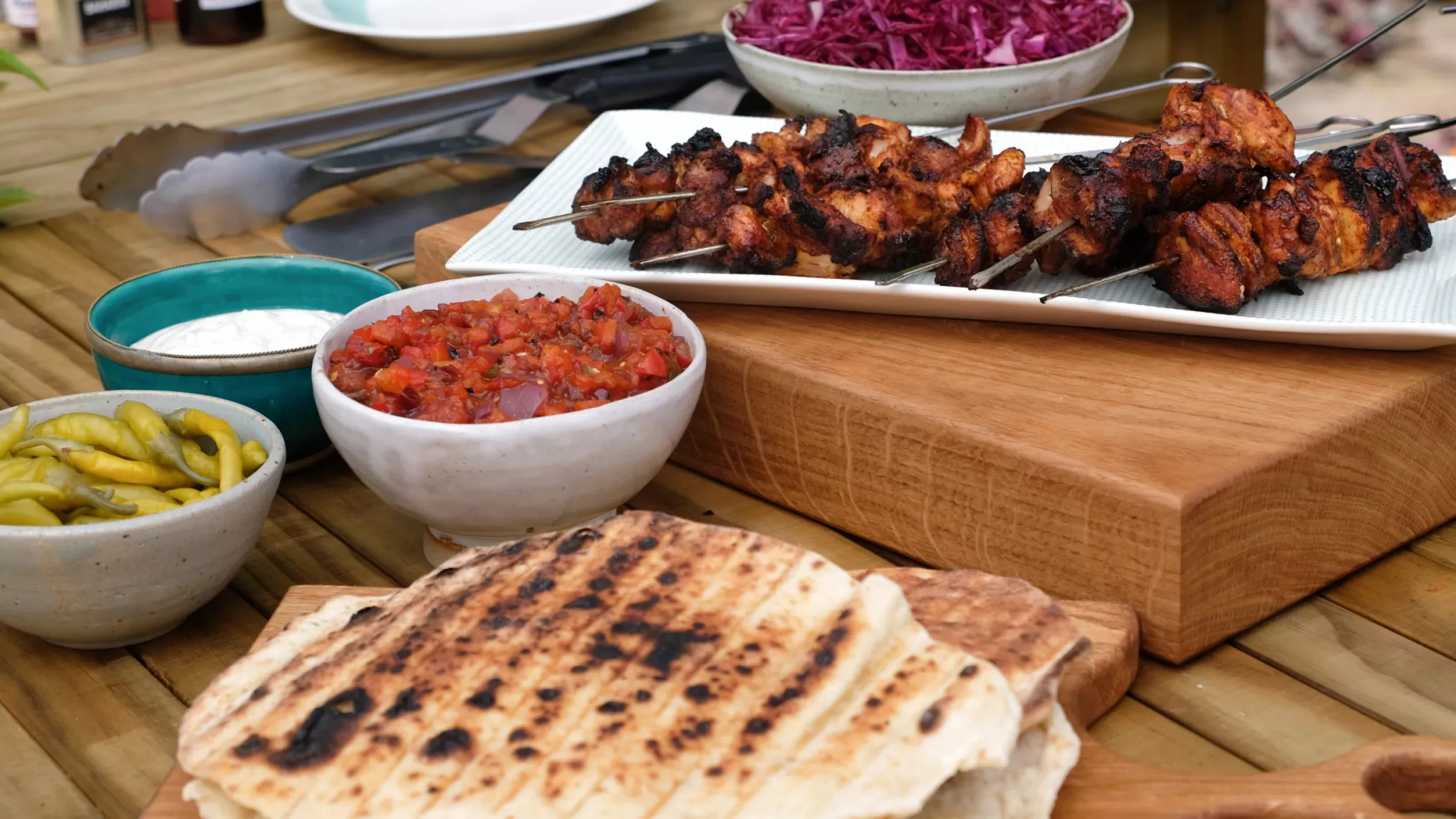
In Florence, the art of eating has always been entwined with the art of living. The same creativity that painted frescoes and carved marble also transformed humble bread, beans, and olive oil into a uniquely Italian expression of beauty and order. During the Renaissance, kitchens became laboratories of taste, and recipes were experiments in balance, restraint, and abundance.
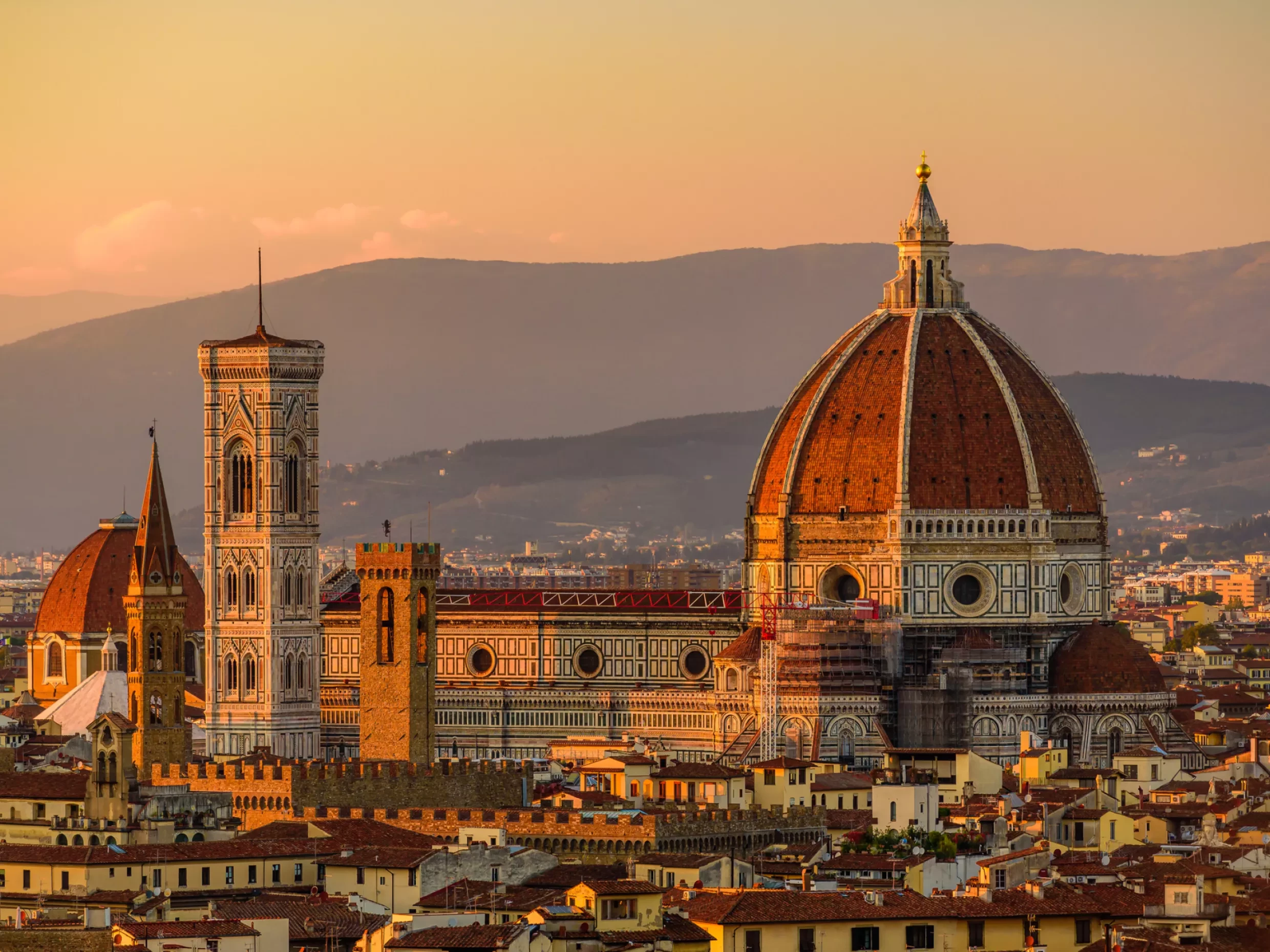
Florence: The City that Fed the Renaissance
Florence’s identity as the heart of the Italian Renaissance was built on far more than art and architecture. By the fourteenth century, wealth from banking and textiles had transformed it into one of Europe’s most powerful city-states. Prosperity flowed into its markets, funding not only the patronage of painters and sculptors but also the refinement of everyday life - including how people ate.
The city’s bustling trade brought spices, citrus, and grains from across the Mediterranean, while Tuscan farmers supplied its tables with olive oil, beans, herbs, and livestock. This mix of traded goods and local produce created a fertile setting for culinary innovation.
As guilds shaped craftsmanship and humanism redefined beauty at the hands of, amongst others, Leonardo da Vinci, Michelangelo, Botticelli, and Donatello - most supported by the all-powerful Medici family - Florentines began to treat food as nourishment and art form.
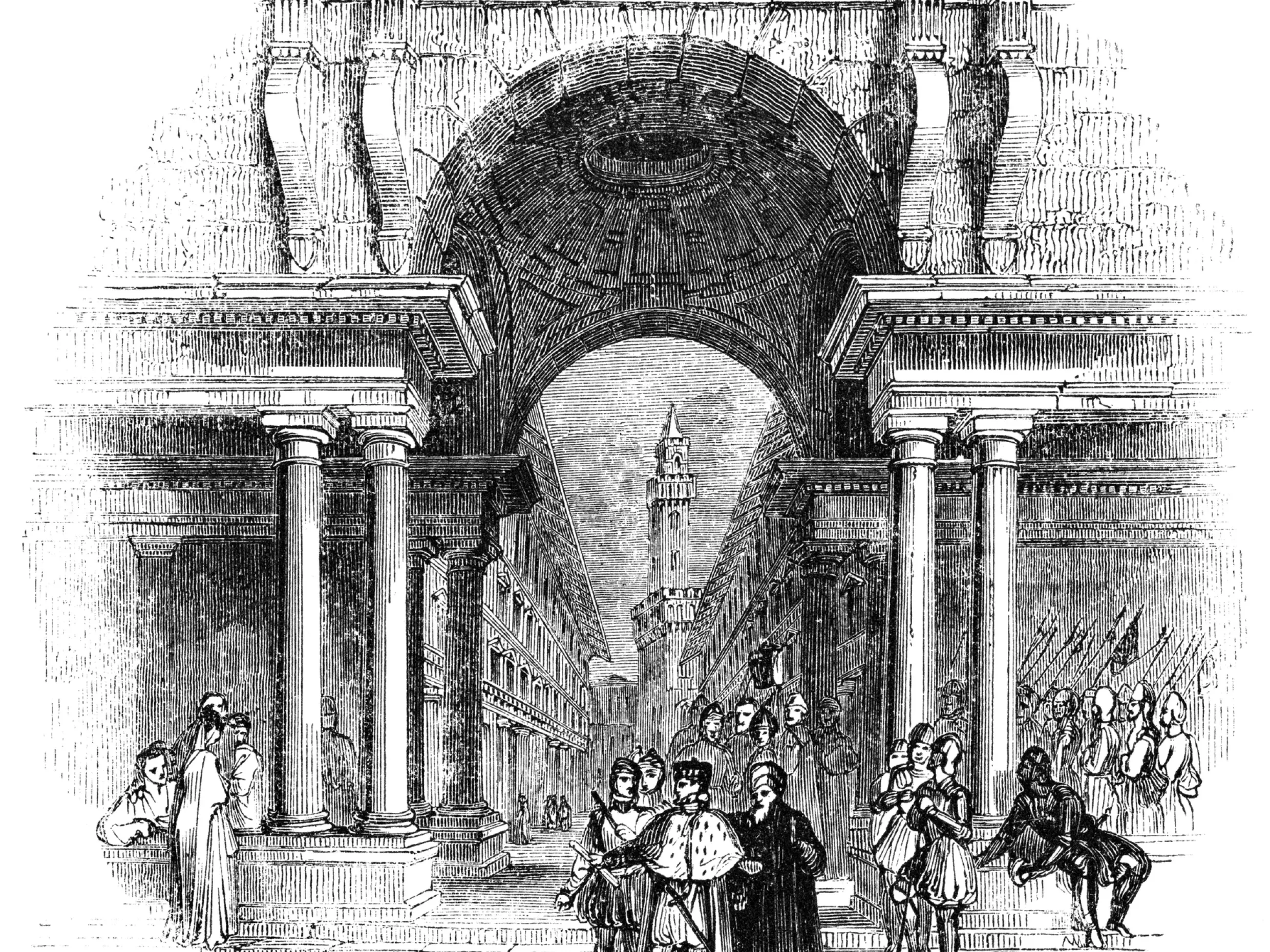
The Culinary Awakening: When Art Met Appetite
By the fifteenth century, Florence’s appetite for innovation reached its kitchens. The city’s elite turned dining into art, commissioning elaborate banquets which displayed wealth, power and grandeur. The Medici court played a central role, encouraging refined tastes and the exchange of culinary ideas across Europe. Cookbooks, written in Italian rather than Latin, began to appear in circulation, expanding cookery’s place as a field of legitimate study.
Ingredients such as sugar, pepper, and rice filtered into Florentine cuisine through trade with the East, while local crops - olives, grains, and hardy vegetables - stayed at the centre of daily life. Kitchens became spaces where cooks balanced these imported luxuries with Tuscan simplicity.
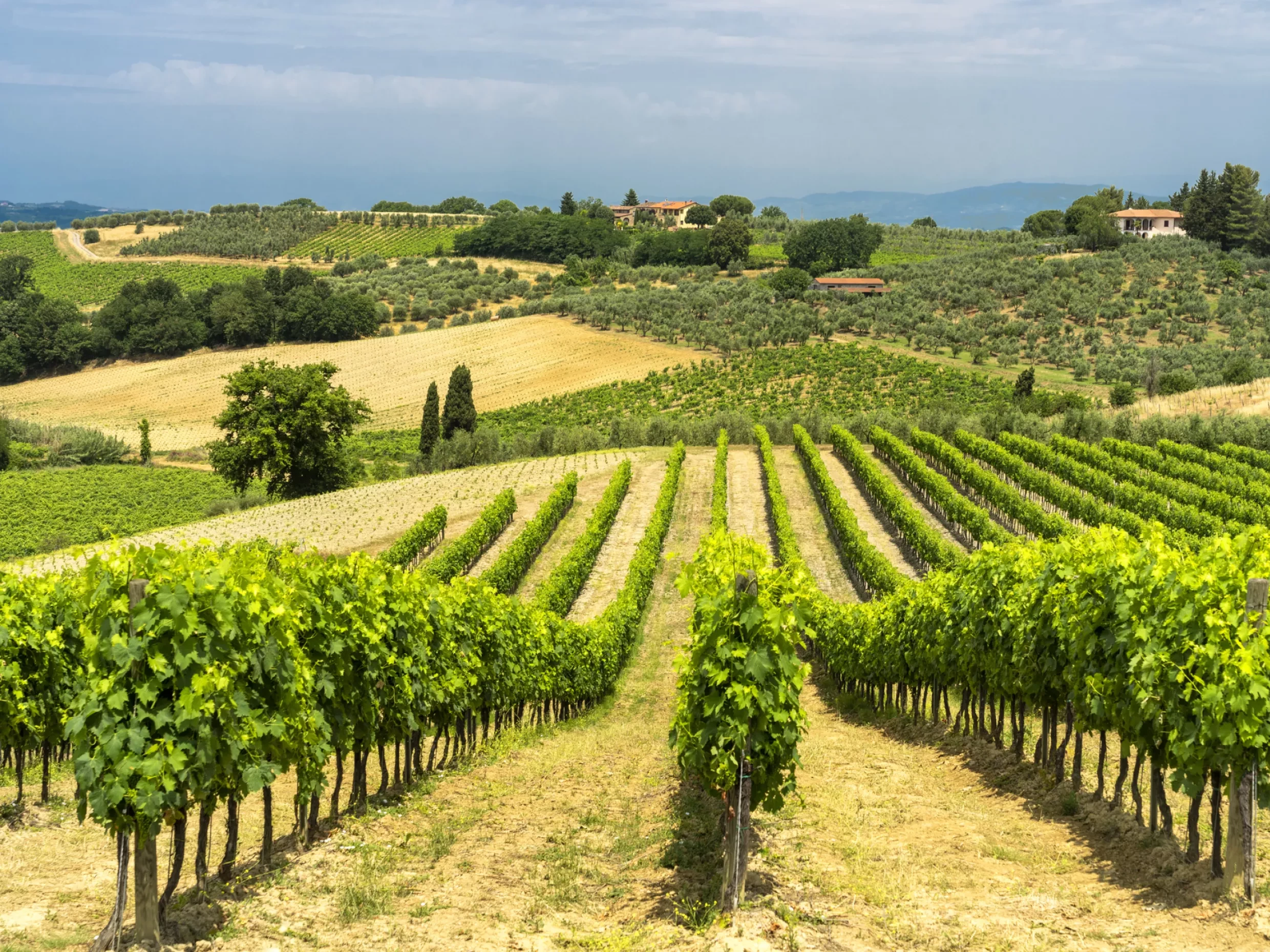
The Cradle of Western Cookery
Into the sixteenth century, Florence’s influence on Western cuisine spread far beyond its city walls. By the 1520s, Florentine cooks and their techniques had reached the courts of France and Spain, carrying with them a new standard of refinement that would reshape European dining.
When Catherine de’ Medici married the future King Henry II of France in 1533, she was said to have brought an entourage of chefs, pastry makers, and table customs from her native Florence. With them came dishes that would next expand the development of French cuisine, including spinach and herb tortes - similar to torta verde, almond-rich pastries descended from Tuscan marzipan traditions - and frozen desserts such as early forms of sorbetto made from snow, citrus, and sugar. Florentine cooks also popularised the use of artichokes, truffles, and sweet flavours paired with sour ingredients, as well as refined sugar work and custard-based desserts that would later evolve into staples of French patisserie. Even dining etiquette travelled with Catherine’s court: forks, already fashionable in Italy, began appearing at aristocratic French tables, along with the Florentine habit of presenting dishes in carefully ordered courses.
At home, writers and chefs such as Bartolomeo Scappi - the personal chef to Popes Pius IV and Pius V and generally regarded as the first ‘celebrity chef’ - began documenting the principles of good cooking. In his 1570 cookbook Opera dell’arte del cucinare, Scappi recorded hundreds of dishes prepared for the papal court. His kitchens produced elaborate roasts such as capons stuffed with herbs and cheese, young goat roasted with bitter orange, and peacock served with its feathers restored for theatrical presentation.
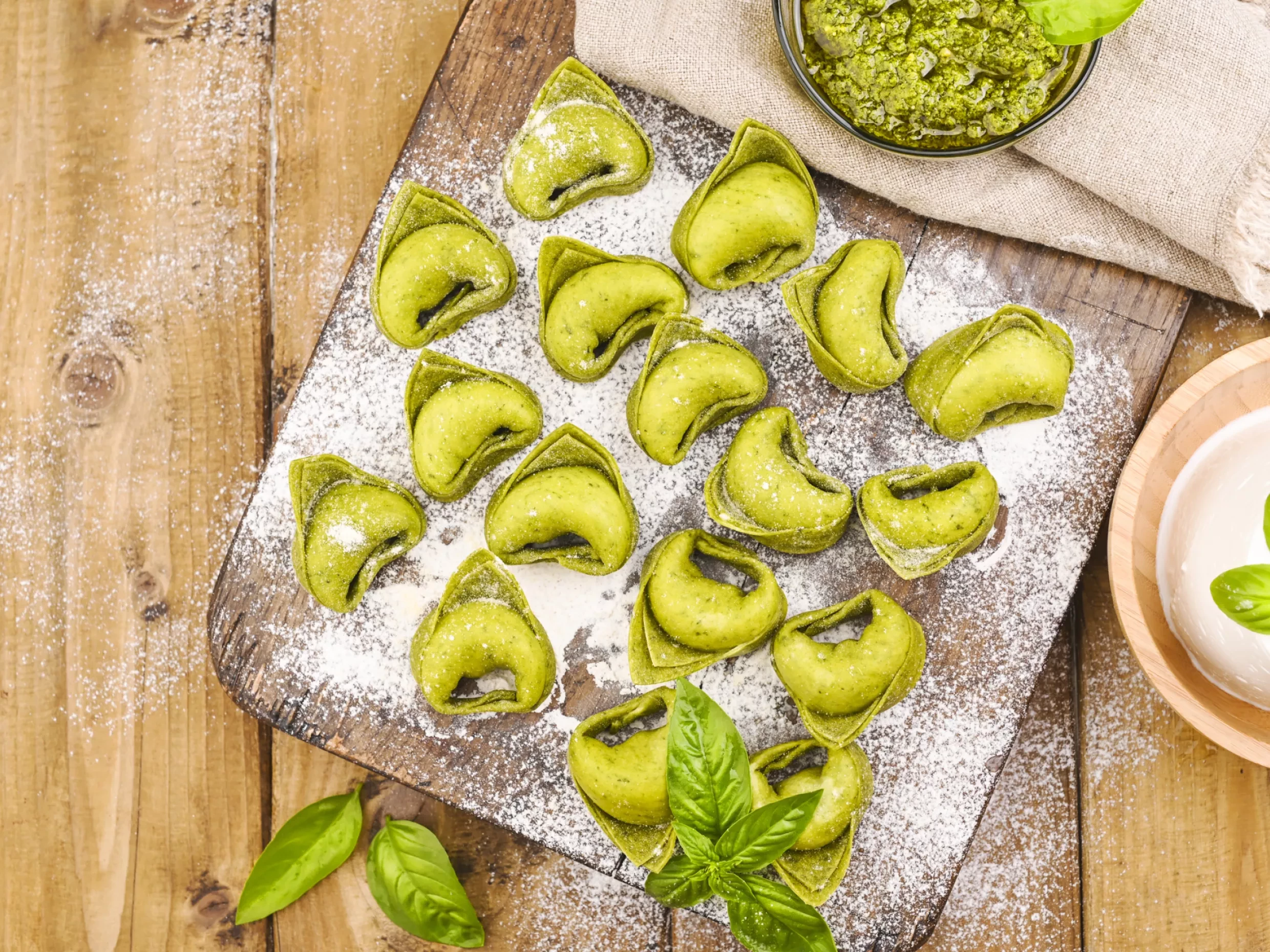
More refined dishes reflected the Renaissance fascination with balance and colour, such as tortelli filled with greens and fresh ricotta, almond-thickened sauces for fish during fasting days, and delicate egg-and-cheese preparations similar to early frittatas. Papal banquets might include platters of freshwater fish with saffron sauce, sweet-and-sour pigeon, marzipan sculptures, and custard pies scented with rosewater. Through recipes like these, Scappi set down not only what Renaissance elites ate, but also how food should be structured into courses, how flavours should balance richness with acidity and sweetness, and how presentation could transform a meal into spectacle.
Rules of the Table: Eating the Florentine Way
In more modern times, the Florentine approach to food continued to follow an established set of rules. Dishes were served in a deliberate sequence - antipasto of cured meats or crostini, a primo of pasta or soup, followed by a secondo of meat or fish, a contorno which would usually be a side of vegetables or a salad, and the meal ended with a sweet dessert, coffee (only espresso, and never cappuccino or latte as milk is associated with breakfast) and a digestivo of something like grappa or amaro.
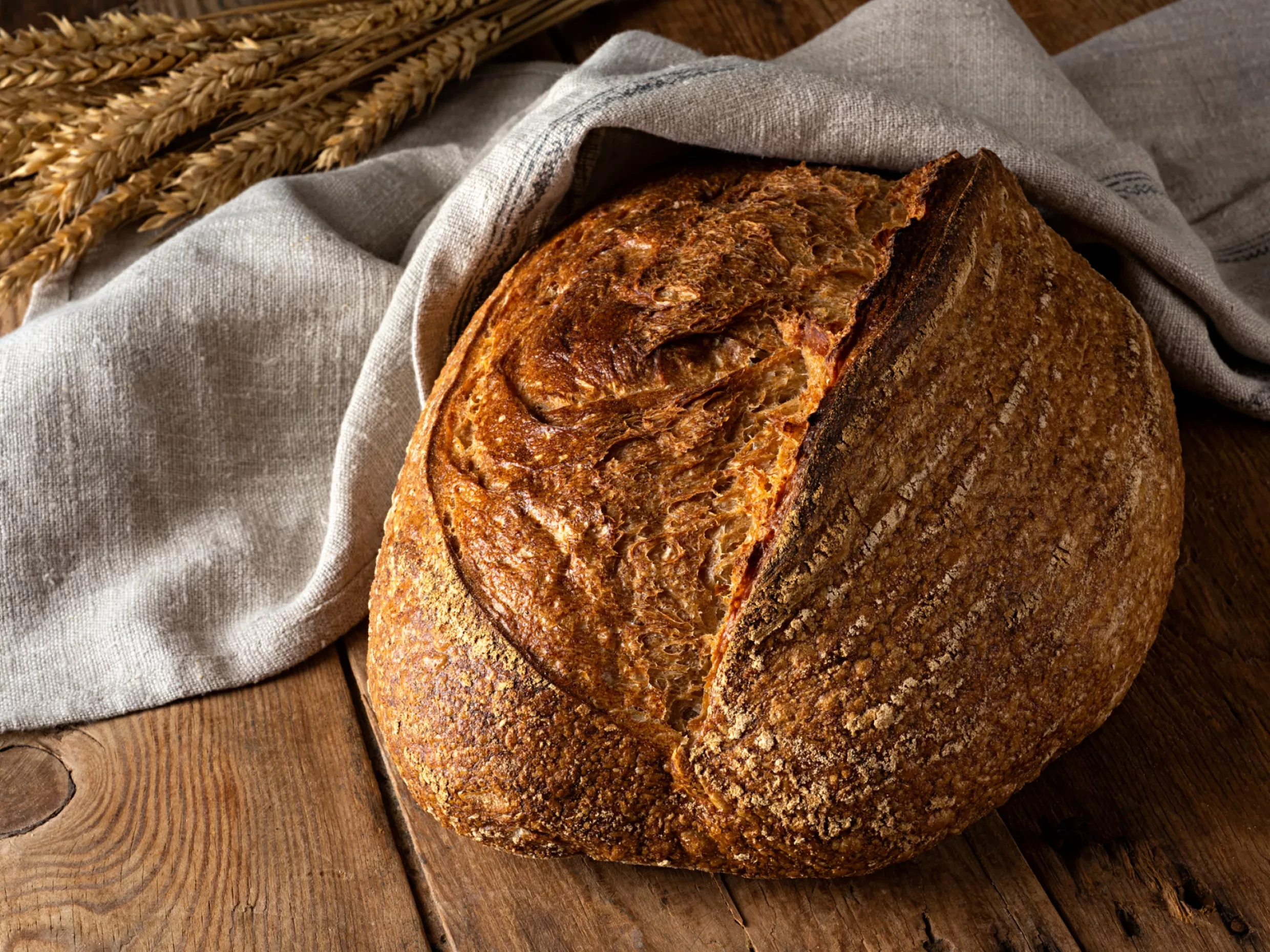
Even today, the rules are followed quite closely. Bread is generally eaten without butter, cheese almost never accompanies seafood, you won’t see chicken paired with pasta, nor pineapple on pizza, and wine is chosen to complement, not dominate.
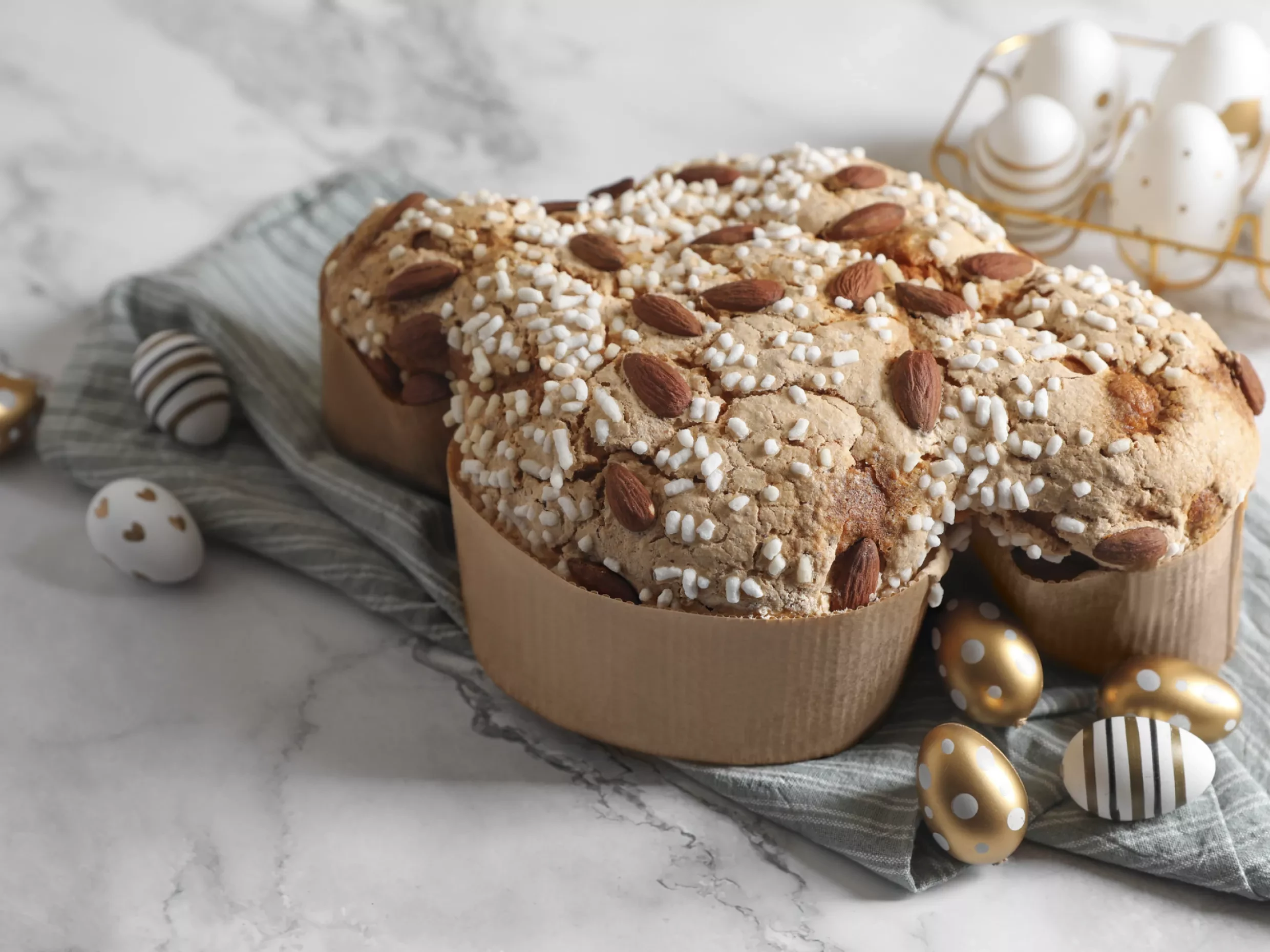
Certain foods tend to only appear at particular times of year, while the city’s chefs and home cooks alike build menus from the local countryside - robust soups in colder months, vegetables and grilled meats when it gets warmer. Even the bakery windows tell the time of year, their displays moving from Easter’s colomba, a dove-shaped sweet yeast bread, to September’s grape-studded schiacciata all’uva, a Tuscan sweet focaccia.
Florence’s Signature Dishes
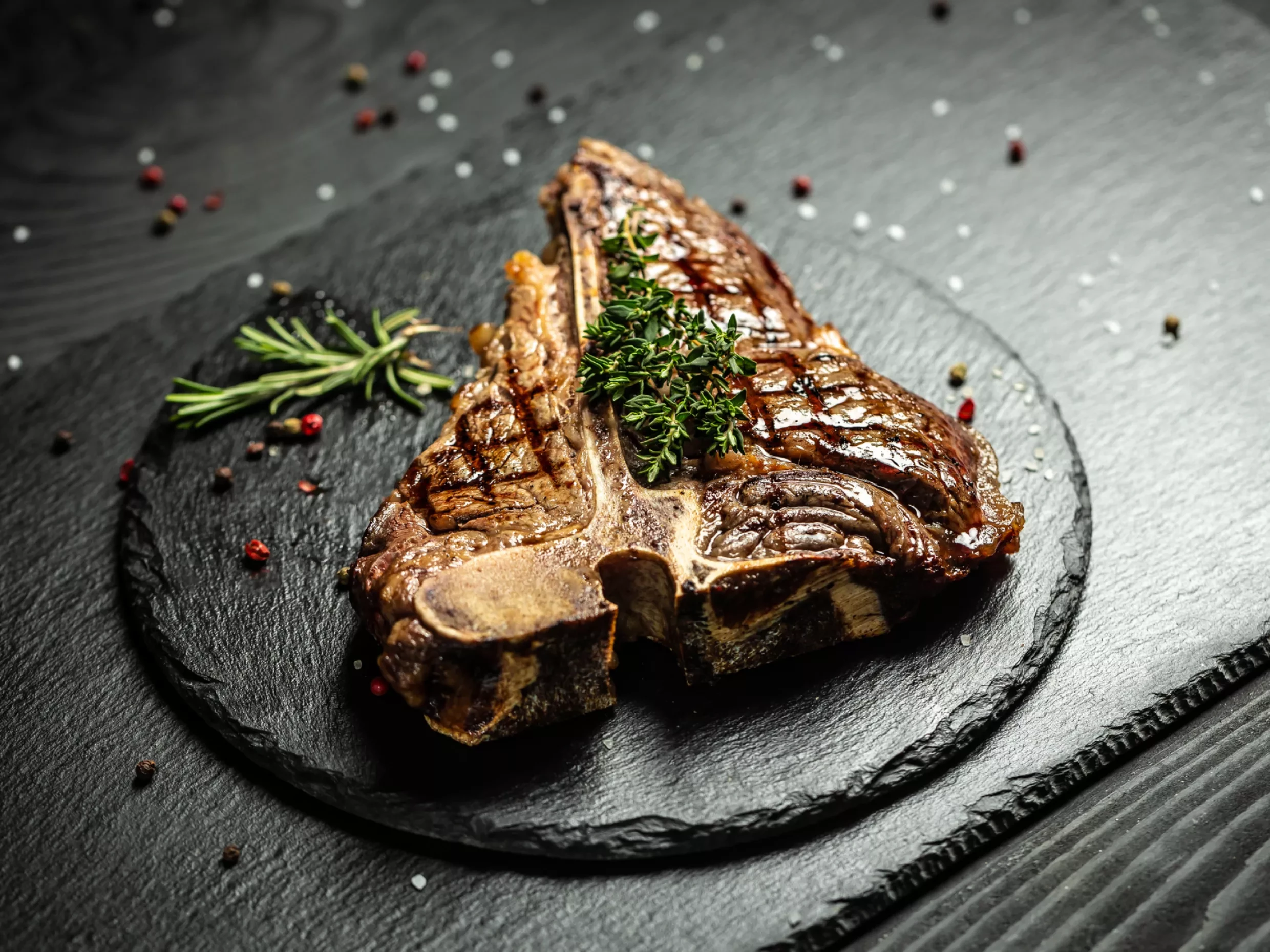
Traditional Florentine cuisine today is built on dishes that express simplicity and quality ingredients. At the head of the table stands bistecca alla Fiorentina, a thick (some say at least three or four fingers) T-bone steak traditionally, although not always, from the native Chianina cattle. It should be hung for between 15 and 21 days and cooked quickly (from room temperature, never straight from the fridge) over charcoal and served rare, or al sangue. No sauces, and no seasoning beyond olive oil and salt.
Equally central is ribollita, the hearty bread-and-vegetable soup that evolved from reheating yesterday’s minestrone. Its name, which translates as “reboiled”, captures the Tuscan instinct to waste nothing.
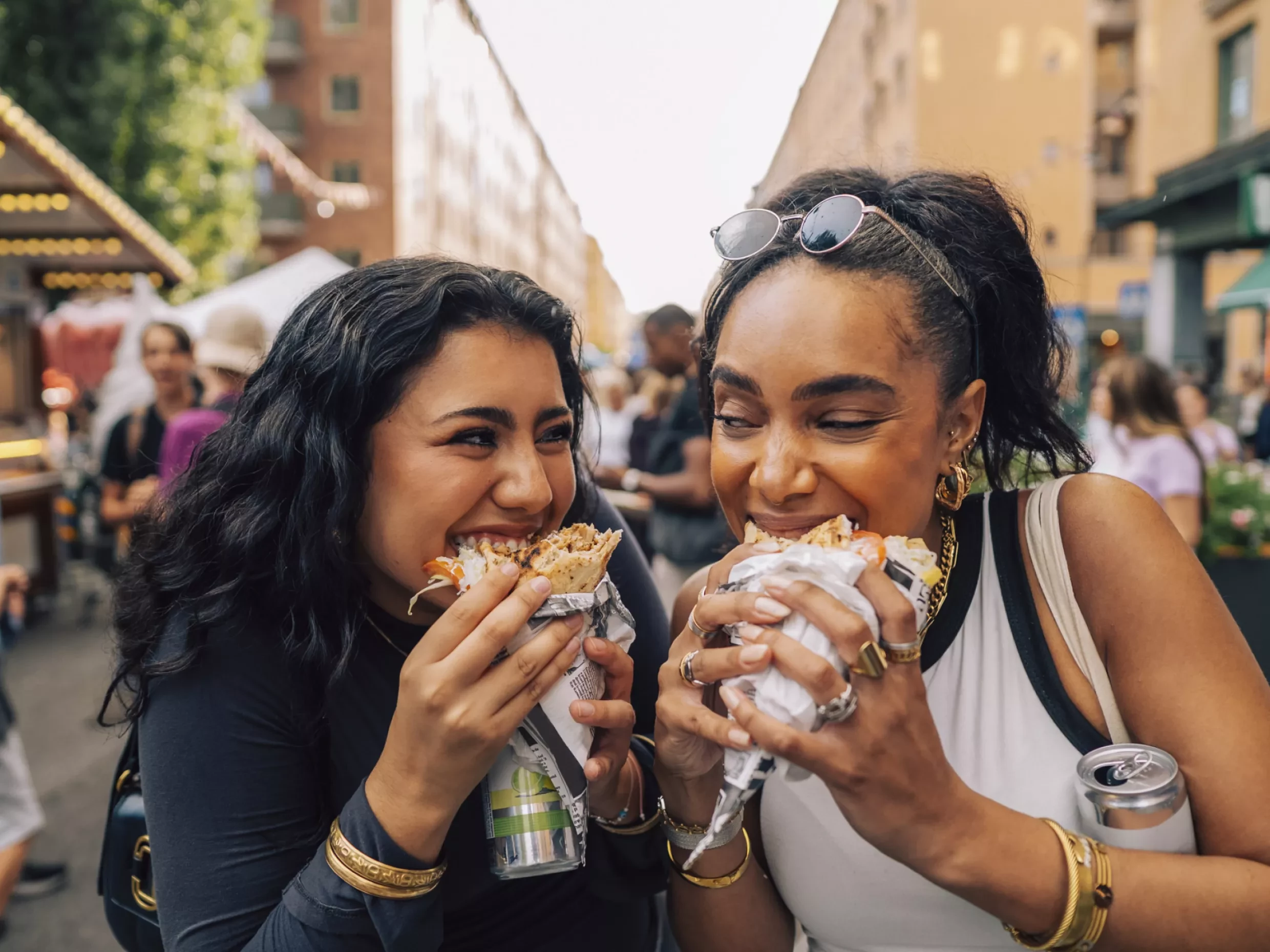
More humble still is lampredotto, a slow-cooked tripe sandwich born from the city’s street stalls, once the food of labourers and now a symbol of local pride. It’s often served with a type of salsa verde and a hot chilli oil. Sweet traditions are no less rooted. Cantucci biscuits dipped in vin santo are the swansong to many Florentine meals, just as they did centuries ago.
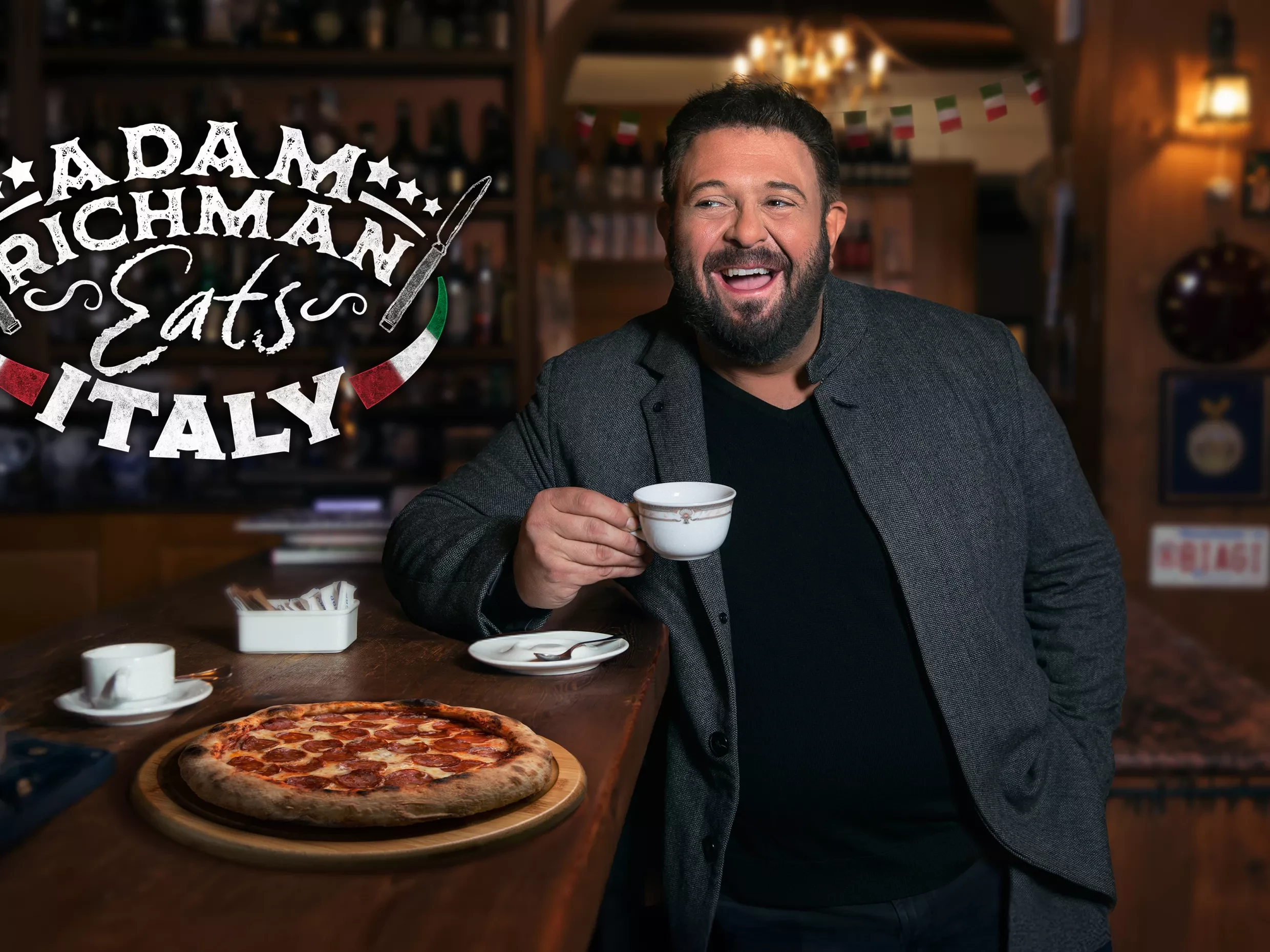
Watch Adam Richman Eats Italy On Discovery+
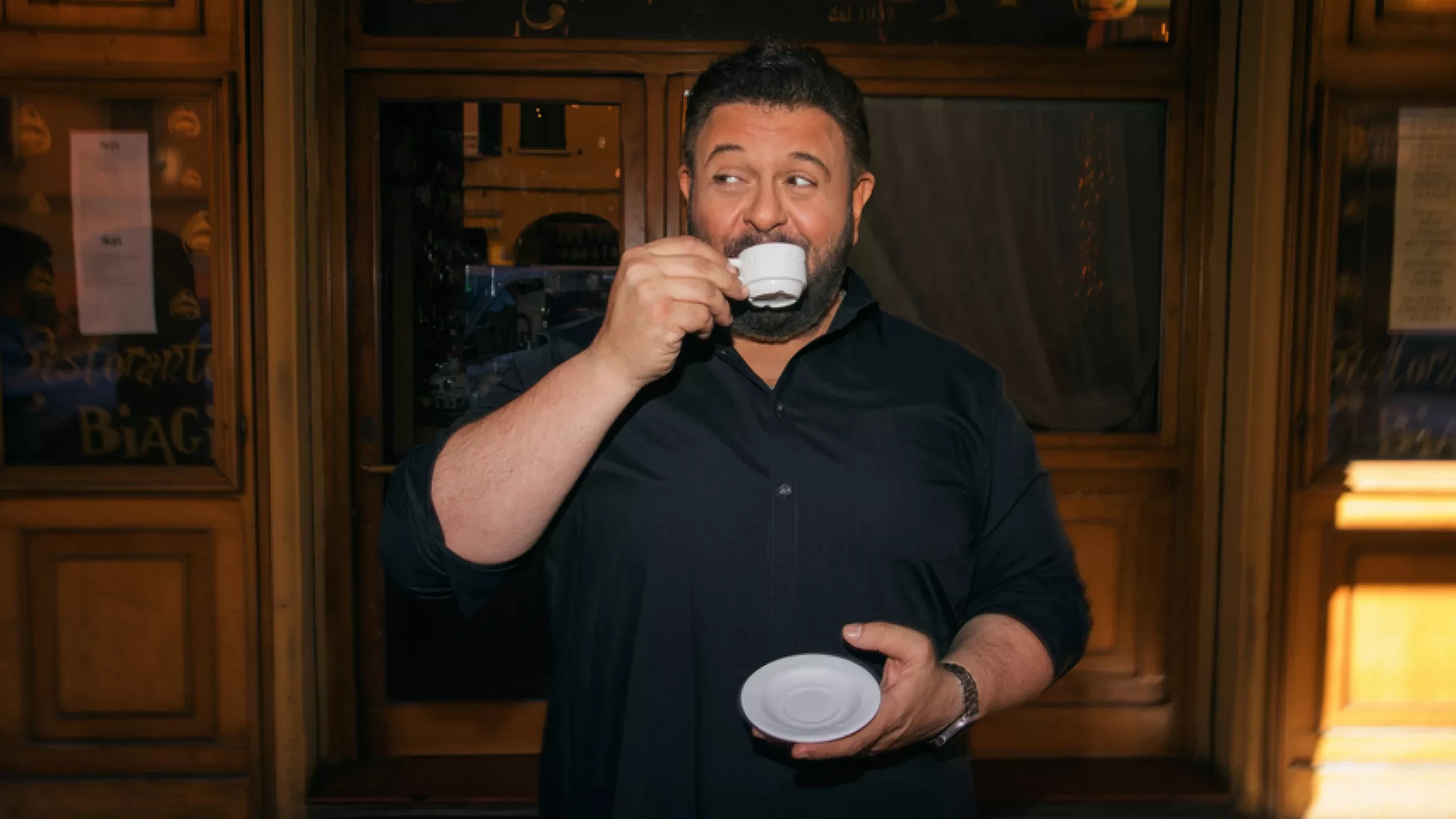
Man vs Food legend Adam Richman’s new show on Discovery+ uses the map as a menu as he embraces Italy’s remarkable relationship with food. In episode one, Adam is in Florence to taste the most iconic foods named after this stunning city. He's tasting La Bistecca alla Fiorentina - beef Florentine style, as well as local street food Lampredotto alla Fiorentina, a traditional tripe sandwich with salsa verde and chilli sauce.
Watch Adam Richman Eats Italy on discovery+ today!
You can also read an interview with Adam as he discusses his culinary journey through Italy here.