

Some recipes vanish through the cracks of changing tastes and long-lost traditions, others leave behind breadcrumbs in ancient cookbooks and faded kitchen lore, but there’s a long list of forgotten dishes that are ripe for a comeback! What are they, where are they from, and why did they disappear from our kitchens? It’s time to bring these forgotten dishes back to the table before they’re gone for good!
A Menu of Mouthwatering Memories
Every era leaves its mark on the table, from medieval kitchens steeped in spice and ceremony to the resourceful ingenuity of wartime rationing. Sometimes though, even the most iconic dishes fade, evolve beyond recognition or disappear entirely. Once common ingredients can slip from everyday use, while recipes linked to specific places or moments in history have quietly fallen out of fashion.
But food history is never truly lost! Across Britain and beyond, there’s a growing appetite for the revival of heritage foods, traditional techniques, and long-forgotten dishes. From the practicality of medieval frumenty to the theatrical indulgence of Sussex Pond pudding, these dishes may just be making a comeback. Here’s a second helping of history’s leftovers…
Frumenty
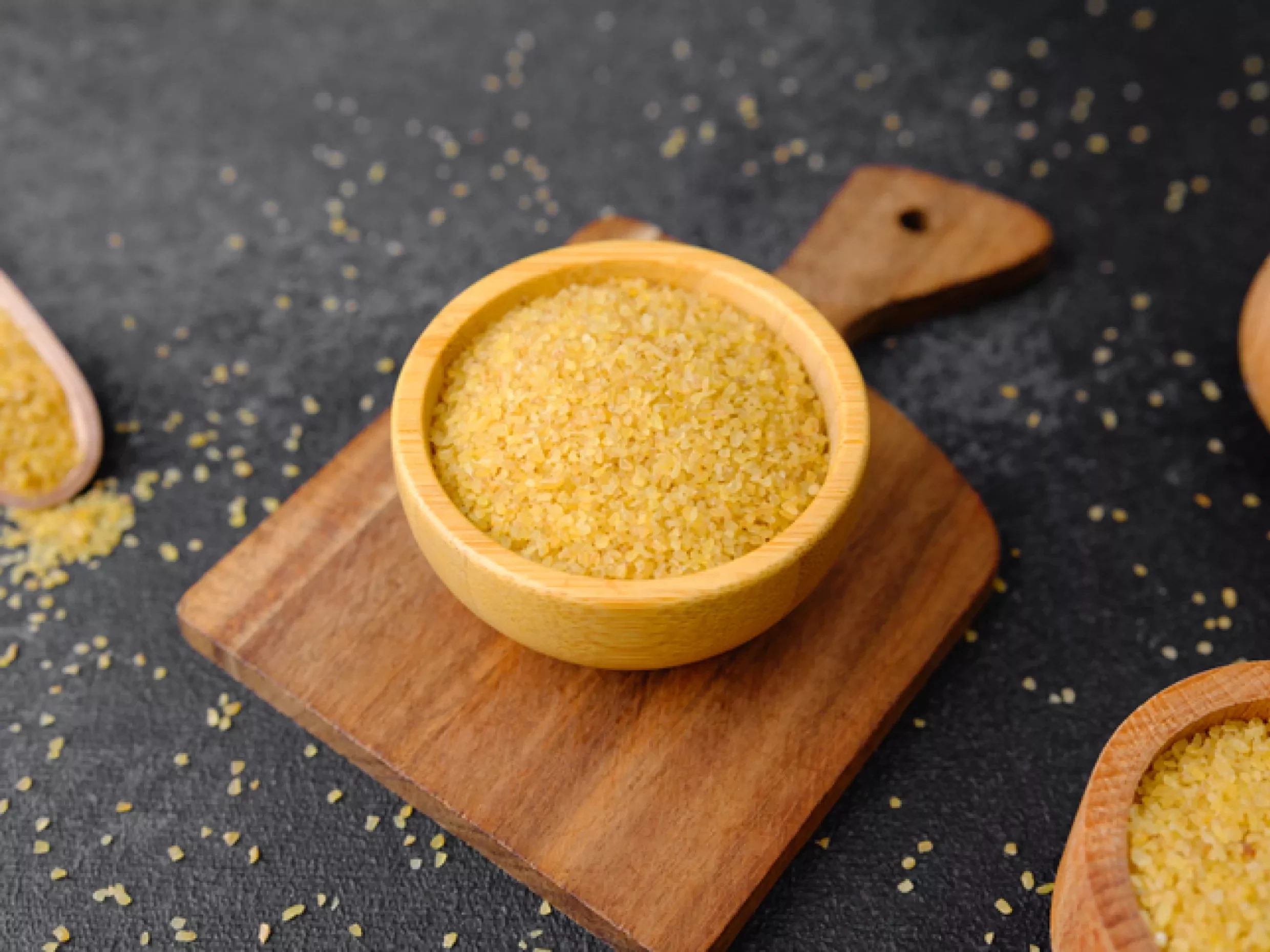
Frumenty was a medieval grain porridge made from cracked wheat, cooked in milk or broth and often enriched with eggs, saffron, and sometimes sugar or almonds. It was popular across Britain and western Europe from the Middle Ages through to at least the late nineteenth century, especially as a hearty everyday food and a traditional dish for feasts like Christmas and Mothering Sunday.
Frumenty’s popularity faded as eating habits changed. Wheat processing became more refined, and lighter, faster breakfasts took over. Its name comes from the Latin frumentum, meaning ‘grain,’ a clue to just how fundamental it once was to the medieval diet.
Panackelty
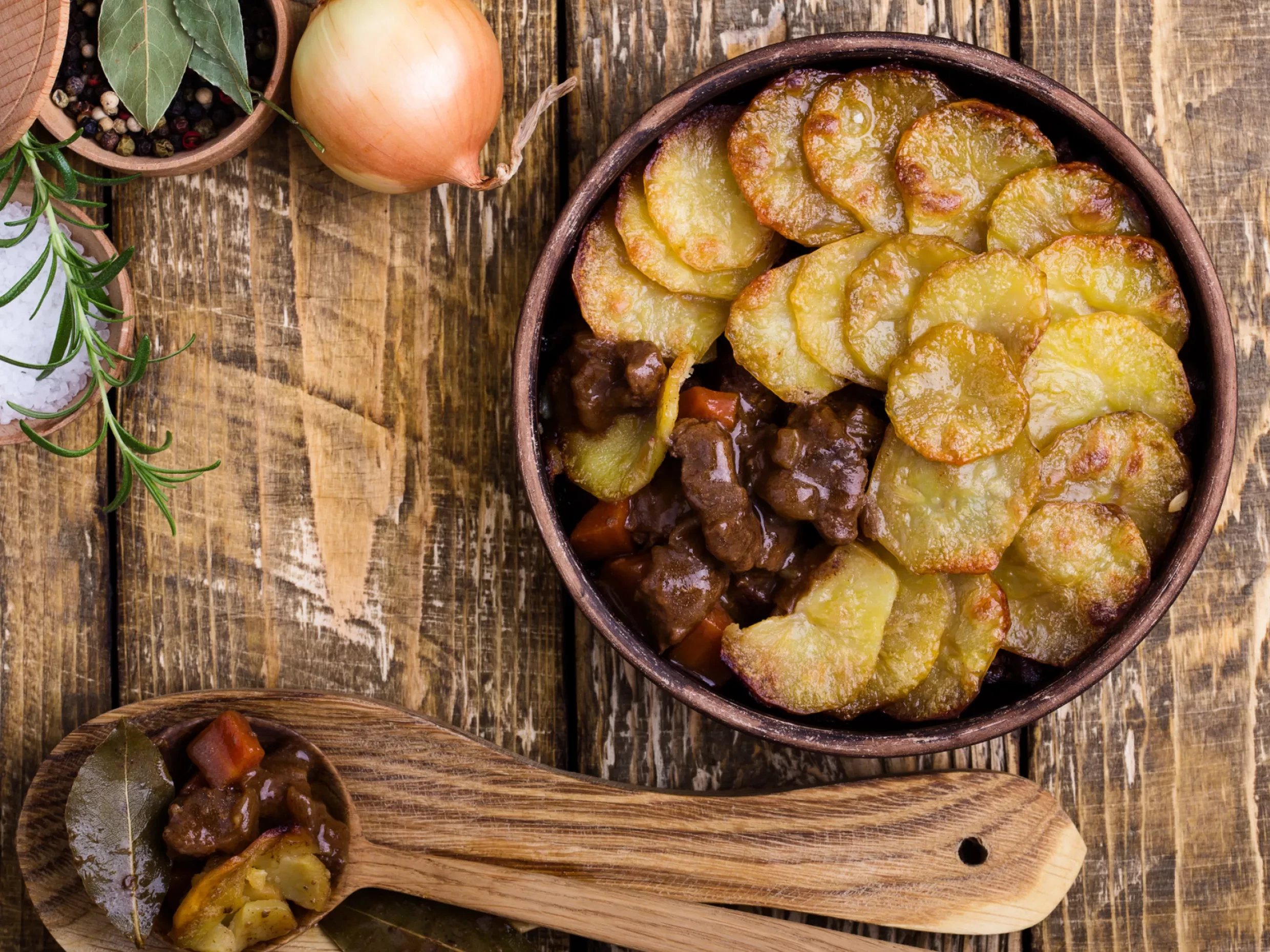
Panackelty is a hearty baked casserole, usually made with layers of sliced potatoes, onions, and corned beef, though bacon, sausages, lamb, or other leftovers appeared in regional versions. It’s broadly similar to a Lancashire Hotpot but panackelty has close ties to counties in the North East, including Tyne & Wear, County Durham, and Northumberland. It became especially useful as a thrifty, filling dish for working families and wartime kitchens.
It never really vanished so much as drifted into the category of regional comfort food, overshadowed by more widely known British bakes. Its name has many spellings - panackelty, panacalty, panaculty, panackerty, and more - which hints at a strongly local, spoken tradition rather than a fixed written recipe. A version made around the Humber Estuary is known as pan aggie and is made from layers of bacon, corned beef and onions topped with mashed or sliced potatoes, and pan haggerty, which is Northumberland’s version, is made from potatoes, onions and cheese.
Carrageen Pudding
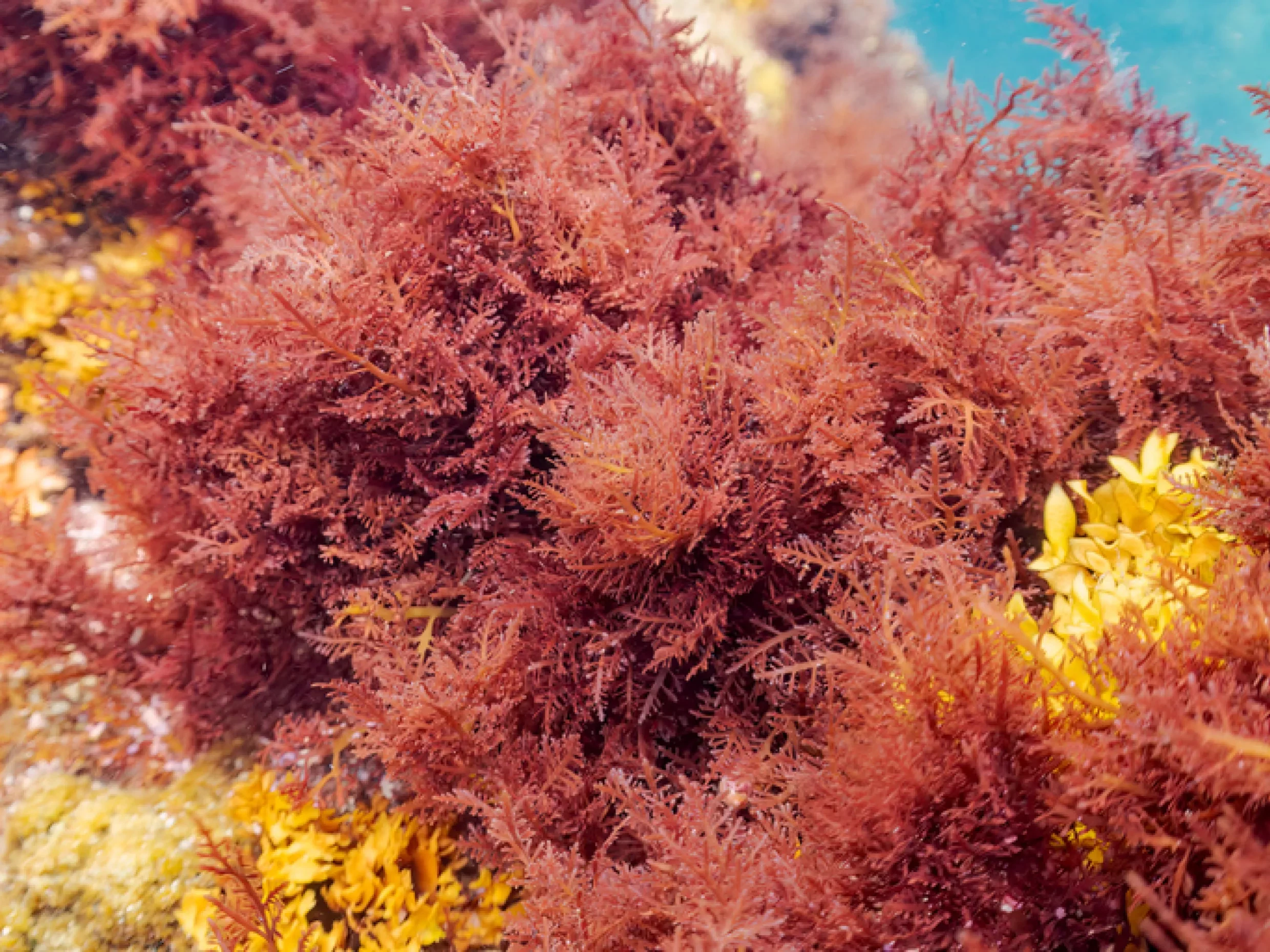
Carrageen pudding is a traditional set pudding made with carrageen moss, a type of edible algae that thickens milk into a silky, custard-like dessert. It’s usually flavoured with sugar, vanilla, and sometimes citrus or cream (and on occasion, whisky), and was associated with nineteenth century home cooking in coastal areas of Scotland (particularly the Outer Hebrides) and Ireland’s west coast.
Its popularity declined as packaged desserts and gelatin-based puddings became more common. Its name comes from carrageen, meaning ‘little rock,’ referring to the seaweed’s rocky coastal origins, and it has recently benefited from a renewed interest in traditional, naturally thickened food.
Bedfordshire Clanger
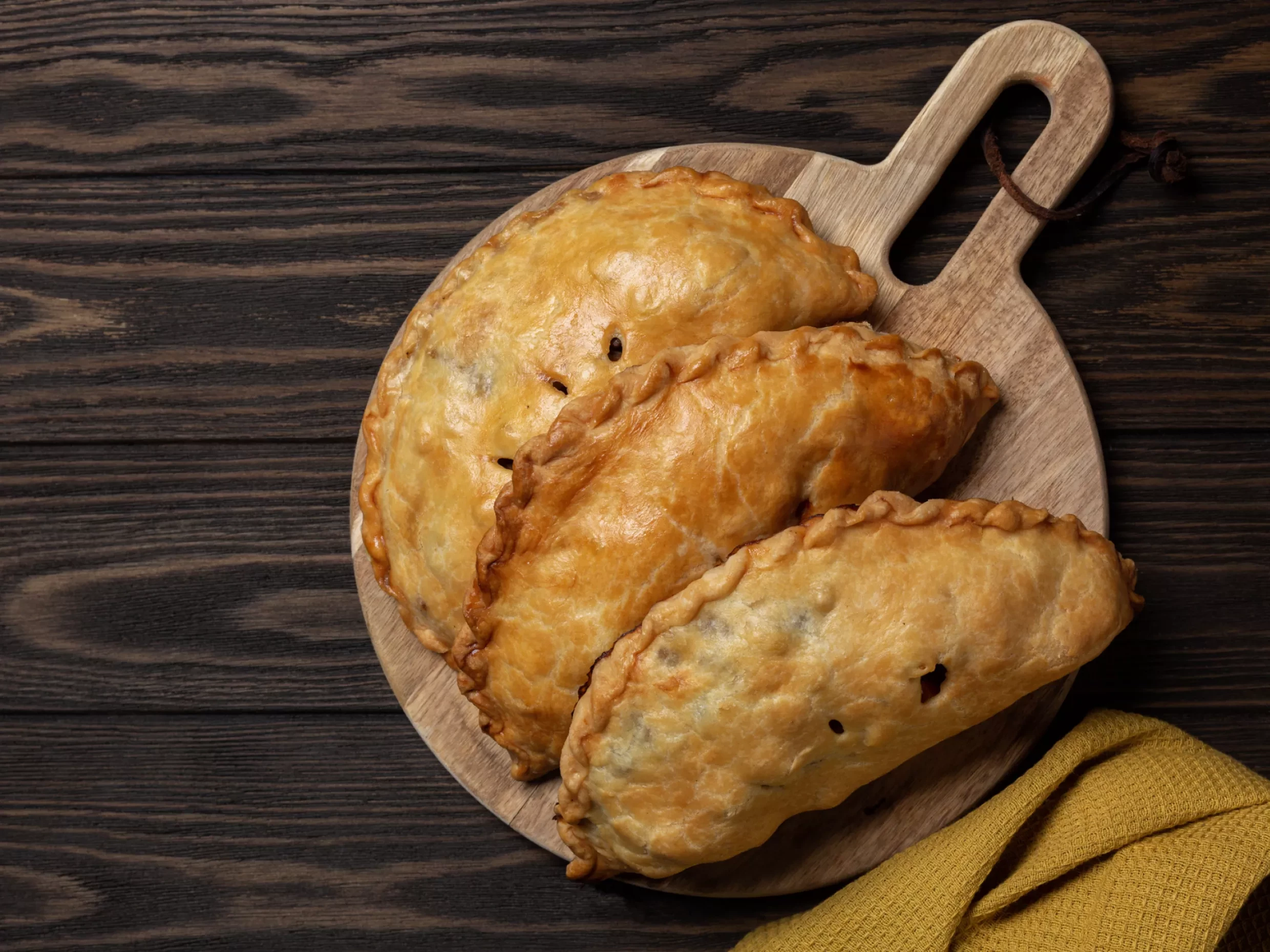
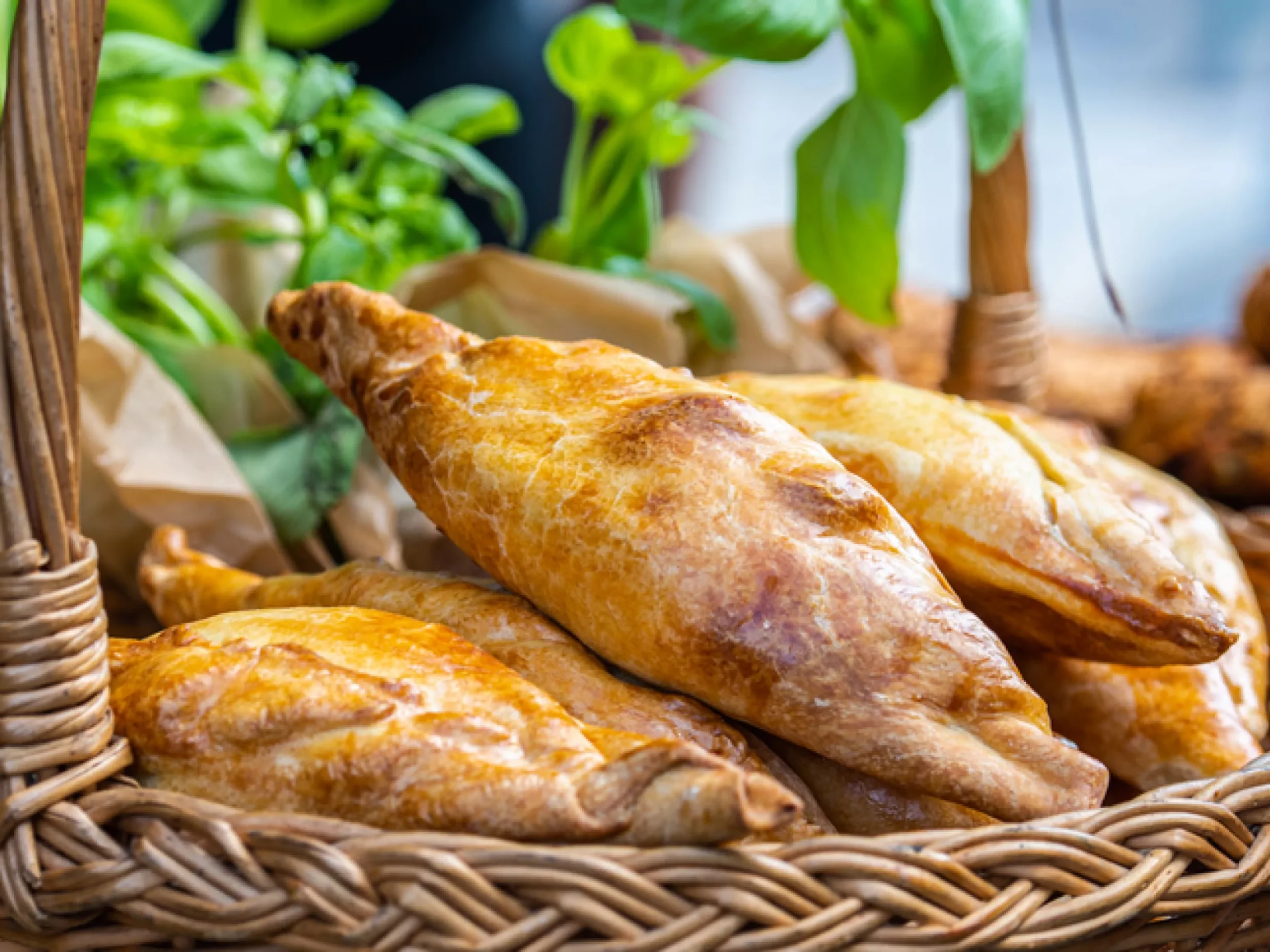
Bedfordshire clangers are a suet-crust pastry, traditionally boiled in a cloth, from Bedfordshire (and the surrounding counties of Cambridgeshire, Hertfordshire and Buckinghamshire). They were usually filled with a savoury mixture, with some also expanding this so it was savoury at one end and a sweet filling at the other. The savoury mix often used leftovers such as meat, potatoes, onions, or bacon, while the sweet end might contain jam or stewed fruit. To distinguish the two sides, some bakers would put two knife slits in the savoury end and three in the sweet end.
They date back to at least the nineteenth century and were once a practical field lunch for farm workers, but they largely faded as packed lunches and bakery habits changed. Of course the question on everyone’s lips is - why are they called ‘clangers’? It seems the dialect word ‘clung’ meant ‘heavy, or close-textured food’ and they were once referred to as ‘clung dumplings!’
Saloop
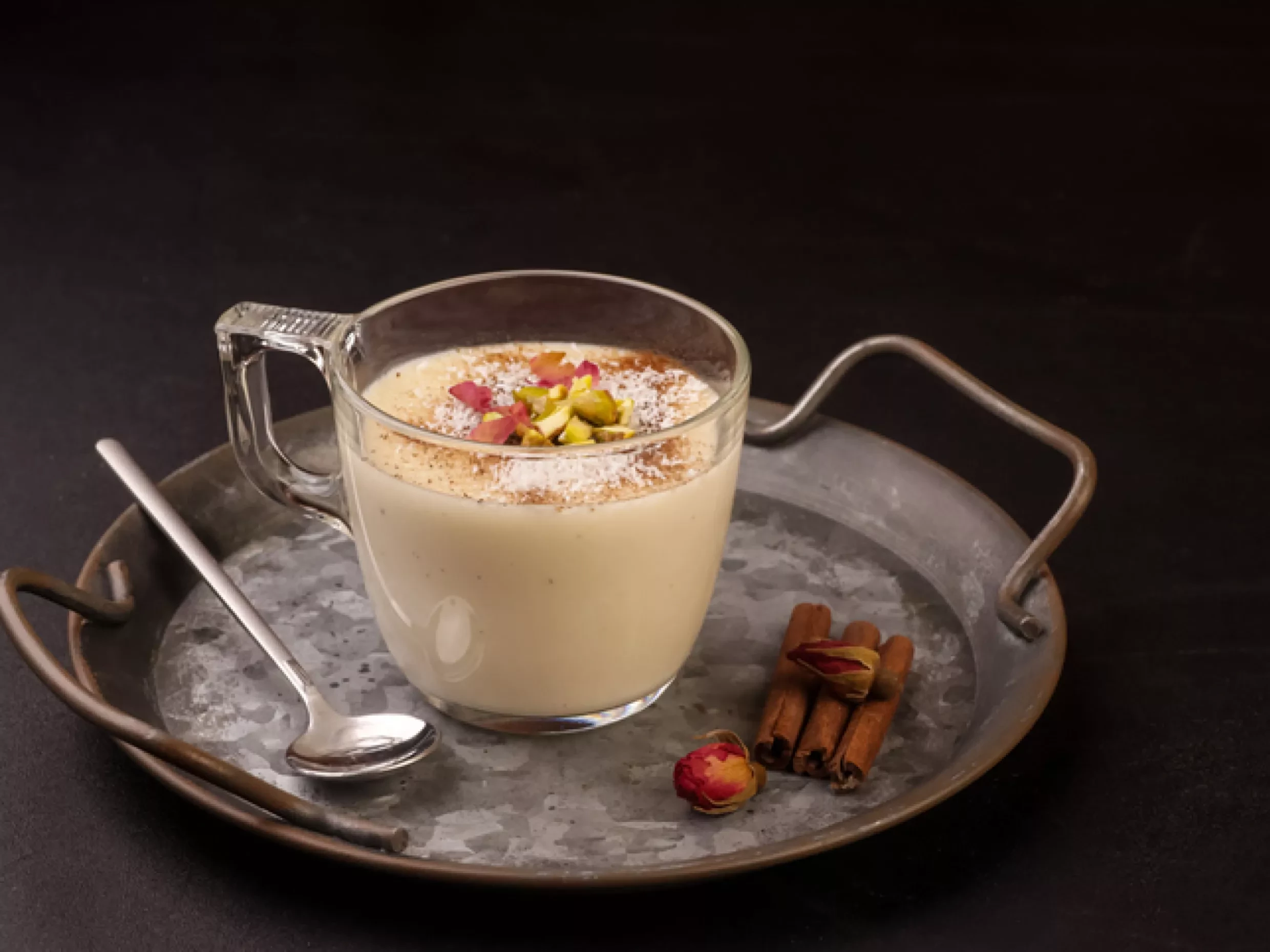
Saloop was a hot, sweet, and creamy spiced drink made from salep, a flour ground from orchid tubers, mixed with milk or water and often flavoured with sugar, cinnamon, or orange flower water. It emanated from the Ottoman Empire and was a cheaper, working class alternative to tea and coffee which, in the late seventeenth and early eighteenth century, were still expensive luxuries.
As salep itself became more expensive and harder to source, street vendors replaced the orchid flour with the ground roots and leaves of the North American sassafras tree which would have given the drink a flavour similar to that of root beer. It eventually faded out of fashion in the nineteenth century because of a rumour that it was a cure for certain unwanted diseases, so it became embarrassing to order!
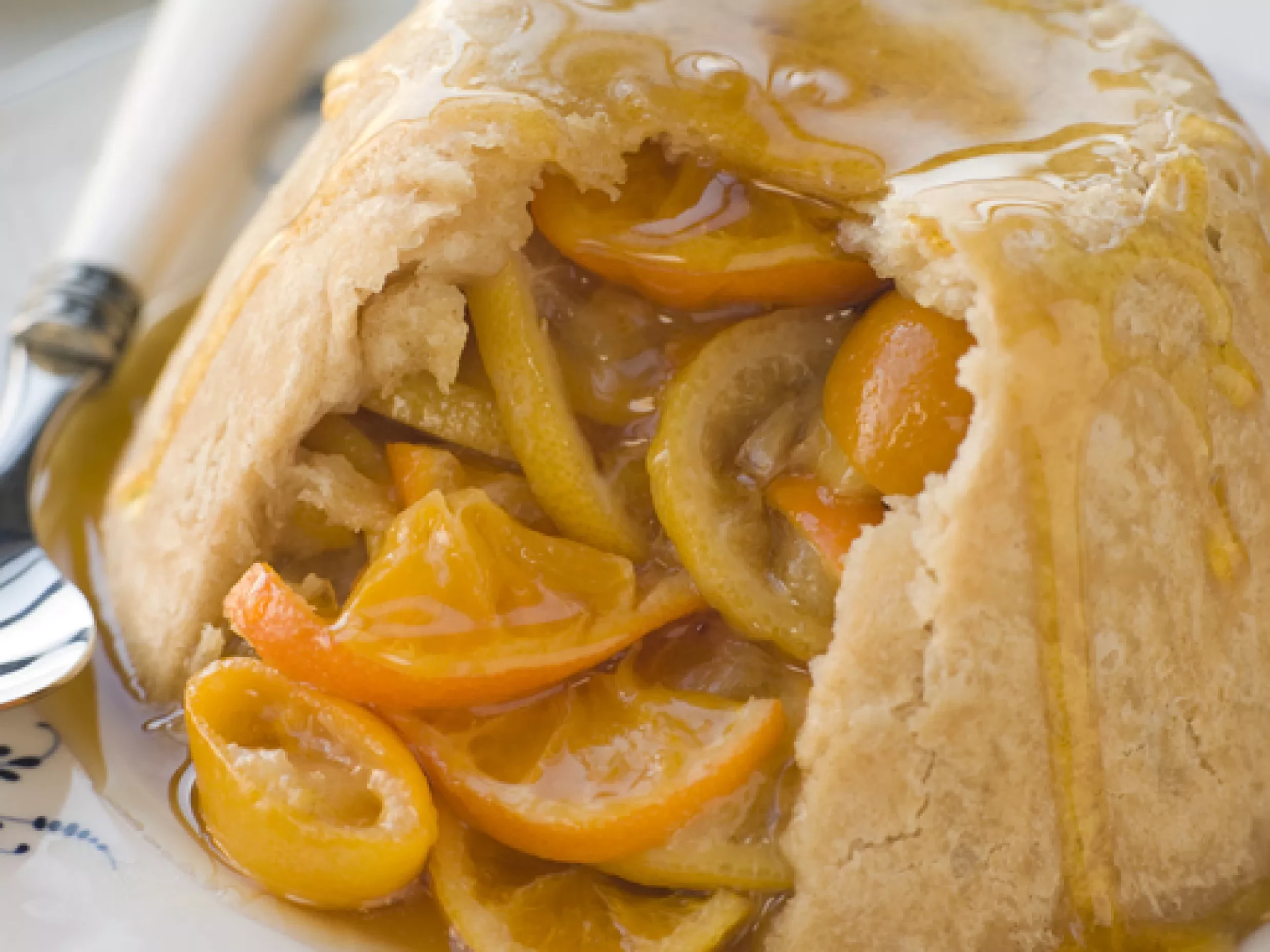
Sussex Pond Pudding
Sussex Pond pudding is a rich, old-fashioned steamed dessert made with suet pastry wrapped around sugar, butter, and a whole lemon (although the lemon appears to be a later addition, absent from the earliest recorded recipe), which slowly melts into a sharp, syrupy sauce - or pond - as it cooks. It was a classic country pudding in Sussex and surrounding areas from at least the seventeenth century (the first recorded recipe is from Hannah Woolley's 1670 recipe book The Queen-Like Closet), and was prized as a sturdy, economical bake that made the most of simple ingredients.
It fell out of everyday cooking as more modern desserts took over and recipes that required hours of slow boiling lost their place in home kitchens, though it never entirely vanished.
London Particular
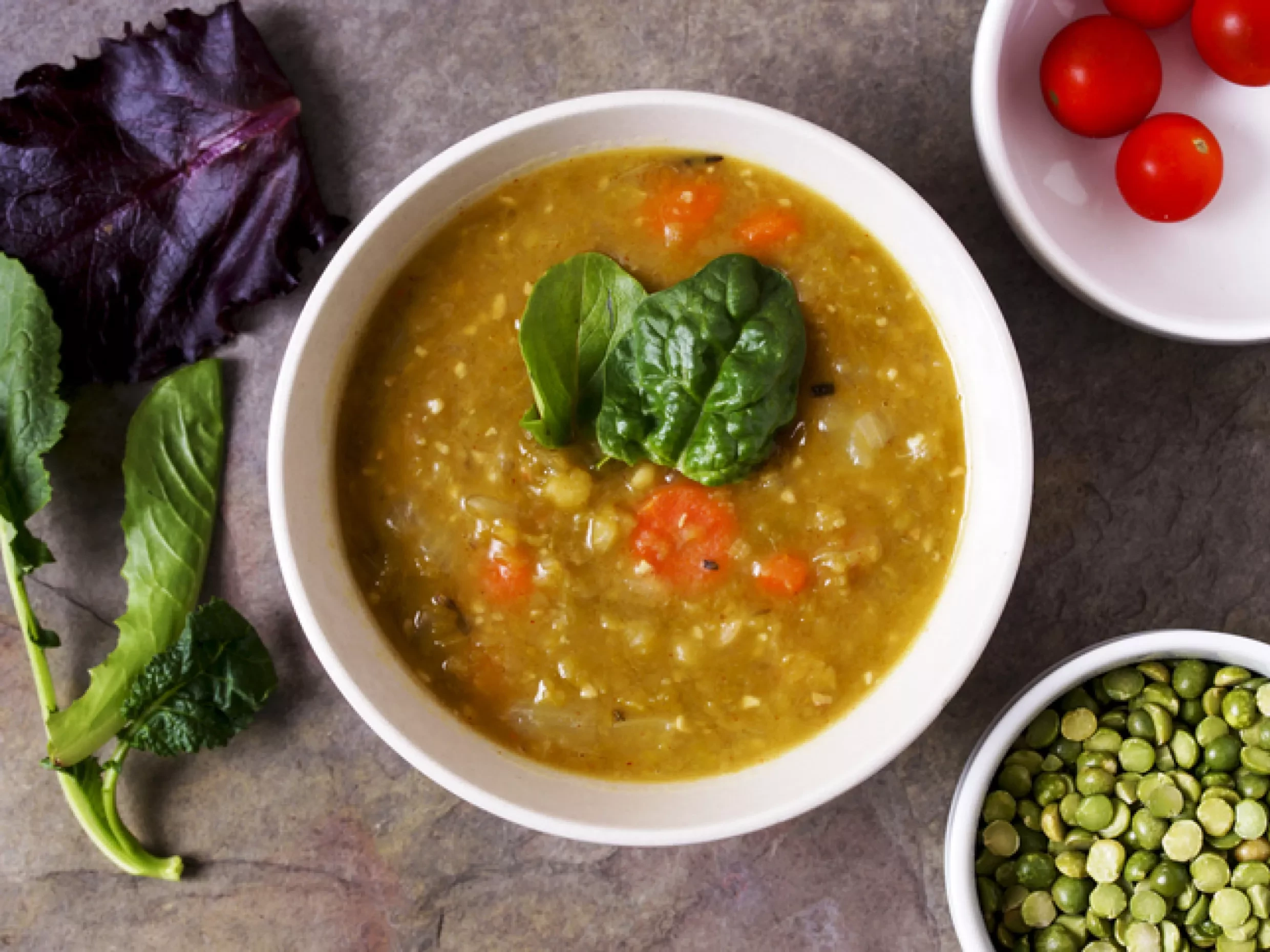
London Particular is a heavy, pea soup named after the thick, yellowish-green ‘pea-souper’ fogs that once blanketed England’s capital city. It’s made from dried yellow split peas, onions, carrots and celery, and water or stock, often with ham or bacon. It was a common, hearty street food or tavern dish from the early nineteenth century onward.
It gradually fell out of favour, although it was said that a properly prepared bowl of London Particular should be so thick you could stand your spoon upright in it!
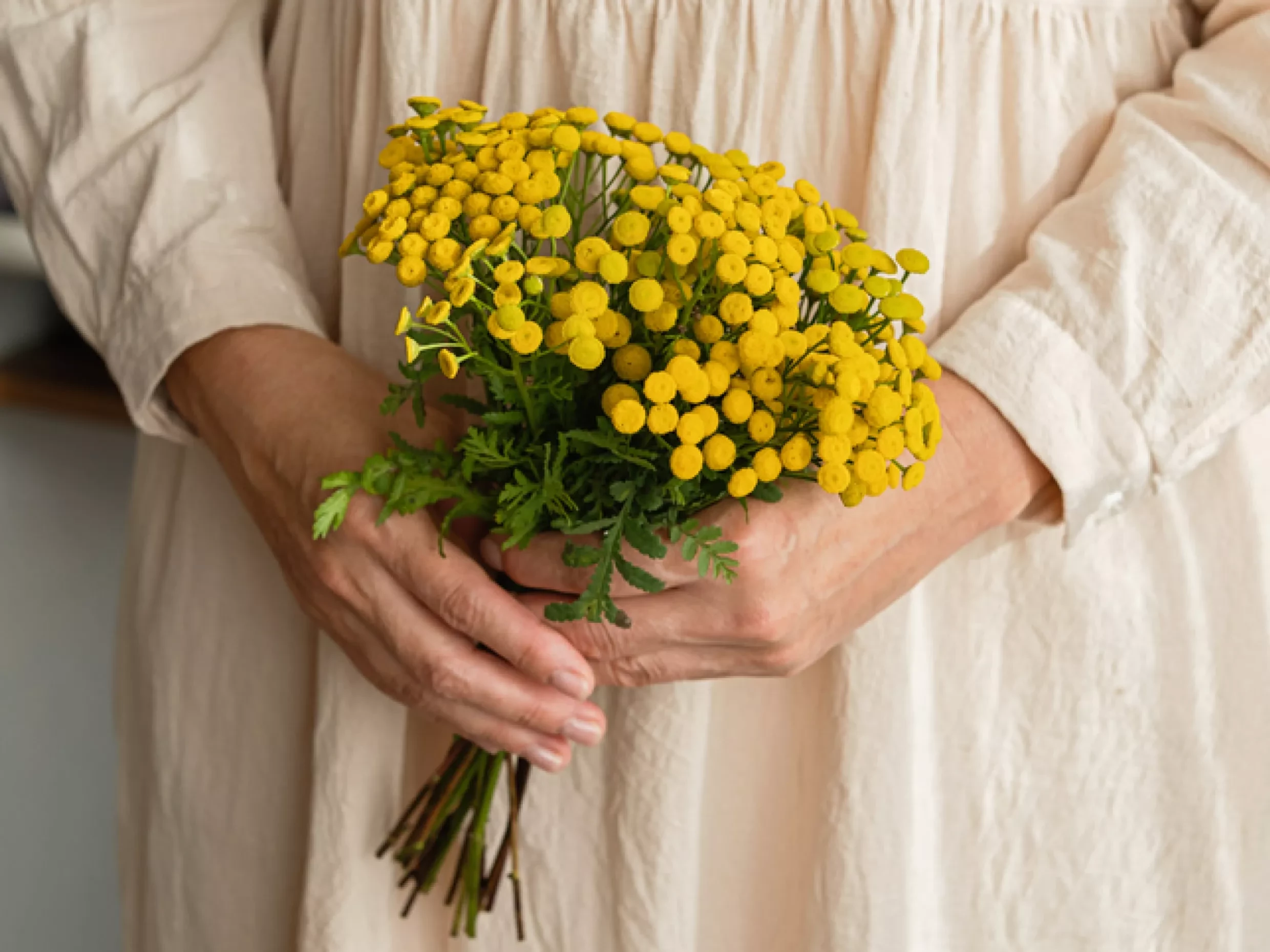
Tansy
Tansy pancakes were a traditional British Easter dish made with a batter flavoured with the bitter herb tansy, often mixed with eggs, sugar, and sometimes suet or breadcrumbs, then fried like small, dense pancakes. They were especially popular from the seventeenth to the nineteenth centuries, particularly around Easter, and were eaten as a way to use up eggs after Lent.
They disappeared as tansy became less common in kitchens, partly because it’s actually toxic in large amounts and also because tastes shifted away from bitter herbs in sweet dishes. The name comes directly from the herb itself, Tanacetum vulgare, and today tansy pancakes survive mainly in historical cookbooks and occasional revival recipes rather than as everyday food.