






Bananas are one of the world’s most popular fruits, and while their sweet flavour and luscious texture is certainly one reason, convenience is a big part of it too. They come in their own wrapper, they’re one fruit that actually ripens nicely on your counter and even a toddler can peel one. But that bunch of bananas you bought on the greenish side just a few days ago may be quickly approaching overripe. Get to know how and when to freeze them and you’ll take this fruit’s convenience to the next level.
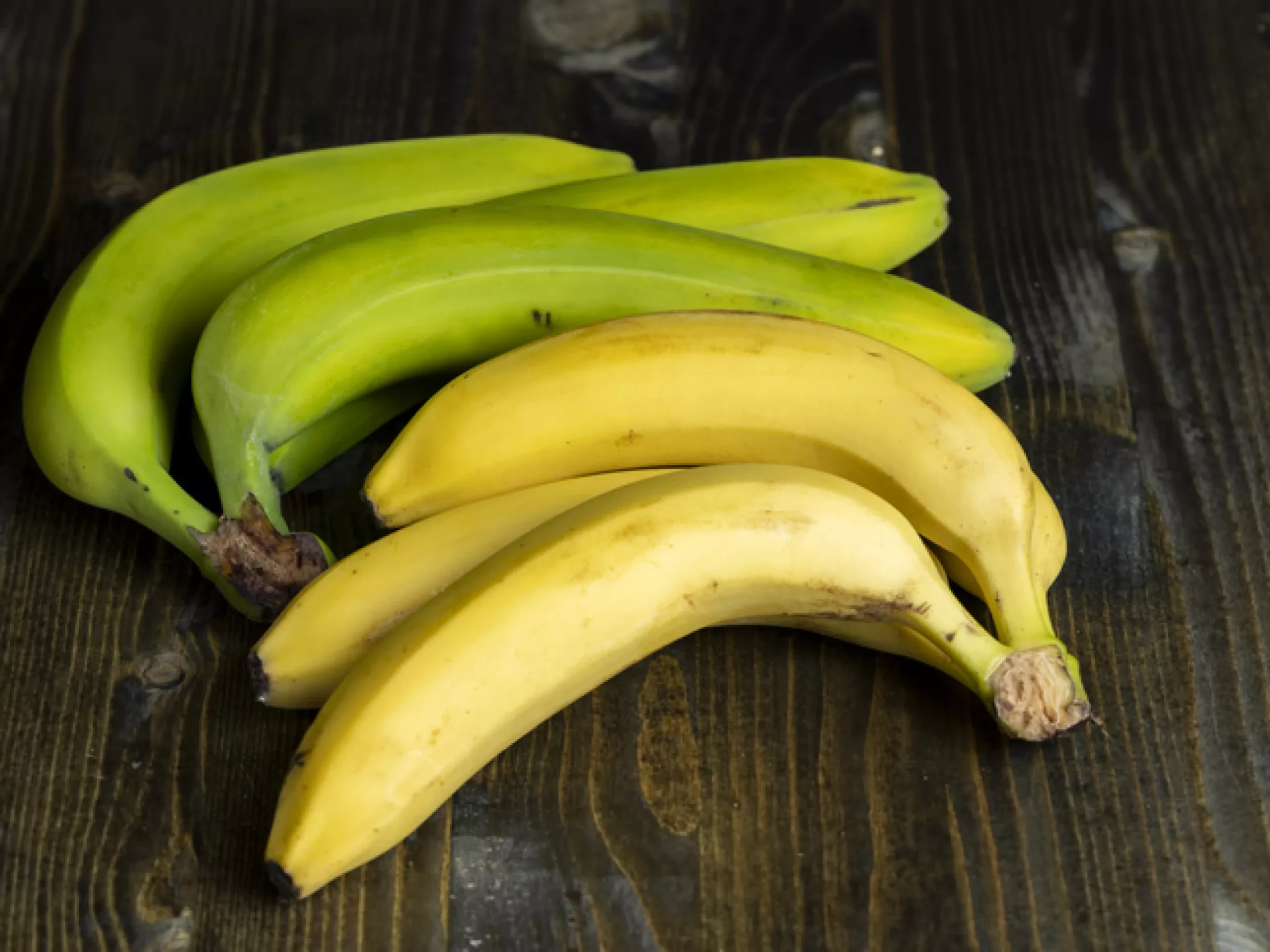
How to Freeze Bananas
You can freeze bananas right in the skins if you’re super rushed, but they’ll be more convenient to use if they’re peeled first. Remove the skins and freeze them whole in a resealable bag, or slice them, freeze them in a single layer on a sheet pan and then transfer them to a bag.
Freezing preserves the flavour of bananas remarkably well. The texture, however, will be much softer than fresh. Save defrosted bananas for smoothies or baked goods, not for eating out of your hand. We’ve got step-by-step guides to the three best ways to freeze bananas below, but first it helps to decode what’s meant by “peak ripeness” when it comes to preserving this fruit.
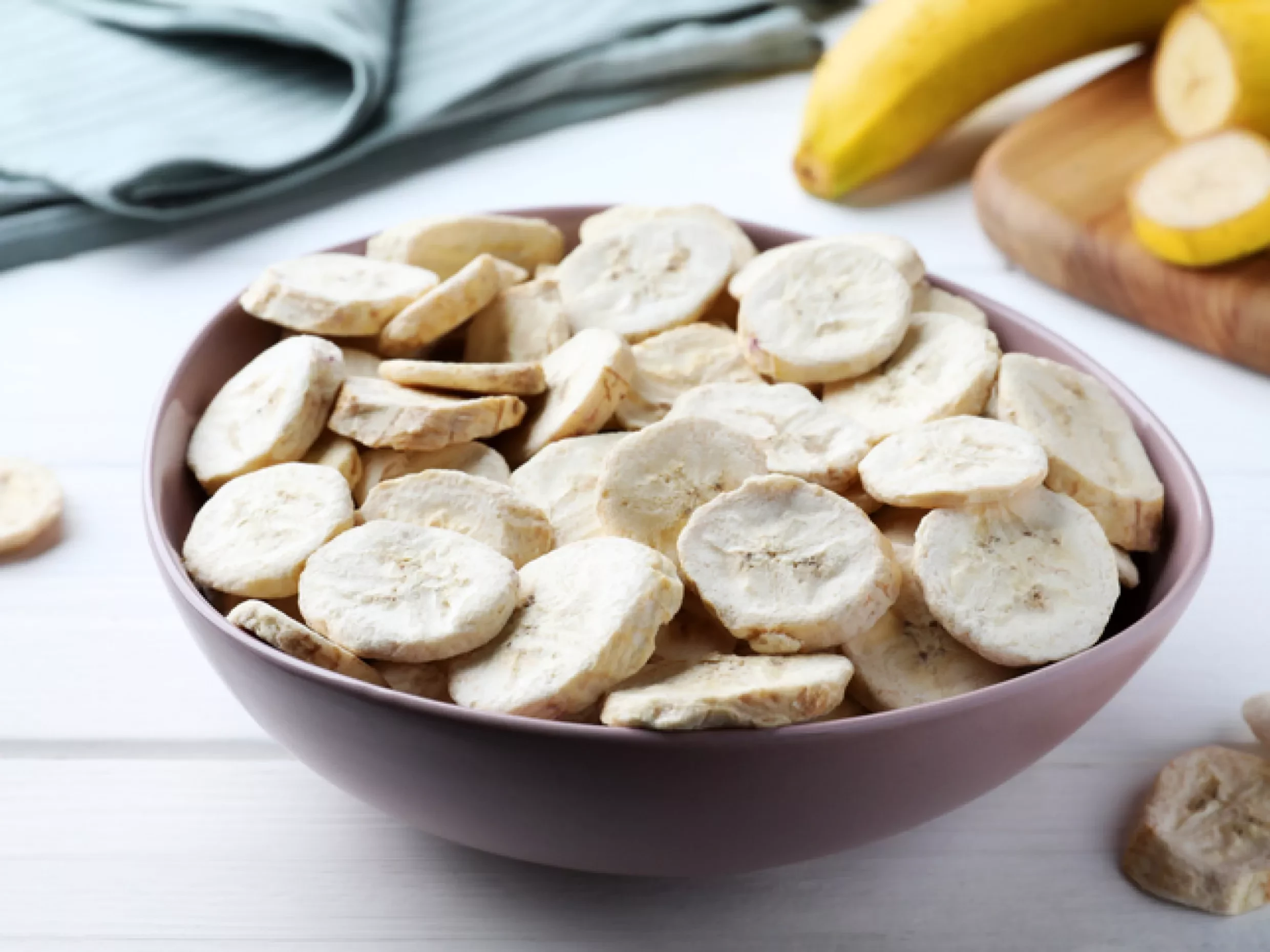
Get to Know Peak Ripeness
Almost everyone has an opinion about how ripe a banana for snacking should be. Some may like one tinged with green that retains a bit of firm bite, others may want theirs pristinely yellow from end to end, while many insist that one streaked with brown is the sweetest treat. But when it comes to freezing, ideally you’ll want one that’s at peak ripeness. That’s because you’ll be using them in a context where full flavour development is most important - think baking and smoothies.
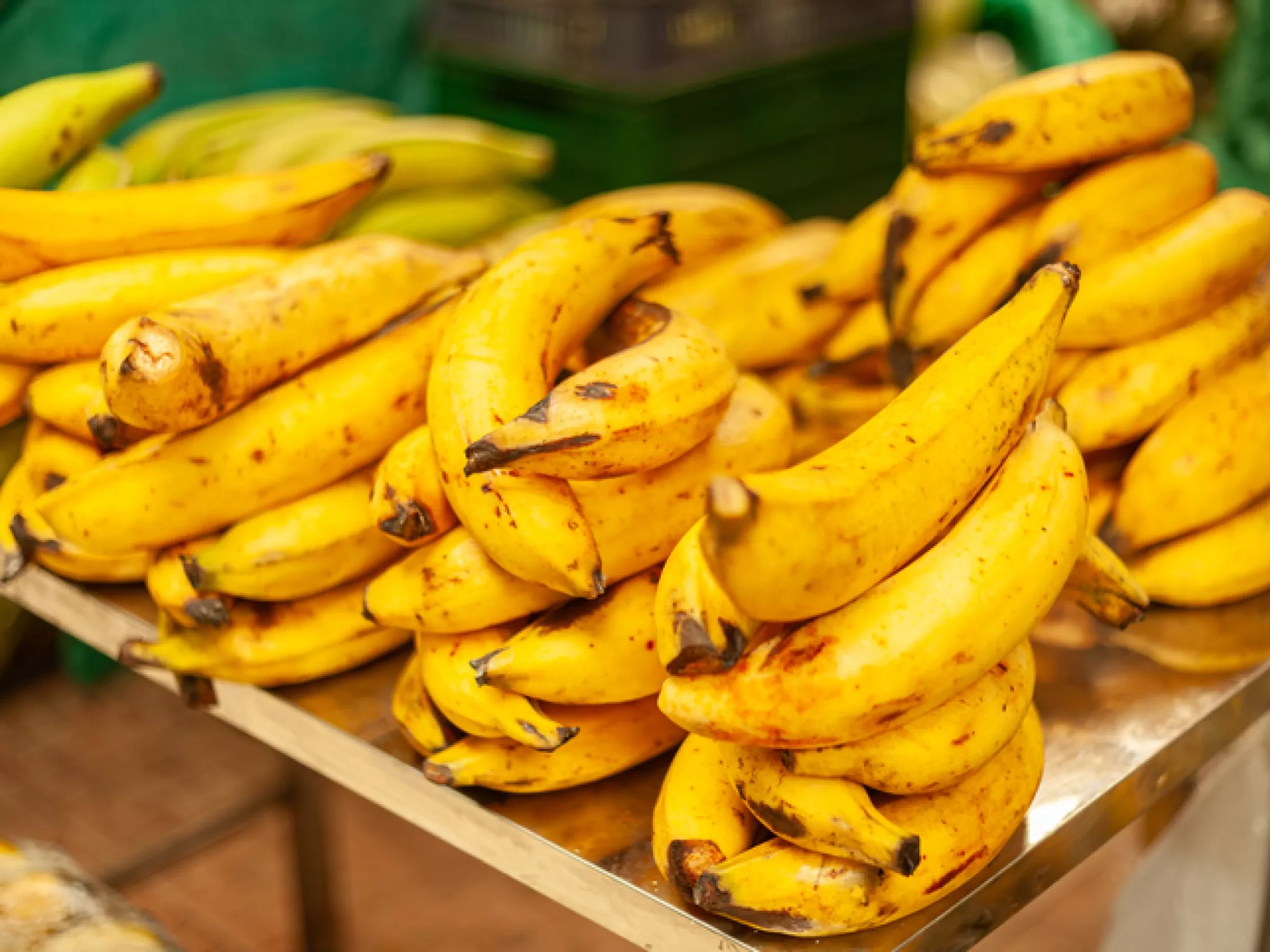
So what does peak ripeness look like? Typically it’s a banana with a deep-yellow skin streaked or speckled with brown. The fruit should have a noticeable sweet floral aroma and be slightly soft to the touch but not mushy. When you peel it, the banana should be very soft but still ivory in colour; a few darker areas are fine however, and are just a part of the normal ripening process. So when you see a banana like this it’s your cue to either get eating or baking quickly, or to freeze it.
How to Freeze Bananas Whole, Peel and All
This is the absolute quickest way to freeze bananas, ideal if you’re rushing to get out of town, for instance, and just want to make sure your bananas don’t rot on the counter. You can simply place the bananas unpeeled in the freezer. The skin will act as a natural covering for the fruit for several months, so no plastic bag or container is needed. The caveat? Defrosting bananas in their peels can be a bit of a pain. The skin will be hard until the banana is fully thawed, which will take around two hours on the counter. And once you can peel them it might not be too neat. You can end up with a certain amount of mess on your hands. But here’s how simple it is -
Step 1: Freeze. Place the whole unpeeled banana in the freezer. Use it within three months for best quality.
Step 2: Thaw. To thaw, leave the banana on the counter until the skin is completely soft, about 1 1/2 to 2 hours or refrigerate them overnight. Carefully peel the banana.
How to Freeze Whole Peeled Bananas
This is quick and easy and best if you’re planning to use the bananas for baking. If you have a recipe for banana bread or muffins that requires a specific number of bananas, you’ll be able to immediately know how many bananas you need to thaw. Just be aware that frozen whole bananas may put too much strain on your blender, so for smoothies or other blended treats, slices are better (see the next section below for that). Here are the two quick steps for freezing them whole:
Step 1: Peel and Freeze. Peel bananas and arrange them in a single layer in a freezer bag, ideally not touching. Label with the date and put flat in the freezer at least until they’re solid, about three hours. Use within eight months.
Step 2: Thaw and Use: Remove bananas from the freezer and let thaw at room temperature for 2 to 3 hours or in the fridge overnight. If using them in baking recipes you can strain off any brown liquid that accumulates.
How to Freeze Sliced Bananas
This freezing protocol is the gold standard for smoothies and other blended treats like banana “nice cream.” Slicing the bananas means they’re easy for most blenders or food processors to puree. Additionally, even if you’re using them for baked goods, this method has the advantage that your bananas will defrost in around 30 minutes, not hours.
Step 1: Peel and Slice. Peel the bananas and slice them crosswise into slices about 1/2-inch thick or chunks about 1-inch thick. Layer them on a parchment-lined sheet pan making sure they're not touching. A large sheet pan will fit about three sliced bananas, but you can stack slices between layers of parchment paper on a smaller pan or if you plan to freeze more.
Step 2: Freeze. Place the sheet pan in the freezer until the slices are solid, about two hours depending on thickness. Transfer the slices to freezer bags or airtight containers and label with the date. Use within 6-8 months.
Step 3: Use Frozen or Thaw. Add frozen slices directly to a blender or food processor and puree. Or remove as many slices as you need and thaw at room temperature just until soft, 30 minutes to an hour. If using them in baking recipes you can strain off any brown liquid that accumulates.
How to Use Frozen Bananas
You won't be able to tell the difference between fresh and frozen bananas in baked goods. And most smoothie fans find that frozen bananas are better than fresh: They add an icy chill you won’t get from fresh.
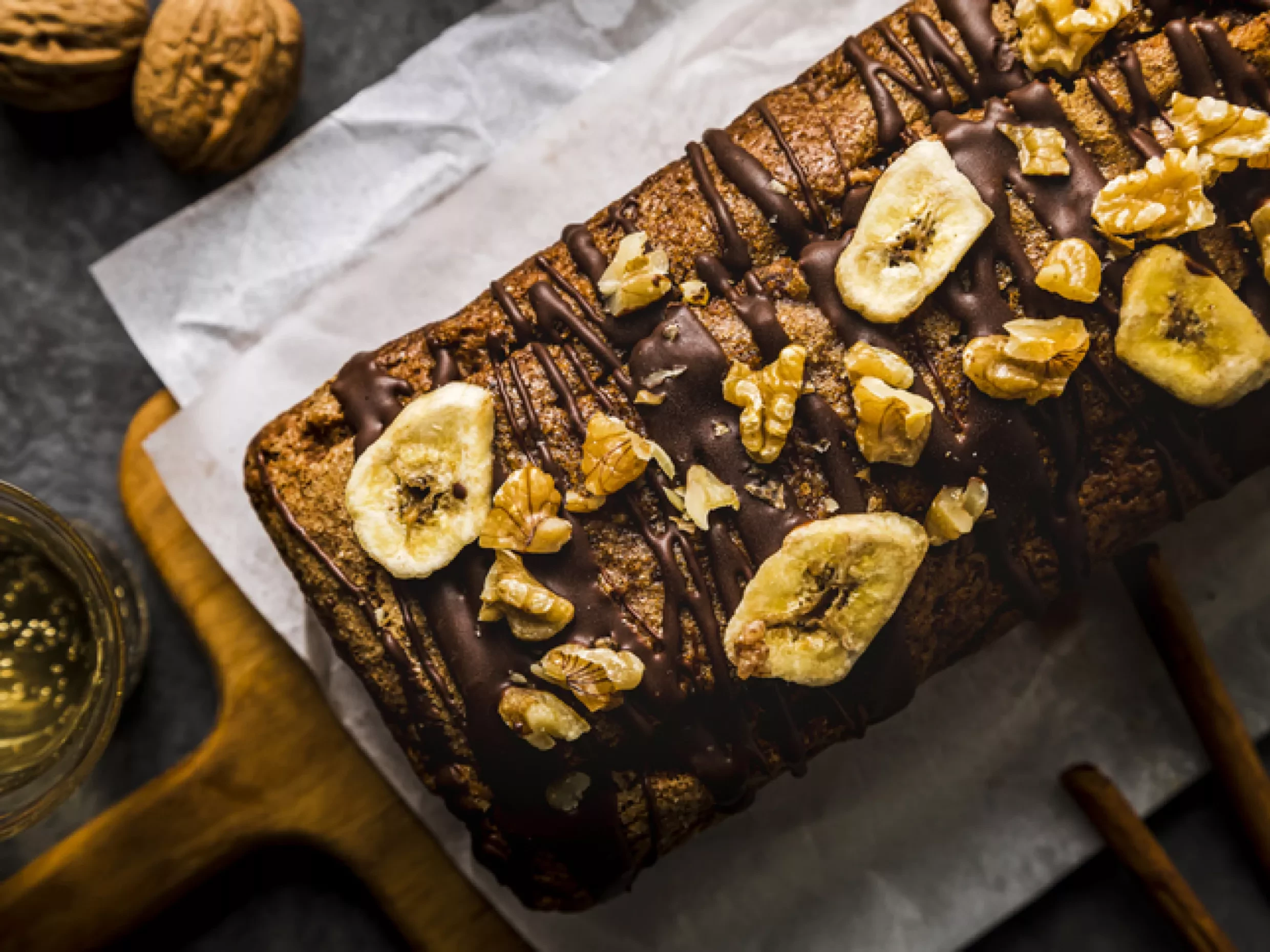
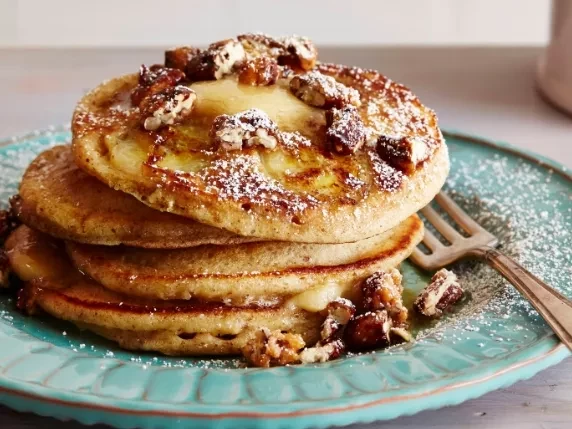
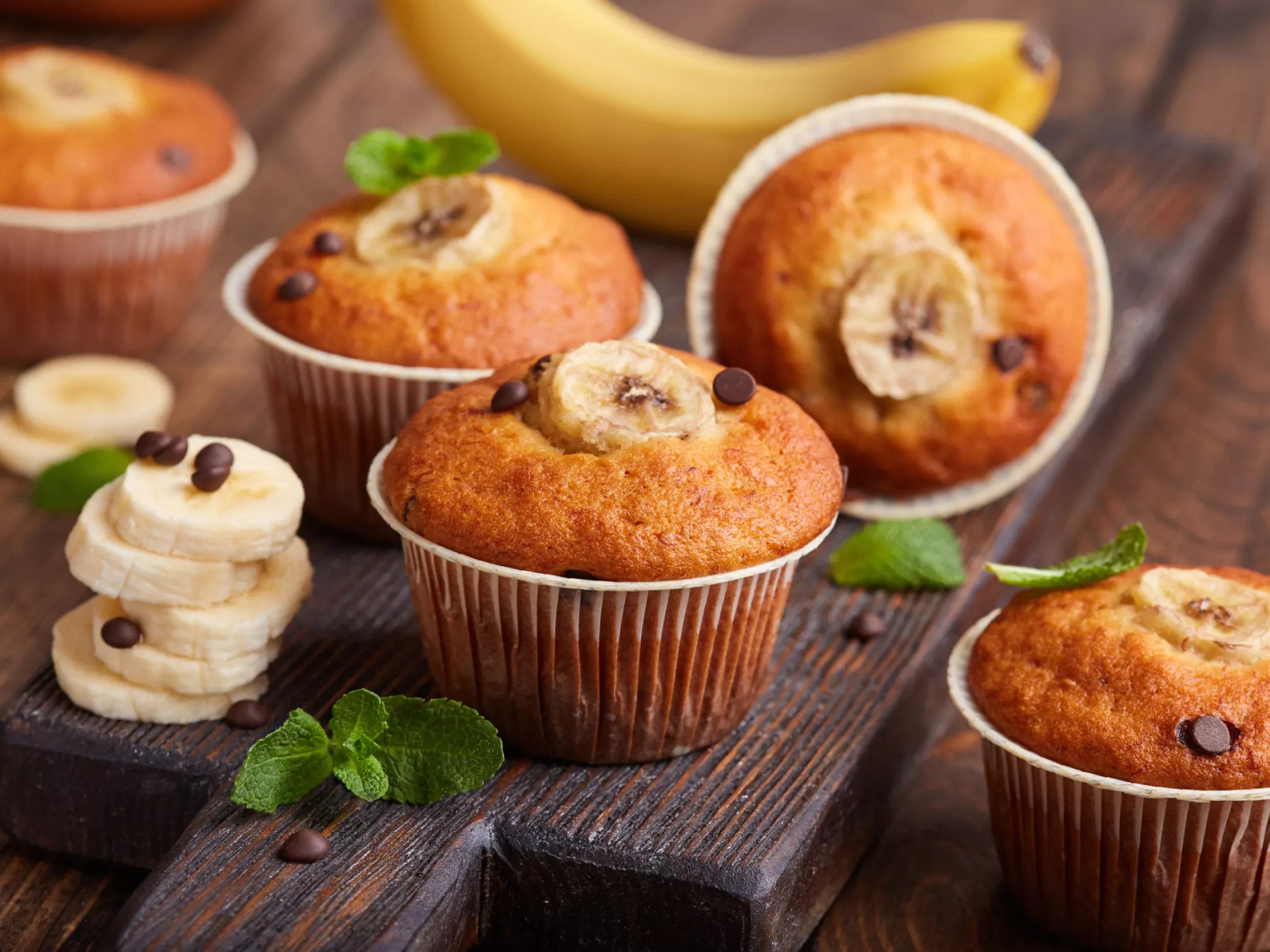
An excellent place to start using frozen bananas is banana bread (pictured above). Thawed banana slices are also perfect breakfast additions - just mix them into pancake batter or a steaming batch of oatmeal. Or get out your muffin tin for a grab-and-go breakfast of banana muffins.
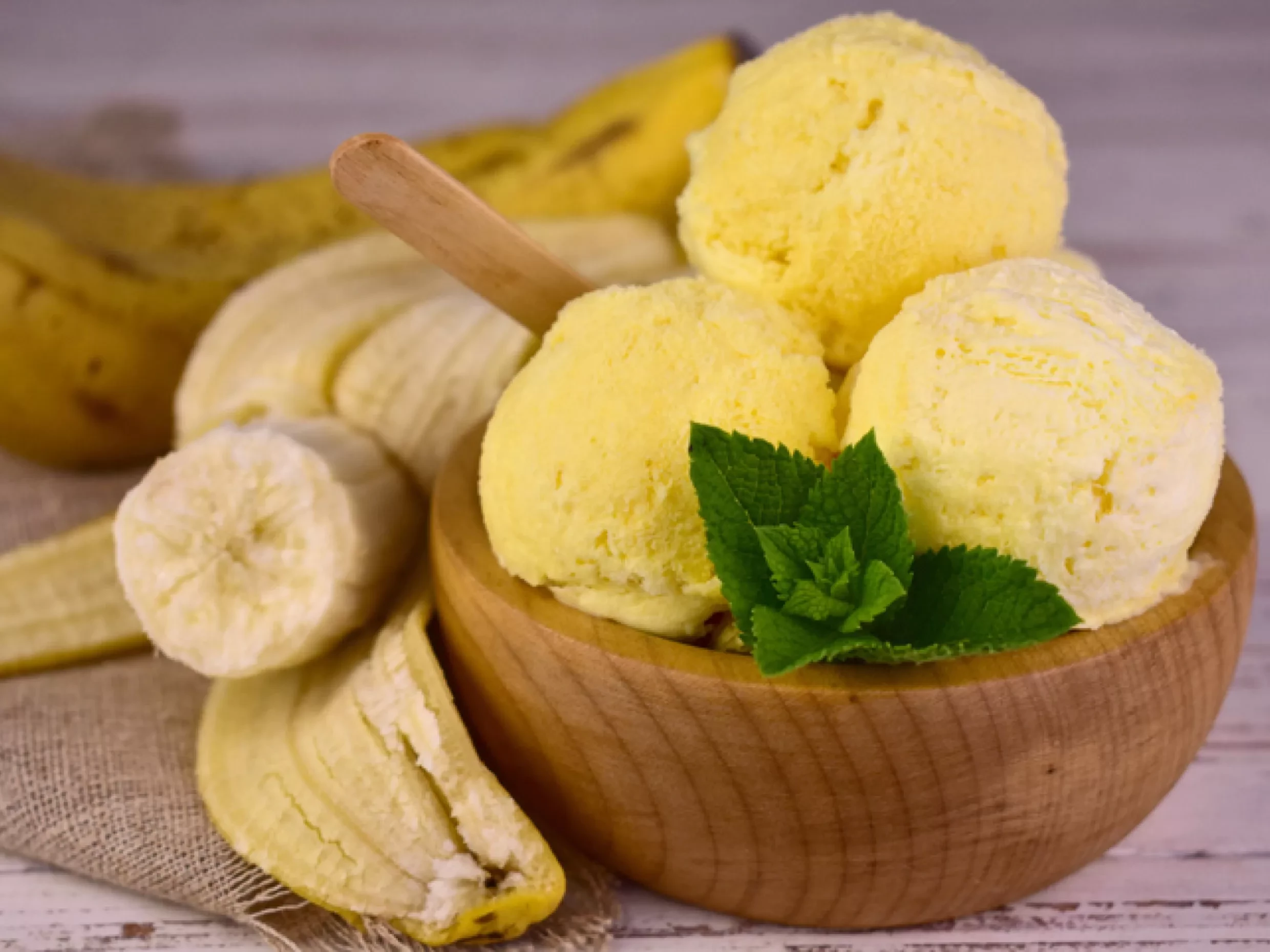
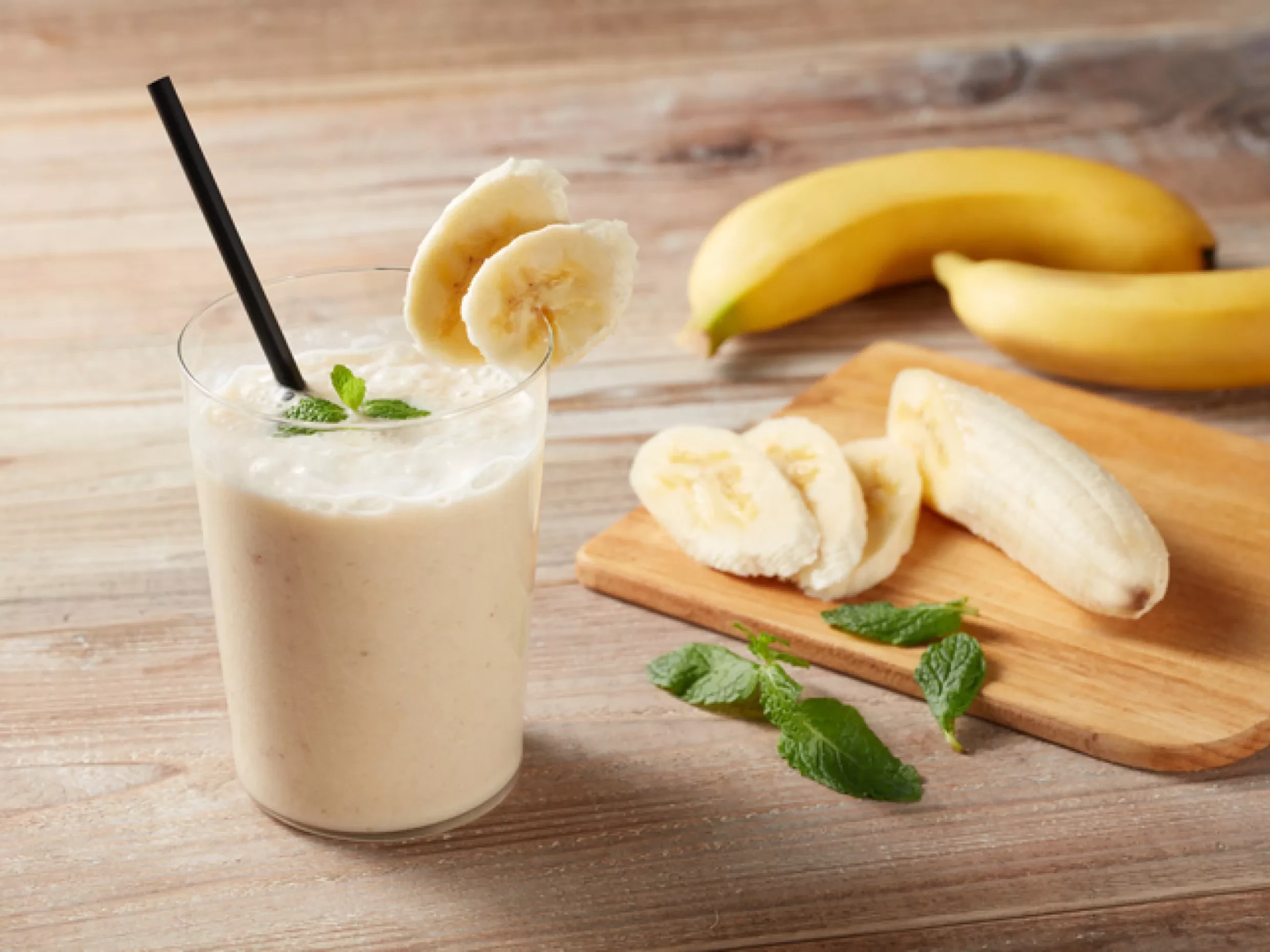
Frozen bananas are outstanding tossed into the blender for smoothies and milkshakes, but don’t thaw them and they’ll add to the drinks’ slushy goodness. You can also turn those bananas into chocolate-covered banana pops.