








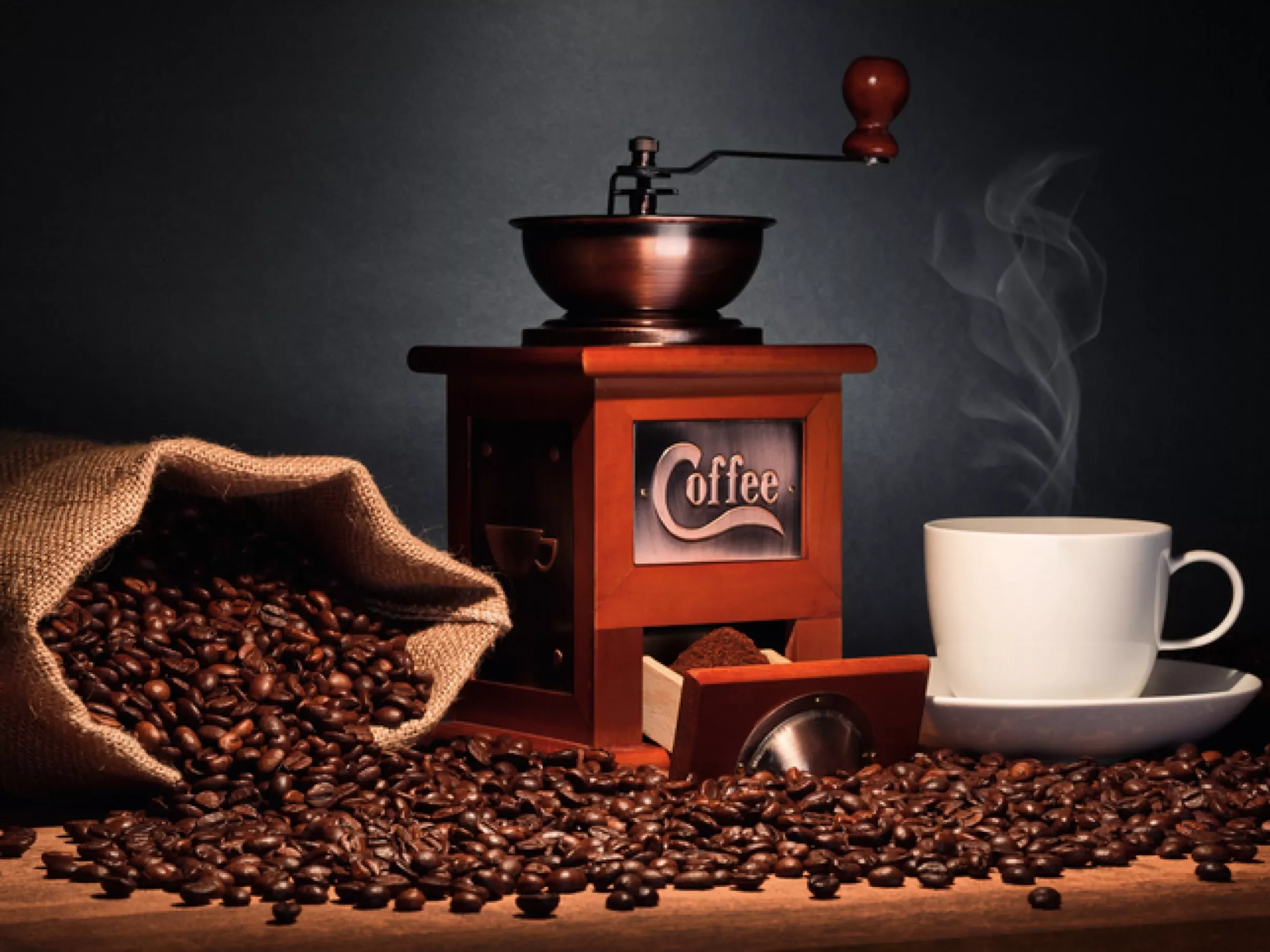
For some, preparing a morning coffee is like running a high-grade lab experiment. Grind size, coffee-to-water ratio, extraction time and water temperature. All carefully configured, precisely executed and confidently savoured. Small changes could dramatically transform the cup.
For others, it’s a tea-spoon of granules, hot water, stir and go.
There’s definitely truth to the idea that coffee can be a surprisingly precise drink, as many experienced baristas will attest to. However, you don’t need a PhD in fluid dynamics, scales calibrated to the microgram, or a cupboard full of high-tech equipment to make a truly great cup at home.
Whether you reach for a jar of instant on busy mornings, you prefer the plunge of a cafetière, you pour hot water slowly over a filter, or fire up a stovetop moka pot, every method brings its benefits. So let’s explore the most popular options for making one of the world’s most popular drinks. Here’s our guide to the most common ways to make coffee.
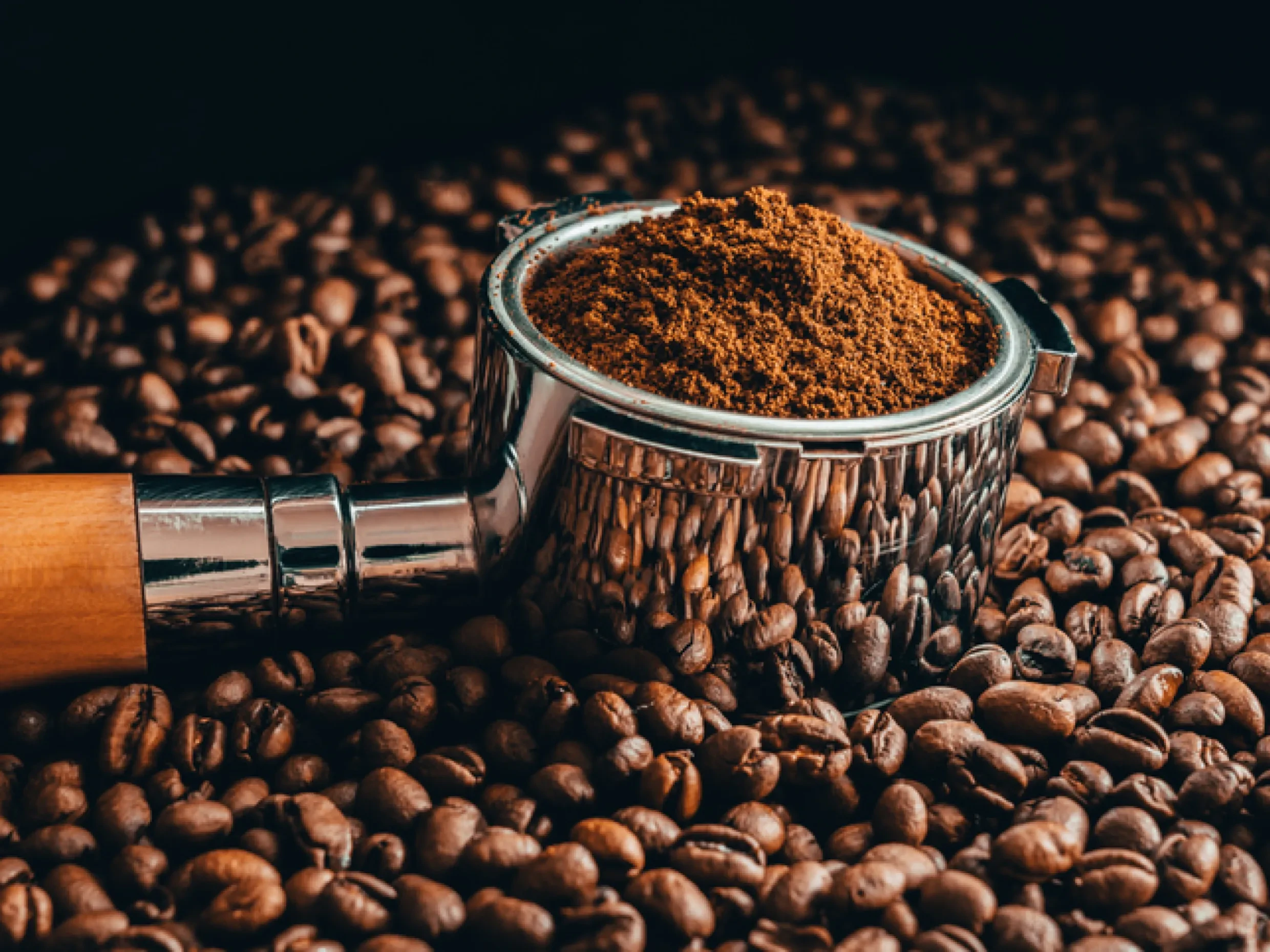
Before You Brew: Four Things You Need To Know
Before we dive into the different ways to make coffee, it helps to know that a few simple choices shape almost every cup. You certainly don’t need to obsess over them, but a general understanding of the basics will make it easier to get the taste you enjoy.
Grind Size
This is one of the most important elements of coffee prep. Put simply, coffee ground too finely can taste bitter and overpowering, while coffee ground too coarsely can be weak and underwhelming. As a rough rule, cafetières and cold brew work well with coarse grounds, filter and pour-over methods generally prefer medium to medium-fine, moka pots suit medium-fine grounds, and espresso machines typically require a fine grind.
Coffee-to-Water Ratio
This simply means how strong your coffee will be. More coffee for the same amount of water gives you a stronger brew, less coffee makes a lighter one. For methods such as filter coffee and cafetières, a useful starting point is around one part coffee to 15 - 17 parts water by weight. Espresso, moka pots and cold brew concentrates require different ratios.
Water Temperature
Most people pour boiling water straight out of the kettle, but there’s logic to suggest that shouldn’t always be the case. Water temperature affects how quickly flavours are extracted from coffee. Hotter water generally speeds up extraction, while cooler water extracts more slowly. Getting the temperature right for your brewing method can help produce a balanced cup. For most hot brewing methods, water that’s just off the boil - around 90 - 96°C / 195 - 205°F - rather than a rolling boil, is a good place to start.
Filtration
Paper filters catch fine particles and oils, producing a cleaner, brighter coffee. Metal filters, like those in a French press, allow more of those oils through, creating a fuller, richer taste.
And That’s The Basics
Think of these four factors as dials you can turn. Once you know what each one does, you can start experimenting to find the coffee that suits you best. So without further ado, let’s look at the different ways to make a coffee!
Instant Coffee: Speed Without Ceremony
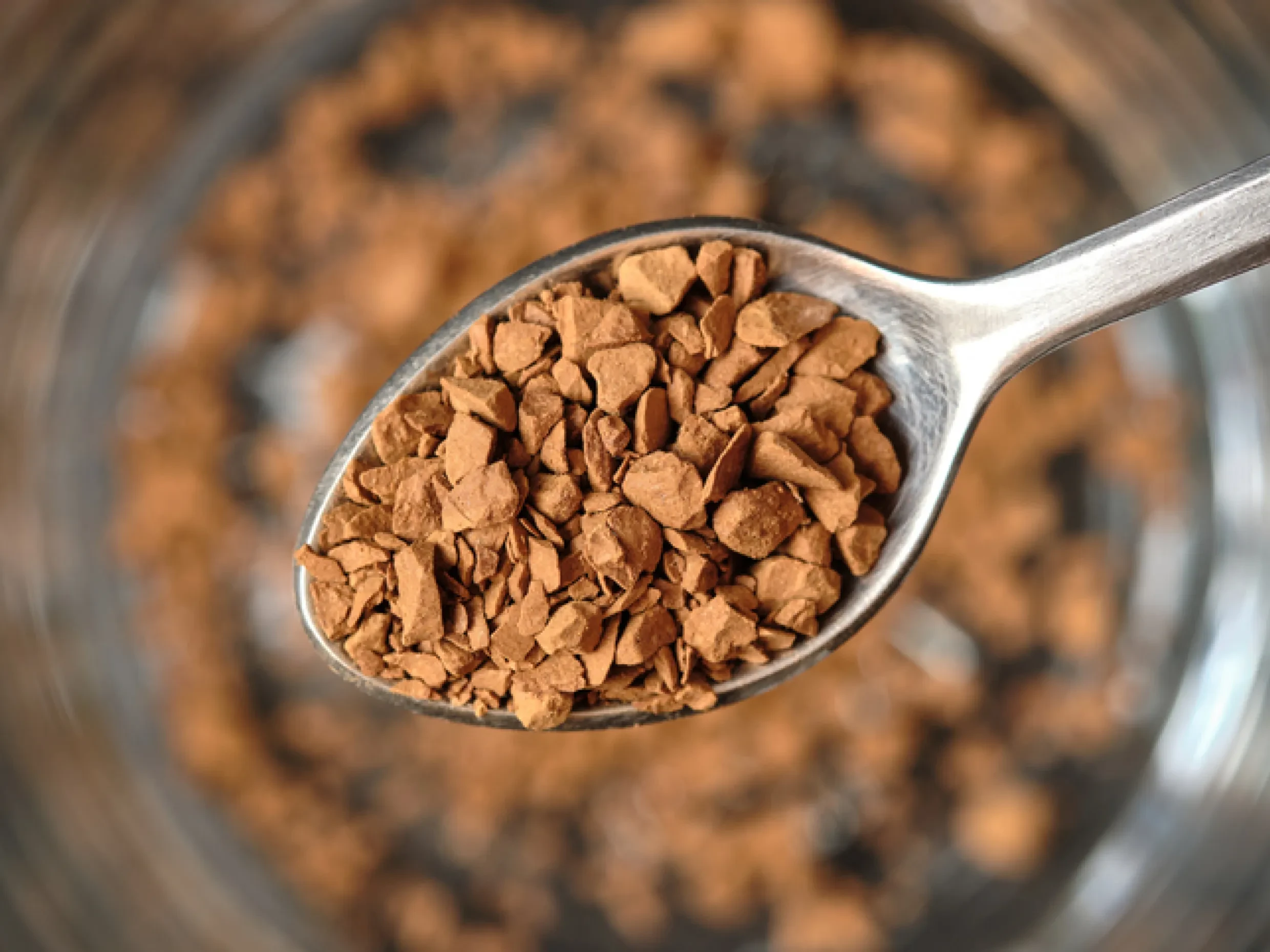
Instant coffee is coffee that’s been brewed on an industrial scale with hot water, then concentrated and dried - usually by spray-drying or freeze-drying - into granules or powder, which are then packaged. There’s no fancy equipment required, all you need is a mug, a kettle and a spoon.
How To Make Instant Coffee
There’s really very little to it. Add one or two teaspoons of instant coffee to a mug, pour over hot water and stir it until all the coffee has dissolved. Add milk or sugar as you like.
Why It’s Convenient
It’s the fastest way to make coffee, with virtually no cleanup. It also keeps well, making it ideal for travelling, camping, keeping a jar in your desk drawer at work, and busy mornings with time at a premium.
How To Make It Taste Better
Choose a good-quality freeze-dried instant coffee, measure it rather than guessing, and let just-boiled water sit for a moment before pouring. A splash of cold milk can also soften any bitterness.
Best For
Speed, a low-effort caffeine hit, and anyone who wants coffee without equipment or fuss.
French Press Coffee: Full-Bodied & Forgiving
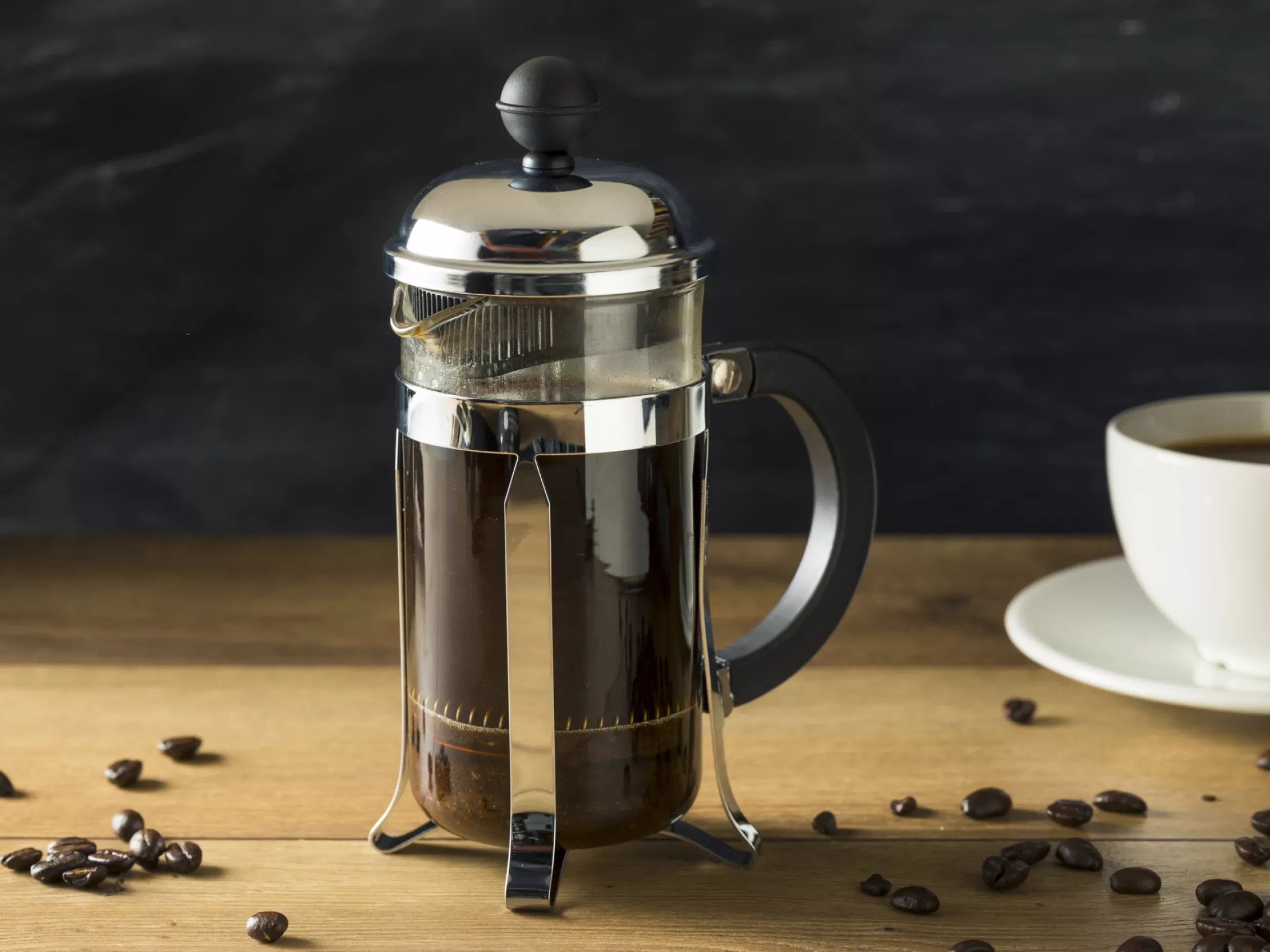
A French press, otherwise known as a cafetière, steeps coarse coffee in hot water for a few minutes before a metal mesh plunger separates the grounds from the liquid. Because the mesh filter lets oils and fine particles through, the resulting coffee is rich, textured and full-bodied.
How To Make French Press Coffee
Add coarse-ground coffee to the press (see the packet for how much to use), pour in hot water, stir gently and then leave it to steep for around four minutes. Press the plunger down slowly, then pour immediately. Add milk, cream or sugar as you like it.
Why It’s Convenient
It’s simple, affordable and makes more than one cup at a time. And there are no paper filters to buy or throw away.
How To Make It Taste Better
Use a coarse, even grind and avoid leaving the coffee sitting on the grounds after pressing, as it will continue to extract and can turn bitter.
Best For
Rich, full-flavoured coffee with minimal equipment.
Pour-Over Coffee: Clean, Bright & Precise
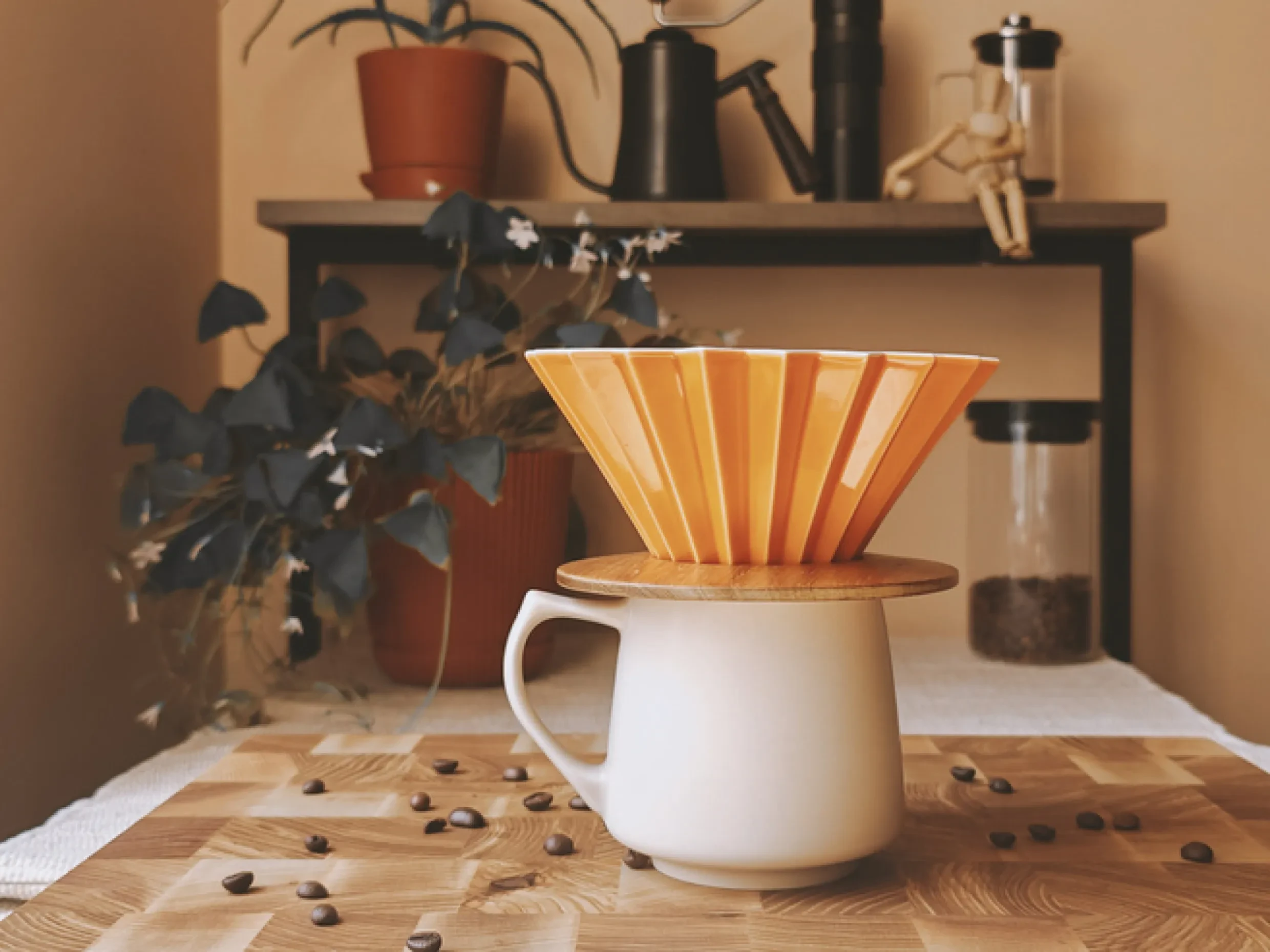
Pour-over coffee is a manual method of making filter coffee. It involves slowly pouring hot water over grounds held in a paper filter, allowing the brewed coffee to drip into a mug or carafe below. The paper filter removes oils and sediment, producing a clean brew that brings out the coffee’s flavour.
How To Make Pour-Over Coffee
Place a rinsed paper filter in a cone brewer, add medium-fine coffee, then pour in a little hot water to “bloom” the grounds for about thirty seconds. Continue pouring slowly in stages until you reach your desired amount.
Why It’s Convenient
It needs little more than a brewer, filters and a kettle, and it makes an excellent cup without much cleanup.
How To Make It Taste Better
Pour steadily rather than dumping all the water in at once, and use freshly ground coffee if possible. A gooseneck kettle (one with a very long spout) helps, but is not essential.
Best For
People who enjoy the ritual of brewing and want a bright, clean-tasting cup.
Drip Machine/Filter Coffee Maker: Hands-Off Coffee for a Crowd
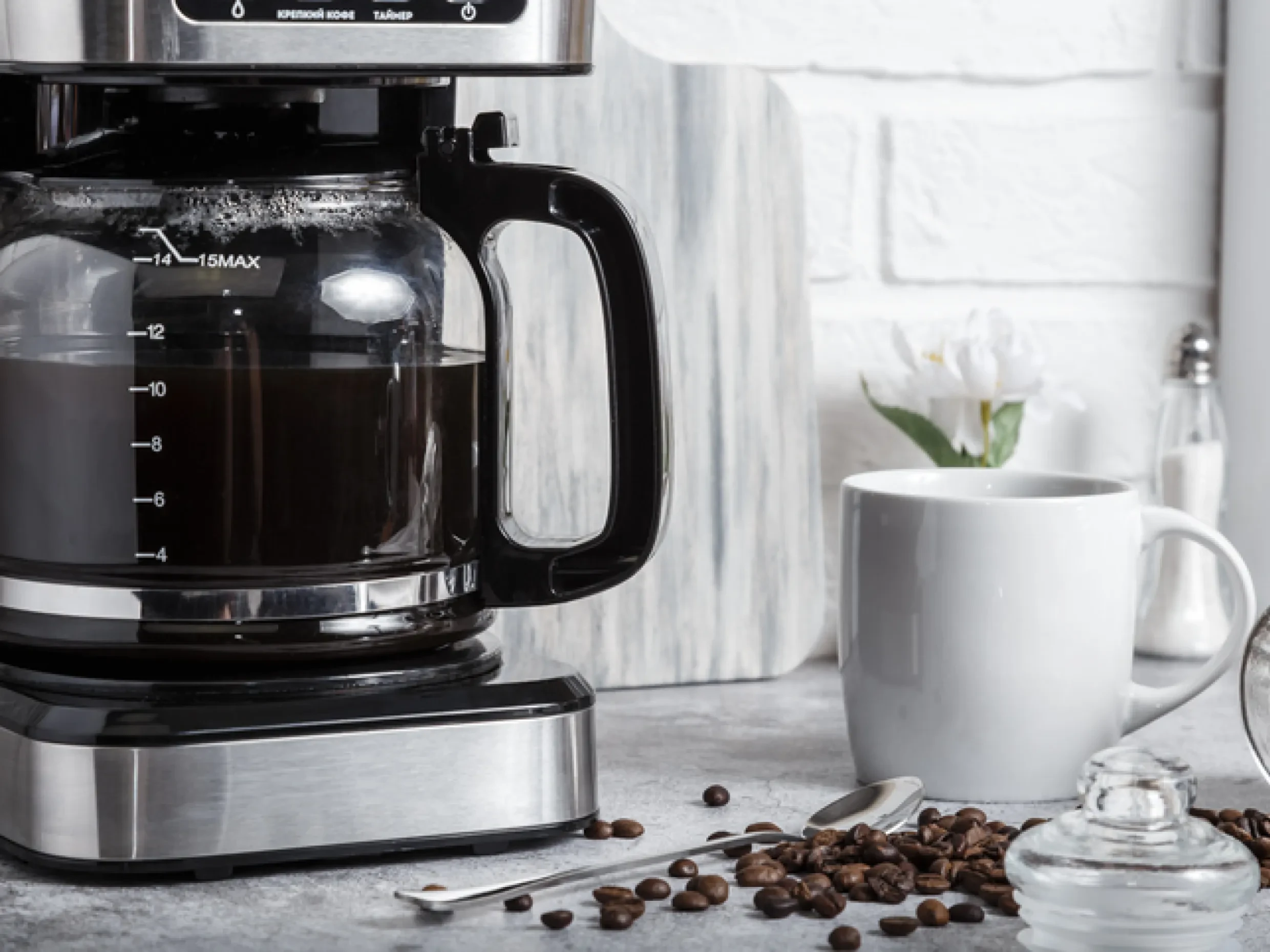
A drip machine heats water and passes it through a basket of medium-ground coffee, collecting the finished brew in a carafe below. Some people call it the ‘set-and-forget’ option. It’s consistent, and ideal for when you’ve got a crowd in.
How To Make Drip Machine Coffee
Add a filter and medium-ground coffee to the basket, fill the reservoir with water, then switch it on and let the machine do the work.
Why It’s Convenient
It brews multiple cups with almost no effort, making it perfect for households, or when you’ve got guests. Believe it or not, some of the more expensive machines are wi-fi enabled, so you can set the machine going before you get out of bed in the morning!
How To Make It Taste Better
Use the right grind for your machine, measure the coffee rather than relying on the scoop alone, and clean or descale the machine regularly. Avoid leaving coffee on the hot plate for too long.
Best For
Easy, reliable and consistent coffee for more than one person.
Moka Pot Coffee: Stovetop & Strong
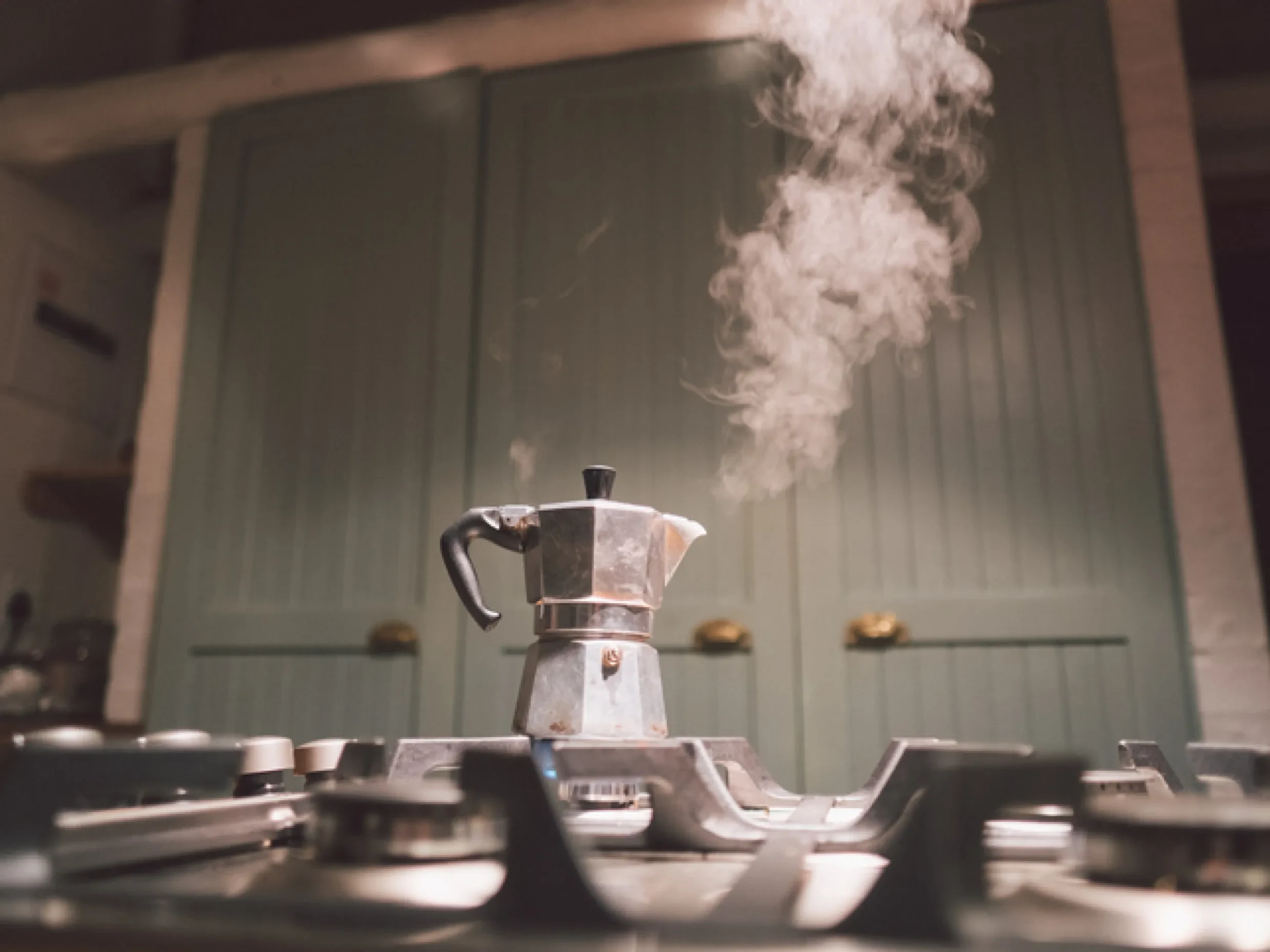
A moka pot sits on the hob and uses steam pressure to push hot water up through fine-ground coffee and into an upper chamber. It makes a concentrated, robust coffee that’s stronger than filter coffee, though not technically espresso.
How To Make Moka Pot Coffee
Fill the base with water to just below the safety valve, add medium-fine coffee to the basket without tamping it down, assemble the pot and heat it gently. Remove it from the heat once the coffee has risen and the pot begins to gurgle.
Why It’s Convenient
It’s relatively inexpensive, durable and makes strong coffee without an espresso machine.
How To Make It Taste Better
Use a fine, even grind, keep the heat moderate, and take the pot off the heat as soon as brewing finishes to avoid a burnt or bitter taste.
Best For
Bold black coffee, traditional stovetop brewing and milk-based drinks like lattes or flat whites.
Espresso Machine: Concentrated Coffee at Home
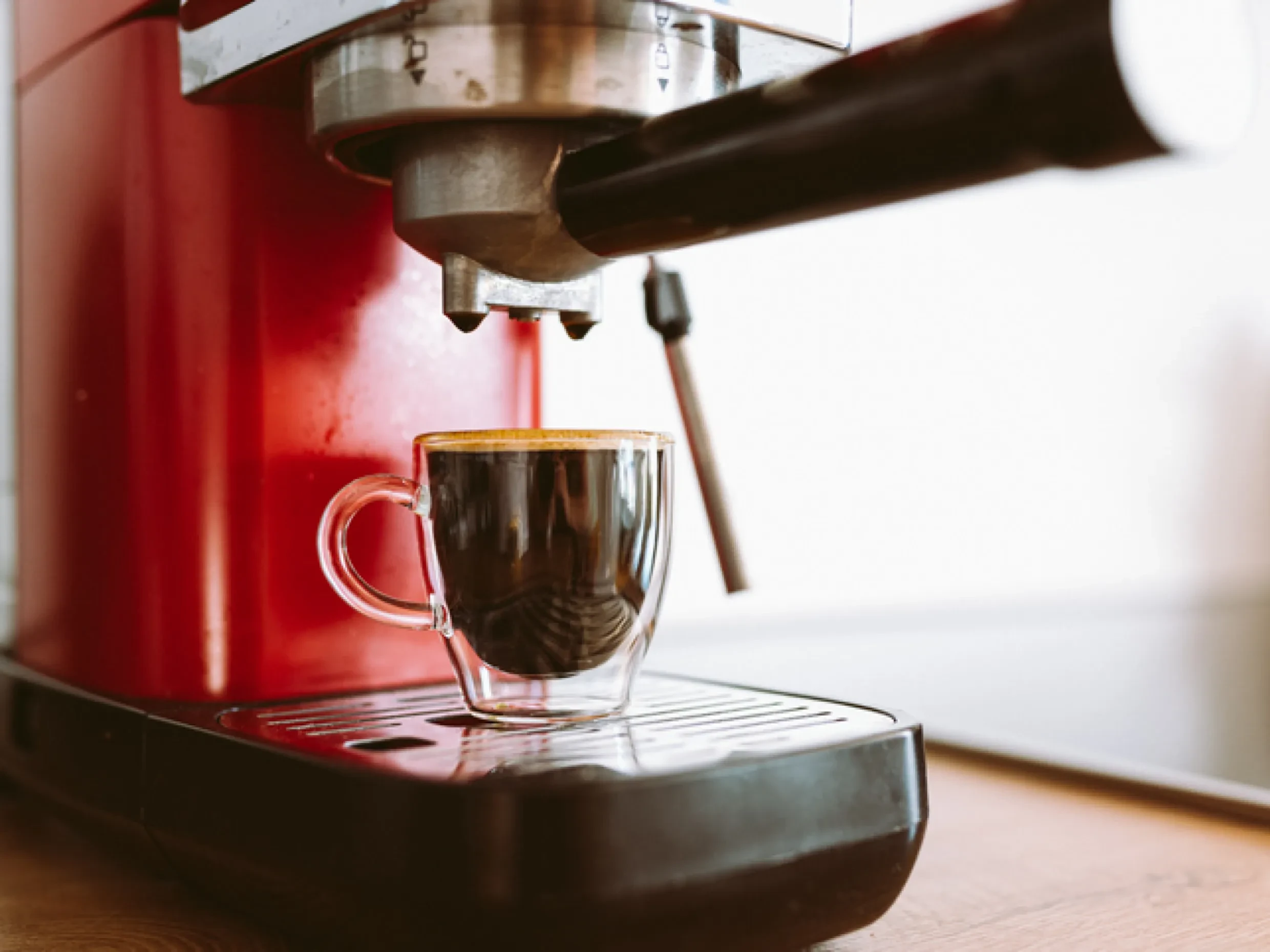
An espresso machine forces hot water through finely ground, compacted coffee at high pressure, producing a small, concentrated shot in around 25 - 30 seconds. Done well, it creates a rich, intense coffee with a layer of golden crema on top.
How To Make Espresso Machine Coffee
Add finely ground coffee to the portafilter, tamp it evenly, lock it into the machine and extract a short shot directly into a cup.
Why It’s Convenient
Once the machine is set up, it can make café-style espresso, cappuccinos, lattes and flat whites at home in minutes.
How To Make It Taste Better
Use fresh, finely ground coffee and aim for an even, consistent extraction. If the shot runs too fast it may taste weak, and if it drips too slowly, the grind may be too fine.
Best For
Milk-drink lovers and anyone who wants proper espresso-based coffee at home.
AeroPress Coffee: Fast, Versatile and Travel-Friendly
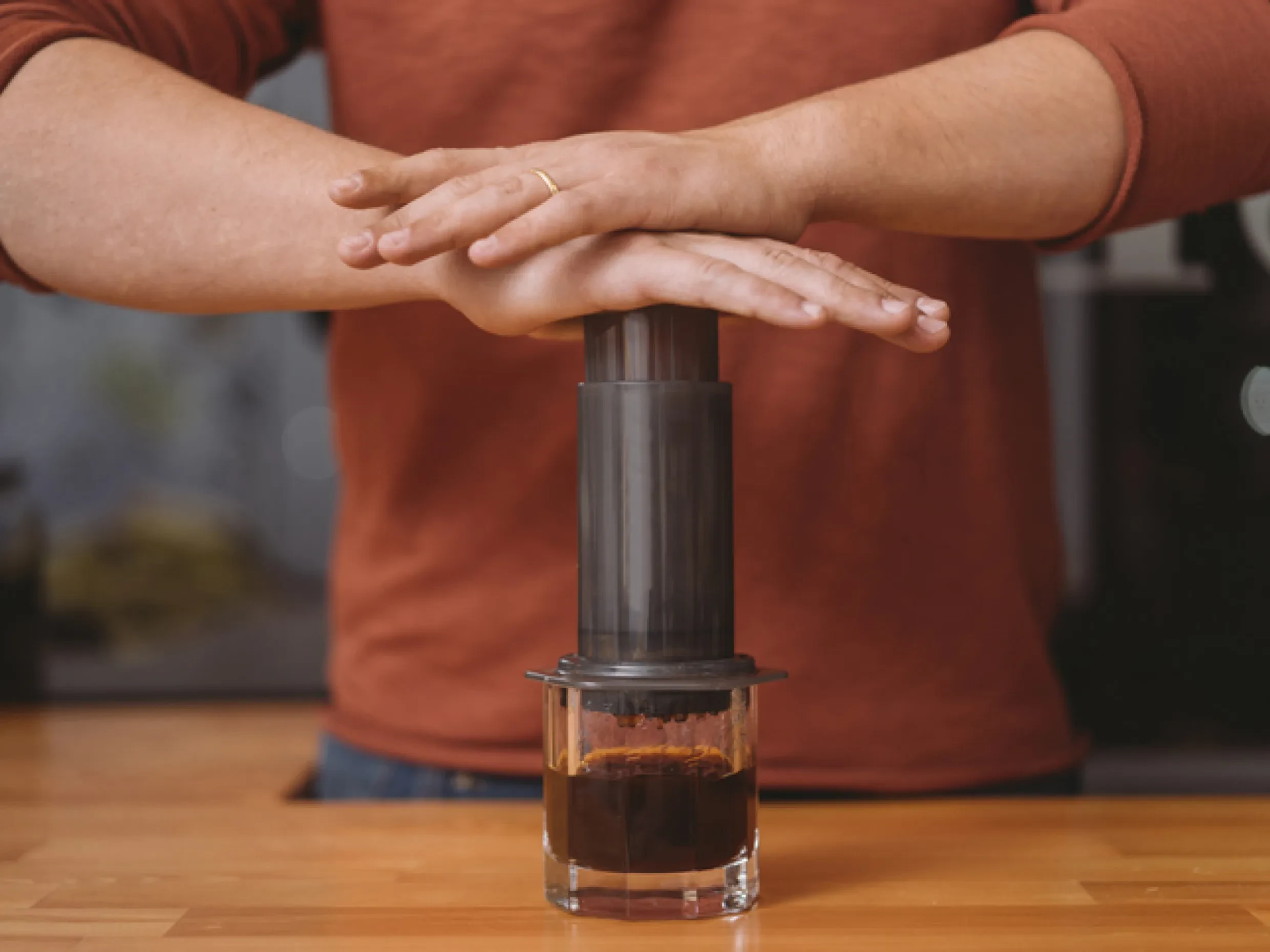
The AeroPress is a compact, manual coffee brewer traditionally made from plastic but now also available in glass and metal versions, that combines short steeping with gentle pressure. Coffee is brewed in the chamber, then pressed through a paper or reusable metal filter into a cup, producing a smooth, clean and concentrated drink. It was invented in the early 2000s by a former Stanford University engineering lecturer called Alan Adler who also invented the Aerobie flying disc in the 1980s!
How To Make AeroPress Coffee
Add medium-fine coffee and hot water to the chamber, stir briefly, wait around a minute, then press gently through the filter into your mug.
Why It’s Convenient
It is quick, lightweight, easy to clean and ideal for one cup at a time. It is also popular with travellers and campers.
How To Make It Taste Better
Experiment with the coffee-to-water ratio and brew time. A shorter, stronger brew can be diluted with hot water or milk for a longer drink.
Best For
Single servings, small kitchens, travel, and anyone who likes a cool gadget!
Coffee Percolator: Old-School Nostalgia
A percolator uses heat to drive hot water up a central tube and over coffee grounds held in a perforated basket. The liquid returns to the lower chamber and passes through the grounds repeatedly, gradually producing a stronger brew.
How To Make Percolated Coffee
Add medium-coarse coffee to the basket, fill the base with water, then heat gently. Once percolating begins, keep an eye on the time and remove it from the heat before the coffee becomes over-extracted.
Why It’s Convenient
It can make a large batch and works well on a stovetop or camp stove, and you don’t need any paper filters.
How To Make It Taste Better
Use a medium-coarse grind and stop brewing as soon as the coffee reaches the strength you like. Resist the temptation to let it keep percolating.
Best For
Large batches, camping trips and fans of strong, traditional coffee.
Cold Brew Coffee: Smooth, Sweet & Make-Ahead
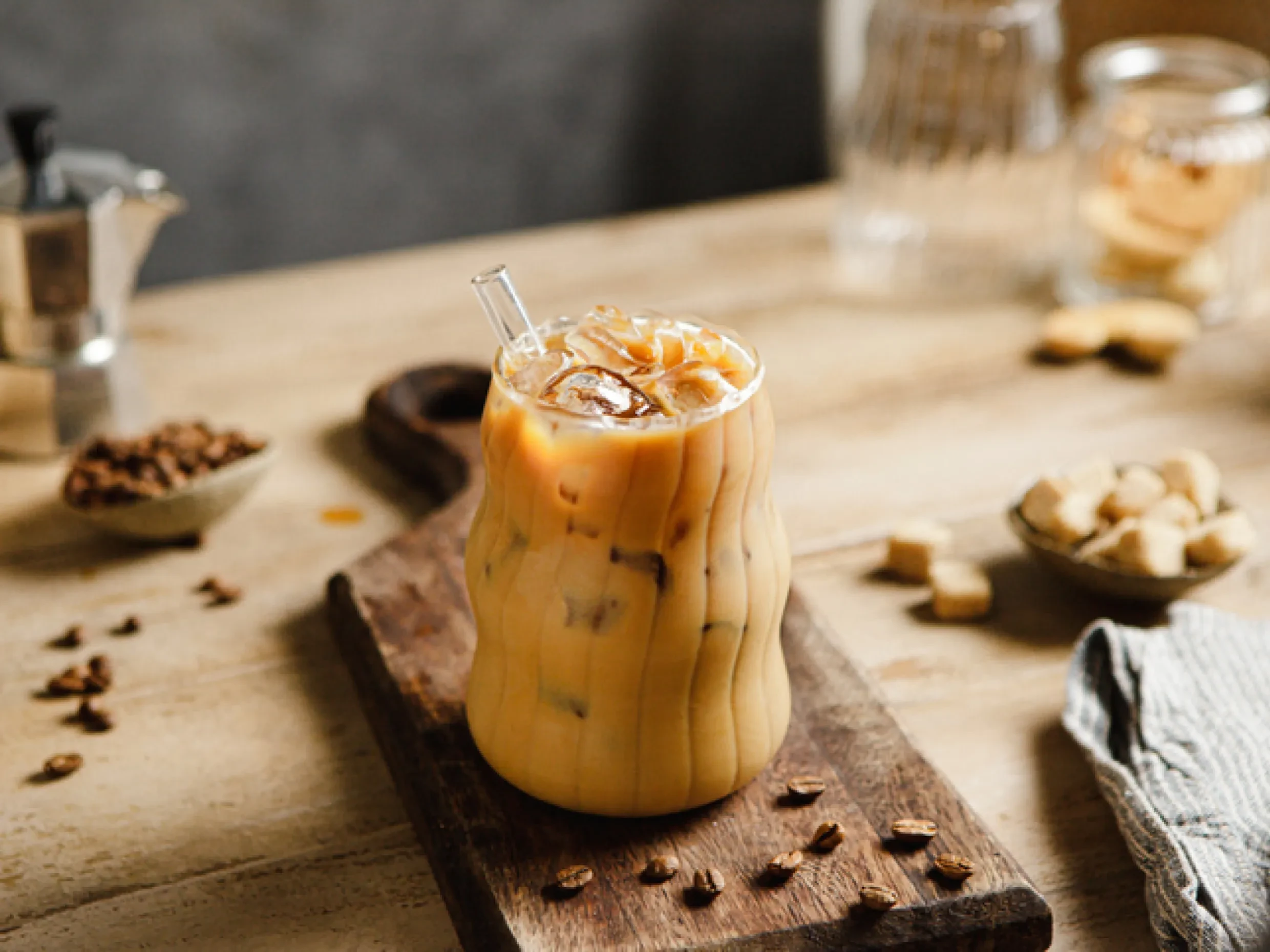
Cold brew is made by steeping coarse coffee in cold or room-temperature water for 12 - 24 hours, then straining it. The long, gentle extraction often produces a smooth, mellow coffee with less perceived acidity and bitterness than hot-brewed coffee. Depending on the beans and brewing method, it can also taste slightly sweeter, and is a great summer drink option when poured over ice.
How To Make Cold Brew Coffee
Combine coarse-ground coffee with cold water in a jug or jar, stir, cover and leave in the fridge for around 12 - 24 hours, adjusting the time to suit your preferred strength. Strain it through a paper filter, muslin or very fine sieve.
Why It’s Convenient
It can be made in a big batch and kept in the fridge for several days, ready to pour whenever you want it.
How To Make It Taste Better
Use a coarse grind and strain thoroughly. If you make a concentrate, dilute it with water or milk before drinking.
Best For
Iced coffee, hot weather and make-ahead morning caffeine.