




Somewhere between five and six billion cups of tea are drunk around the world every day. The UK accounts for over 100 million of them. So how did these dried leaves from the Far East become our unofficial national drink, and what are the world’s most popular brews? There’s more to tea than meets the chai, so put the kettle on, settle in, and let’s get this par-tea started…
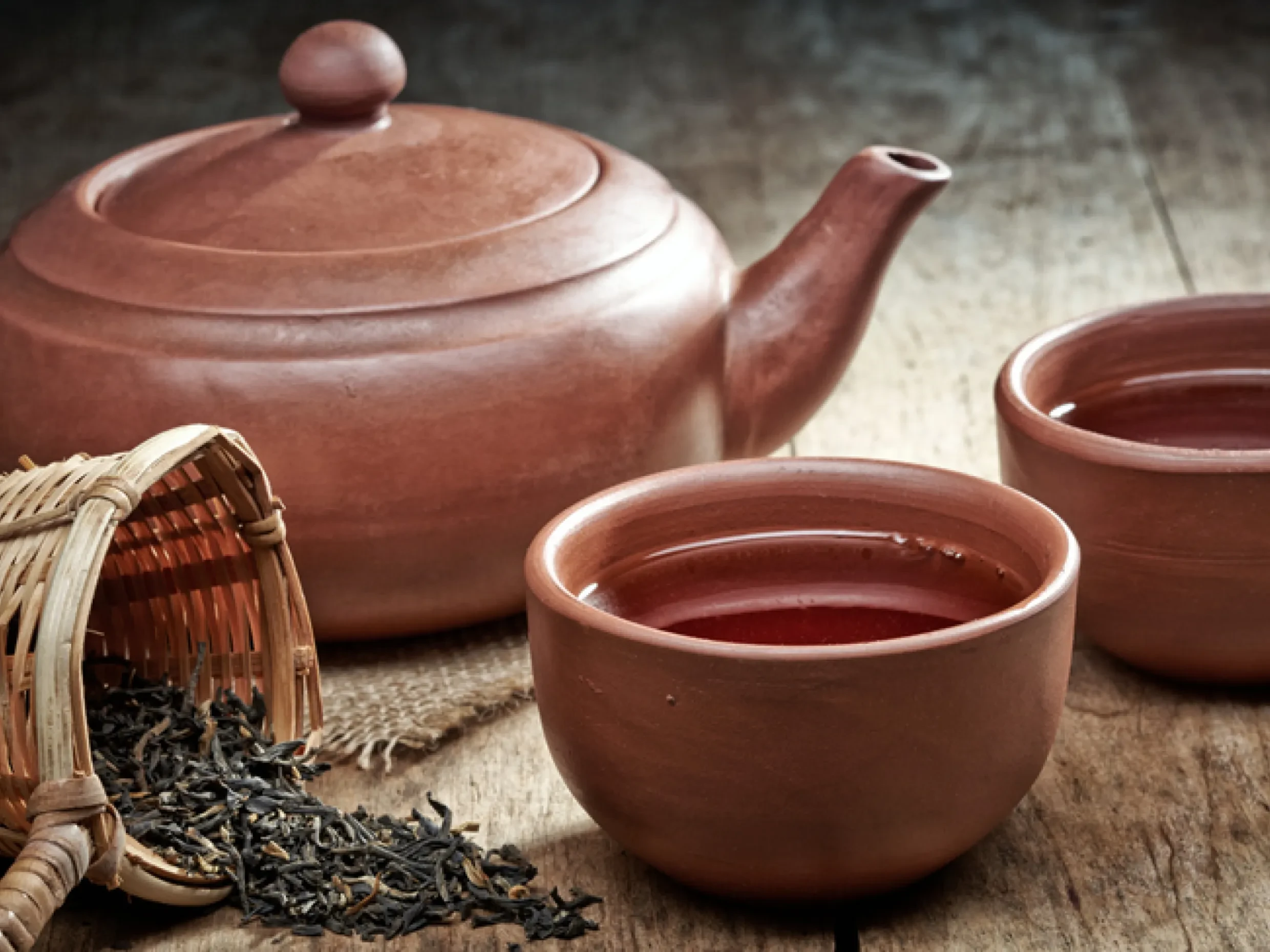
Tea: The Origin Story
The tea plant - Camellia sinensis - is fascinating and full of surprises. It’s thought to have originated in parts of southern China and neighbouring regions of Southeast Asia and northeastern India. Though it’s fair to say its exact origins and history are the topic of (boiling) hot debate!
According to one legend, the drink we know and love today was discovered completely by accident in 2737 BC by Chinese emperor and mythological ruler Shennong. The story goes that he was boiling a pot of water when a gust of wind blew wild tea leaves into his pot. He drank the brew, liked it, and the rest is history.
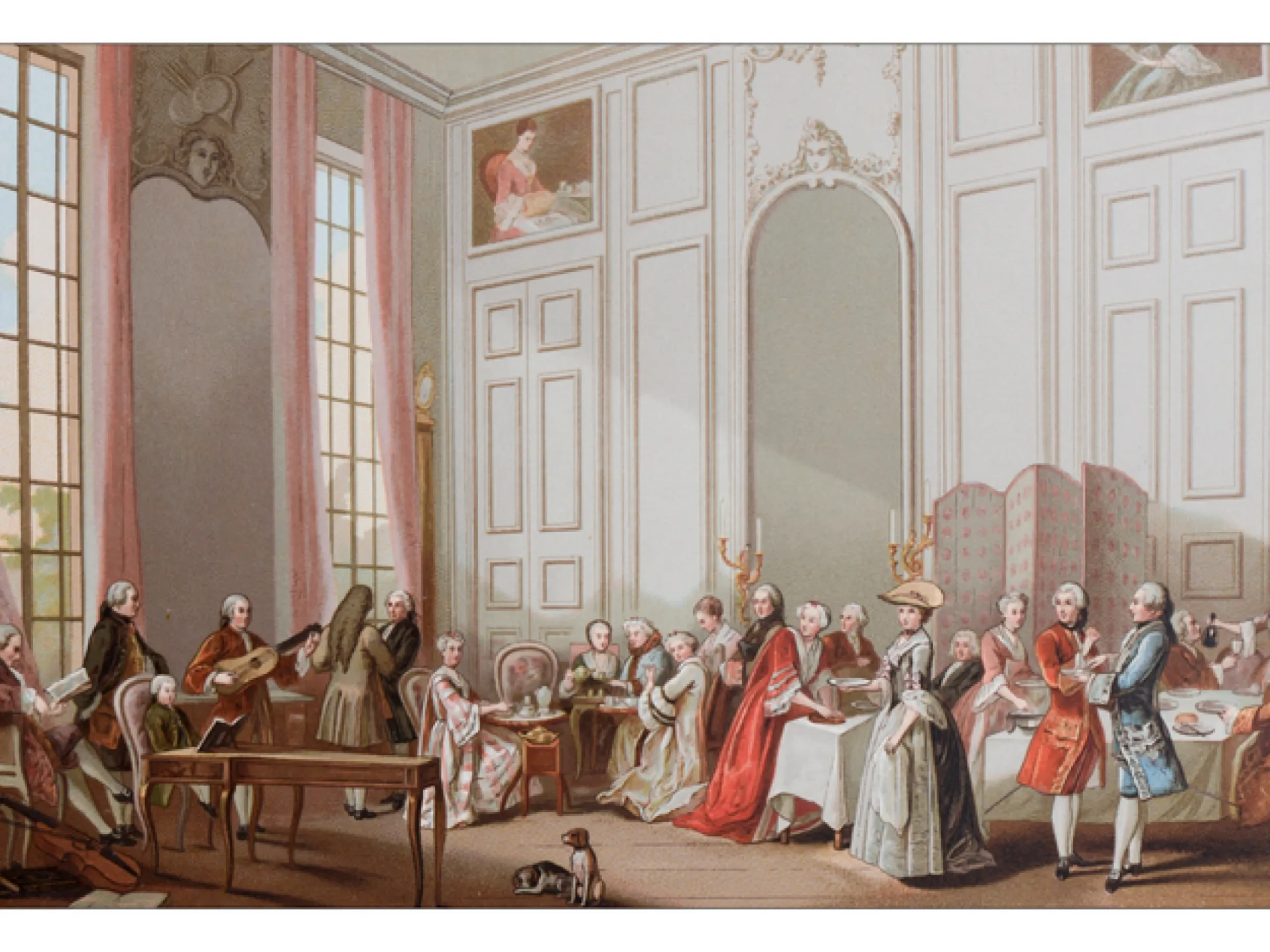
For Europeans, tea became well-known to Portuguese traders during the 1500s. It was the Dutch though who really commercialised tea in the early seventeenth century. From the Netherlands, tea made its way through Germany and Austria where for a time, it was exclusively a product for the wealthy elite.
Though often the European country most associated with the drink, it wasn’t actually until the 1650s that tea first appeared in the UK. From that point - and in modern parlance - tea went viral! It all kicked off in 1662, when Portuguese princess Catherine of Braganza married King Charles II, and brought her love of tea to the English royal court. It quickly became the ultimate status symbol, and the foundations were laid for the tea culture Britain holds so dearly today.
These days of course, there’s loads of different types of tea to choose from. Let’s find out which are the world’s most popular brews.
Black Tea
Black tea is made from the leaves of the Camellia sinensis plant that are fully oxidised, giving the leaves their dark colour and producing a strong, full-bodied brew.
Different Types of Black Tea
There are many types of black tea, including Assam from northeastern India, Darjeeling, known as ‘the Champagne of teas’, from the Himalayan foothills, Ceylon tea from Sri Lanka, Kenyan tea which is one of the country’s main exports, and Chinese black tea, of which there are dozens of different varieties.
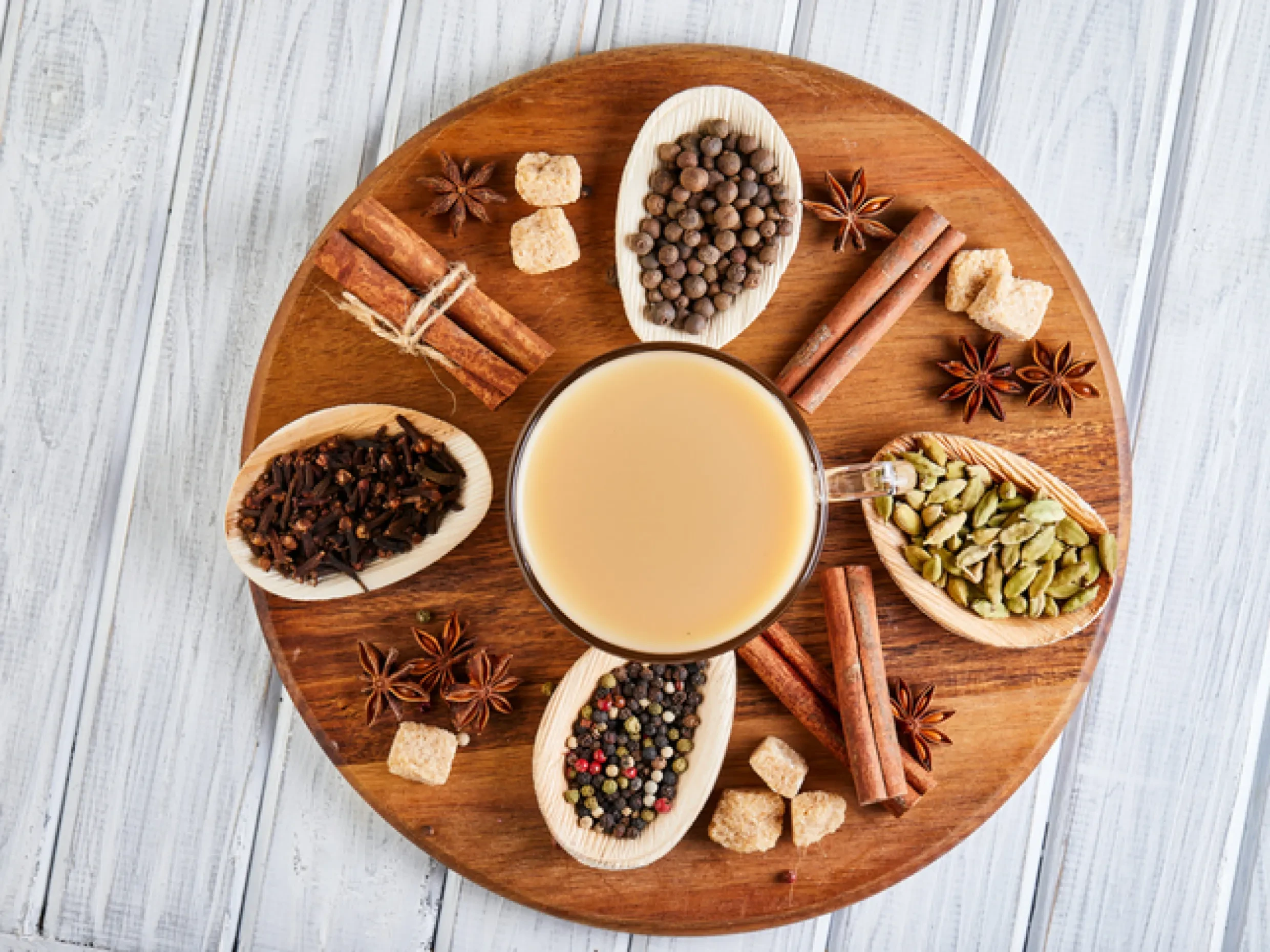
Some of the most popular black tea blends include Earl Grey, which is flavoured with bergamot oil; Lady Grey tea which is flavoured with bergamot oil and citrus peel; the classic English Breakfast tea, which is commonly a blend of Assam, Ceylon and Kenyan teas; and Masala chai, a delicate blend of black tea and spices including cardamom, cinnamon, cloves, ginger, star anise and others.
How Popular is Black Tea?
Black tea is the world’s favourite tea, accounting for roughly 70% or more of global consumption. It’s especially central to tea culture in Britain, Ireland, India, Turkey, Russia and North America.
Green Tea
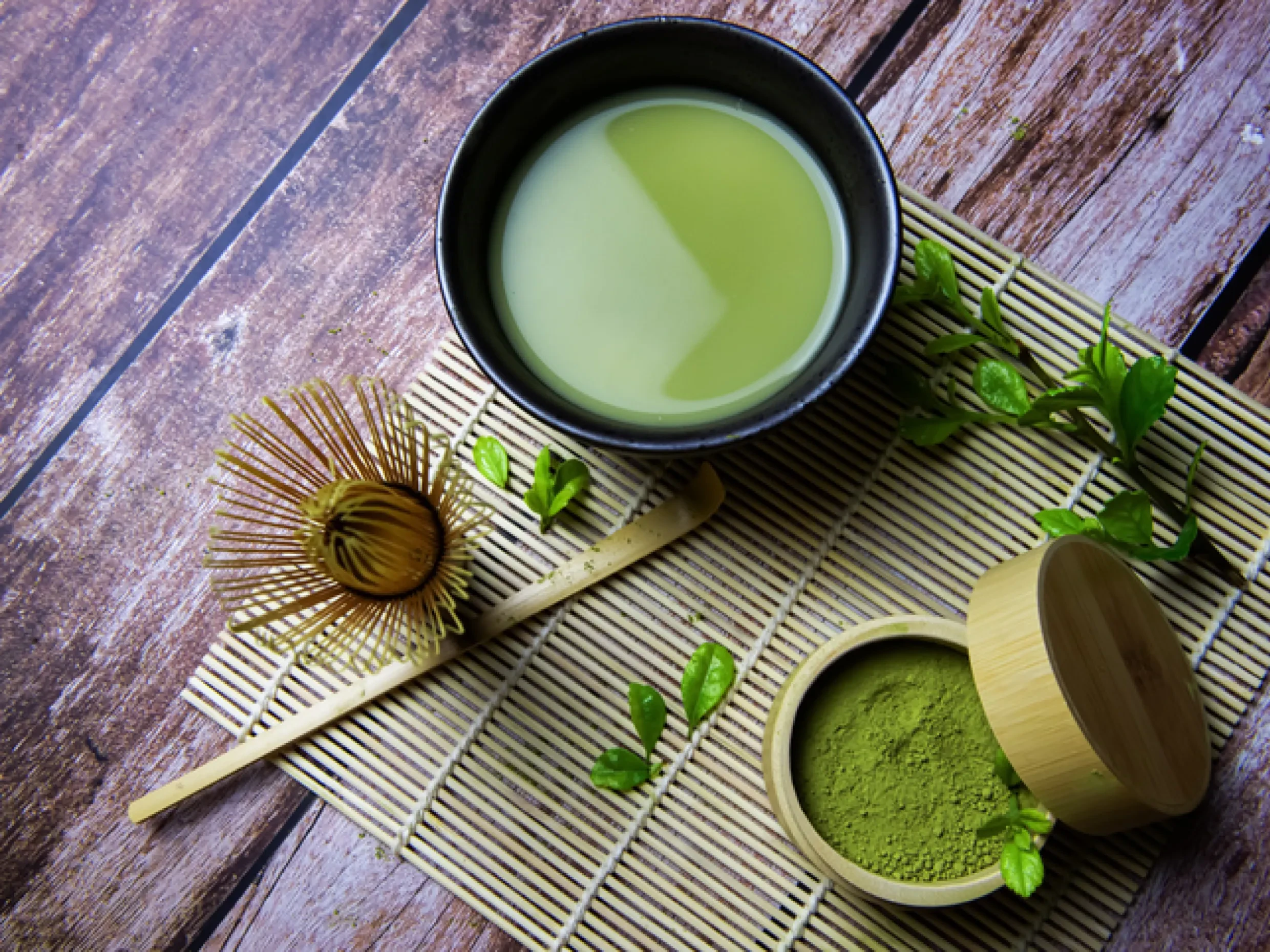
Green tea is also made from the leaves of the Camellia sinensis plant but they’re quickly heated after being picked to prevent oxidation, preserving their fresh green colour and grassy flavour.
Different Types of Green Tea
Major styles include Japanese sencha, matcha - which is a bright green, stone-ground powder - and gyokuro, a premium Japanese tea. There’s also Longjing (Dragon Well), one of China’s most famous green teas, Gunpowder, named because the leaves are tightly rolled into small pellets, and the globally popular Jasmine green tea.
How Popular is Green Tea?
Green tea is thought to be the world’s second most widely drunk tea and dominates in China, Japan, Korea and parts of North Africa, including Morocco’s sweet mint tea tradition.
Oolong Tea
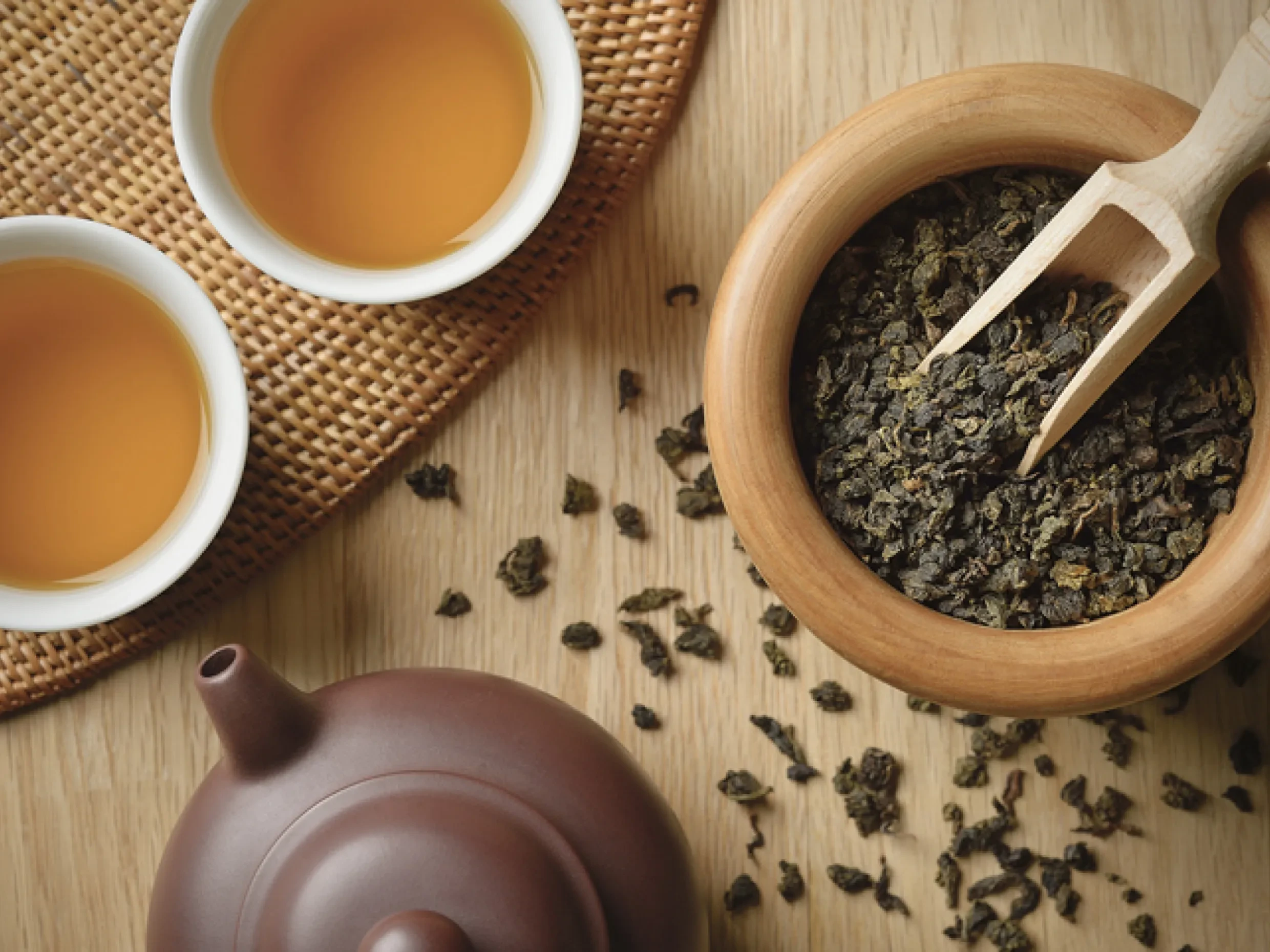
Oolong is a semi-oxidised tea which sits in the middle of green and black tea. The level of oxidation can vary widely, creating one of tea’s most wide-ranging flavour families. Some are sweet and fruity, some more dense, woody and thick, while others are similar to green tea with a grassy, fresh taste.
Different Types of Oolong Tea
Oolong teas range from light and fruity to dark and toasty. One thing though that many varieties have in common is the great names! Oolongs include Da Hong Pao, or ‘Big Red Robe’, then there’s Shui Jin Gui, which translates to ‘Golden Water Turtle’, and Tieguanyin, or ‘Iron Goddess of Mercy.’ There’s also Dong Ding, which means ‘Frozen Summit’, or ‘Ice Peak’, named after the mountain where it’s grown, and Dongfang meiren, meaning ‘Oriental Beauty.’
How Popular is Oolong Tea?
Oolong accounts for a much smaller share of global tea consumption than black or green tea, but is highly valued in southern China, Fujian and Taiwan, where specialist tea culture remains a time-honoured tradition.
White Tea
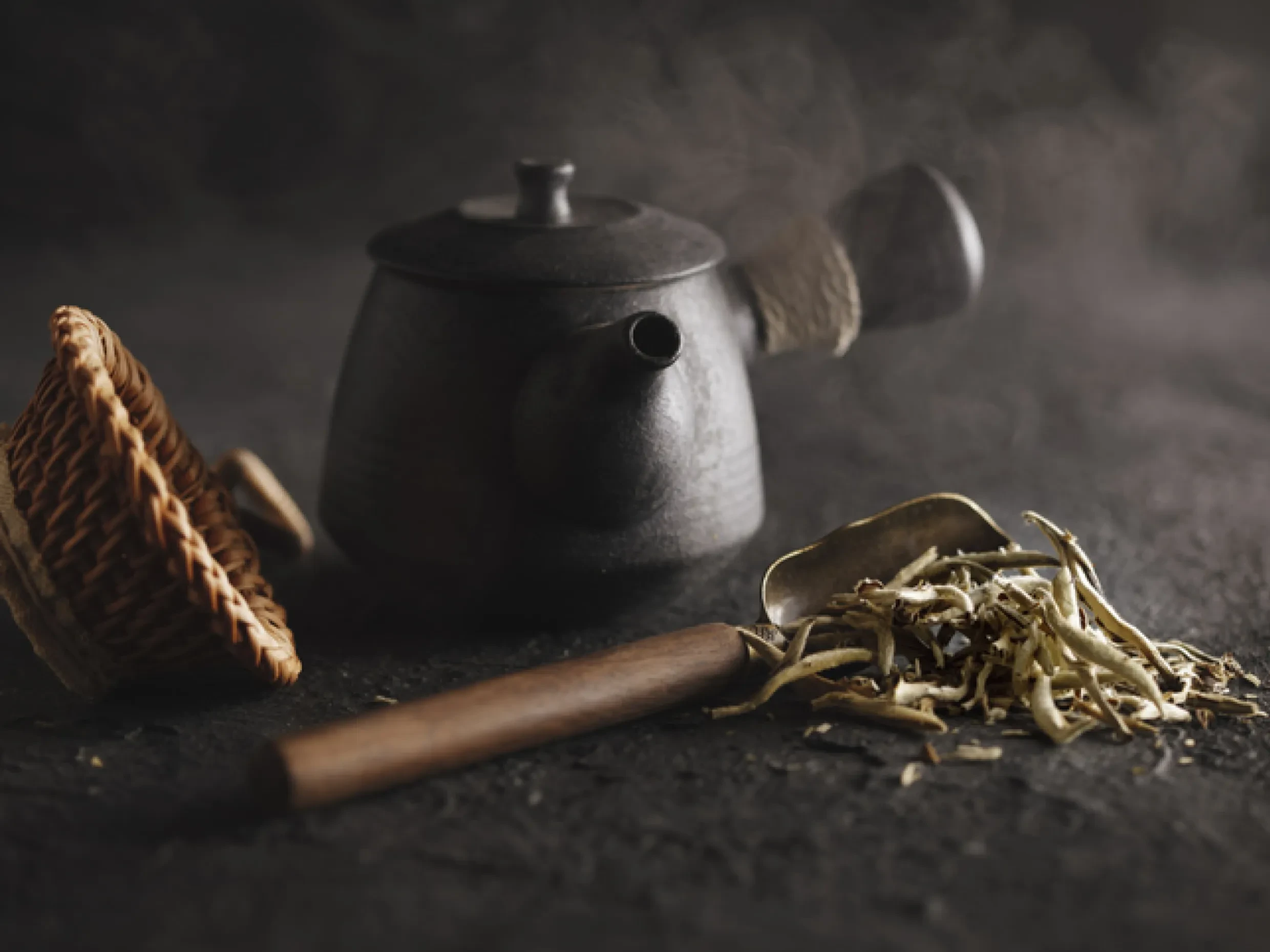
White tea is the least processed tea variety. It’s typically made from unopened buds and young leaves that are simply withered and dried naturally in the sun or in controlled environments.
Different Types of White Tea
Like many types of tea, white tea is traditionally divided into several classifications according to the buds and leaves used. The four main Chinese white tea classifications are Shoumei (Longevity Eyebrow), Gongmei (Tribute Eyebrow), Bai Mudan (White Peony) and Baihao Yinzhen (Silver Needle). They differ according to the buds, leaves and cultivars used.
How Popular is White Tea
White tea is still largely a niche product, and is most popular in China's Fujian Province, although it’s increasingly visible in many online and specialist tea shops around the world.
Dark Tea
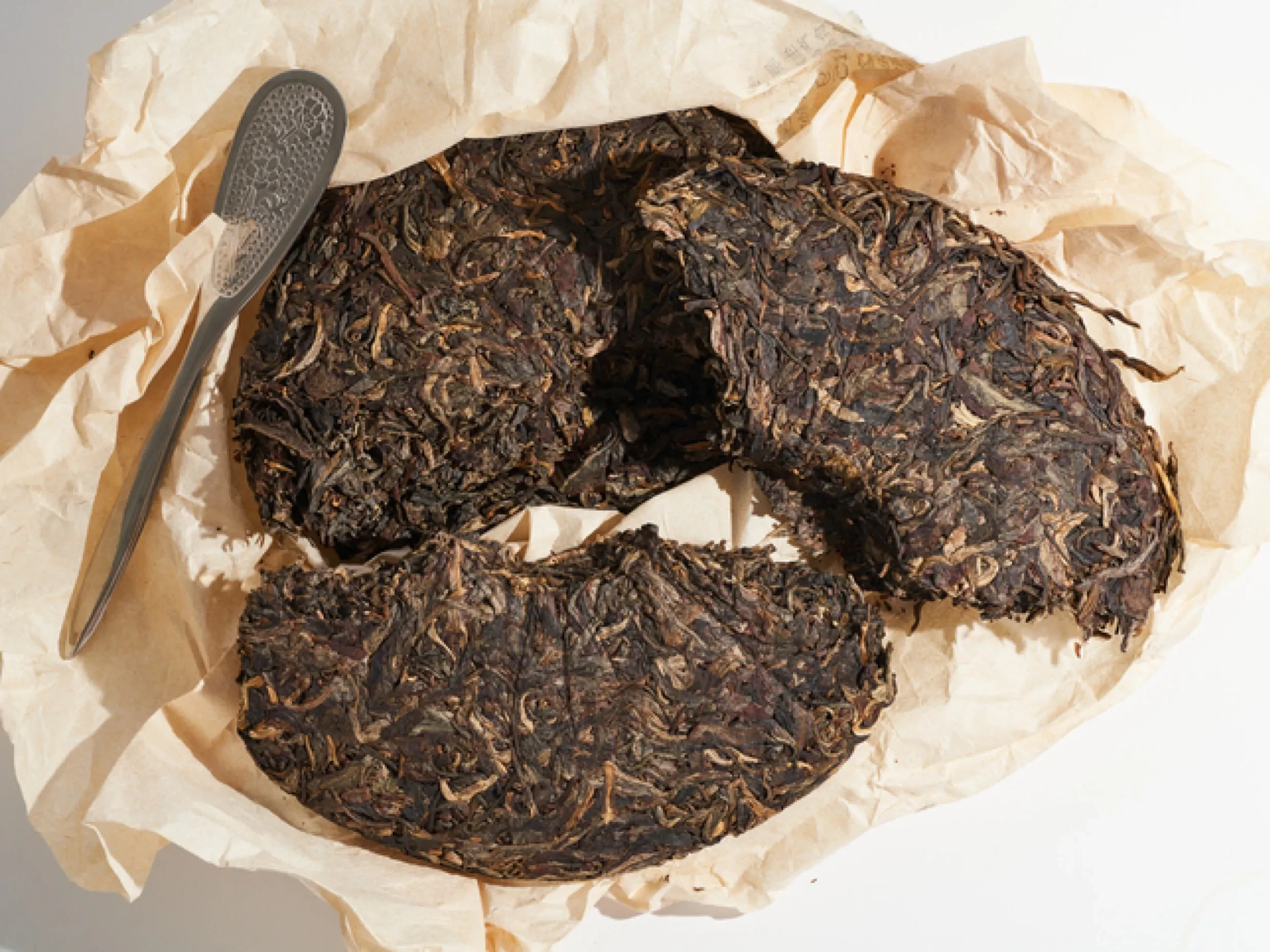
Dark tea, known in China as hei cha, is post-fermented tea that includes several regional varieties. Pu'er, produced in Yunnan, is one of its best-known examples. Depending on the variety, processing can involve heating, rolling, drying and microbial fermentation. It’s commonly compressed into bricks, known as zhuan cha, to help with the aging process.
Different Types of Dark Tea
The two best known types of dark tea are: Sheng Cha, where the leaves are sold loose or pressed into cakes or bricks and left to oxidise and ferment, sometimes for decades; and Shou Cha, which was developed commercially in the 1970s and uses a controlled wet-piling process, involving moisture, warmth and naturally occurring microorganisms, to speed up fermentation. There are other popular regional varieties, including Liu Bao from Guangxi and Anhua dark tea from eastern China.
How Popular is Dark Tea
The dark tea market, centred in Yunnan Province in southwestern China, is highly specialist, and smaller in comparison to the other types of tea. It’s also produced elsewhere in China, as well as in Japan and South Korea.
Yellow Tea
Yellow tea (huángchá) is a rare and expensive, lightly oxidised Chinese tea. It’s processed in a similar way to green tea but includes an extra ‘sealed yellowing’ stage known as men huang which removes the grassy smell commonly associated with green tea. Men huang also requires continuous attention, skill, and weather monitoring - a single mistake can ruin an entire batch.
Different Types of Yellow Tea
Some of the most famous varieties of yellow tea include Junshan Yinzhen and Beigang Maojian from Hunan, Meng Ding Huangya from Sichuan, Huoshan Huangya from Anhui, and Haimagong Cha from Guizhou.
How Popular is Yellow Tea
Certain varieties of yellow tea were once strictly guarded as "imperial tribute teas" reserved for Chinese emperors and the elite. Today, while it’s not widely drunk (thought to make up less than 1% of China’s annual tea production), it is a speciality preferred by a committed following among tea hobbyists, and a 50g bag can cost anywhere from £20 - £50 or more.
Herbal Tea
Herbal tea is not strictly tea at all, on the basis it doesn’t come from the leaves of the Camellia sinensis plant. Herbal teas, otherwise known as herbal infusions or tisanes, are infusions made from other plants, such as herbs, flowers, fruit, roots, seeds or spices.
Different Types of Herbal Tea
There’s dozens of different types of herbal tea, including chamomile, peppermint, ginger, hibiscus, rooibos, lemon verbena, fennel and fruit blends. Rooibos from South Africa, is made from the leaves of the Aspalathus linearis plant and is one of the most popular caffeine-free alternatives to traditional tea.
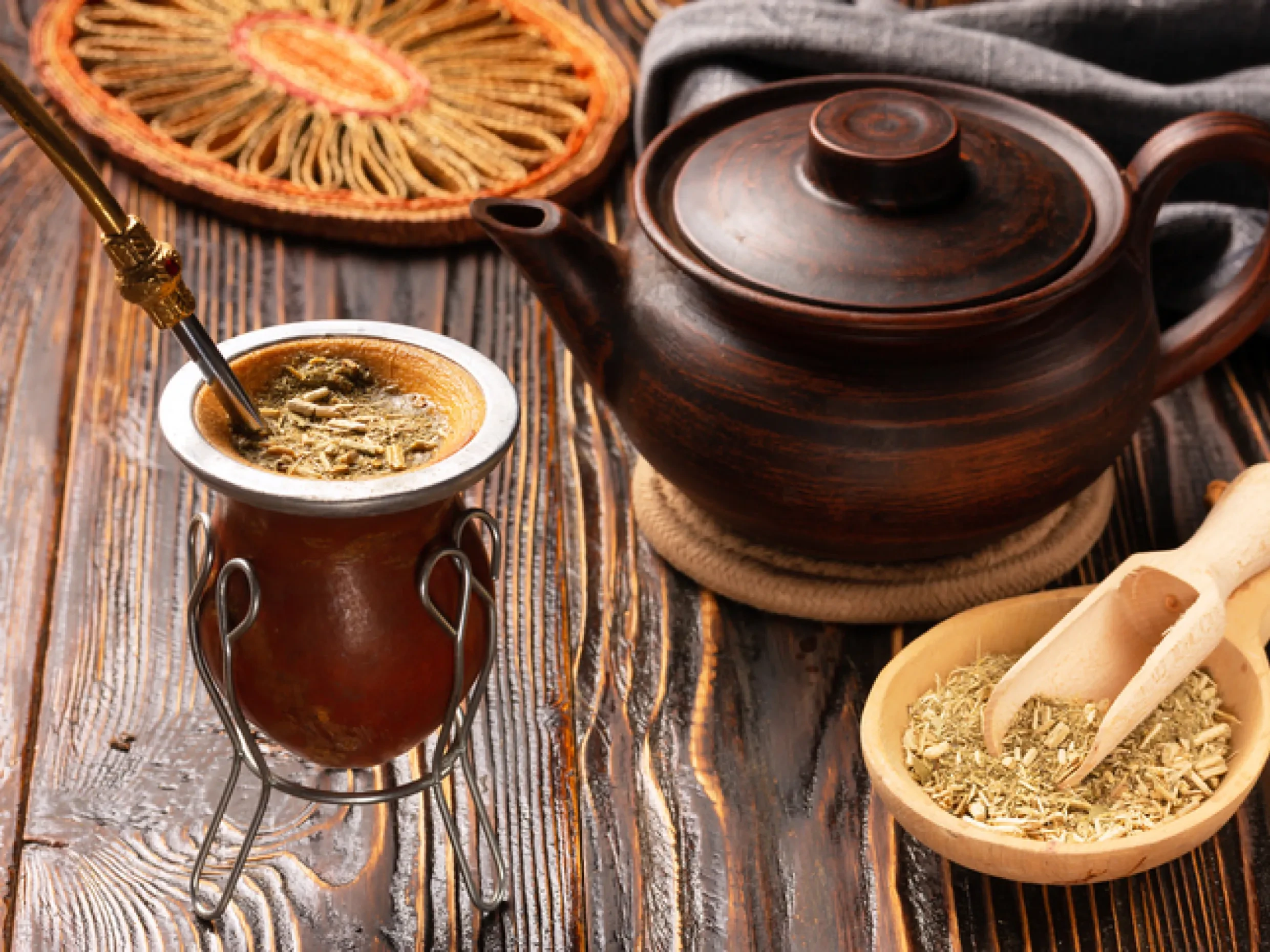
Yerba mate, made by steeping the leaves of a holly plant called Ilex paraguariensis, is a major drink in Argentina, Uruguay, and Brazil, while in China, Japan and Korea, chrysanthemum, ginseng and barley teas are everyday drinks.
How Popular is Herbal Tea
Herbal infusions are enjoyed all over the world and are especially popular with people avoiding caffeine. Most are naturally caffeine-free, though blends containing yerba mate, guayusa or actual tea leaves may not be.
Bubble Tea
No article on the world’s most popular teas can be complete without a mention of bubble tea!
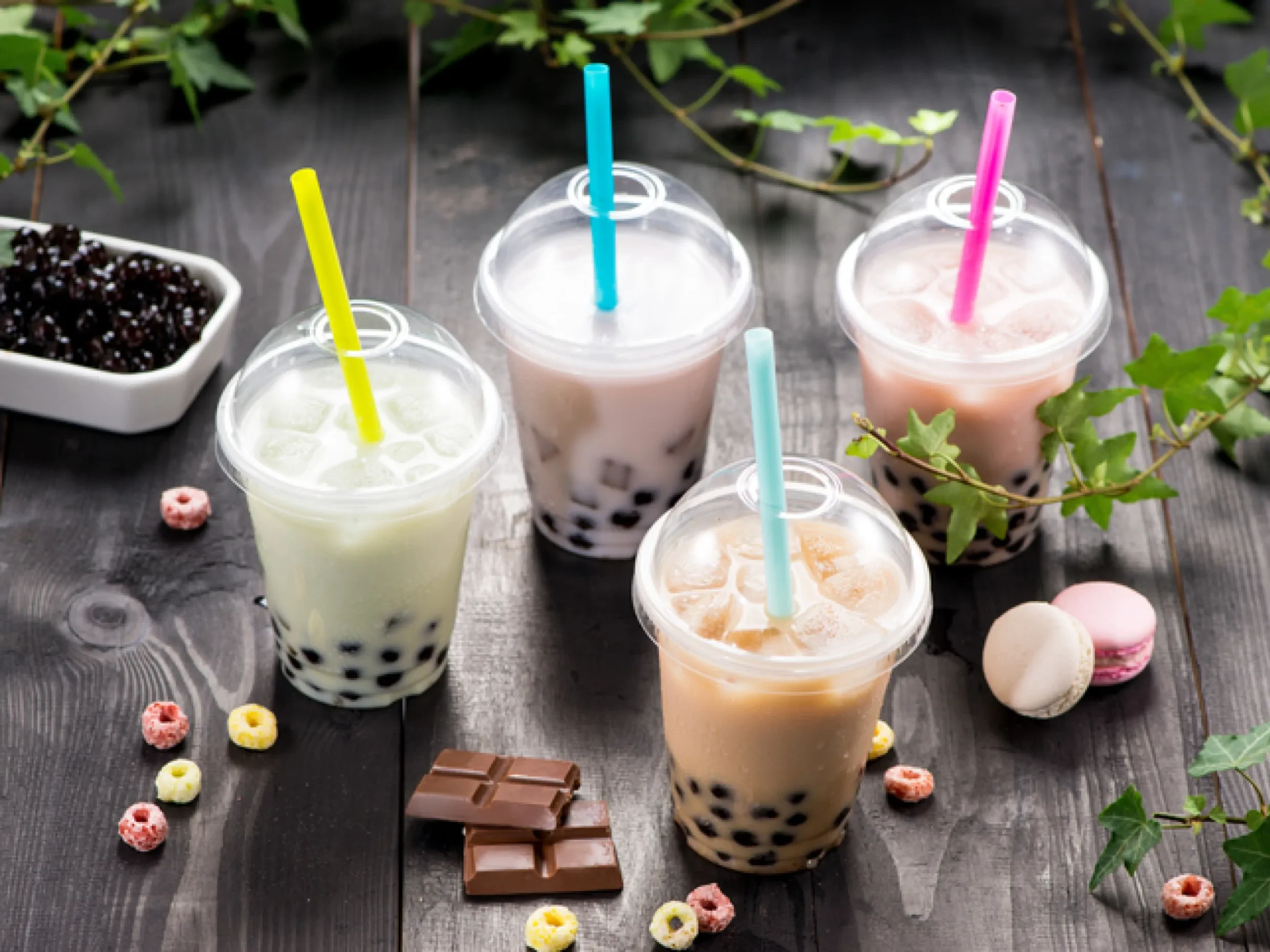
Also known as boba tea or pearl milk tea, it’s a cold, sweet drink usually made with tea, milk or fruit puree like mango, passionfruit or lychee, as well as chewy tapioca pearls sweetened with syrup or sugar. The “bubbles” can refer either to the froth created when the tea is shaken or to the pearls at the bottom of the cup.
It originated in Taiwan in the late 1980s. From there, it spread through East and Southeast Asia in the 1990s, then reached Chinese ex-pat communities and wider audiences in North America and Europe.
As well as the traditional tapioca pearls, bubble tea is also available with ‘popping boba’ which are gel-like spheres filled with fruit juice that burst when you bite through them, and tiny jelly spheres like aloe vera, coconut jelly or a herbal grass variety.