







Gone are the days when you could go into a café or coffeeshop and get a coffee. A plain, standard one-size-fits-all cup of coffee. These days, you can spend as long deliberating what to order as you do choosing names for your children. So what is a cortado, a lungo, or a ristretto? Italian opera titles, or hot drinks? Add iced coffees and pumpkin spice lattes into the mix and you could be standing at the counter for days. If you’ve been wondering what all those coffee shop terms mean, Food Network has got you covered!
A Short Story of Coffee
In one form or another, coffee’s been drunk since at least the fifteenth century, and likely earlier. Over the following centuries, coffee developed into an important home for the talking-shop, with coffeehouses flourishing across the Middle East and Europe. Yet it wasn’t until the twentieth century that coffee transformed from a cheap and cheerful drink into a full-on multi-sensory experience to be savoured and shared.
First-Wave Coffee
First-wave coffee refers to the mass-market era of coffee production and consumption which spanned the late nineteenth century and into the twentieth. This period led to major advances in production techniques such as vacuum-sealed packaging, pre-ground coffee, and instant coffee. The priority was convenience, affordability and a dependable caffeine hit - not where the beans came from or how they were brewed.
Second-Wave Coffee
Beginning in the 1960s and expanding rapidly during the 80s and 90s, the world of second-wave coffee was all about speciality beans, espresso-based options and the modern café experience. People could customise drinks and were introduced to mochas, cappuccinos and frappuccinos. It was the era of the high-street chain, the place where you met up to chat, relax and generally hang out. It was the iconic Friends coffee stop experience made real all across the globe.
Third-Wave Coffee
From the early 2000s, coffee’s moved on to a new level - an artisanal craft with the beans taking centre-stage. Coffee shops and cafés developed ever more complicated menus. Now there was an emphasis on the country, region, farm or producer. This shift saw a focus on origin, sustainability and roasting profiles. And with the change in culture, came a change in the menu. It. Got. Bigger.
So what’s the difference between a macchiato and a cortado, or a doppio and an espresso? There’s a latte to unpack, so let’s barista-rt with the basics.
The Espresso Family
Most coffee drinks start with a single (or double) shot of espresso - and FYI it’s never pronounced ‘expresso!’
Espresso
A small, concentrated shot of coffee (around 30ml) made by forcing hot water through finely ground coffee. It’s the strong, full-flavoured base for many other café drinks.
Doppio
A doppio is simply a double espresso in the same cup.
Ristretto
A ristretto is a shorter espresso made with less water (usually around 20ml) so it’s smaller and more concentrated than a standard espresso. It can also taste less bitter. It translates as ‘restricted’, as in the shot restricts the amount of water used.
Lungo
A 'long' espresso is made by passing more water through the coffee than a standard shot, commonly producing around 45 - 60ml, depending on the recipe. It’s less intense than espresso or ristretto, and can taste thinner and sometimes more bitter than a standard espresso because the longer extraction draws additional soluble compounds from the coffee grounds.
Espresso Macchiato
This is a shot of espresso with a spoonful of milk foam or a little steamed milk.
Espresso con Panna
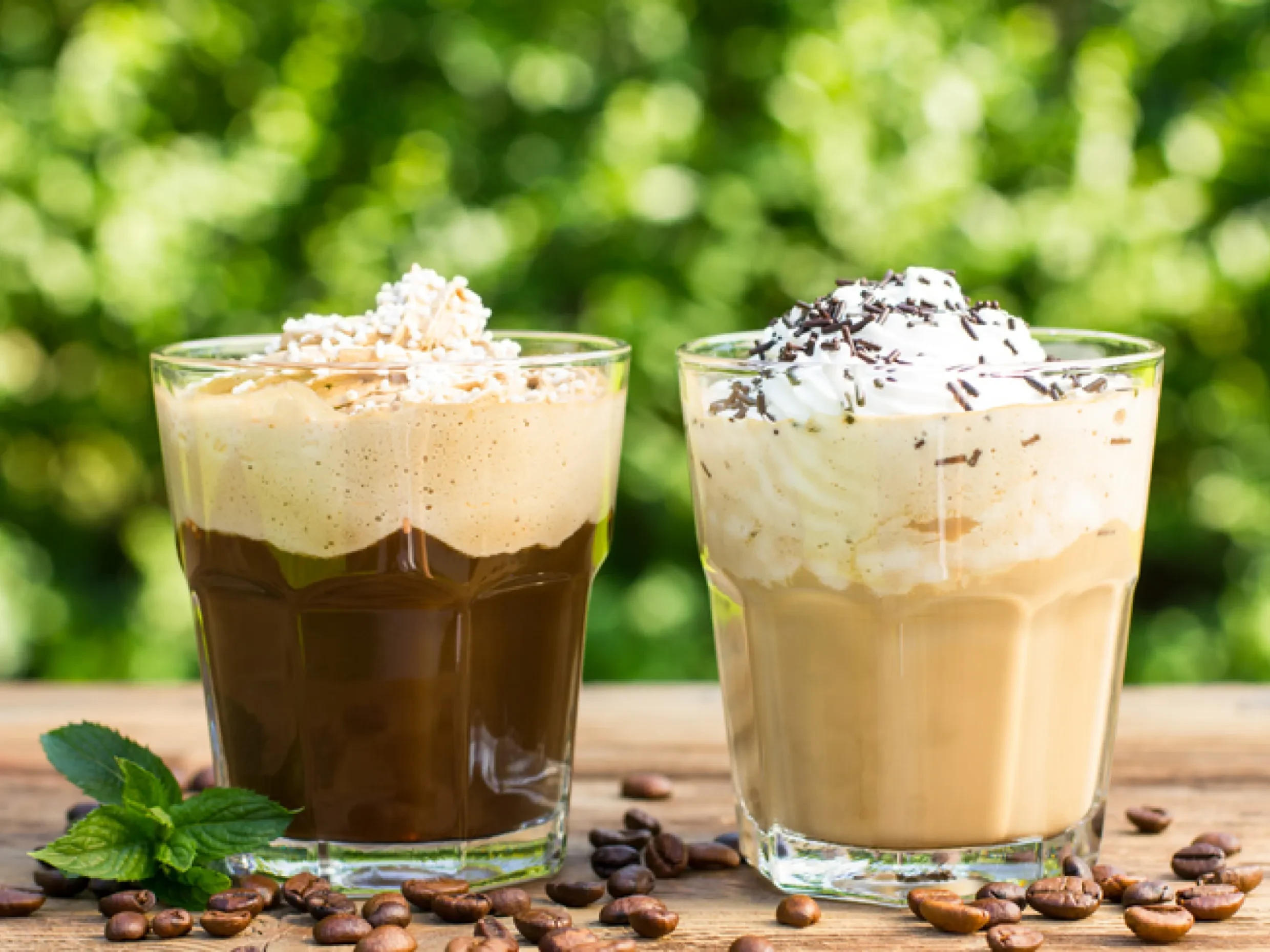
More of a dessert-type drink than a morning pick-me-up, espresso con panna is an espresso (or doppio) with a dollop of whipped cream.
Cortado
Usually served in a small glass, a cortado is espresso with a small amount of warm steamed milk.

Long Coffees
These drinks stretch espresso into something longer, milkier and more leisurely. The main difference is usually the balance of coffee, hot water and milk, although café recipes can vary slightly.
Americano
A shot (or two) of espresso topped up with hot water, creating a longer black coffee with a similar strength to filter coffee but a more espresso-led flavour. It can also be served with milk.
Cappuccino
Espresso topped with steamed milk and a generous layer of milk foam (and sometimes a sprinkle of dusted chocolate). It’s creamier than an Americano but still has a pronounced coffee taste.
Latte
Espresso with lots of steamed milk and a thin layer of foam on top. It’s one of the mildest, creamiest espresso-based coffees.
Flat White
Again using espresso as a base, a flat white is combined with velvety, finely textured steamed milk. Usually smaller than a latte, it has a stronger coffee-to-milk ratio and little to no thick foam.
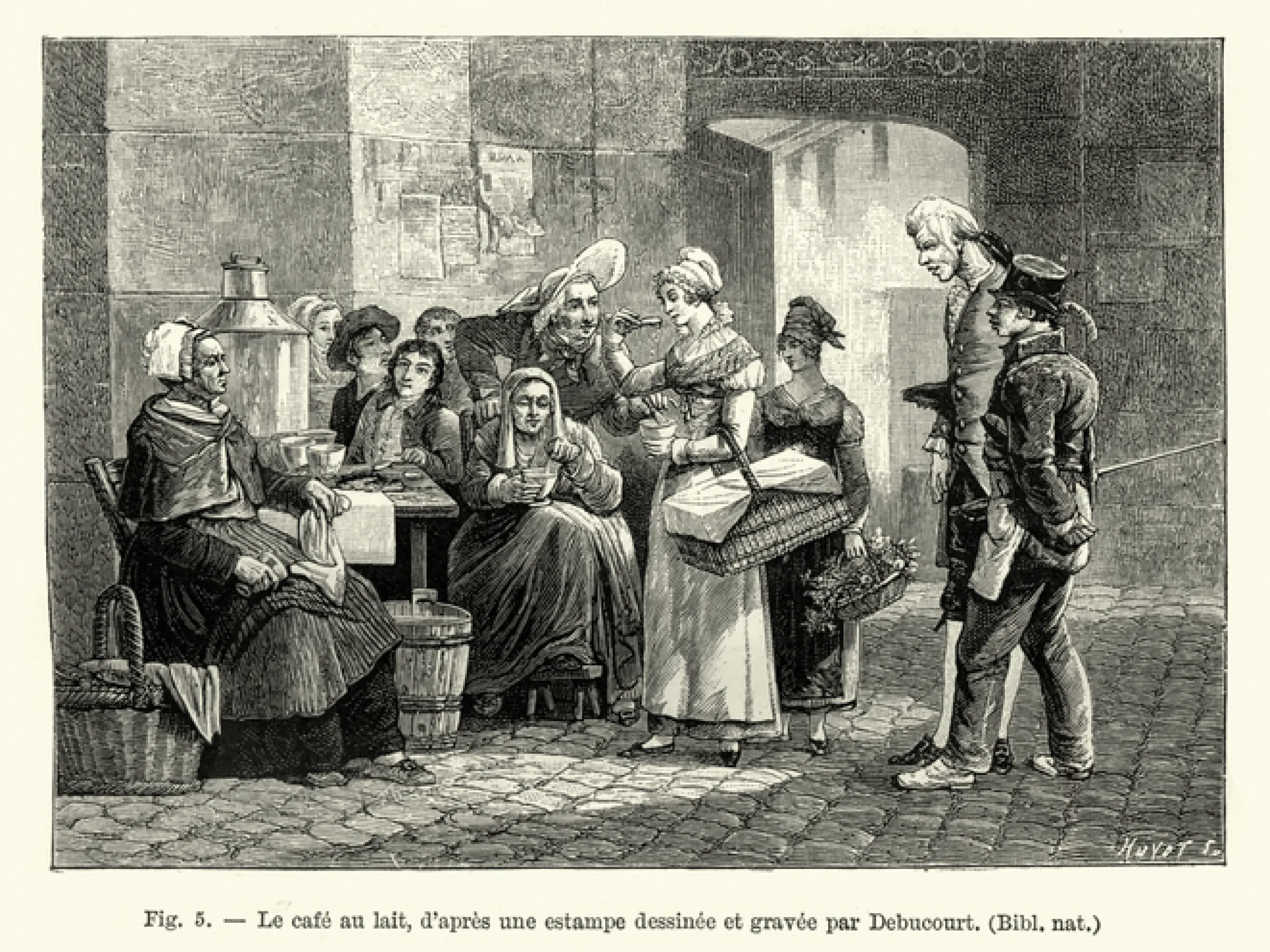
Café au Lait
This is made with brewed coffee mixed with hot milk, usually in roughly equal proportions. Unlike a latte, it’s traditionally made with filter or French-press coffee rather than espresso.
Latte Macchiato
The best of both worlds, a latte macchiato is made by pouring espresso into steamed milk, often creating distinct layers. It’s typically a milk-forward drink, although the balance of coffee and milk varies between cafés.
Mocha
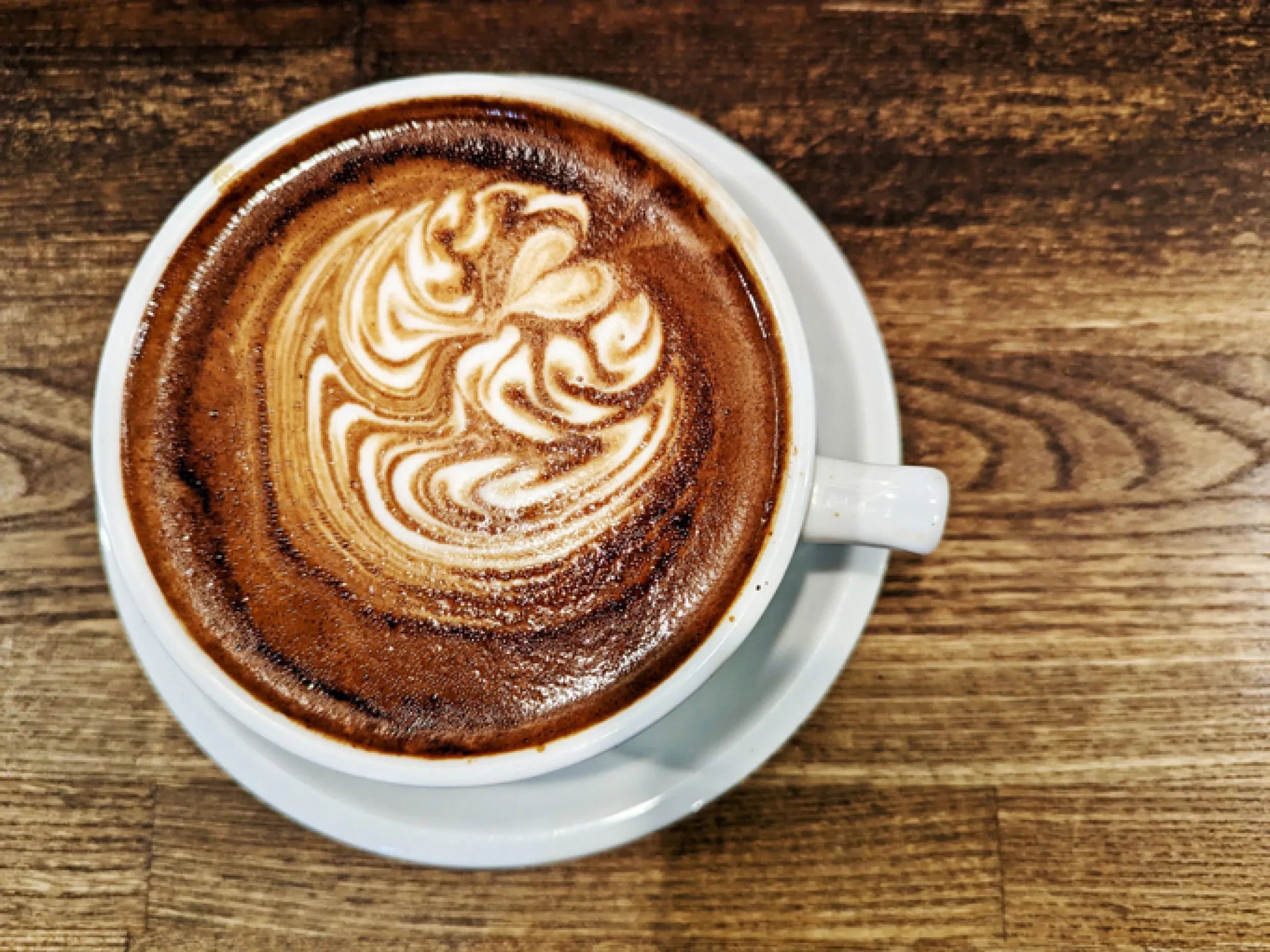
This is an espresso (or two) mixed with chocolate - powder or syrup - and then topped with steamed milk. Think of it as a latte for chocolate lovers, and some versions also include whipped cream.
Iced Drinks
Iced menus can appear overwhelming, but most drinks fall into a few familiar categories - coffee or espresso served over ice, with water, milk, flavourings or foam. The most common choices are iced lattes, iced Americanos, iced mochas and cold brew, and you’ll also find some non-coffee options such as iced chai and matcha lattes.
Iced Coffee
This is simply regular brewed coffee that’s been left to cool and served over cubed or crushed ice. It can be served with milk, cream and different flavoured syrups.
Iced Americano
This is the same as a hot Americano except the hot water is replaced with cold water and ice.
Iced Latte
A simple mix of espresso, cold milk and ice. Creamy and mild, it’s one of the easiest drinks to customise with syrups or alternative milks.
Iced Mocha
This is essentially an iced latte with chocolate syrup or chocolate powder added, making it sweeter and more dessert-like.
Cold Brew
Cold brew is coffee that’s been steeped in cold or room-temperature water over many hours, rather than brewed hot and then cooled quickly. It’s usually smoother and less sharp than regular iced coffee.