















It’s early, you’re barely awake, and you’re staring down the kitchen counter. Caffeine is non-negotiable, but there’s an important question that needs to be answered. Do you reach for the French press and a packet of ground coffee, contemplate the unimaginable task of grinding beans at this hour of the morning, grab a pod, or go for a quick and easy instant? Let’s make sense of your morning mug.

A Whole Latte Options to Consider
The modern coffee aisle is big. Very big. Whole beans, ground coffee, pods, instant jars, machines promising café-quality espresso in seconds. The good news? You don’t need a barista licence to make a fast, delicious cup at home.
There are loads of options for a coffee that’s quick to prepare. Generally speaking, each one involves a trade-off between speed, cost, and flavour. Instant coffee wins on convenience. Pods deliver consistency with minimal effort. Freshly ground beans offer control and great taste, if you have a little more time. This guide breaks down the main ways to drink coffee at home, so you can find the method that best suits your morning and your mug.

Instant Coffee
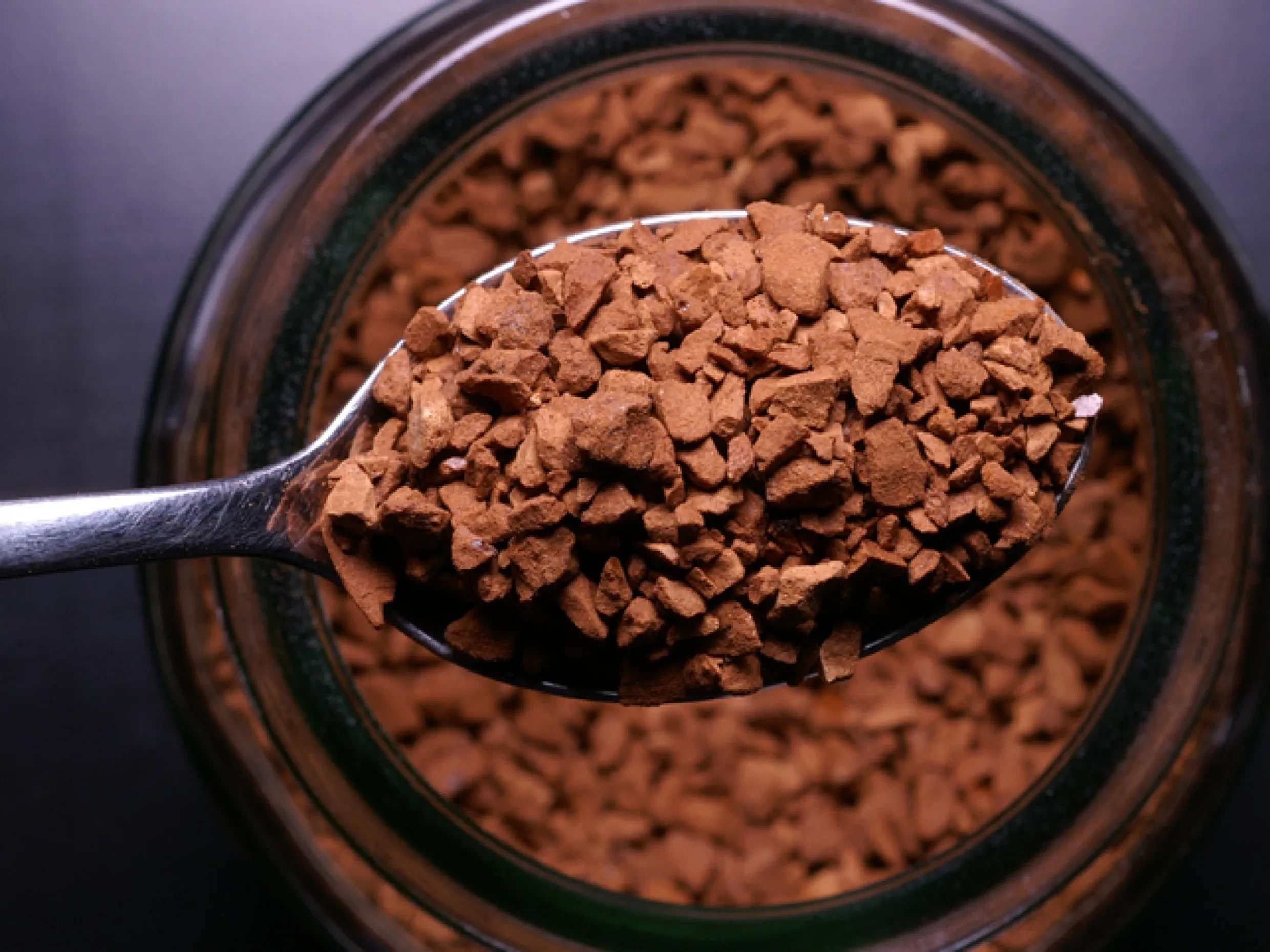
Instant coffee is real coffee that’s already been brewed, concentrated and dried, so all that’s left for you to do is add hot water. The two main methods are spray-drying, which turns coffee extract into a fine powder using hot air, and freeze-drying, which freezes the extract and removes the ice under vacuum, leaving those familiar chunky granules. Freeze-dried instant is generally more aromatic and flavourful, while spray-dried versions are usually cheaper and can sometimes taste a little flatter.
Pros: It’s super-quick, you just add hot water, stir and go. It’s also one of the cheapest ways to keep coffee in the cupboard. It doesn’t need a machine (apart from a kettle) and keeps for ages.
Cons: Many would argue that the flavour can be bitter, thin or one-dimensional compared with freshly brewed coffee, and it doesn’t have the same rich aroma of beans ground just before they’re brewed. Freeze-dried options can often taste closer to a proper cup, but they usually cost a bit more.
If you need a caffeine fix but you have mere minutes before you need to leave the house, instant is your friend!
Coffee Pods & Capsules
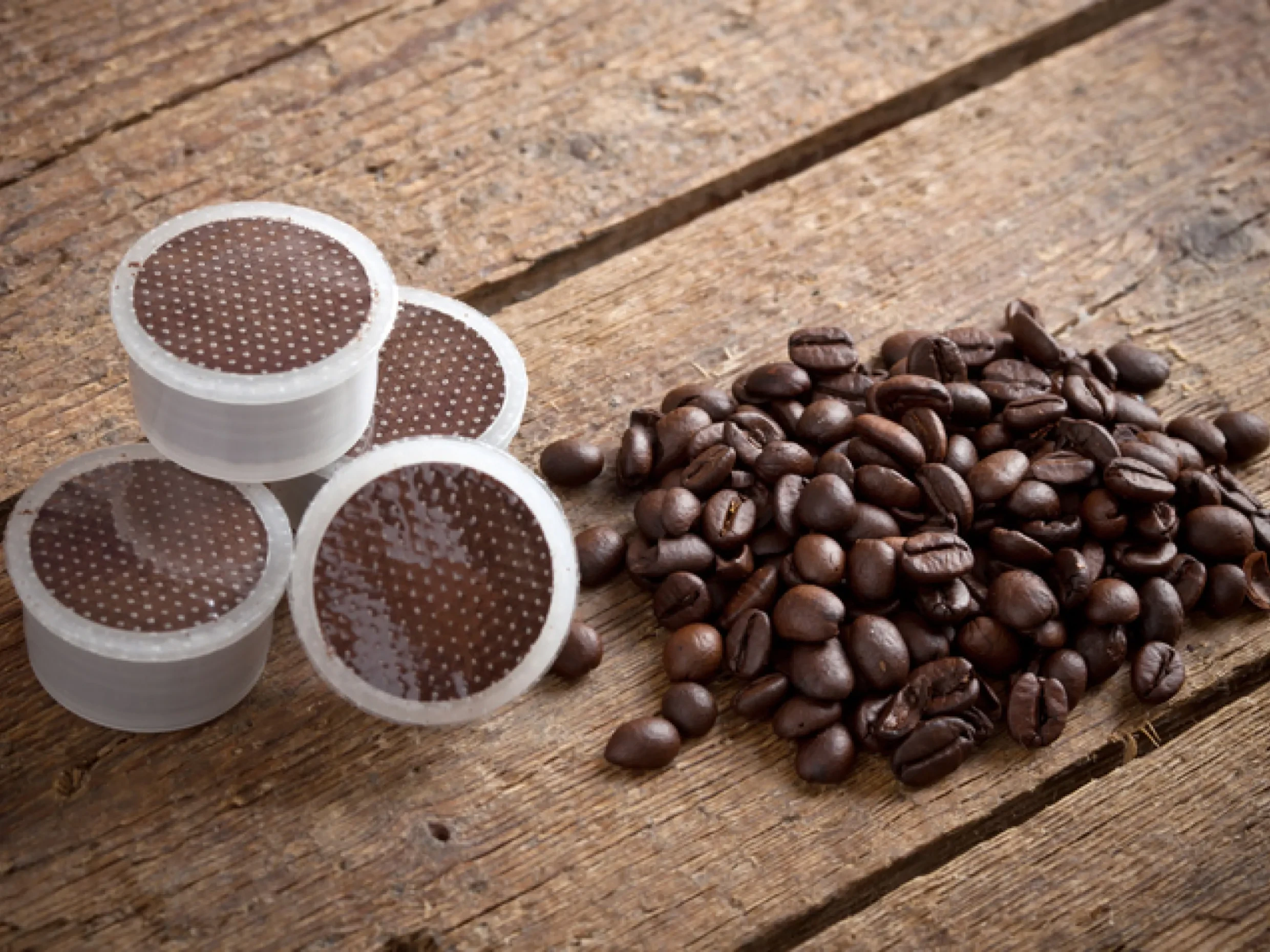
Pods and capsules are pre-portioned, sealed servings of ground coffee designed for a compatible machine. You pop one in, press a button, and, depending on the machine, hot water is forced through the coffee at pressure or passed through it using centrifugal force, producing anything from a very short and intense ristretto, to a longer, frothier cup. More recently, some pods and capsules also contain milk powder or other ingredients for specialty drinks.
Pros: They’re very convenient - there’s no grinding, tamping or measuring, and very little cleanup, and each cup is the same as the last. There’s also a huge range of blends, intensities and flavours available, so it’s easy to experiment rather than buying bag after bag of beans to find the one you like.
Cons: The upfront cost of a pod or capsule machine can be quite expensive. As a rough guide, machines can cost anywhere from £30 at the budget range, to £650 or more for high-end machines with integrated steamers, milk frothers, barista-style microfoam capability, wi-fi or Bluetooth connectivity, and large water tanks. You’re also tied to the capsules for your particular machine, and while throwing them away causes packaging waste, there are lots of dedicated recycling schemes for pods via local councils or the pod companies themselves, so it’s worth checking those out.
Pods and capsules are great for busy households, and anyone looking for a reliable, consistent brew.
Ground & Filter Coffee
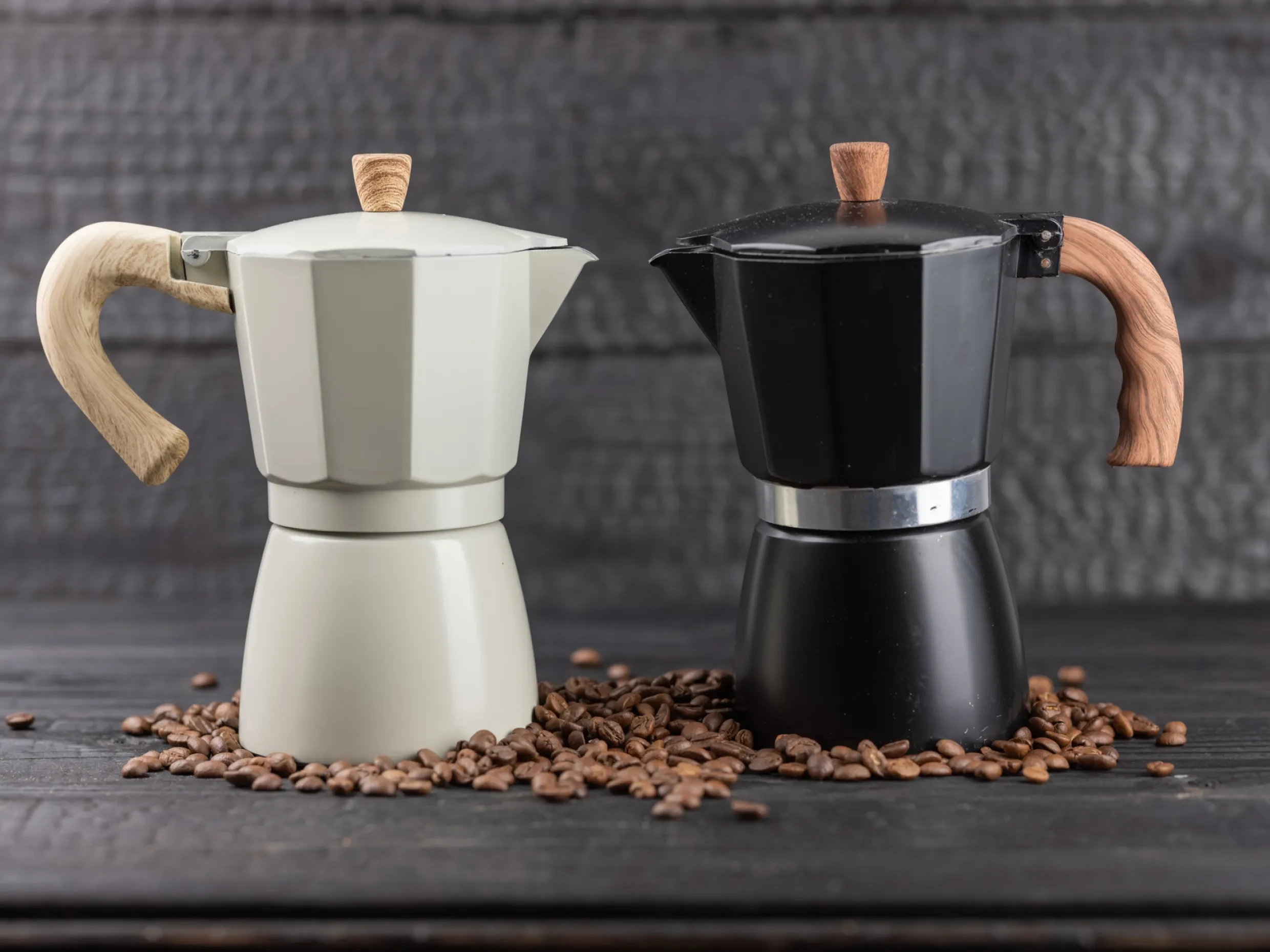
Ground coffee is simply roasted coffee that’s already been milled, ready to be brewed. With filter coffee, whether made in an automatic drip machine or a pour-over cone, hot water passes through ground coffee and a filter, extracting flavour as it flows into your mug or carafe. A cafetière works differently - the grounds steep in hot water before a mesh plunger separates them from the finished brew.
Pros: It’s one of the best balance points between convenience, cost and flavour. You can make one mug or a whole pot, choose from a huge range of roasts and origins, and fine-tune the strength you like by adjusting the amount of coffee or brewing time.
Cons: It takes a bit more time and attention than instant coffee or a capsule. You need to measure the coffee, use a filter or brewer, and wait for the brew cycle to do its thing. Pre-ground coffee also loses freshness faster than whole beans, so it’s worth buying smaller amounts and storing it well.
Ground and filter coffee is great if you've got a little more time, or you’ve got friends round.

Whole Bean Coffee
Whole beans is coffee in its least ready-to-brew form, because you have to grind them yourself just before making your cup. Grinding releases aroma and flavour quickly, so beans ground moments before brewing can make a noticeably fresher coffee than pre-ground.
Pros: You’ve got greater control over what ends up in your cup. You choose the grind to suit your method - coarser for French press or cold brew, medium for filter coffee, finer for espresso - and adjust it to taste. Whole beans also stay fresher for longer than ground coffee, and buying smaller amounts means you can explore different roasts and origins without waste.
Cons: It’s not very convenient if you’re constantly in a rush. You’ll need a grinder, a little extra time in the morning, and some willingness to experiment with grind size and the amount to use. Good beans can also cost more upfront, although many coffee lovers consider the flavour upgrade worth it.
If you’re a coffee aficionado and if you’ve got the time and desire to go the extra mile, whole bean coffee is a great option.

Coffee Concentrate & Ready to Drink
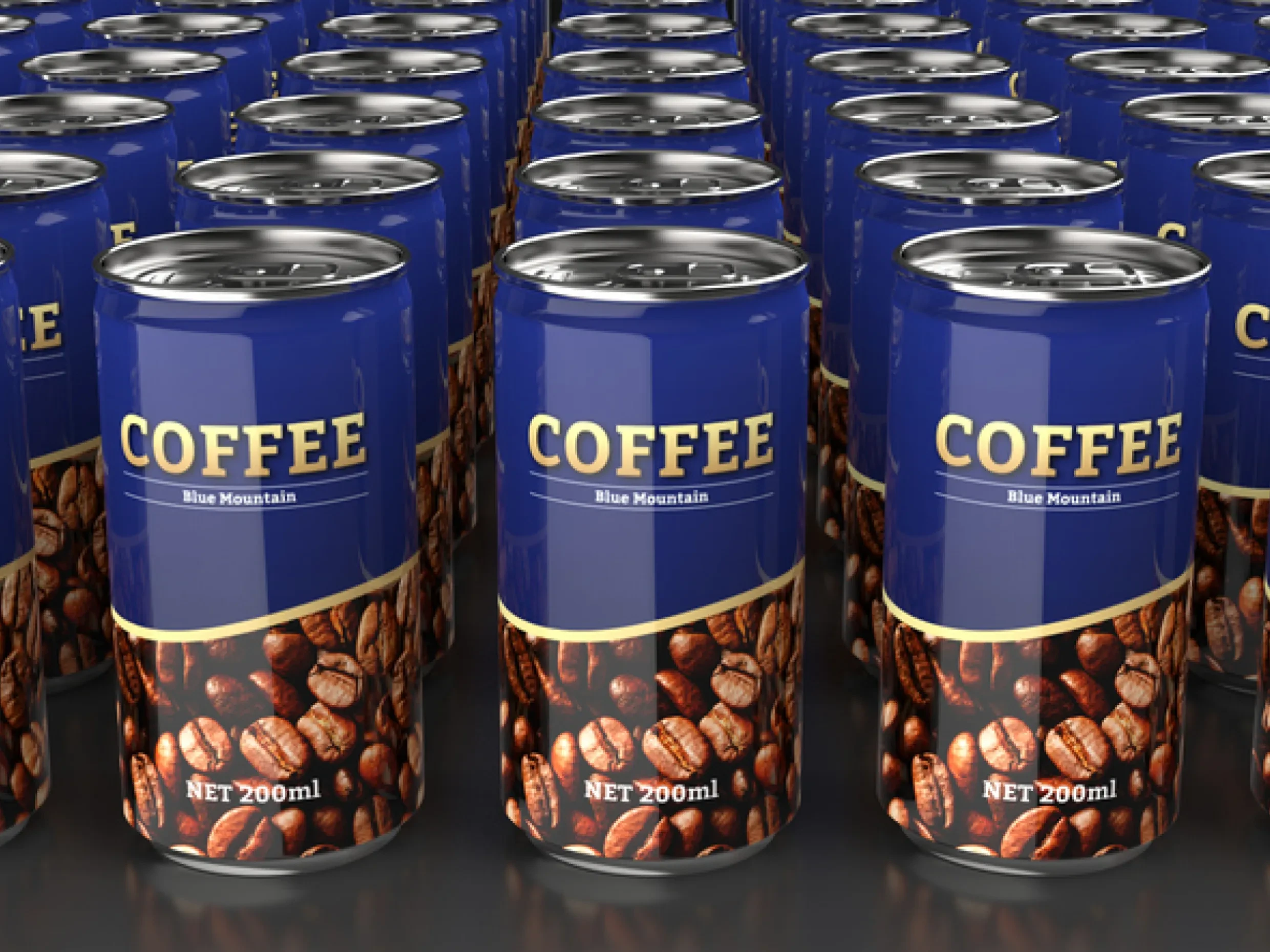
Coffee concentrate is a strong, pre-brewed coffee - often cold brew - that you dilute with water, milk or a milk alternative before drinking. Ready-to-drink coffee (or RTD) is exactly what it says on the bottle or can - a finished iced coffee, latte or cold brew that you can open and enjoy immediately.
Pros: These options are the very definition of effortless convenience. You simply grab, pour and go. Concentrates are versatile because one bottle can become iced coffee, a latte, an espresso-style shot or even a dessert ingredient (although it’s worth noting that concentrates differ from freshly brewed espresso), while RTD drinks are great for commutes, picnics and days when even the kettle feels like too much effort!
Cons: RTD coffees can be more expensive per cup than making coffee at home, and flavoured or milky versions may contain added sugar. Many concentrates are designed to be diluted, and drinking them neat can produce an unusually strong coffee, so you should always check the instructions on the carton or bottle. They also generally need to be kept in the fridge once they’re opened.
If you need caffeine on the move, or you’re looking for zero-effort sipping, concentrate and RTD could be the way to go.