







Humble and hearty with a deep-rooted cultural significance, soul food has nourished generations across the American South and beyond. It’s a cuisine born from resilience and creativity and mixes African, European, and Indigenous American traditions with unimaginable hardship, and the comforting warmth of family. From small smoky kitchens to spectacular Sunday supper tables, soul food tells an incredible story, so how did it become one of America’s most powerful - and delicious - culinary legacies? Let’s find out.
“All Soul Food is Southern, but not all Southern Food is Soul…”
So said American cook and food writer Bob Jeffries, one of the voices of 1960s soul food, but what exactly is it?
At its most basic, soul food is a style of cooking deeply rooted in the American South. It’s defined by comfort, resourcefulness, and bold flavours. The fundamentals of soul food draw on simple, familiar staples, often affordable and plentiful, that transform into deeply satisfying meals where the cook has coaxed every ounce of flavour from every ingredient.
But what ties soul food together is less about the specific ingredients and more about the approach - cooking that focuses on taste, warmth, and nourishment, prepared in generous portions and meant to be shared.

Deep Roots: West African Culinary Traditions
Centuries before the term ‘soul food’ was uttered, its foundations were already taking shape across West Africa, in countries such as Senegal, Ghana, Nigeria, Sierra Leone, Gambia, and others. It was in this region that cooking was linked to the seasons, where rice, leafy greens, legumes, and native vegetables were the backbone of daily meals.
The cooking techniques were of equal importance to the ingredients. Slow simmering, one-pot cookery, the pairing of greens with proteins, and the gradual layering of spices and aromatics were essential to drawing out as much flavour as possible.
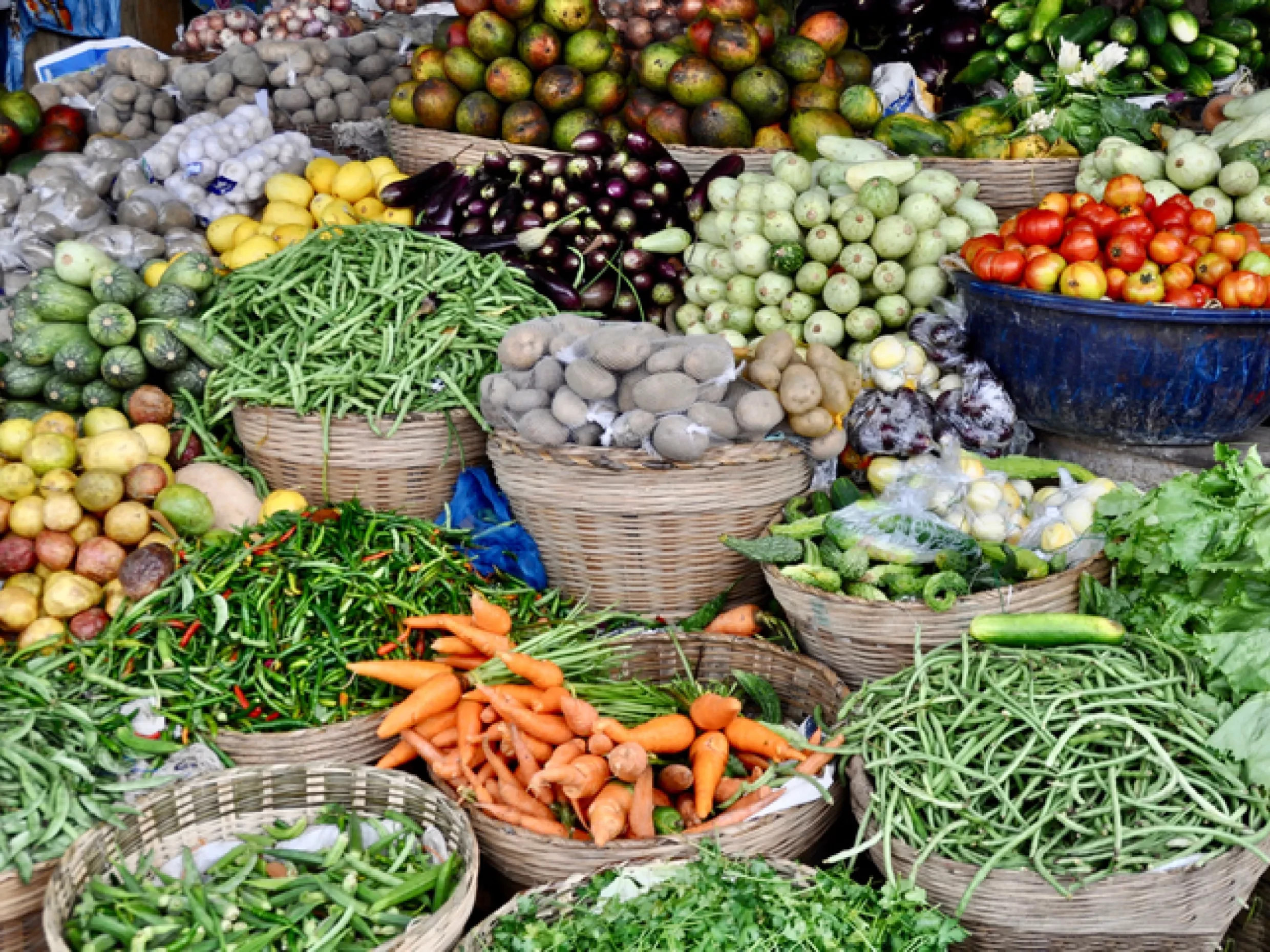
In fact a lot of the ingredients associated with soul food can trace their origins to this region. Okra, black-eyed peas, yams, and rice were all staples of West African diets and were brought across the Atlantic and adapted into new environments.
Survival & Ingenuity in the American South
As these West African techniques and ingredients took root in the American South, they were reshaped by brutally harsh and restrictive conditions. Enslaved Africans were given meagre, low quality rations including cornmeal, molasses, sweet potatoes, offcuts of meat, and whatever could be grown or gathered in small garden plots, including collard greens, mustard greens and turnip greens. But from these culinary constraints came a cuisine that was as ingenious as it was - and still is - delicious.
Cuts of meat discarded by others were slow-cooked until tender, greens were simmered and seasoned to perfection, and simple grains like rice and cornmeal were transformed by layered flavour and a lot of patience and care. Provisions were stretched, not a morsel was wasted, and the food was ultimately nourishing and jam-packed full of flavour.
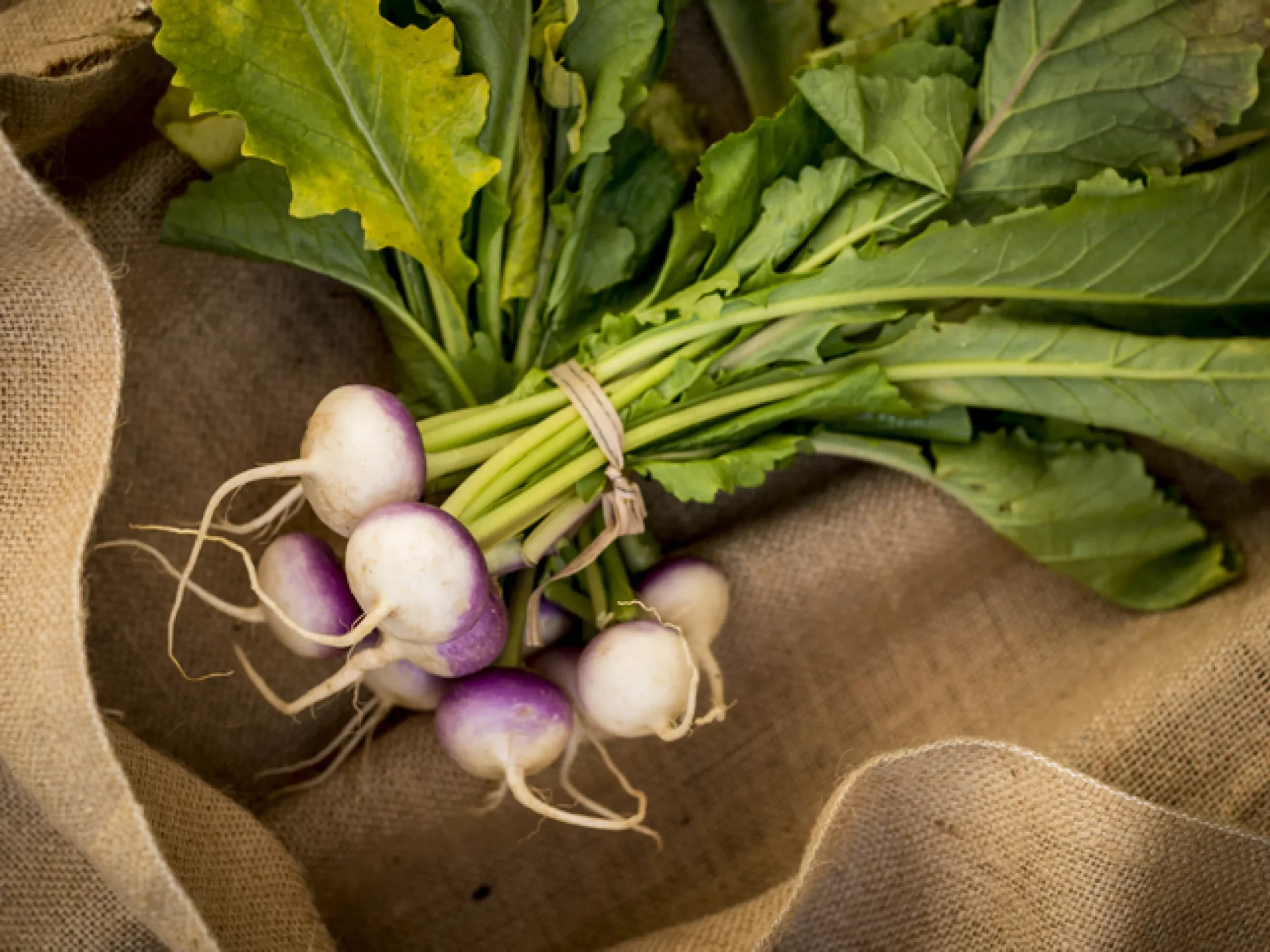
The West African ingredients adapted to their new surroundings. Okra thrived in Southern soil, black-eyed peas became a staple, and greens such as collards and turnips (the peppery, leafy tops of the turnip plant) took on a central role in the diet.
Even within the constraints of the time, food remained crucial to the community. Where possible, meals were shared, recipes were passed across and down through a combination of oral tradition, muscle memory, and practice, and this style of cooking would eventually be recognised not just as a means of survival, but as a culinary identity.
From Necessity to Tradition
The late nineteenth and early twentieth centuries saw a shift in circumstance, but a lot of the culinary traditions established in the Deep South endured, including the cooking techniques, and making the most of what was available. But there was a move into a new era, now shaped by homes, communities and the emergence of black-owned food businesses.
In rural areas, these dishes remained closely-tied to the land. Gardens, small farms, and local markets continued to supply staples like greens, beans, and corn. At the same time, in growing towns and cities, black cooks began bringing their food to a wider audience, working as chefs, caterers, and restaurant owners.
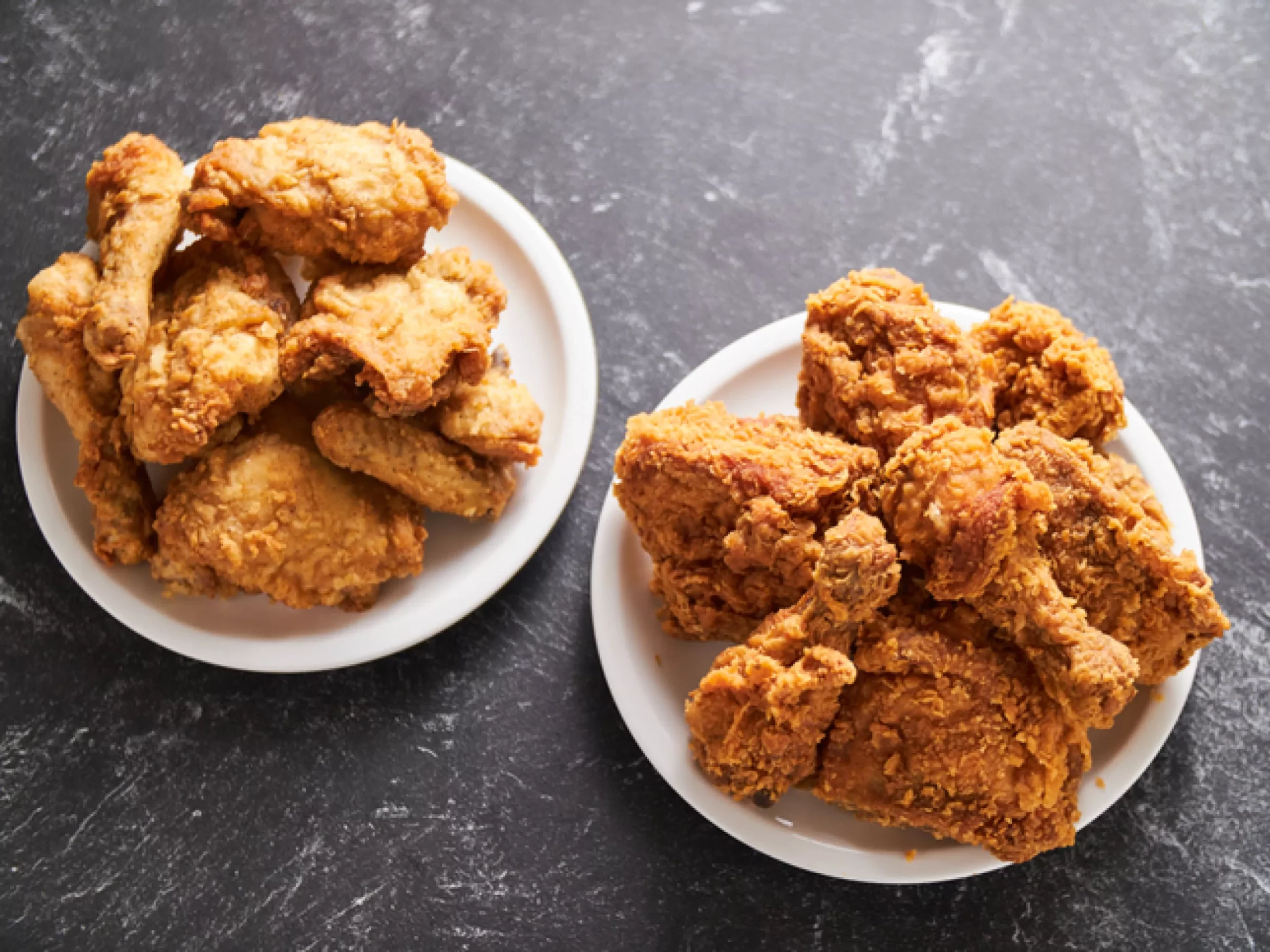
Church gatherings, Sunday dinners, and community celebrations played their part in this transition. Food was more than just fuel - with tables full to bursting with fried chicken, stewed greens, cornbread, and slow-cooked beans.
As these culinary ideas spread beyond the home and into the broader Southern food culture, their influence grew. This laid the groundwork for what would soon be known, both within and beyond the South, as soul food.
The Rise of ‘Soul Food’
By the middle of the twentieth century, the food that had been prepared in Southern homes for generations took on a new moniker. Between 1910 and 1970 in what was called The Great Migration, somewhere around six million African-Americans moved from the rural South to the urban northeast, midwest and west looking for work, and they took their food with them. They introduced a new and exciting cuisine to cities like New York, Chicago, Detroit and Los Angeles.
But who first used the term ‘soul food’? Sadly, that fact has been lost to history, and while the term was already circulating in black culture, one of the earliest written references is from The Autobiography of Malcolm X, written in collaboration with journalist Alex Haley and published in 1965. Around the same time, an article called Soul Food by LeRoi Jones (later known as Amiri Baraka) - a writer and lecturer who was one of the defining voices of African-American culture through the 1960s and beyond - described food as a key component of Black American identity in the Civil Rights era.
Soul food became one of the markers of cultural pride, and the food it described was recognised equally for its taste, heritage and meaning. In the 1960s and 70s, restaurants specialising in these dishes began to flourish, bringing fried chicken, smothered pork chops, collard greens, and cornbread to a broader audience.
Soul food was entering the American mainstream. Cookbooks, media coverage, and the growing popularity of black-owned restaurants introduced these dishes to people beyond the communities that had sustained them for generations.
Sylvia Woods, dubbed ‘The Queen of Soul Food’, opened Sylvia’s Restaurant in Harlem in 1962 and it became one of the most famous soul food destinations in America. Leah Chase was a legendary New Orleans chef behind Dooky Chase’s Restaurant, and she became one of the defining black culinary figures of the 1960s. Edna Lewis, arguably the most influential black chef of the era, transformed Southern food into fine dining, and her landmark cookbook The Taste of Country Cooking (1976) became hugely influential.
Then there was Vertamae Smart-Grosvenor, a writer and food personality whose 1970 cookbook Vibration Cooking blended recipes, memoir, black history, and storytelling in a way that reshaped food writing. And Pamela Strobel, nicknamed ‘Princess Pamela’, was a Harlem restaurateur and cookbook author who became a key part of the emerging soul food movement in New York during the late 1960s and early 1970s.
These were some of the most influential chefs of the age, but what made them significant was that they weren’t just cooks, they were cultural ambassadors who helped establish soul food as a recognised and celebrated part of American cuisine.

The Dishes That Define Soul Food
Soul food is built on simple, accessible ingredients, but it’s what happens to those ingredients that makes it special.
The Foundations
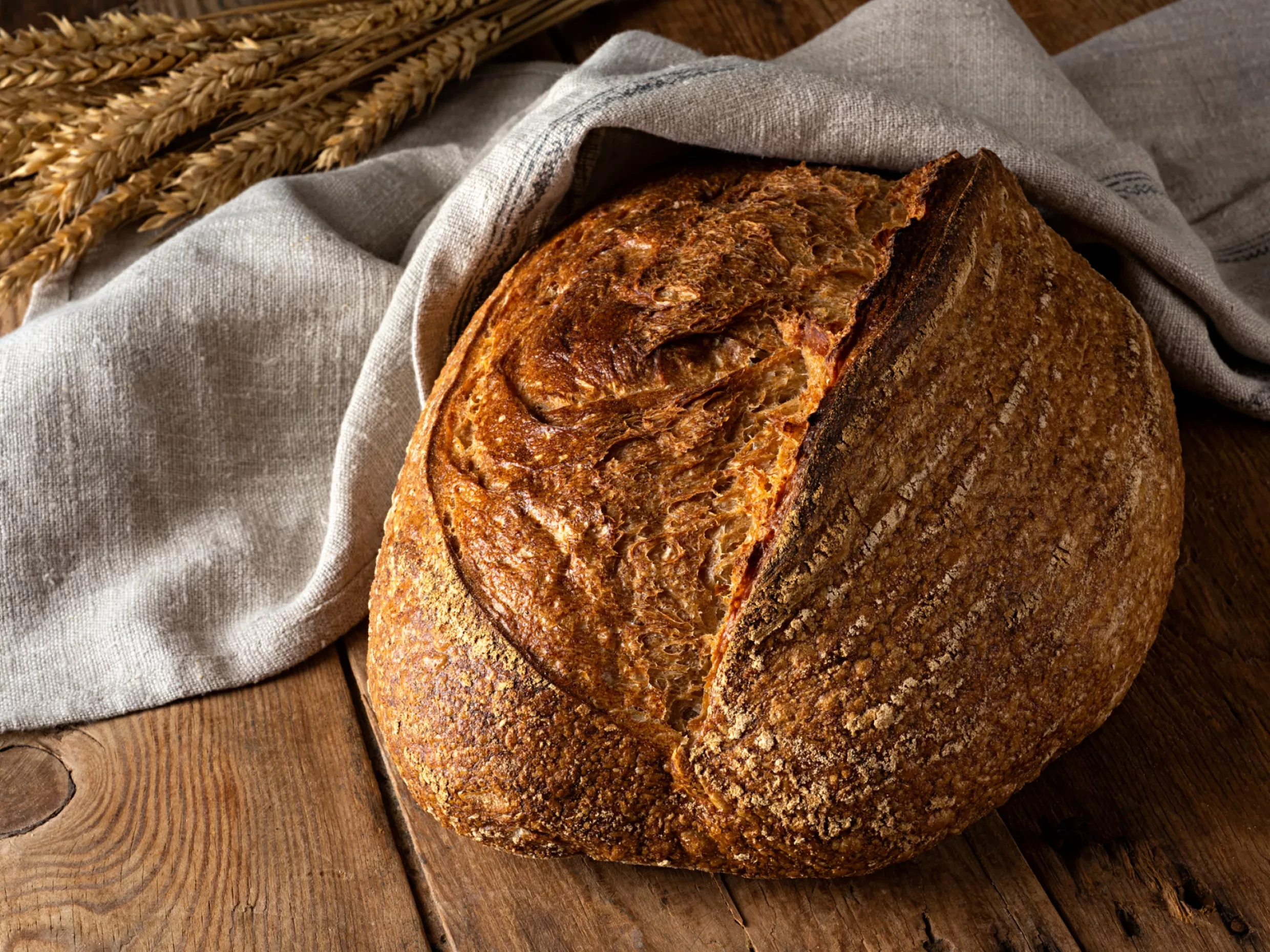
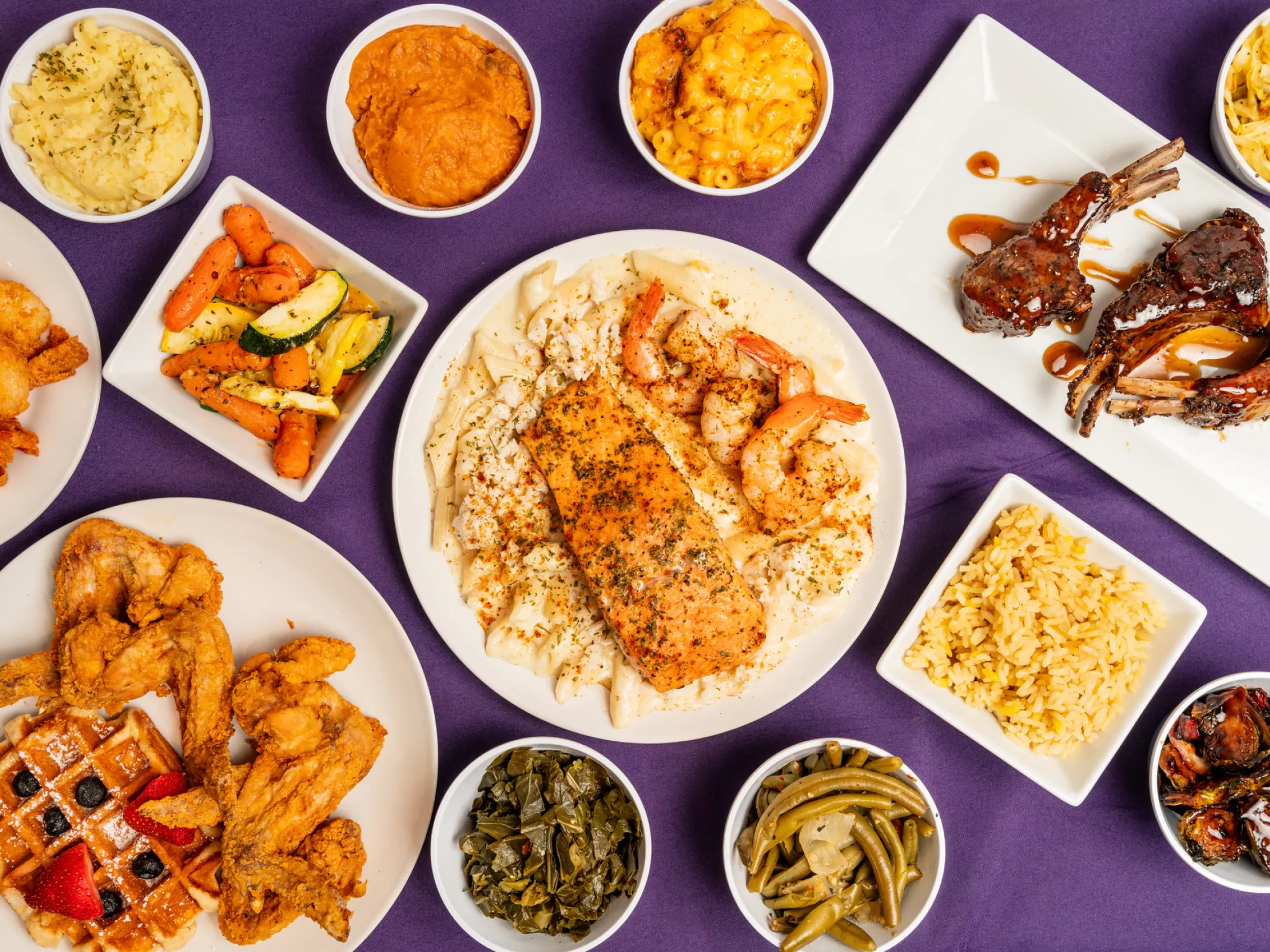
The foundations of any soul food table are cornbread, rice, and biscuits. Cornbread is the most emblematic of the three and it goes beautifully with almost any savoury dish. But the use of cornmeal isn’t just reserved for cornbread! Jonnycakes are cornmeal griddle cakes or flatbreads often served with butter or syrup, and hush puppies are small, savoury, deep-fried balls of cornmeal-based batter (part-fritter, part-dumpling) usually served as a side to seafood or BBQ. Rice is typically cooked plainly or in broth, making it the ideal base for slow-cooked meats and stews. Biscuits (less sweet and slightly flakier versions of British scones) round out the spread with their buttery, crumbly deliciousness.
The Vegetables
On a soul food table, vegetables aren’t just a side or an afterthought, they’re of equal importance to everything else. Collard greens, mustard greens, and turnip greens are cooked low and slow, usually with a piece of smoked meat, until tender and full of flavour. Black-eyed peas, candied yams, and stewed beans bring sweet and hearty variety to the table.
The Proteins
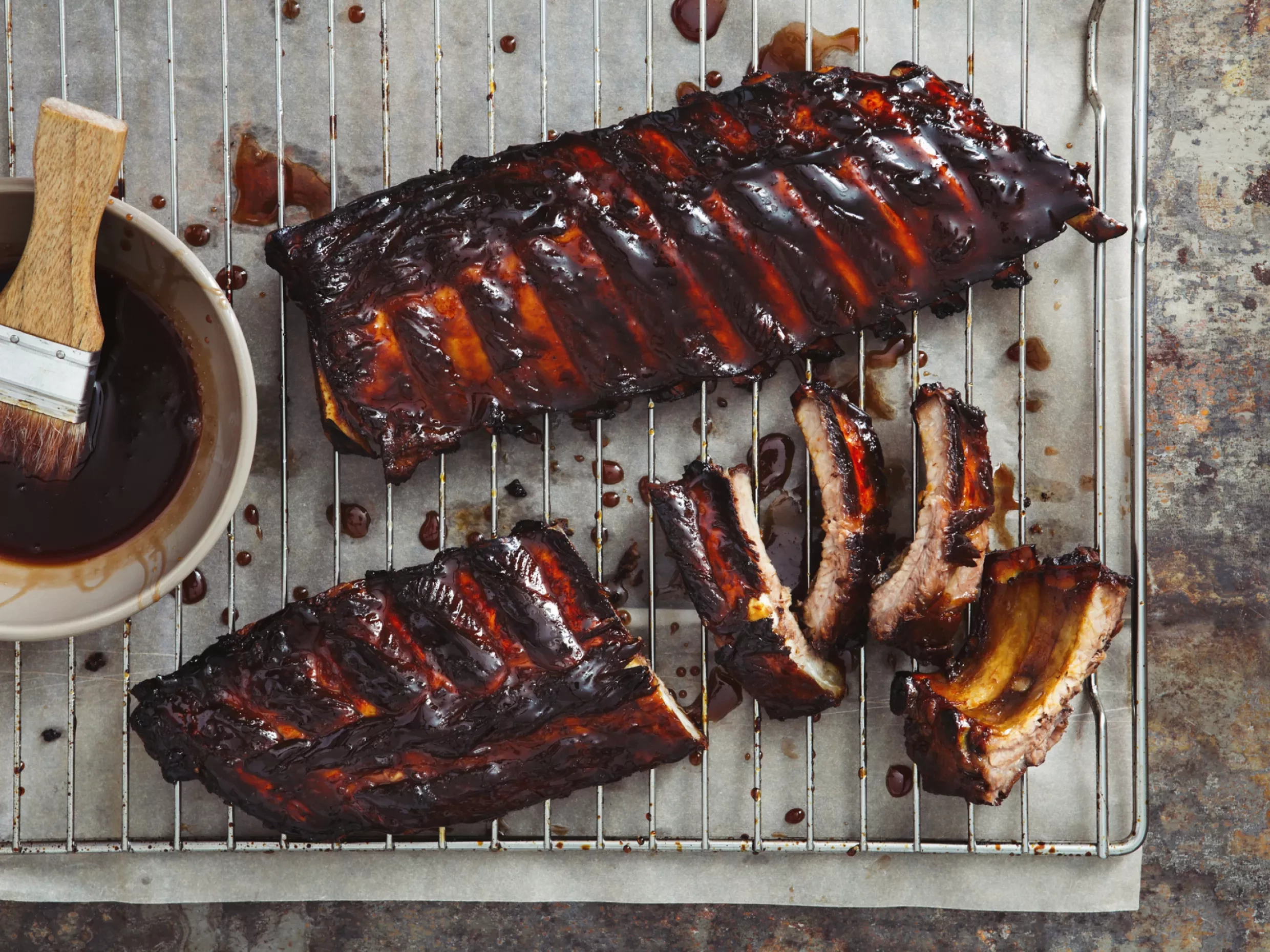
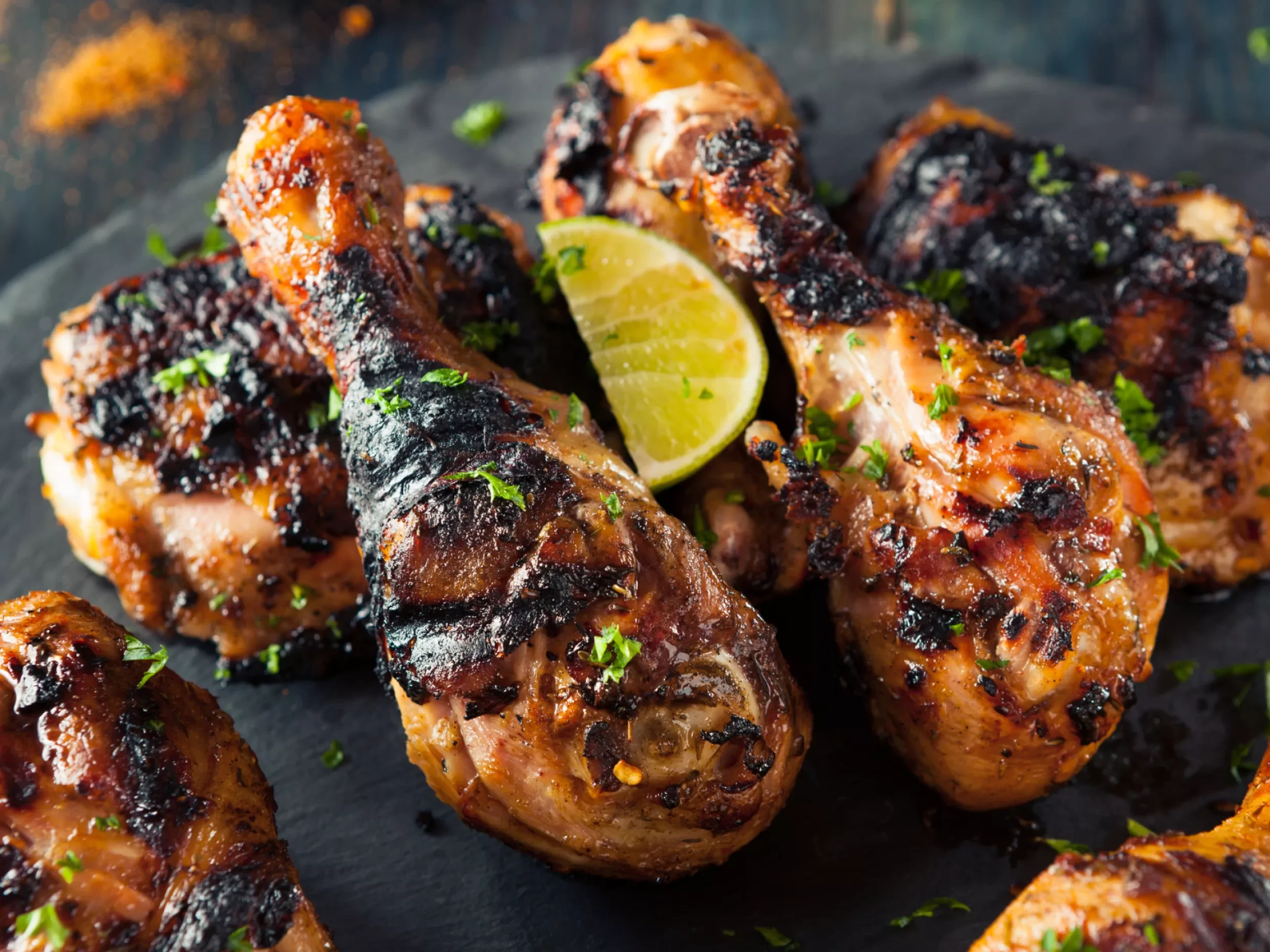
This is where soul food gets truly exciting! Fried chicken is perhaps the dish most associated with soul food, and fried catfish comes a close second, but it’s pork that does a lot of the heavy soul food lifting. Very little of the animal gets wasted, and the most famous dishes are smothered fried pork chops, BBQ’d pork ribs, ham hocks, the smoked pork leg joints used to flavour greens and stews, and braised or pickled pig’s feet, but the most divisive, love-it-or-hate-it dish is chitterlings, or chitlins. They are the pig’s intestines that are very carefully cleaned and slowly boiled, or sometimes fried.
The Flavour
One of the most impressive elements of soul food cookery is how to extract maximum flavour from very simple ingredients, and underlying that entire repertoire are the smoked meats, rendered fats, and carefully balanced seasonings that give soul food its distinctive depth. This is what ties the cuisine together, from the smoky richness added to a pot of greens to the seasoned crust on a piece of fried chicken or fish.
Soul Food Today
Soul food is as exciting today as it always has been and it’s still served in family kitchens, neighbourhood diners, and high-end restaurants. It’s a cuisine where tradition meets innovation, and chefs and home cooks are reimagining classics with fresher produce, leaner proteins, and global influences, while many communities work to preserve original recipes and the stories behind them.