



Steamy, spicy, and steeped in centuries of celebration, mulled wine is Christmas in a cup! But how did this ruby-red brew travel from the plays of Plautus, to medieval banquet halls and today’s happy festive markets? Pour yourself a glass of the good stuff as we trace the fabulously fragrant history of this timeless winter warmer.

What is Mulled Wine?
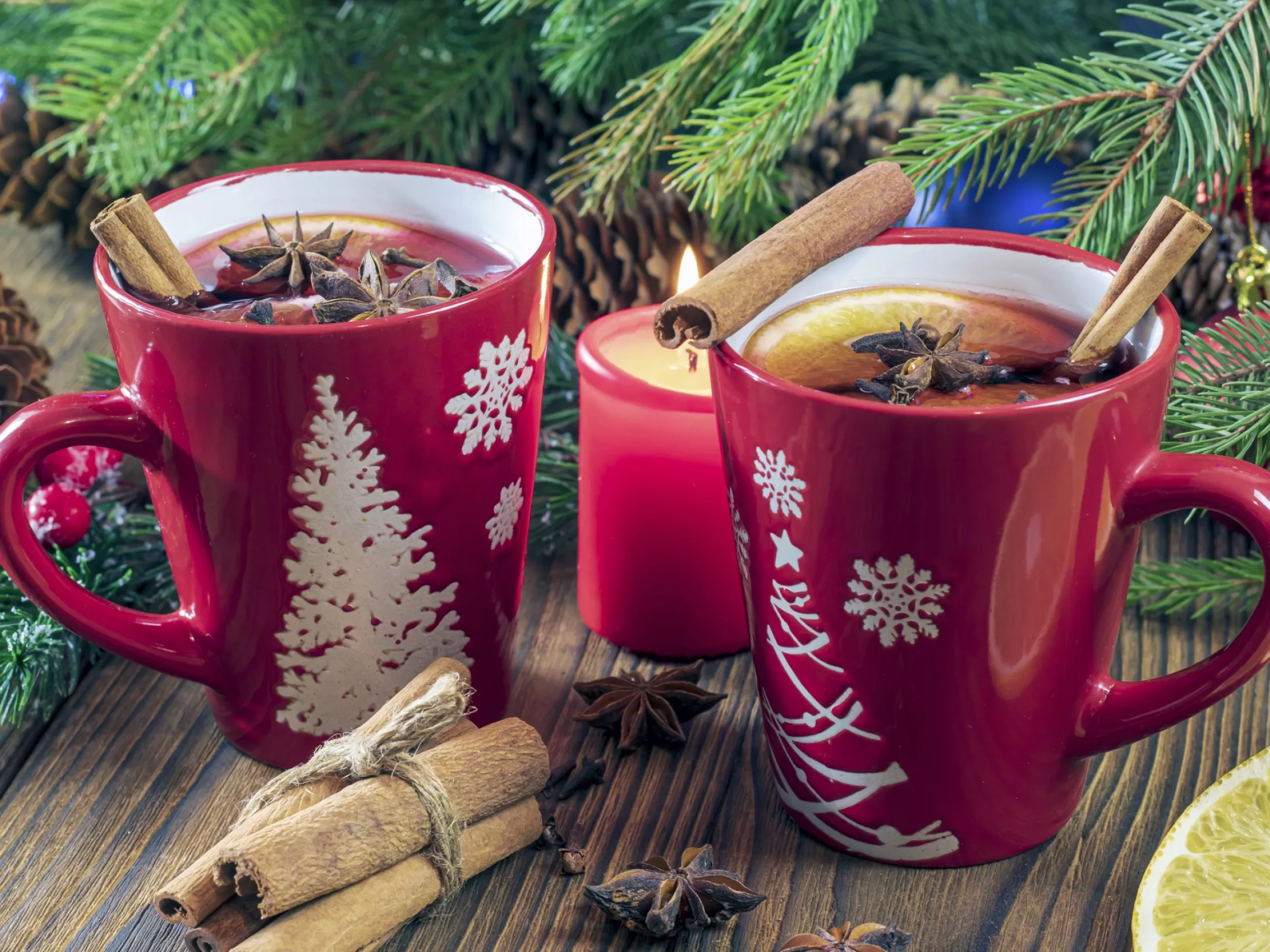
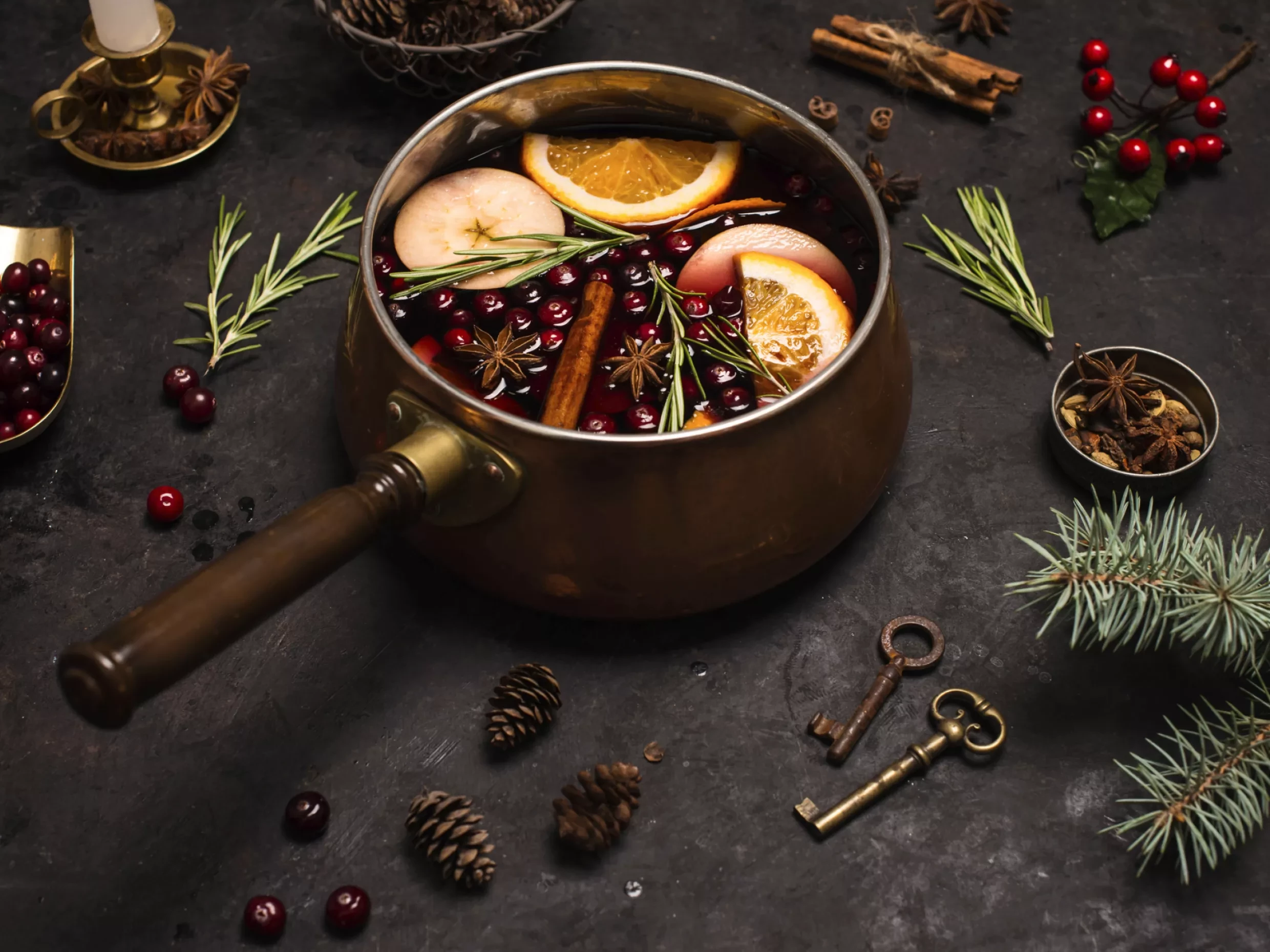
Mulled wine is simply wine gently heated with sugar and aromatic flavourings until it’s warm, fragrant, and just a little bit sweet. At its most basic, you start with red wine, add a sweetener like sugar or honey, then simmer it with whole spices such as cinnamon sticks, cloves, cardamom, nutmeg, star anise, and sometimes citrus peel, ginger, mace, apple and raisins. Some versions add in a splash of brandy or whisky, but that’s all down to personal taste.
The key to making mulled wine however, is low, gentle heat. The wine should steam but never boil, so the alcohol and delicate aromas stay put. The mixture’s usually left to infuse for anywhere from ten minutes to three-quarters of an hour, depending if you prefer mild and fresh, or rich and spicy, then it’s strained and served warm in heatproof glasses or mugs.
We Know What It Is, But Where Did It Come From?
Mulled wine has deep roots in the ancient Mediterranean, but the Christmasy version we know today is very much a medieval and northern European evolution. Wine heated with aromatics appears in Roman sources, then re-emerges in fourteenth century English cookbooks and continues to morph through early modern Britain and across Europe.
Greece, Rome & Early Spiced Wine
The ancient Greeks drank wine mixed with honey both socially and as a remedy for various ailments, but it was the ancient Romans who first recorded the practice of heating wine and adding spices. In the second century BC, Roman playwright Titus Maccius Plautus referred to a hot convivial drink, probably not unlike mulled wine, in his comedy play Curculio. As Roman armies and traders moved through Europe, they took both viticulture (the cultivation and growing of grapes for the production of wine) and the idea of spiced wine with them. It’s also thought that the Greeks and Romans sometimes heated their wine and added sweeteners or flavourings to mask the taste from a poor harvest.
The Romans called their spiced wine Conditum Paradoxum, which translates as “surprising spiced wine” or “extraordinary spiced wine”. They also drank a honeyed wine called mulsum.
Medieval England and The Forme of Cury
By the late fourteenth century, English court cuisine includes sophisticated spiced combinations such as hippocras (or Ypocras), recorded in The Forme of Cury, a collection of medieval recipes compiled for Richard II’s household. It includes a recipe for a blend of red wine, sugar, and luxury spices such as cinnamon, ginger, cloves, and grains of paradise (a close relative of cardamom), which is essentially an early English cousin of mulled wine, served both hot and cold.
How Did Mulled Wine Become a Christmas Drink?
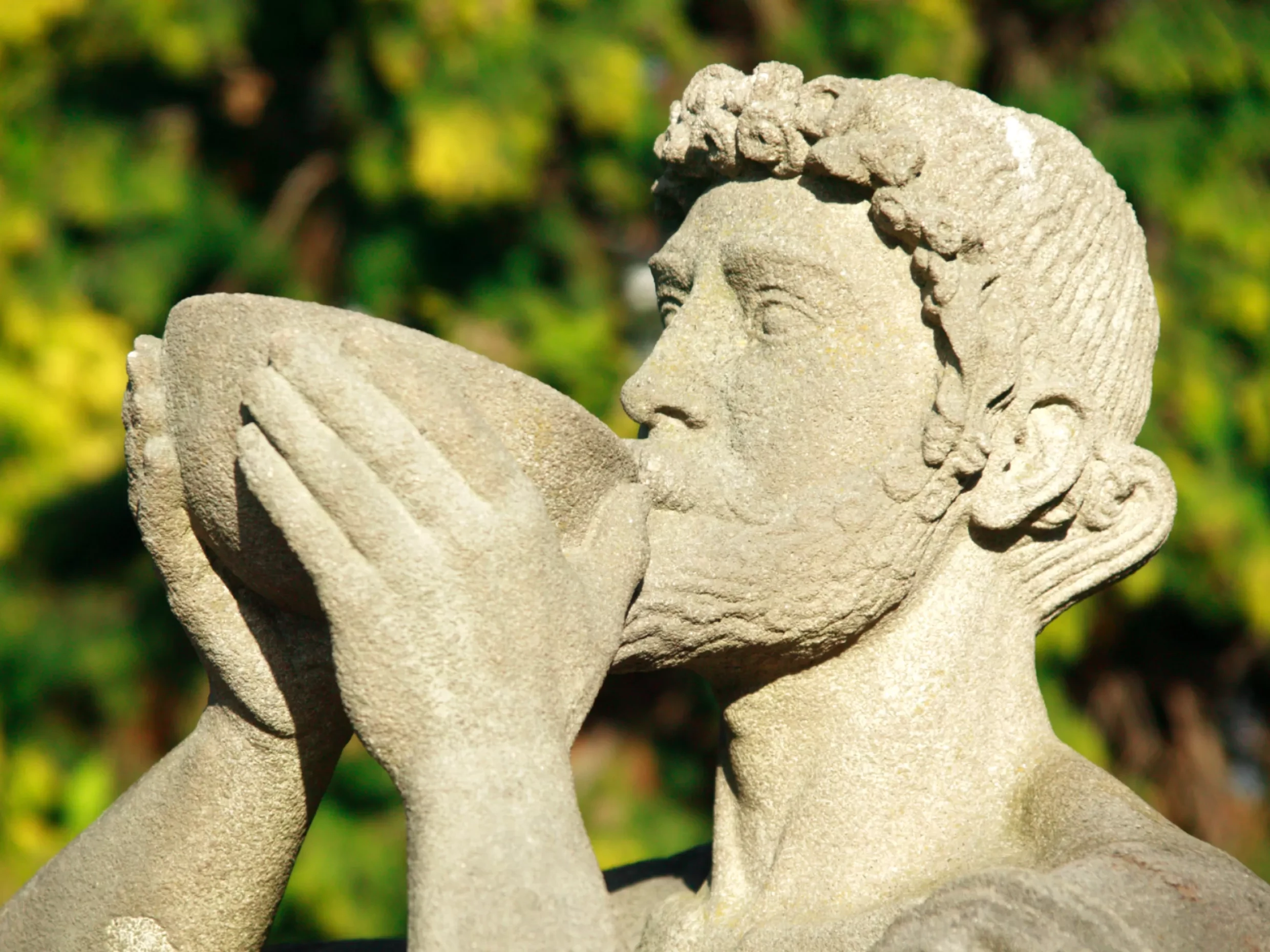
Mulled wine didn’t suddenly become a Christmas drink, it drifted there over hundreds of years. The ancient Greeks and Romans drank it as a cold-weather tonic and as a practical winter-warmer, and medieval Europeans followed suit with sweetened, spiced wines which were enjoyed as restorative or celebratory drinks during the darker months, though they weren’t yet tied to any single holiday. The basic formula - hot, spiced, and boozy - made it a natural fit for long, cold winters.
In northern Europe, that cosy winter drink gradually slid into the heart of midwinter celebrations. The main feast of the year clustered around Yule and later Christmastide, so hot punches and mulled drinks found a home at those gatherings. Also in part because spices (many that had travelled thousands of miles from the East) were so expensive and only the very rich could afford them all year round.
In England, this took shape in the wassail bowl - a steaming mix of mulled cider, ale or wine carried from house to house at Christmas and especially on Twelfth Night, with songs, toasts and even orchard‑blessing rituals built around it. Even when the bowl held something other than wine, it created the idea that a hot, spiced communal drink ‘belonged’ to Christmas.
A Very Victorian Christmas
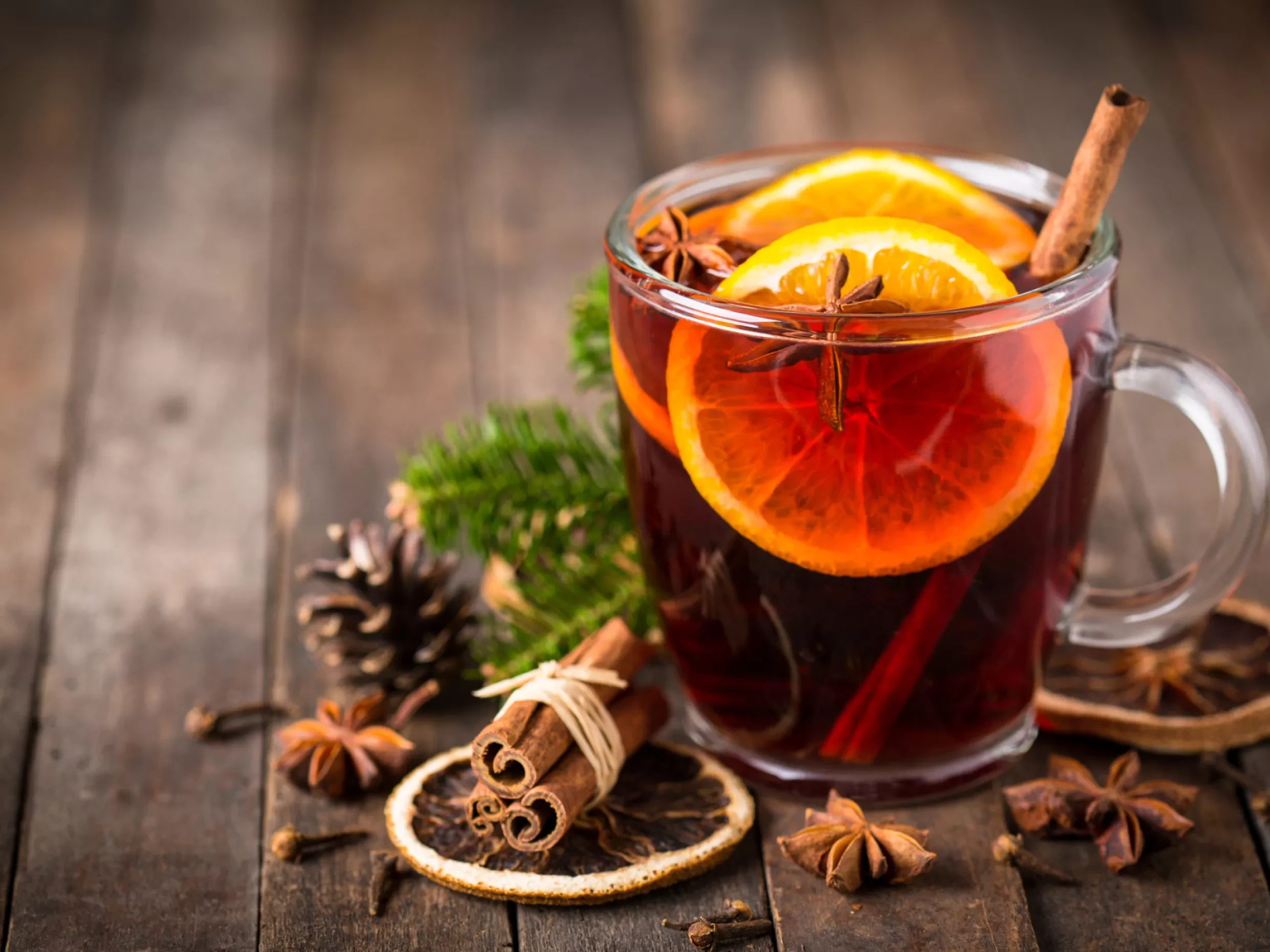
The Victorians are the ones who hard‑wired mulled wine into Christmas. As nineteenth century Britain reinvented Christmas as a cosy family festival complete with trees, crackers and cards, warm punches and spiced wines fitted very neatly into the Noel narrative, and it was Charles Dickens who sealed the deal.
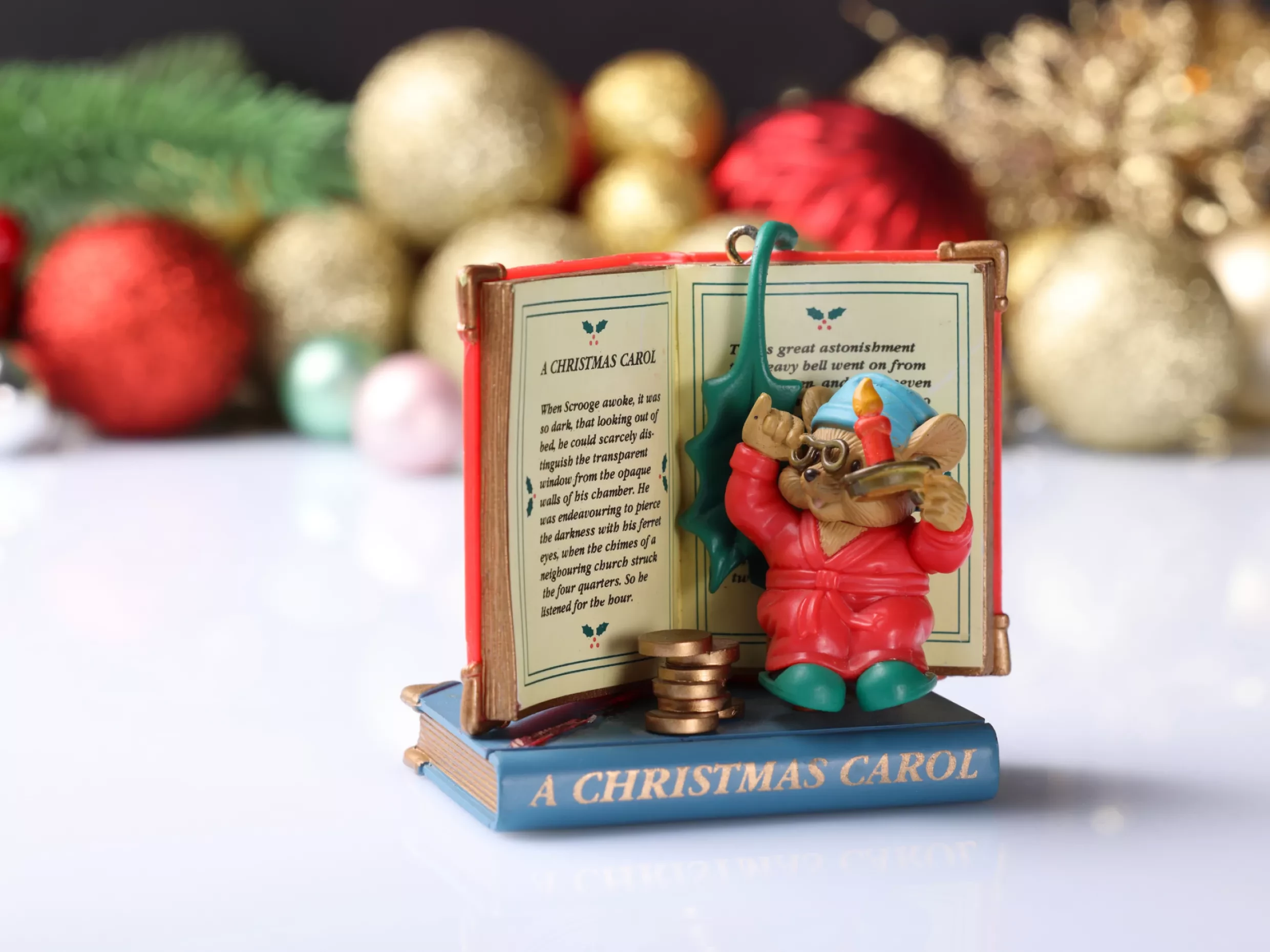
In A Christmas Carol, Scrooge’s “bowl of smoking bishop” - a citrus‑spiked, mulled wine or port - gave readers a festive image that food writers still point to as a turning point. By the early twentieth century, warm spiced wine was a fixture of winter fairs, carol services and church events across Europe. Modern Christmas markets and bottled efforts from the supermarket have only reinforced that association, turning an old winter tonic into an unmistakable symbol of the season.
Mulled Wine Around the World
There’s loads of variations of mulled wine around the world. In Germany and Austria, Glühwein reigns supreme at Christmas markets, made with fruity red wines, cinnamon, cloves, and a touch of sugar or honey - often with a splash of rum for extra warmth. Scandinavia's glögg amps up the richness, blending red wine or sometimes spirits with cardamom, ginger, and almonds or raisins stirred in.
Other global variations add unique twists. Italy's vin brulé from the northern Alps heats the wine with citrus and spices until the alcohol mellows, while France's elegant vin chaud uses lighter reds sweetened with honey and whole spices. In Eastern Europe, particularly Serbia, Croatia, Montenegro and Bosnia and Herzegovina, kuhano vino, or Poland's grzane wino, keeps it simple with red wine, cloves, cinnamon, and orange zest, often served at winter festivals.
There’s also versions of mulled wine from Portugal (vinho quente), Romania (vin fiert), Latvia (karstvīns), Hungary (forralt bor), Chile (candola in the south, vino navega'o in the north), Czechia (svařené víno) and Bulgaria (greyano vino).
Mulled Wine Recipes
In 1596, Thomas Dawson included a recipe for hypocras in his book The Good Housewife’s Jewel -
Take a gallon of white wine, sugar two pounds, of cinnamon, ginger, long pepper, mace not bruised galingall [sic]…and cloves not bruised. You must bruise every kind of spice a little and put them in an earthen pot all day. And then cast them through your bags two times or more as you see cause. And so drink it.'
However, we can do a little better than that! We’ve got a great recipe for mulled wine, and if you really want to mix it up, try a mulled red wine sangria! If you’d rather eat than drink, a mulled wine and pear sticky ginger cake is decadently delicious, but whatever you do, have a very happy Christmas!