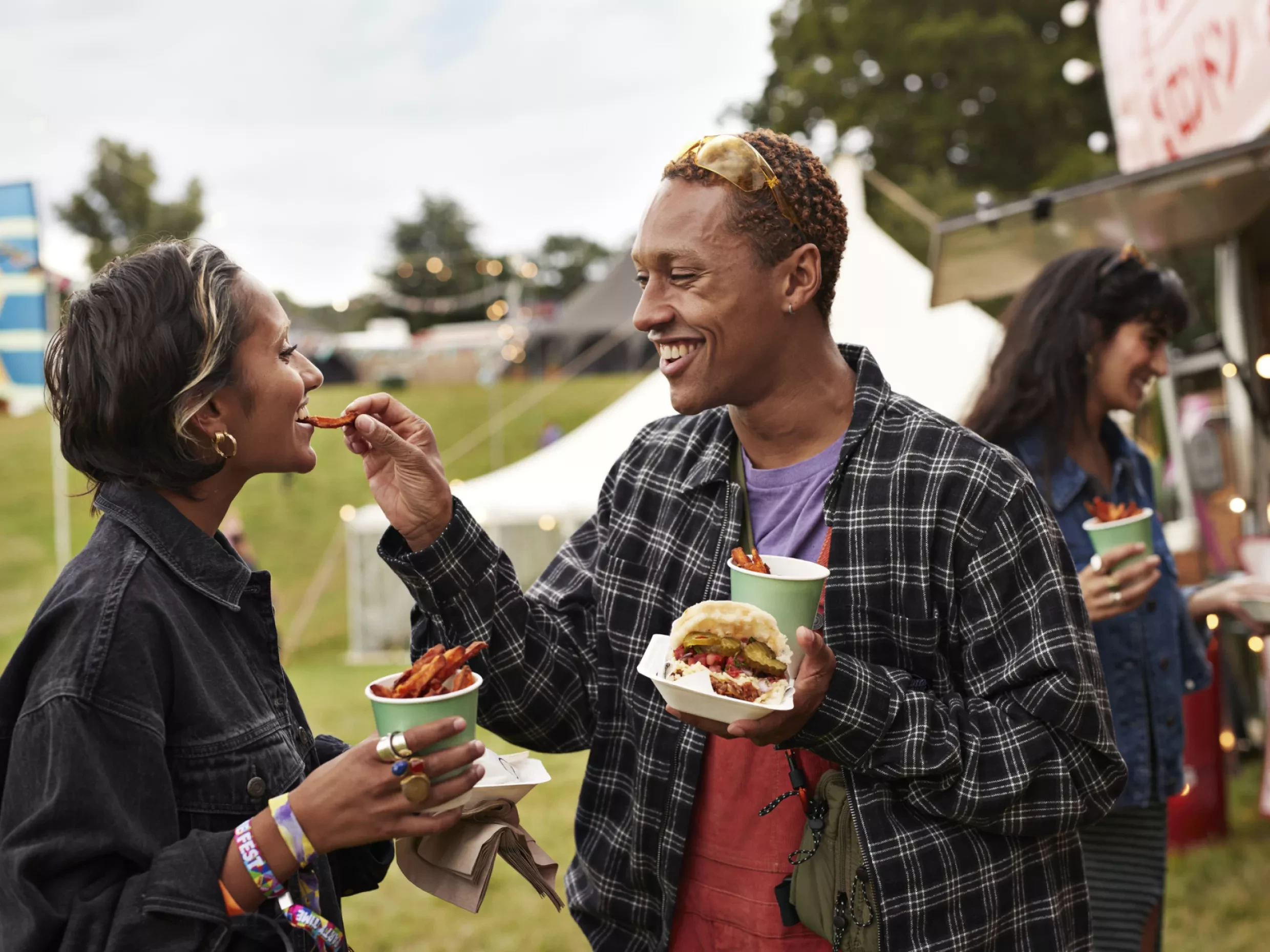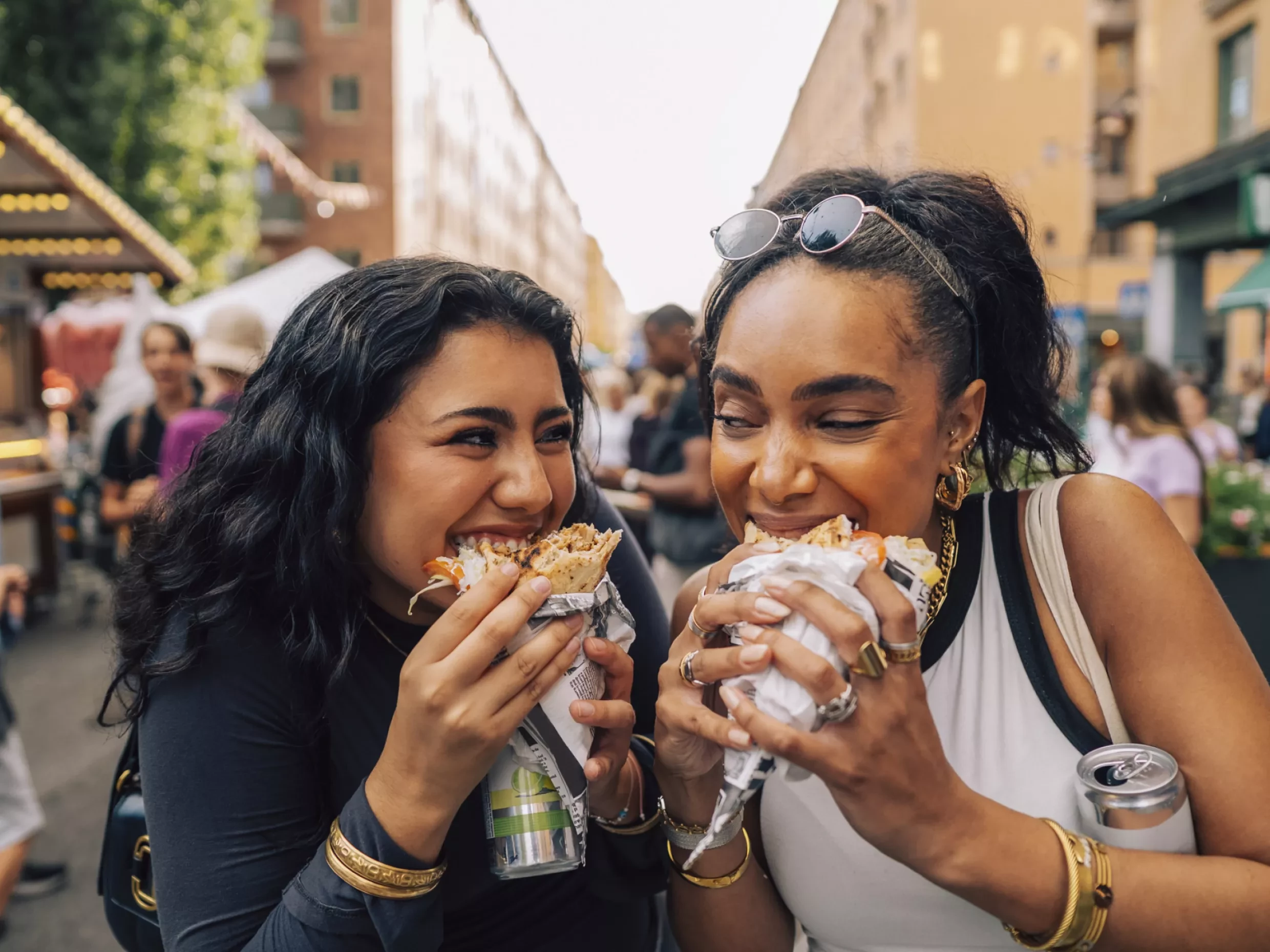







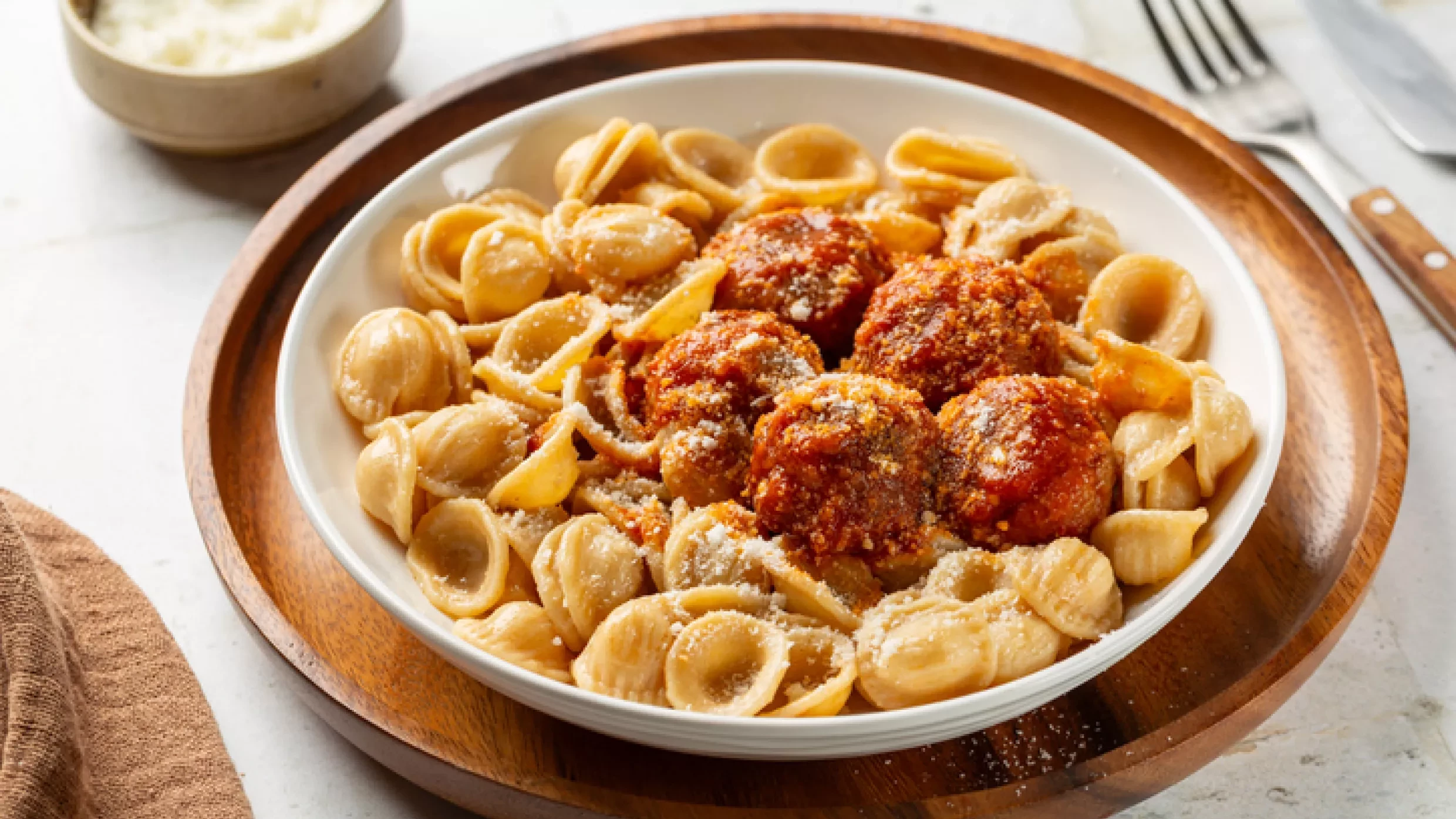
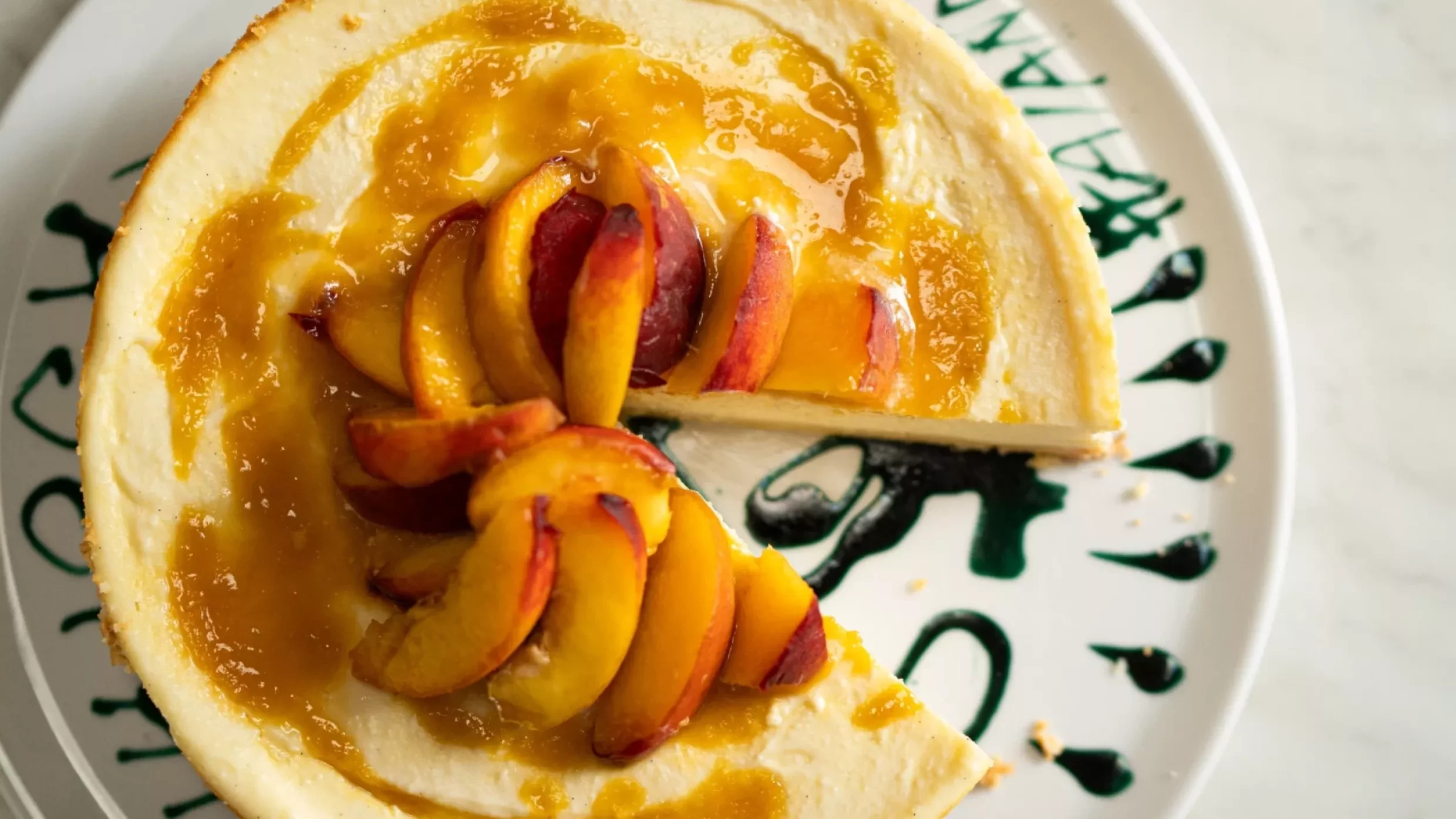

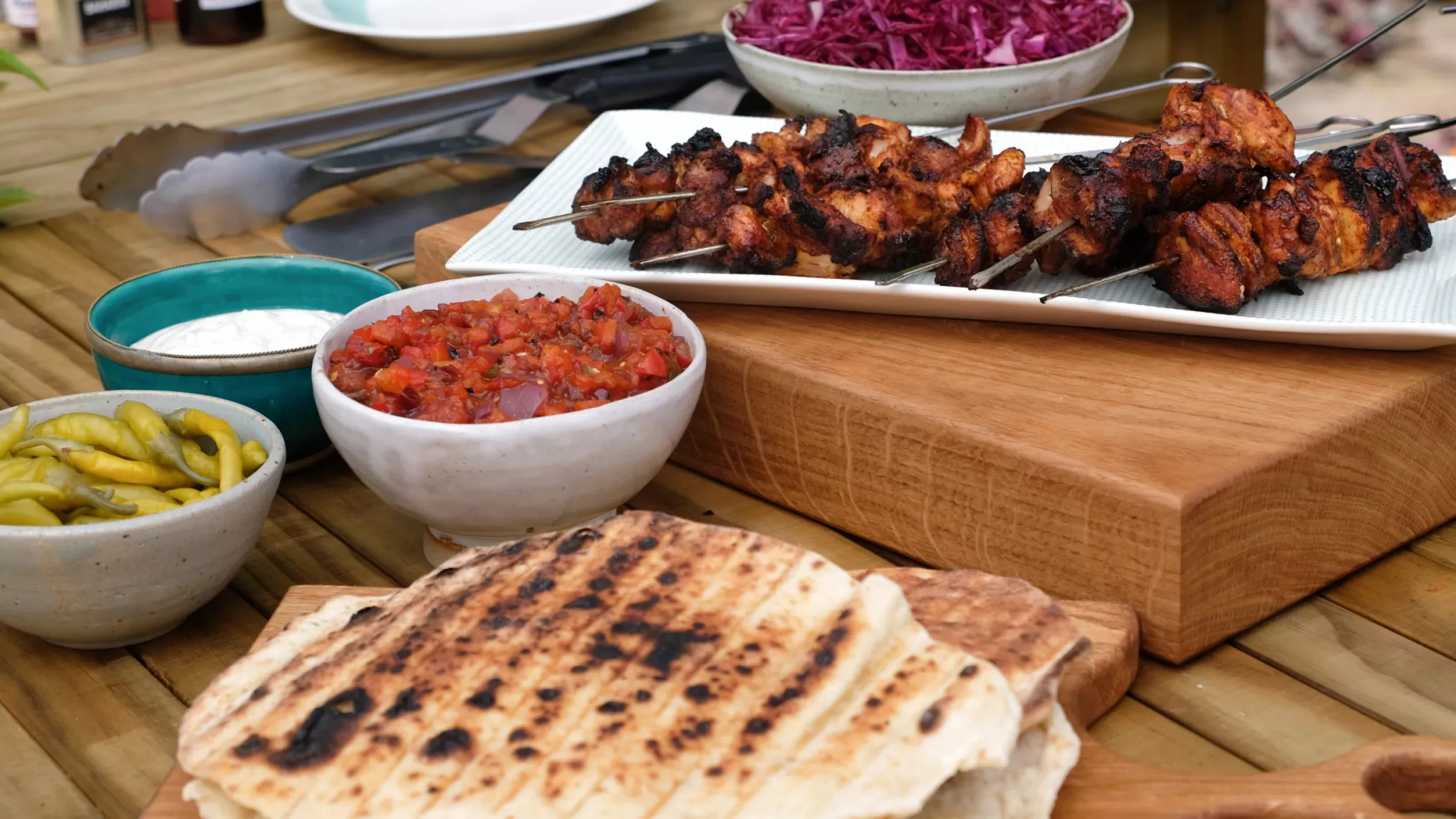
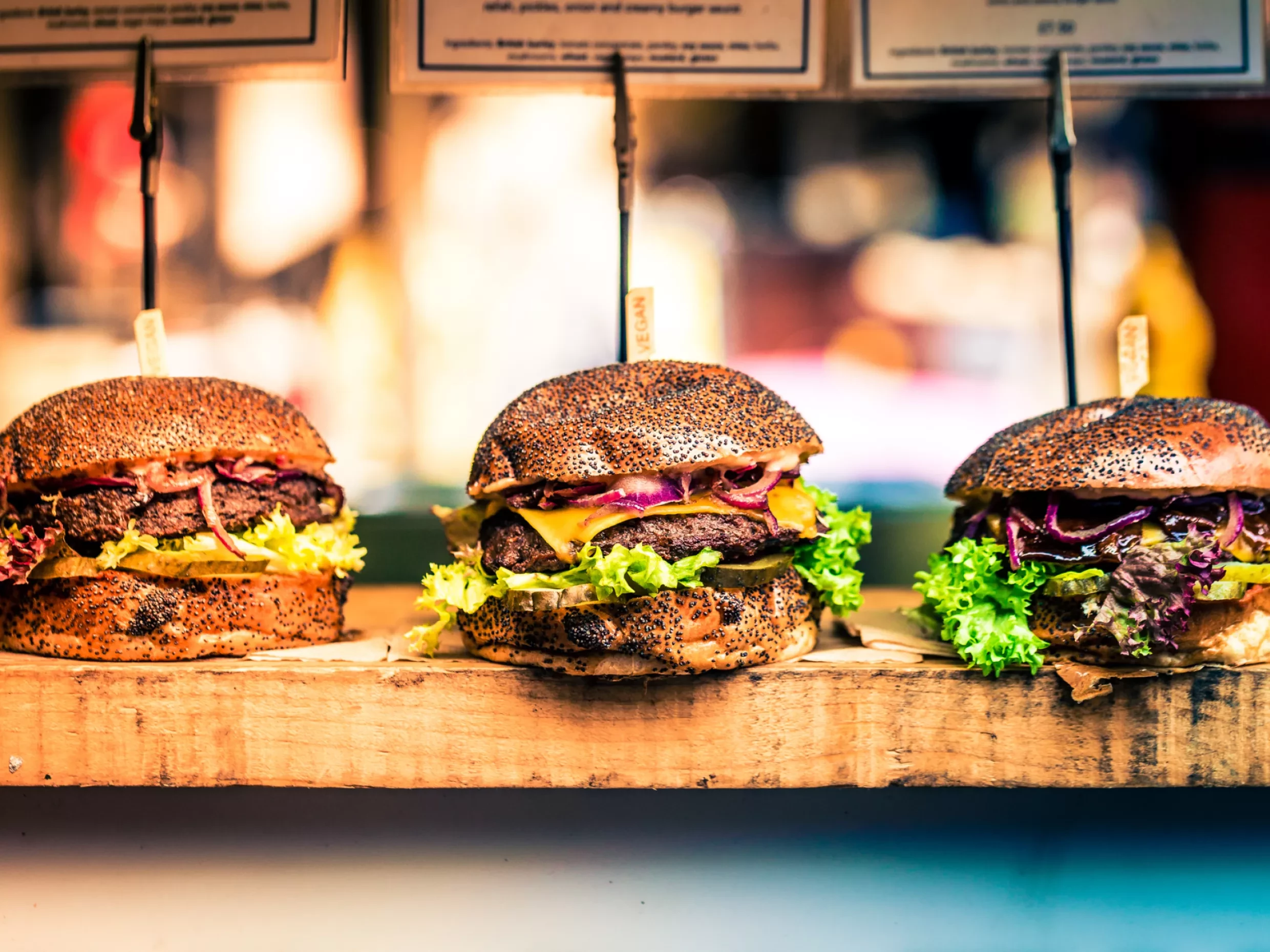
If you ever heard the phrase ‘street food’ in the late 90s or early 2000s, it would have conjured up images of hot dog carts in New York or an ice cream van in the park, but today’s British street food scene is a global feast - think sizzling bao buns, hot wings, loaded pulled pork tacos, and lobster rolls served from retro vans at buzzing pop-ups and markets. Yet this foodie phenomenon isn’t a fresh fad. In Britain, street food has thrived for two thousand years. So how did it evolve? Who were its earliest traders? And why does it still capture our appetite today?
Roman Britain: The First Fast Food?
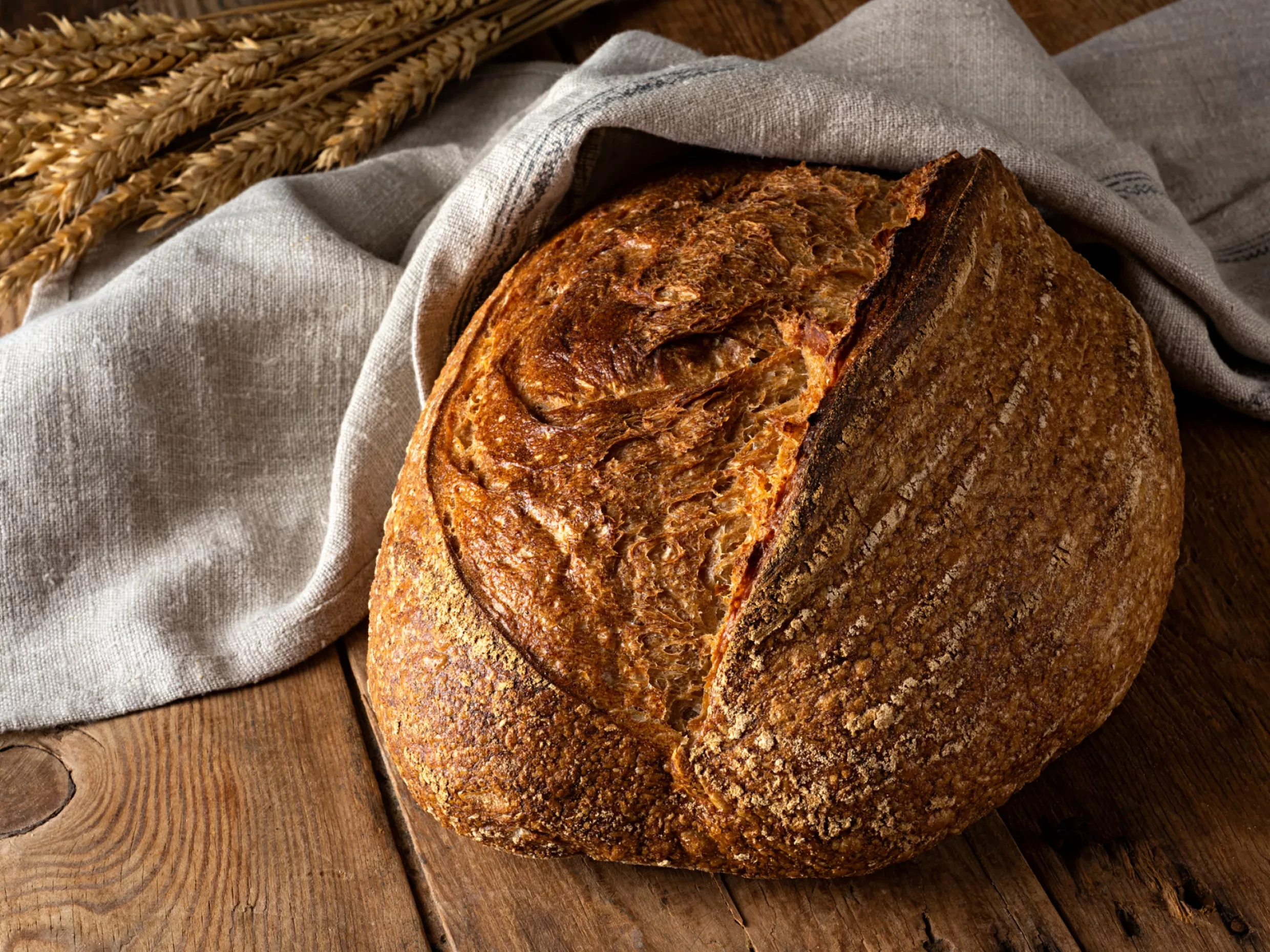
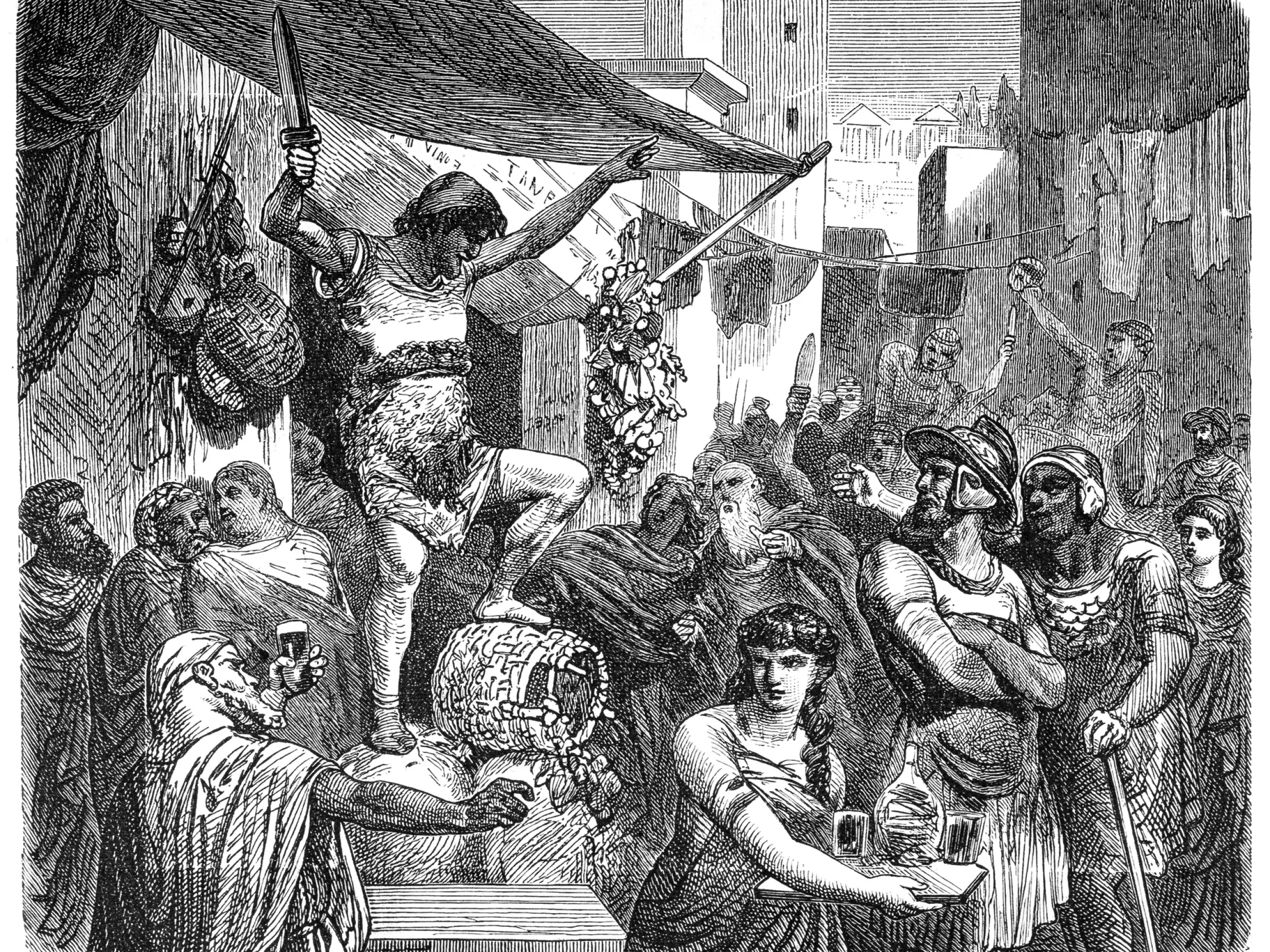
Long before Britain’s street food markets buzzed with bánh mì, burgers and burritos, the streets of Roman Londinium were already alive with the sounds and smells of ready-to-eat food. Across the rapidly developing city, street food sellers probably offered bread, stews, and salted meats to a population that didn’t always have access to private kitchens, particularly those living in crowded urban housing. Archaeological digs, especially in the City of London, have even uncovered discarded oyster shells, hinting at an appetite for quick, affordable shellfish sold near the Thames.
For much of London’s population, street food was a necessity rather than a luxury. Workers, travellers, and the urban poor depended on these early vendors, grabbing hot, filling meals as they moved through the city.
Medieval Markets: Feeding a Working City
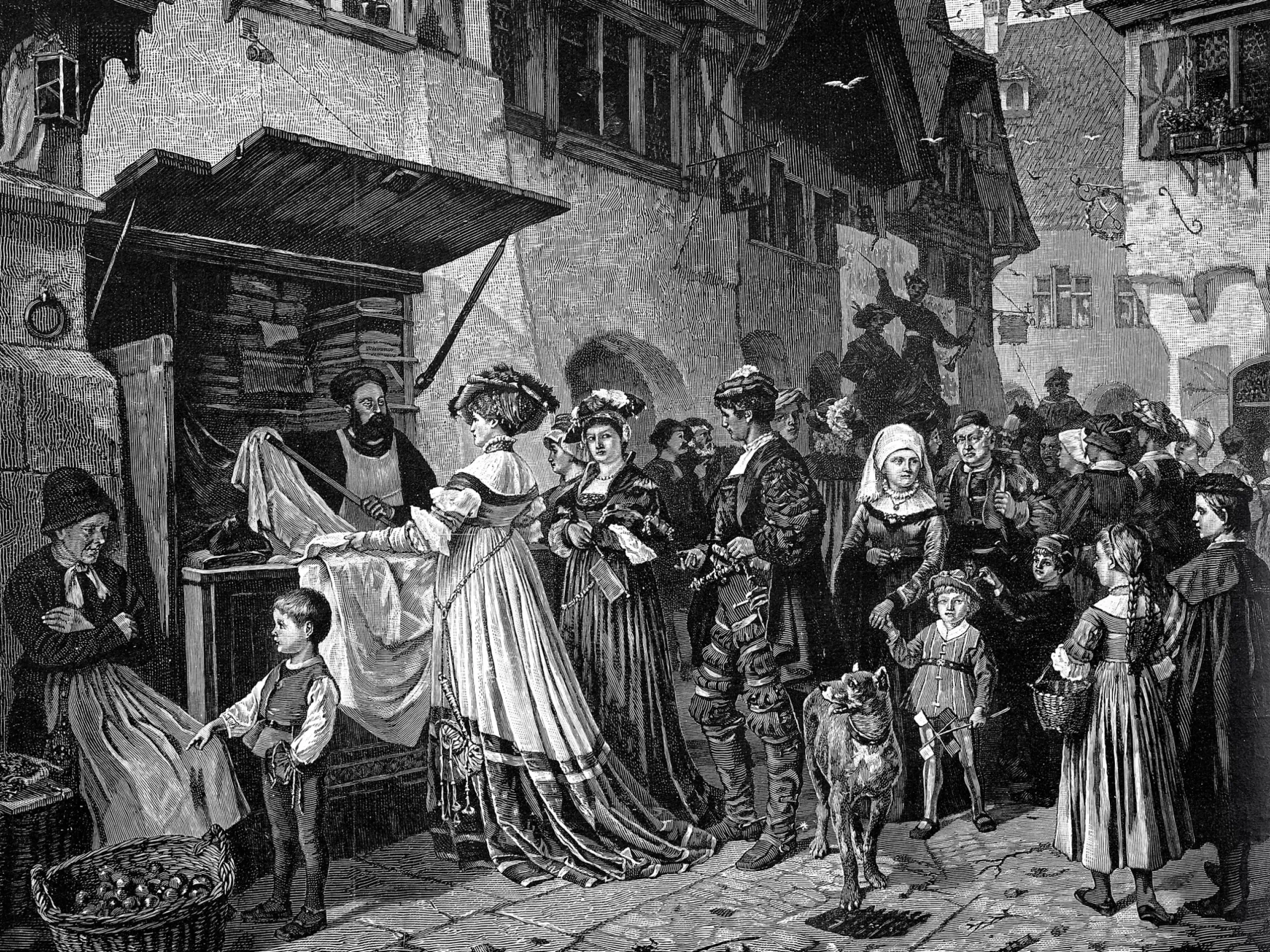
After the Romans left in the fifth century, Britain’s appetite for food on the go didn’t disappear, it simply evolved. By the Middle Ages, towns and cities were once again alive with the hum of trade, and street vendors became a familiar part of daily life. They were known as hawkers or hucksters and they moved around selling hot pies, hot codlings (baked apples), fresh bread, pancakes, and cooked meats, often calling out to attract passing customers.
Vox Populi: The Voice of the People
Long before social media or sandwich boards, Britain's street vendors relied on their voices. The medieval poem London Lickpenny describes the soundscape of a fifteenth century London street in vivid detail, with vendors crying out ‘hot peascods’, ‘strawberries ripe’, and ‘ribs of beef and many a pie’ to anyone within earshot. These calls were as much a part of the vendor's trade as the food itself, and in a crowded, largely illiterate city, a memorable cry could mean the difference between a good day's takings and none at all.
Georgian & Victorian Britain: The Rise of the Street Seller
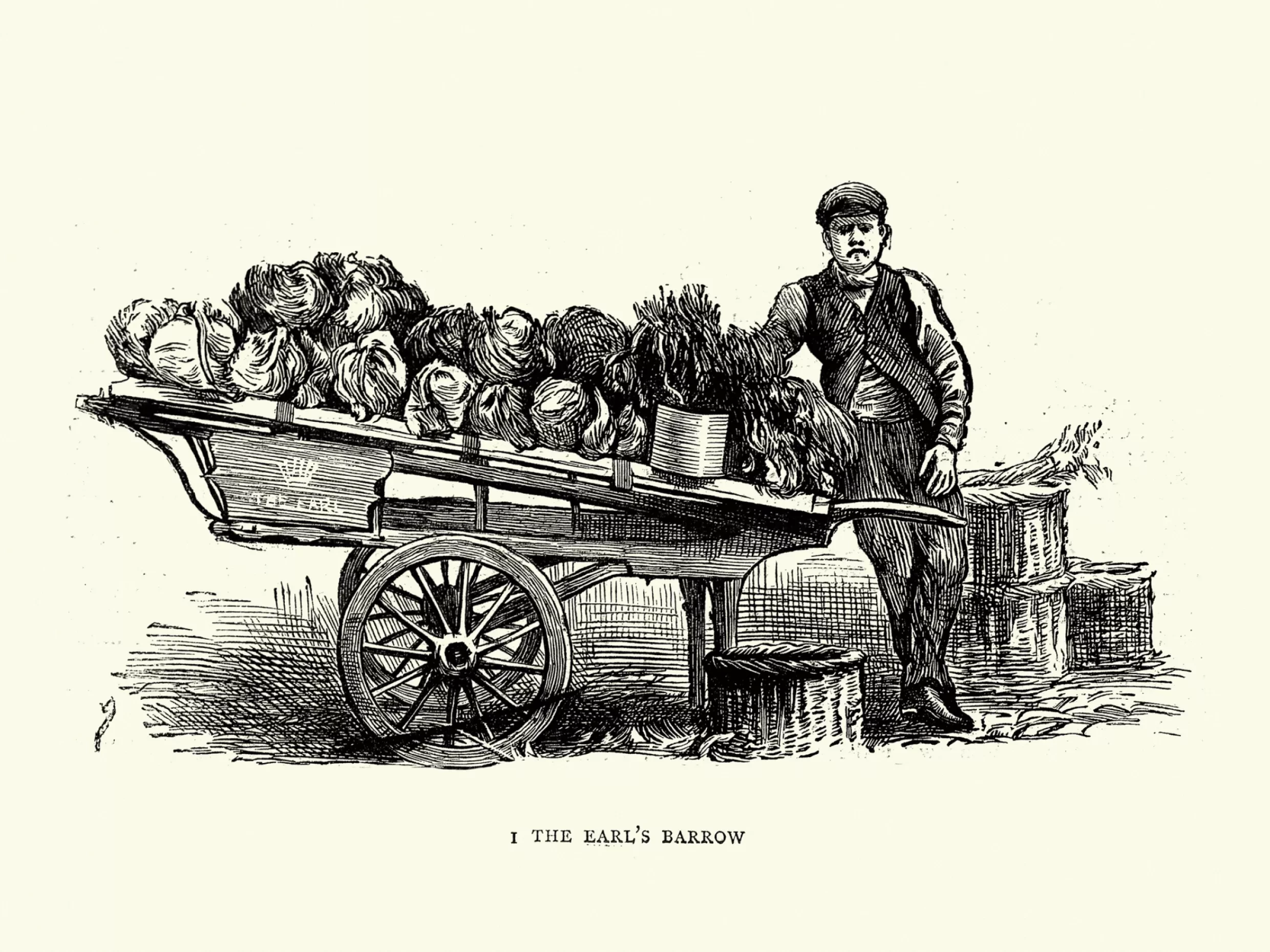
The populations of Britain’s cities grew quickly between the early 1700s and the late 1800s, and with this explosion of people came what we’d describe today as ‘street food culture.’ At the heart of it were the costermongers (a sixteenth century term derived from "costard", a medieval apple, and "monger", seller). These street sellers - of which there were an estimated 30,000 in London in the 1860s - sold fruit and vegetables, and all sorts of prepared foods including baked potatoes, soups, and pies.
As the Industrial Revolution took hold across the country, the long working hours and crowded living conditions meant that fewer people had the time or facilities to cook. Street food once again became a necessity for the urban working class. Indeed, it was during the 1860s that fish and chips began its monumental rise to becoming a British staple.
Early 20th Century: Tradition on the Move
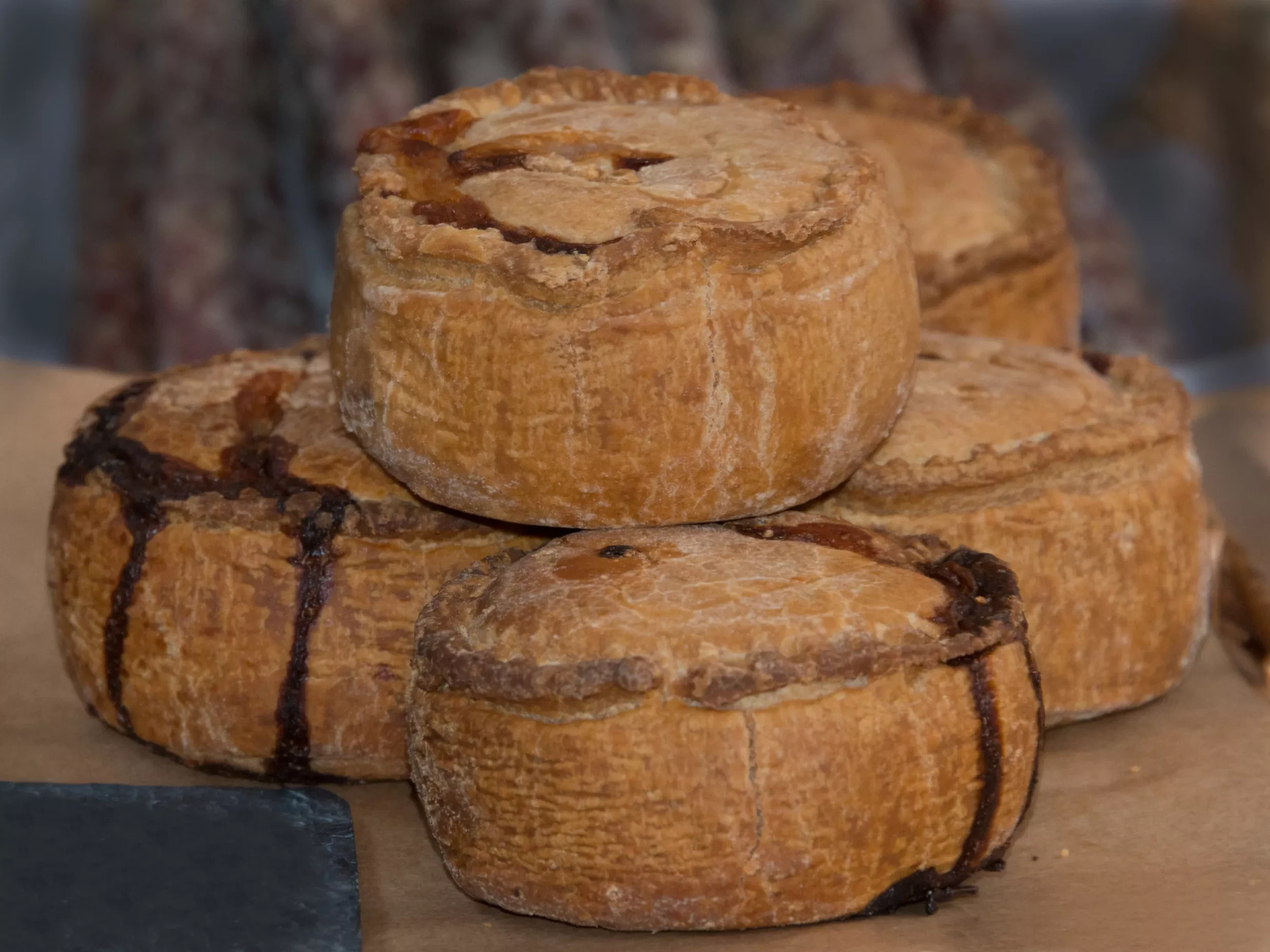
As the nineteenth century transitioned into the twentieth, street food remained a constant. The familiar sights were still there - pie stalls on street corners, fish and chip shops selling newspaper-wrapped suppers, and barrows selling sandwiches to busy office, factory and shop workers. There was also a proliferation of ice-cream carts setting up at seaside resorts and in urban neighbourhoods, so people could indulge in a luxurious treat for a few coins.
Mobility also played a significant role in how food was bought and sold. Railways, buses, trams, and expanding suburbs meant people were travelling further to go to work, and food needed to keep up. Portable, convenient, and filling options were in high demand, as more and more people needed something they could eat on the go.
Post-War Britain: New Experiences & New Flavours
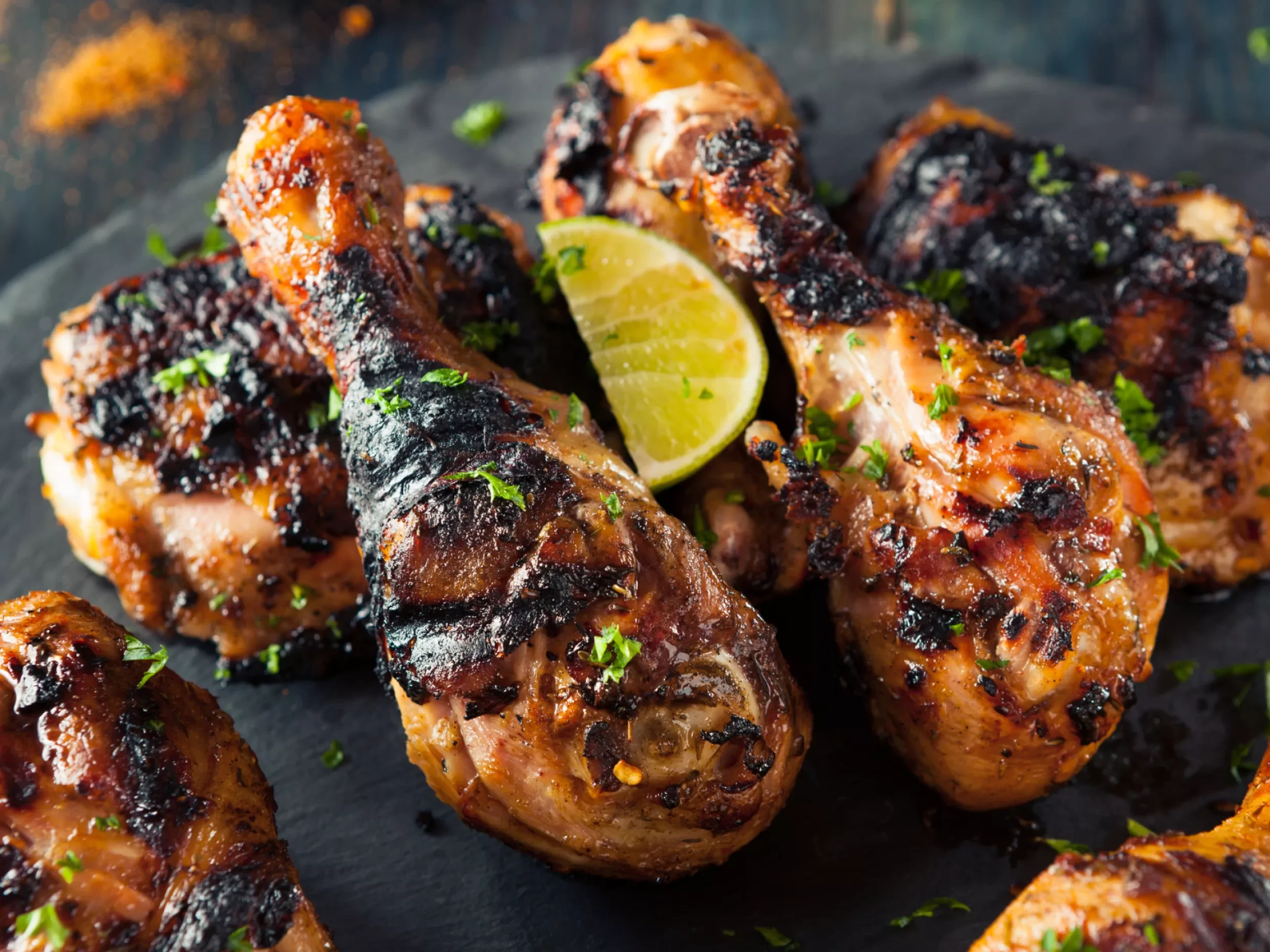
In the years following the Second World War, Britain’s street food scene entered a new and exciting chapter. As rebuilding began, so too did a wave of new arrivals from across the Commonwealth, bringing with it a wealth of new and delicious eating options. Caribbean communities introduced dishes like jerk chicken, while arrivals from South Asia, Africa, and the Middle East expanded the range of spices, techniques, and flavours that were new to many British consumers, especially in the immediate post-war era.
Street food once again adapted. Mobile vans and market stalls became showcase platforms for these new dishes, serving workers, communities, and curious passersby. What had once been defined by pies and fries began to expand into something far more varied, bringing a wealth of choice to a hungry population.

Modern Britain: The Street Food Revolution
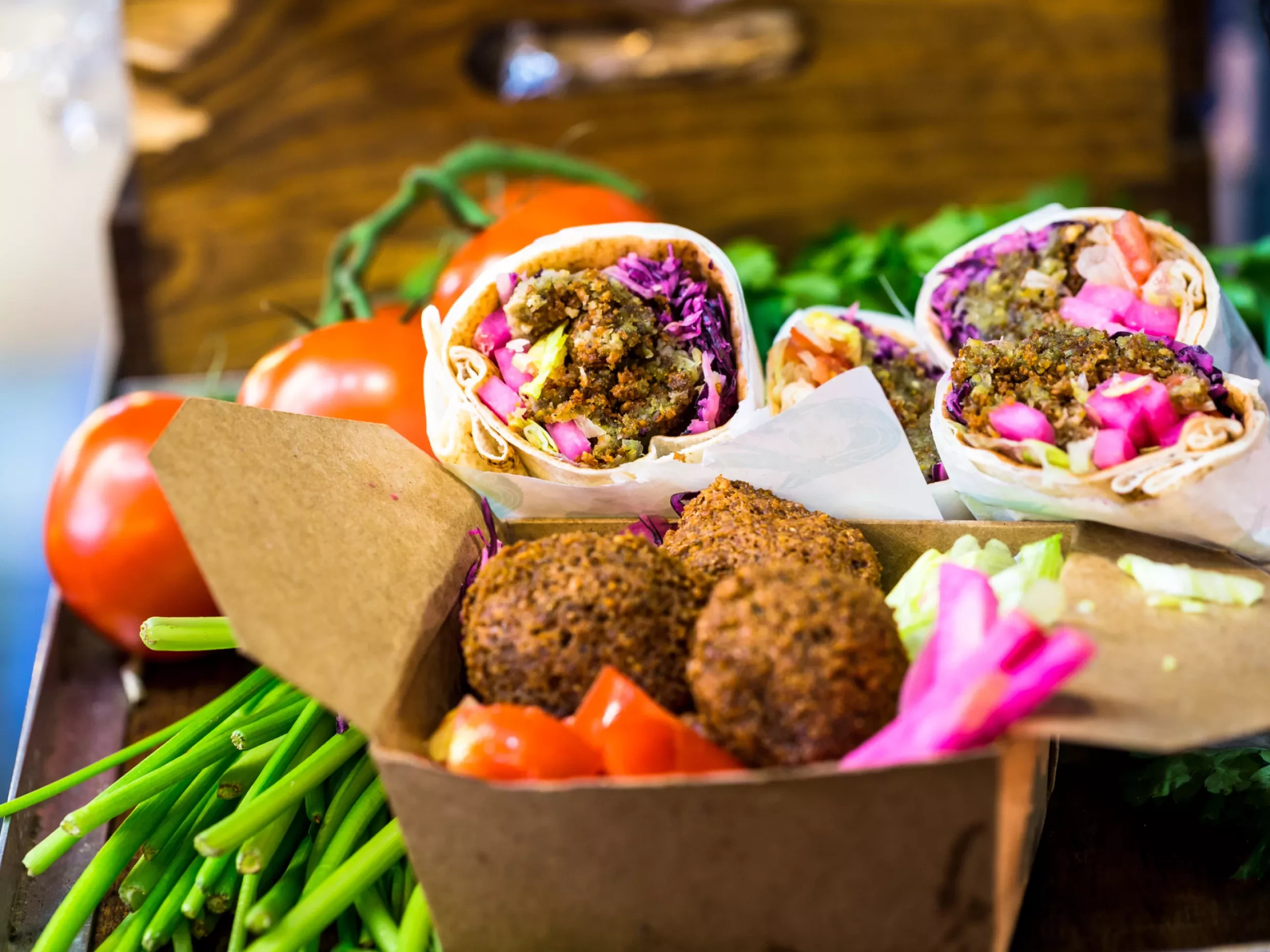
In recent years, street food in Britain has undergone what many have called a revolution. You’ll be hard-pressed to find a city that hasn’t transformed disused warehouses and car-parks, as well as open squares and village greens, into permanent and temporary pop-up markets and food festivals. Here, you’ll find everything from Korean fried chicken and Venezuelan arepas, to gourmet grilled cheese sandwiches and creative crumbles, all served from repurposed vans, shipping containers and old beach huts, all styled for a new generation of diners.
Social media has also helped turn street food into an all-round lifestyle experience, with stunning food photography whetting the appetite across the worldwide web. To the Insta generation, the street food kings and queens are as celebrated as Michelin maestros.
Yet beneath the neon signs, art school menus and deconstructed shepherd’s pies are strikingly familiar ideas that have lasted for two thousand years - good food, served quickly, to people on the move.
2,000 Years on the Streets
From Roman oyster vendors to today’s globe-spanning food markets, Britain’s street food story is one of constant reinvention. The ingredients and influences may change, but the essence remains the same. Street food feeds a nation on the move, shaped by those who cook it and those who rely on it each and every day.