








Long before it became a picnic-table favourite, Eton Mess was tangled up with tradition, privilege, and a very British fondness for puddings that look a bit, well, thrown together. What began as a schoolboy dessert somehow escaped the gates of Eton College and made itself at home at barbecues, garden parties, and Wimbledon lunches alike. So how did this gloriously scruffy sweet earn its place in the nation’s summer line-up, and what’s really behind the name? We’re “berry” excited to find out.
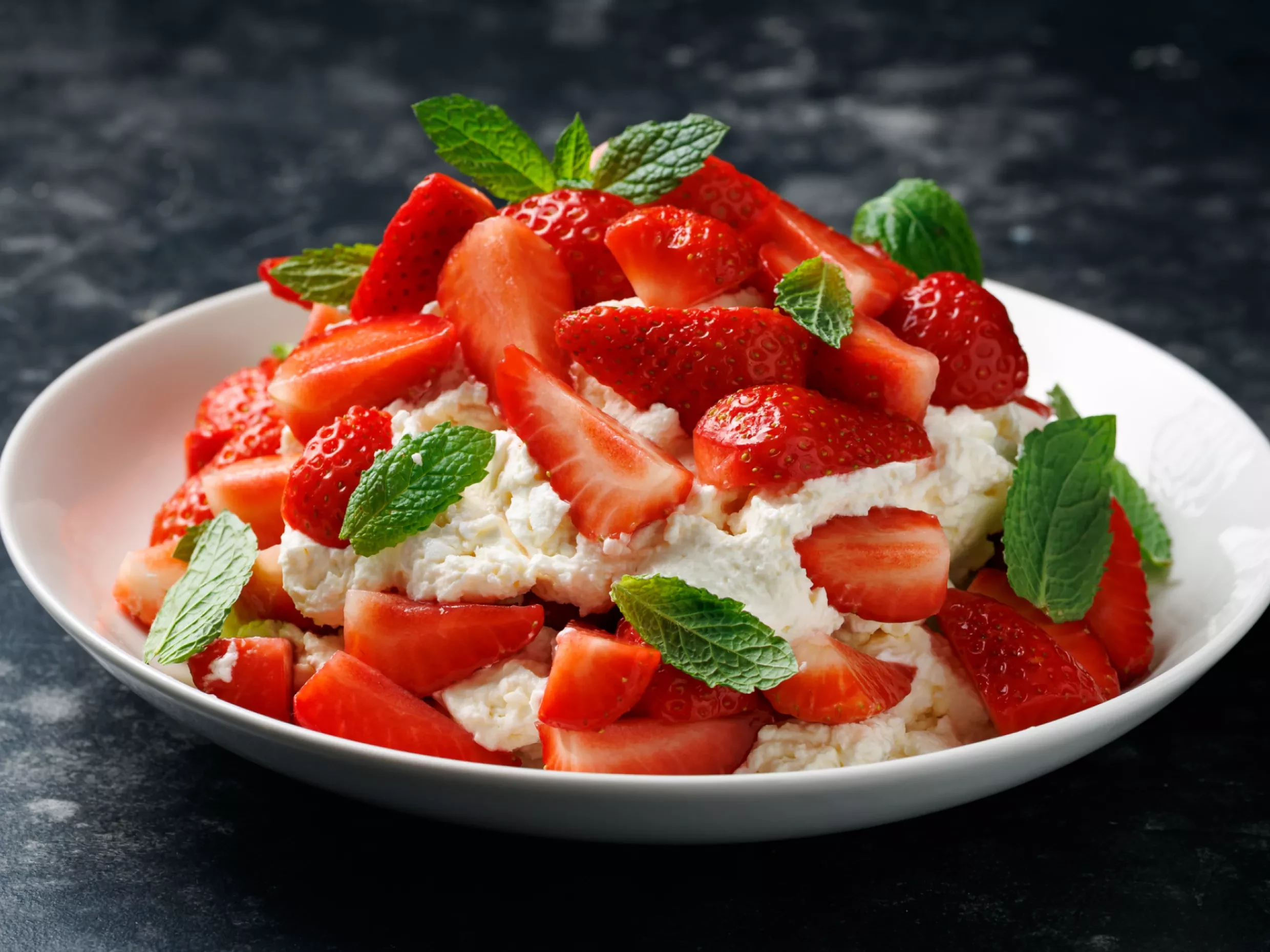
The Dessert with an Alma Mater
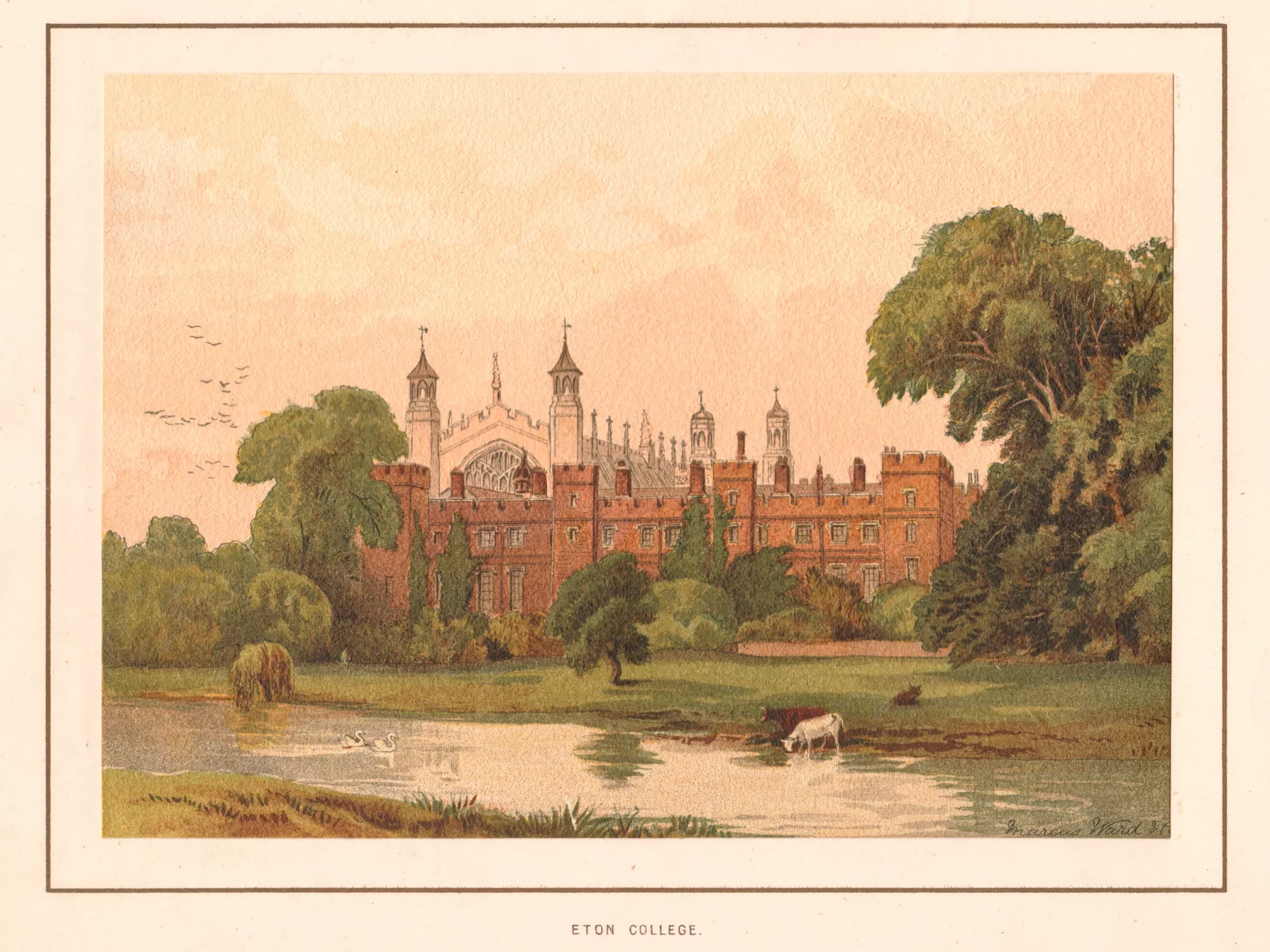
Eton Mess is inseparably linked to Eton College, the prestigious boys’ boarding school founded in 1440 by King Henry VI. For centuries, Eton has stood as one of Britain’s most recognisable institutions, educating prime ministers, poets, and princes. It’s within this rarefied world that the dessert probably first emerged. But when? And how?
While the exact moment of creation of the Eton Mess is lost to time, most food historians agree it dates back to the late 19th century. In support of this, the first written record of the dessert was on the menu for a party at Marlborough House in 1893.
As to its Etonian roots, the dessert is known to have become a staple served at the school’s illustrious annual cricket match against Harrow School. These matches were not merely sporting events; they were grand occasions attended by students, alumni, and members of high society, complete with picnics on manicured lawns.
In this setting, the Eton Mess found its natural home. Light, cooling, and sweet, it was ideally suited to summer afternoons spent watching cricket under the sun. It was easy to prepare and serve in large quantities, yet it still felt that little bit luxurious.
Why is it called Eton Mess?
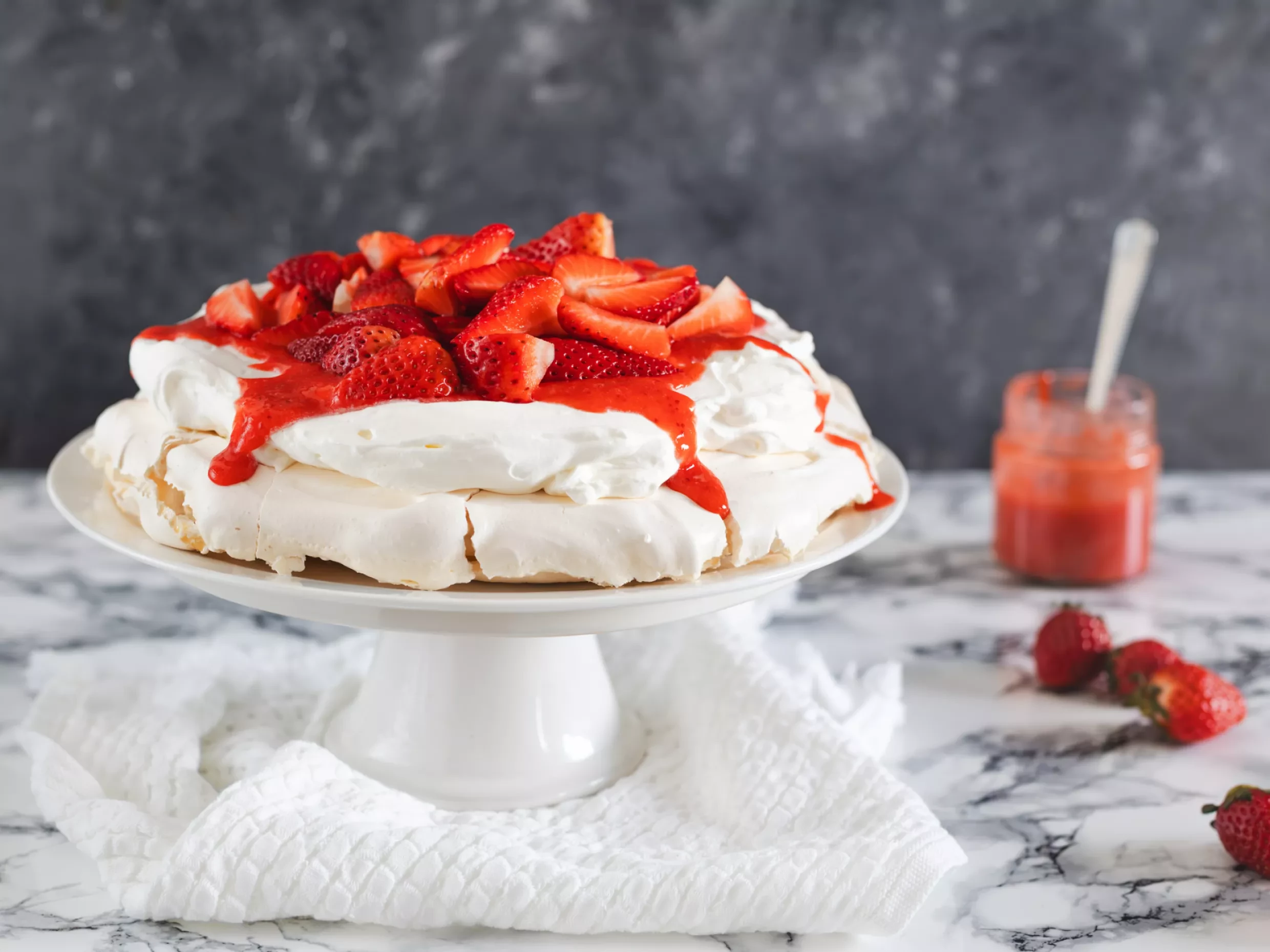
Whilst there’s no concrete story behind the origins of the Eton Mess, there’s a persistent legend that claims it all started with a strawberry pavlova. The story goes that it had been made for an Eton vs Harrow cricket match, but was dropped or squashed - often said to have been caused by an overexcited Labrador - and salvaged by serving the ruined mixture in bowls. Great story, but hard to know how much truth lies within this particular deserty- kerfuffle.
Indeed, the word ‘mess’ has its own origins. And some point to this as the real backstory. Specifically, it comes from the Old French mes, which entered English around 1300, meaning a portion of food or dish served at a meal, often liquid or pulpy like porridge or broth. By the 1400s, "mess" evolved to denote a small group of people sharing the same food portions at a table. It was only between the 1700s and early 1800s that the word actually shifted to describe a type of dish, especially one characterised as a jumble or concoction of different elements, matching up with the make up of the Etonian pudding. So while the origin story sounds like a solid fit, the truth is likely more wobbly.
The Rise of Eton Mess
For much of its early life, Eton Mess remained something of a quiet indulgence, known mainly within elite circles and tied closely to specific institutions and events. It was not yet a national pudding, but a seasonal speciality enjoyed by those with access to Eton’s lawns and London society tables.
However, changes in the wider British food culture of the time meant it wouldn’t remain in the exclusive hands of high society for long. The late 19th century saw advances in agriculture, transport, and trade which made ingredients such as refined sugar more affordable and widely available. Strawberries, once a luxury, became easier to grow and distribute, while fresh cream remained a staple of rural Britain, particularly in the south and west.
Meringue, with its continental roots, had already established itself in British kitchens by this point, and by the Victorian era it was considered a refined confection, associated with culinary elegance. Eton Mess brought these elements together in a way that felt luxurious yet practical, lighter than traditional suet puddings and better suited to outdoor dining.
As the 20th century rolled along and British tastes shifted away from formality, the Eton Mess quietly followed suit. Its simplicity and lack of ceremony saw it drift beyond its upper class origins and onto the tables of the country at large.
An Awfully British Dessert
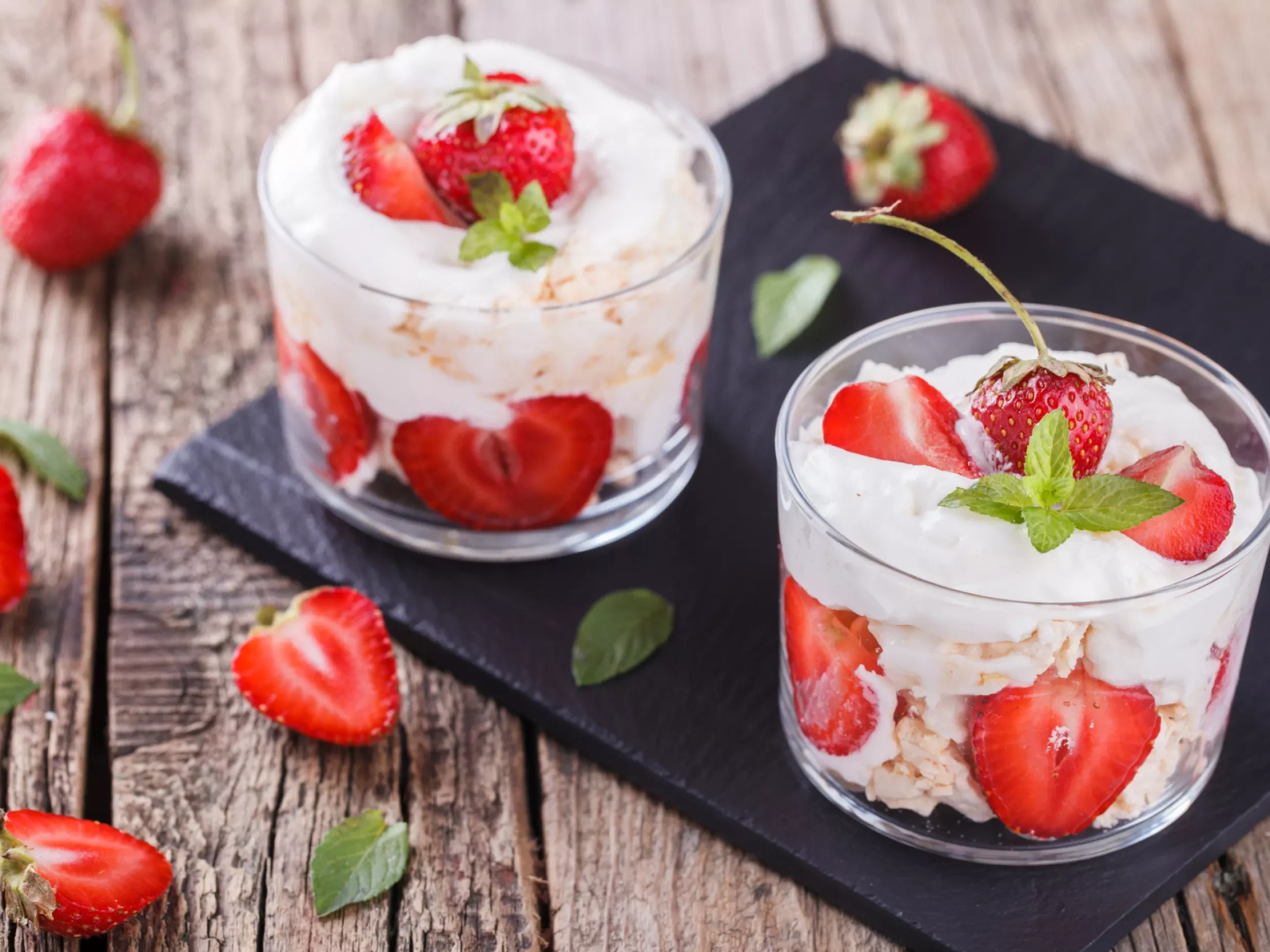
By the late 20th century, the Eton Mess had firmly established itself as a British summer staple. As likely to appear at barbecues and weddings as on restaurant menus, this distinctly British dessert pops up in every corner of the country, in classic form or with a bit of personality - with alternative fruits or subtle twists. In this way, Eton Mess sits comfortably alongside other British favourites such as jam roly-poly, crumble, and spotted dick, desserts designed not to impress from afar, but to simply be enjoyed without ceremony or taking itself too seriously.
The Proof is in the “Eton”
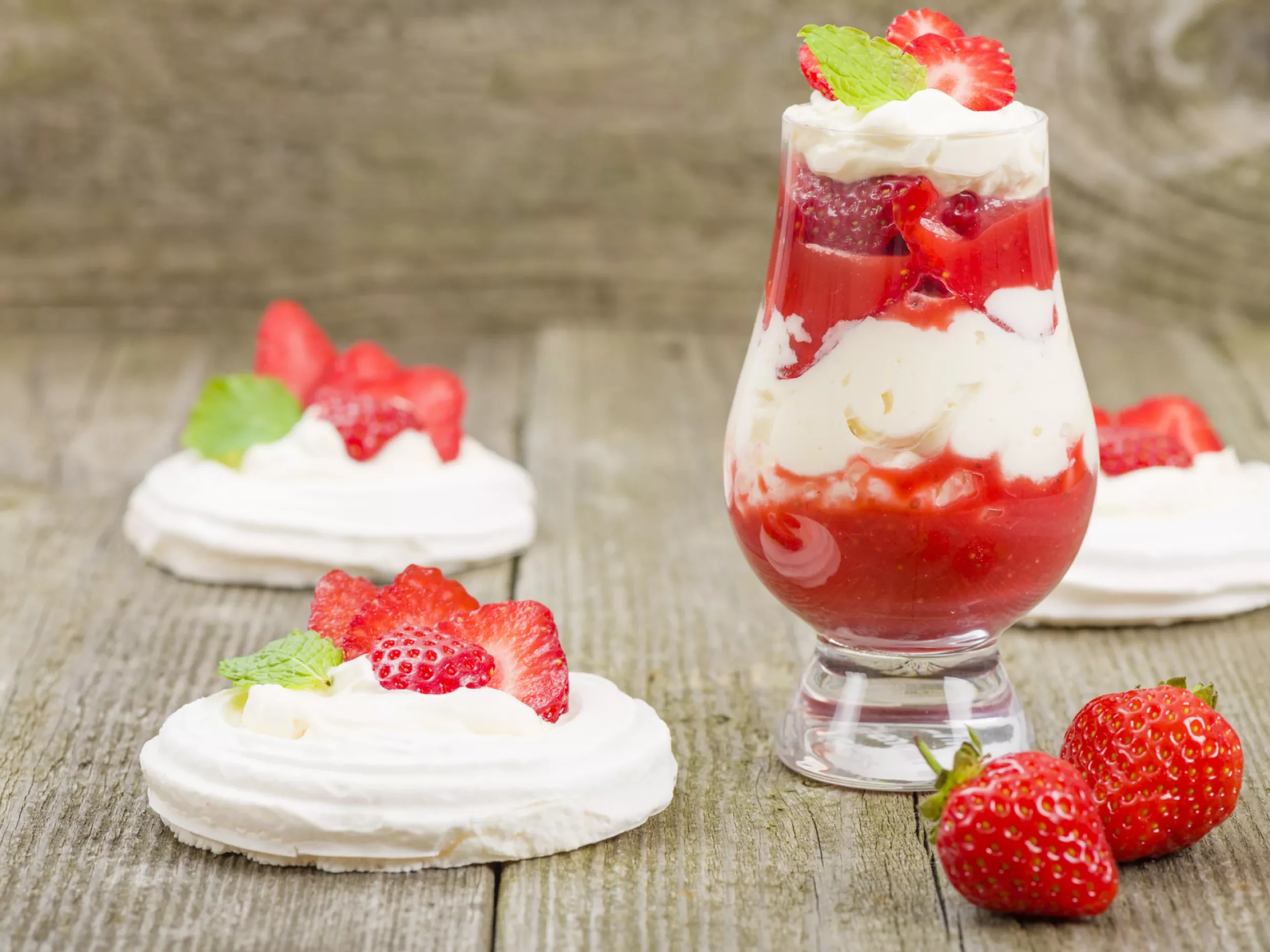
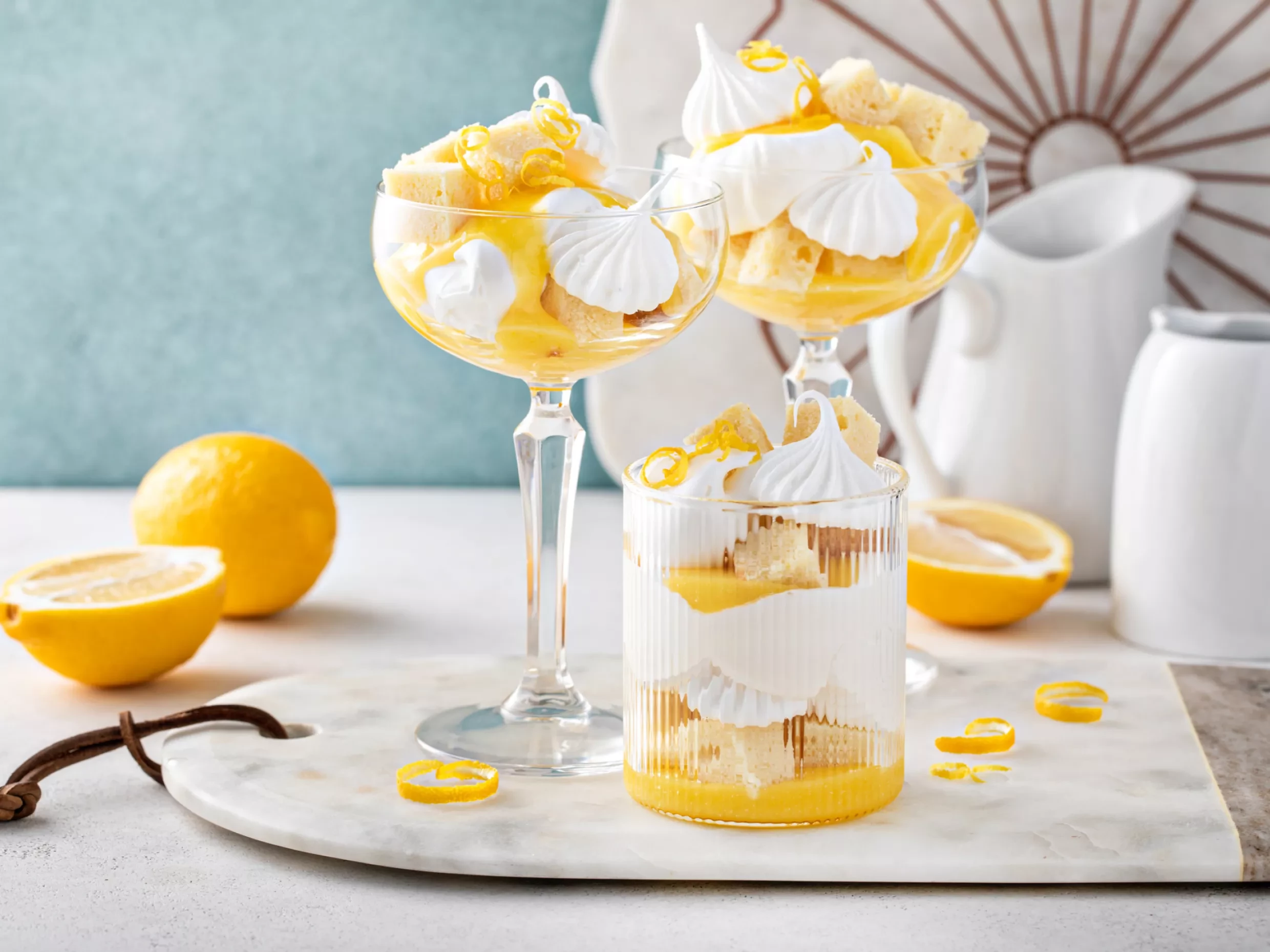
Today, the Eton Mess remains a firm favourite. Some may swap strawberries for raspberries, peaches, or even tropical fruits, while vegan creams and dairy-free meringues bring it in line with modern choices. But at its heart, it's a classic dessert - as long as there’s sweetness, creaminess, and a sense of collapse, it remains a true British sweet-toothed legend.
Watch Adam Richman Eats Britain On Discovery+
Man vs Food legend Adam Richman’s show on Discovery+ uses the map as a menu as he worships at the dining table of Britain’s food superstars. In episode five, he arrives in Eton to taste the famous culinary mash-up, Eton mess. He also has a right royal afternoon tea in Windsor, as well as some delicious venison bon bons, before topping off his trip with fantastic fudge.