







Few foods are as instantly recognisable, adaptable, or quietly influential as the sandwich. It slips as easily into lunchboxes as it sits daintily atop afternoon tea platters, flawlessly crossing class, culture and cuisine. Simple in concept yet endlessly versatile, the sandwich has become one of the world’s most enduring foods. But its story stretches far beyond sliced bread and lunchtime convenience. Behind every stacked filling and crusty edge lies a surprising history. Read on as we embark on a ‘breaducational’ journey.
A Sandwich by Many Other Names
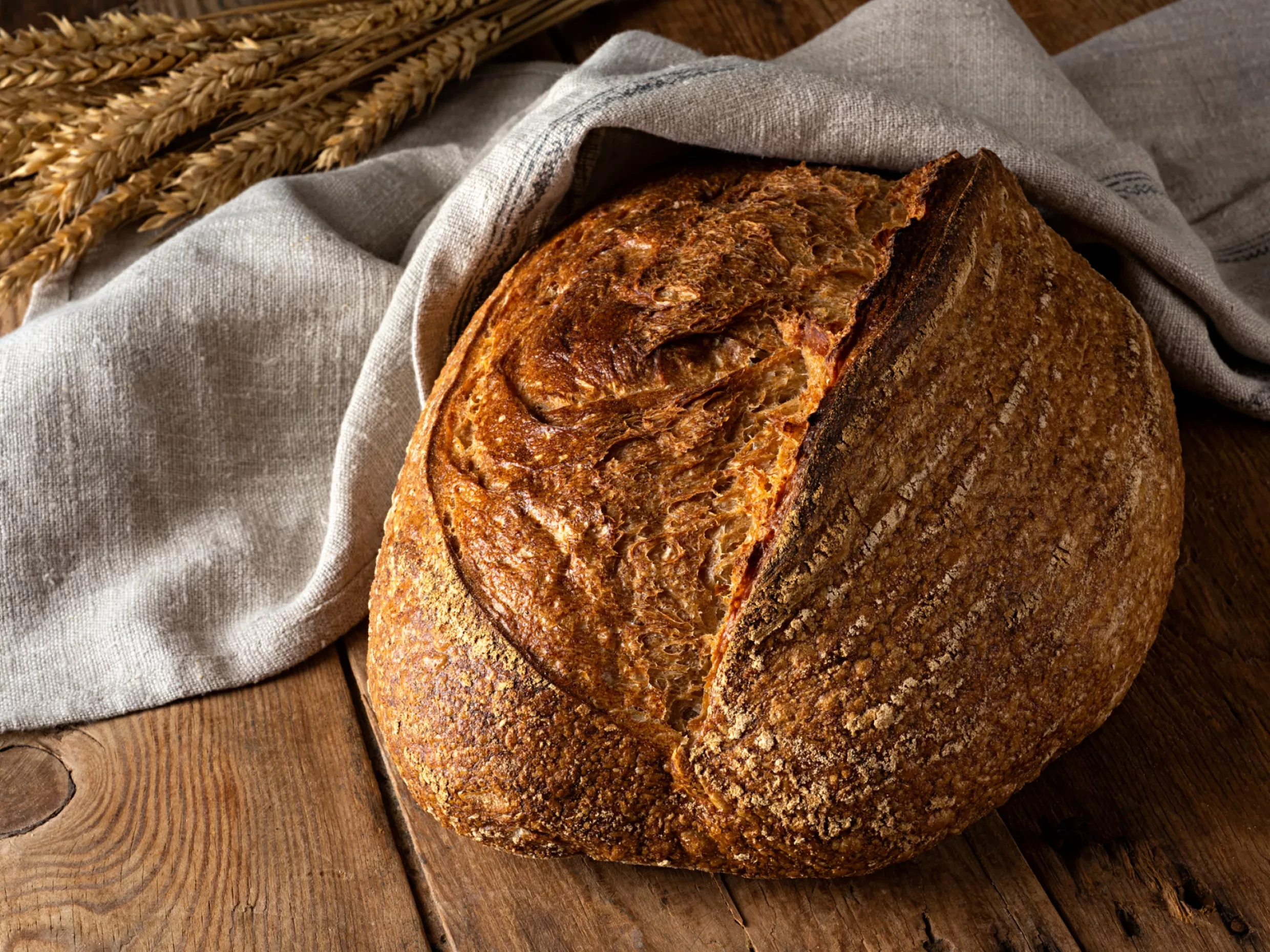
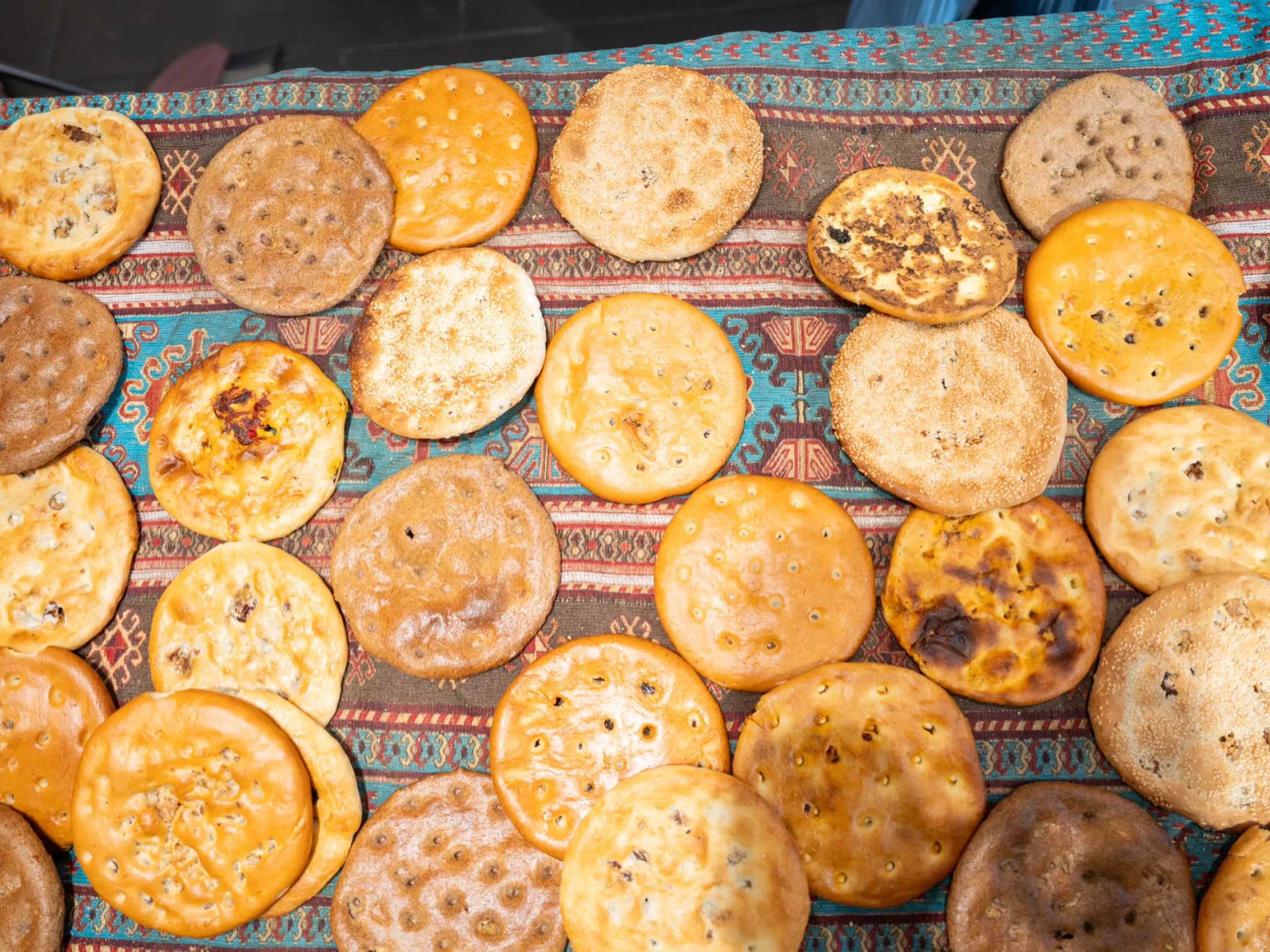
Long before the word sandwich entered the English language, people were already eating food wrapped, layered, or tucked inside some form of bread. Bread itself is far older than even agriculture, with the earliest known evidence of bread dating back at least 14,000 years old, discovered at a prehistoric site in what is now Jordan. These flat, simple loaves were made by hunter-gatherers, ground from wild grains long before farming became widespread.
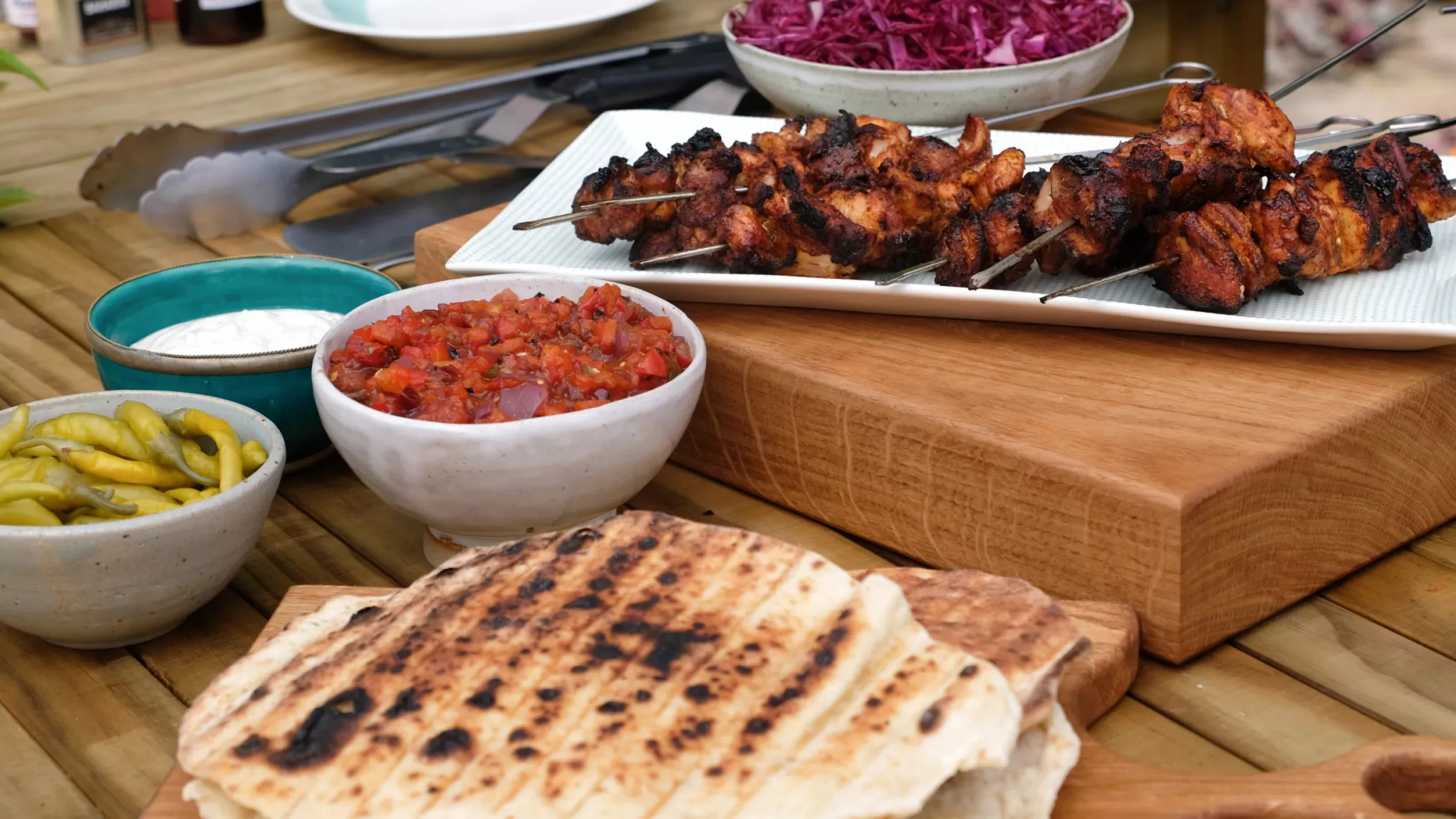
From the very beginning, bread was portable, practical, and designed to be held. Across ancient civilisations, flatbreads continued to act as edible plates, scoops and containers. In the Middle East, soft breads cradled spiced meats, herbs and sauces. Jewish tradition includes a ritual combination of unleavened bread, bitter herbs, and sweet paste eaten during Passover. In medieval Europe, thick slices of bread known as trenchers served as makeshift plates for stews and roasted meats, soaking up flavour before being eaten or discarded.
These early forms weren’t sandwiches in name, but they shared the same essential idea: bread used to contain and transport a meal. What they lacked was not function, but identity. There was no single word to unite these practices, no moment that pulled them together into one recognisable concept.
That would come later, when a particular habit, adopted by one individual in 18th-century England, gave this long-standing way of eating a name - and, in doing so, reshaped how the world thought about meals on the move.
The Name that Changed Everything
By the middle of the 18th century, this way of eating was familiar enough to be unremarkable, yet still lacked branding. That changed thanks to one man whose personal habits happened to intersect perfectly with a society on the brink of transformation.
John Montagu, the 4th Earl of Sandwich, was a prominent English aristocrat, known as much for his long working hours and enthusiasm for card games as for his political career. According to legend, he requested that his meat be served between slices of bread so he could eat without interrupting his activities or dirtying his hands. Whether the setting was a gambling table or a cluttered desk, the appeal was the same: a complete meal, contained, portable and practical.
What made this moment significant was not the novelty of the food itself, but the reaction it sparked. Others began ordering “the same as Sandwich,” and before long, the phrase entered everyday use. A private convenience became a public reference point, and a long-standing way of eating finally acquired a name.
Once it had an identity, the sandwich spread rapidly. No longer just bread and filling, it became a recognised form, adaptable, repeatable and ready to travel far beyond aristocratic circles.
A Food for a Changing World
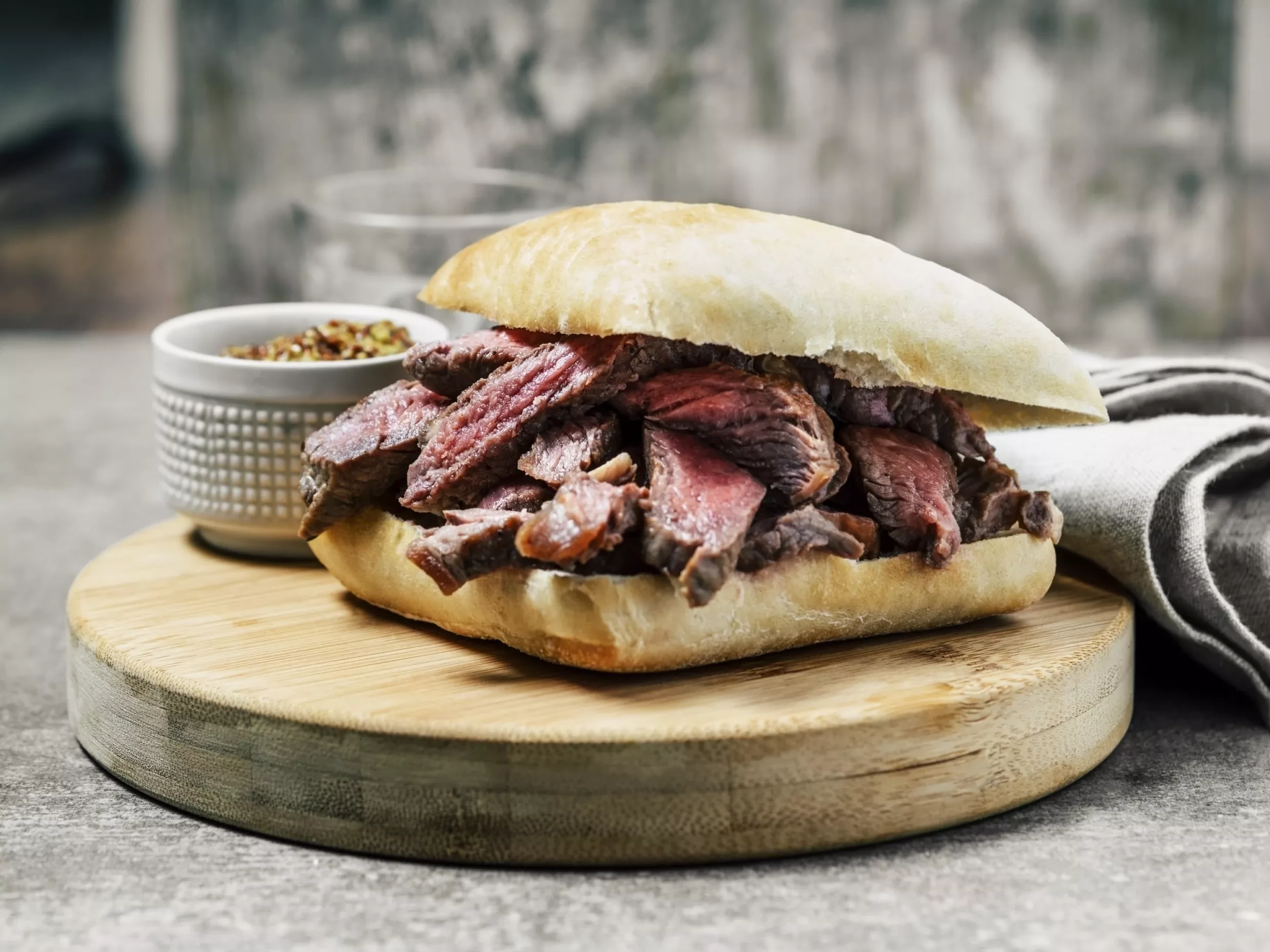
The rise of the sandwich coincided neatly with major social shifts. The Industrial Revolution transformed daily life, work patterns and mealtimes. As people moved from rural labour to factory and office work, long, formal meals became less practical. Food needed to be quick, filling and easy to transport.
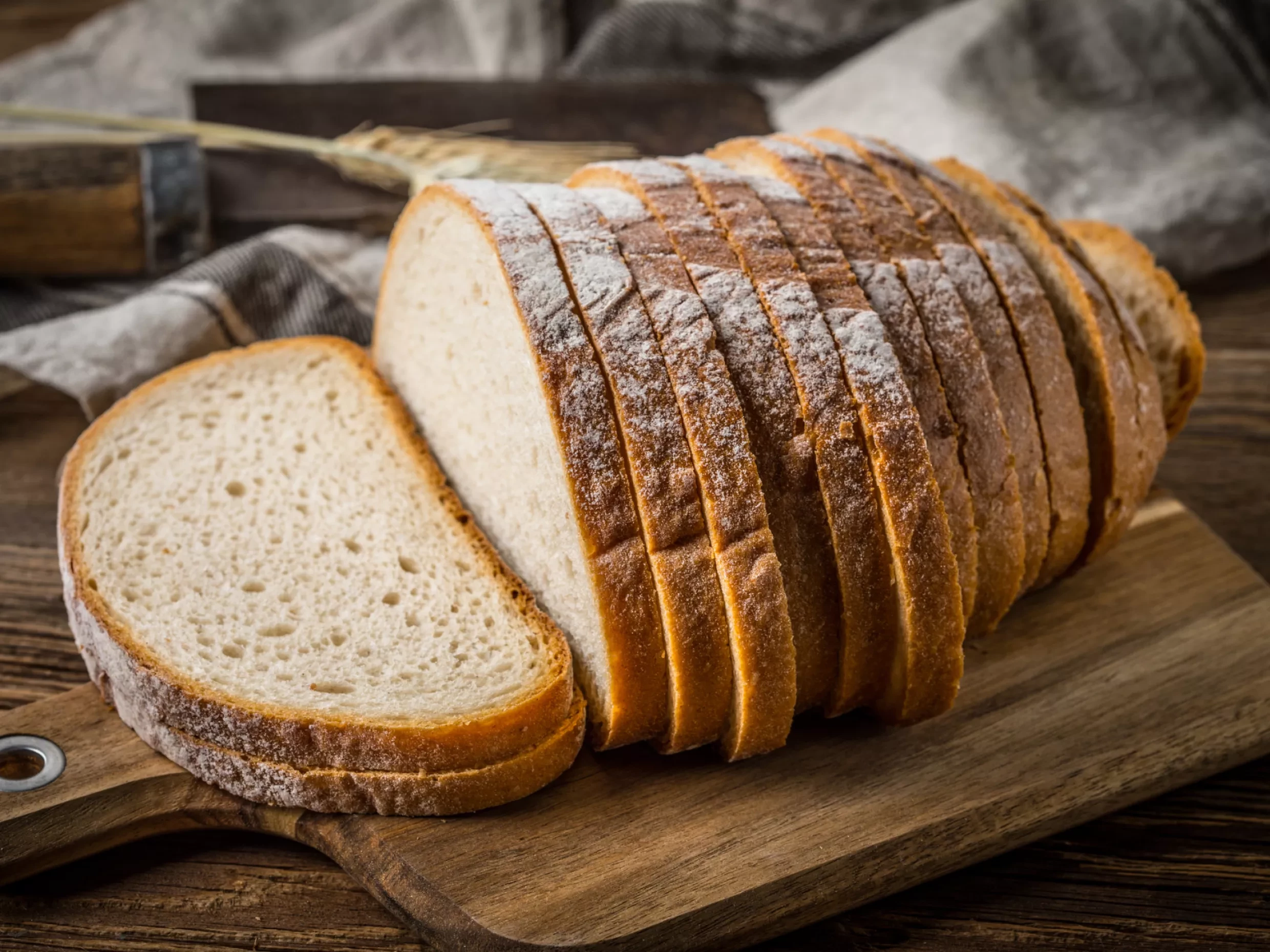
The sandwich fitted the bill perfectly. Bakers refined loaves, slicing became more common, and fillings adapted to local tastes and budgets. Cold meats, cheese and preserved spreads made sandwiches affordable and accessible. They could be wrapped, packed and eaten anywhere.
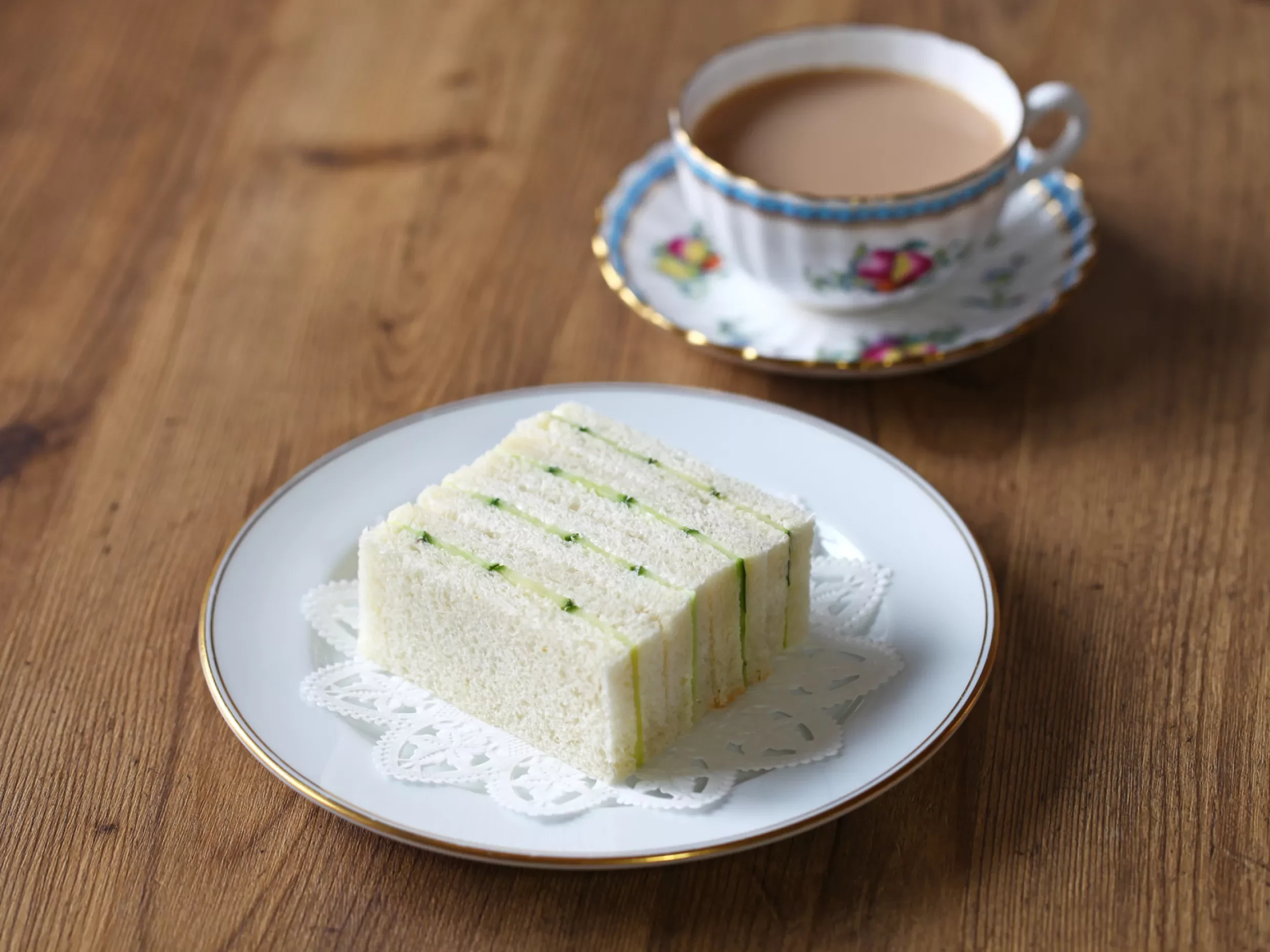
By the 19th century, sandwiches were firmly embedded in British life. Afternoon tea elevated them into polite society, trimming crusts and cutting them into neat triangles. At the same time, workers relied on heartier versions stuffed with beef, ham or cheese. One food, many roles.
Crossing the Atlantic and Finding New Forms
As British expats carried their food traditions abroad, the sandwich travelled with them. In the United States, it found fertile ground for reinvention. Abundant ingredients, local flavours and a growing idea of convenience pushed the sandwich in new directions.
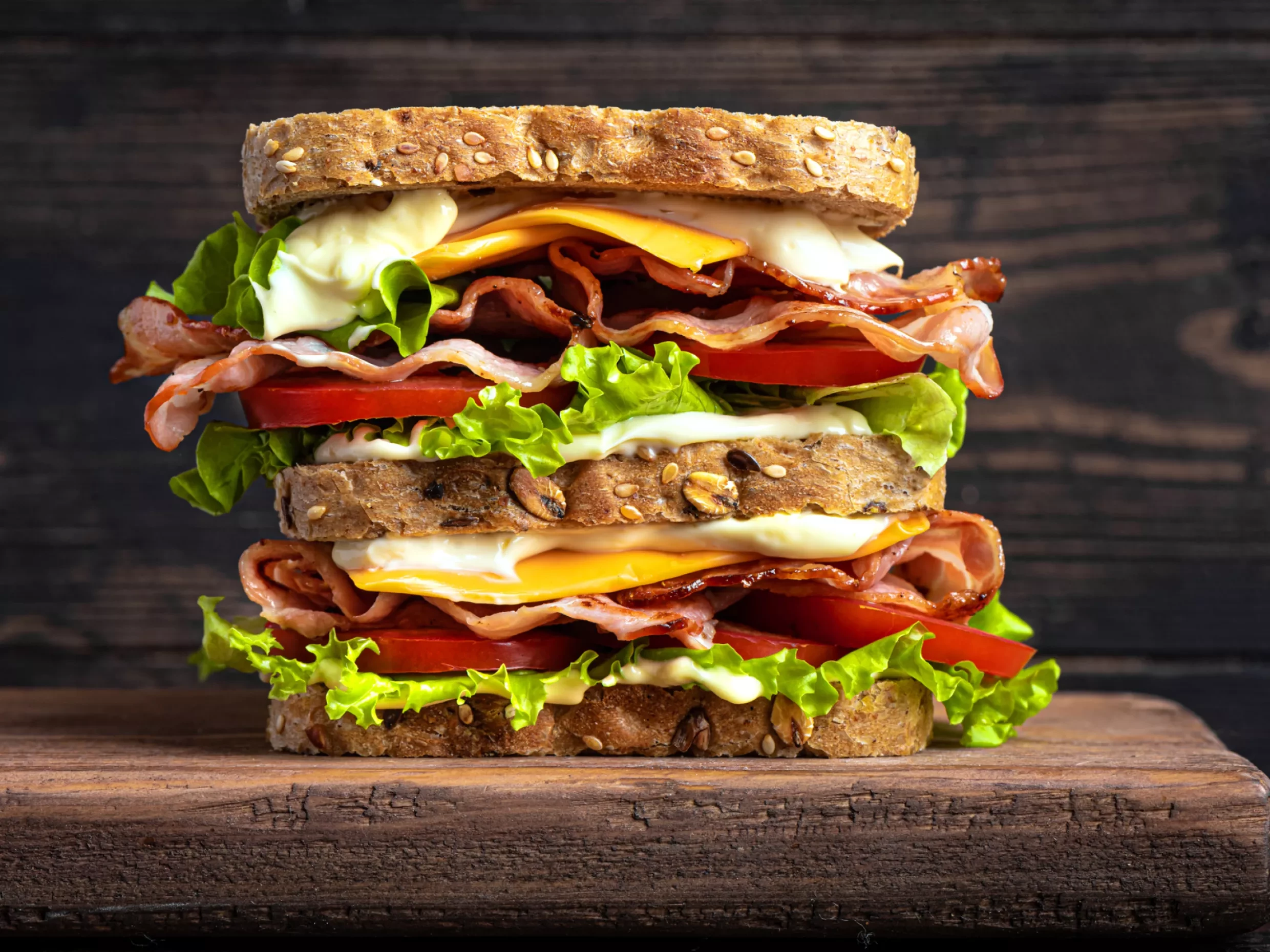
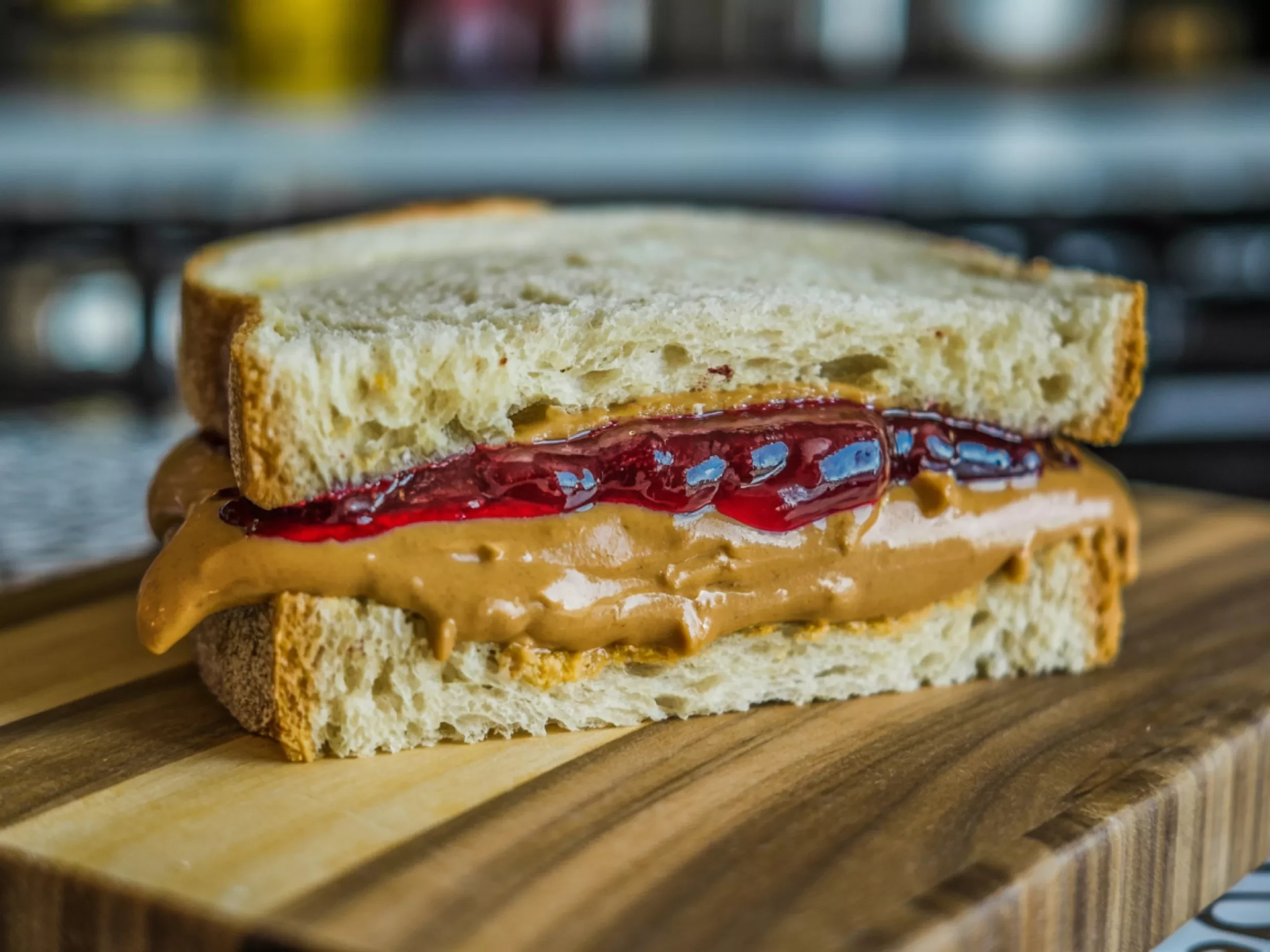
By the late 19th and early 20th centuries, American sandwich culture was flourishing. The club sandwich layered poultry, bacon and toast into towering constructions. Peanut butter and jelly became a childhood staple. Grilled cheese took advantage of industrial bread and processed cheese, while delis stacked cured meats high between rye slices.
Meanwhile, technological advances such as sliced bread - famously taking its place as the quintessential ‘best thing’ - made sandwich-making faster and more uniform. What had once been assembled by hand now became part of mass food production.
Global Variations on a Simple Idea
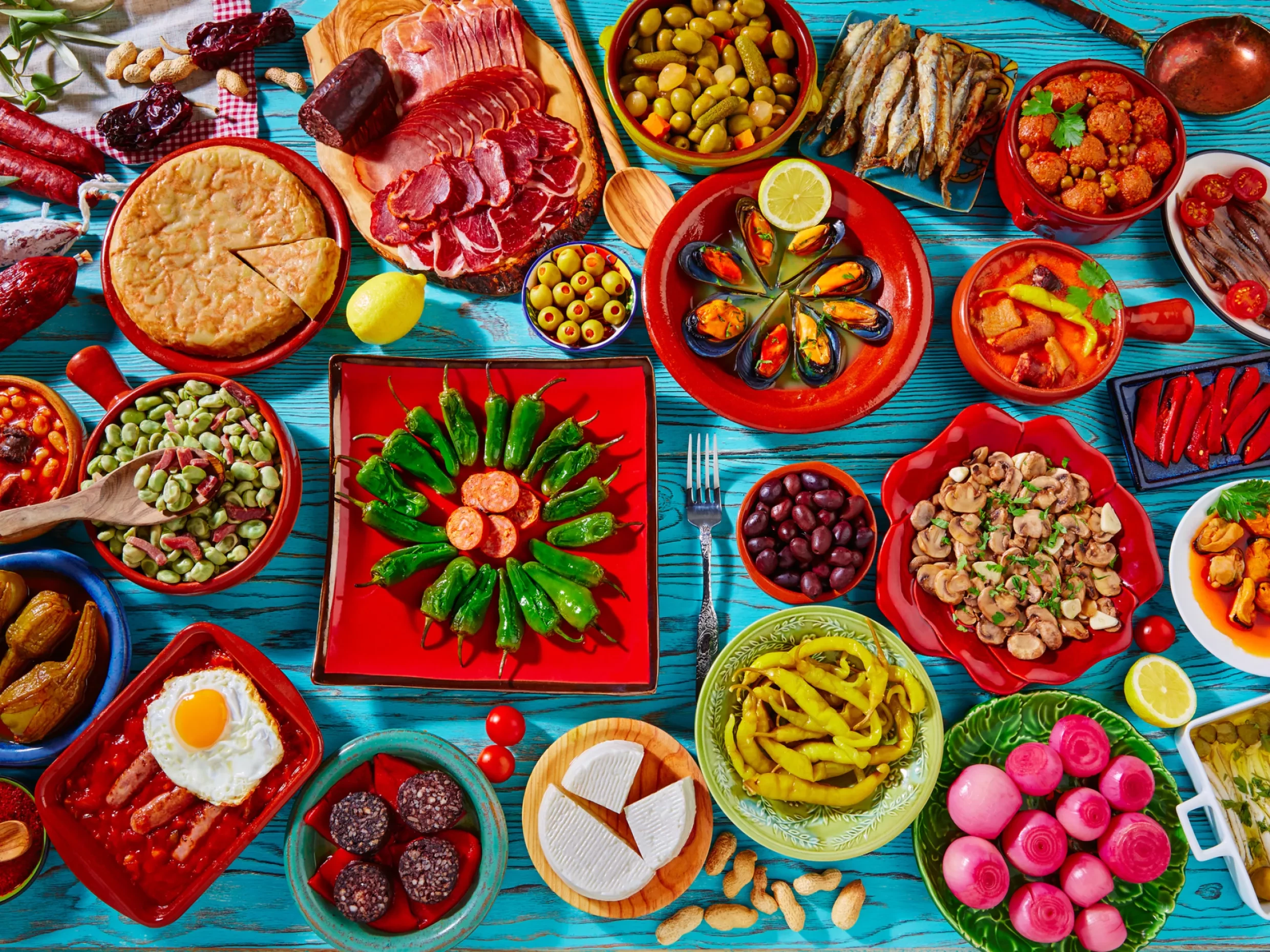
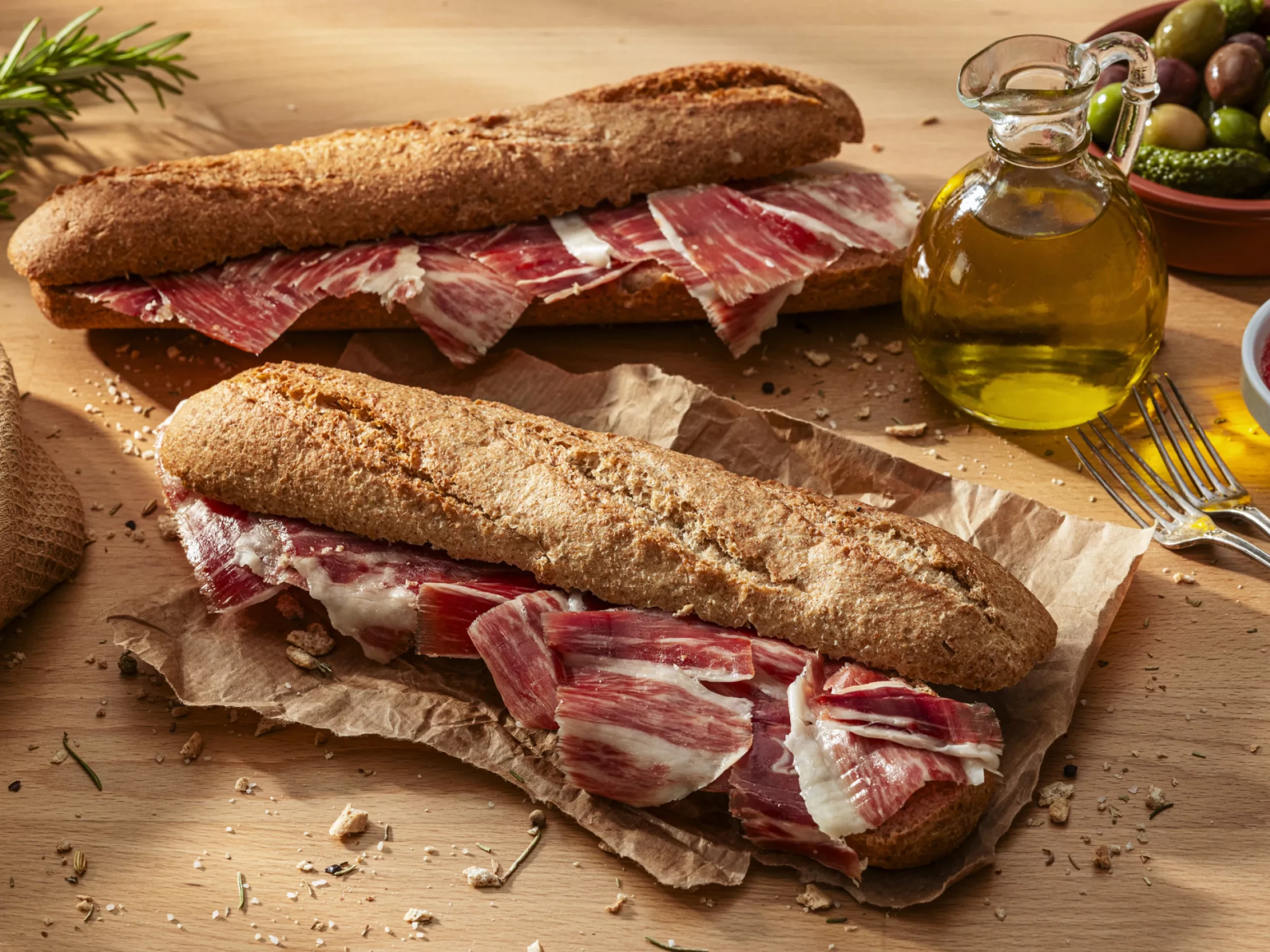
As the sandwich spread, it took on a local flavour wherever it landed. In France, the jambon-beurre kept things minimal: baguette, butter, ham. Italy embraced panini and tramezzini, while Spain filled crusty rolls with tortilla, jamón or calamari. Vietnam fused French bread with local flavours to create the bánh mì, balancing pickles, herbs, meats and chilli. In Mexico, the torta emerged, rich with beans, cheese and slow-cooked meats.
Each version reflected local tastes, ingredients and eating habits, proving the sandwich’s flexibility. Bread might change shape, fillings might shift dramatically, but the core idea remained the same.
The Sandwich in Britain: From Tea Rooms to Takeaways
Back in the UK, the sandwich continued to change. The Victorian love of afternoon tea turned it into something decorative, while the rise of the railway and seaside tourism made it a key part of a good day out. Packed lunches became common, and it took its place in children’s lunch boxes up and down the country.
The 20th century brought further transformation. Wartime rationing encouraged simple fillings, while post-war prosperity expanded choice again. By the late 20th century, pre-packed sandwiches dominated supermarkets, becoming a defining feature of a British workday lunch. Egg and cress, prawn mayonnaise, cheese and pickle, familiar combinations took on iconic status.
At the same time, cafés and bakeries began revisiting the sandwich with fresh eyes, focusing on artisan bread, regional produce and international inspiration. The humble lunch option started to edge back towards something crafted.
Reinvention and Revival
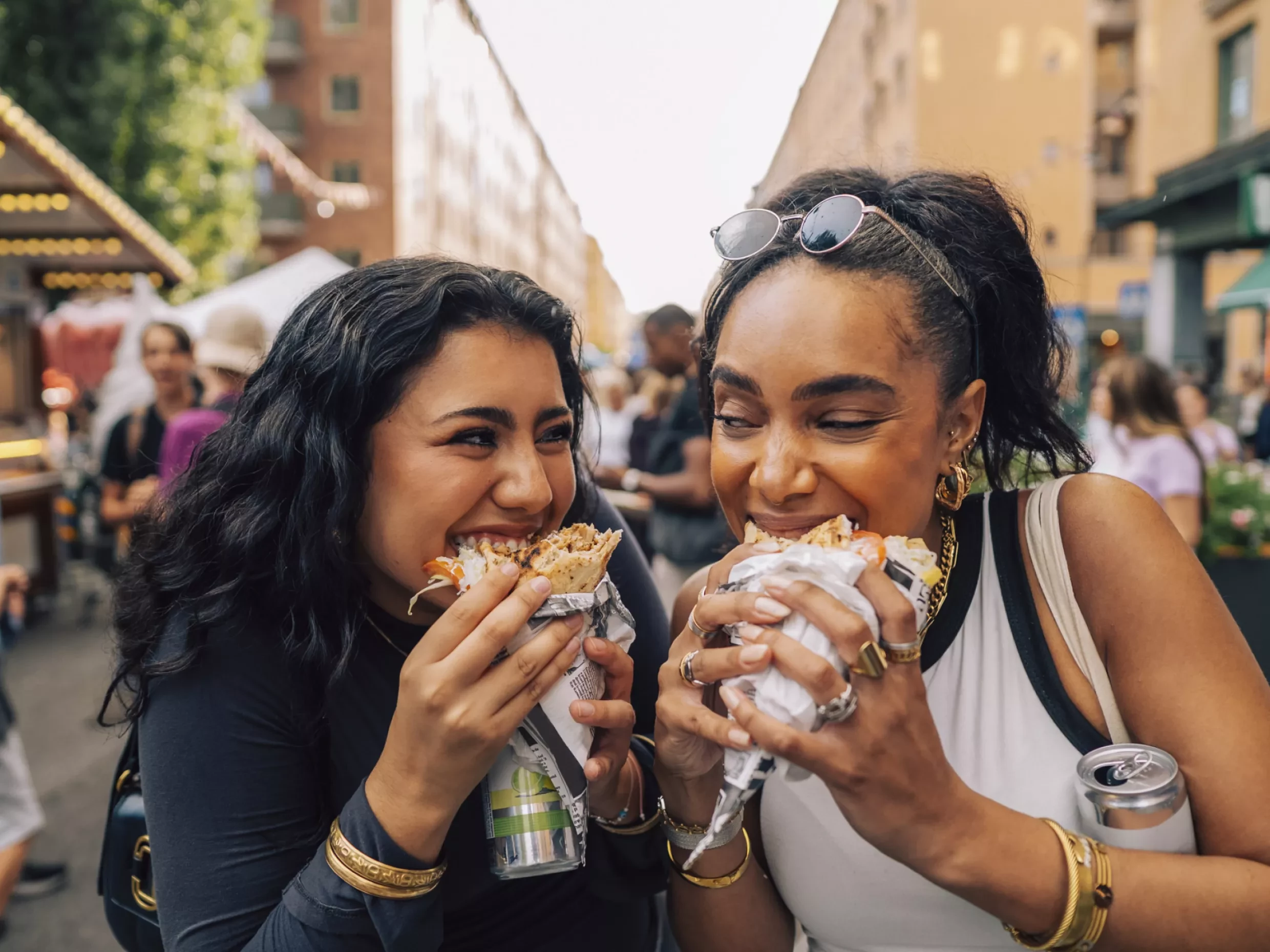
In recent decades, the sandwich has enjoyed something of a renaissance. Street food culture has embraced it wholeheartedly, piling slow-cooked meats, inventive sauces and bold flavours between buns, rolls and flatbreads. Artisanal bakeries experiment with sourdough, focaccia and brioche. Global influences continue to reshape fillings.
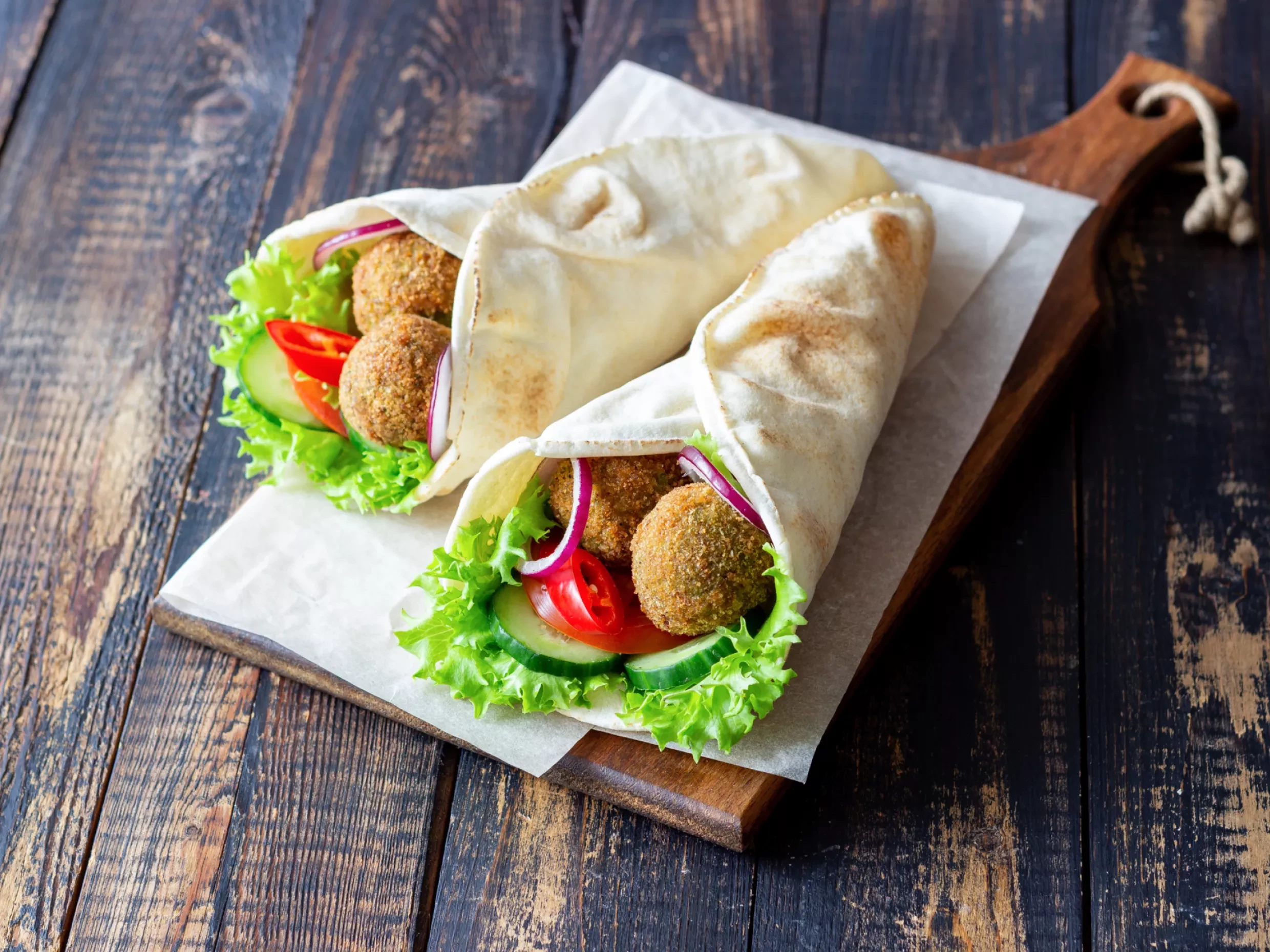
The sandwich has also adapted to changing diets. Vegetarian, vegan and gluten-free versions are now commonplace, proving that the format is as accommodating as ever. From falafel wraps to plant-based deli slices, the sandwich reflects modern eating habits while remaining part of everyday life.
That’s a Wrap
Despite its aristocratic naming and global reach, the sandwich remains one of the planet's most democratic foods. Anyone can make one. Everyone has a favourite. From ancient flatbreads to factory lunches, from gambling tables to gourmet cafés, the sandwich has travelled a long way without ever losing its essence. Two slices of bread may seem unremarkable, but together, they hold centuries of history, catchy branding and culinary habit. And that’s what makes the sandwich far more than just a quick bite.
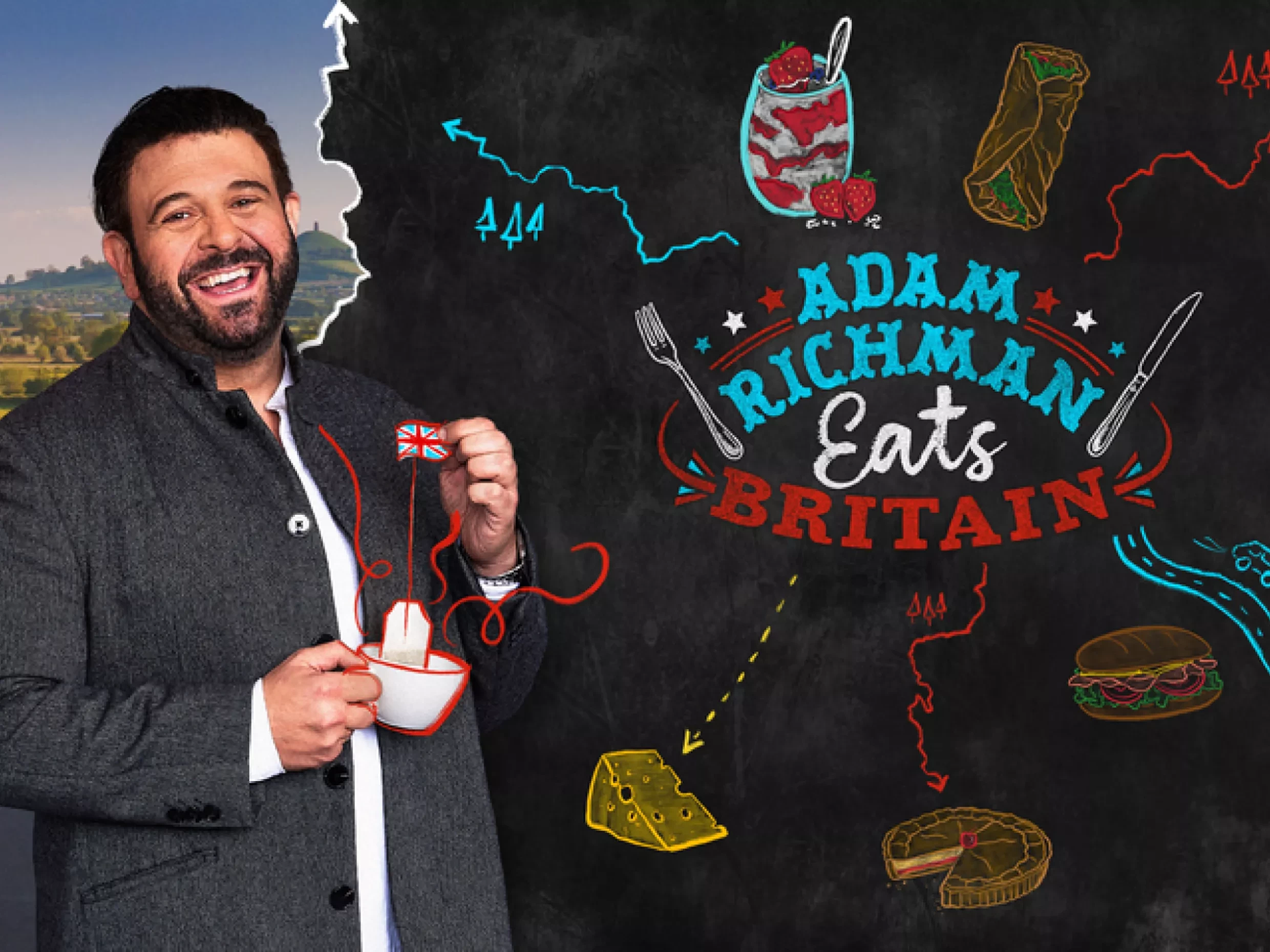
Watch Adam Richman Eats Britain On Discovery+
Man vs Food legend Adam Richman’s new show on Discovery+ uses the map as a menu as he worships at the dining table of Britain’s food superstars. In episode two, he's in Kent to eat a very special sandwich in Sandwich before exploring more amazing eats in the Garden of England, including Whitstable oysters, traditional fish and chips and a new baked sensation, the cruffin.