



Christmas is coming, the goose is getting fat, so says the old nineteenth century folk song, so how did turkey come to claim the crown at Christmas? In the UK alone, we eat around ten million turkeys on Christmas Day, so who do we have to thank for the big bird that graces our tables? The Mexicans? King Henry VIII? Charles Dickens? It seems like it’s a combination of all three. We’re not going to wing it, this is a slice of classic Christmas history.
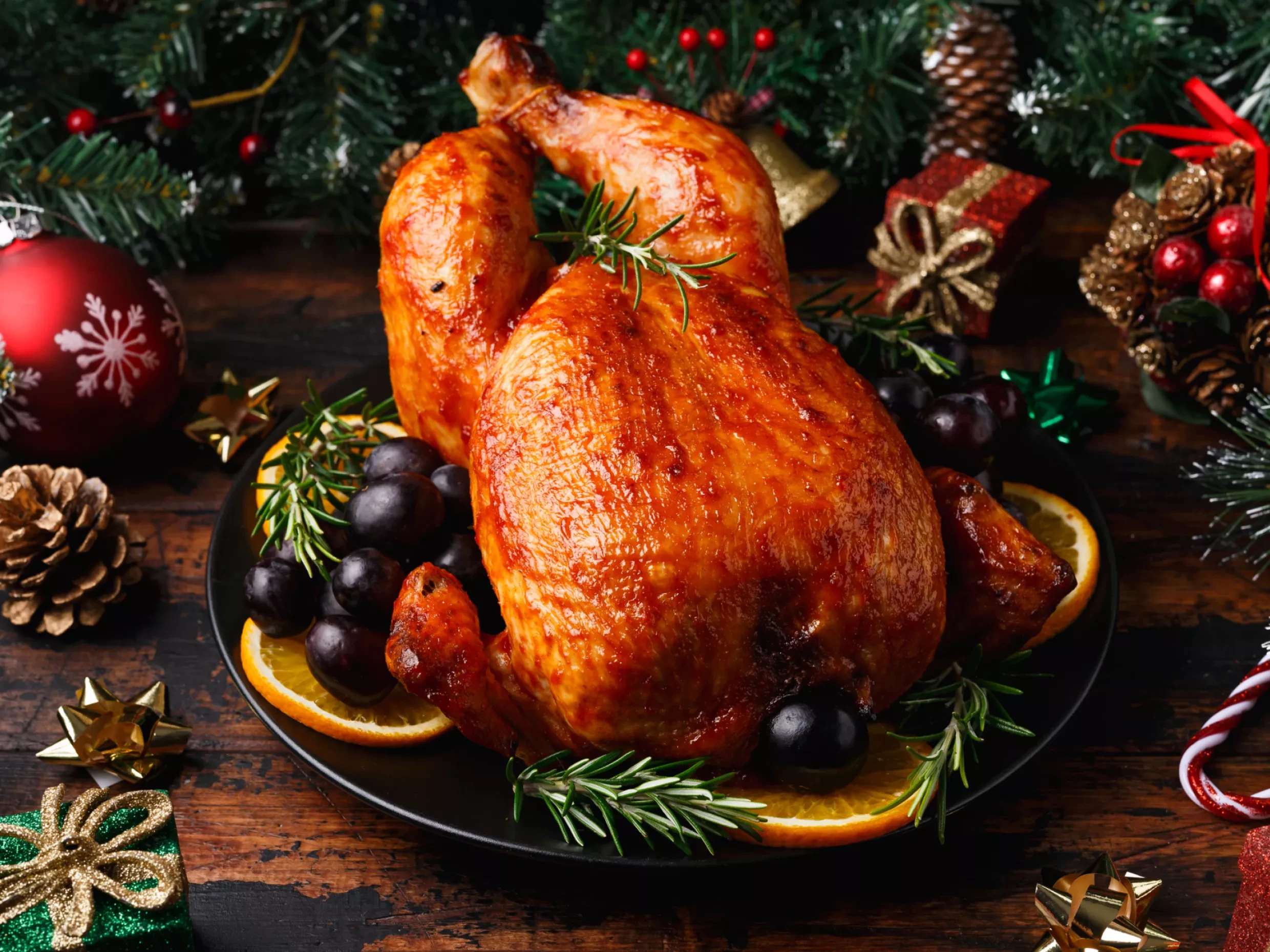
Turkeys Don't Come From Turkey
Turkeys are actually native to North America, and it’s likely they were first domesticated over two thousand years ago by the indigenous peoples of pre-Columbian Mexico. After the Spanish conquered the Aztec Empire in the early 1500s, they shipped the birds across the Atlantic to Europe, with the first turkeys arriving in Spain by 1519.
The Spanish were reportedly astonished by the birds’ size. The conquistador Hernán Cortés is said to have described them as “chickens as big as peacocks.” The man usually credited with introducing turkeys to England, however, is a Yorkshire merchant named William Strickland. According to one (hotly debated) story, he brought turkeys back from a voyage to the Americas in the 1530s and sold them for two pence each after his ship docked in Bristol.
A Right Royal Affair
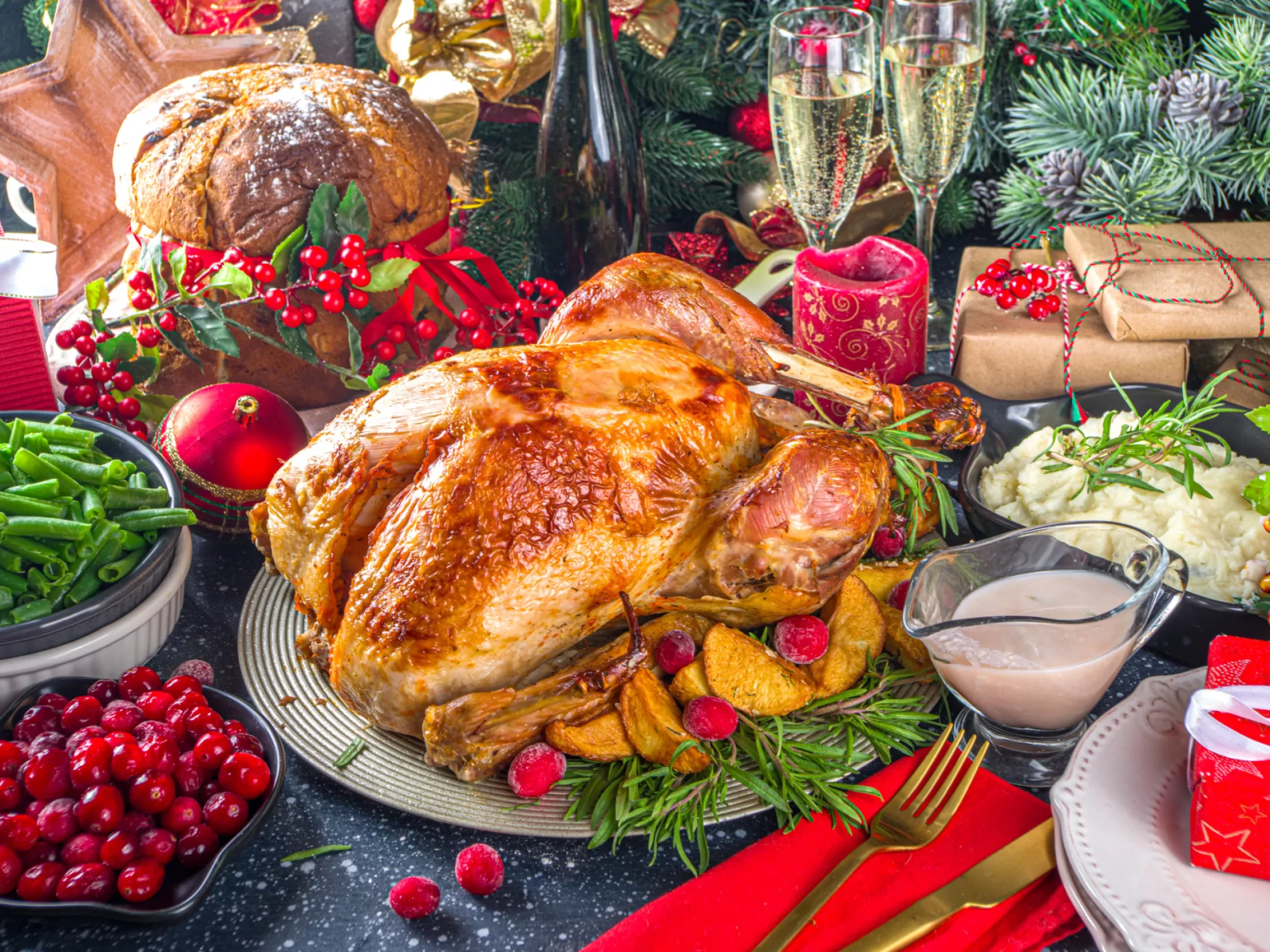
King Henry VIII is credited as the first English monarch to enjoy turkey at Christmas, and as such it became a status symbol at royal and noble feasts in the sixteenth century. Turkeys were considered exotic and served alongside other impressive dishes, including peacocks, swans, and boar’s heads. They remained the domain of the rich and titled during the seventeenth and eighteenth centuries.
One of the first recorded references to turkey at Christmas was written in 1573 by Thomas Tusser, one of the great poets of the Elizabethan age -
“Good bread and good drinke, a good fyer in the hall,
Brawne pudding and souse and good mustarde withal.
Biefe, mutton, and porke, shred pyes of the best,
Pig, veal, goose and capon, and Turkey wel drest.”
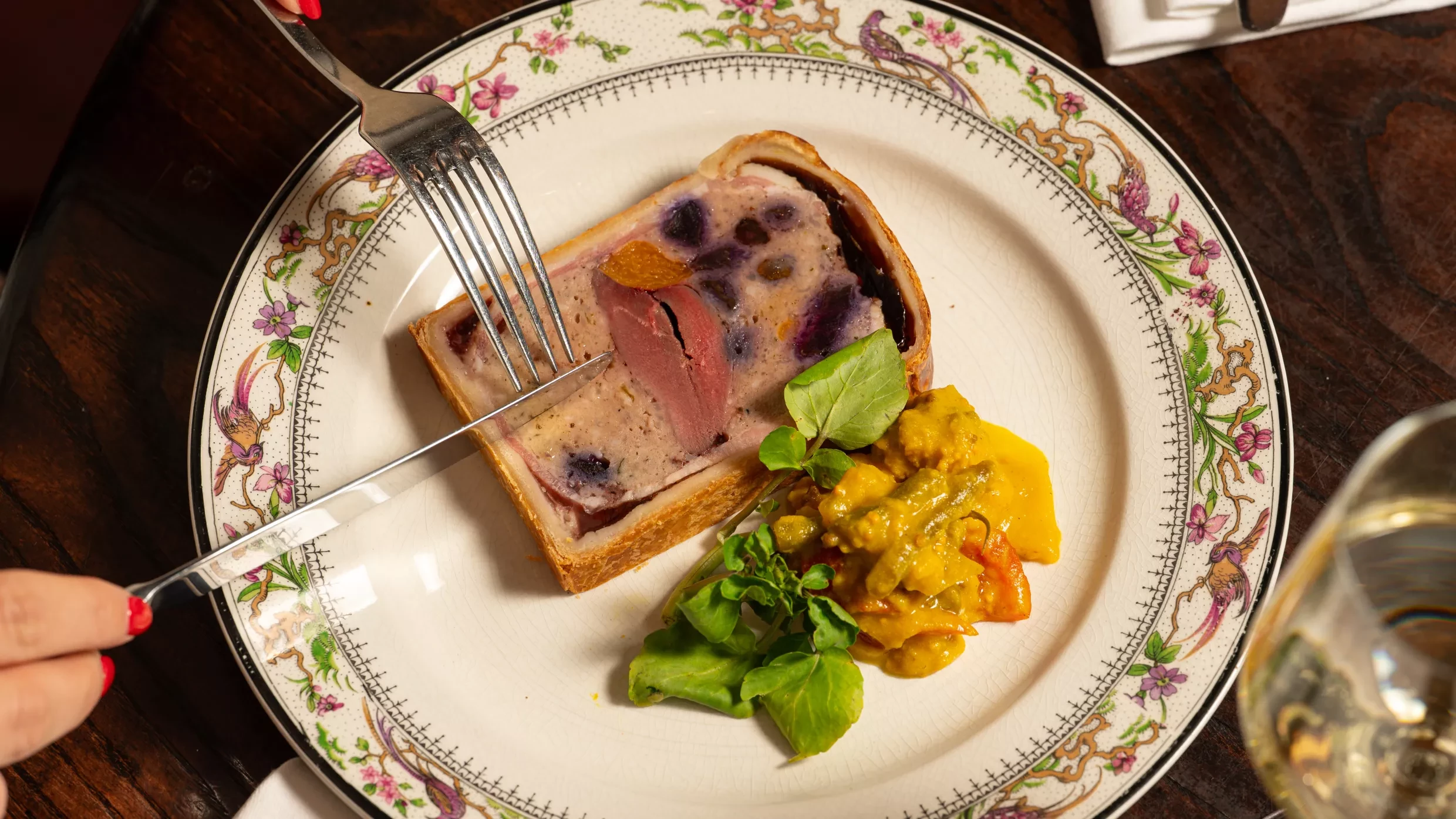
During the reign of King George II in the mid-eighteenth century, turkey was the star turn in one of the most extravagant recipes in the history of cooking. Food writer Hannah Glasse, in her 1747 book ‘The Art of Cookery Made Plain and Easy’, included a recipe known as ‘the Christmas Pye’.
First you put a pigeon inside a partridge, then that goes inside a chicken. The chicken then goes into a goose, and then all of it goes into a turkey. This towering assembly was then encased in pie crust and surrounded by an array of meats - typically rabbit, woodcock, and moor fowl, plus any wild game that could be found - to create an extravagantly opulent centrepiece worthy of an aristocratic holiday table. Think Bake Off showstopper, and then some!
A Very Victorian Christmas
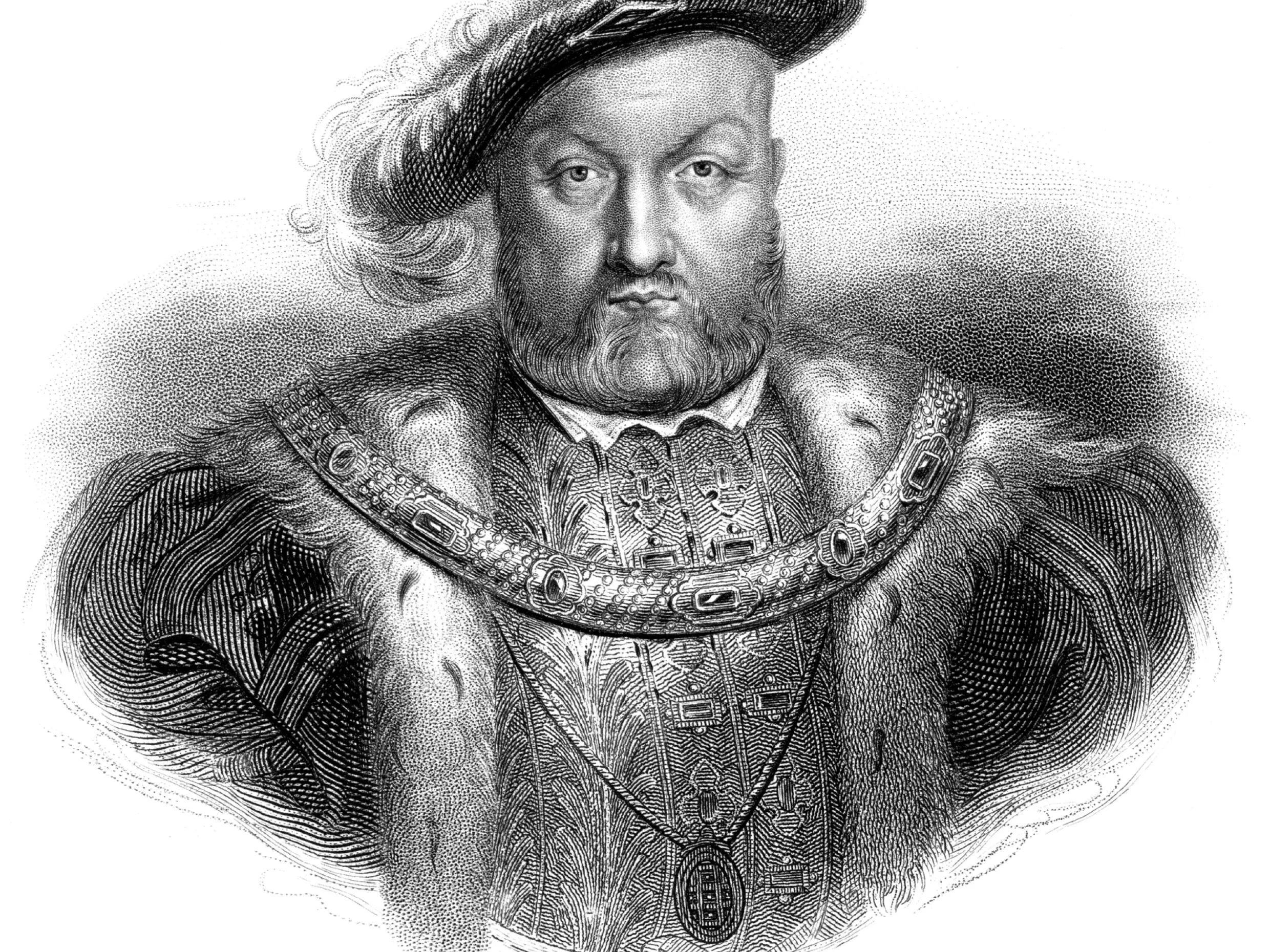
While most people think it was Bernard Matthews, in fact it was Charles Dickens who played a pivotal role in embedding turkey within the British Christmas consciousness. Turkey had been eaten in England for around three hundred years before Dickens wrote A Christmas Carol, but it was the moving scene where Ebenezer Scrooge gifts the Cratchit family a grand prize turkey - an upgrade from their humble goose - that struck a lasting chord with Victorian readers.
Dickens used the turkey as a symbol of generosity, prosperity, and a festive spirit, mirroring societal changes in attitudes to Christmas and the virtues of charity. The story’s incredible popularity helped to shift public perception, making the turkey a new aspiration for families keen to emulate the warm, abundant, and ever-so-English “Dickensian” Christmas.
And it was Queen Victoria’s own holiday table that accelerated this trend. Turkeys had been a delicacy for the rich since Tudor times, but during Victoria’s reign, improvements in farming and transport made them increasingly accessible. Although precise records of Victoria’s first Christmas turkey are scarce, it’s generally accepted that by the early 1850s turkey was served at her yuletide table. Her royal endorsement, along with the romanticised feasts depicted by Dickens, encouraged more and more people to eventually turn to turkey. Railways, and Norfolk’s now-famous turkey “droves”, helped make the bird affordable for the emerging middle class, and by the end of the nineteenth century and the start of the twentieth, the Christmas turkey had become a tradition not just for the elite but for many ordinary households.
Notwithstanding the fact that turkey is delicious, it was also more economical to cook one large bird instead of several smaller ones, and by the 1930s it had become the festive ideal for many families. After World War II, the game was up, and turkey was the firm favourite for a traditional Christmas dinner, including stuffing, roast potatoes, gravy, and sprouts - and it seems it’s here to stay!
Christmas Turkey Recipes
If you’re looking for inspiration for your Christmas centrepiece, we’ve got roast turkey recipes from some of Food Network’s biggest stars.
Barefoot Contessa Ina Garten’s roast turkey with truffle butter is a decadent delight, Michelin maestro Tom Kerridge’s perfect roast turkey, is, well, perfect, and Marcus Wareing’s turkey crown, sage, onion and sausage stuffed turkey legs with gravy is a guaranteed crowd-pleaser.
And if you’re still hungry on Boxing Day, we’ve got seriously scrummy sandwiches, including roast turkey, avocado and bacon, and pressed roast turkey, pesto and provolone.