





Cook Salmon Like a Pro
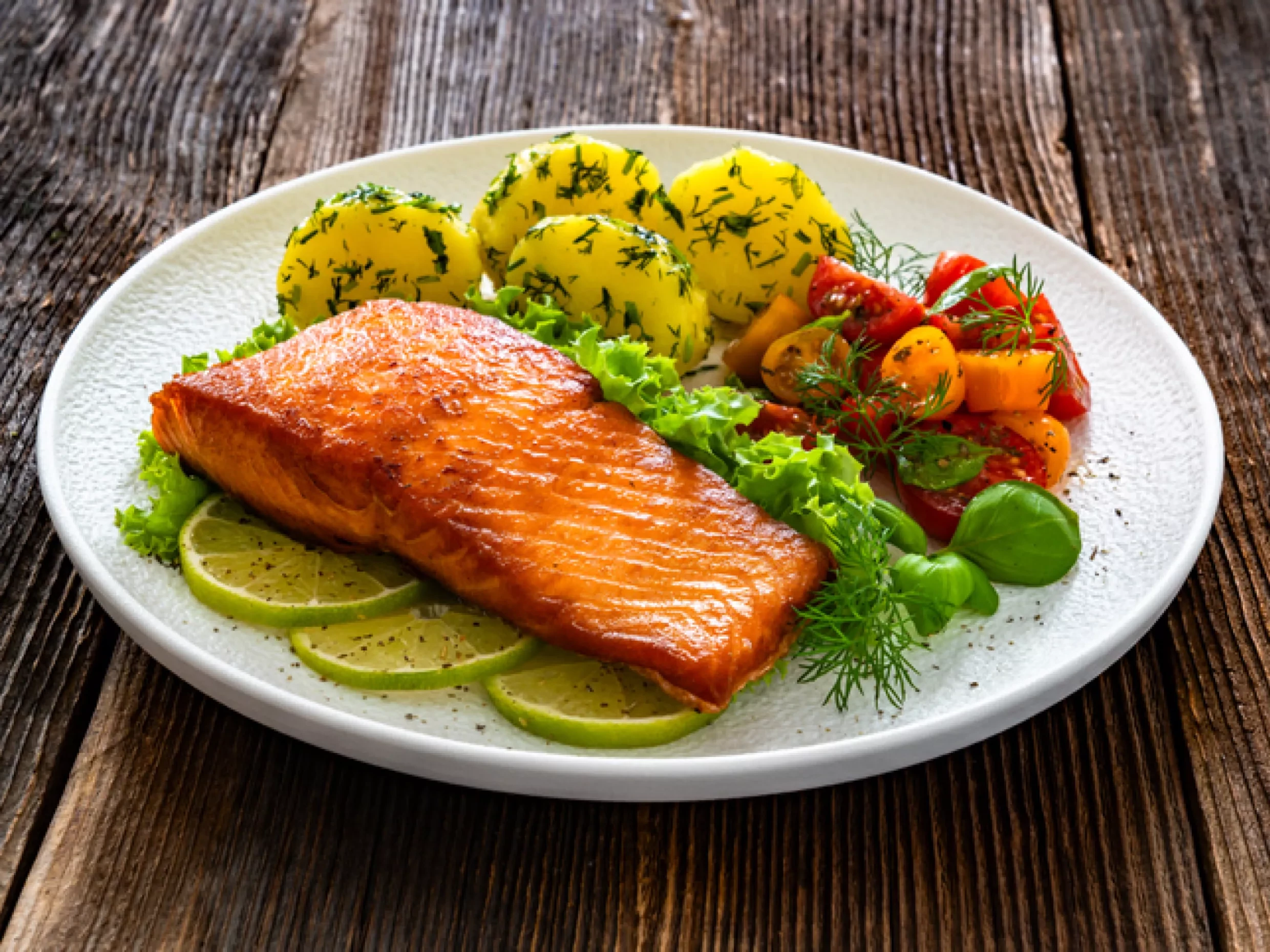
Salmon is rich, flavourful and packed with so many excellent nutrients that lots of us vow to cook it more often. Its luscious texture comes from a high fat content, making it one of the easiest and most versatile fish to cook, but beware - even confident cooks can make simple salmon mistakes and end up with a disappointing meal. Here's what you might be getting wrong and how to easily fix it next time.
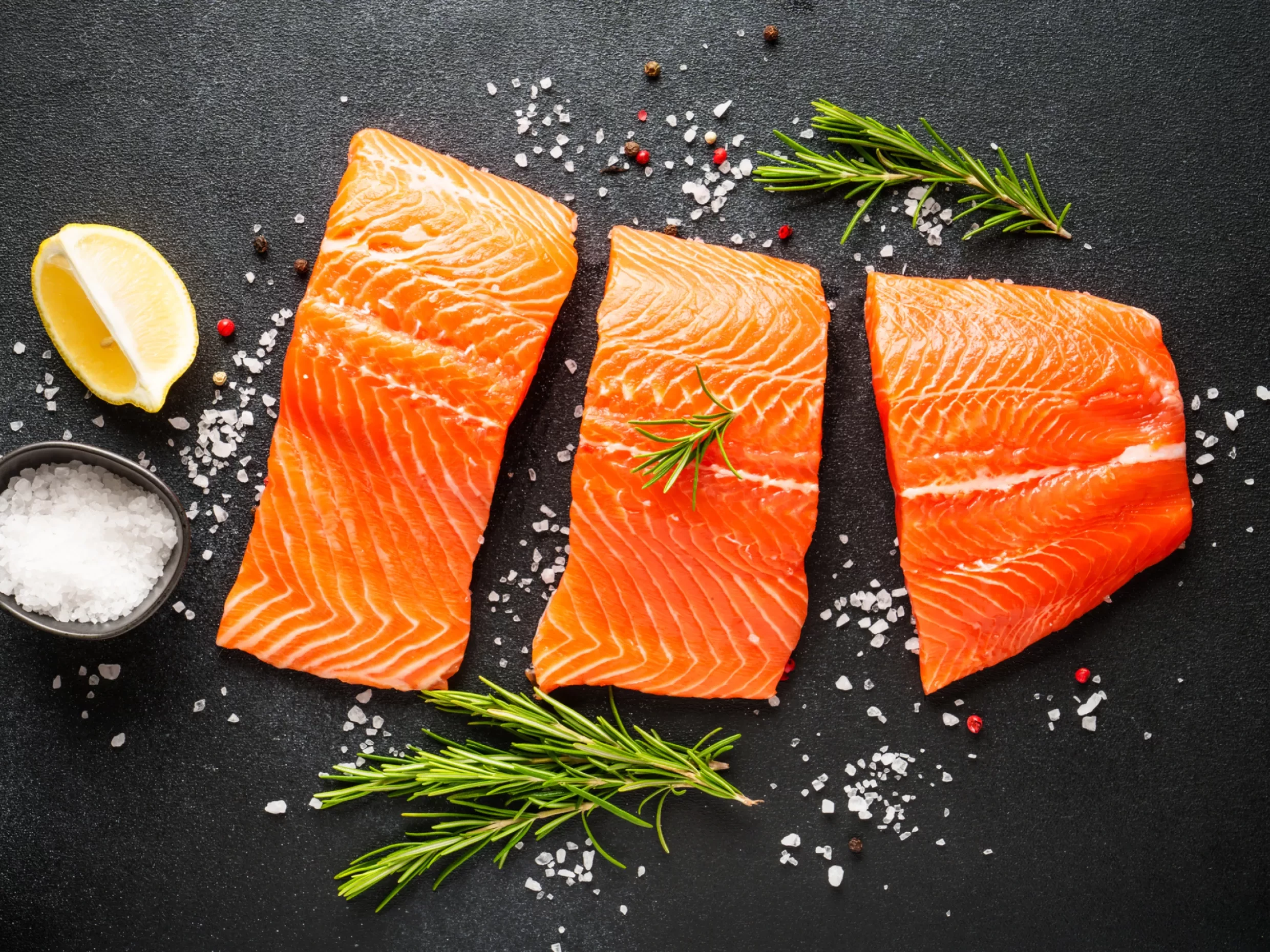
The Mistake: Not Checking for Pin Bones
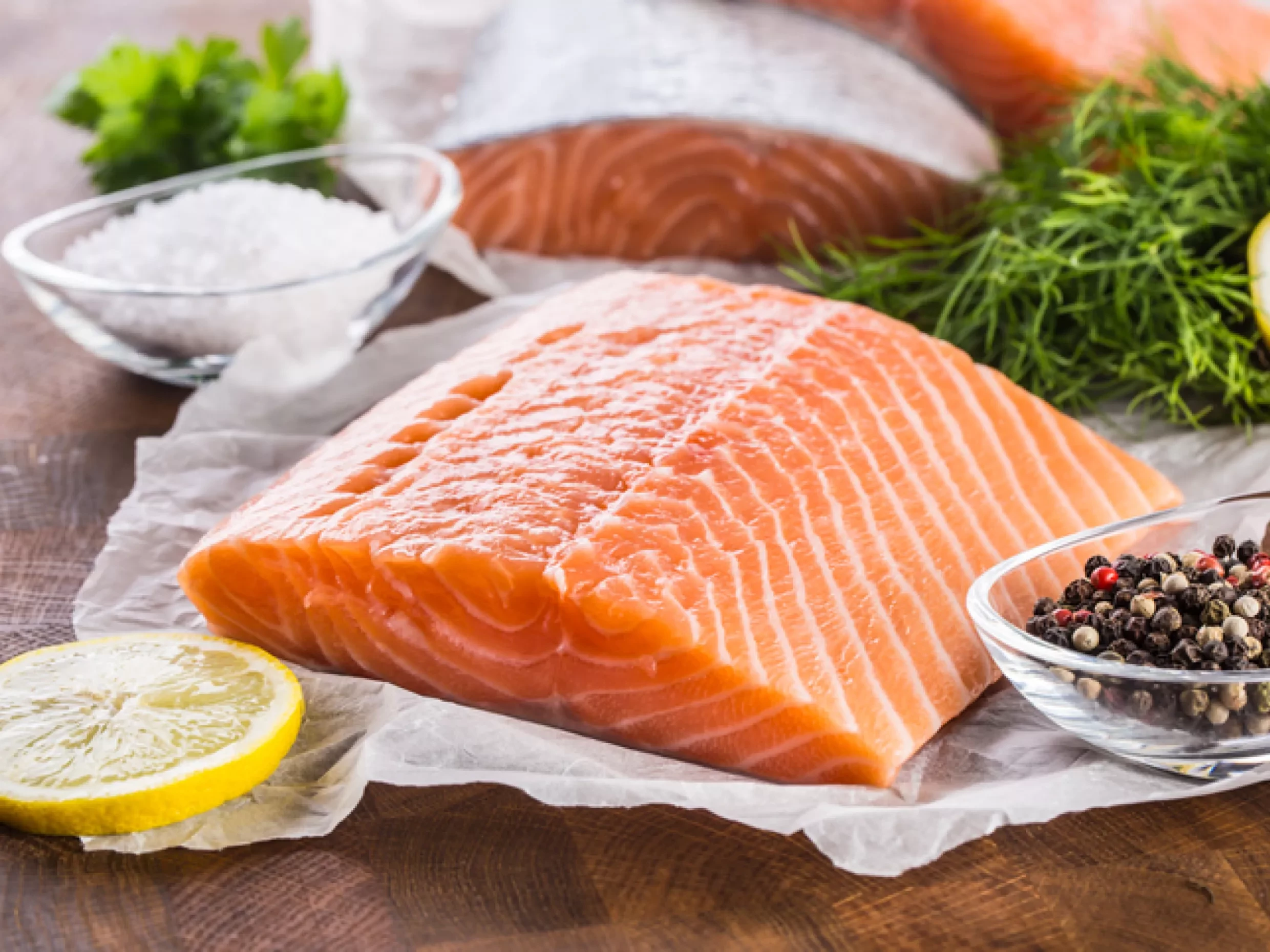
Why It’s Bad: No one wants to pull a fish bone out of their mouth, and swallowing one is a potential choking hazard. Even perfectly filleted salmon can contain a few of what are called "pin bones," although they’re not bones at all, they’re actually calcified nerve endings.
Next Time: Before cooking, run your fingers gently over a fillet to feel for the sharp tips of the bones. Grasp the tip of the bone with clean needle-nose pliers or sturdy tweezers, or use your fingers covered by a paper towel. The 1- to 2-inch bones should slide out with a gentle tug.
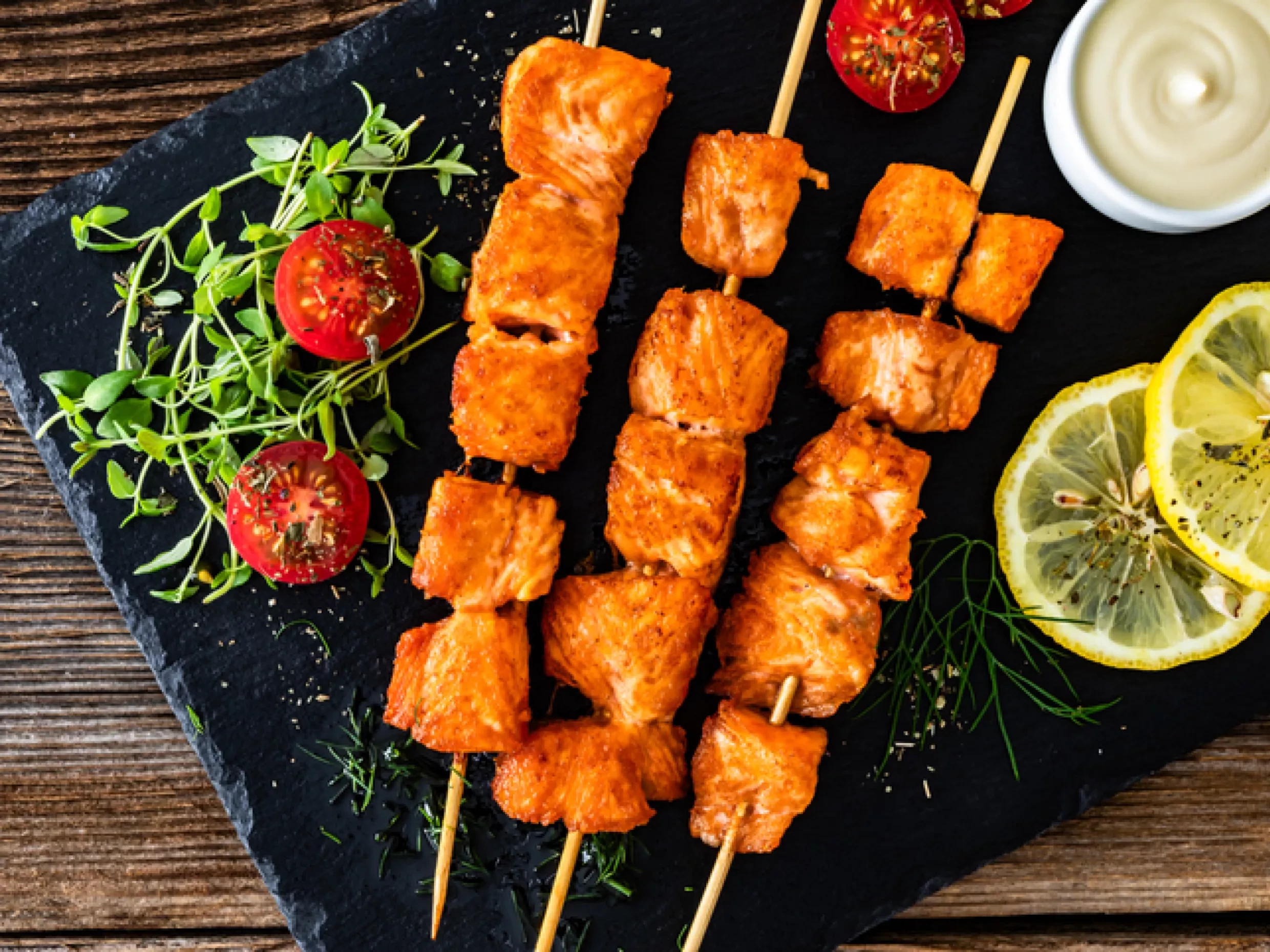
The Mistake: Marinating Salmon Too Long
Why It’s Bad: Rich salmon pairs beautifully with acidic ingredients like vinegar or citrus juice. But if you’re marinating your fish you need to be careful. Acid will begin to "cook" the fish’s flesh if left on too long, resulting in a dish that’s mushy, not silky and succulent.
Next Time: Keep marinating time to 20 - 30 minutes if you’re using acidic ingredients. Remember that soy sauce is mildly acidic, so if your marinade is heavy on soy, it’s best to limit soaking time to about one hour.
The Mistake: Cooking Salmon Past Medium
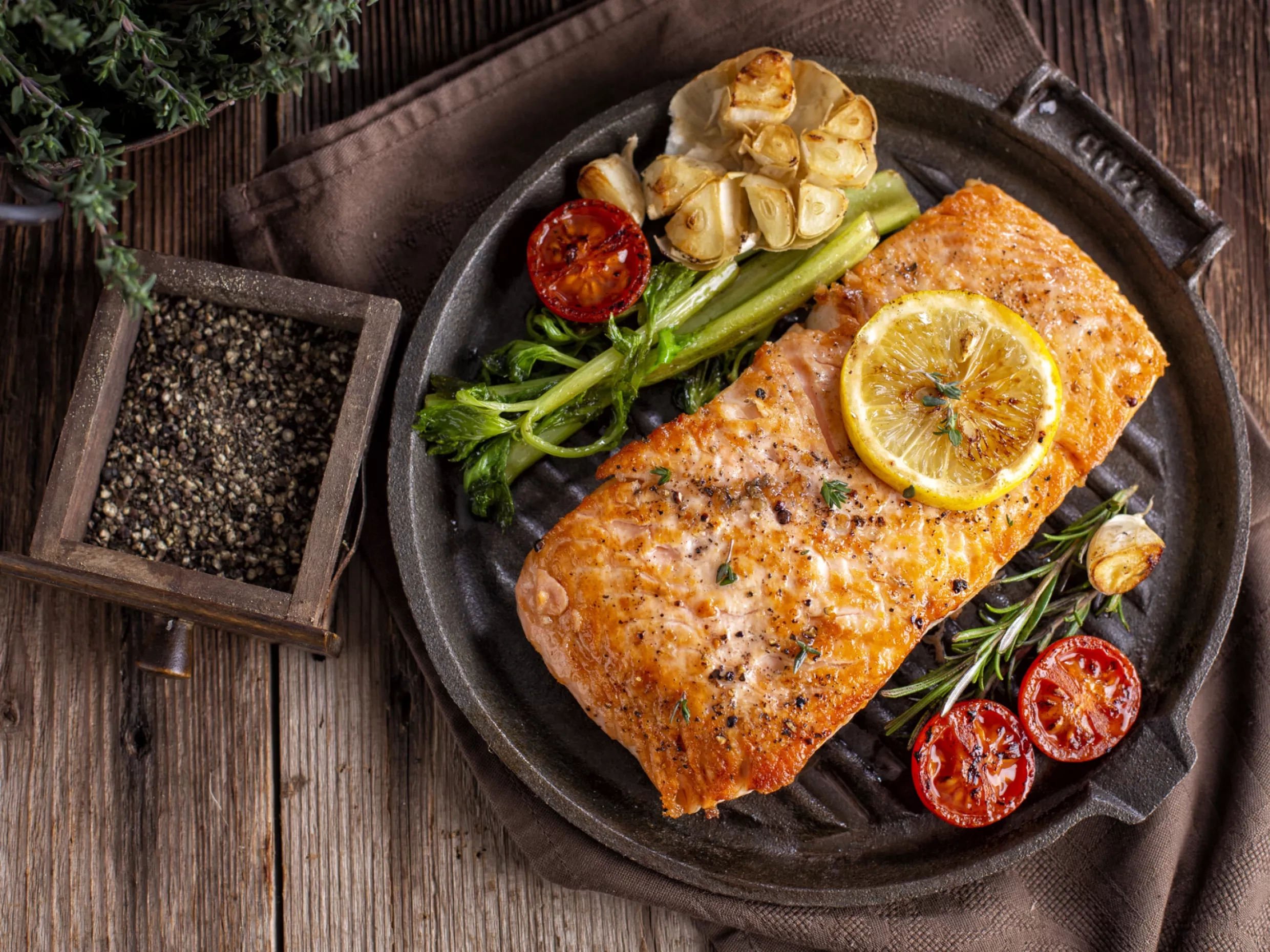
Why It’s Bad: While some people prefer very well-done salmon, by and large the most common mistake is overcooking it. You’ll begin to compromise its flavour and texture if it cooks beyond medium and you could end up with a dry and fishy meal.
Next Time: Check salmon early and often during cooking. As soon as you see the surface of the fish change from glossy and deep pink to pale and matte or lightly browned, start checking it. You can use an instant-read thermometer to monitor its progress towards medium rare (125 degrees F or about 120 degrees F for wild salmon) or medium (145 degrees F or about 140 degrees F for wild salmon). Or, stick the tip of a metal skewer or paring knife into the thickest part of a piece for three seconds, then remove it and place the metal flat on your skin below your bottom lip; if it’s cold the salmon needs to cook more, if it’s warm the fish is just right and if it’s hot it’s already overdone. You can also simply cut into the flesh and peer into the centre; it should be just rosy and barely translucent.
The Mistake: Cooking Wild Salmon the Same Amount of Time as Farmed
Why It’s Bad: Wild salmon is significantly leaner than farmed salmon, meaning it will overcook more quickly, affecting the fish’s flavour and texture.
Next Time: Check wild salmon for doneness even more vigilantly than you might check farmed varieties or lower the temperature you’re cooking at slightly. Unless a recipe specifies wild salmon, you can assume it was written for farmed - the most common type of salmon available - and adjust the cooking time or temperature accordingly.
The Mistake: Not Folding the Tail Section of a Fillet Under
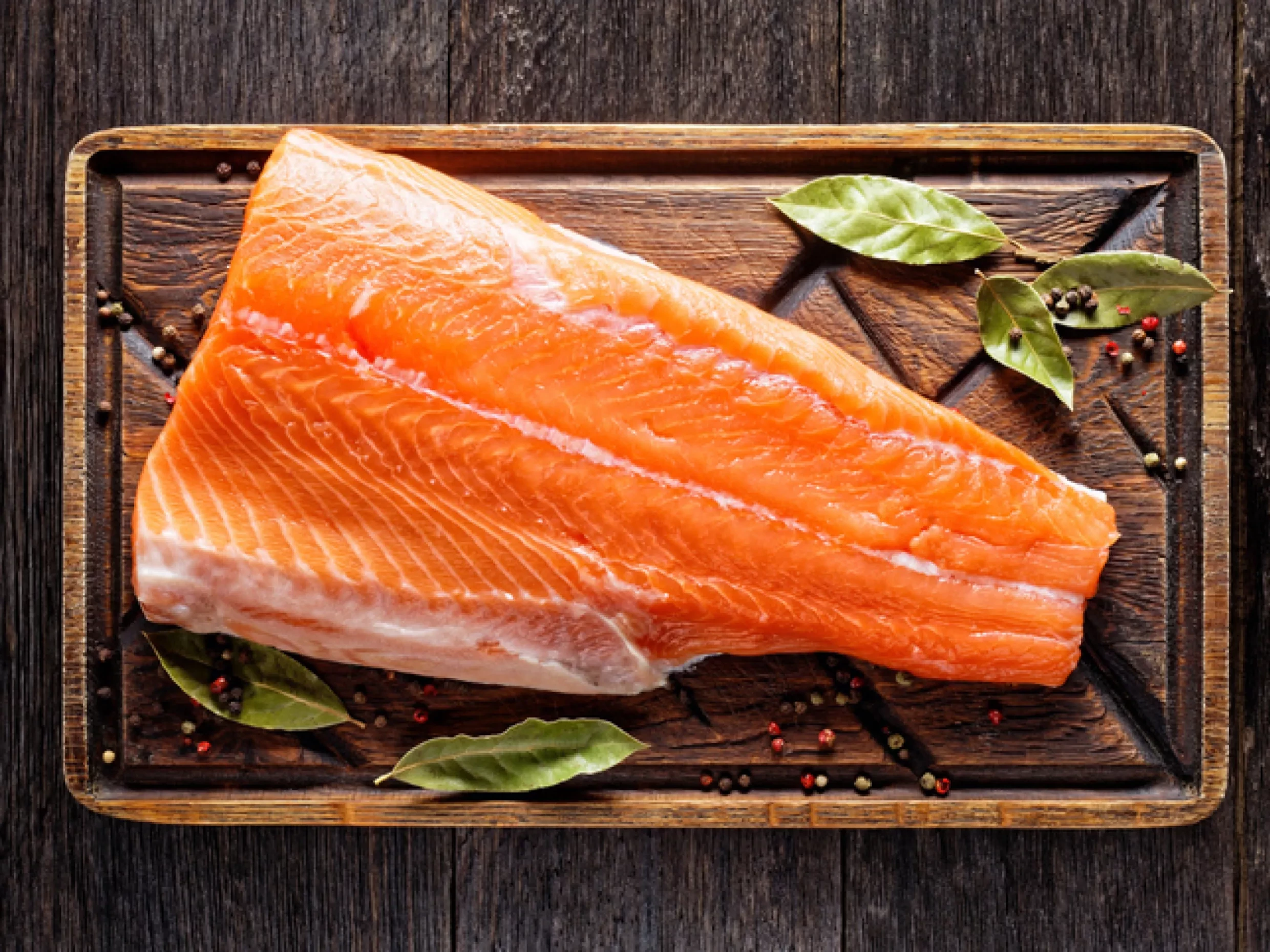
Why It’s Bad: A whole salmon fillet makes an impressive meal, but its shape can be a challenge to cook evenly. Fillets narrow and thin out towards the tail end, leaving a stretch of flesh open to overcooking and drying out.
Next Time: Gently tuck the last few inches of a whole fillet under itself to even out its thickness. This insulates the thin end and helps keep it from drying out. If it’s a skin-on fillet, you can unfold the end and remove the extra skin after cooking. You can also use this technique on the thinner edges of pieces of salmon if you’re baking or pan-searing them.
The Mistake: Flipping Salmon Incorrectly
Why It’s Bad: Salmon’s lovely appearance is part of its popularity and can be almost as important as its great flavour. Flipping any fish incorrectly can make it break apart and will leave you with fish hash instead of gorgeously burnished servings.
Next Time: Flipping fish is easiest with a spatula that’s as big, or almost as big, as your fish pieces. A special fish spatula made from perforated metal is great, allowing you to work it under a piece and gently lift and turn. You can also use an oversized spatula like what you’d use for pancakes. In a pinch, flip a fillet by using two smaller spatulas. If you’re grilling, consider using a basket, It’s almost foolproof.
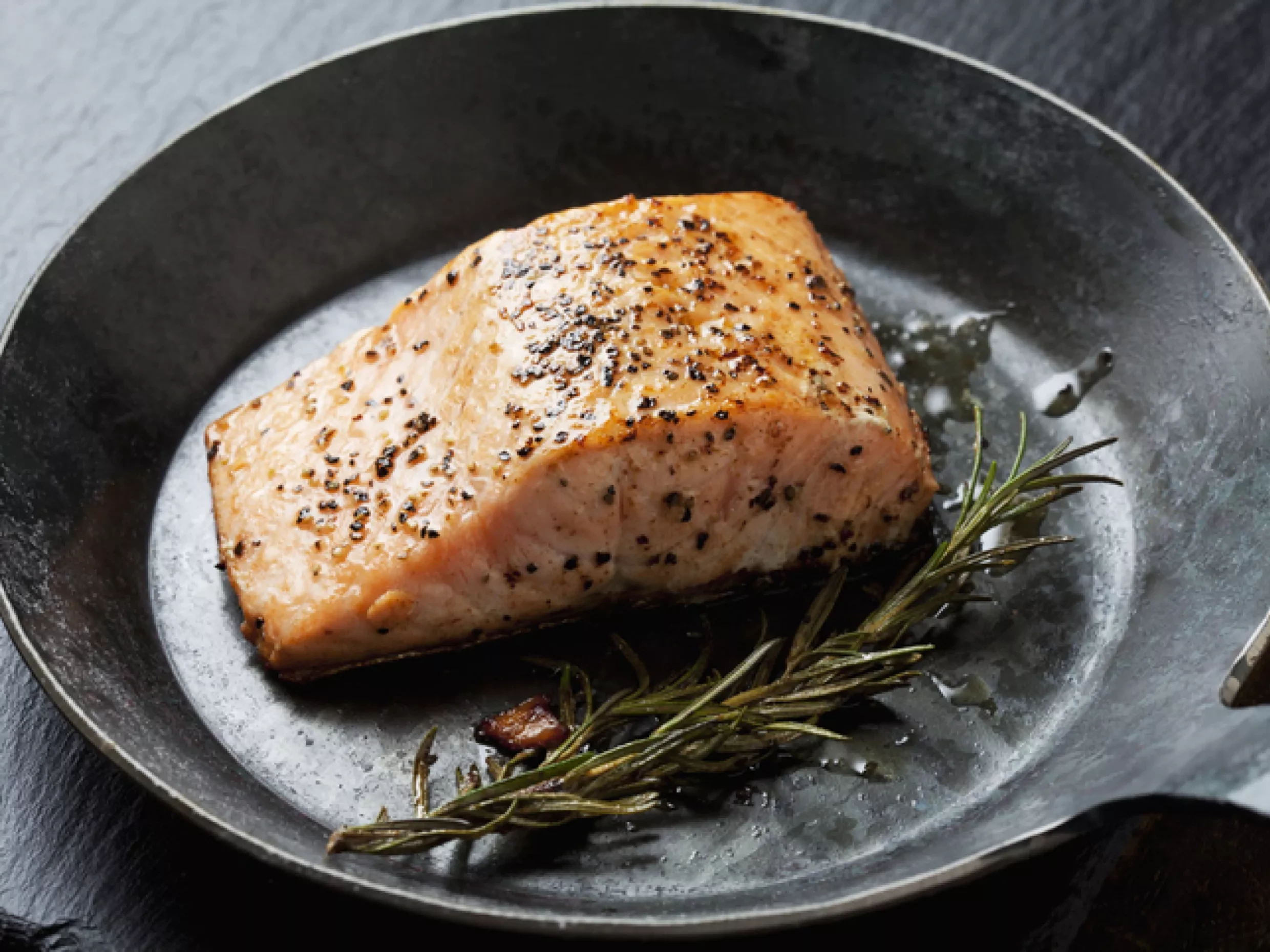
The Mistake: Not Scrubbing Your Frying Pan After Cooking Salmon
Why It’s Bad: Salmon’s rich, ocean flavour makes for a spectacular dinner, but that same taste and odour might not be so welcome with your morning pancakes. Cast-iron in particular has a porous surface that can absorb salmon’s natural oils as it cooks, but even non-stick frying pans can retain fishy oil and odours.
Next Time: Clean your frying pan immediately after cooking salmon to minimise absorption. For cast-iron, give it a good scrub with warm water, then drain it, rub it briefly with salt and rinse again. For non-stick, fill the pan with warm soapy water after cooking and let it soak for at least 30 minutes. Rinse and scrub it gently. Smell your pans before drying them - if you detect any fishy odours, repeat washing.
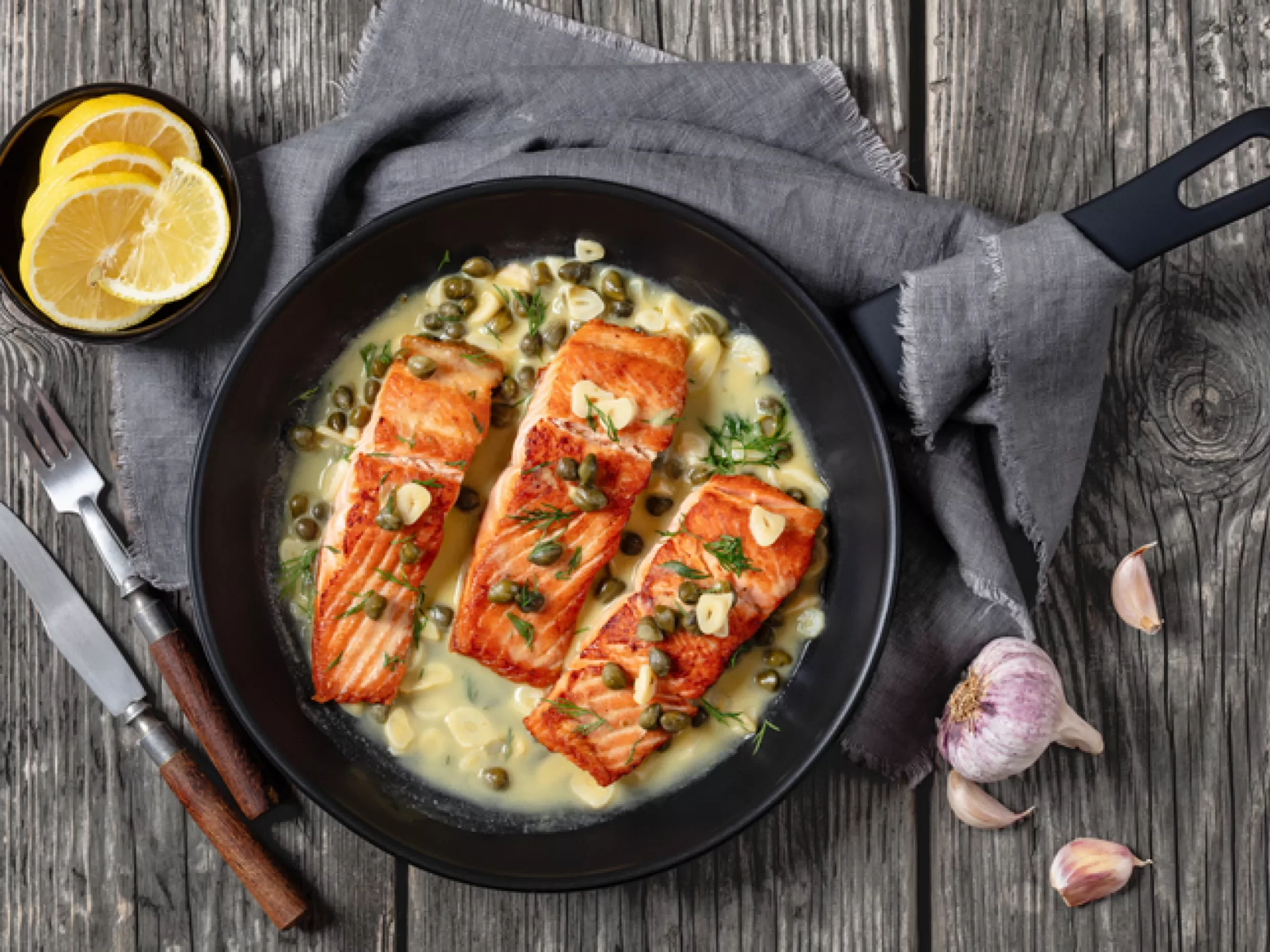
The Mistake: Microwaving Leftover Salmon
Why It’s Bad: Microwaving salmon is one of the smelliest and least tasty ways to reheat it. Microwaves supercharge the water molecules in foods, so your salmon will release loads of fishy steam, drying out the flesh in the process.
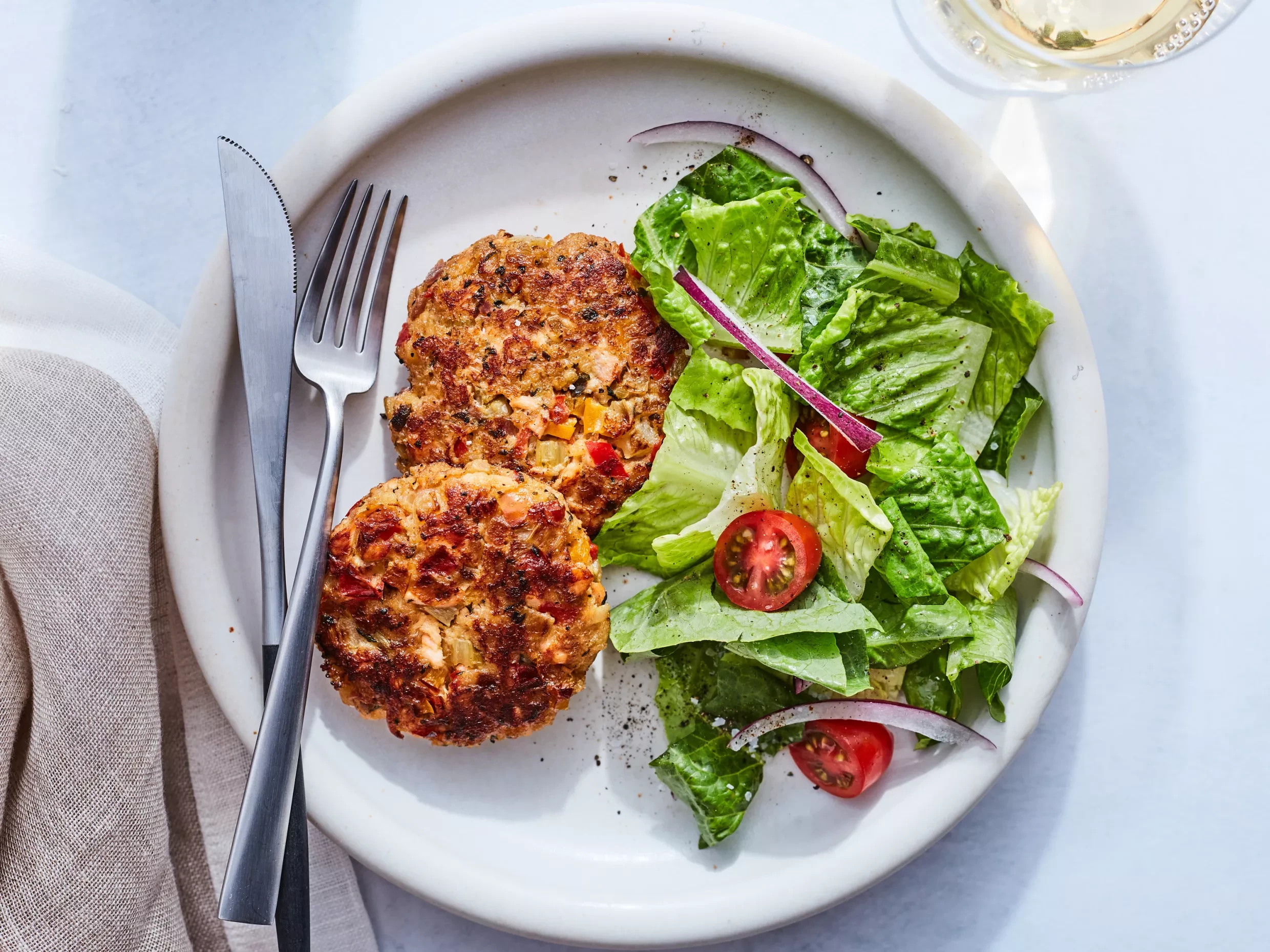
Next Time: First, consider a way to eat the salmon without reheating it, like in a salad or a sandwich. This will keep the quality of the fish at its best. If you really want it hot, making fish cakes or a chowder with leftover salmon is an excellent idea. As a last resort, wrap your leftovers in foil and place them in an oven heated to 275 degrees F until it's just warmed through; it will be almost as delicious as the first time around.