



















Whether you make homemade chicken stock or swear by keeping low-sodium chicken broth on hand, there’s no doubt that broth and stock are indispensable pantry staples for making soups, stews and sauces, and cooking flavourful pasta, rice and grains. But what’s the difference? Can they be used interchangeably? Here, we’ll answer your burning questions on the differences between broth, stock, consommé and bouillon.
What is Stock?
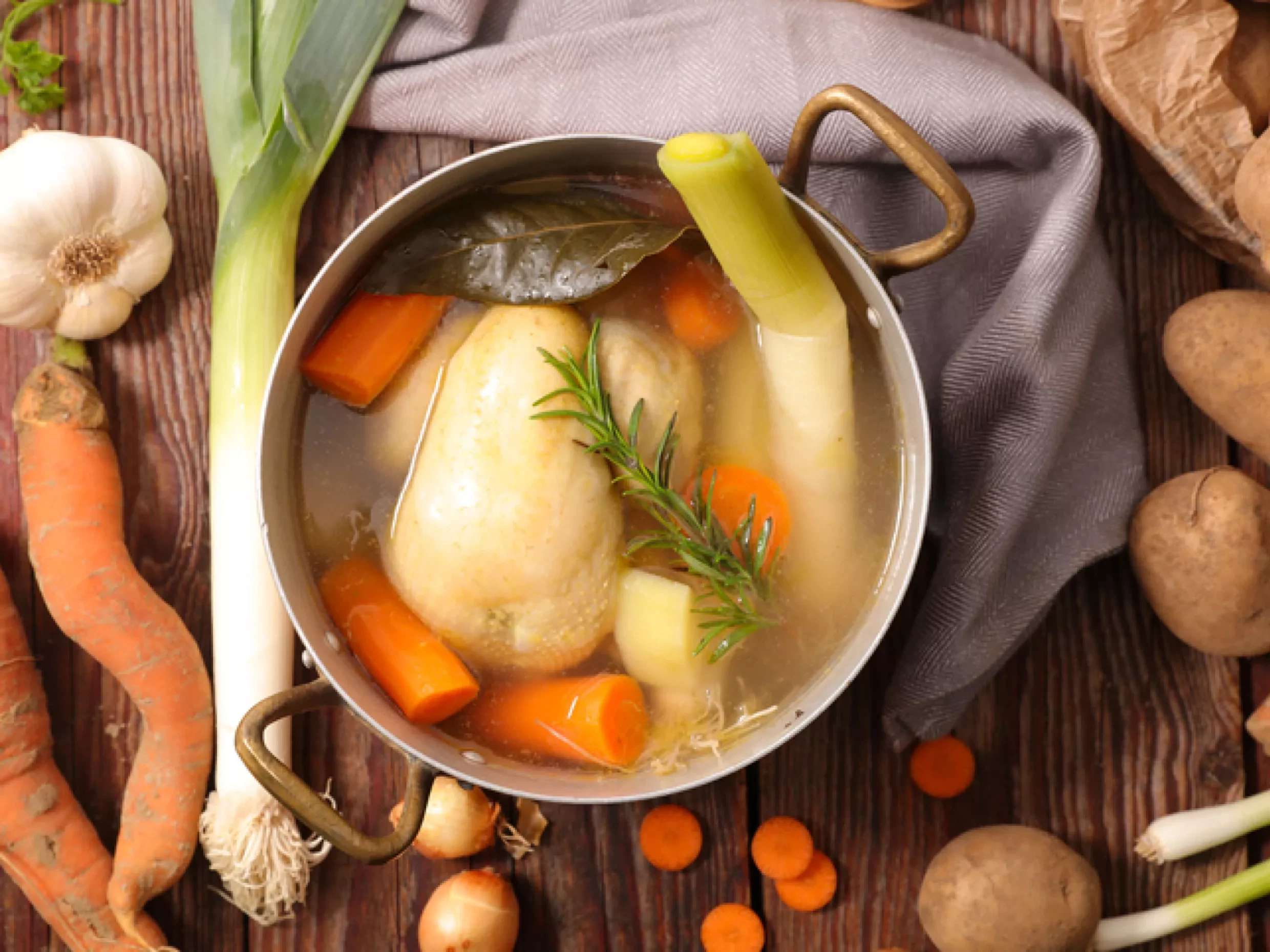
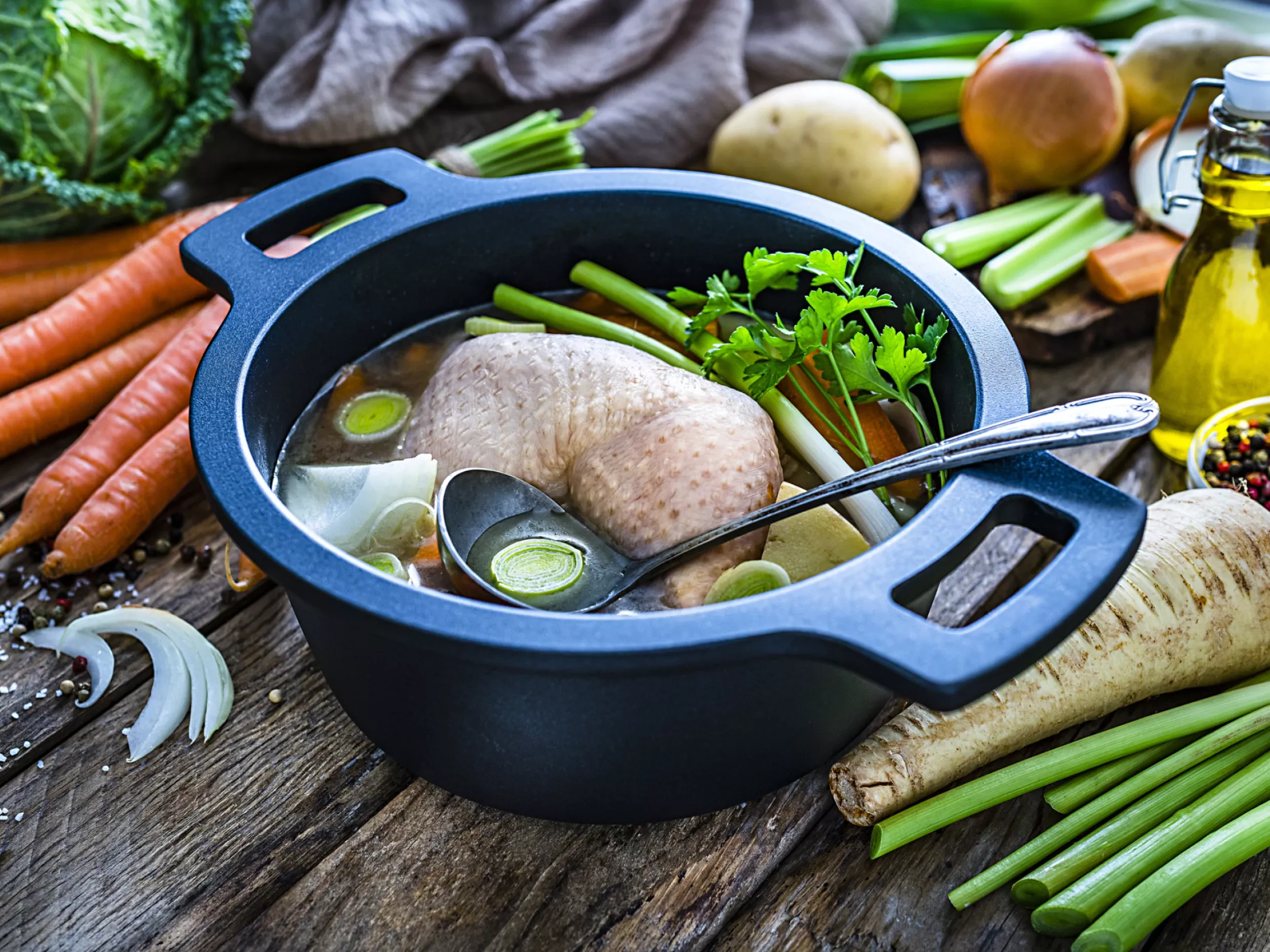
Stock is made by simmering bones, herbs, aromatics and regular mirepoix (a combination of onions, carrots and celery) or white mirepoix (onions, fennel, leeks and celery) in water for several hours. As they cook, the bones release gelatin which creates body and rich flavour and mouthfeel. Roasting the bones before simmering is optional, but it produces a richer, darker stock because browning develops deeper flavour compounds before the liquid hits the pot. Stock is a key ingredient for making soups, stews, sauces and gravies, and can also add flavour when used to cook beans, rice, pasta or grains.

What Is Broth?
Broth is made primarily from meat, chicken, beef or shellfish, simmered for less time than stock, which gives it a lighter body and, usually, more sodium. Because broth isn’t made from bones, it never develops the gelatin that gives stock its thicker body, which is exactly why stock is the better choice for sauce and gravies that need something to help hold them together.
For this same reason, there’s less of a difference between vegetable stock and vegetable broth. Neither is made with bones, so neither contains the collagen responsible for giving animal-based stocks their viscous consistency.
Can You Substitute Broth for Stock?
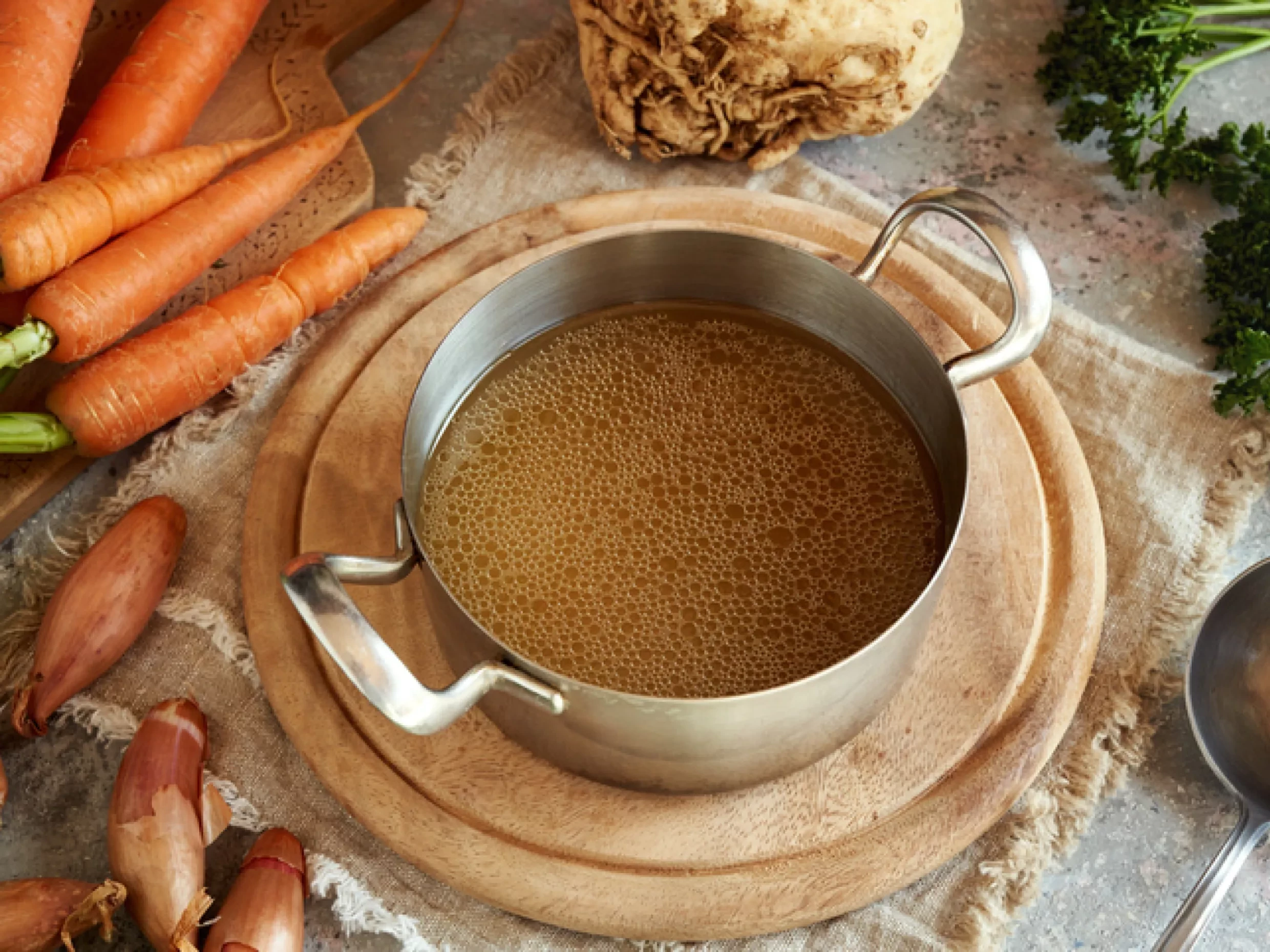
Yes, stock and broth can be used interchangeably in most recipes, but you’ll want to ensure that you note the sodium levels to accommodate the recipe you’re working with. Because stock has a richer, deeper flavour and mouthfeel, and broth lets other flavours shine through, the choice often comes down to whether a dish needs backbone (stock) or a lighter hand (broth), not just what’s in the pantry.

Is Stock or Broth Healthier?
Stock, whether homemade or shop-bought, is considered healthier because it’s inherently higher in protein and usually contains less sodium per serving than broth. Keep in mind that neither stock nor broth are a significant source of protein on their own. Also, regular shop-bought stock is not considered a low-sodium product (140 mg or less per serving), although it’s still often lower than regular shop-bought broth. And since stock is fortified with more flavour, hopefully that means you’ll need less salt to taste at the end of cooking.
Making stock or broth from scratch gives you more control over how much sodium is added by way of table or kosher salt. If you’re watching your sodium intake but don’t have time to make your own stock but still don’t want to compromise on flavour, low-sodium broth (140mg or less per serving) is a great alternative. If you've got a few extra minutes, you can enhance shop-bought, low-sodium broth by adding any combination of the following and simmering for as long as possible - carrots, onions, leeks, celery, fennel, parsley, bay leaf, black peppercorns, or garlic.
What Are Bouillon, Bone Broth and Consommé?
Bouillon
Bouillon is the French word for broth, and both terms are often used interchangeably. Bouillon cubes, granules or pastes are made from dehydrated broth or stock which can be dissolved in water to make broth or fortify liquid broth or stock. They often also include small amounts of fat, MSG, salt and other seasonings.
Bone Broth
Bone broth is made by simmering collagen-rich bones and aromatics in water. Bone broth recipes typically call for first rubbing the bones with tomato paste and roasting them, which helps develop an intense umami flavour. Bone broth is simmered for longer than stock, up to two days, to further concentrate the flavour. As a result, bone broth is typically saltier and more flavourful than stock because it’s designed to be sipped on its own. You can add other aromatic bone broth mix-ins prior to sipping, such as crushed lemongrass, ginger or ground chili pepper.
Consommé
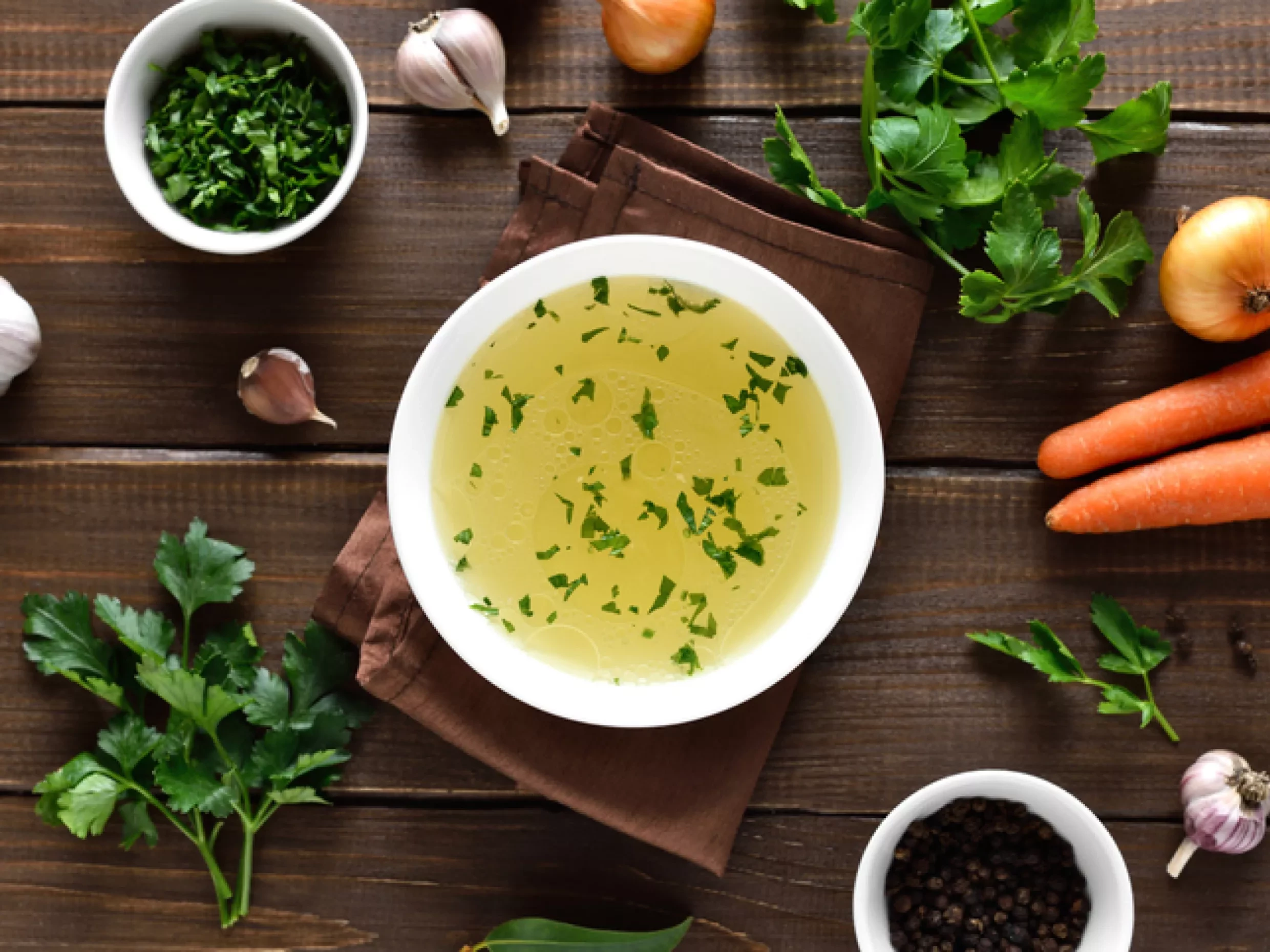
Consommé is a stock or broth that’s been clarified to remove impurities, yielding a crystal-clear liquid with no traces of fat. Common types of consommé include beef, chicken, veal, fish and tomato. It is often served at the start of a meal as a light appetiser.
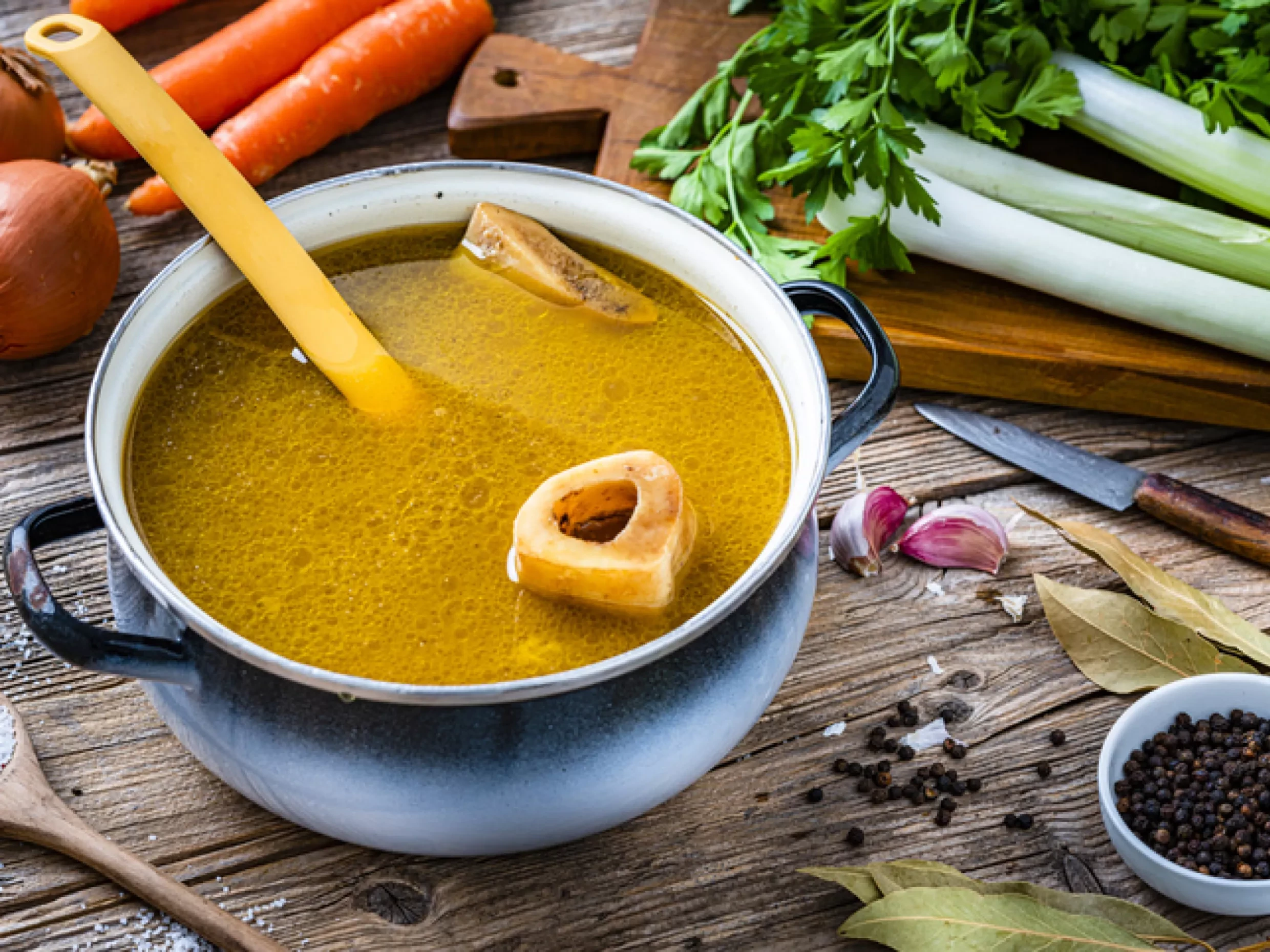
How to Make Stock
Yes, it’s easy to pick up store-bought stock, but having homemade stock on hand is like stocking your fridge (or freezer) with liquid gold.
- Combine the Bones and Aromatics Put the chicken backs and bones, carrots, celery, onion, parsley, leek greens, garlic, black peppercorns and 6 quarts (5.6 litres) of cold water in a large stock pot. Set over high heat and bring to a boil.
- Simmer and Skim the Stock Lower the heat to maintain a gentle simmer and cook, occasionally skimming away the fat and scum, until the stock has reduced by one-third, about three hours.
- Strain the Stock Use a slotted spoon or tongs to remove the large pieces of vegetable and bone from the pot and discard. Strain the stock through a fine-mesh sieve into another large stock pot.
- Cool and Store the Stock Cool completely, cover and store in the refrigerator for up to three days or in the freezer for up to three months.
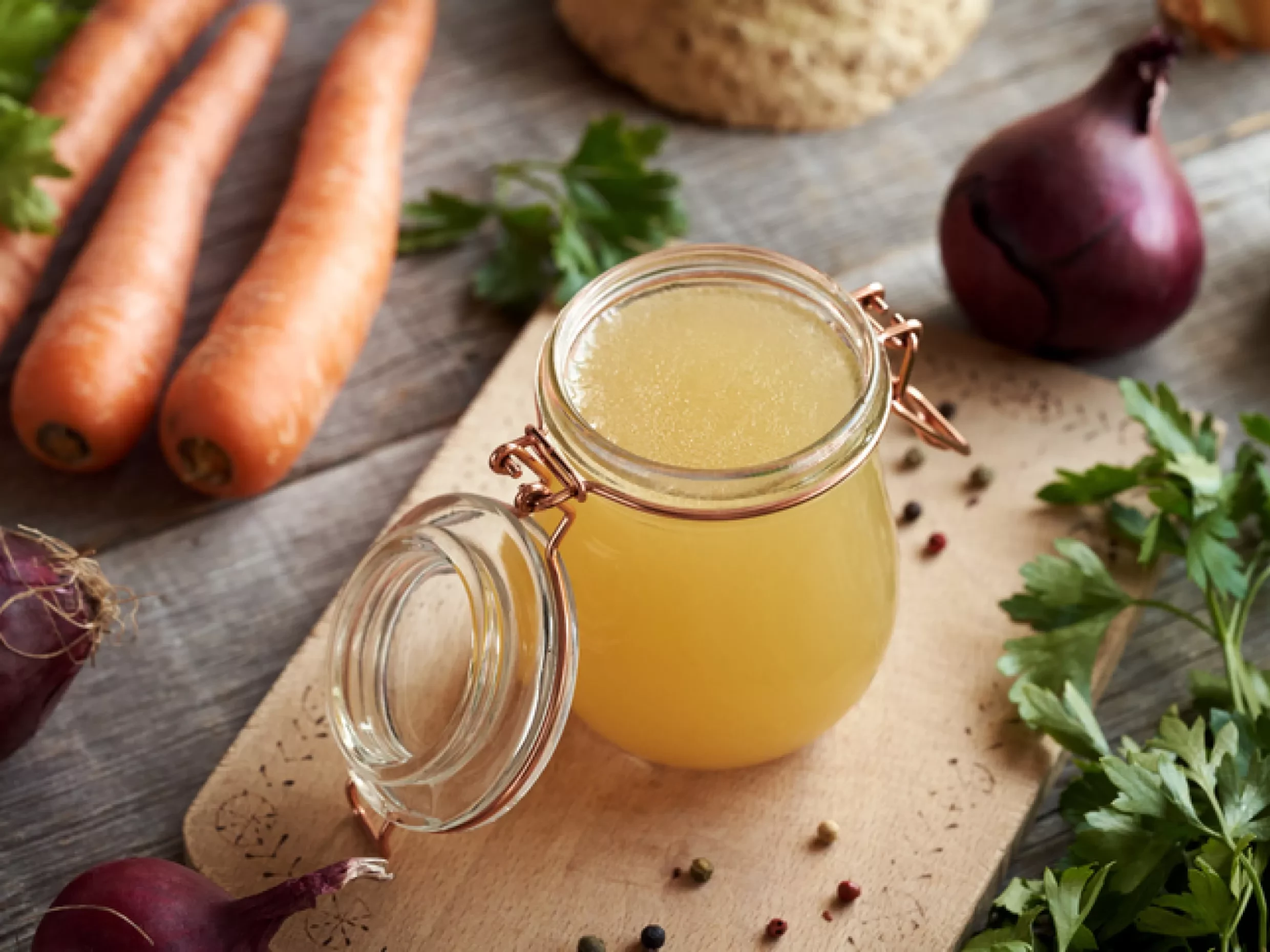
How to Make Broth
- Combine the Ingredients Combine chicken, vegetables, herbs and peppercorns in a large stockpot. Pour in enough water to just cover the chicken completely. Heat the water to just under a boil over medium-high heat.
- Simmer the Broth Reduce the heat to a very low simmer so that one or two bubbles break the surface of the broth about once a minute.
- Skim the Broth Skim any fat and scum from the surface with a ladle, large spoon or skimmer. (To prevent losing a lot of stock when skimming, put the skimmed liquid into a degreasing cup, and return any usable broth back to the pot.) Cook for about an hour or until the chicken is cooked through but not dry.
- Separate the Chicken Meat and Bones Remove the chicken from the pot but continue to simmer the broth. Cool the chicken for about 10 minutes. Cut the chicken meat from the bone, and reserve for a chicken salad, soup or another recipe. Return the bones to the pot and cook for one hour.
- Strain the Broth Strain into a non-reactive container, like another pot, a large bowl or plastic quart or pint containers.
- Cool the Broth Fill the sink with a mixture of ice and cold water so it comes about halfway up the sides of the container. Nestle the broth in the ice bath. (Stirring the broth speeds up the cooling process.)
- Store the Broth Cover and refrigerate or freeze the broth for future use. Broth can be stored in the fridge for up to five days. If the broth is unused after five days, bring it to a boil before using.