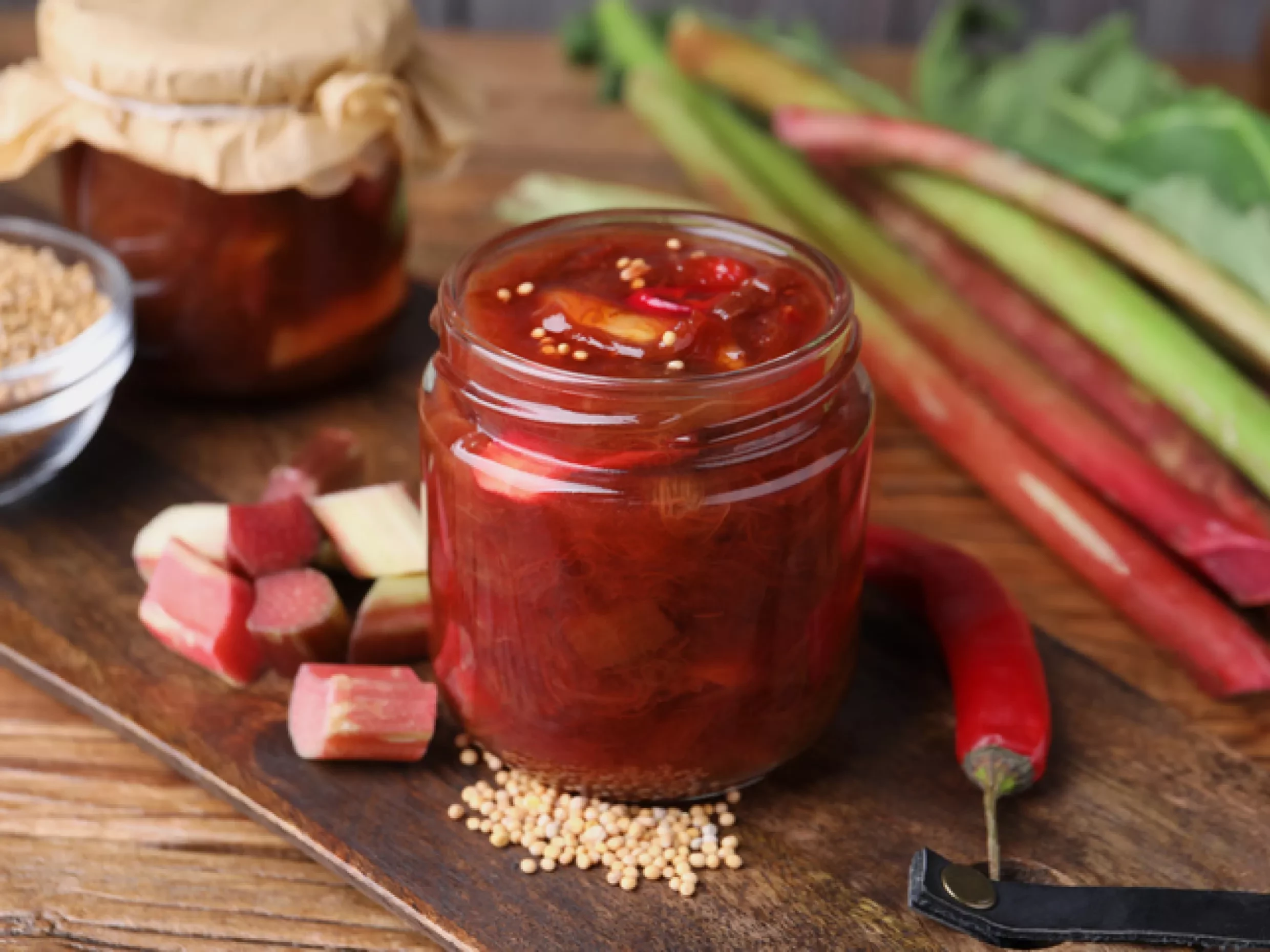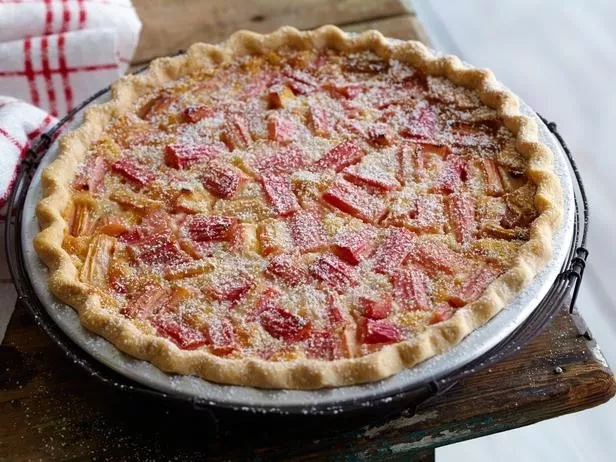









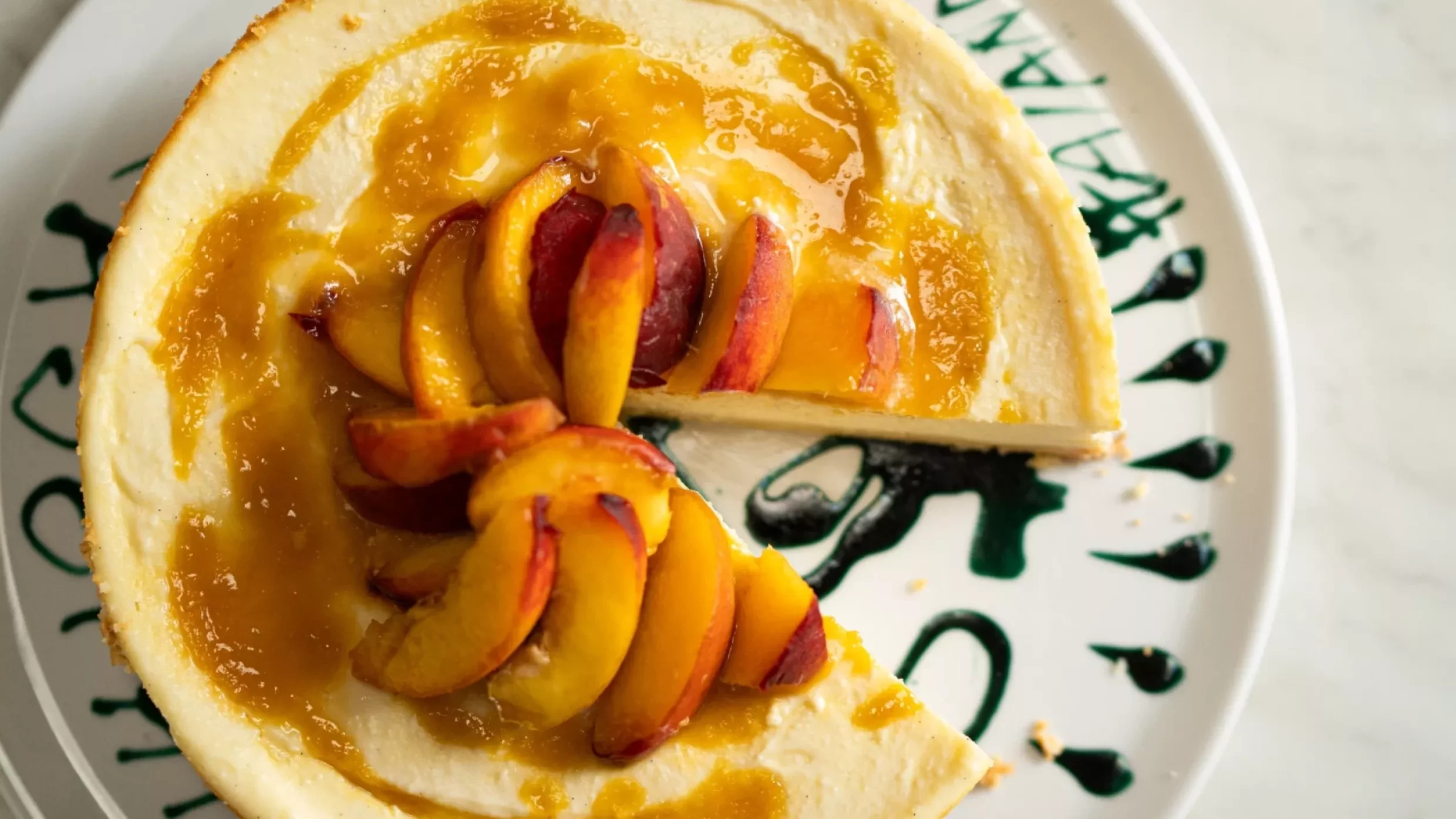

See under: spring, harbinger of, and you’ll find rhubarb. Rhubarb is one of the first edible plants to poke through the soil as the weather warms. Lucky for us, it is as abundant as it is fleeting, so during its short season we bake it in pies (not for nothing, is it known as "the pie plant,") crisps, cookie bars and clafoutis, braise it in savoury stews or turn it into cocktails. Luckier still, it’s a great candidate for preserving. It not only makes beautiful jam and compote, but also it’s great to freeze. Freezing is the easiest way to keep it on hand for year-round treats, so here’s everything you need to know.
How to Buy Rhubarb
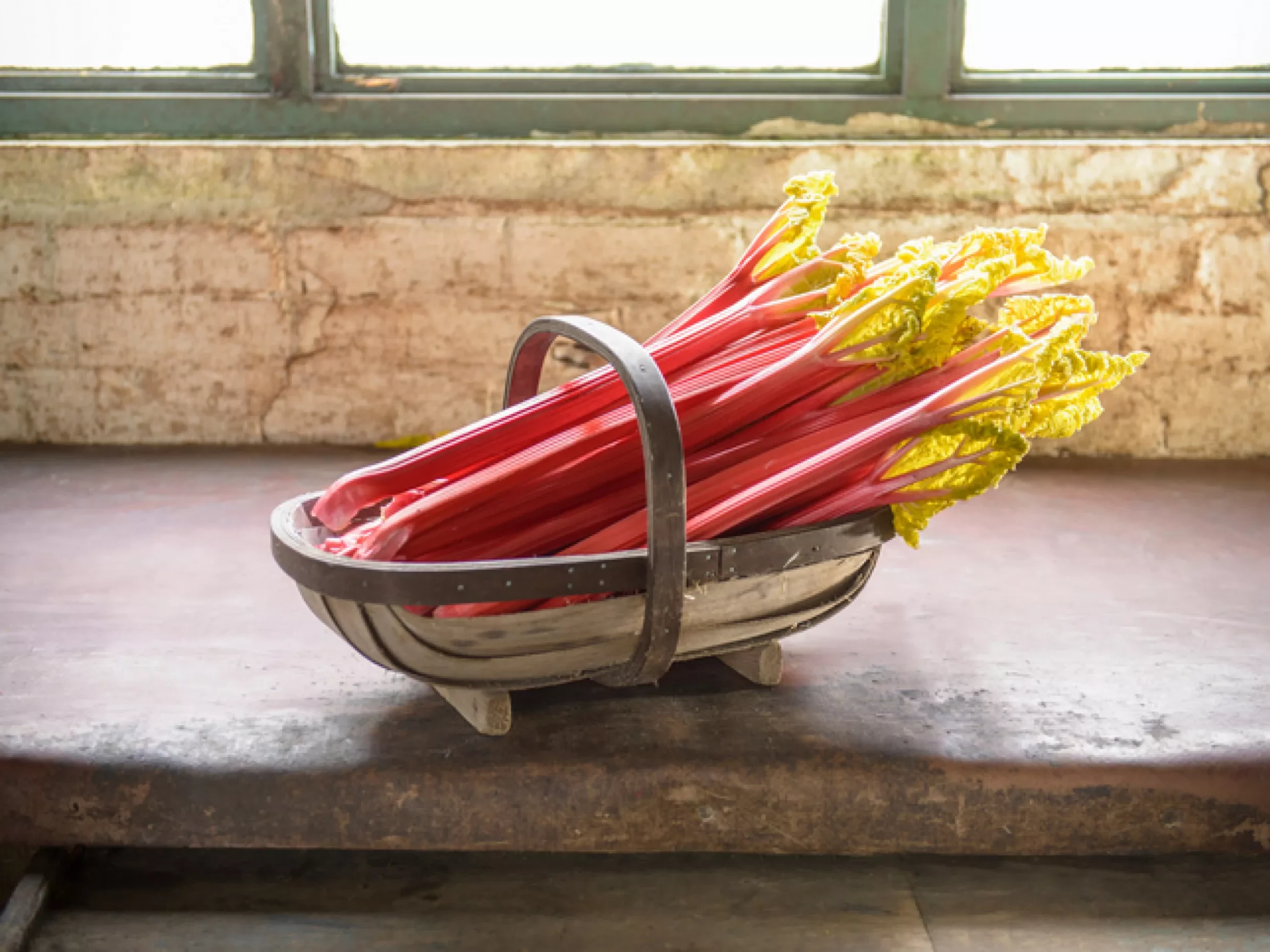
Spring’s field-grown rhubarb is generally a bit tarter and less tender than greenhouse rhubarb, although both are great for cooking and baking. Whichever variety you buy, it’s best to stock up early in the season when the stalks are slender. Choose firm, unblemished stalks, and if you’re not preserving them, store them unwashed in a plastic bag in the fridge for up to four days.
How To Freeze Rhubarb
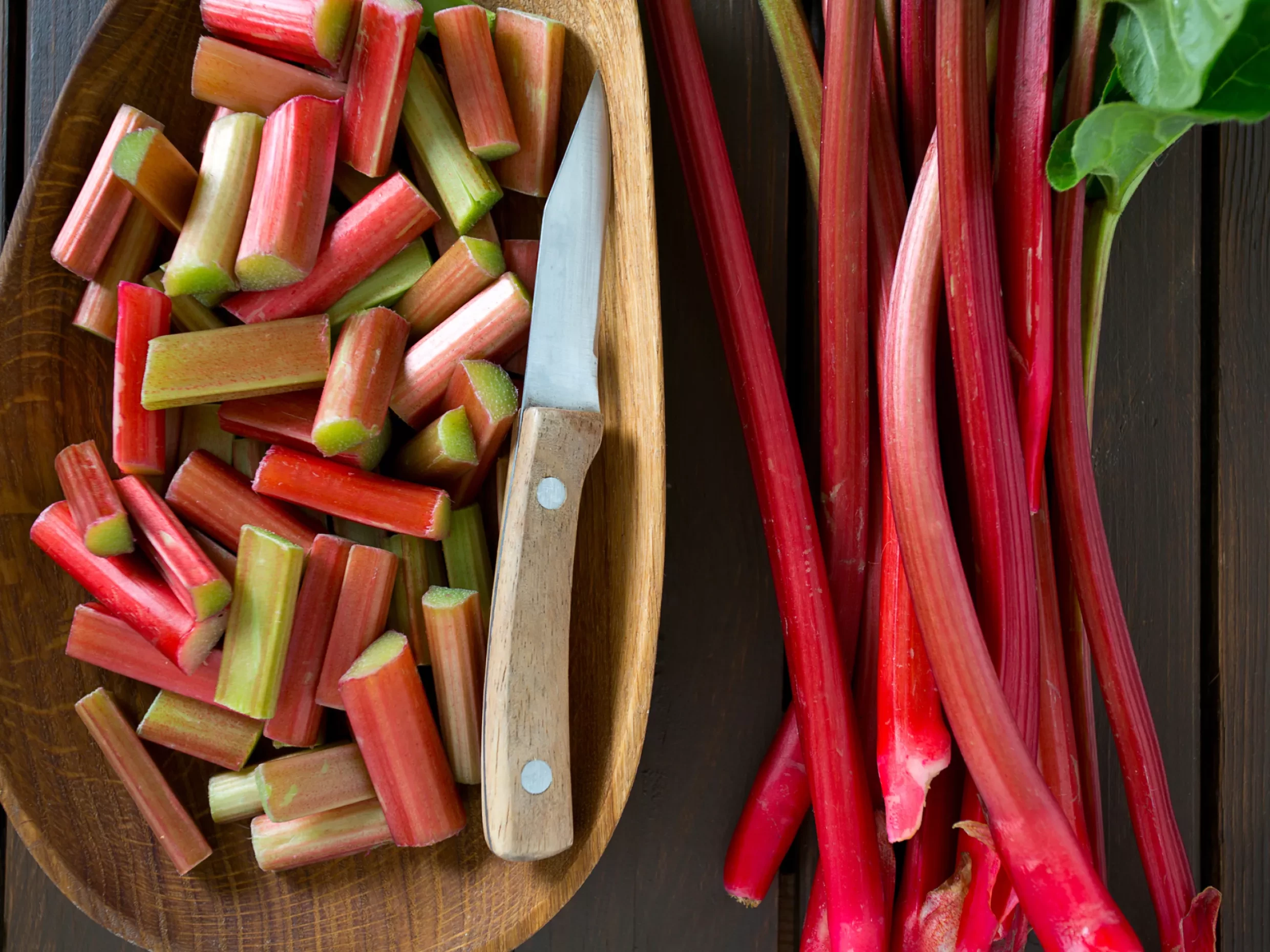
- Clean and trim the stalks. Trim the root and leaf ends; discard. Wash the stalks and dry well. If the outside "skin" is thick and tough, peel it off, but note that you’ll be peeling off some of the bright red hue.
- Slice the rhubarb. If you have a go-to recipe you’d like to make later, slice the rhubarb according to the directions. If not, slice it about 1-inch-thick for easy storage and flexibility in what you're cooking later. We don’t recommend freezing full stalks, as they won’t hold their shape well when they thaw.
- Freeze the rhubarb pieces flat. Scatter the dry pieces on a parchment paper-lined baking sheet so they’re not touching one another. Freeze until solid, 2-3 hours. This way, the pieces will stay separate when packed - instead of freezing into one big block - and you can take it out as needed. We use this method whenever we freeze berries or chopped veggies.
- Pre-portion rhubarb in freezer-safe bags. It’s smart to portion rhubarb into common quantities called for in your go-to recipes. If you don’t know what you’ll be making, that’s okay too - pack the pieces into airtight bags, flatten them and stack them neatly. If you use plastic containers, make sure they are moisture-proof and airtight, and leave a little space at the top of the container.
- Remove as much air as possible before sealing. Air is your enemy here, leading to earlier freezer burn and the overall degradation of your beautiful 'barb. If you have a vacuum sealer, now’s the time to use it. You can also make your own low-tech version (and look silly doing it): seal the bag most of the way and press out as much air as possible, then use a straw to suck out remaining air.
- Extend rhubarb’s life in the freezer with one of these techniques. You can store frozen rhubarb for up to a year. That said, it will start to deteriorate a bit after 3-4 months. It won’t spoil, but it will start to lose colour and will be more likely to lose its structure when defrosted or cooked. There are a couple of popular methods for extending the freezer life of your rhubarb. Cook sliced rhubarb in boiling water for one minute, transfer to ice water to stop the cooking, dry well, and proceed as above. You can also toss sliced rhubarb with granulated sugar, which helps prevent freezer burn by minimising the rhubarb’s exposure to air. Just remember that added sugar when you cook the rhubarb later and subtract some from the recipe.
How to Use Frozen Rhubarb
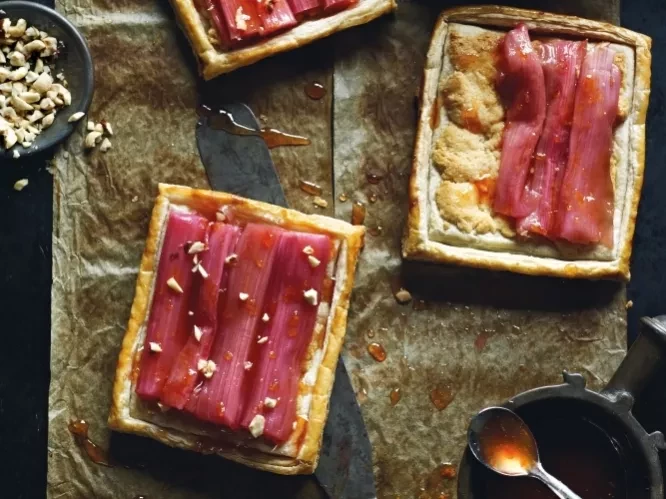
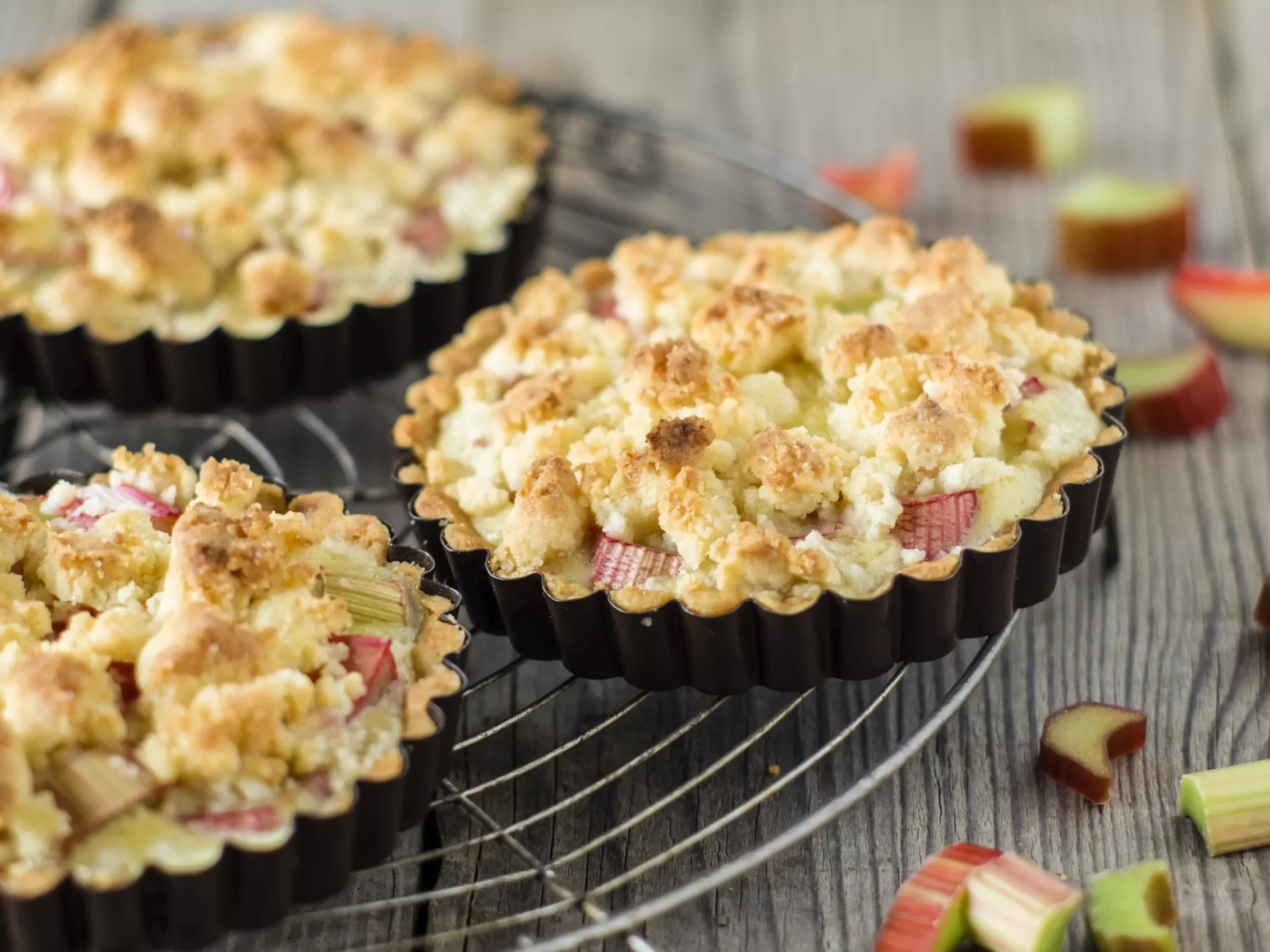
Since frozen rhubarb doesn’t hold its shape as well as fresh rhubarb, we recommend making recipes that call for chopped rhubarb - not tarts and cakes constructed to highlight a beautiful geometric design or to showcase long, straight, tender stalks.
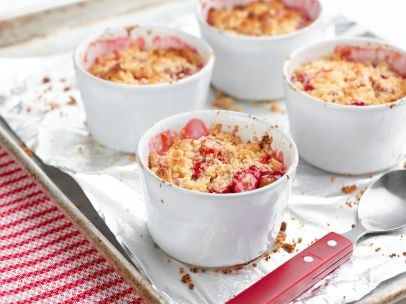
If you’d like to make a pie, here are some tips. It’s best to nix custard pies - a little extra liquid can affect how they set. Opt instead for pies that call for chopped rhubarb and a lattice crust - not only will you get beautiful red juices bubbling through the top, but also it will help you cook off excess liquid. Cobbler and crisps are also excellent choices, because you won’t have a bottom crust to fret about getting soggy. Some expert pie bakers pile frozen fruit in a strainer over a bowl, defrost overnight in the fridge and then boil the strained liquid (if there’s a lot) to reduce it. Be sure to cool the liquid before adding it to the fruit and other filling ingredients. You can also use the fruit without defrosting and increase the thickening a bit to accommodate any extra liquid.
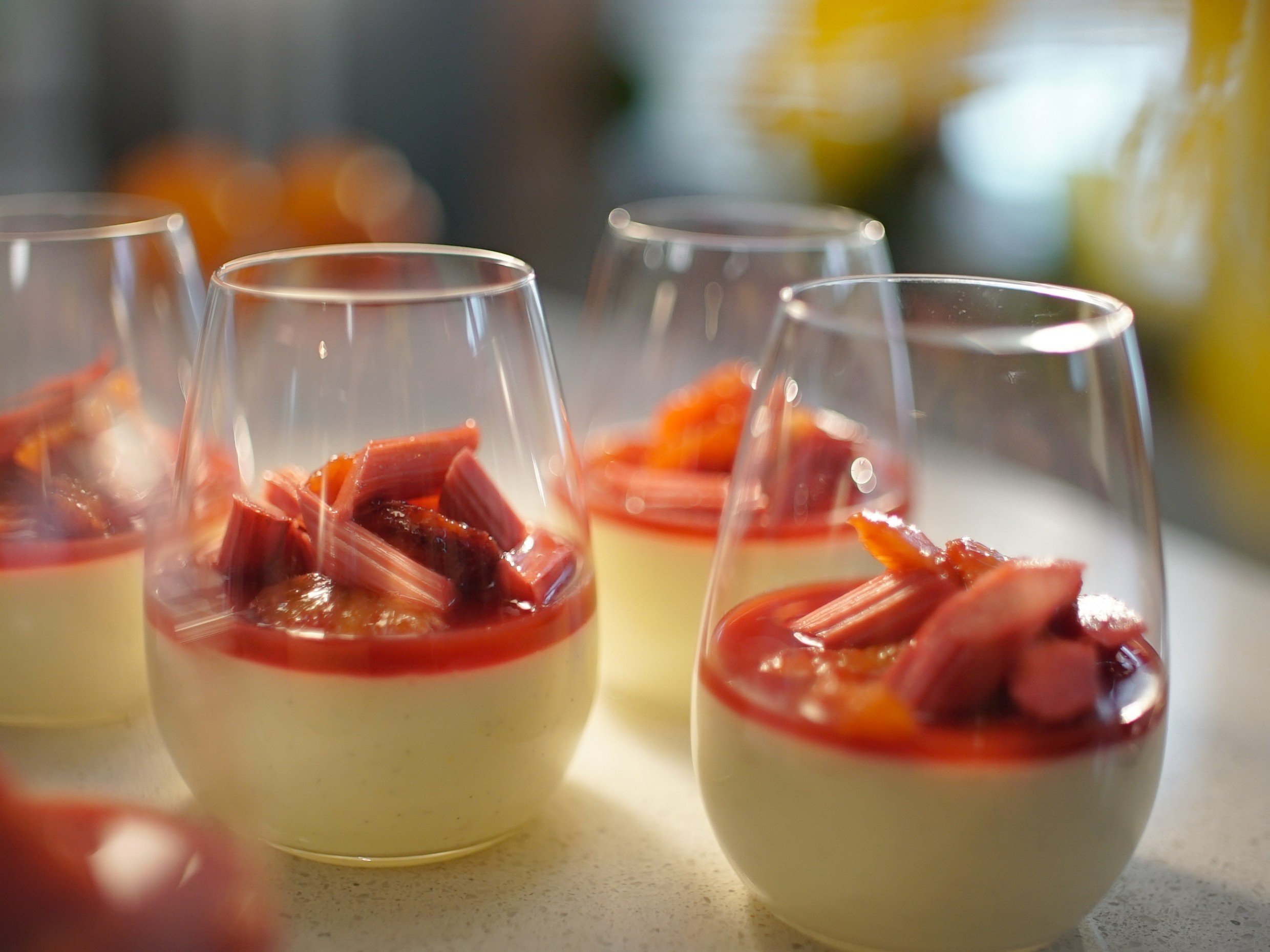
Additionally, frozen rhubarb tends to release more liquid than fresh rhubarb. Compotes or other stewed or jammy recipes are a great way to put frozen rhubarb to work because they have all the extra liquid to cook off. If your recipe calls for liquid, hold off on adding it until you see how much liquid the frozen rhubarb releases, and then add more as needed. You may need to cook the rhubarb a bit longer, but not by much.