


London is one of the world’s most vibrant and exciting cities, but it really comes alive on August Bank Holiday at the Notting Hill Carnival. If you’ve never been, imagine a kaleidoscope of colour and sequins, music and dancing, fun and laughter, and then times it by a million! It’s one of the world’s biggest celebrations of Caribbean culture, and that includes the amazing food. But what are we eating at Carnival? We’ve got the inside scoop on the flavours behind the festival.
What is the Notting Hill Carnival?
The Notting Hill Carnival is Europe’s largest street festival, held each August Bank Holiday weekend across the streets of west London. Its story begins in the late 1940s and early 1950s, when people from the Caribbean arrived in post-war Britain, and many settled in Notting Hill.
On 30 January 1959, Trinidadian activist and journalist Claudia Jones (sometimes called the Mother of the Notting Hill Carnival) organised an indoor “Caribbean Carnival” at St Pancras Town Hall, with the aim of bringing people together and celebrating Caribbean culture. For a few years, the event moved between town halls and even ballrooms before finding its home in Notting Hill, where local community activist Rhaune Laslett - another carnival legend - staged the first outdoor festival in 1966.
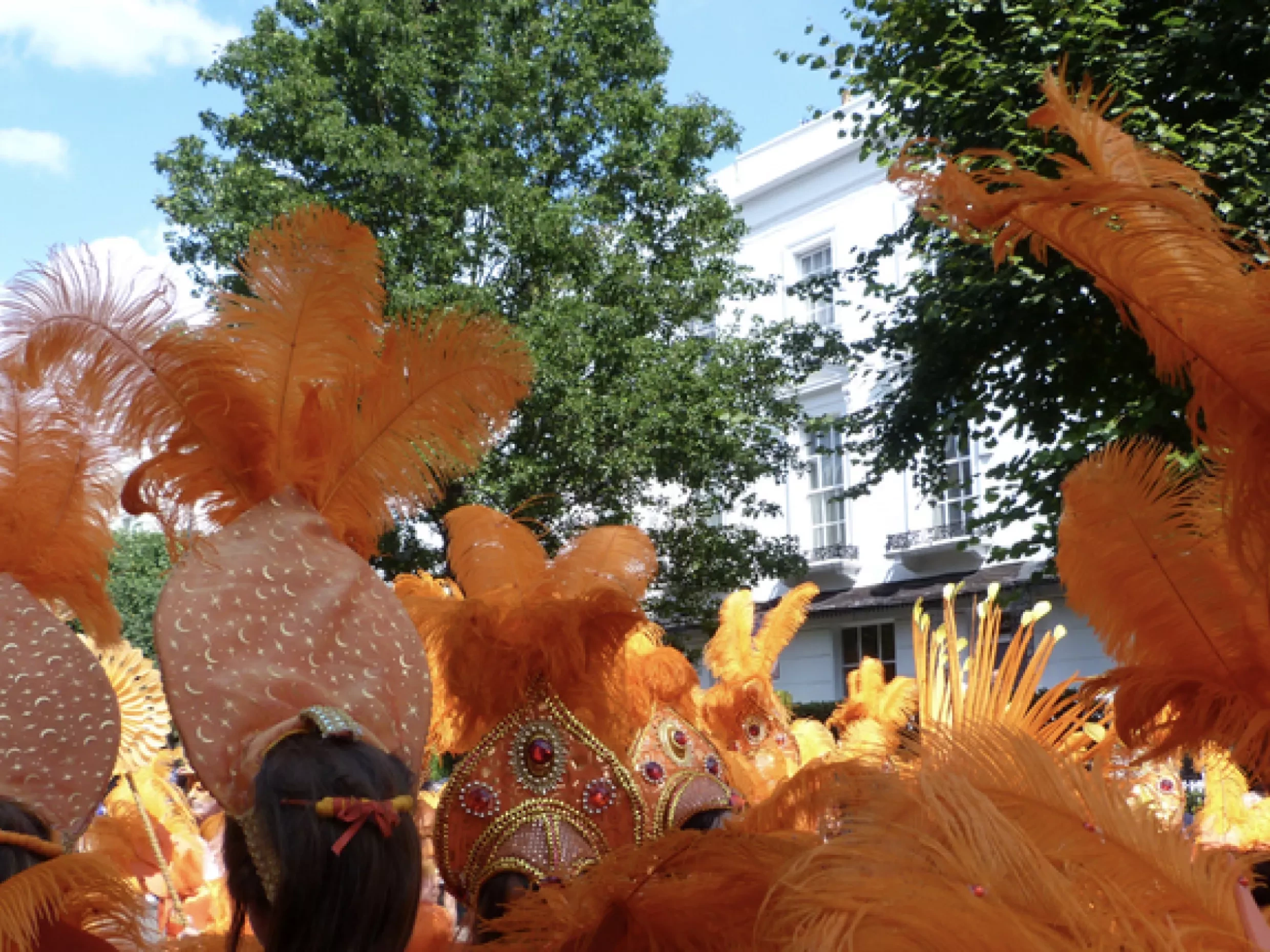
With its roots in the carnival traditions of the Caribbean and West Indies, the event has grown into a spectacular annual celebration of British Caribbean life. Today, it attracts around two million visitors with processions winding along the famous West London thoroughfares of Kensal Road, Ladbroke Grove, and Westbourne Park Road.
How the Carnival’s Food Scene Grew
Visitors from all over the world come to the Notting Hill Carnival and they step into a vibrant streetscape of sound systems, steel pan bands, masquerade troupes, and dancing crowds, but in the carnival’s early years, the experience - and especially the food scene - was far more intimate than it is today.
Through the late 1960s, hospitality was largely home-based and it’s said that front doors were left open for people to wander in for a chat and some food, including rice and peas, curry goat, and other iconic Caribbean dishes.
As the 1960s became the 1970s, Caribbean cafés and restaurants (including the famous Mangrove which opened in 1968) became vital hubs, serving home-cooked style food and preserving island traditions in a new city. By the early 1980s, the carnival had shifted into a more commercial food venue, with portable cookers and food stands enabling entrepreneurial vendors to feed the growing masses.
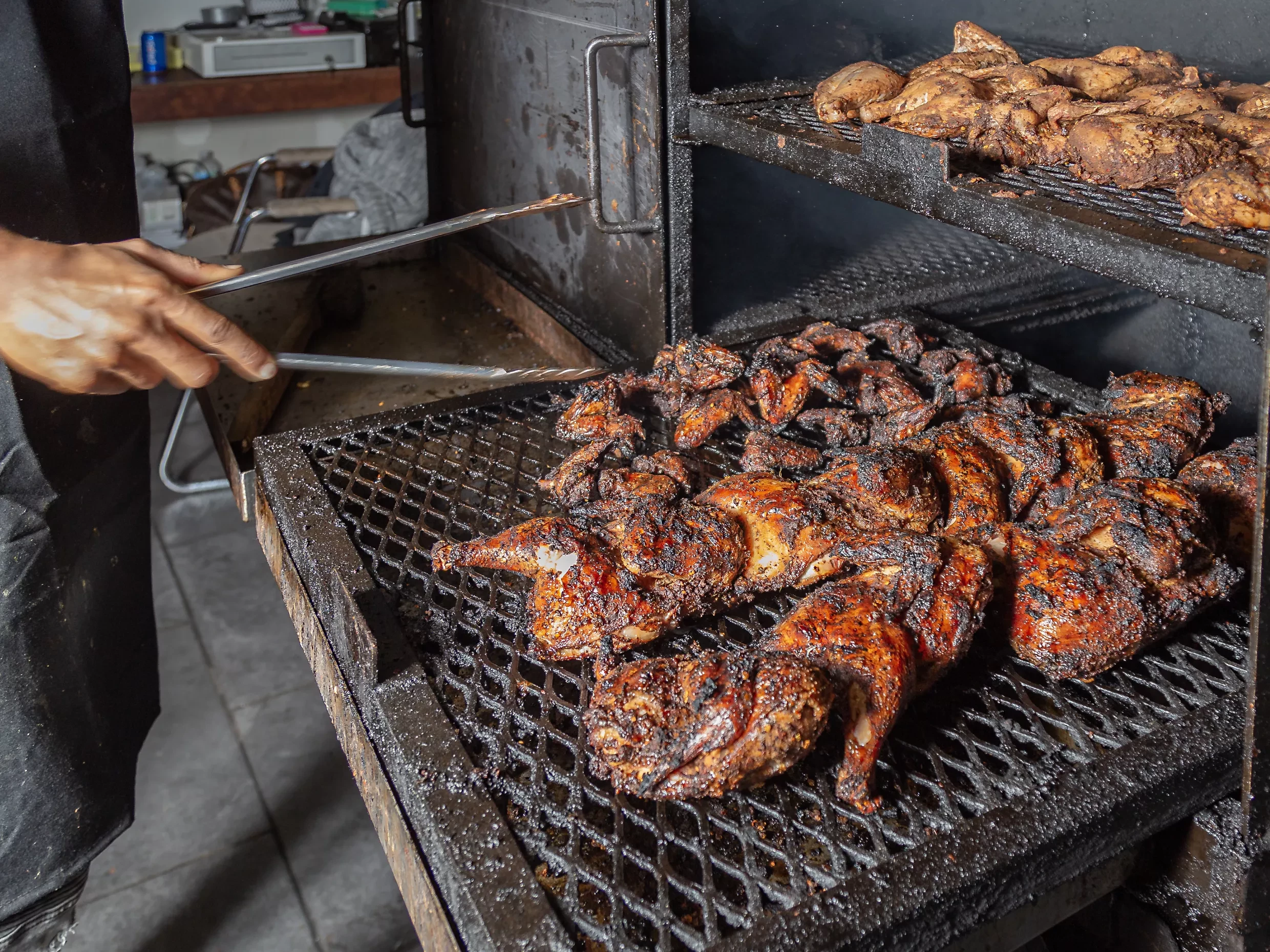
This epicurean evolution transformed the Notting Hill Carnival into almost a street food culture of its own, where simmering pots and smoking hot grills became as much a part of the event as the costumes, music and dancing.
The Fabulous and Famous Festival Food
At the Notting Hill Carnival, food has become as iconic as the feathered costumes, thunderous sound systems, and steel pan rhythms. However, while Caribbean food is often lumped together under one label, the region is as diverse as Europe. The distance between Kingston in Jamaica and Bridgetown in Barbados is almost 2,000 kilometres, a similar distance between London and Skopje in North Macedonia, and the styles of food reflect this. Each island and mainland nation has its own ingredients, techniques, and signature dishes, shaped by distinct histories and local produce, and at the carnival, this variety truly comes alive.
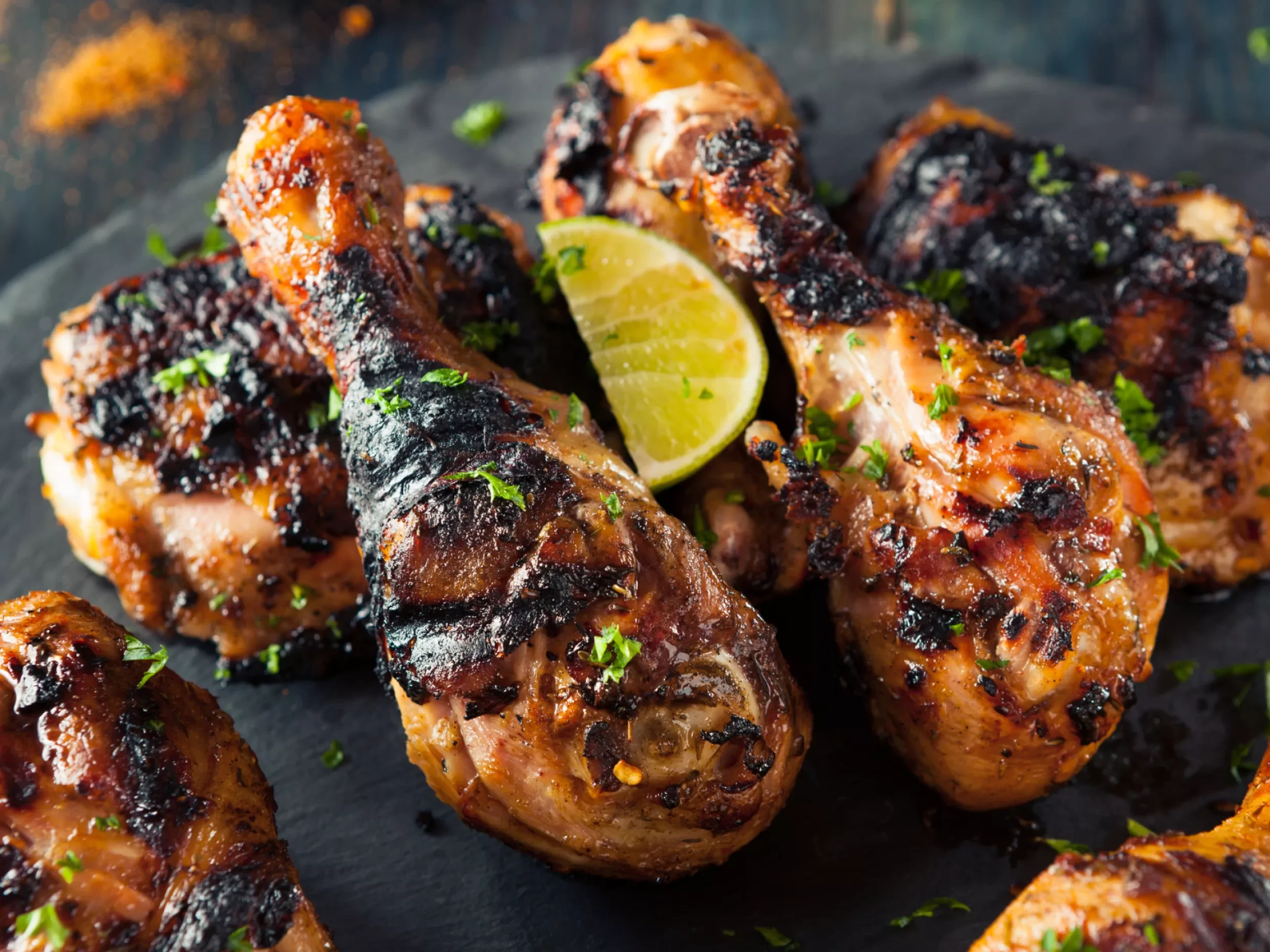
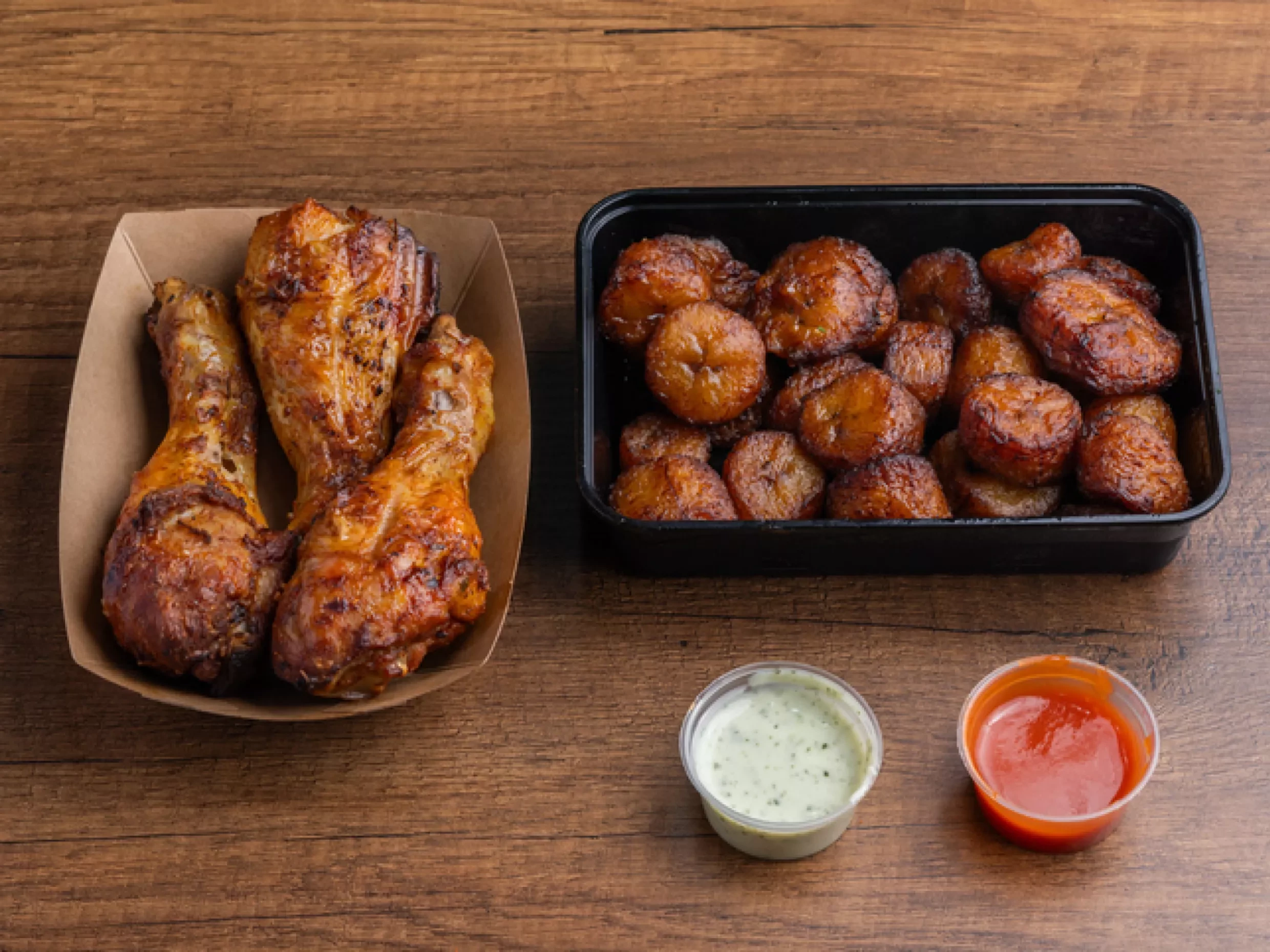
The event has evolved into a showcase for Caribbean food - with everything from curried goat and jerk chicken, to seasoned fish, beef patties, glazed sweetcorn, slow-cooked curries, rice and peas, and much, much more.
The Must-Try Carnival Dishes
While the Carnival is awash with style, colour and energy, it’s fair to say that nowadays the food has become a draw in its own right. Visitors line up for a range of classics and innovation - plates that carry the flavours of Jamaica, Trinidad, St. Lucia, Barbados, Grenada, Dominica, Guyana, and beyond.
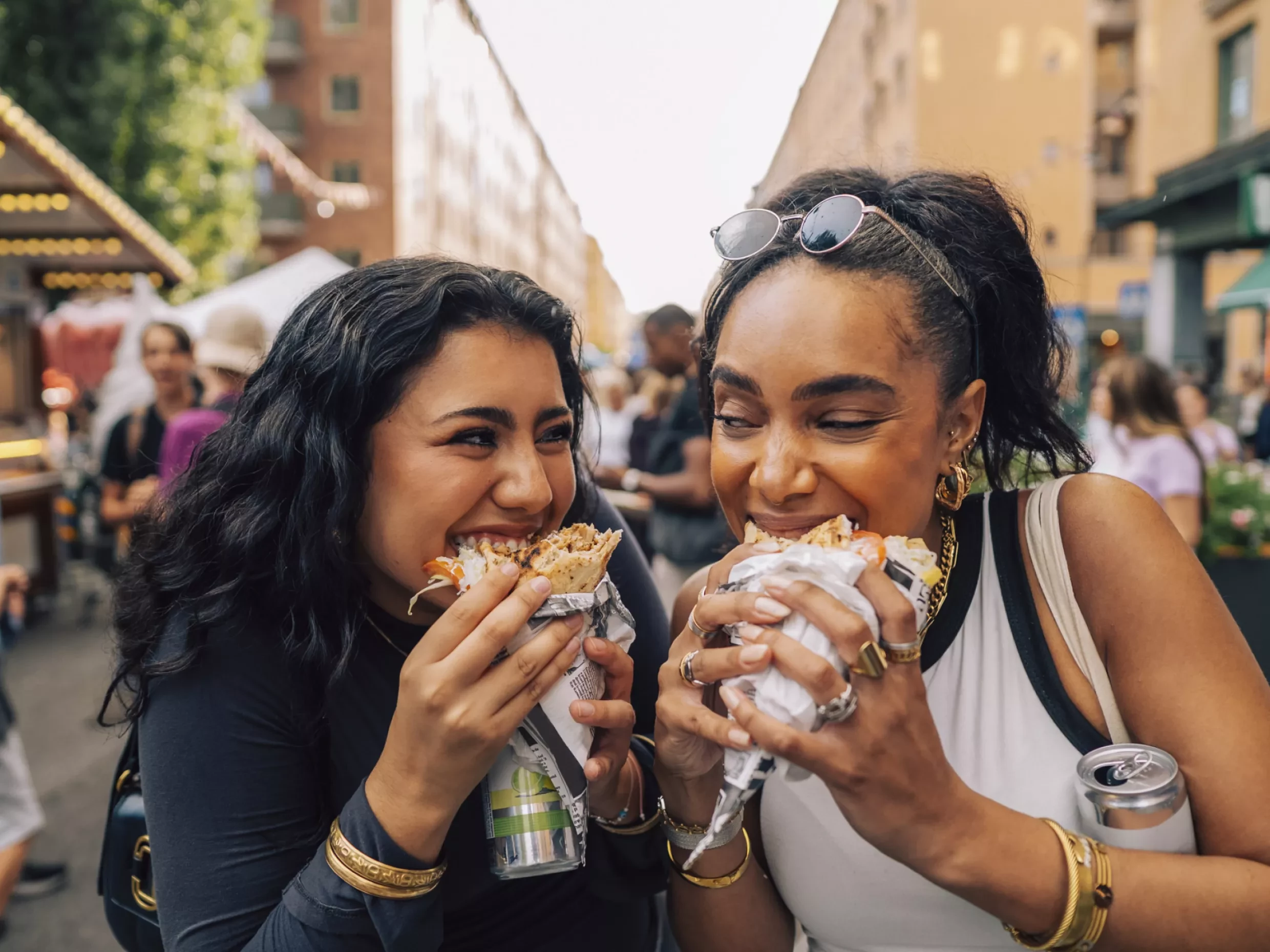
Across the three-day festival, more than three hundred food and drink stalls line the main routes creating a sprawling open-air feast. While the emphasis is firmly on classic Caribbean cuisine, there's a wide range of options on show, from iconic staples to fusion, vegetarian, and vegan dishes.
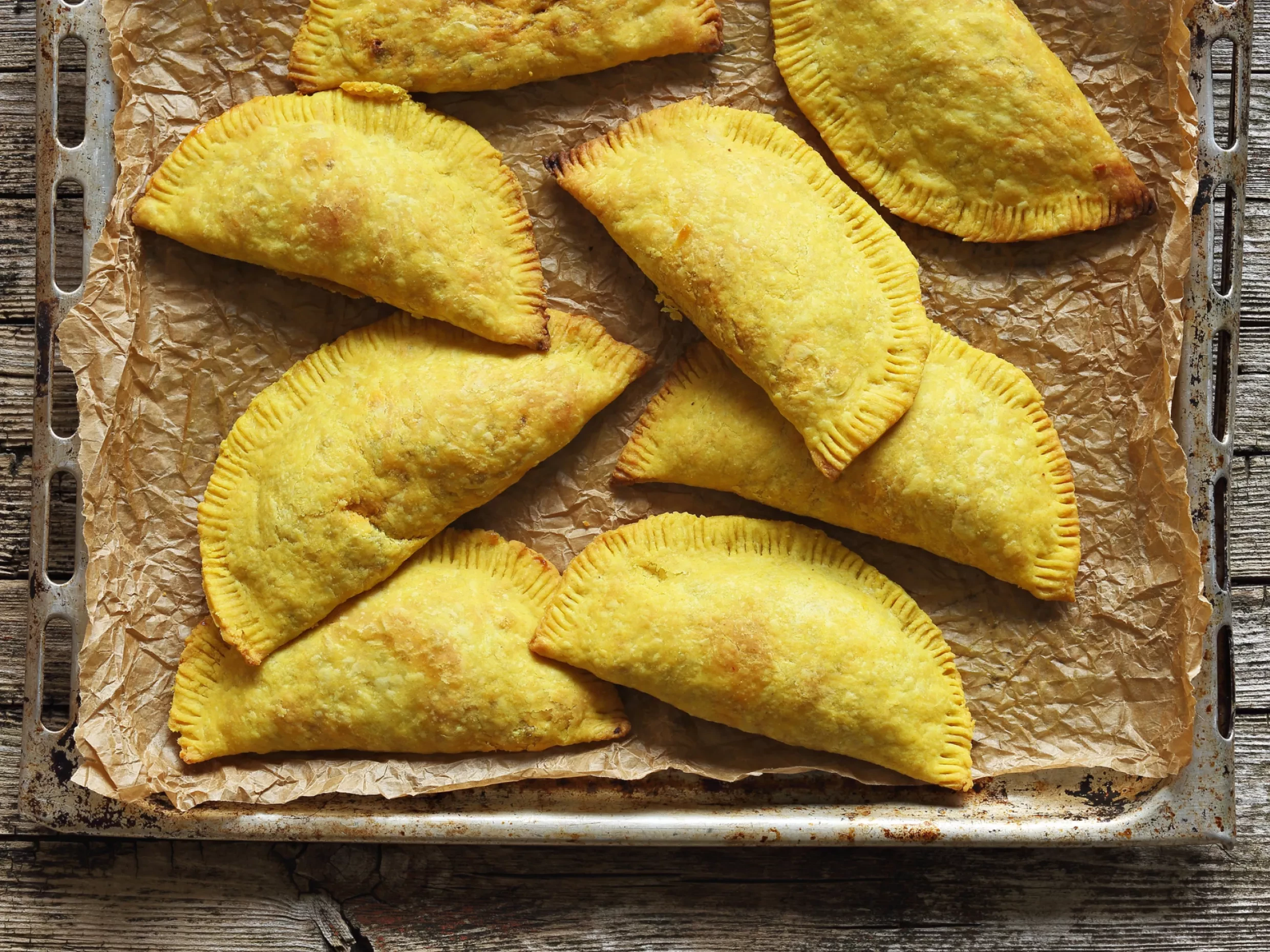
Must-try dishes include Trinidadian roti wraps with curried chicken, beef, or vegetables; Guyanese pepper pot; slow-cooked curry goat; coconut-infused rice and peas; Jamaica’s national dish ackee and saltfish; grilled corn on the cob; and fried plantain. And if you’re looking for pure indulgence, find a stall that sells ‘doubles’, spicy curried chickpeas (channa) served between two pieces of fried bread called bara. It’s Trinidadian street food at its messy delicious best!
You’ll also find loads of sweet treats, including rum cake, and gizzada - a traditional Jamaican pastry tart filled with freshly grated coconut cooked with sugar, water, and warm spices like nutmeg, ginger, and vanilla.
Rum punch remains the classic drink, and you’ll also find fresh coconut water, a wide range of Caribbean beers and spirits, and sorrel, a refreshing zingy drink made from the hibiscus plant (often, but not always, served with a shot of rum!)
Top Tips
If you’re going to the Notting Hill Carnival, here are a few simple tips to make the most of your foodie fiesta!
What Stalls Should You Go To?
There will be dozens of stalls selling jerk chicken, so which ones should you go to? A simple rule of thumb is that the longer the queue, the better the food! Many of the stalls in the most prominent spots are likely to have been there for decades, but you’ll also find some hidden gems off the beaten track, especially on Golborne Road, All Saints Road, and the backstreets close to Ladbroke Grove.
Caribbean Food Can Be Very Spicy!
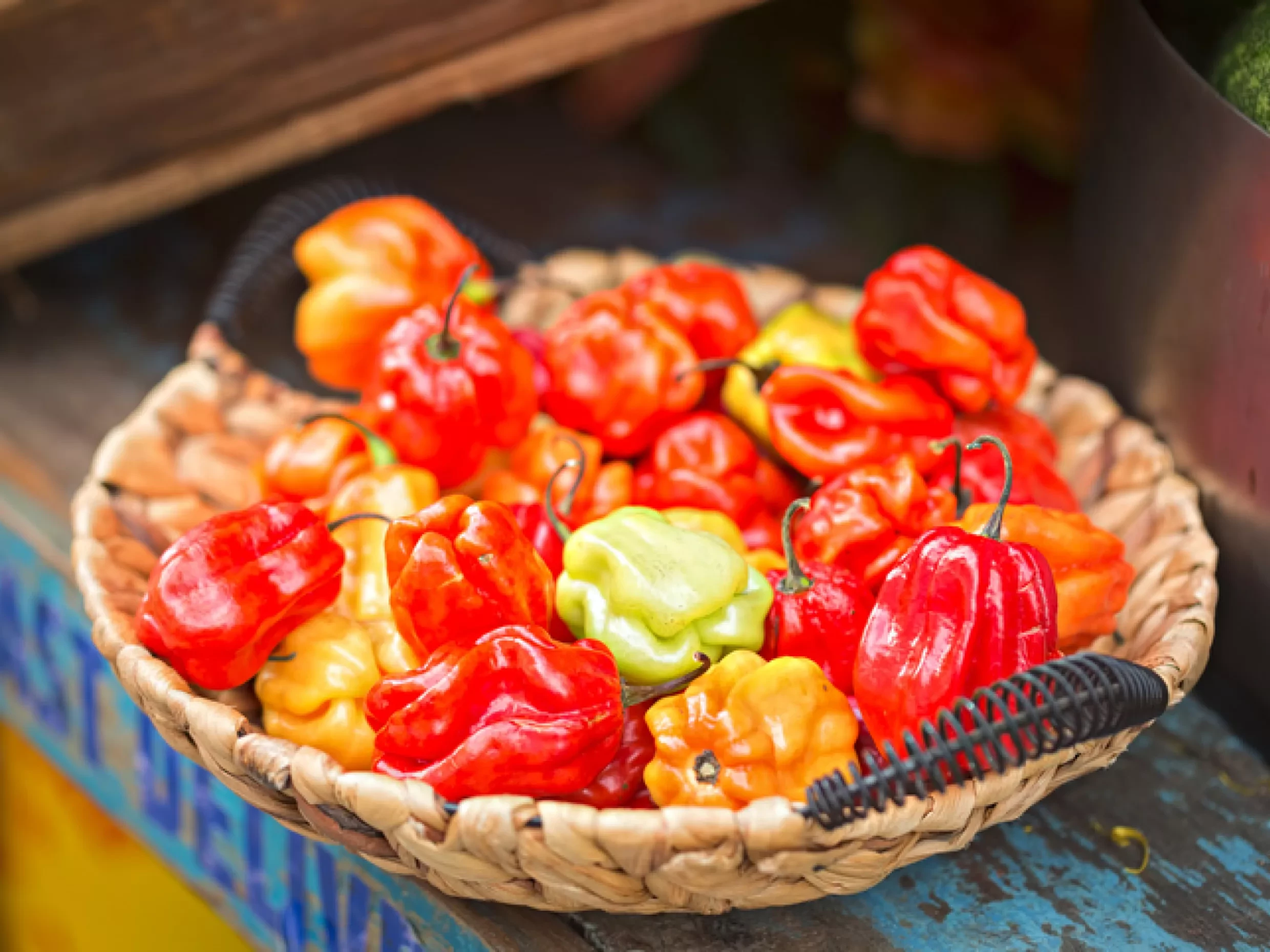
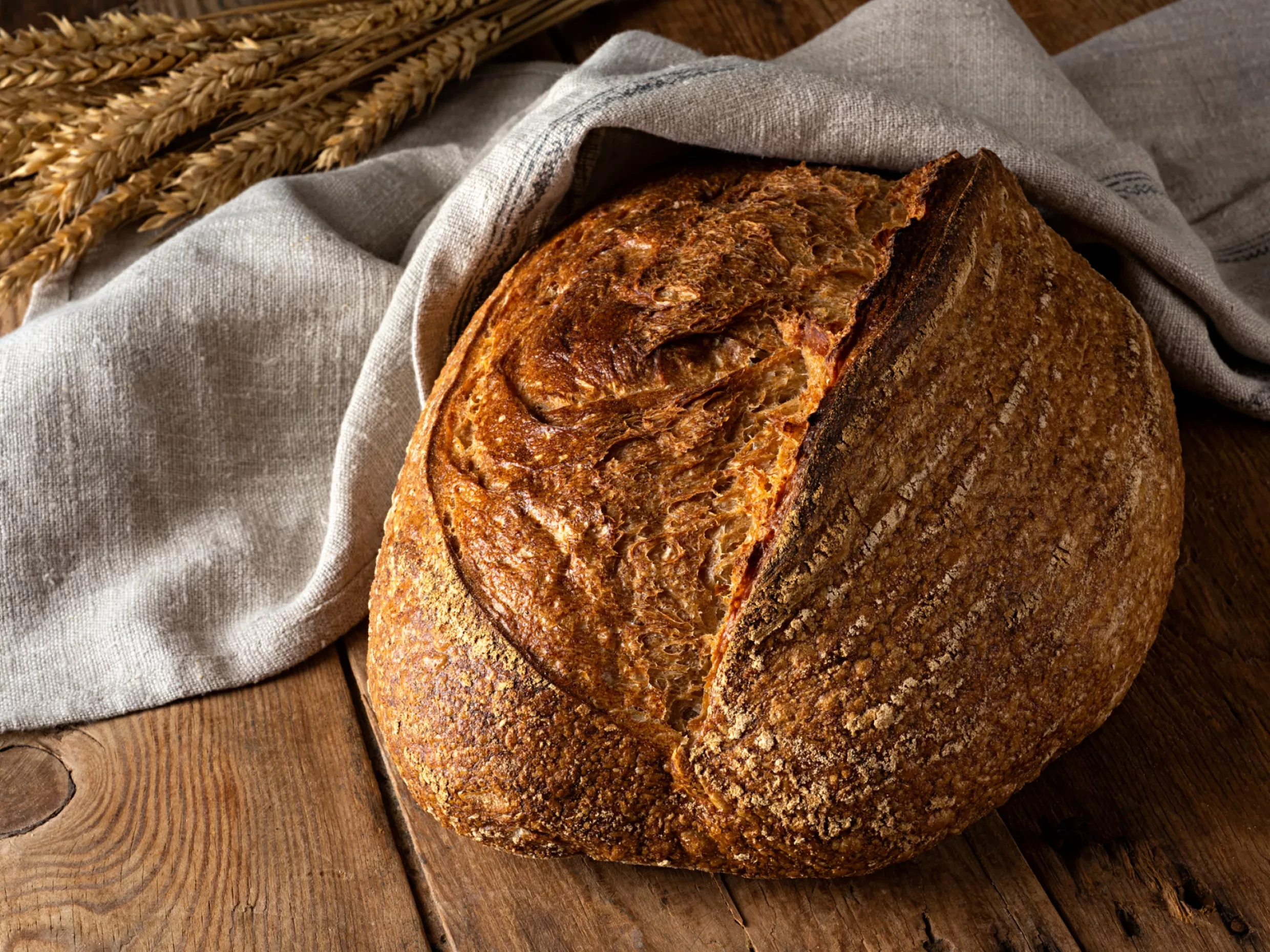
Where spice levels are concerned, Caribbean chefs don’t mess about. If you’re not sure, start with mild and work your way up. A lot of Caribbean dishes include Scotch Bonnet chilli peppers, and if it gets a little too much, rice can be useful for absorbing some of the heat, and sweet fried cornmeal and flour dumplings known as ‘festival bread’ are also a good idea to balance the bites of fiery spices.
Have a Good Time!
If you want to experience authentic Caribbean culture, there’s no better way to do it than through its food. Find the family-run stalls that have passed recipes down through the generations. Grab a couple of Jamaican pastries from the vendors mingling in the crowds. Go out of your comfort zone, be curious, and enjoy!