

The appetite for gathering around food is as old as civilisation itself. From ancient religious rituals, communal feasts, and harvest celebrations, to today’s buzzing fiestas championing artisanal cheese, vegan chocolate and the latest craft beer fads, they’ve long brought happy foodies together. So how did these feasts evolve? What did people eat at the earliest food festivals? And why do we still love celebrating with a plate in one hand and a drink in the other?
The Beginning: Ritual, Survival & Seasonality
Long before food festivals filled town squares with stalls, music and the incessant ping of cards on machines, communal feasting helped early societies make sense of an uncertain world. Hunter-gatherers came together to share the spoils of a successful hunt, while seasonal changes signalled the arrival of migrating animals, ripening fruit and other precious sources of food. These gatherings were social, practical and developed a sense of community spirit.
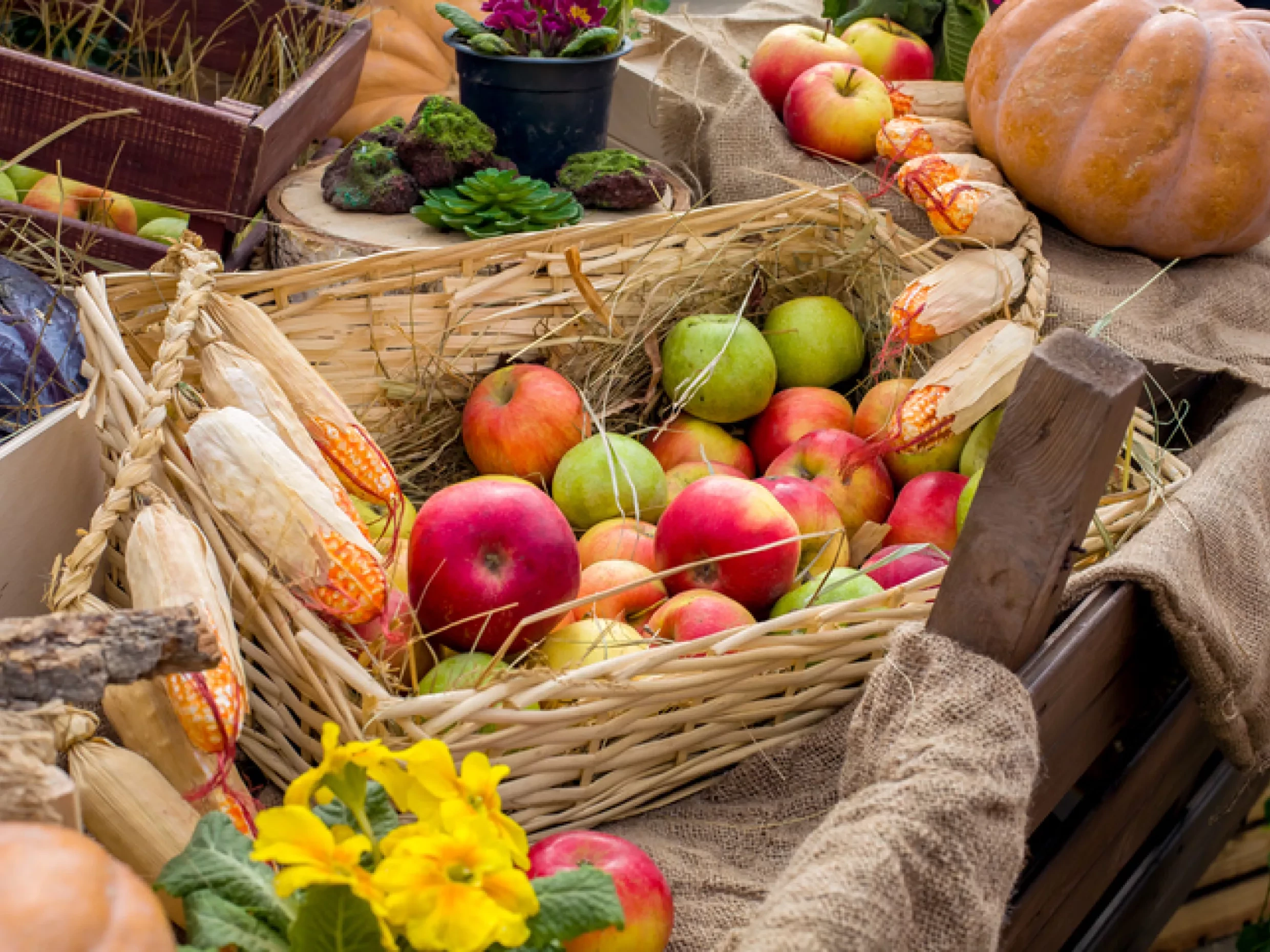
The arrival of agriculture tied these rituals more closely to the calendar. Planting and harvesting were marked by prayers for fertile soil, and protection from famine. A successful harvest meant survival through the winter and this was cause for celebration. These weren’t food festivals as we know them but they laid the groundwork - literally and metaphorically - for what came later.
The Ancients: Food, Faith & Fertility
As early civilisations developed, these seasonal feasts found their way into religious calendars, giving communities not just a practical reason to gather together, but also a spiritual one.
In ancient Egypt, the Opet Festival took place during the Nile flood season and focused on the renewal of royal power. In ancient Greece, the Thesmophoria honoured Demeter, the goddess of agriculture, in a women-led festival held around the time of sowing. Rituals, fasting, sacrifices and offerings were intended to encourage the fertility of both crops and people. The Romans marked midwinter with Saturnalia, a lively celebration of Saturn that combined religious rites with public feasting, drinking, gift-giving and a temporary relaxation of social rules.
These ancient traditions, and many others, established a pattern that still shapes food celebrations today.
Medieval Markets: Fairs, Feast Days & Travelling Food Sellers
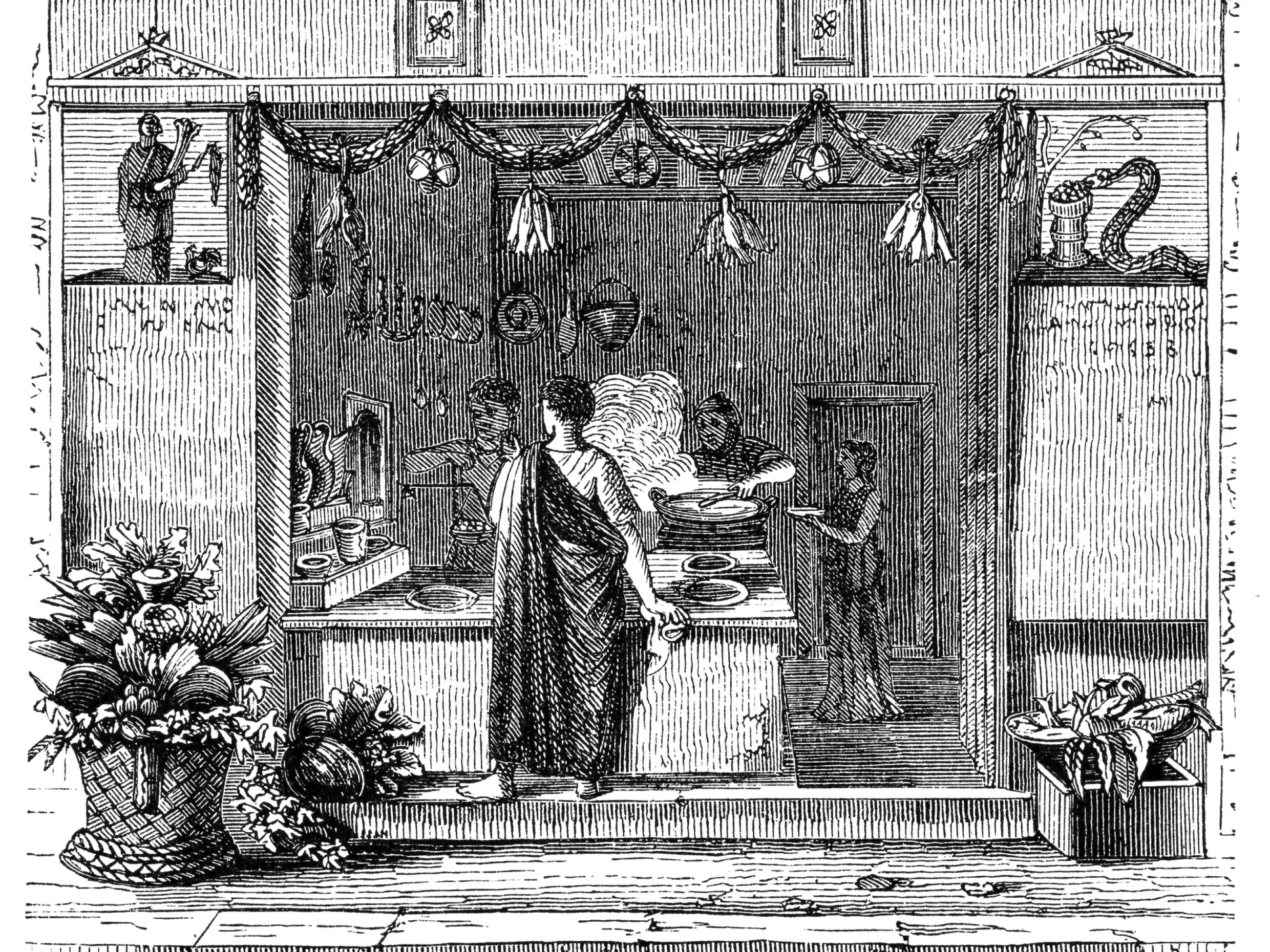
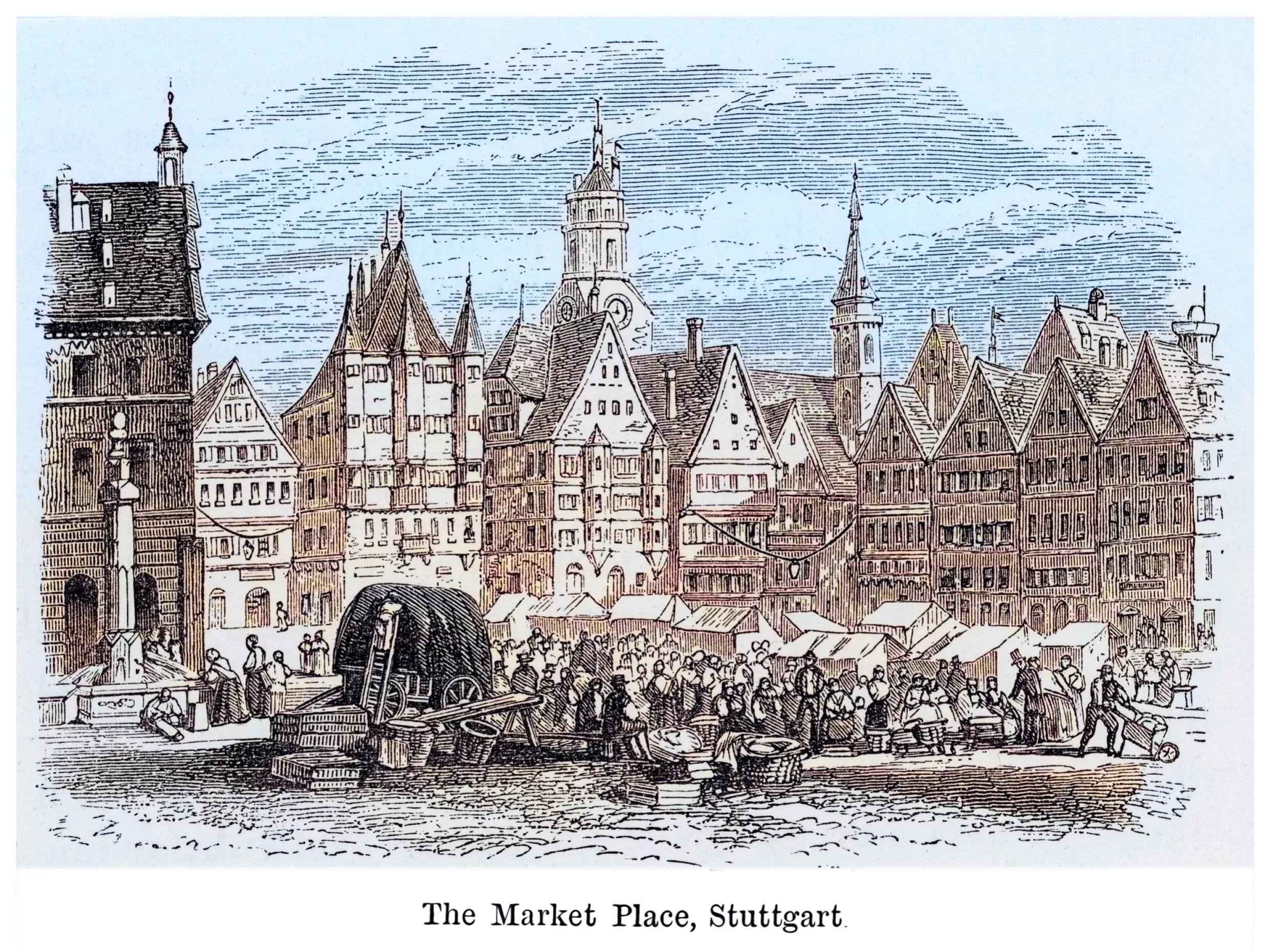
By the Middle Ages, food celebrations had spilled into Europe's busy streets and market squares. Many towns held a weekly market where farmers sold surplus grain, vegetables, eggs, cheese, meat and bread, but unlike these markets, events were often linked to a saint’s feast day and could continue for days, attracting merchants, entertainers and visitors from far and wide.
For rural communities, these festivities were an opportunity to exchange produce and buy what they needed. For townspeople, they provided both shopping and spectacle. Sellers, many of them women, arranged their goods in open-air stalls, while travelling traders followed the circuit of major fairs from town to town.
Food was central to these festivities and it was during this time that local ingredients started to become part of a community’s identity. It was this combination of food and entertainment that began to shape the food festivals we’d recognise today.
Early Modern Expansion: Food, Festivity & Identity
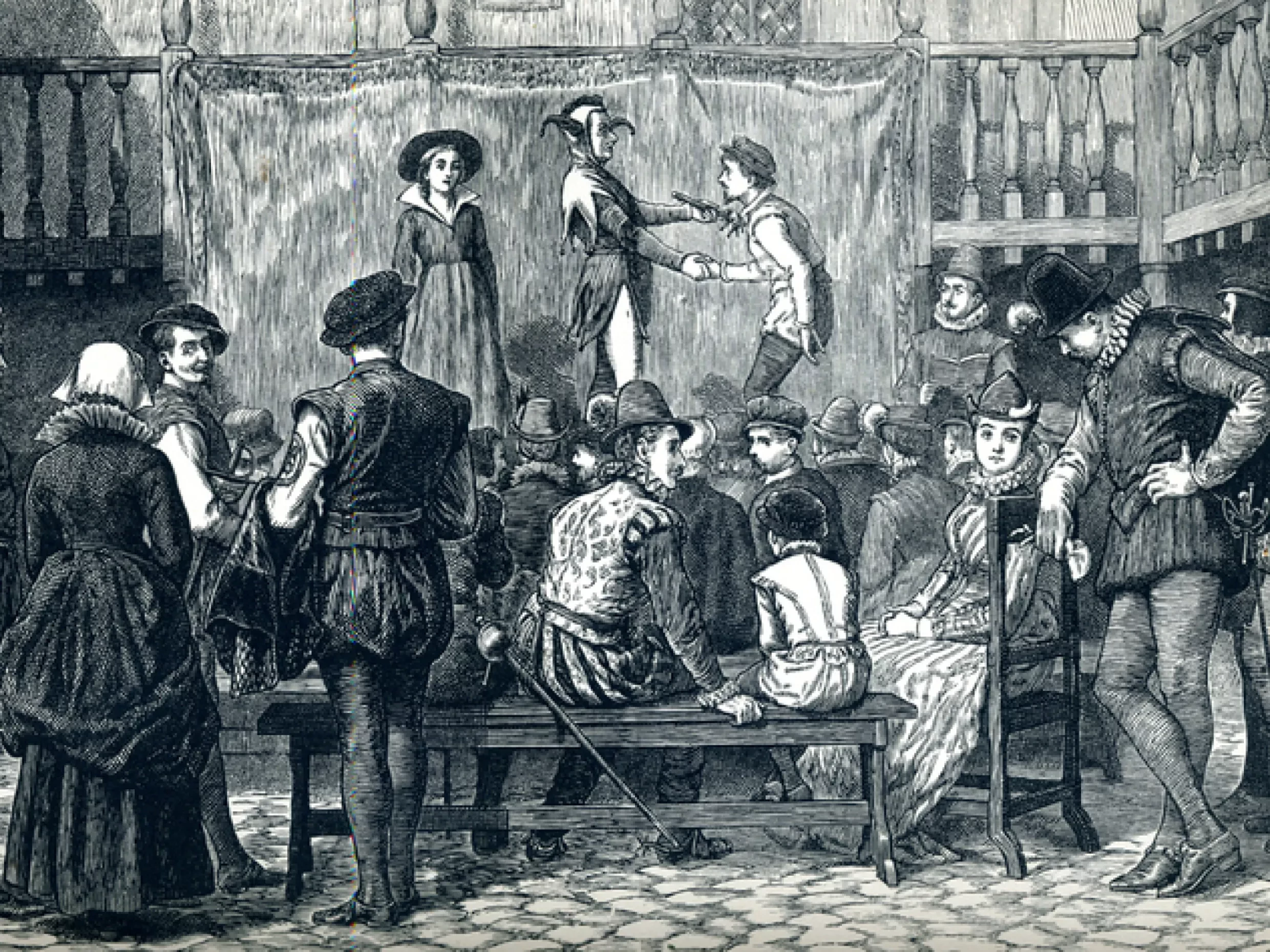
From the sixteenth century onwards, food festivals became more of a show. Religious holidays, carnival, royal weddings, coronations and wine harvests transformed streets and squares into stages for processions, music, costumes and communal fare. Unlike weekly markets, these festivals were temporary, and brought a sense of excitement to locals and visitors alike.
In Italy, festivals such as the Cuccagna and Festa della Porchetta featured outdoor roasts and elaborate edible structures, turning food into entertainment for the crowds. Elsewhere, harvest celebrations and civic feasts showcased the produce and culinary customs associated with particular towns and regions. These public festivals offered ordinary people the chance to eat, celebrate and take part in local traditions.
The Birth of the Modern Food Festival
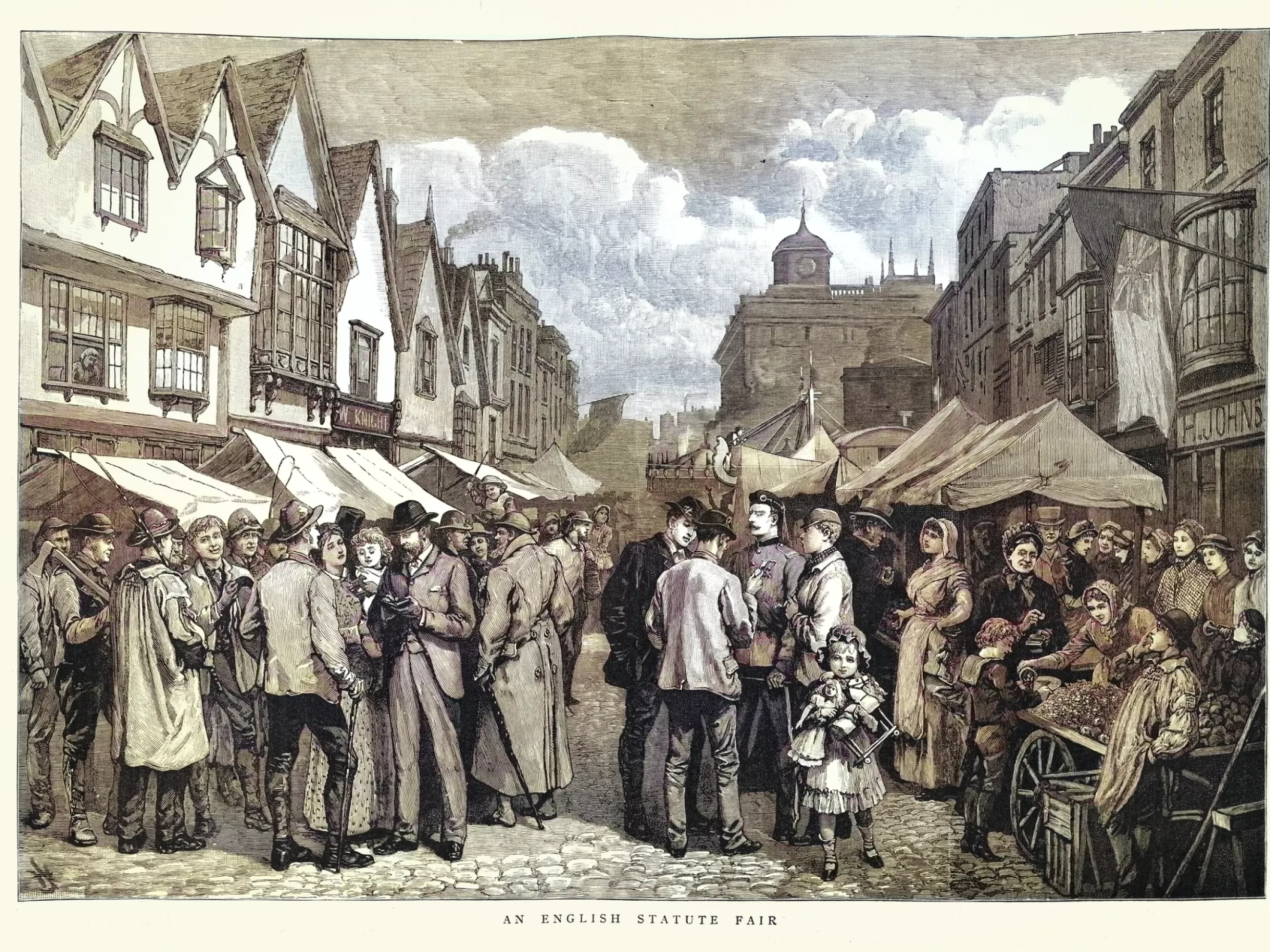
The modern food festival began to take shape in the nineteenth century, when railways made it easier for people, produce and ideas to travel. Towns that were once a day’s journey apart could now welcome large crowds, while fresh food and regional specialities could be transported to festival grounds more quickly.
Agricultural fairs offered a new kind of food celebration. Alongside livestock, machinery and farming demonstrations, organisers put on competitions for crops, preserves, baking and homemade produce. These events were educational and commercial, but they were also social, with entertainment, refreshments and opportunities for rural communities to meet.
Food Tourism: Economic & Cultural Showcases
By the late twentieth century, food festivals had evolved from local celebrations into powerful attractions for visitors. It wasn’t just a case of showing up hungry, people were more discerning and came to experience the flavours, ingredients and culinary style that made a place distinctive. A festival offered a taste of regional life, bringing together producers, cooks, musicians and craftspeople in a single celebration.
For host communities, the benefits were obvious. Visitors spent money on food, accommodation, transport and local attractions, while producers gained new customers and opportunities to promote their goods. Today’s food festivals are also a vital platform for chefs, restaurants and food brands to grow awareness.
But it’s not just about the money. Food festivals preserve recipes and skills, celebrate agricultural knowledge and give communities a platform to share their history both in person, and more recently introducing what they do to a much wider and more connected audience through social media.
The World’s Most Famous Food Festivals
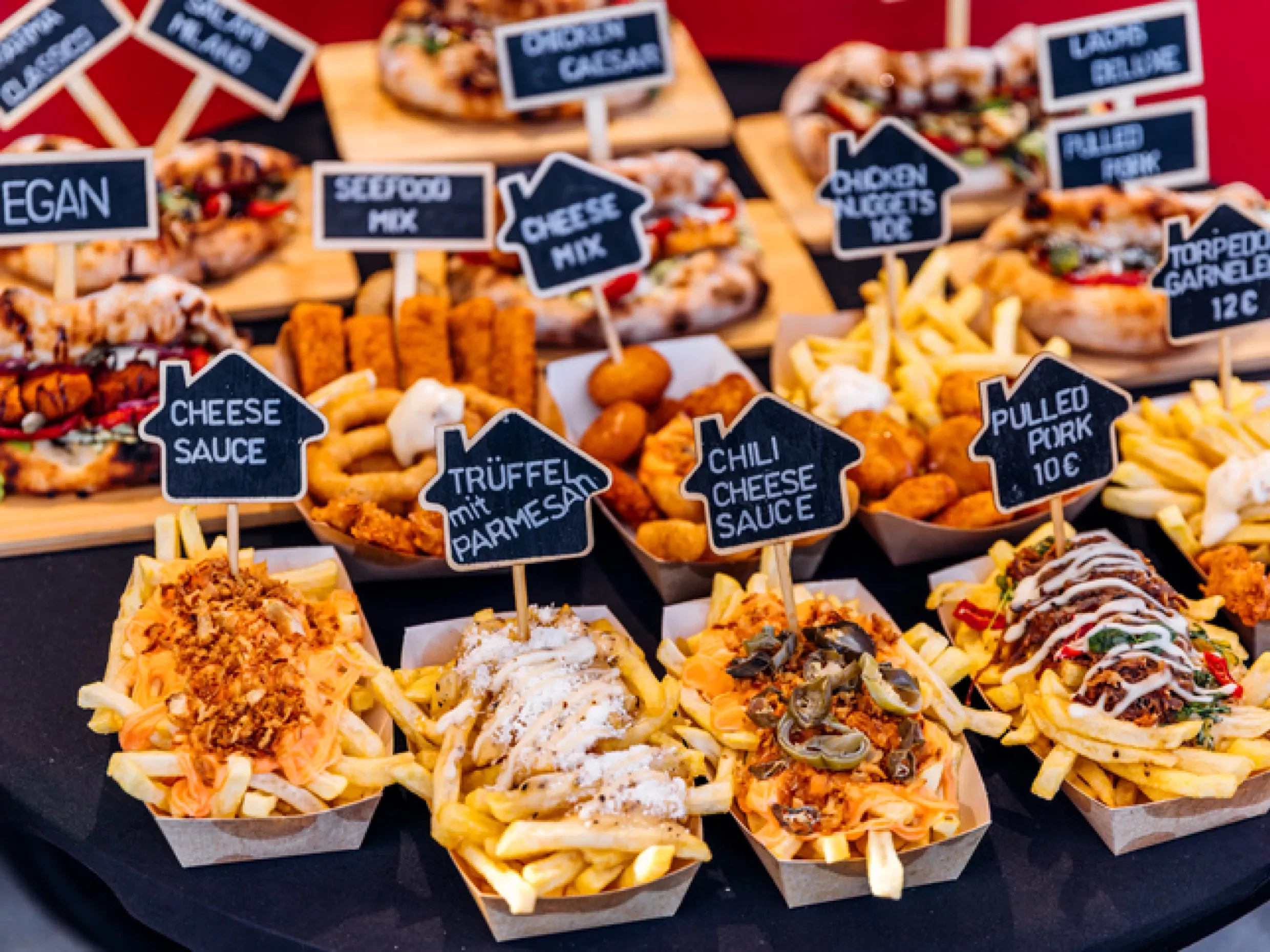
There are thousands of food festivals every year around the world, and while they all share a love of great food and drink, each reveals something special about the communities behind them. From beer-fuelled spectacles to harvest traditions and culinary prestige, these festivals show how ancient ideas of celebration have been adapted for modern audiences.
Beer, Public Celebrations & Spectacle
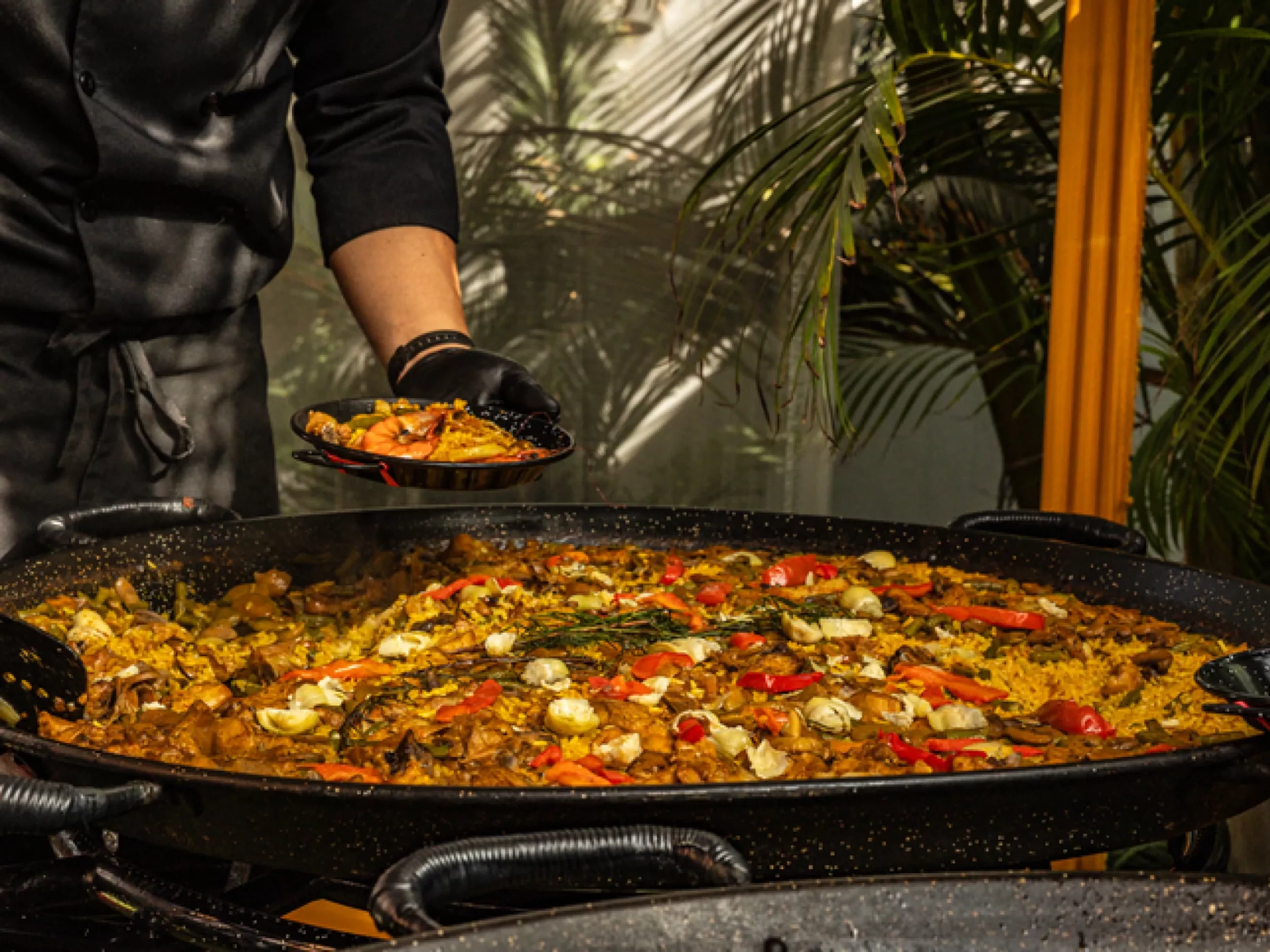
Among the most iconic food festivals are those centred around beer and brewing tradition. Perhaps the most famous of these is Munich’s Oktoberfest (claimed by the city of Munich as the world’s largest folk festival), held at the Theresienwiese from mid-September to the start of October. It began in 1810 to celebrate the wedding of Crown Prince Ludwig and Therese of Saxe-Hildburghausen, and now draws visitors from all over the world to its beer tents, fairground rides and Bavarian food.
In Dublin, St Patrick’s Festival takes place around mid-March, combining parades, music, performances and Irish food and drink. Belgium’s Belgian Beer Weekend transforms Brussels’ Grand-Place into an open-air tasting room each September, with more than fifty breweries showcasing hundreds of Belgian beers.
Regional Produce & Religious Festivals
Some festivals focus directly on local food and unique regional dishes. Italy’s sagre are village festivals (around 20,000 every year) dedicated to local ingredients or dishes, from onions and chestnuts to beef and pasta, usually held when they’re at their seasonal best. In Piedmont, the Alba White Truffle Fair fills the town with markets, tastings and chef events on autumn weekends. Galway in Ireland hosts the International Oyster and Seafood Festival which takes place each September, celebrating Galway Bay’s oyster harvest with tastings, music and competitions.
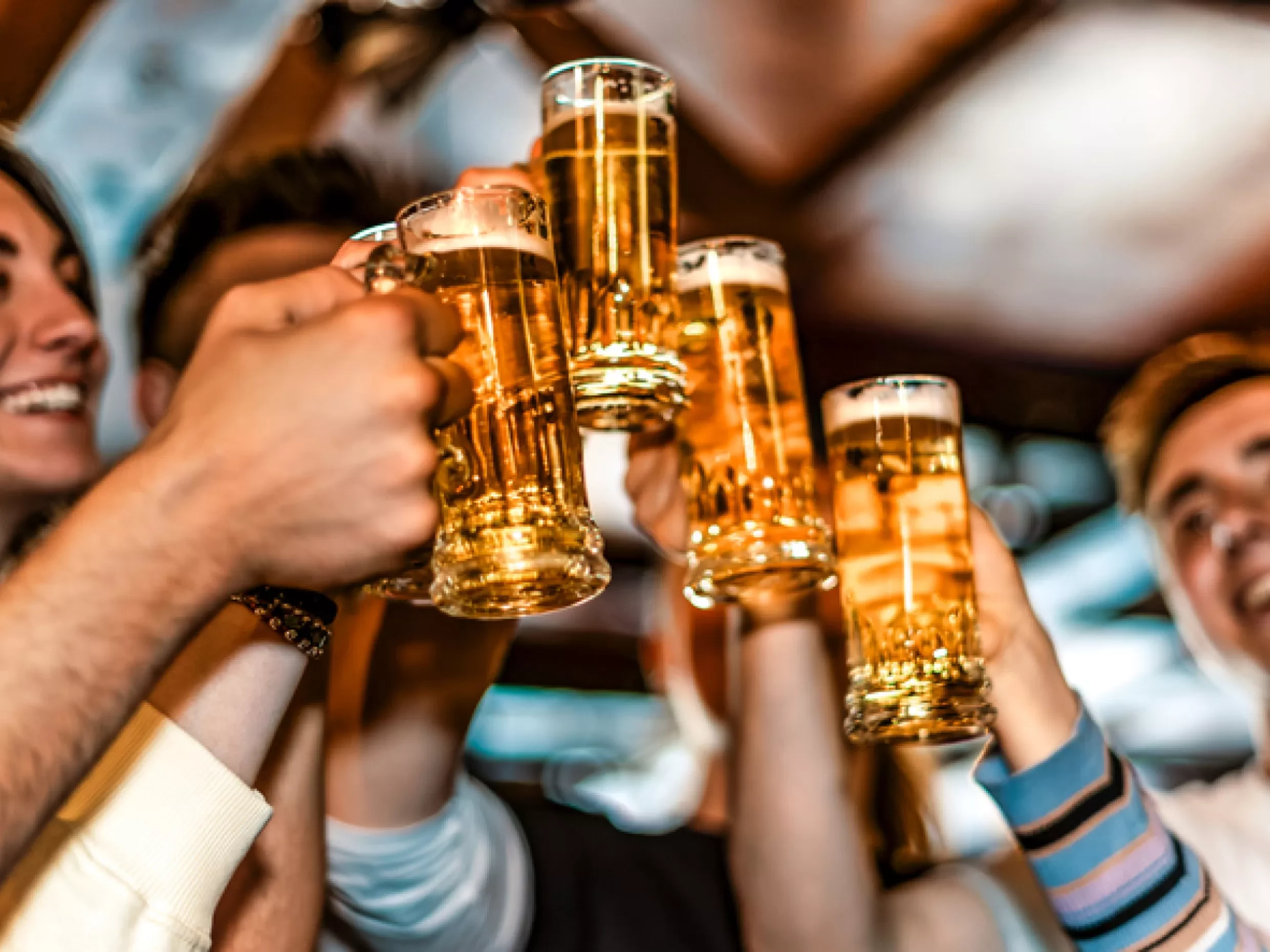
There are also many food events linked to religious festivals. Japan’s matsuri bring temple, shrine and secular celebrations to life with stalls serving takoyaki, yakisoba and taiyaki. In Lucban, the Philippines, the Pahiyas Festival honours San Isidro Labrador with houses decorated in produce and colourful rice wafers. The Hindu festival of Diwali is marked by homemade sweets, while the Muslim celebration of Eid al-Fitr follows Ramadan with family feasts and treats such as baklava, kahk and sheer khurma.
Culinary Prestige
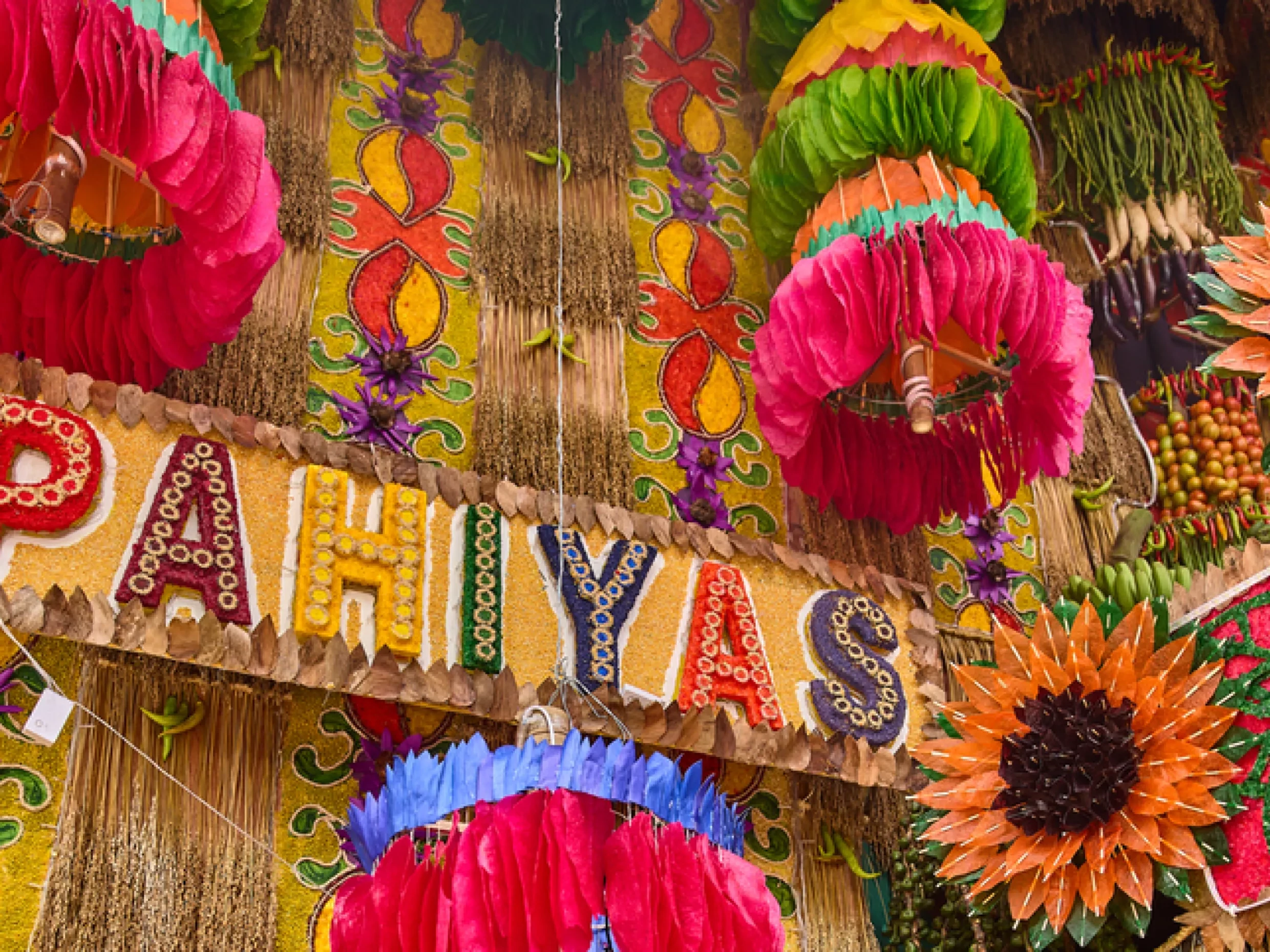
Some food festivals focus on ideas - who is shaping the future of cooking, and how gastronomy is presented to the public. They bring chefs, journalists, producers and food lovers together to discuss technique, creativity, technology and changing tastes.
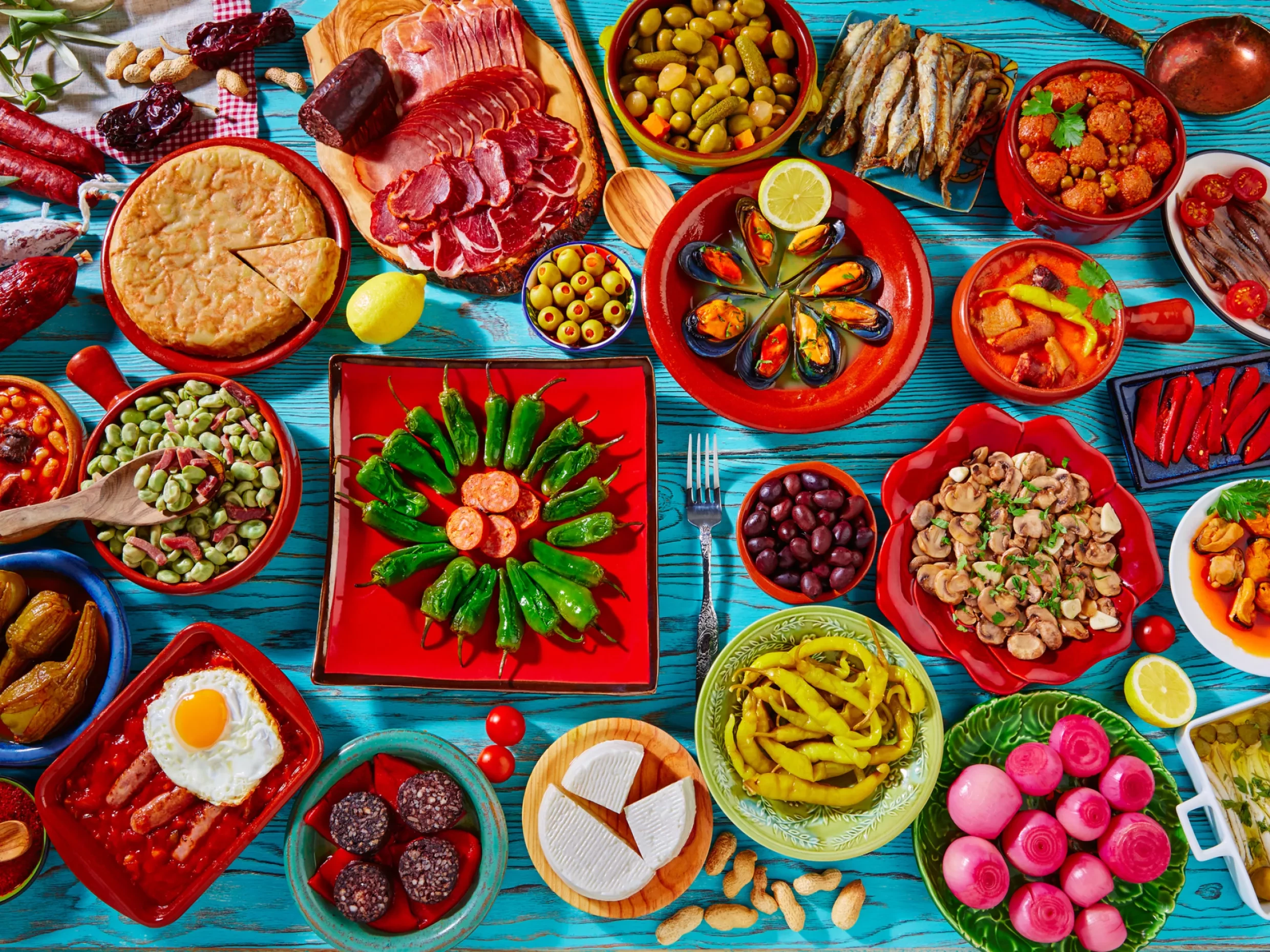
San Sebastián Gastronomika, held each October in Spain’s Basque Country, combines chef demonstrations, tastings, competitions and talks. Madrid Fusión spotlights innovation and global trends, while Milan’s Identità Golose, founded in 2005, focuses on contemporary auteur cuisine (chefs who treat food as art, or create dishes that showcase their personal stories or vision) through lectures, demonstrations and tastings.
These festivals turn a city’s food scene into a cultural calling card, attracting visitors while celebrating the restaurants, producers, markets and communities that shape local areas. More recently, they show how food can become a key driver of destination marketing.
Taste of Chicago, held each summer in Grant Park, showcases the city’s wide range of restaurants alongside music and entertainment. Melbourne Food & Wine Festival, staged across Melbourne and regional Victoria each March, promotes Australia’s chefs, wines and produce. Singapore Food Festival, launched in 1994, presents hawker classics, heritage dishes and contemporary cuisine to locals and international visitors.
Playful Excess
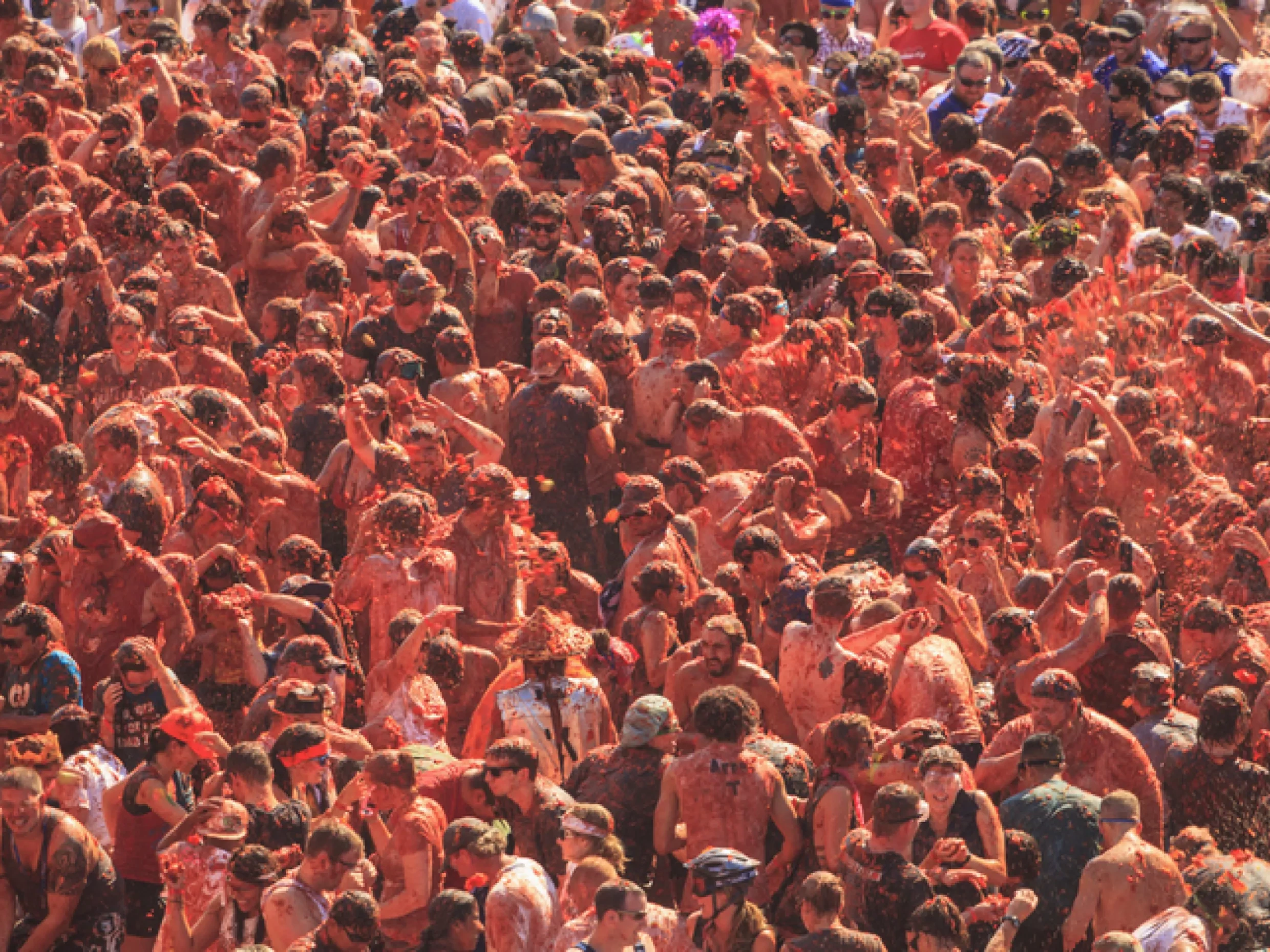
Some festivals turn food into performance, becoming a major spectacle to attract crowds and showcase themselves as global tourist events. In the Spanish town of Buñol, La Tomatina turns over 100 tonnes of very ripe tomatoes into an exuberant street battle featuring over 20,000 people on the last Wednesday of August. Oaxaca’s Night of the Radishes (Noche de Rábanos), held on 23 December in Mexico, grew from market traders carving radishes to attract Christmas shoppers. In the French Riviera town of Menton, the Fête du Citron transforms lemons and oranges into enormous sculptures and elaborate parade floats, attracting more than 250,000 visitors during the celebrations each February.
Harvest & Rural Heritage
These festivals return food to its agricultural roots, celebrating the landscapes and seasons behind familiar ingredients. Pennsylvania’s National Apple Harvest Festival, held over two October weekends in Biglerville, combines orchard produce with food, crafts and demonstrations. Canada’s Elmira Maple Syrup Festival, held each spring, celebrates the annual sap run with sugar-shack visits, tastings and family activities. In Mendoza, Argentina, the March Fiesta Nacional de la Vendimia honours the grape harvest with parades, music and of course, wine!