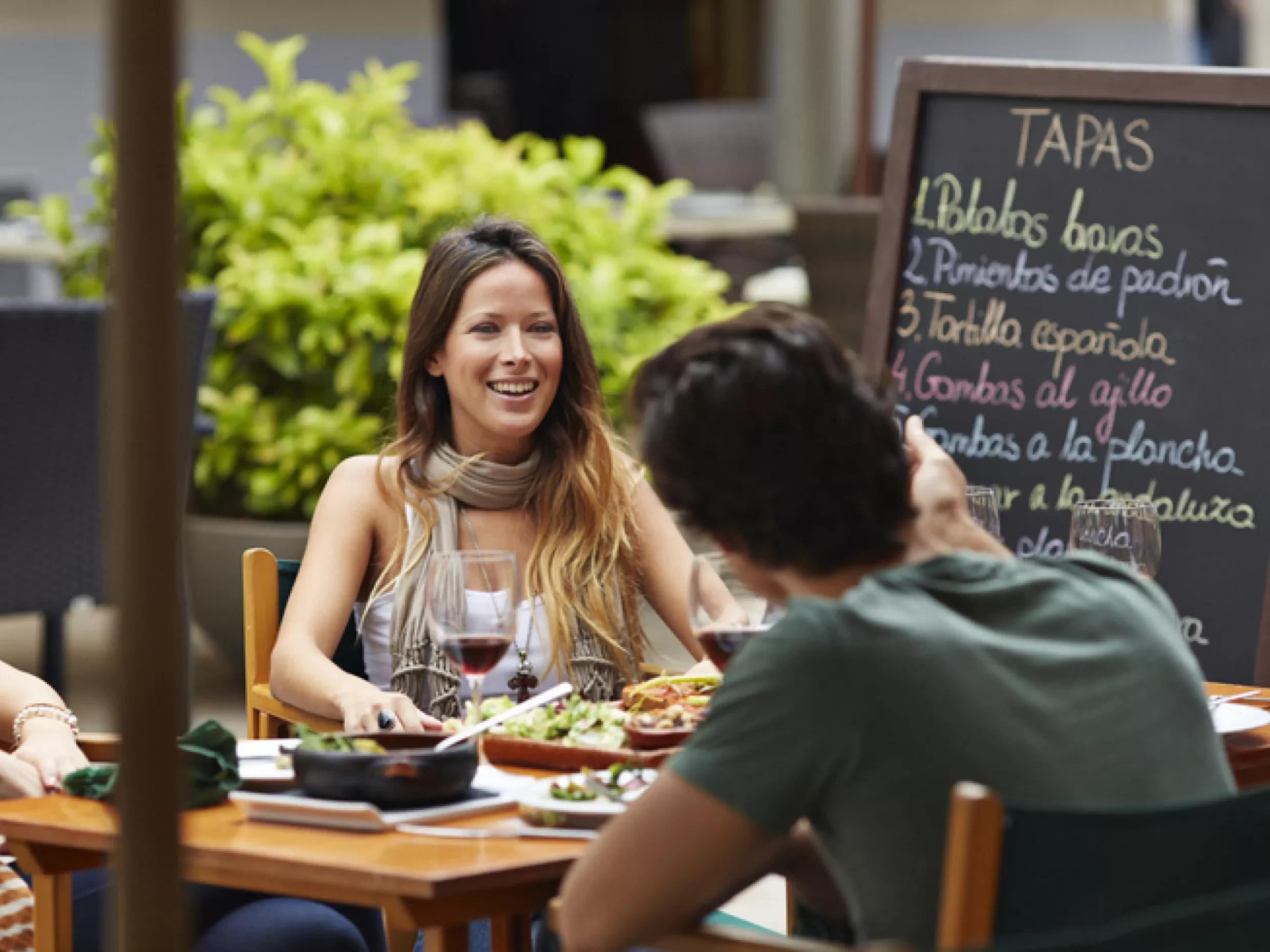






Spain's answer to picky bits (sort of), tapas may be small in size, but they're big on history, and they're one of the cornerstones of Spanish food culture. But how did these modest plates, as familiar in rural taverns as they are in bustling city bars, become one of the world's most beloved dining traditions?
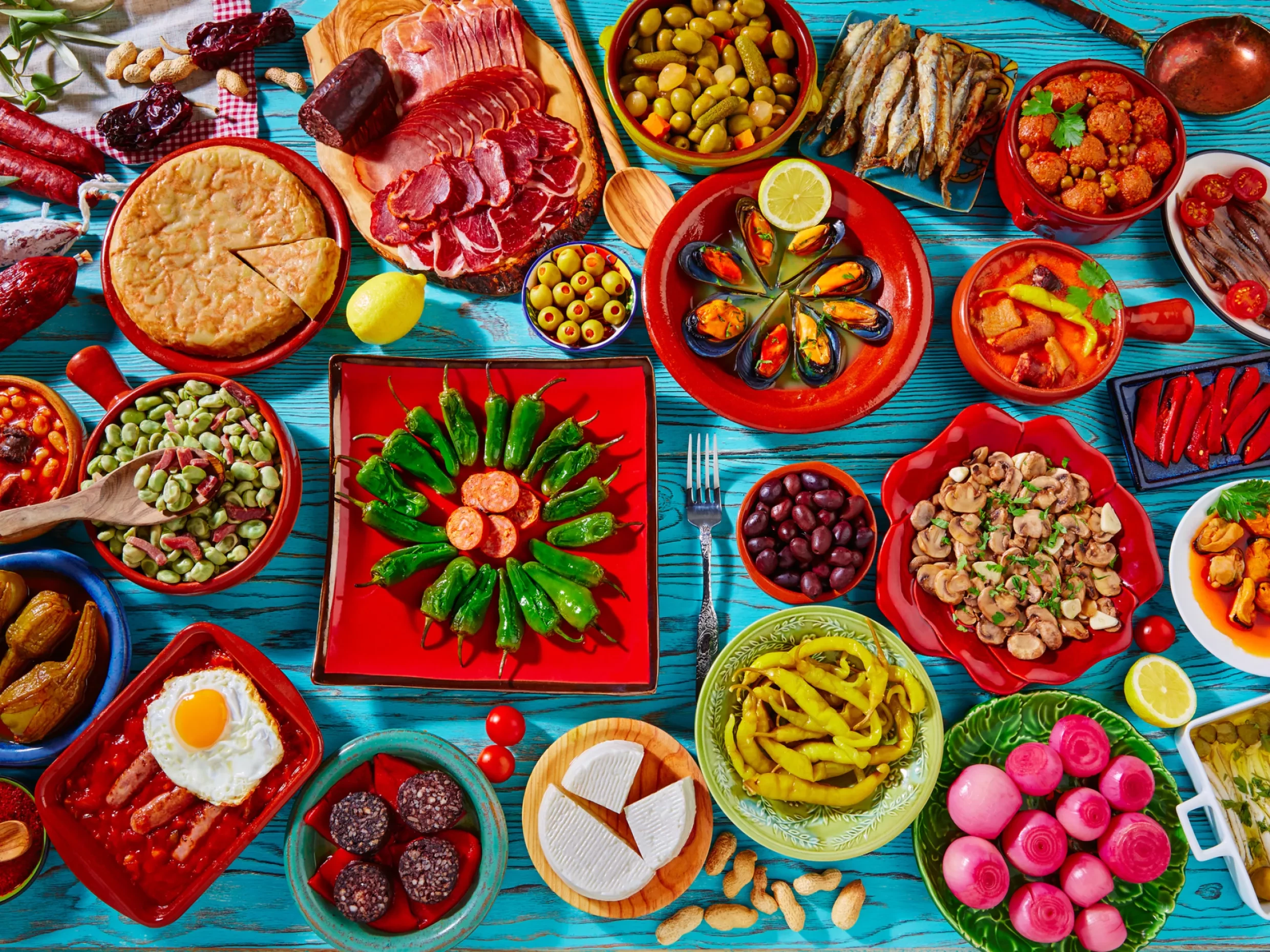
The Questionable Origins of Tapas…
No-one can quite agree on the origins of tapas, and there are several tales competing for the crown.
The earliest version of the story supposedly originates in the thirteenth century, where King Alfonso X of Castile, recovering from an illness, was prescribed small bites of food with his wine to get him back to health. It was said he enjoyed this way of eating so much that he decreed no tavern could serve wine without the accompaniment of small plates of food. However this tall tale may be little more than folklore.
Fast-forward to the early twentieth century, and a more modern version of the story is that King Alfonso XIII was visiting a tavern in the Atlantic coastal city of Cádiz in southwest Spain and ordered a glass of wine. The owner covered the glass with a slice of ham to prevent the beach sand from blowing in, and the king then ordered a second glass con la tapa, which translates to ‘with the cover.’
A similar explanation, albeit without the royal angle, is that Andalusian bartenders would serve sherry with a slice of ham or chorizo, or a saucer of olives or cheese on top to keep fruit flies out of the liquid. It was also true that the meat was salty, which may have encouraged more drinking. Similar in a way to British pubs serving nuts and crisps.
Another theory is that in seventeenth and eighteenth century Spain, innkeepers offered rooms and food for travellers, but few could read menus, so they were offered small samples of the food on a tapa, or pot cover.
Whether from a royal decree, practical necessity, or ingenious barkeeping, these modest accompaniments evolved into a national - and eventually global - feast.
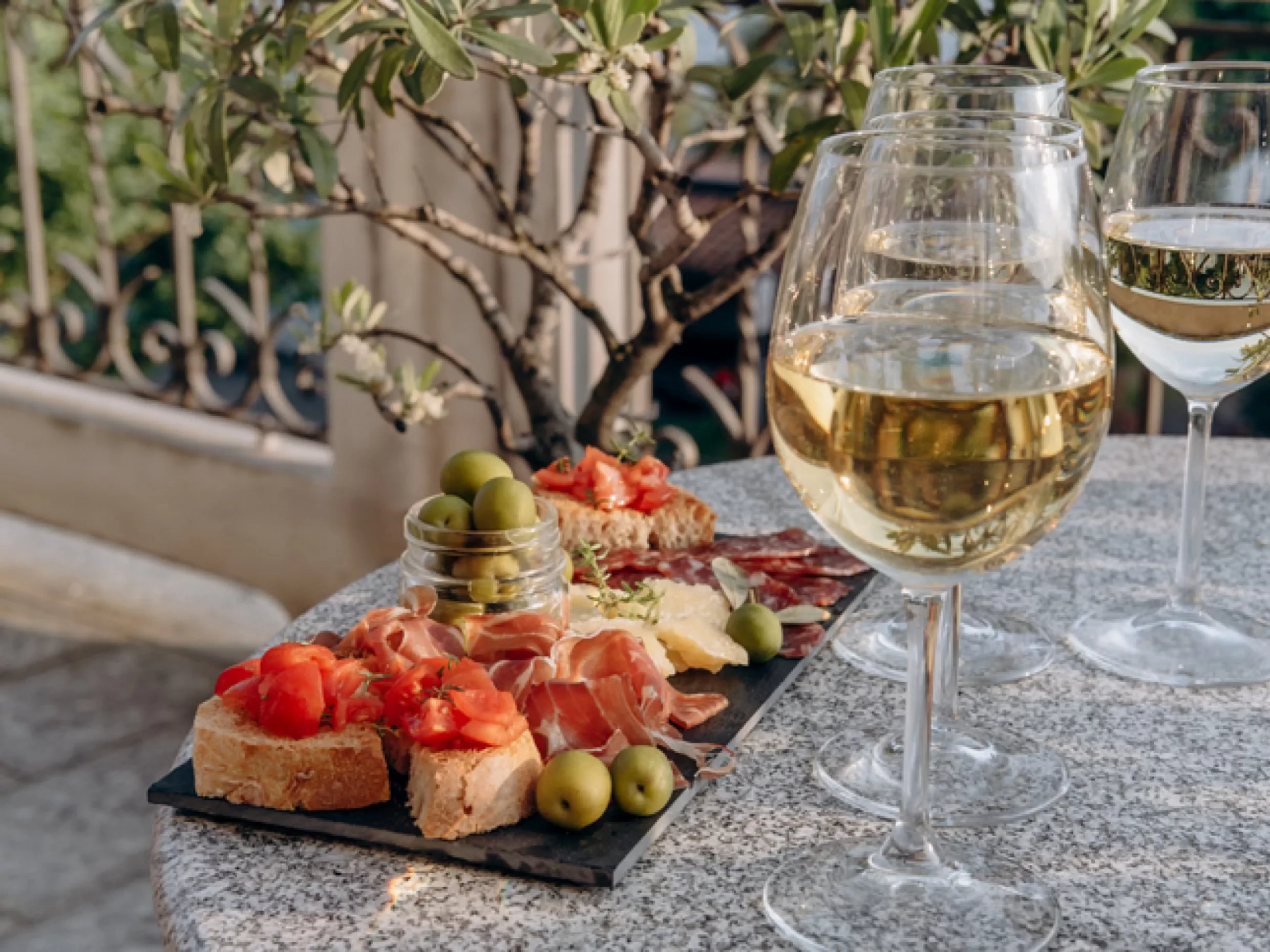
From Tavern Trick to National Tradition
What may have begun as a practical gesture or a bit of clever marketing quickly became a delicious part of Spanish daily life. It’s possible, although by no means certain, that tapas actually originated in Andalusia in southern Spain - although many other Spanish regions will have some say on that particular point. Tapas became a great way to pace drinking and stave off hunger without the need for a big, heavy meal.
Sometime around the start of the twentieth century, the custom had spread beyond royal courts and coastal inns. Bars in Seville, Madrid and Granada began serving more elaborate dishes and it became less of a way to keep flies out of drinks and more of an established idea. As people moved around the country to live and work, and the inexpensive bar culture began to flourish, so too did the reach of tapas.
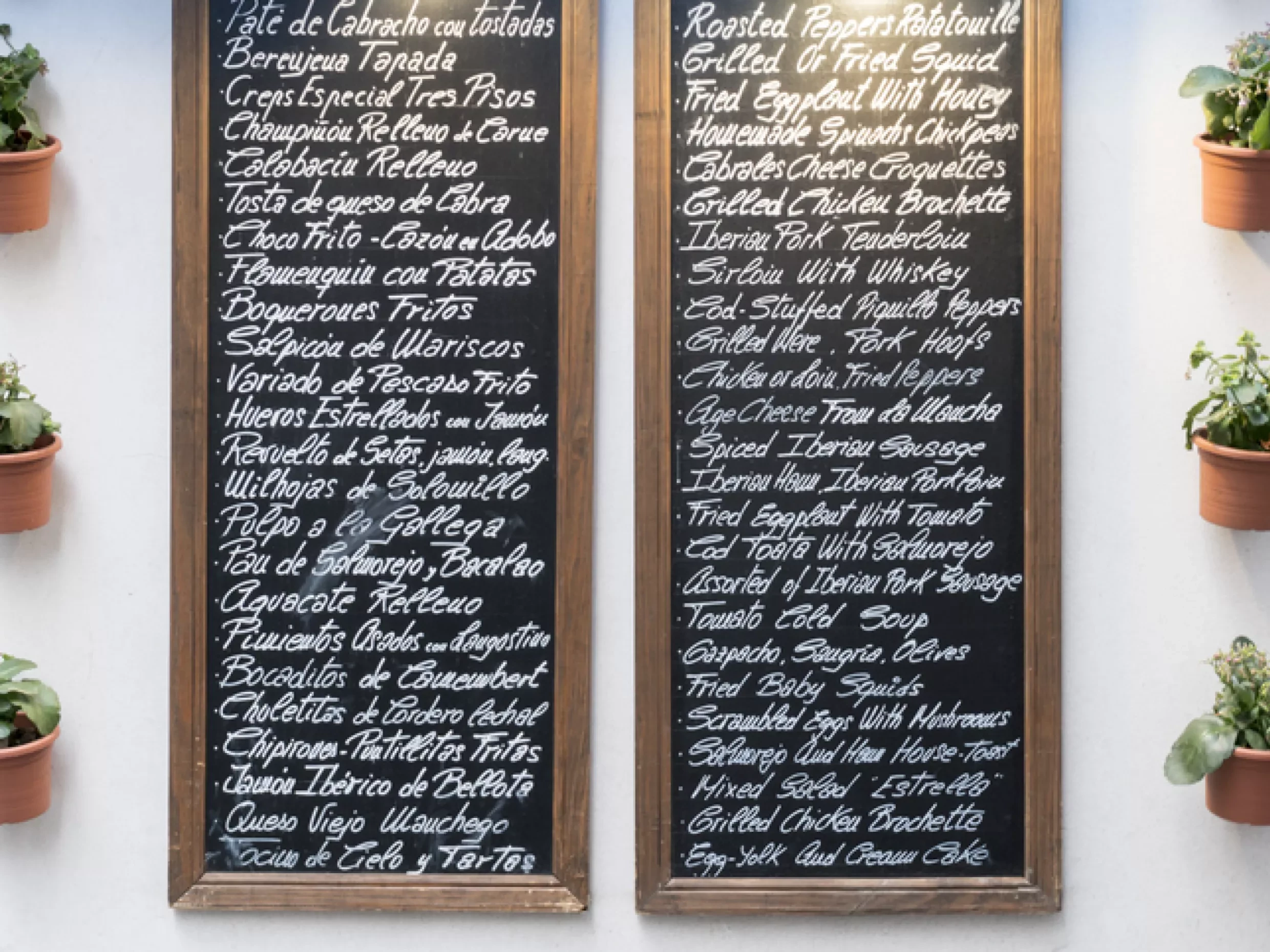
Regional Flavours
Tapas may be a national tradition, but their true character is regional. In Spain, geography, climate, and local ingredients have given each area its own tapa identity and selection.
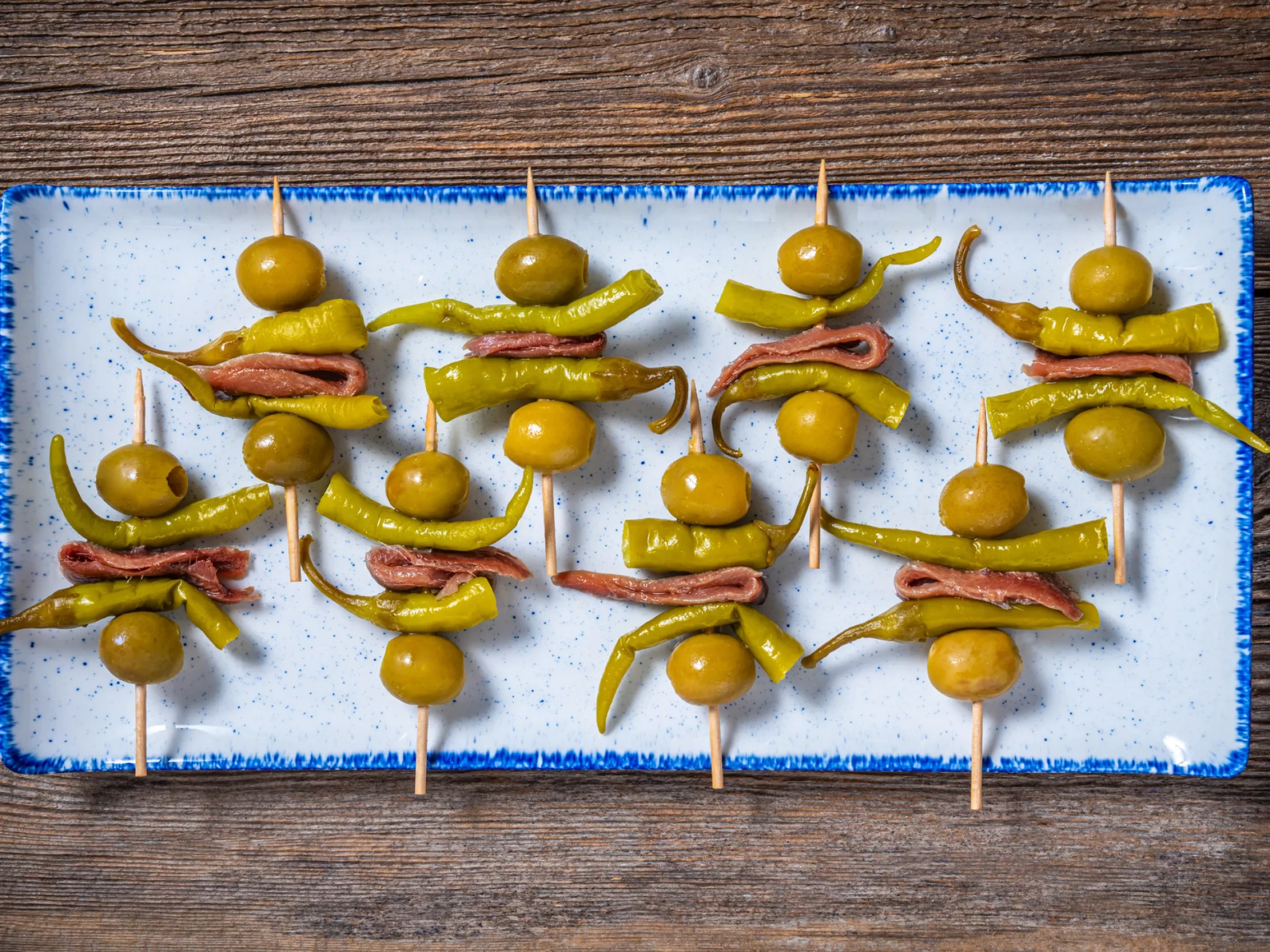
In the Basque Country, tapas take the form of pintxos - bite-sized snacks on small plates, or traditionally skewered onto bread with toothpicks, with food such as hake, cod, anchovies, croquettes, and peppers. The most famous pintxo of all is the Gilda, (named, oddly, after the 1946 film of the same name starring Rita Hayworth), and consists of a small skewer with a green Manzanilla olive, a salted Cantabrian anchovy fillet, and a pickled guindilla pepper.
Moving west to Galicia, the cold Atlantic waters are perfect for pulpo a la gallega - tender octopus dusted with paprika and sea salt - and empanada bites filled with tuna or cod.
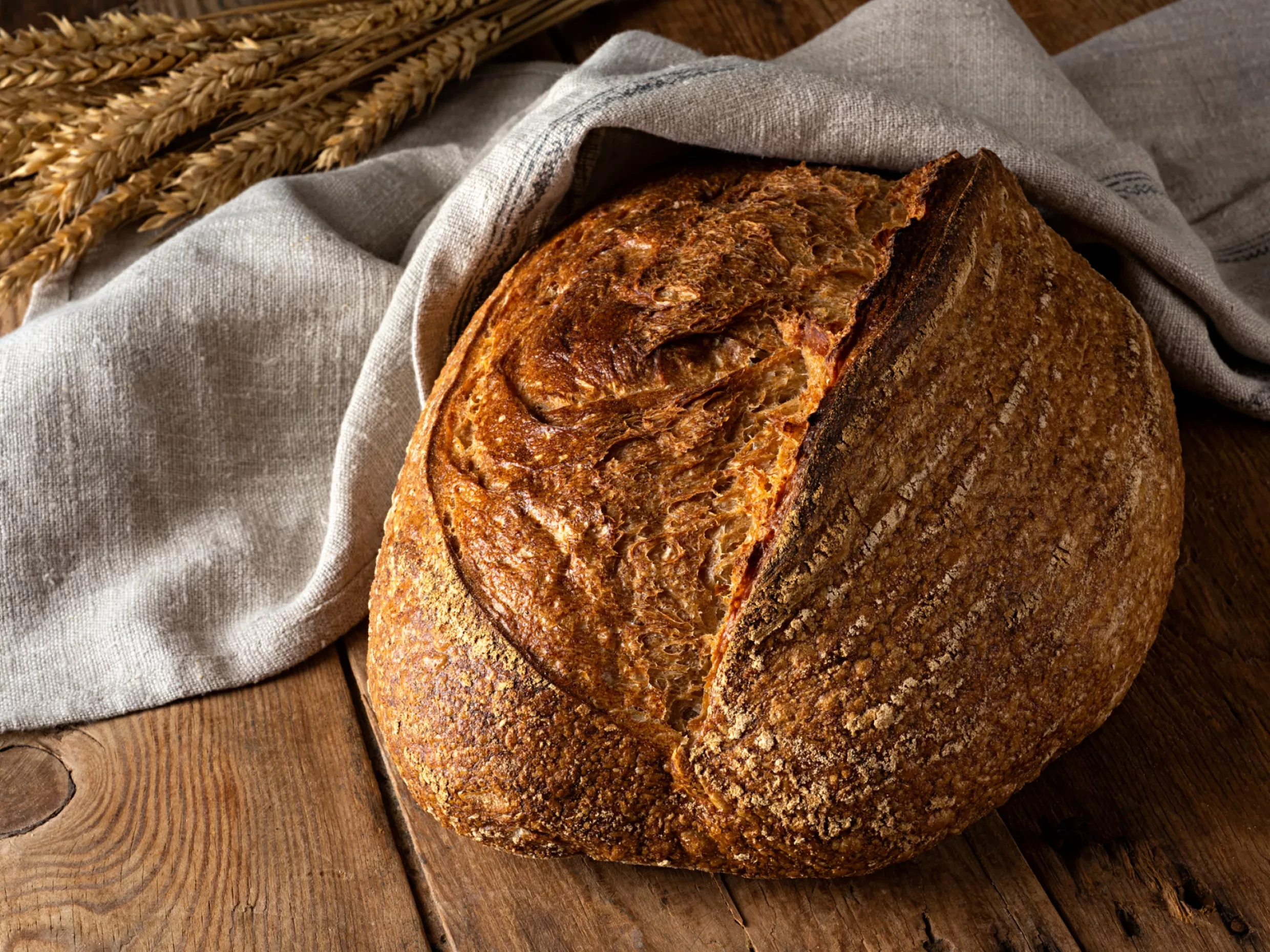
Down the coast in Catalonia, simplicity reigns with pa amb tomàquet - crusty bread with tomato, salt, and olive oil (and sometimes rubbed with garlic) - alongside fresh seafood and smoky escalivada. In Valencia, rice is king, inspiring small plates of paella-style bites and coastal seafood. Meanwhile, Andalusia stays true to its Moorish roots with fried fish (pescaíto frito), and gazpacho shots, and you’ll also find plates of Spanish jamón ibérico, the world-famous ham from Iberian or Iberian-cross pigs.
The regions of Castile and León lean into meat-heavy dishes, including air-dried smoked beef known as Cecina de León, and a spiced blood sausage called Morcilla de León. while Extremadura and the surrounding area offers pork dishes such as torreznos, thick strips of (sometimes marinated), cured and deep-fried pork belly, and wild game.
The Modern Reinvention of Tapas
In recent decades, tapas has moved well beyond the salty barroom basics that helped the beer go down, and into the rarified world of fine dining. Spain’s culinary renaissance, especially from the 1990s onward, helped transform small plates into a space for invention.
World-class chefs including Ferran Adrià, the legendary former chef-patron of elBulli, the pioneers of New Basque Cuisine (Nueva Cocina Vasca) Juan Mari Arzak and Pedro Subijana, catalan chef Carme Ruscalleda, and brothers Joan, Jordi and Josep Roca, owners of three-Michelin star El Celler de Can Roca, began treating tapa as a miniature expression of technique, texture, and imagination.
That shift brought a new kind of prestige to the tapas tradition. In cities like Barcelona, Madrid, and San Sebastián, tapas bars began blending classic flavours with contemporary ideas, from refined seafood bites to new interpretations of old favourites.
Just as importantly, tapas adapted to changing tastes. Vegetarian, vegan, and gluten-free versions emerged, alongside a focus on sourcing high-quality local produce. What had once been a modest snack became a canvas for modern Spanish cooking.
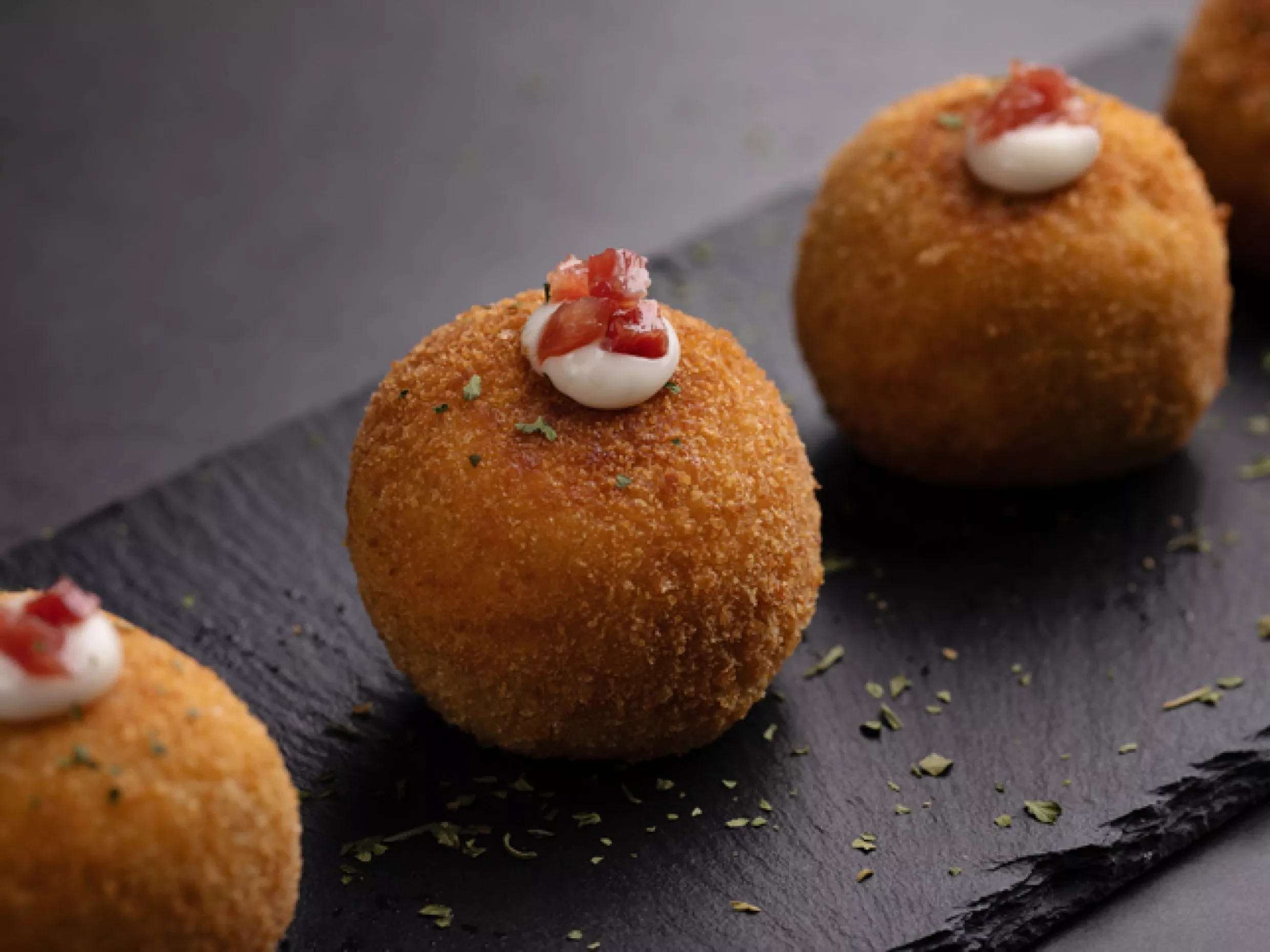
Tapas Around the World: How Small Plates Conquered the World
As Spanish tourism boomed, visitors returned home with more than just sunburn and straw donkeys. They also brought back a taste for tapas. What began as a niche but fun curiosity snowballed into a global phenomenon, with tapas bars opening all over the world.
The appeal was obvious. Tapas offered a relaxed, social way to eat that was perfect for sharing. Chefs from Sydney to Santiago embraced the idea and adapted it to local tastes and ingredients.
But for all its global success, the essence of tapas has stayed the same, and whether you’re in a centuries-old farmhouse in Seville or an aluminum and glass bar in London, New York or Tokyo, tapas deliver deliciously big flavours in satisfyingly small parcels.