














Tangy, chewy and wonderfully moreish, sourdough might feel like the latest must-bake trend, but its story stretches back thousands of years. From ancient Egypt and Roman kitchens, to medieval bakeries and modern-day smashed avo, naturally leavened bread has travelled a long way. So how did a simple mixture of flour, water and wild yeast become a baking sensation? Let’s find out ahead of Sourdough September.
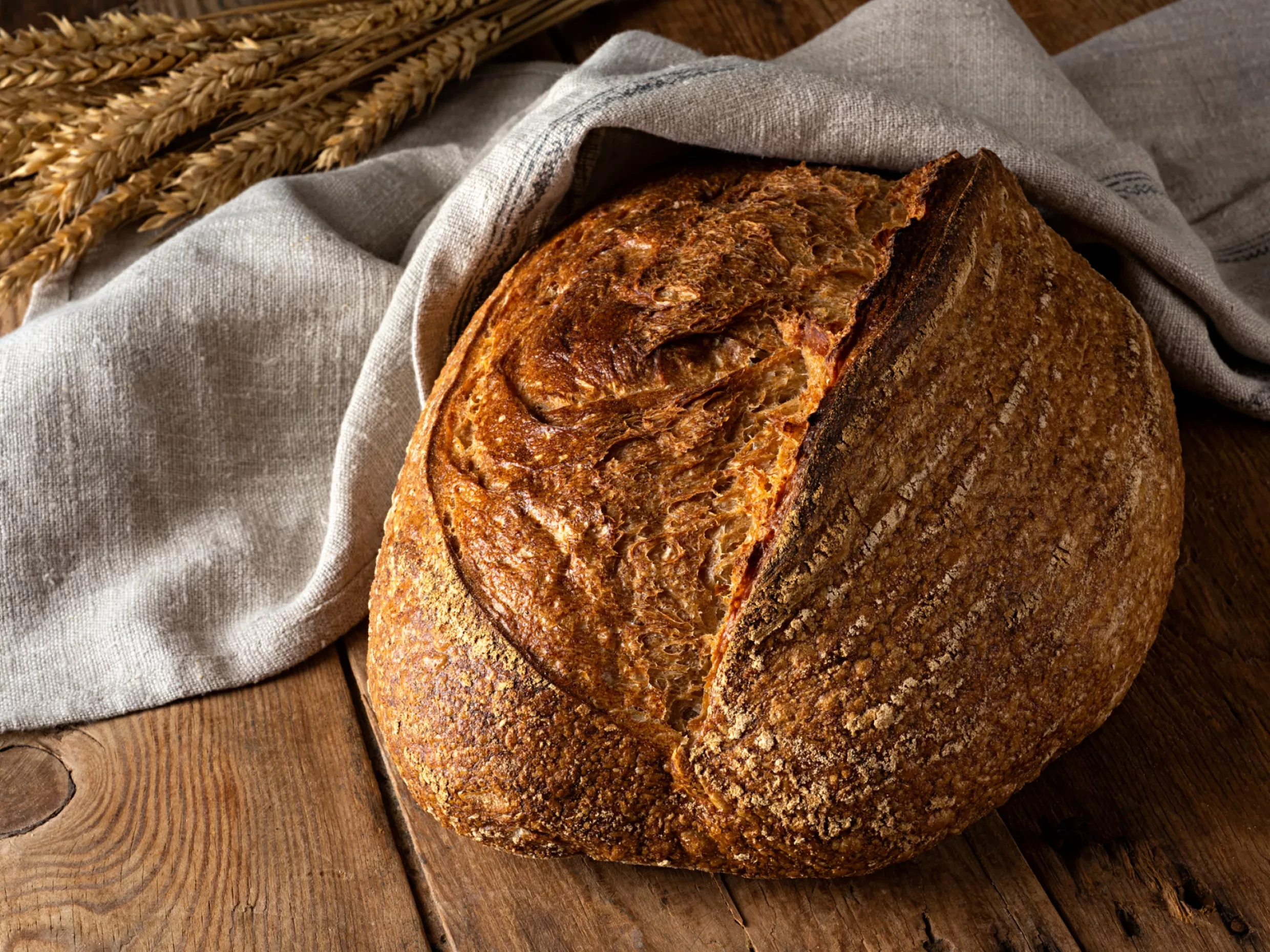
What is Sourdough Bread?
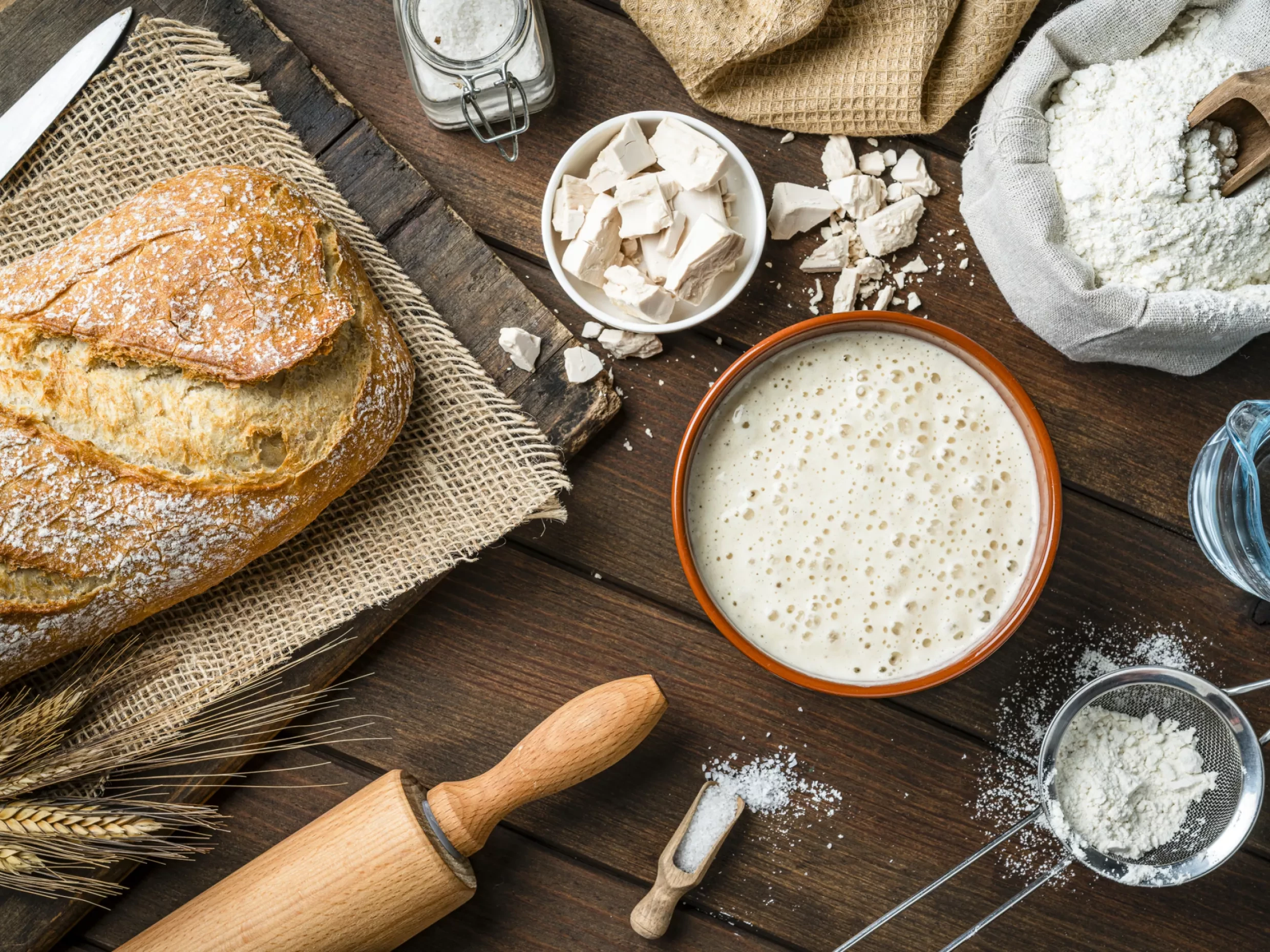
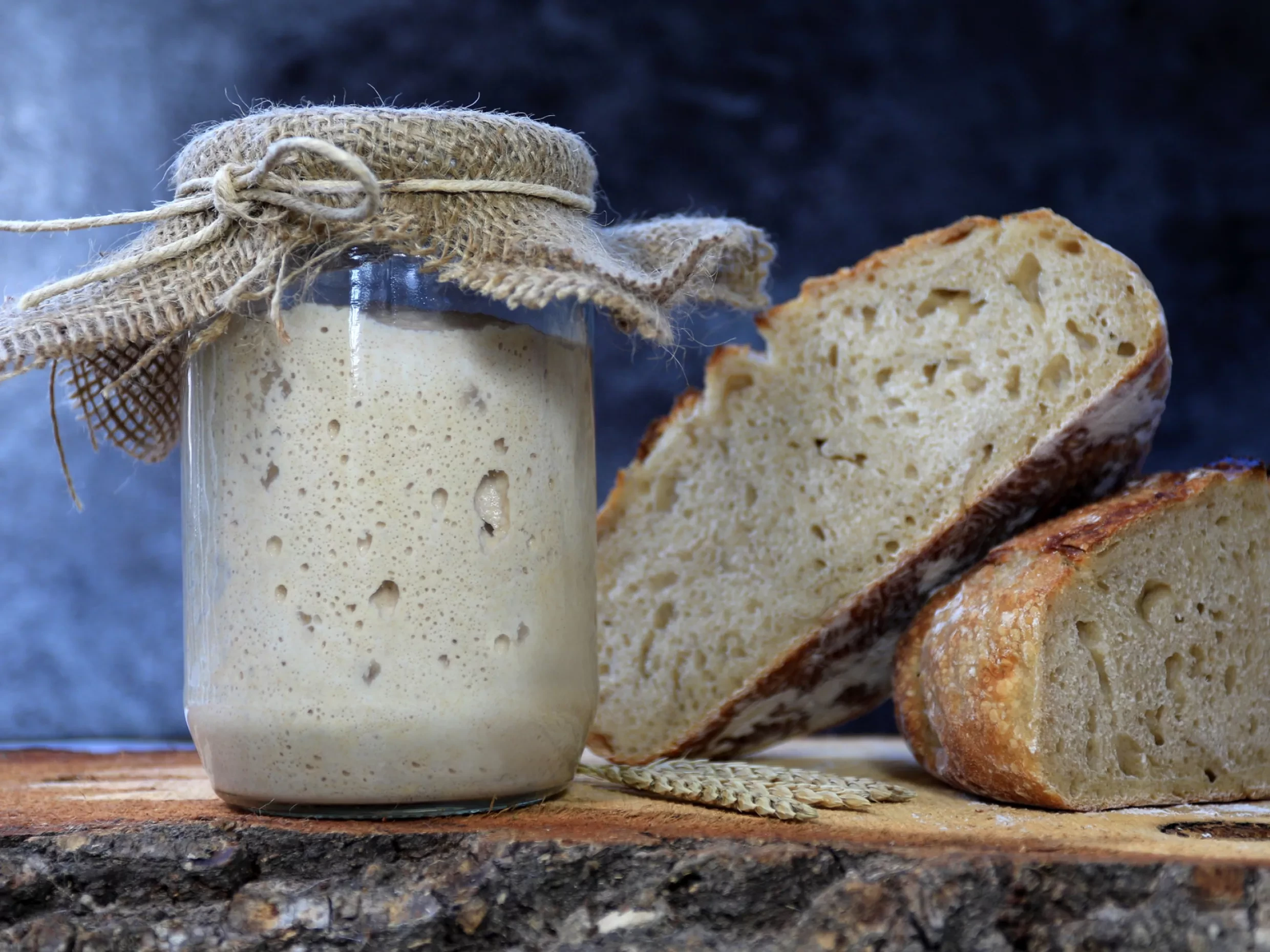
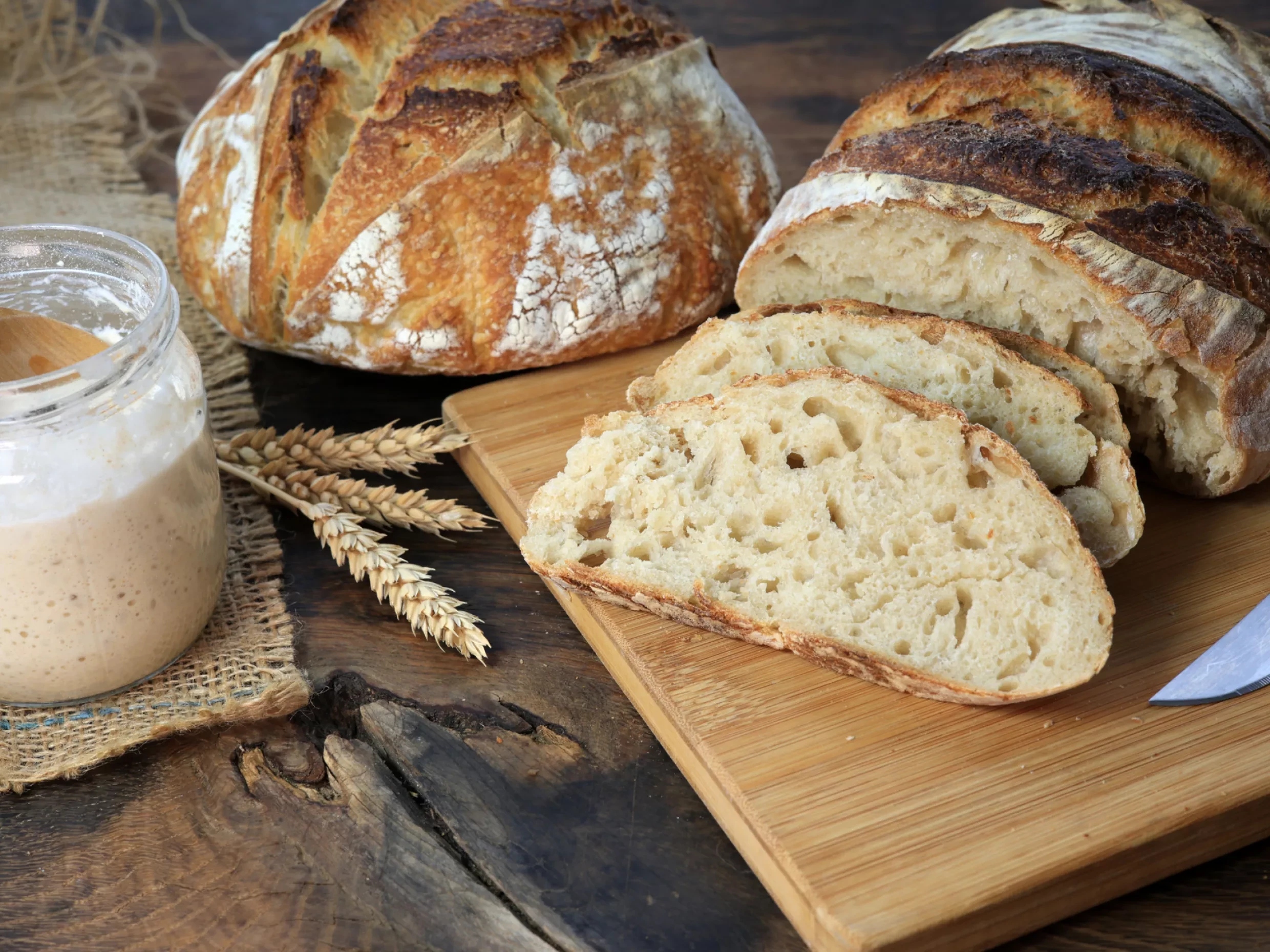
Sourdough is bread traditionally made without commercial yeast. Instead, it rises with a fermented mixture of flour and water called a starter. This living culture contains wild yeast and friendly bacteria, which occur naturally in flour and the surrounding environment. The yeast produces carbon dioxide, helping the dough rise, while the bacteria create the mild tangy flavour associated with sourdough.
To make the bread, bakers first feed the starter with fresh flour and water until it becomes bubbly and active. They then mix with more flour, water and salt to create a dough. After kneading or folding, the dough is left to ferment for several hours. It’s shaped, given time to rise again and finally baked in a hot oven. The result is a loaf with a crisp crust, chewy texture and distinctive flavour.
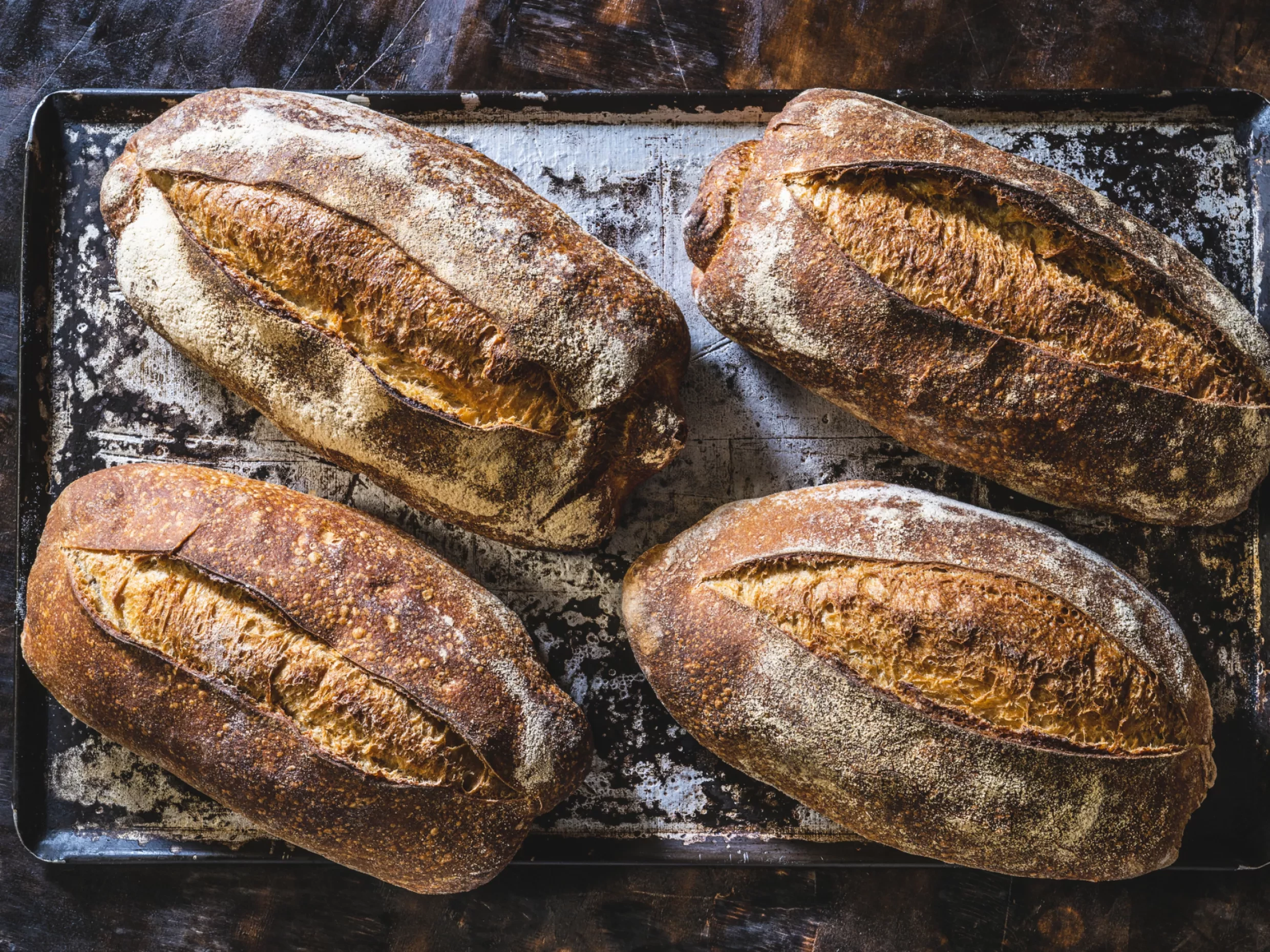
Sourdough - Lucky Accident or Trial & Error?
Long before anyone measured flour or fed a starter, early farmers were learning what grain could do. In the Fertile Crescent (a crescent-shaped area of the Middle East) where people first cultivated wheat and other cereals, grain was ground into flour, mixed with water and shaped into simple flatbreads. But leave that mixture sitting in the warmth and nature would begin to work its magic. Wild yeasts in the flour and air produced tiny bubbles of carbon dioxide, while friendly bacteria created acids that gave the dough a distinctive tang.
No one knows whether sourdough began with a happy accident or a long process of trial and error. Perhaps an ancient baker left a mixture of flour and water sitting for too long, then discovered that the bubbly, sour-smelling paste made a lighter loaf. Whatever happened, the rise of agriculture gave communities at the dawn of human civilisation plenty of grain to grind, ferment and bake.
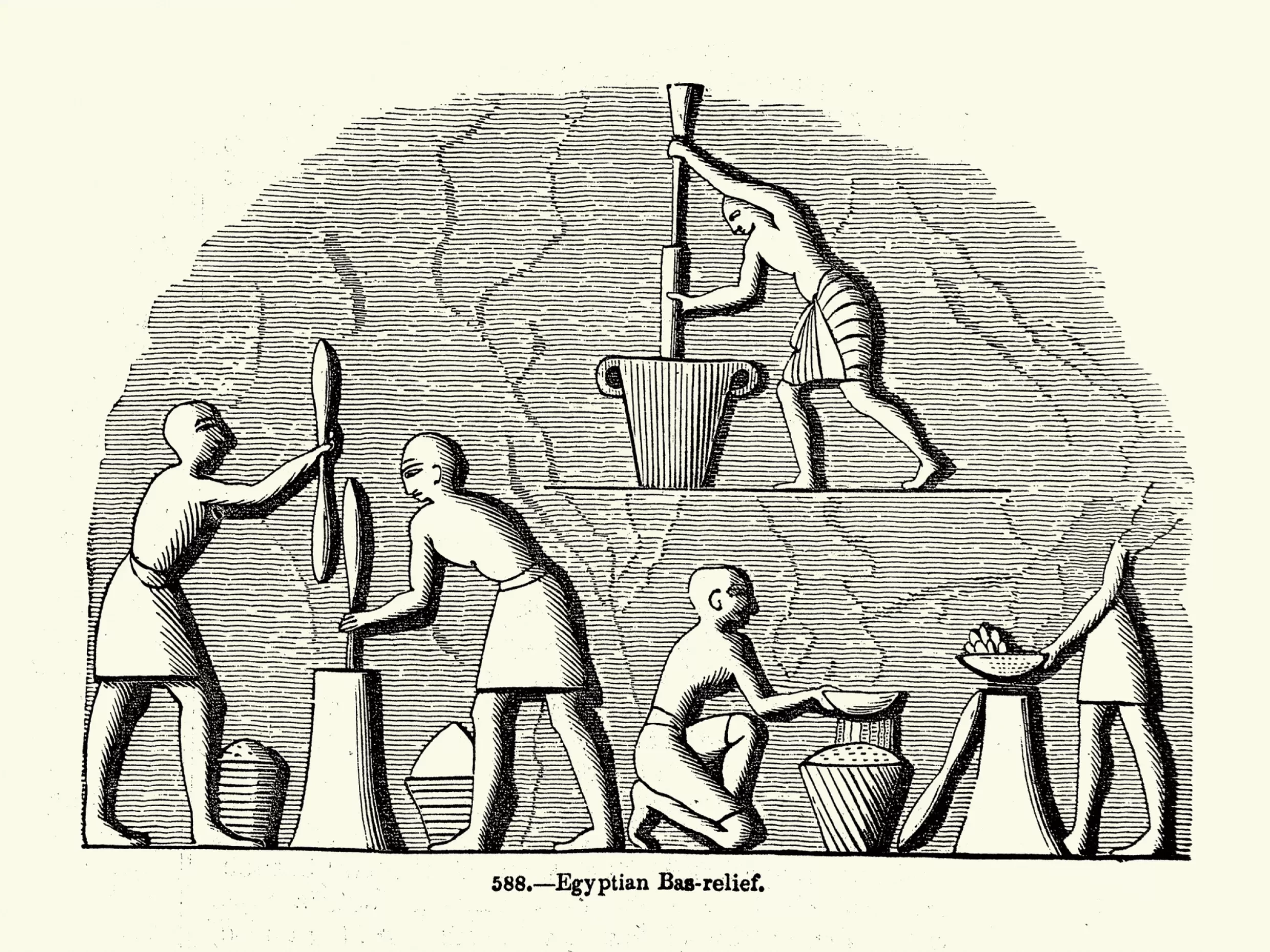
Ancient Egypt and the Rise of Leavened Bread
By at least the Old Kingdom, around the mid-third millennium BC, Egyptian bakers were making leavened bread, and the craft became increasingly sophisticated over the next few centuries. Egyptian bakers learned that some of the fermented dough could be carried over and added to the next batch, giving their loaves a lift, and this way of making bread became a staple of everyday life, feeding everyone from peasants to pharaohs. It was these techniques that soon travelled around the Mediterranean.
Greece & Rome
As word and trade connected the Mediterranean with the Middle East, breadmaking knowledge travelled with merchants, migrants and armies. Greek bakers used similar fermented dough methods to those of the Fertile Crescent, but the Romans took baking to another level. By the first century BC, professional bakeries were a familiar feature of Roman towns, baking bread for busy urban populations.
Naturally fermented dough remained an important leavening method, although bakers also used yeast from fermenting beer. Bread was so central to Roman life that public grain supplies became a powerful political tool, and good bread was a sign of a well-run city.
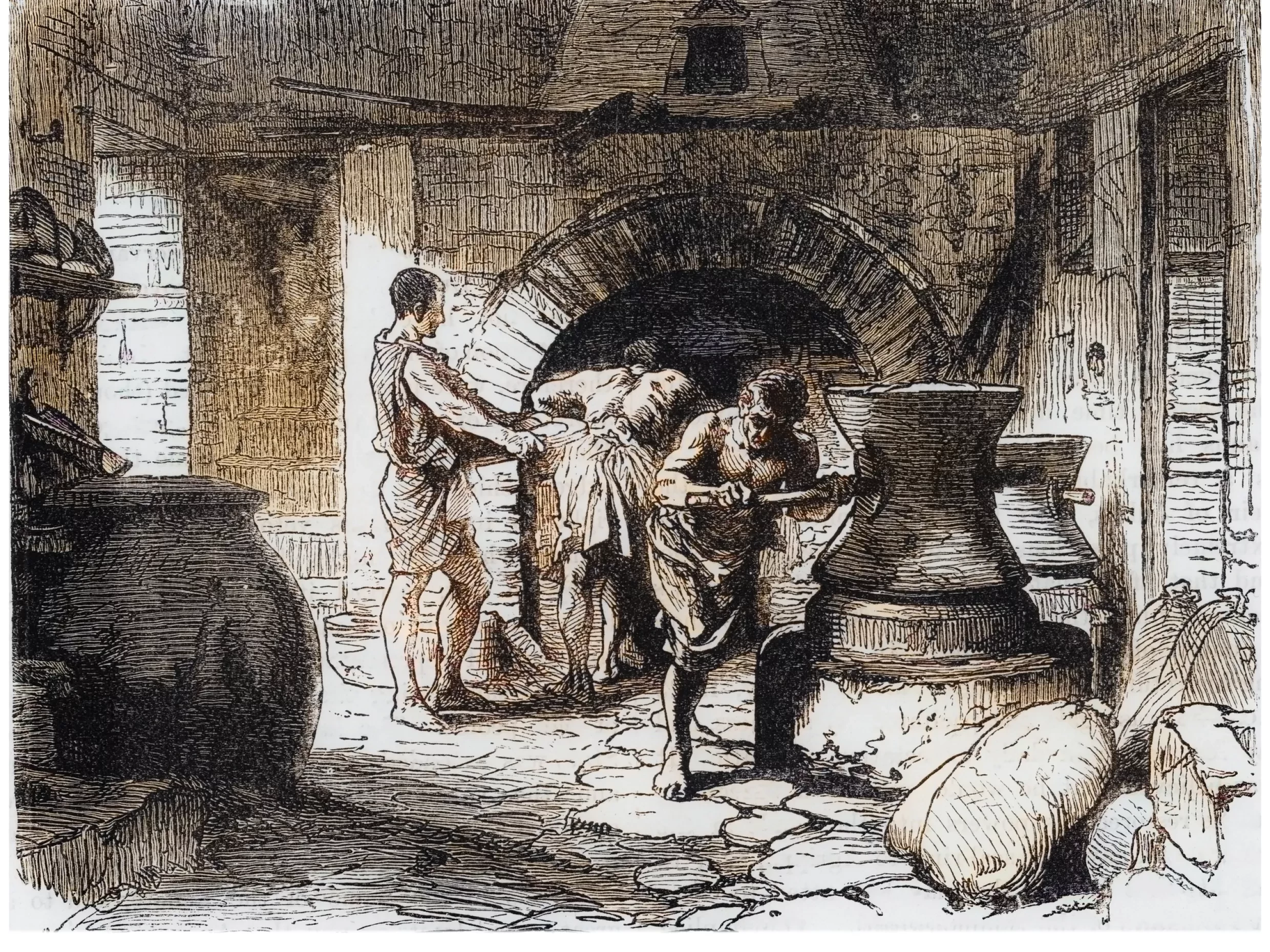
The Middle Ages
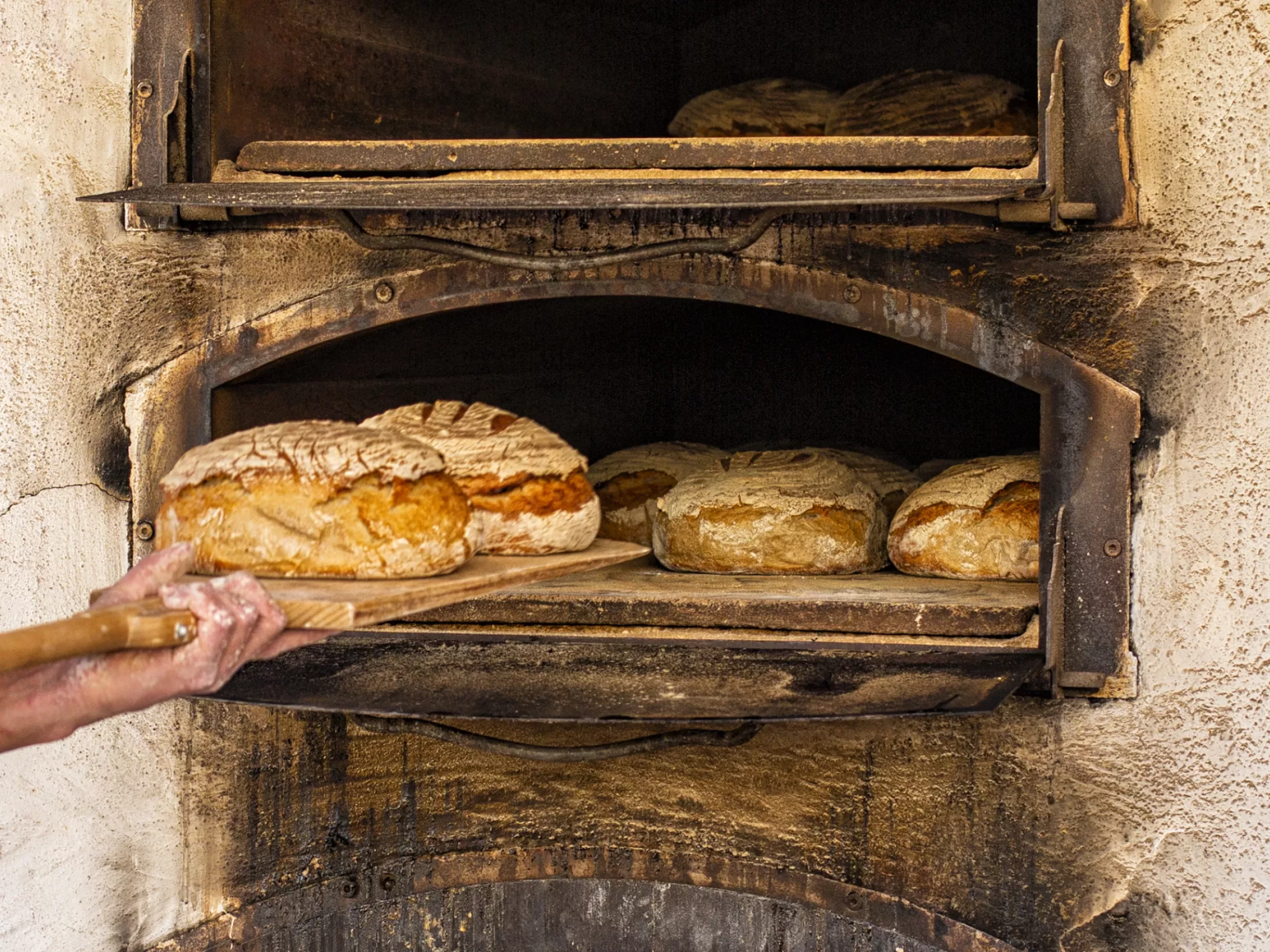
In medieval Europe, sourdough (although it wasn’t called that yet) was part of everyday life. However, very few homes had ovens so families would take their prepared dough to communal ovens, where the town’s baker or a local official would control the heat and timing.
At the same time, monasteries became important centres of food production, growing grain, brewing ale and baking bread for religious communities, travellers and people in need. Fermented dough remained a familiar way to make risen loaves, although bakers also used yeast-rich barm from brewing. It was during this time that distinct regional varieties of sourdough began to develop.
Baking Bread With Barm
Bakers had used fermented dough for centuries, but brewing offered another source of yeast. In the first century AD, Roman statesman and author Pliny the Elder recorded that bakers in Gaul and Spain used the yeast-rich foam produced during beer fermentation to leaven bread. And indeed, brewer’s yeast continued to be used as a source of leaven throughout medieval Europe.
As brewing expanded across medieval and early modern Europe, bakers collected this by-product and added it to their dough. Barm, as it became known, often worked more quickly than a sourdough culture and could create a lighter, less tangy bread. Barm-based bread didn’t entirely replace sourdough, but it offered an alternative that was faster, softer and eventually, more consistent.
Commercial Baker’s Yeast and Industrial Bread
By the late nineteenth century, breadmaking was changing as cities grew and bakeries became more mechanised. Manufacturers began producing cultivated baker’s yeast in a more concentrated, dependable form, giving bakers a faster and more predictable way to raise dough than maintaining a sourdough starter.
This new way of baking bread suited industrial production. Loaves could be made on a larger scale, with a milder flavour and a more uniform texture. For busy urban households, this was convenient and, crucially, affordable. Sourdough didn’t disappear, but it increasingly belonged to regional traditions and specialist bakers.
Gold Rush Sourdough
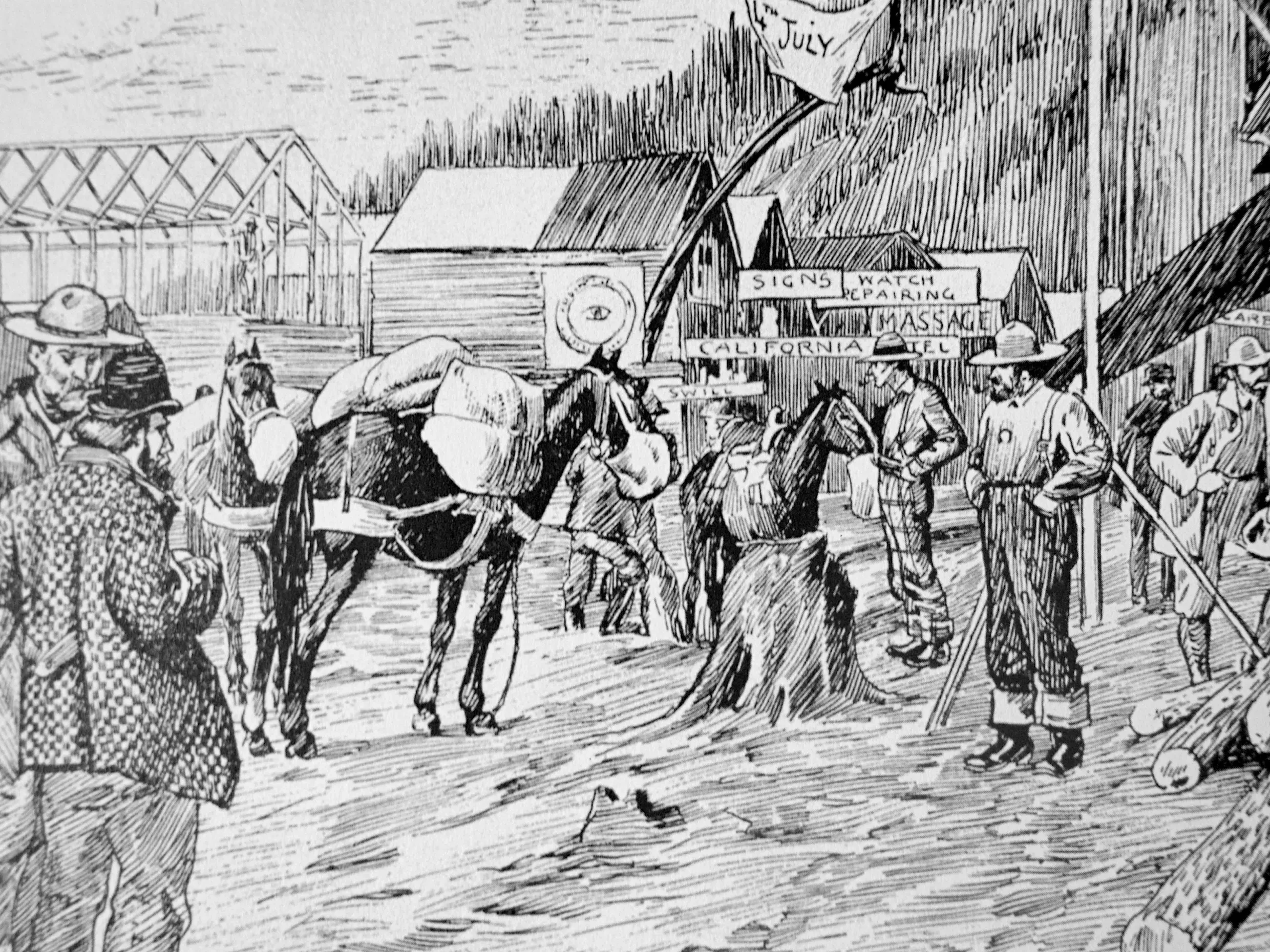
On the other side of the Atlantic as prospectors headed west during the California Gold Rush of 1849, a lot of them carried flour and a sourdough culture that could be kept alive. In remote camps, where fresh baker’s yeast was hard to find, the sourdough starter made dependable bread possible. And the habit stuck - almost 180 years later, sourdough’s still an integral part of San Francisco cuisine, and even the San Francisco 49ers’ mascot is actually called Sourdough Sam!
The nineteenth century sourdough tradition also travelled north with miners during the Klondike Gold Rush of the late 1890s. In the Yukon and Alaska, seasoned prospectors were even nicknamed ‘sourdoughs’.
The Fall and Rise of Sourdough Bread
For much of the twentieth century, supermarket shelves were filled with soft, uniform loaves made using commercial yeast. Sourdough’s slower fermentation and less predictable schedule made it a poor fit for industrial baking, so it survived mainly in local or specialist bakeries and home kitchens. But by the final decades of the twentieth century, artisan bakers began to revive the sourdough tradition, starting a trend that would slowly gain momentum.
Interest peaked again during the home-baking boom of 2020 when for a while, yeast on supermarket shelves was rarer than hen’s teeth! All of a sudden, people were giving names to their starters, and social media feeds were full to bursting with creative breadmaking.
Sourdough Today
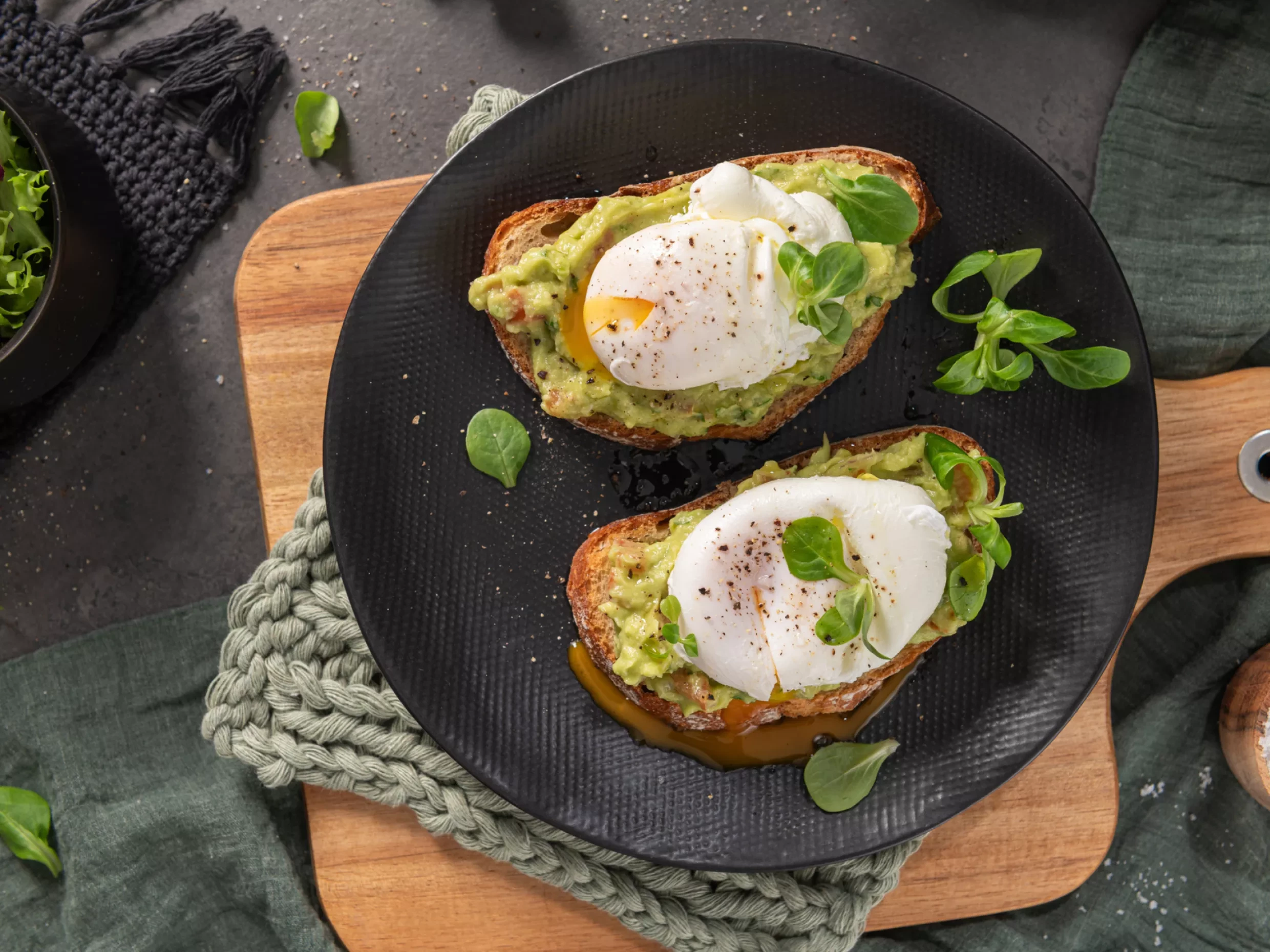
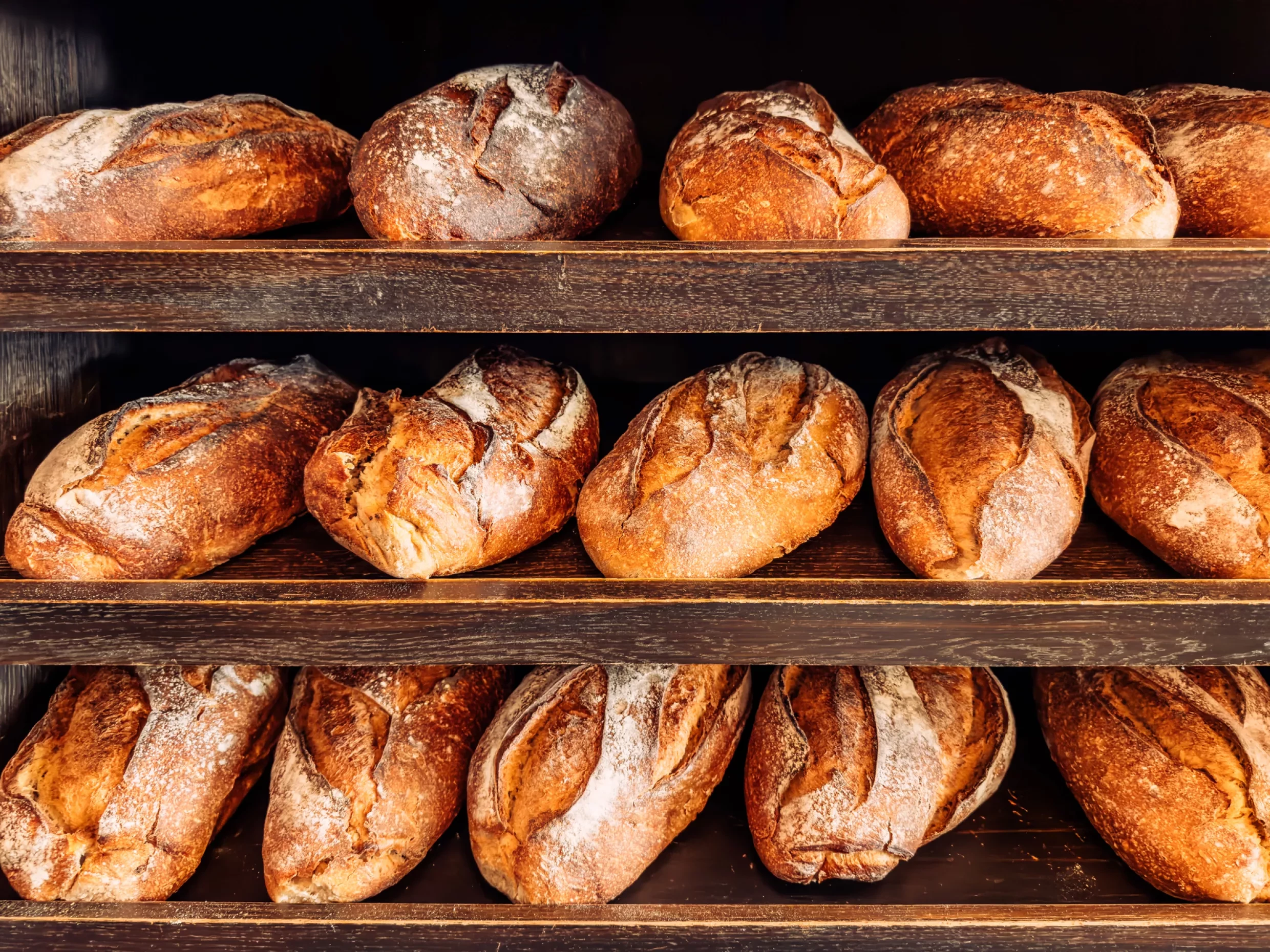
Today, sourdough has moved far beyond the classic crusty boule. Bakers use naturally fermented dough for everything from country loaves and bagels to pizza, focaccia, pancakes and pastries, and inevitably, sourdough became a brunch favourite, topped with everything from smashed avocado, smoked salmon, scrambled eggs and even as part of a full English! After thousands of years, sourdough is still rising to the occasion.