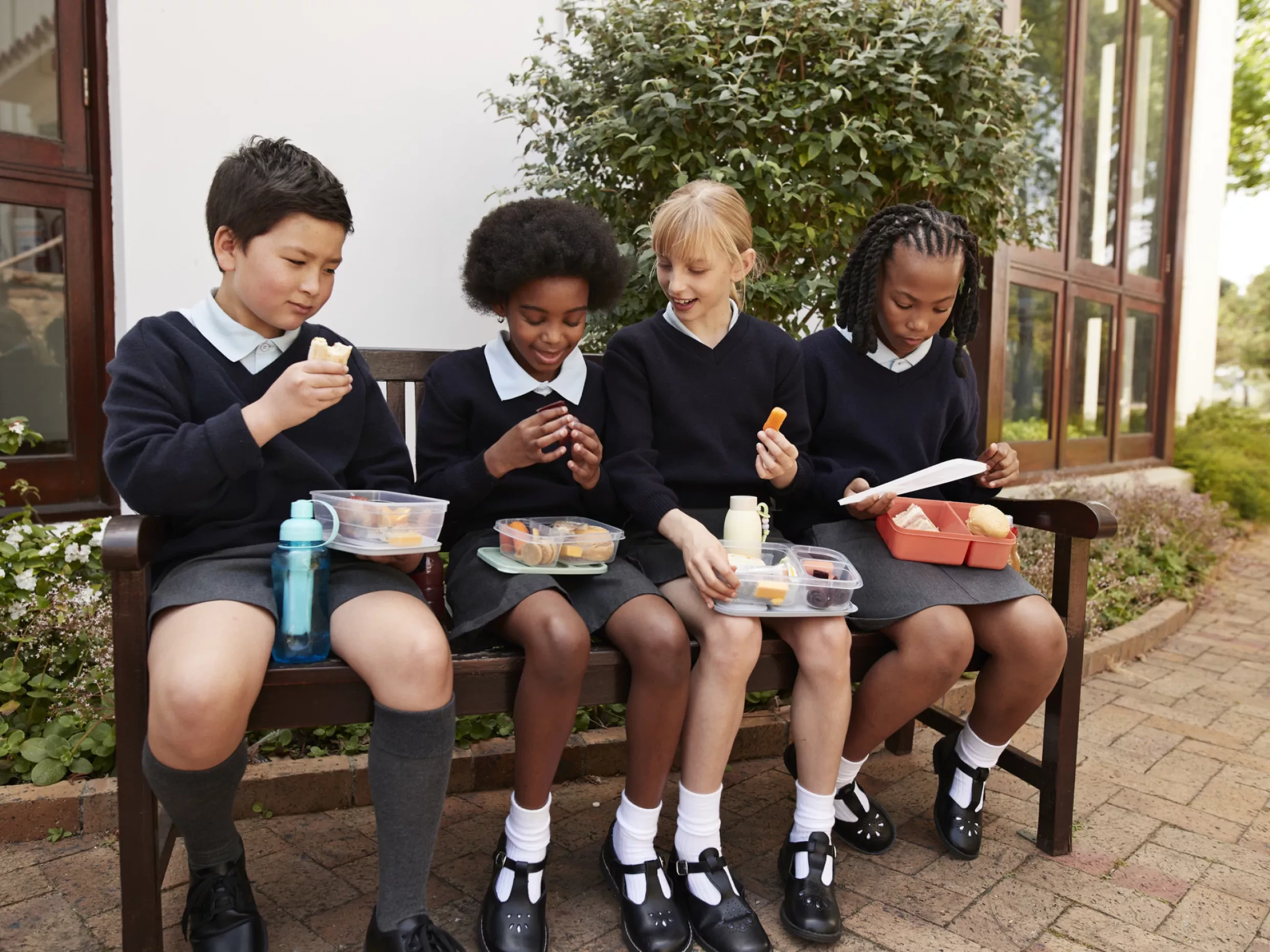















Few things are as quietly iconic as the school lunchbox. But beyond the story of sandwiches, satsumas and snack pots, school packed lunches have a surprising history. Ready to tuck in? Let’s unpack how the humble school lunch has changed over the decades.

The Return Home
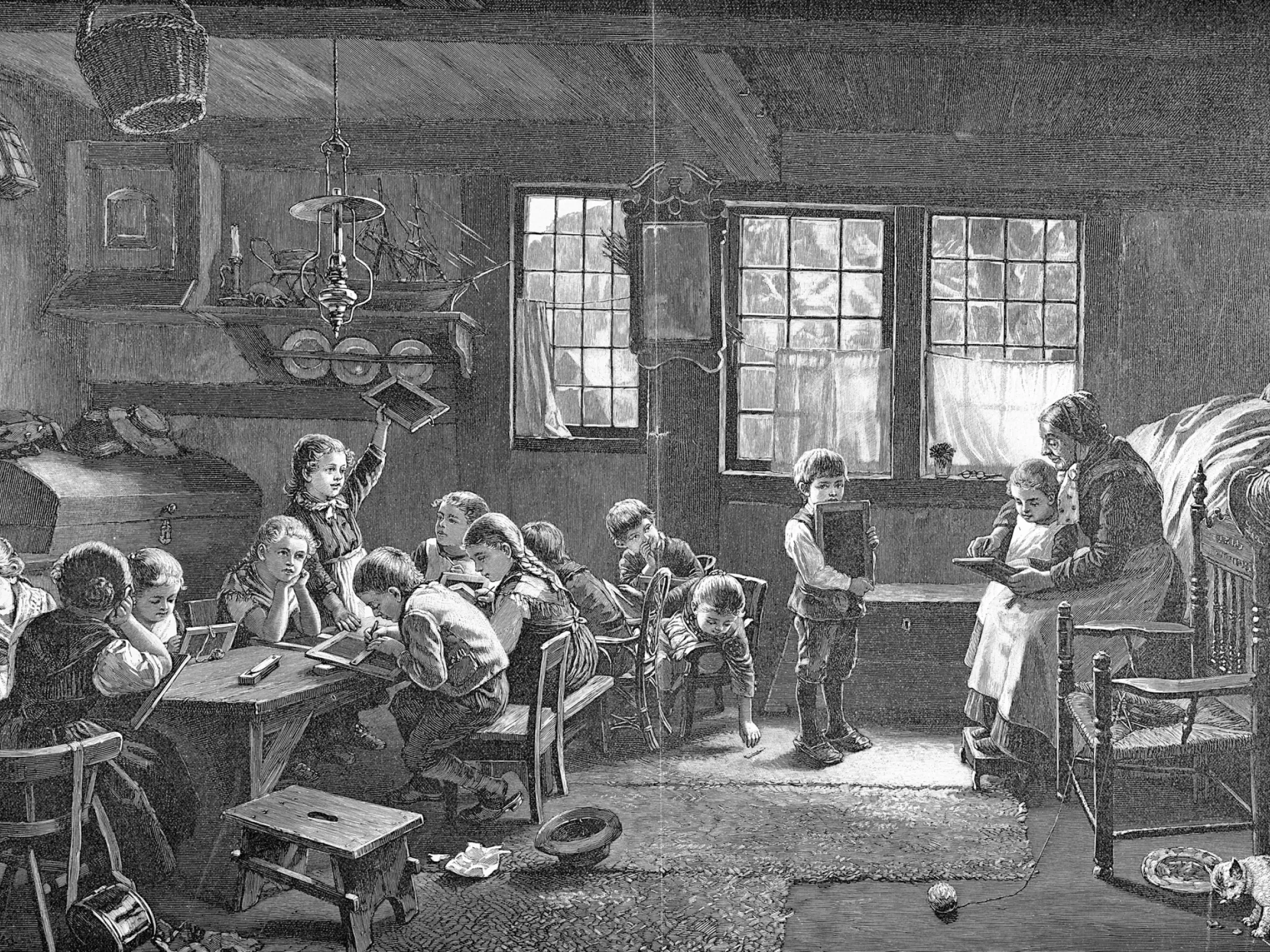
Before factories and industry reshaped daily life, those British children who attended lived within walking distance of their village or parish school, and the school day was built around a long midday break. This allowed the children to go home to eat in the middle of the day.
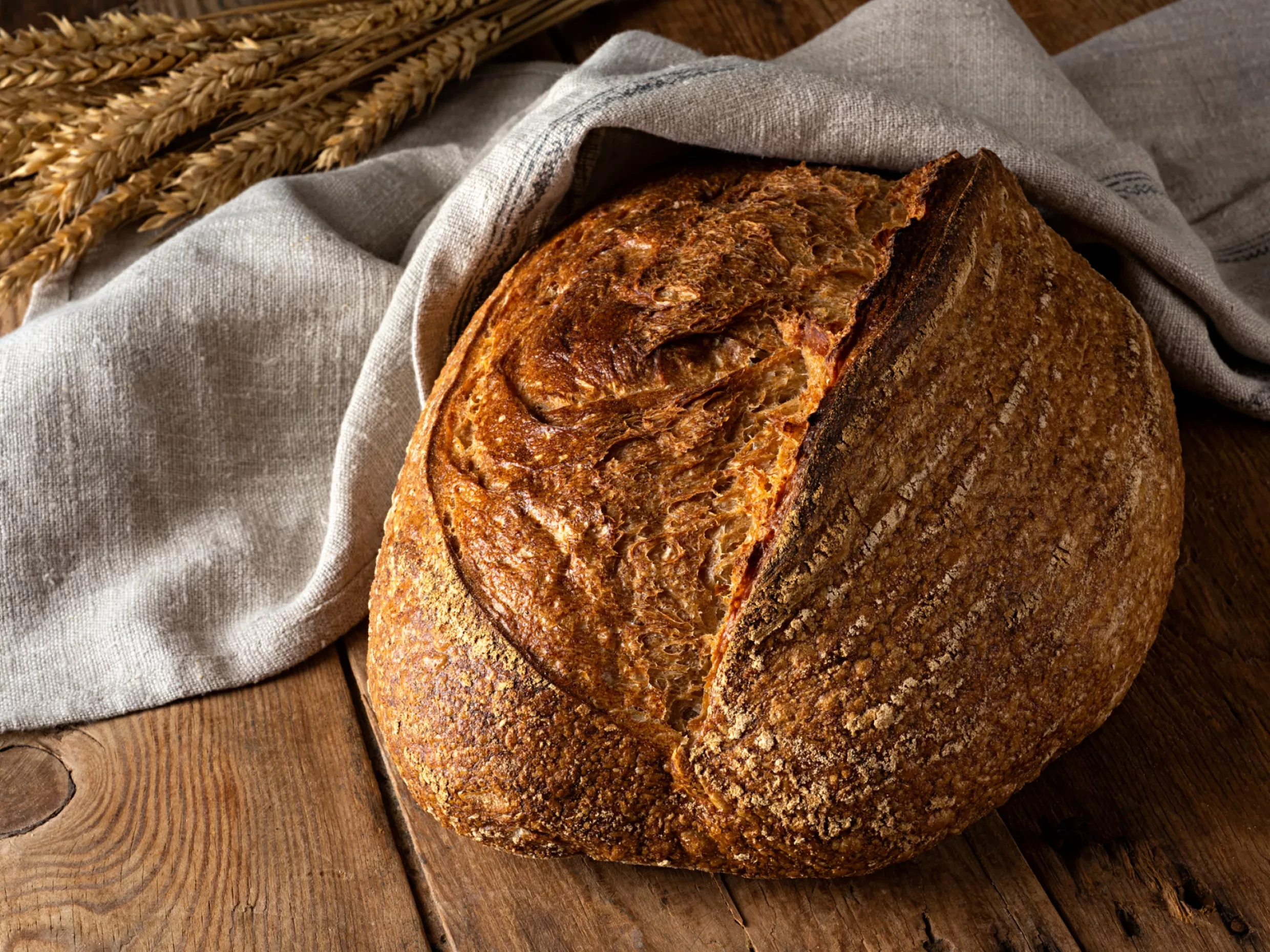
Meals for the better off were often hot and filling - soups, stews, bread with cheese or dripping, and whatever was available and affordable. For families on a tighter budget though, a midday meal could be as simple as bread, potatoes or other inexpensive staples. Because the journey was short, there was no need to carry food into school and let it sit for hours. The school day worked around the kitchen table, not the other way round.
The Start of the Packed Lunch Era
As towns and cities expanded during the Industrial Revolution, schooldays - and commutes - got longer. Compulsory schooling increasingly structured children’s days. Many pupils continued to return home at midday, but those living farther away now had to bring food with them.
These early packed lunches were practical, designed to last a morning in school without refrigeration. Surviving accounts mention simple foods such as bread, jam, cake, oatcakes and milk, and sometimes leftovers like cold meat or bacon. These were wrapped tightly in cloth (tea towels or muslin) or greaseproof paper, or tucked into repurposed metal biscuit tins and small lidded buckets.
The Lunchroom Divide
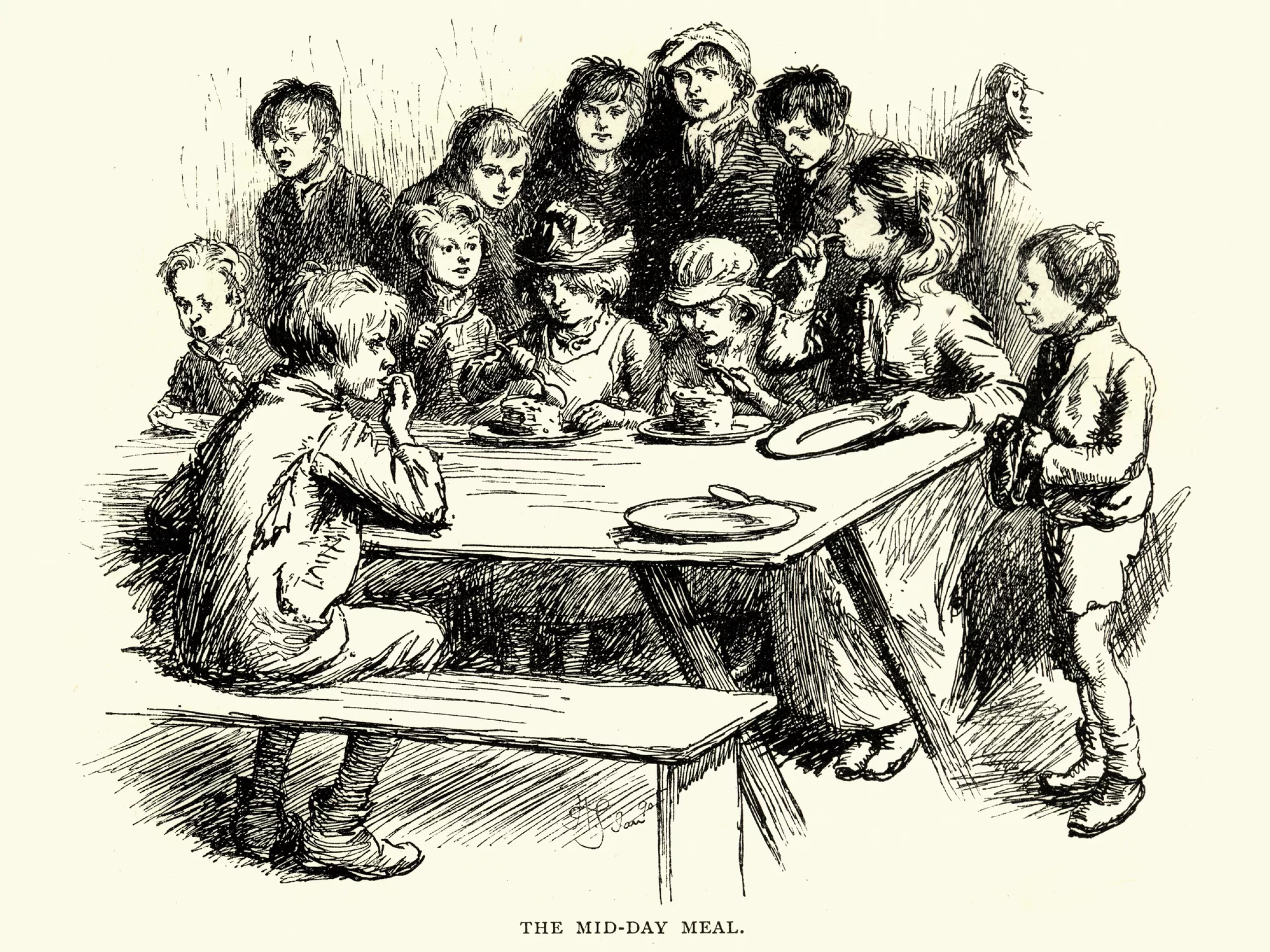
In the early years of the twentieth century, hunger was more formally recognised as a barrier to learning. The Education (Provision of Meals) Act 1906 gave local authorities in England and Wales the power to support school canteens and provide meals for pupils who struggled in the classroom because they were hungry. It was a landmark moment, but not a universal dinner bell. Councils chose whether to act, and what was served varied widely.
These early meals weren’t for everyone. They were intended predominantly for children experiencing hardship. Breakfasts and lunchtime offerings were plain and nutritious, filling and cheap - porridge, soup, bread and simple hot dishes like stews, shepherd’s pie, cheese pudding and even savoury batter with beans and gravy.
For other families, the packed lunch remained the everyday solution - a familiar sandwich-centred bundle sent from home.
Wartime Necessity: Packed Lunches in the Shadows
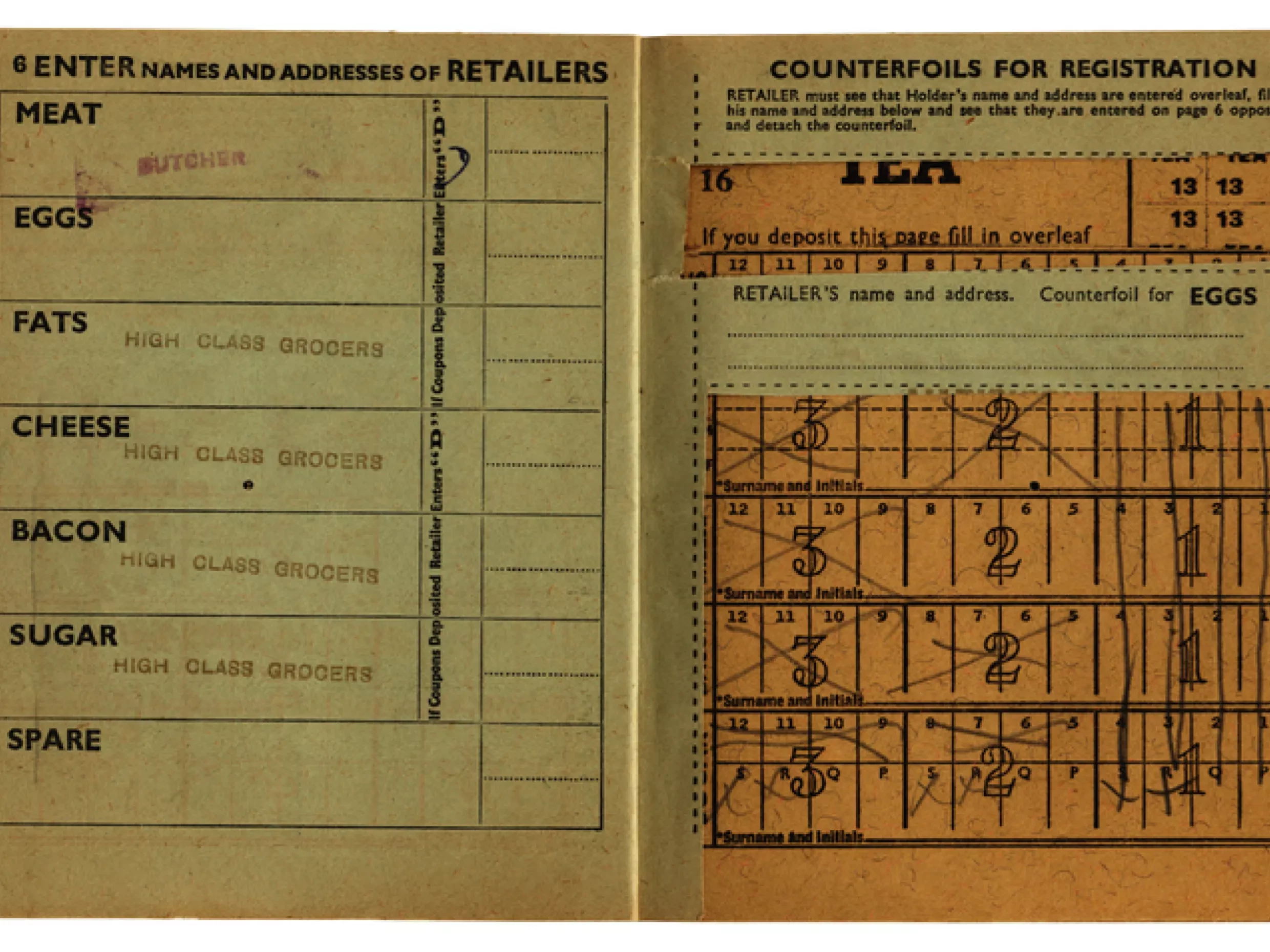
World War II turned school meals into a point of national policy. From 1940, government grants encouraged local authorities to expand their school meals provision, and in 1941 nutritional standards were introduced to guarantee children had enough calories and nutrients despite the limitations of wartime rationing.
By the mid‑1940s, millions of hot lunches were being served every day in schools across Britain, and in 1944, the Education Act made it a statutory duty for local authorities in England and Wales to provide school meals and milk. Scotland followed suit a year later. After the war, school-meal provision continued to expand towards universal availability, although there were still many schools that didn’t have sufficient facilities in the late 1940s.
Menus were simple but substantial - stews, pies, mashed potatoes, vegetables, and puddings such as rice pudding or jam roly‑poly. With the hot meal established as the default option, packed lunches increasingly took a back seat. If a family of children was being fed for free at school, it reduced household bills at a time when every penny counted. Lunchboxes hadn’t disappeared, but for a time they sat in the shadow of steaming stews and decadent puds.
1950s - 1980s: The Age of the Commercial Lunchbox
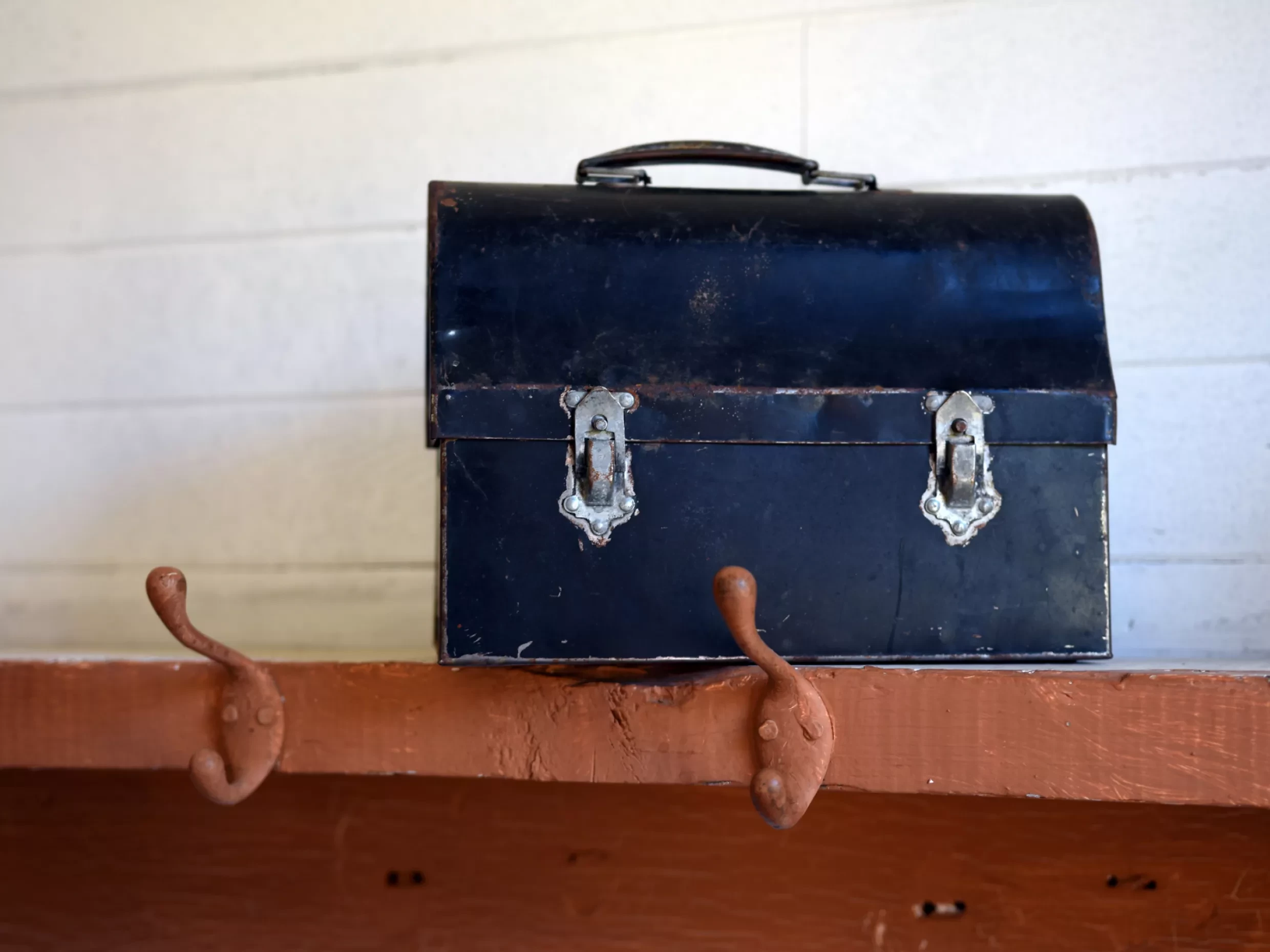
By the 1950s, the packed lunch was becoming more than a practical bundle wrapped in paper. In America, bright printed metal lunchboxes adorned with TV and movie stars, cartoon characters and comic book heroes transformed lunch into a pop-culture parade. It took us Brits a while to catch up, but we got there in the end and we said goodbye to cumbersome tins, bits of string and old tea towels.
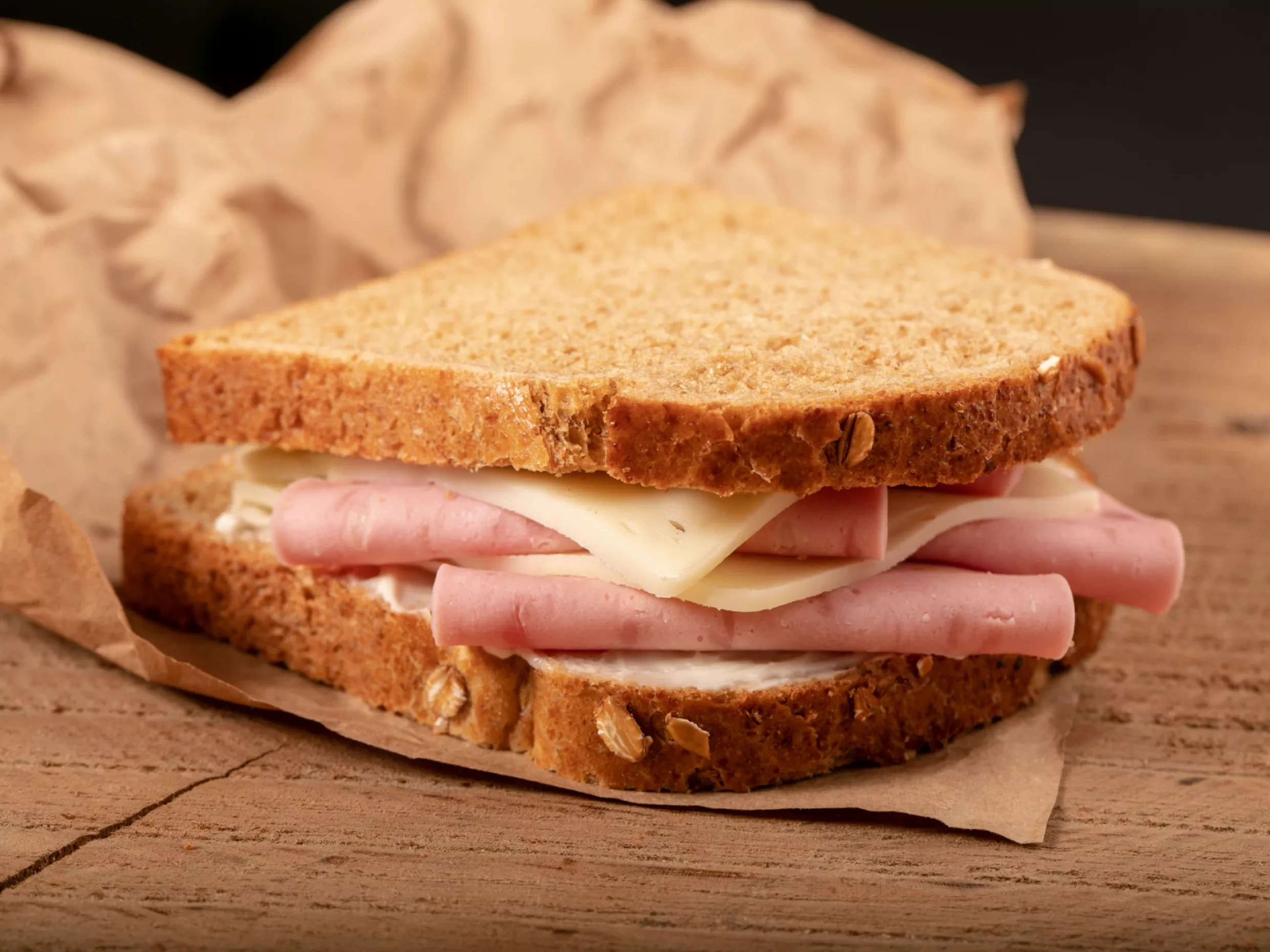
The food inside the lunchboxes was also changing. Post-war supermarkets, food technology and rising household convenience brought sliced bread, processed cheese, crisps, individually wrapped biscuits and chocolate bars into the lunchbox rotation. Kids still loved a ham, jam, or Spam sandwich, but there was now far more choice.
By the 1970s and 80s, the packed lunch had become a neat snapshot of the times - practical, portable and increasingly shaped by the brands children spotted on TV and shop shelves.
The 1980s: When Parents Fought Back
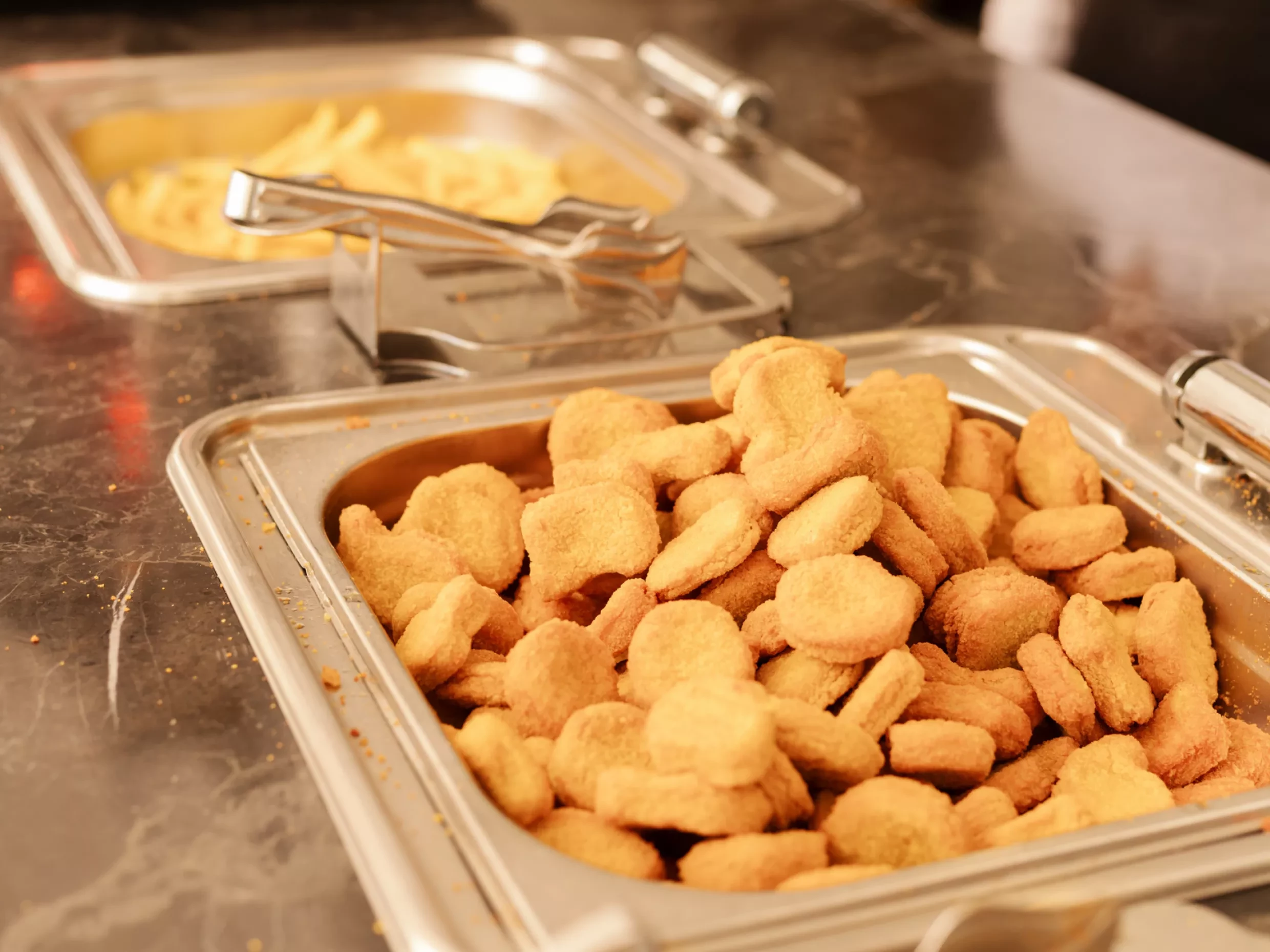
The 1980s is often described as the decade of excess, but not where school food was concerned. The 1980 Education Act removed the statutory duty on local authorities to provide lunch for every child who wanted one and scrapped the minimum nutritional standards that had guided menus since the war. In addition, fixed pricing was abolished, so local councils were free to decide what, and how much, to serve. Later in the decade, the Local Government Act 1988 introduced Compulsory Competitive Tendering, requiring local authorities to put school-meal services out to tender and placing immense pressure on costs. These tenders were usually won by the lowest bidder.
The result was nutritionally-questionable processed food of a very low quality. However, this caused serious concern for many, and it wasn’t long before parents fought back.
As school canteen offerings hit an all-time low, many parents began to see the packed lunch as a way to regain control of what their children were eating. The 80s witnessed a noticeable rise in children taking a packed lunch to school, often in the bright plastic boxes that had become playground staples.
Sandwiches, crisps, chocolate bars, yogurts, vegetable sticks and fruit were packed with an eye to what children would actually eat - and what parents felt was better than the canteen alternative.
The 80s thus saw packed lunches increasingly being chosen over poor-quality school food. By the late 1990s, they’d overtaken school meals as the most popular lunch choice.
The 1990s & Beyond: Reform, Standards & the ‘Healthy’ Packed Lunch
By the 1990s, lunchboxes were unrecognisable to anything that had gone before. Now, they were lightweight plastic boxes, insulated fabric bags and increasingly clever containers with separate compartments.
Mandatory school-lunch standards returned in England in 2001 (Scotland, Wales and Northern Ireland followed soon after), but the high-profile school-food campaigns of 2005 triggered a much more ambitious overhaul, with tougher standards introduced from 2006 onwards. Confectionery, salty and sugary snacks, sweetened fizzy drinks, and certain low-quality reformed or reconstituted foods were restricted or removed in favour of balanced portions, fruit, vegetables, and healthier drinks and snacks.
These rules predominantly applied to the food being supplied by schools, but the changing conversation around healthy eating also affected lunchboxes. A lot of schools went on to publish guidance for packed lunches, where they commonly discouraged sweets, chocolate, and fizzy drinks. There were also widespread restrictions on nuts, due to allergy risks.
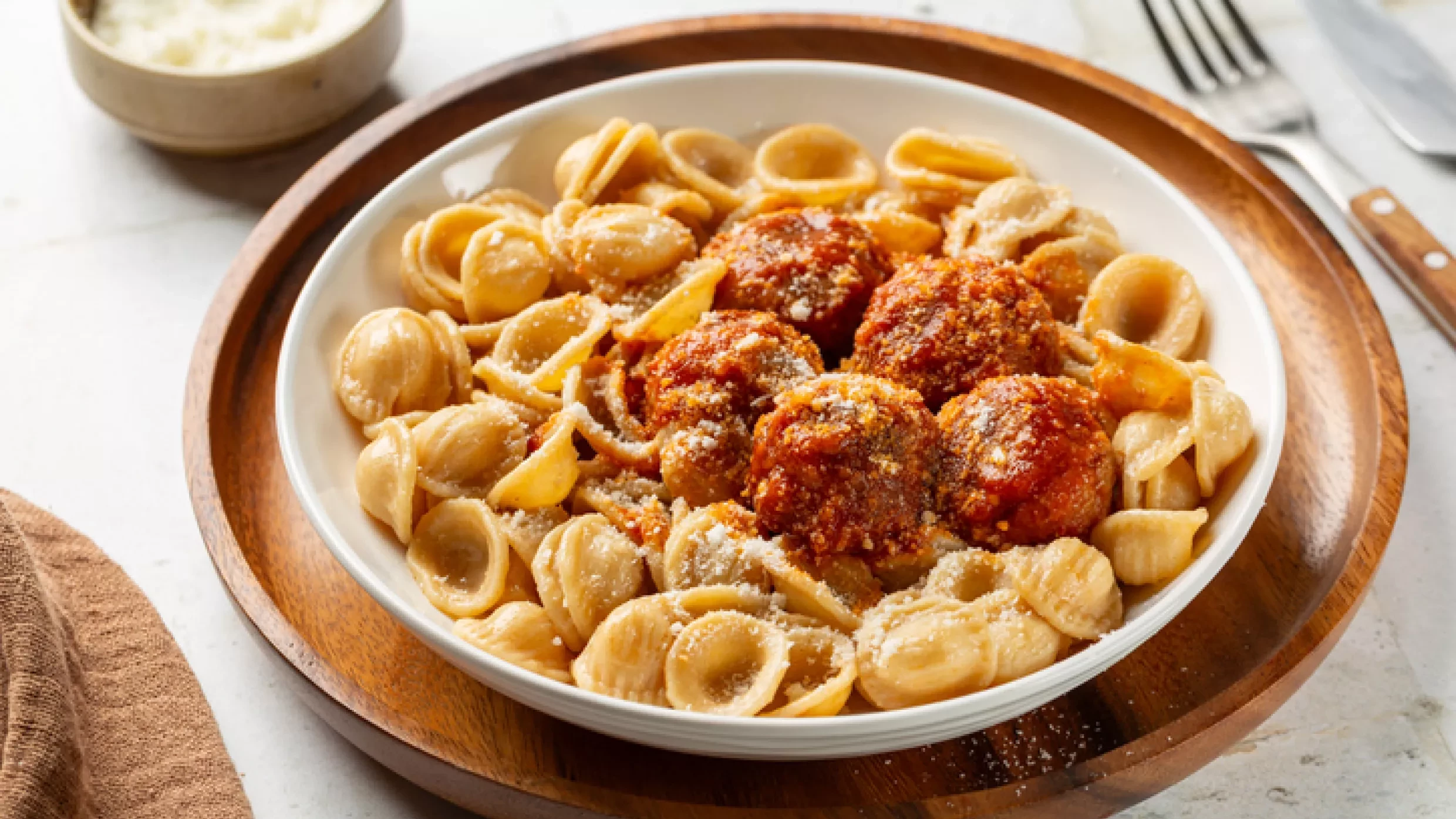
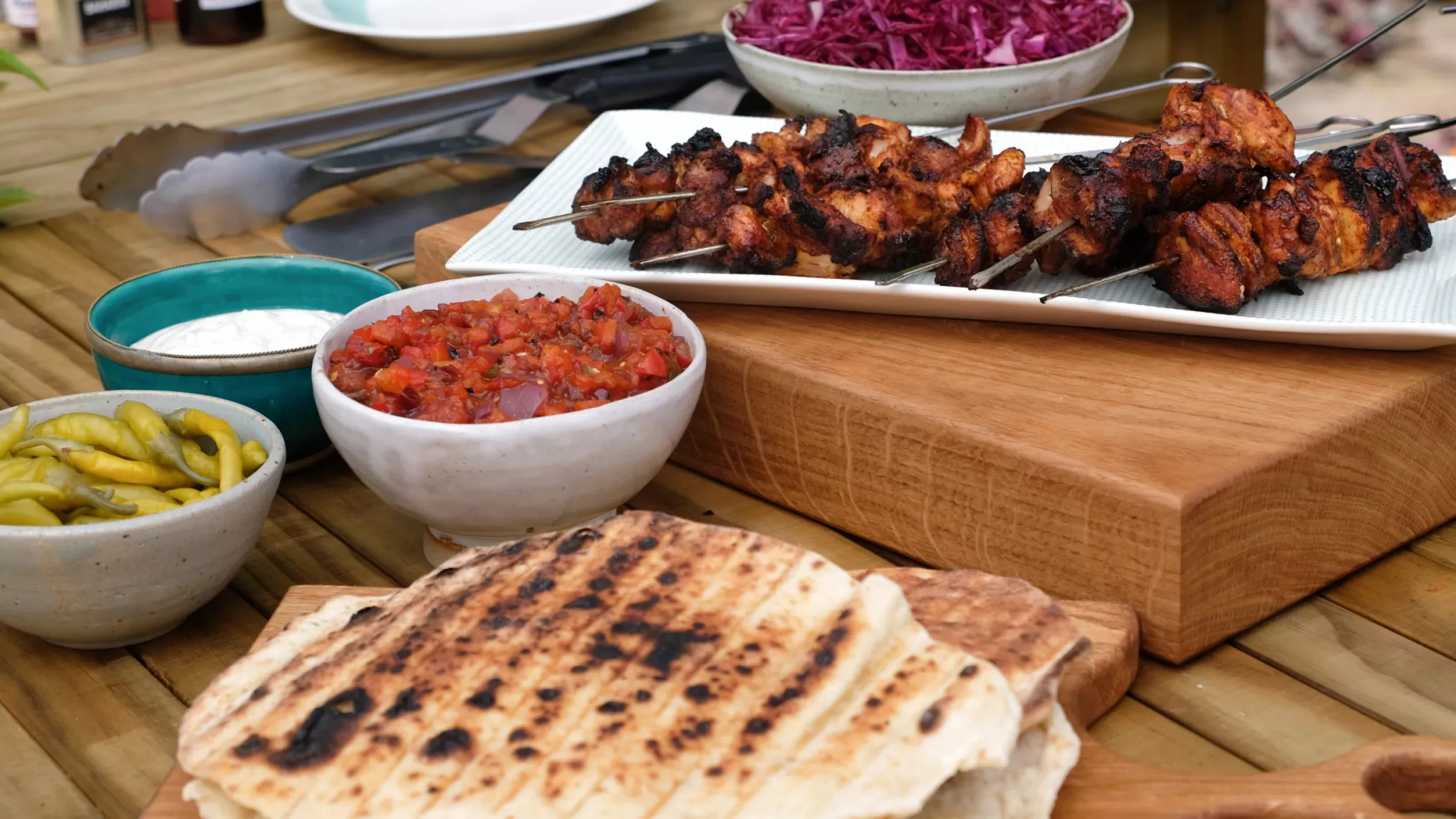
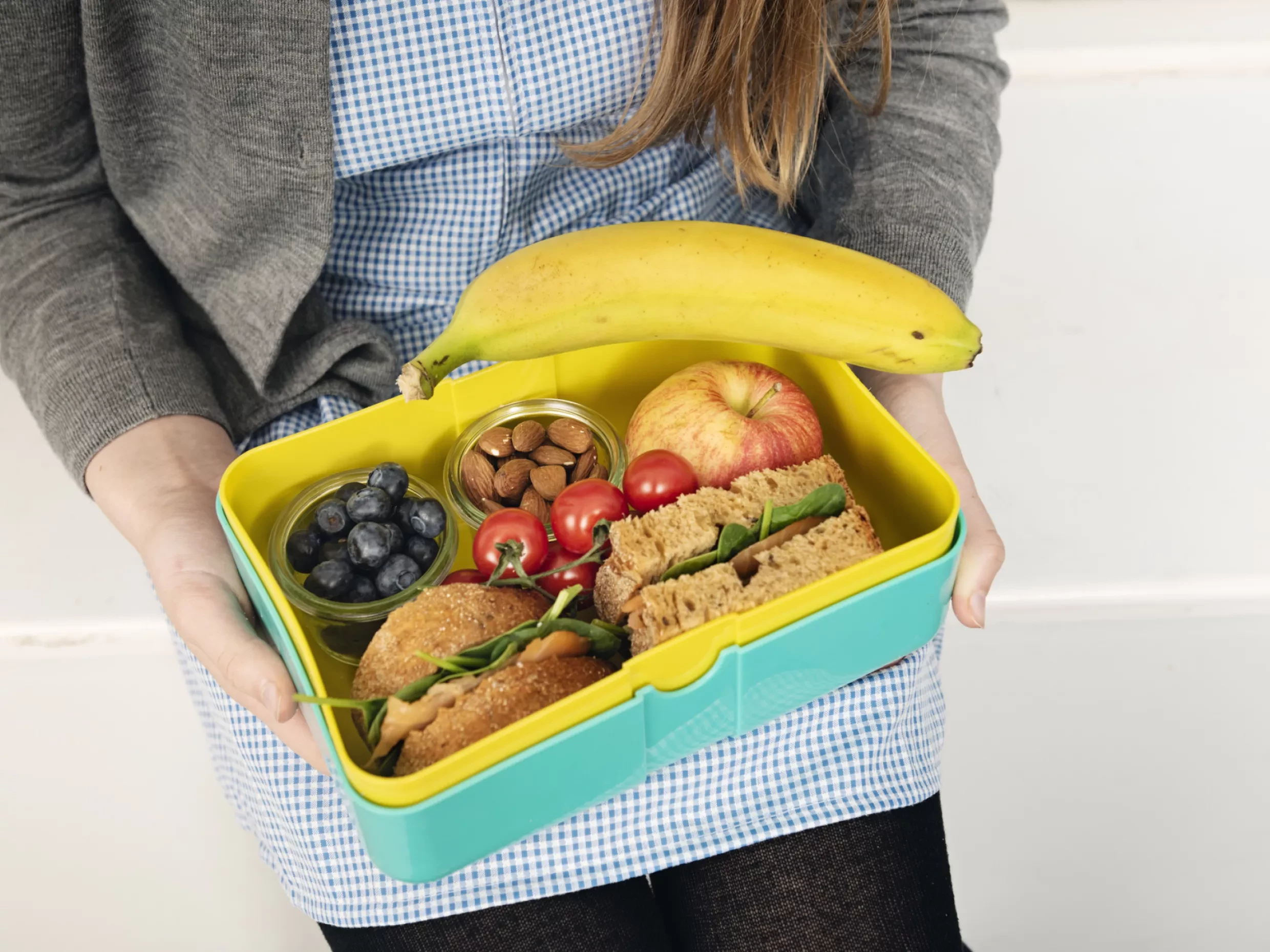
Today of course, you’ll still find crisps and chocolate in a lot of lunchboxes, but you’ll also find mini-picnics with food like chicken legs, veggie sticks, crackers, cheese, yoghurts, wraps, pasta or grain salads, ricecakes, breadsticks, flapjacks, and lentil chips. And you can find a great selection of brilliant ideas in our Lunchbox Winners collection!
Food for Thought
From a simple cloth-wrapped bundle of thick bread and beef fat to today’s health-conscious, carefully-curated and compartmentalised bento, the packed lunch has certainly changed a lot over the years. Through wars, laws and school doors, the lunchbox became a classic feature of school life, carrying a little piece of home into every school day.