








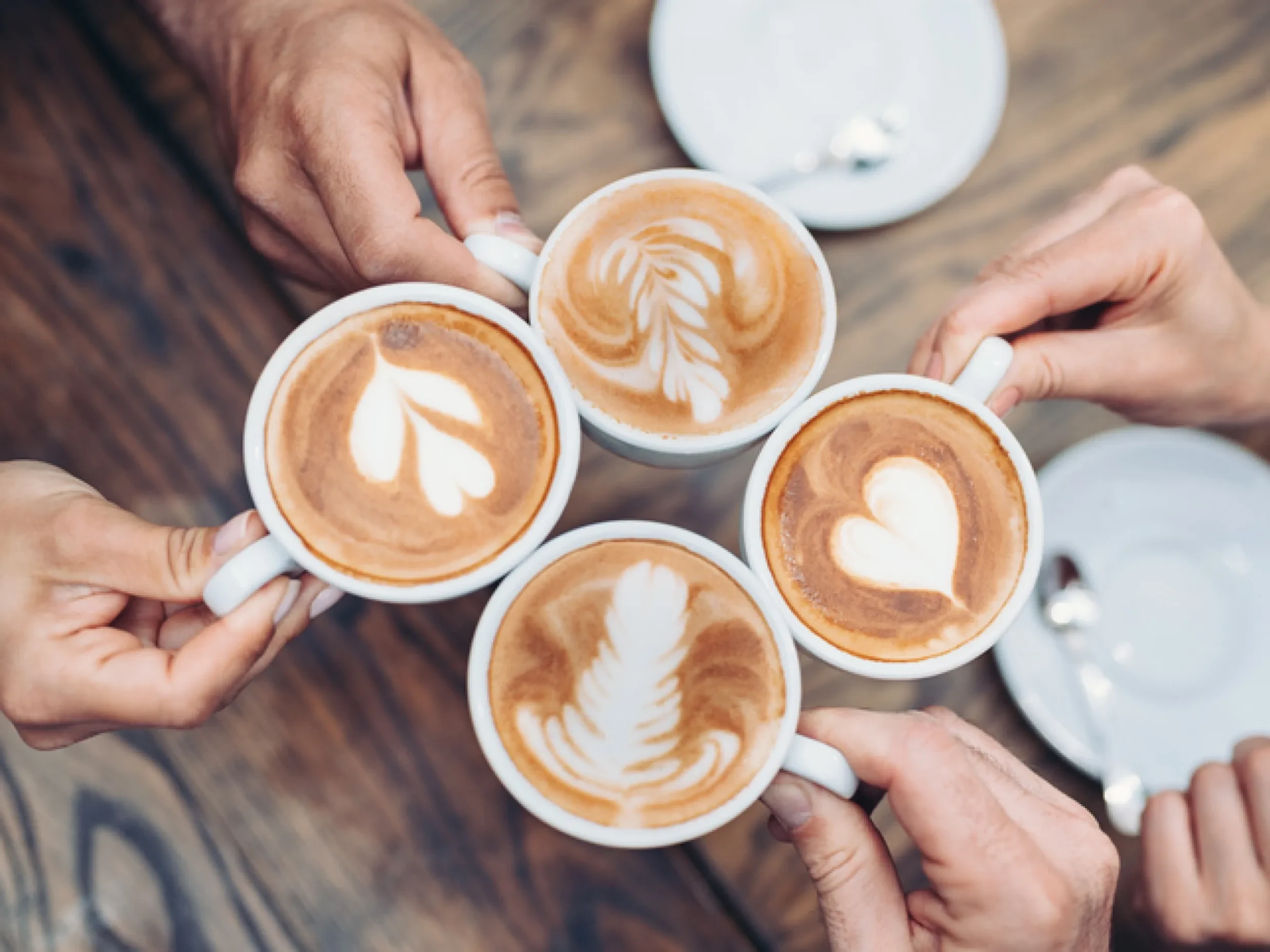
What began as a wild plant native to the Ethiopian highlands has transformed into a global, multi-billion pound industry. So how did we get from the forests of southwestern Ethiopia to a coffee shop on every corner? From the bustling coffeehouses of sixteenth century Ottoman Istanbul to the exquisitely grand cafés that shaped European public life, coffee gave people a reason to meet, talk, trade news and exchange ideas. There's a whole latte history brewing behind its epic journey.
Qahveh Khaneh: The First Coffeehouses
The roots of coffee drinking are shrouded in mystery, with various myths and legends surrounding its origins. What we do know though, is that by the late fourteenth or early fifteenth centuries, members of Sufi religious orders in Yemen were using coffee to stay awake during long night prayers.
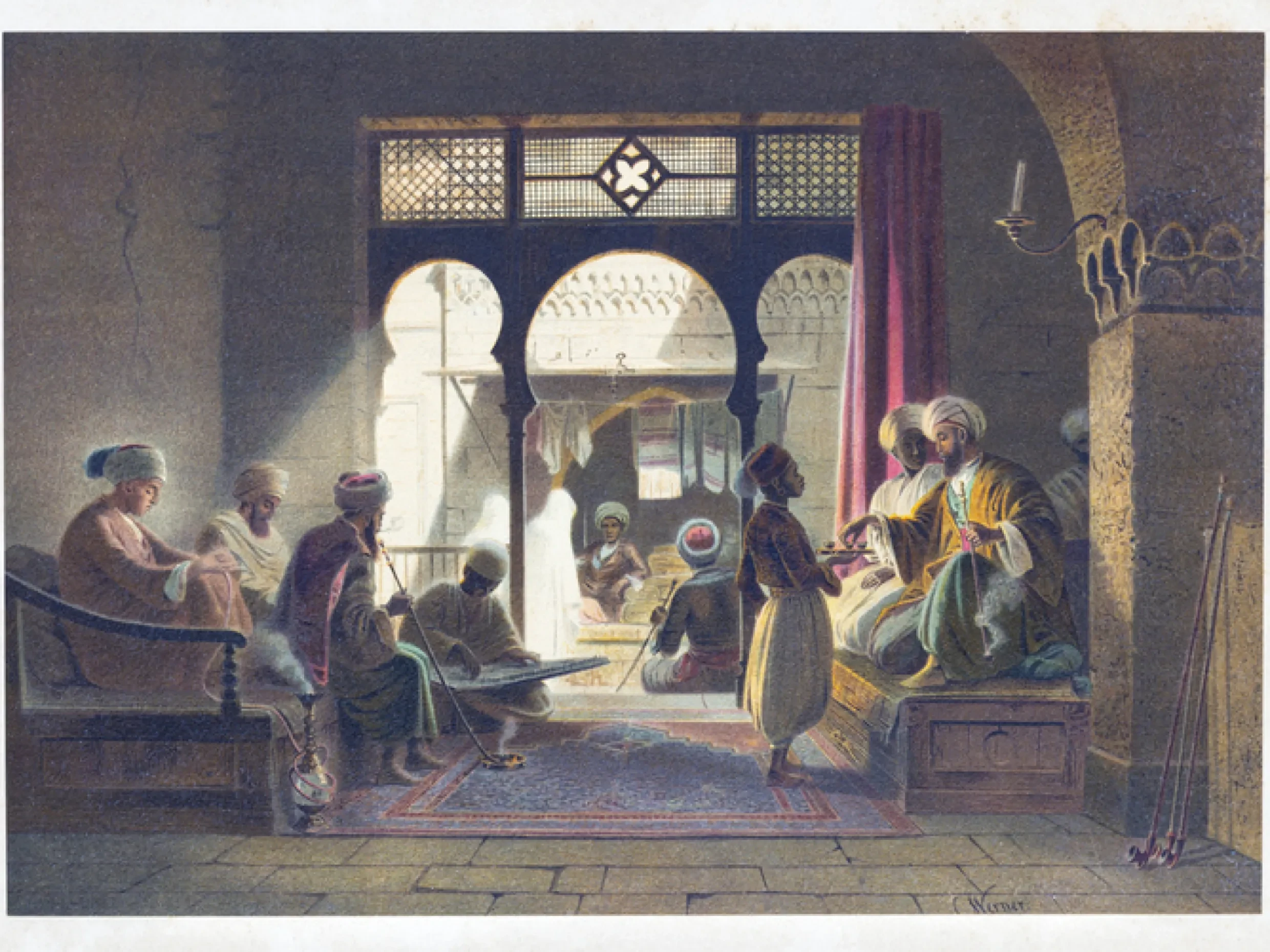
From there the drink spread through Mecca, Cairo, and the wider Ottoman Empire. As its popularity grew, a new kind of public space emerged: the qahveh khaneh, literally ‘coffee house’. By the mid-sixteenth century, these establishments had become a familiar feature of Ottoman cities, including Istanbul. Inside, customers gathered over small cups of thick, aromatic coffee to talk, listen, play games, conduct business and discuss the events of the day.
How Coffee Arrived on British Shores
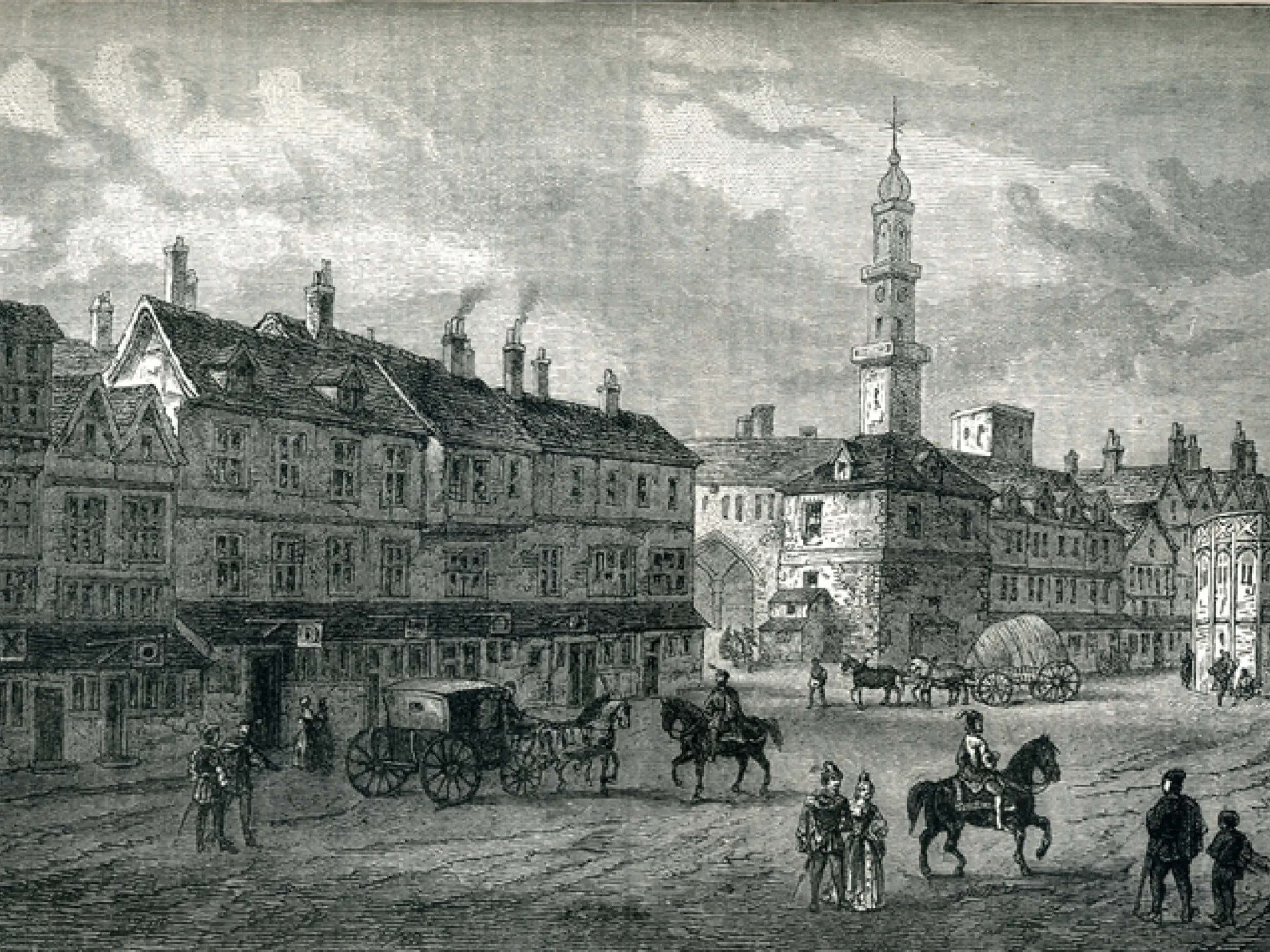
Coffee first arrived in England through the country’s expanding trade links with the Ottoman Empire and the wider Islamic world. By the mid-seventeenth century, the drink had found a new home in the country’s universities and commercial centres. In 1650 or 1651, what’s thought to be England's first coffeehouse opened in Oxford at or close to the Angel coaching inn - believed to be on the site of today’s Grand Café on Oxford High Street. It was founded by an entrepreneurial immigrant known only as Jacob, often said to be from Turkey or the Levant.
Of course it wasn’t long until London followed. Around 1652, Pasqua Rosée, a servant of the merchant Daniel Edwards - who had connections with the Ottoman trading world - opened what’s believed to be the city’s first coffeehouse in St Michael’s Alley in Cornhill. This early enterprise introduced coffee to merchants, clerks and curious Londoners. Interestingly, it took another five years for the Rainbow in Fleet Street, traditionally regarded as London’s second coffeehouse - to open.
Penny Universities
In the seventeenth and eighteenth centuries, coffeehouses were known as ‘penny universities’. This was because for the cost of a penny, customers could come in, get a hot drink, read the latest newspapers and pamphlets, and join in or listen to debates and discussions on any number of topics, such as politics, philosophy and business. They attracted all types of people, from academics, writers and scientists, to merchants, aristocrats and tradespeople, all on broadly equal terms, though at the time women were largely excluded from this form of social interaction. In a pamphlet printed in 1674, it said “Gentry, Tradesmen, all are welcome hither, And may without Affront sit down Together".
Many of London’s most influential modern enterprises and institutions grew from these ‘penny universities’. The London Stock Exchange can be traced back to merchants and stockbrokers trading and sharing financial information at Jonathan's Coffee-House in Exchange Alley. Ship owners and captains, merchants and marine underwriters gathered at Lloyd’s Coffee House on Tower Street to exchange shipping news and to insure cargo, and these informal gatherings eventually became Lloyd’s of London.
The Grecian Coffee House, just off the Strand, played host to early members of the Royal Society, including Sir Isaac Newton and Edmund Halley who discussed astronomy, physics, calculus and optics, and other famous past and present businesses and institutions grew from similar coffeehouse gatherings.
Coffee & Royal Anxiety
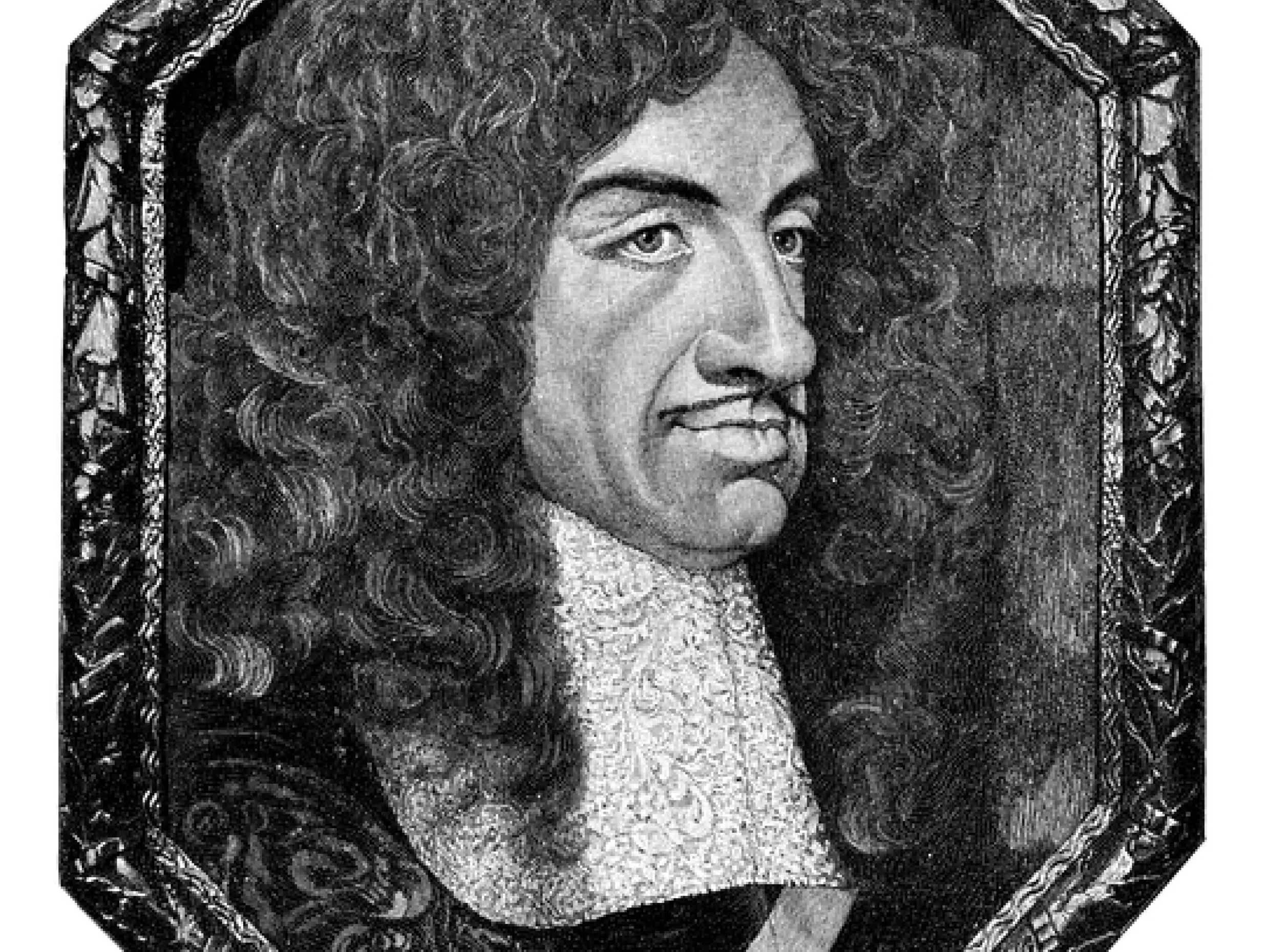
As coffeehouses grew in numbers and popularity in London, they became central to public debate and everyday urban life. That popularity soon attracted the attention of the Crown. In December 1675, King Charles II briefly tried to ban coffeehouses (they were ordered to close by January 10th, 1676), claiming they encouraged idleness and political dissent. After immediate and widespread resistance, the king backed down and the order was withdrawn on January 8th, two days before it was due to take effect.
Empire, Trade and the European Café
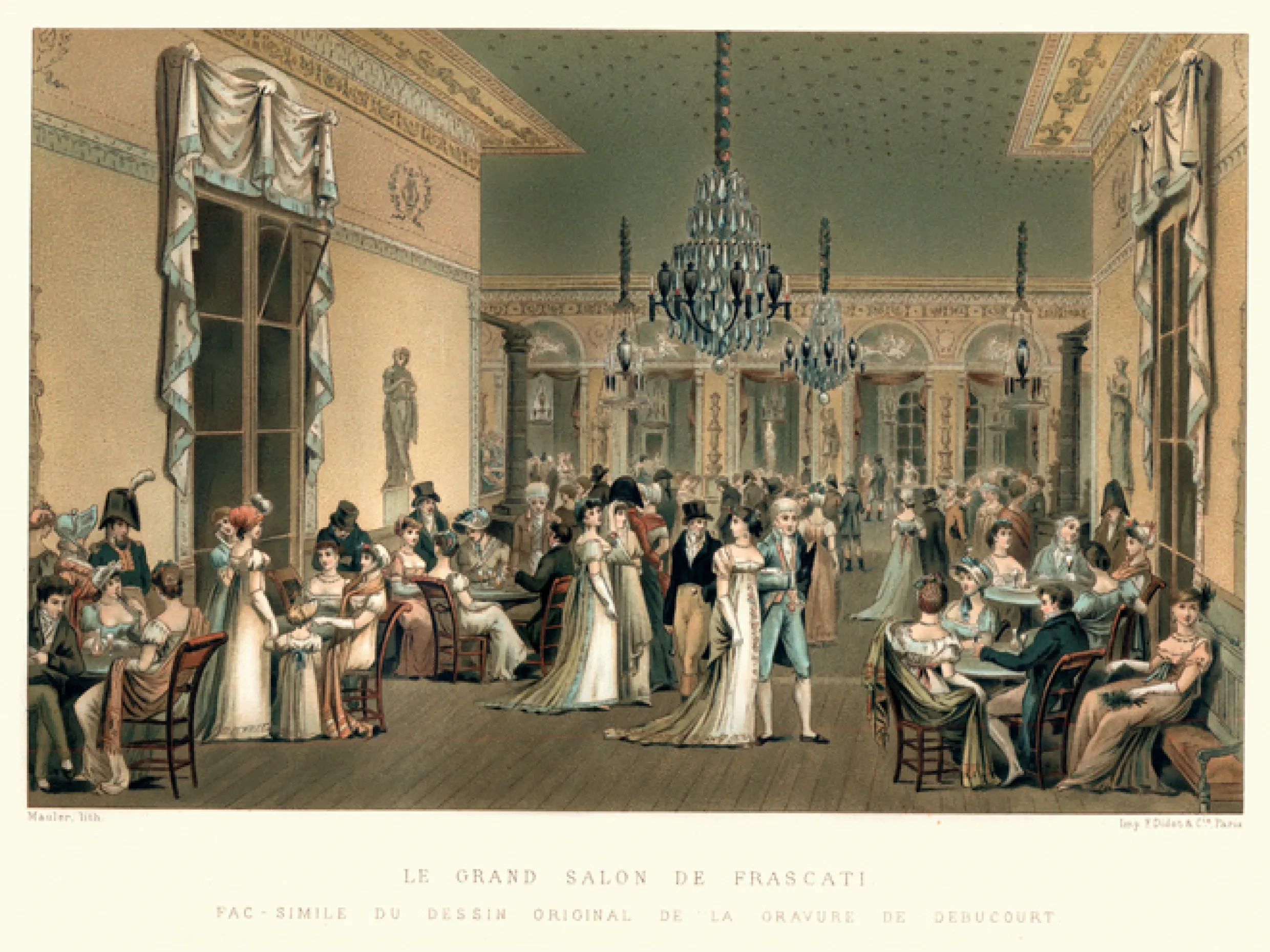
During the eighteenth century, coffee became a staple part of a wider European culture. The expanding trade routes brought beans from the world’s coffee-growing regions to Europe’s major ports and cities, and it became increasingly popular with merchants, travellers and locals alike. Cafés flourished in cities such as Paris and Vienna, where they became places to read, write, debate and observe city life - what we may call people-watching today!
Coffee: The Everyday Drink
By the nineteenth century, coffee had shrugged off its cloak of exclusivity. Coffeehouses offered an alternative to pubs, where customers could get a hot drink and food, read newspapers and pamphlets, and sit and chat. Coffee was also available at other locations, including urban coffee stalls for the working classes, as well as alcohol-free temperance establishments, among the most well-known of which was the Hoxton Coffee Palace.
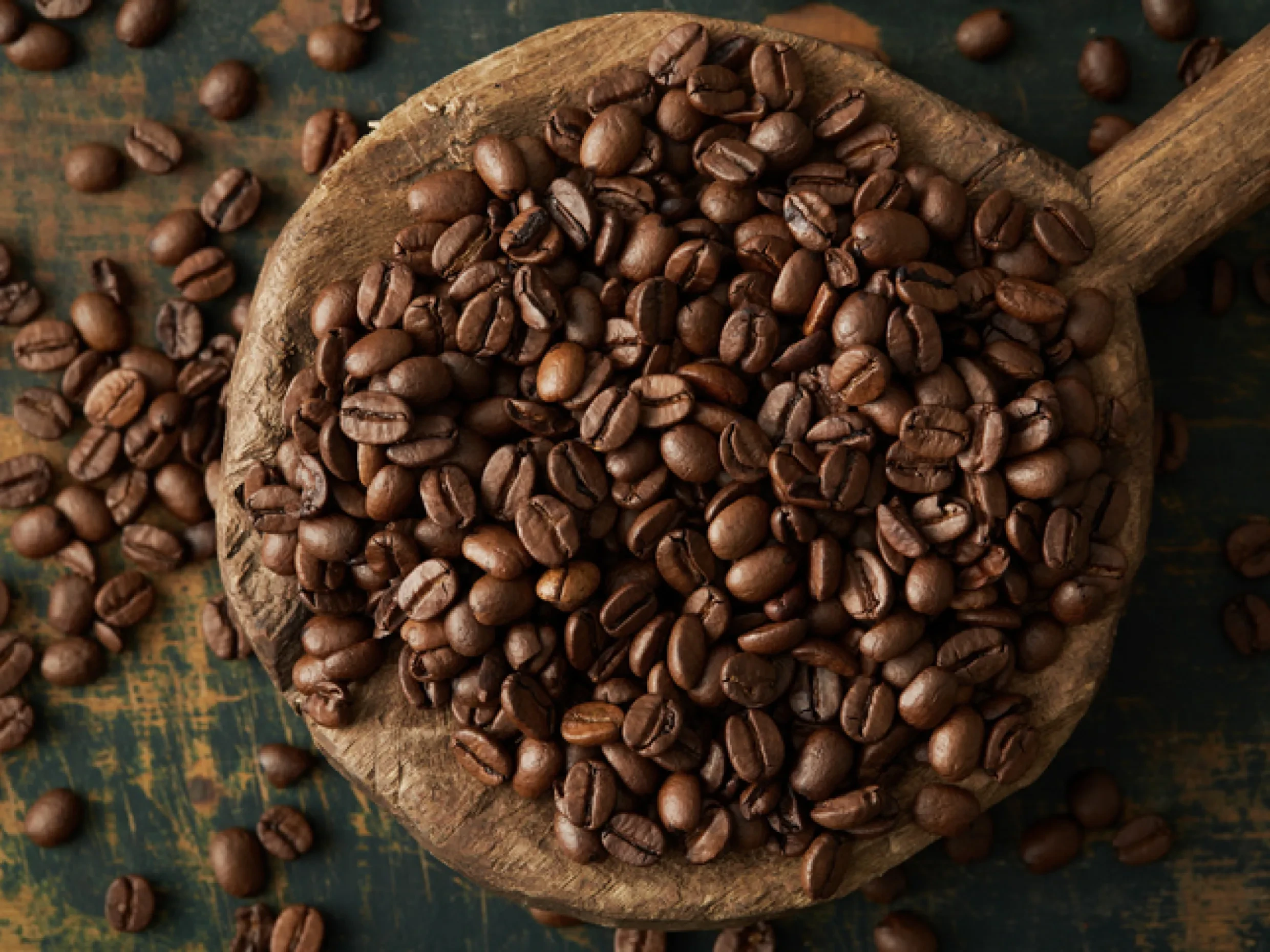
At the same time as the middle classes were embracing these cafés, coffee was also drunk increasingly at home. With more and more varieties coming in from abroad, as well as improvements in roasting and a glut of advertising, coffee switched from being an expensive luxury to a part of everyday British life.
Tea Takes the Lead
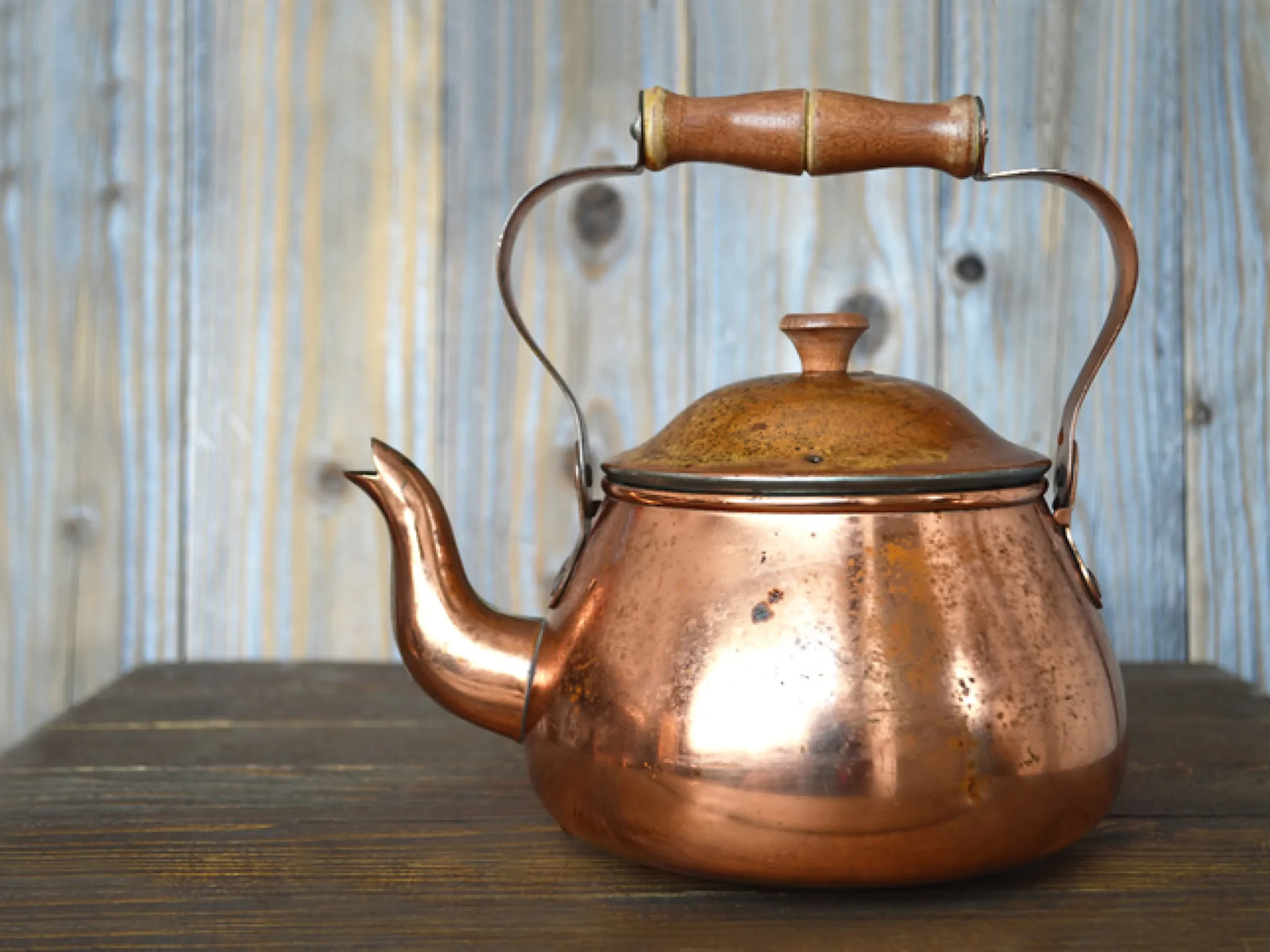
While popular, coffee didn’t have it all its own way. By the middle of the nineteenth century, the dominant hot drink of choice was tea. It was more affordable, easier to prepare, and became the more popular beverage at home, work, and in tea rooms.
But coffee hadn’t disappeared from public life. Hotels, restaurants and continental-style cafés continued to serve coffee, and its glamorous associations with sophistication and travel remained.
The Espresso Revolution
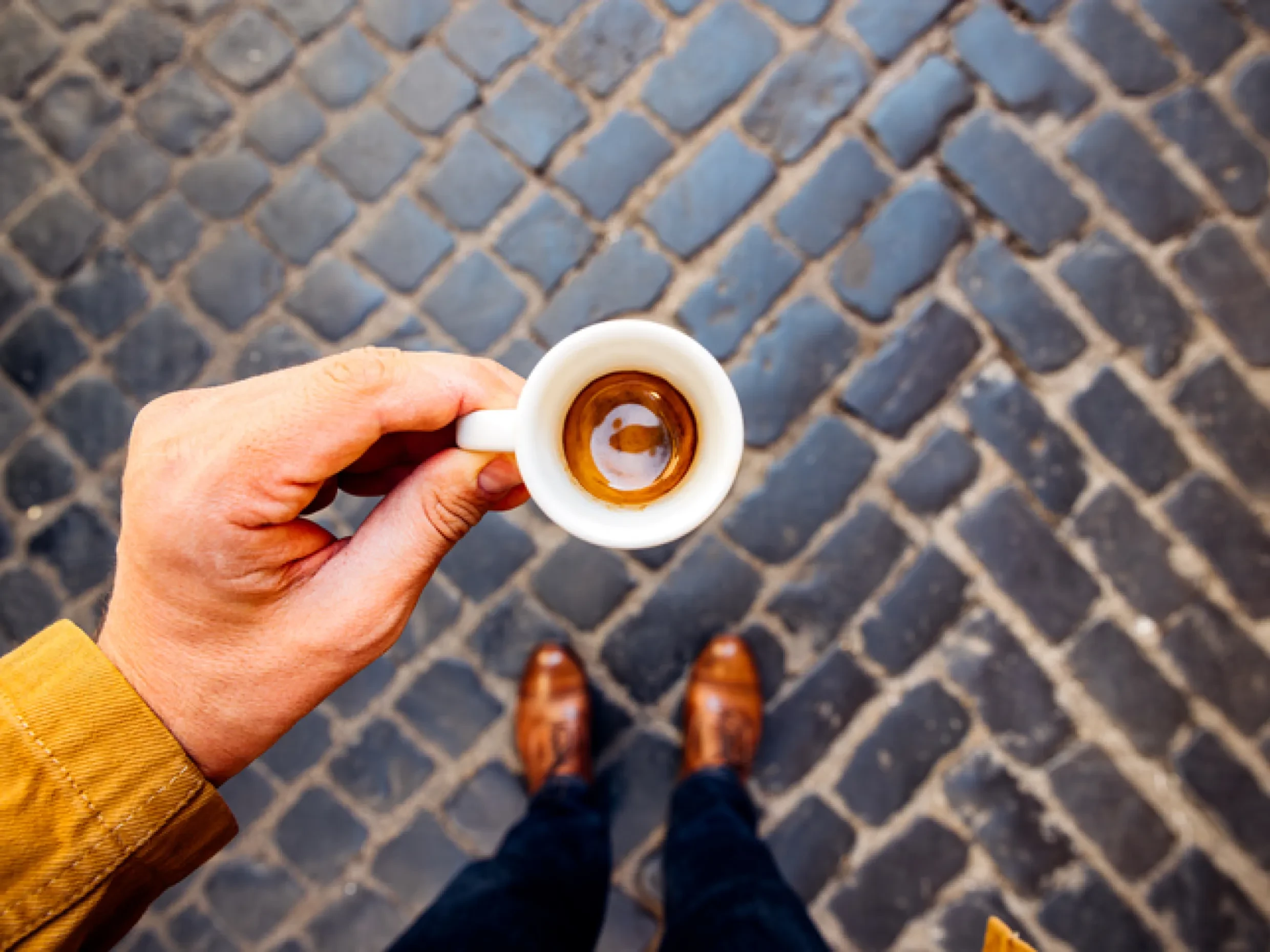
A new chapter in Britain's relationship with coffee began with the arrival of Italian-style espresso bars in the early 1950s. Influenced by Italy’s café culture, espresso bars began appearing in British cities during the 50s and 60s. The hiss of the espresso machine, the small ceramic cups, and the buzz of romantic foreign accents gave coffee drinking a sense of theatre that felt distinctly different from the more sedate world of tea rooms.
And perhaps most crucially, these espresso bars attracted a younger clientele who came to meet, listen to music and spend an evening out of the home. They also helped to reintroduce coffee as a social drink, and influenced the café culture that developed in later decades.
The Third Place
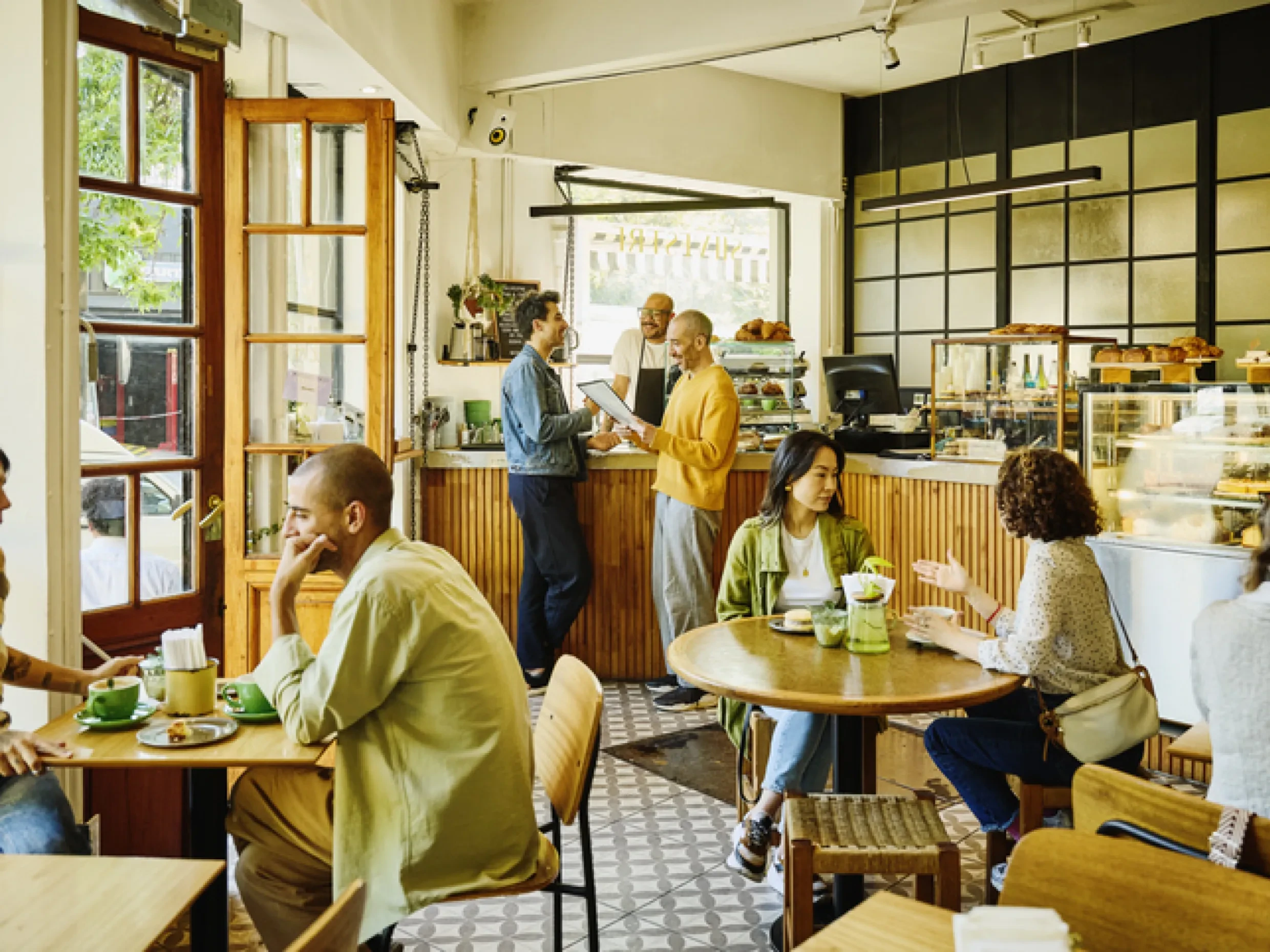
By the 1990s and into the 2000s, coffee shops had become a defining feature of the British high street. The big chains expanded as quickly as they could, and smaller, independent cafés built loyal followings with, amongst other things, delicious homemade cakes!
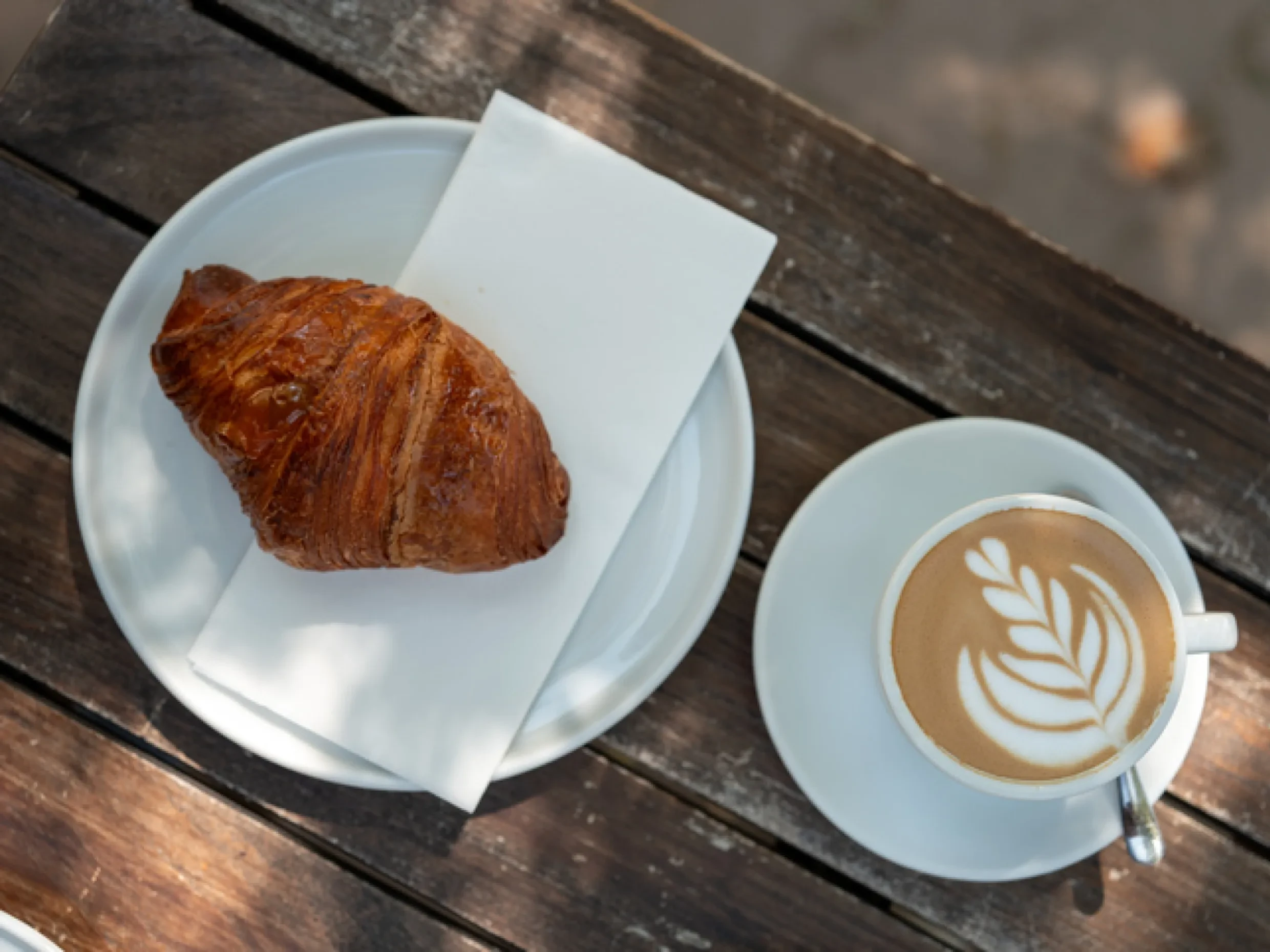
But importantly, these new coffee shops offered more than espresso, cappuccino and maple pecan Danish pastries. By gradually introducing free wi-fi, loyalty cards and baristas with a neat sideline in latte art, these cafes became places where people worked remotely, studied, arranged meetings or simply stopped and watched the world go by. There’s a neat name for them - these coffeeshops became the ‘third place’. Neither home nor work, but somewhere in between.
Coffee Culture Today
Today, the coffeeshop, whether a global chain or a local independent, is one of Britain’s most popular stops. As with much of daily life, coffee’s also changed its routine. It’s become varied and more considered. Specialist roasts and blends, single-origin beans, alternative brewing methods, plant-based milks and sustainable sourcing are as common as the drink itself. The details may have changed in five centuries since the first qahveh khanehs, but the idea and experience of a classic coffee shop remains comfortingly familiar.