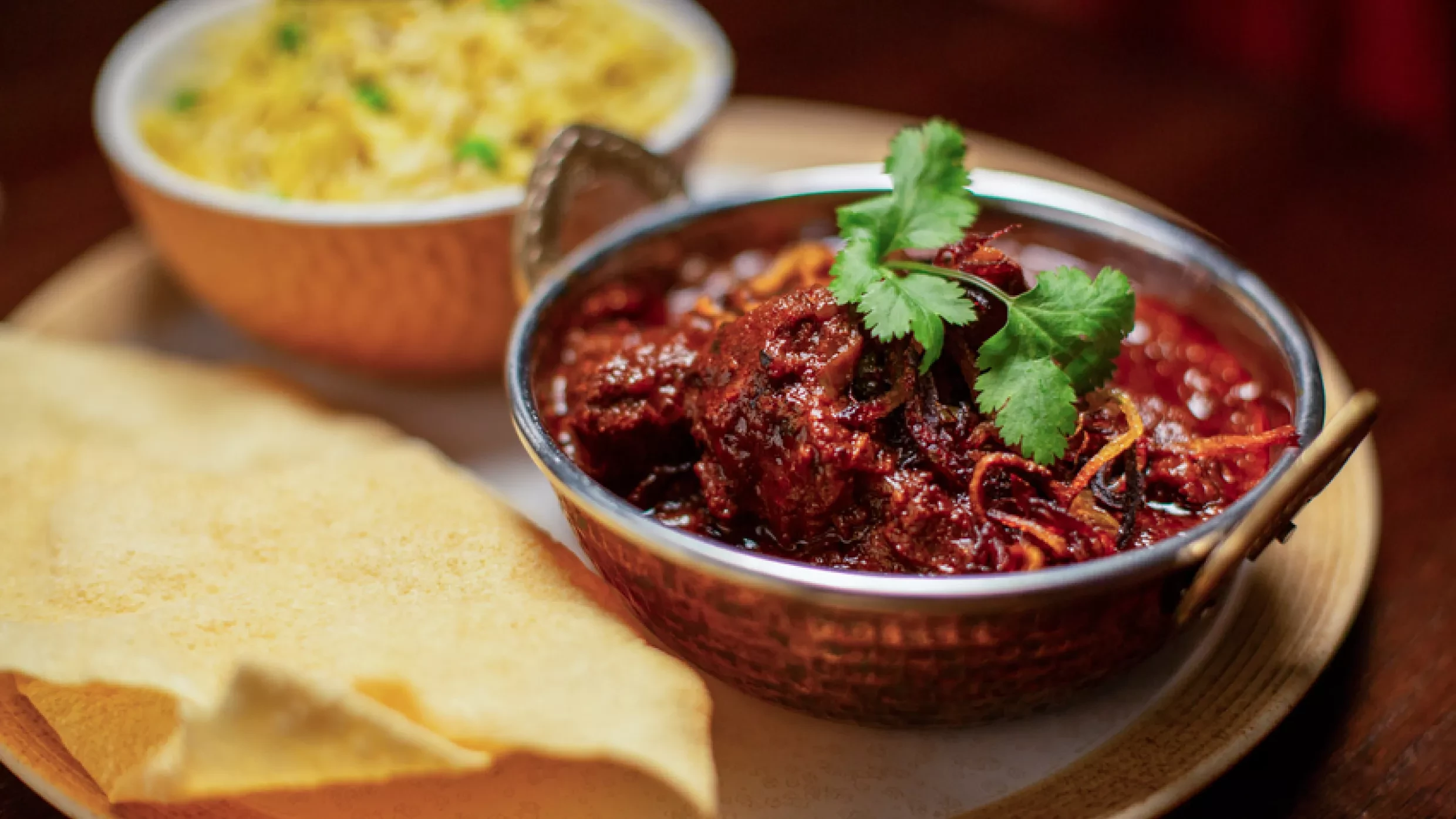
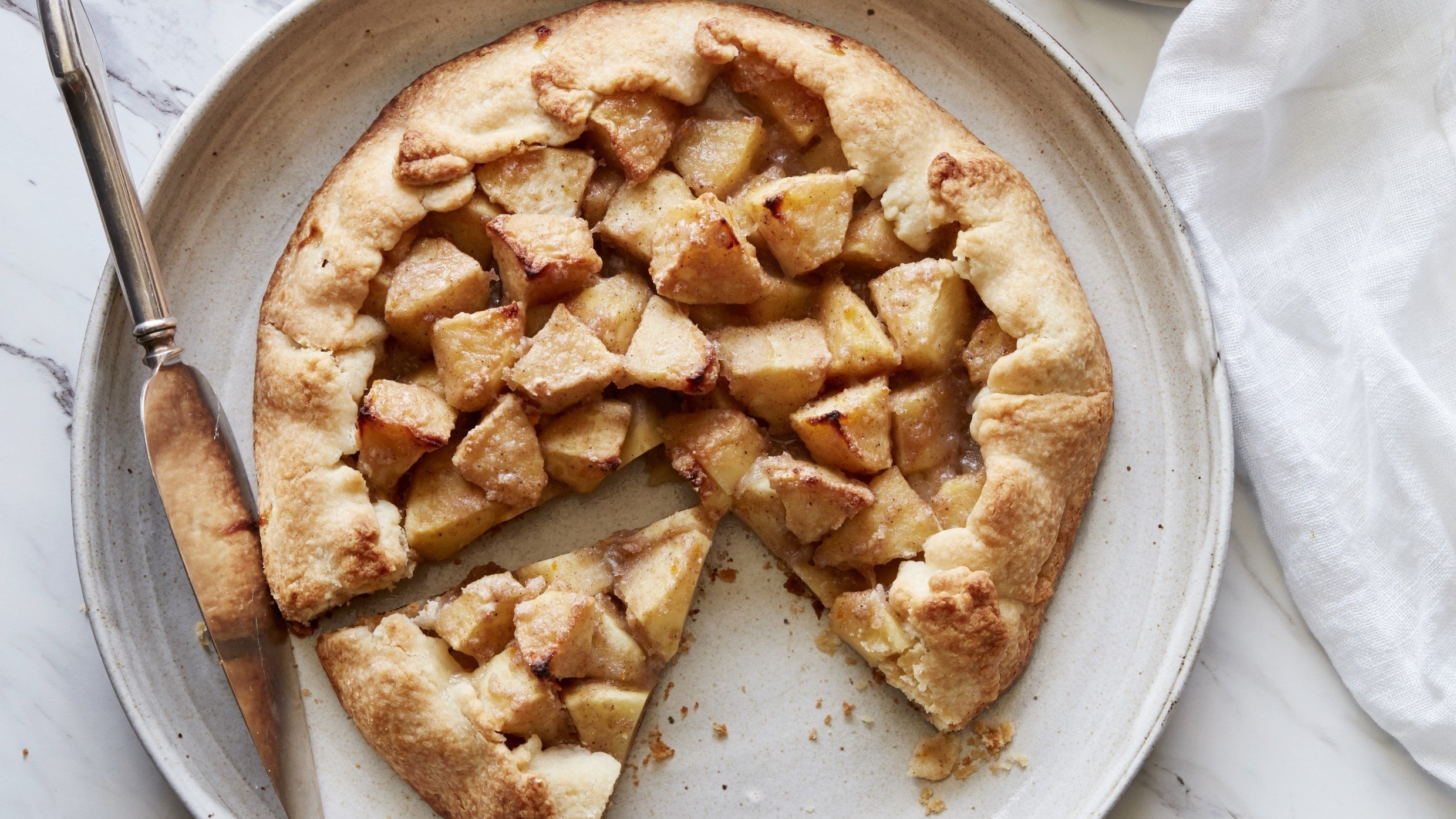
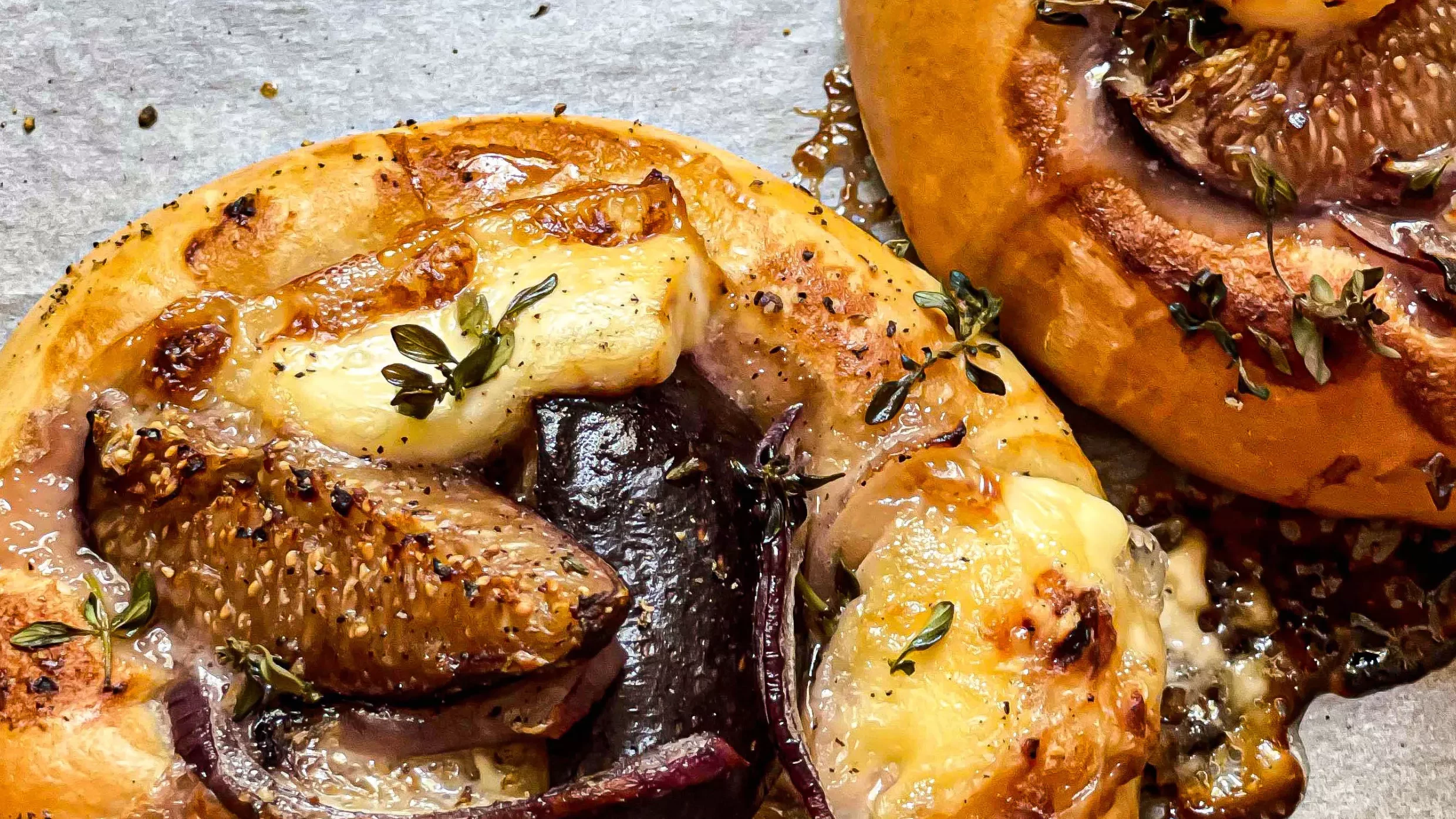
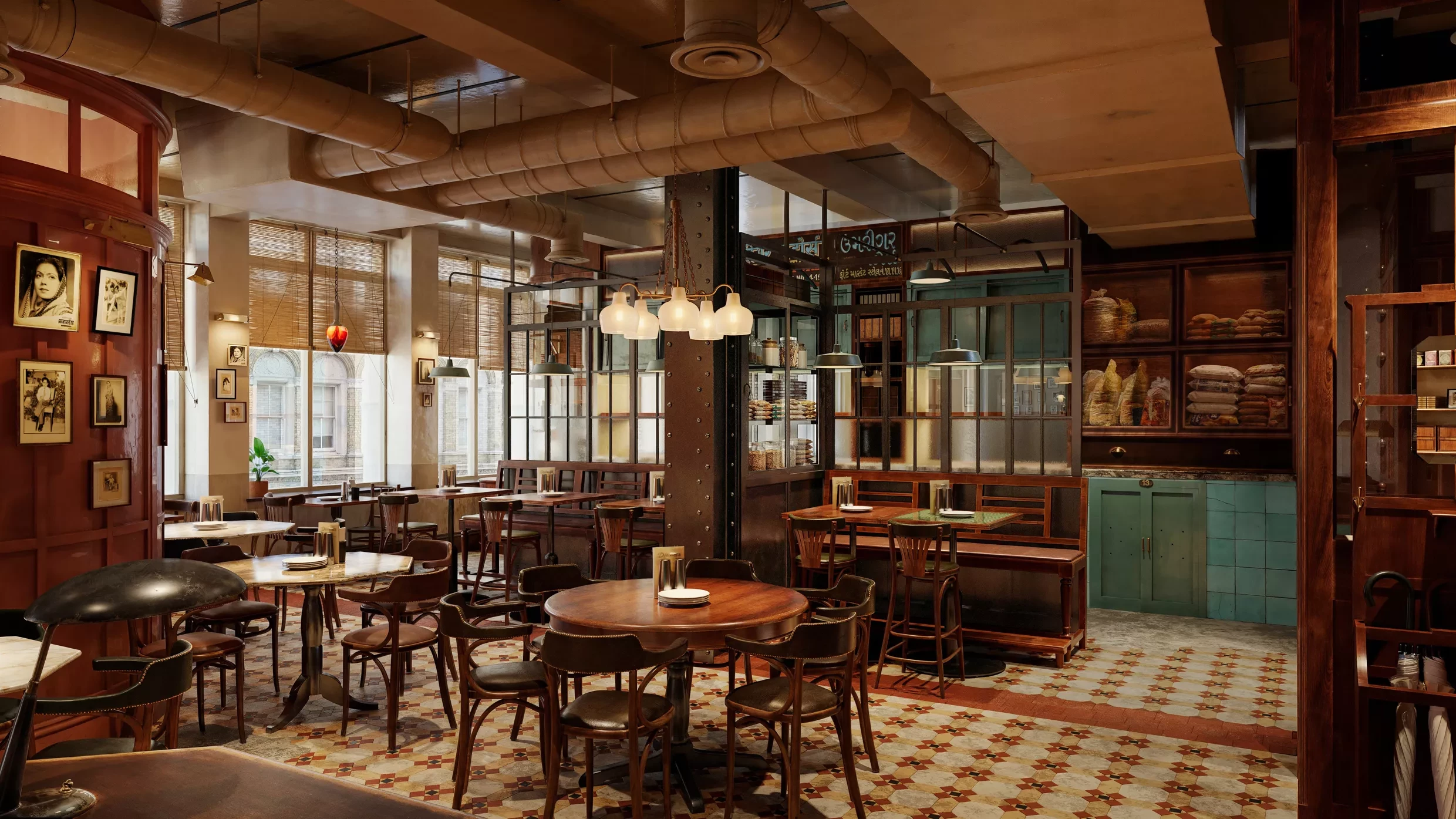






Think tapas, think Spain, but it’s not just in the Iberian peninsula where small plates appear. From Parisian apéro to Venetian cicchetti, these bite-sized banquets appear in many guises around the world, each with its own story to tell. But how did these varied ideas, from mezze and petiscos to dim sum and izakaya, evolve into some of the most enduring and globally loved ways to eat?
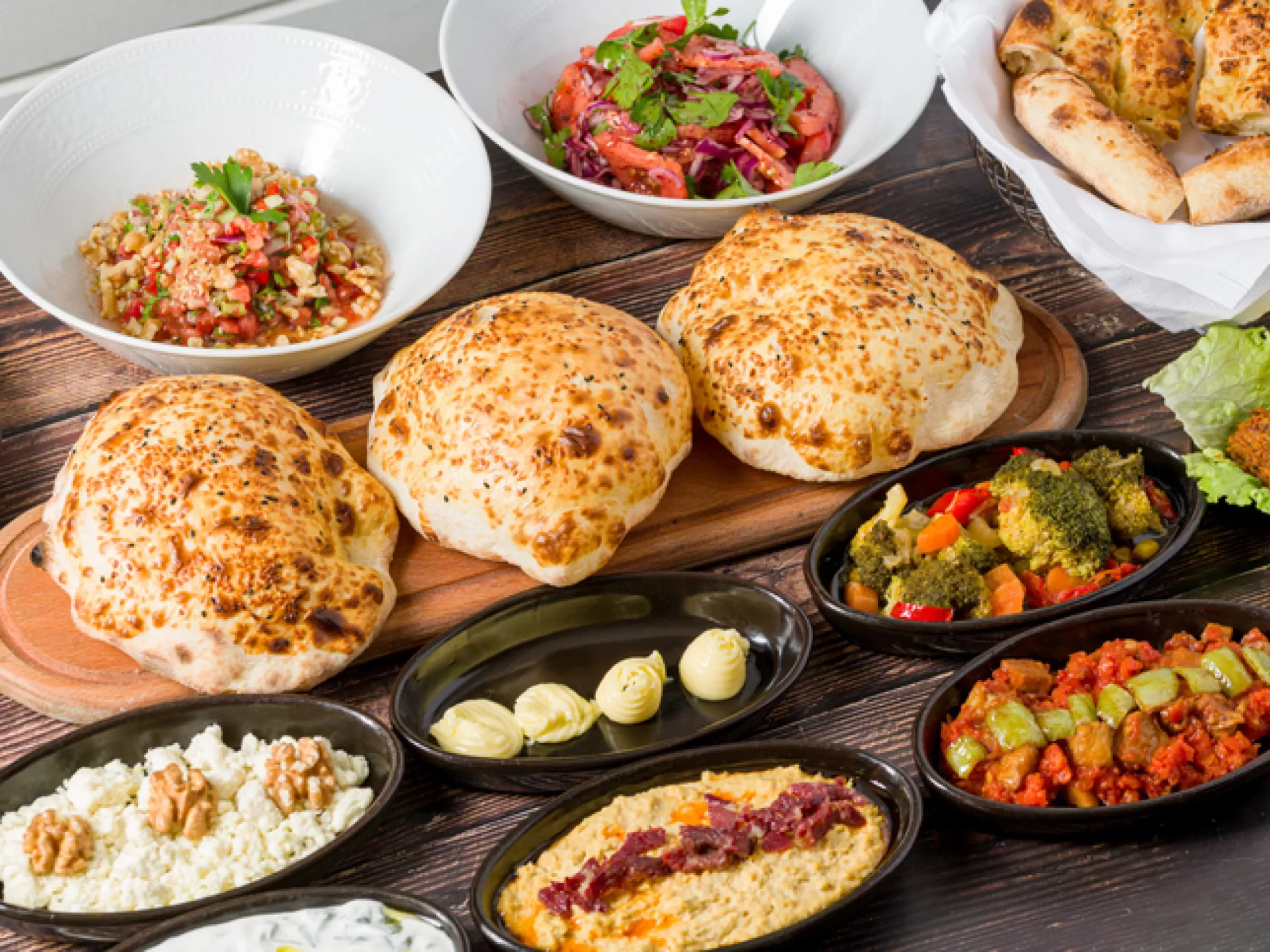
The Philosophy of Sharing
Of course there’s a place for the formality of the three-course meal, but there’s something particularly pleasing about a table covered in plates that are passed, pushed and shared around.
This type of shared eating and drinking is nothing new, and has appeared in many forms throughout history. The ancient Greeks gathered for symposia, now the description of an academic conference, but back then a choreographed social gathering where elite and aristocratic men would gather together to drink, eat snacks, listen to music, and discuss the political and philosophical issues of the day. The ancient Romans had a broadly similar social gathering known as a convivium which served social, political and hierarchical functions.
Traders from interconnected eastern Mediterranean and former Ottoman societies carried the idea of mezze - from the Persian word for “taste” - across the region, where it took root in the Levant and Greece. In China, dim sum evolved alongside traditional tea culture as a ceremony of shared steamer baskets. Similar experiences evolved in Europe as well as South and Central America.These traditions, though geographically and historically distinct, share a common thread - people eating together.
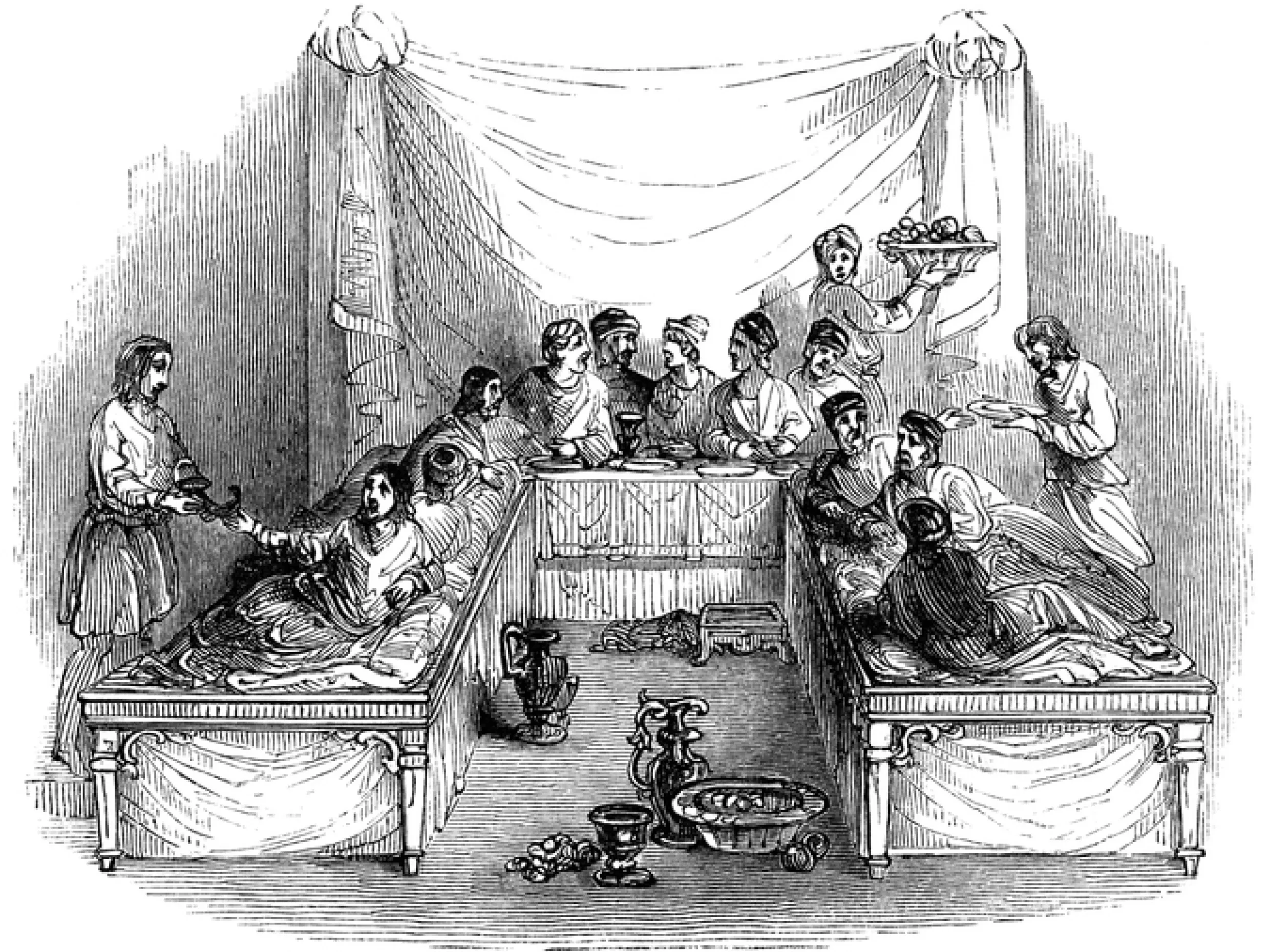
Why Do We Like The Shared Experience?
On one hand it’s the variety of what’s on the table. Small shared plates allow everyone to have a bit of everything, and it gets rid of that awful feeling a lot of us have when we go to restaurants - food envy!
But perhaps it’s also about what this type of eating does to the atmosphere around the table. Sharing food slows the pace of the meal, encourages conversation, and turns the evening into more of an event. And when it comes to shared eating experiences, there’s a whole host of global options. Grab a fork - we're sampling the globe's most sociable food traditions.
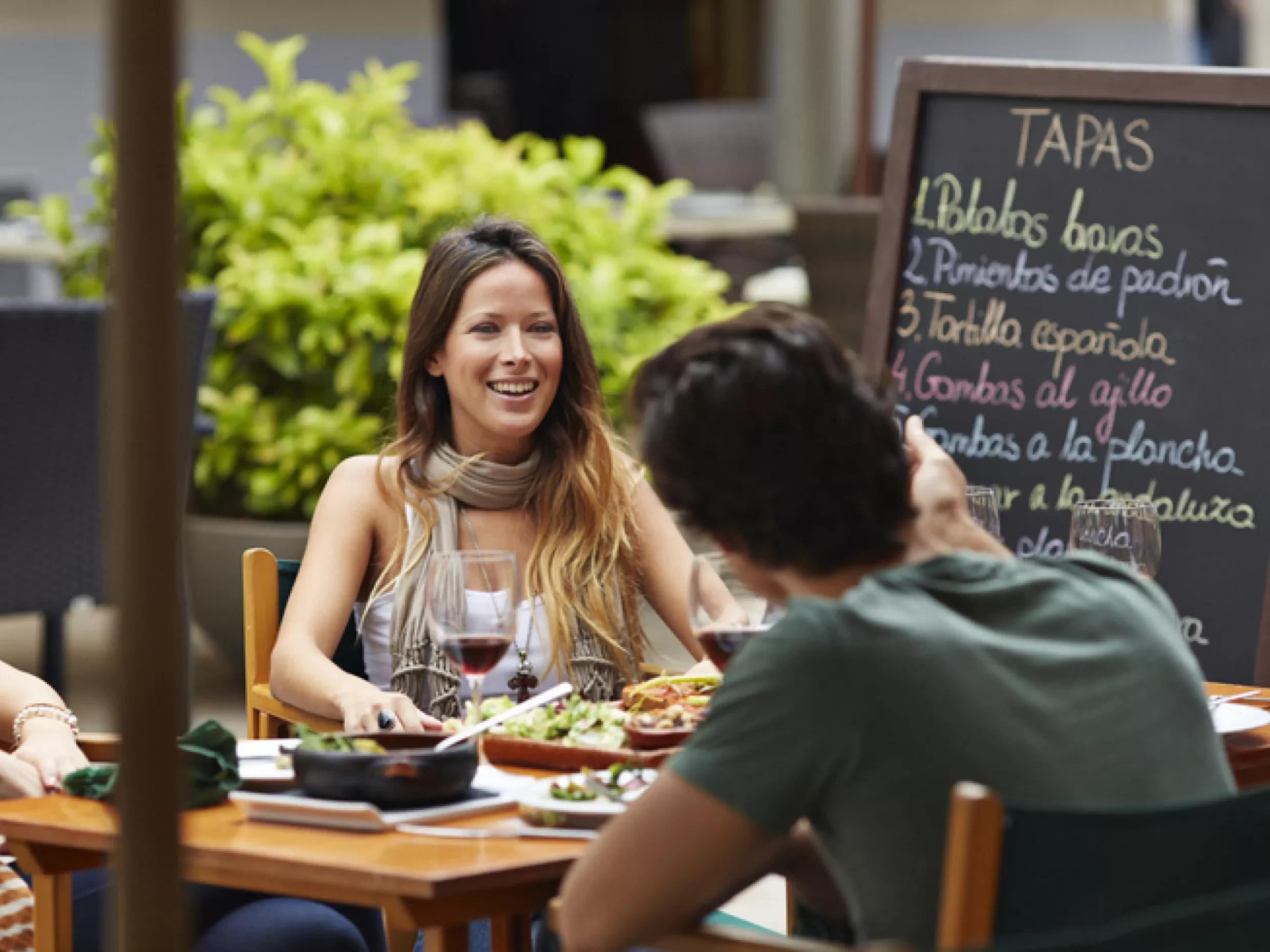
Apéro | France
In France, the apéro (short for apéritif) is a pre-dinner ritual centered on drinks and light snacks. Interestingly it comes from the Latin verb aperire, meaning ‘to open’, as in it ‘opens’ the meal. It emerged in the nineteenth century alongside the popularity of vermouth, bitters, and fortified wines, and remains a widespread favourite, particularly in southern regions where the sun sets late and dinner can go on well past 10pm. The focus is primarily on the drink - pastis, wine, kir, or champagne - with food serving a supporting role.
Typical apéro fare includes olives, nuts, sliced cured meats, rillettes, cheese, and simple tartines. It’s usually enjoyed at home, in cafés, or on terraces, often between 6pm and 8pm before the main evening meal. Unlike tapas or mezze, the apéro is not structured around a sequence of dishes. It’s an informal, drink-first gathering that prioritises conversation and relaxation over food variety.
There’s also a modern twist on the traditional apéro known as apéro dînatoire, where the table of snacks is full and complete enough that it replaces dinner entirely.
Cicchetti | Italy
In Venice, cicchetti are the local equivalent of small plates, typically served in local bars all over the city called bàcari. The tradition dates back to the eighteenth century (and possibly earlier), when workers, fishermen and locals would gather for a quick glass of wine and a snack at the end of the day.
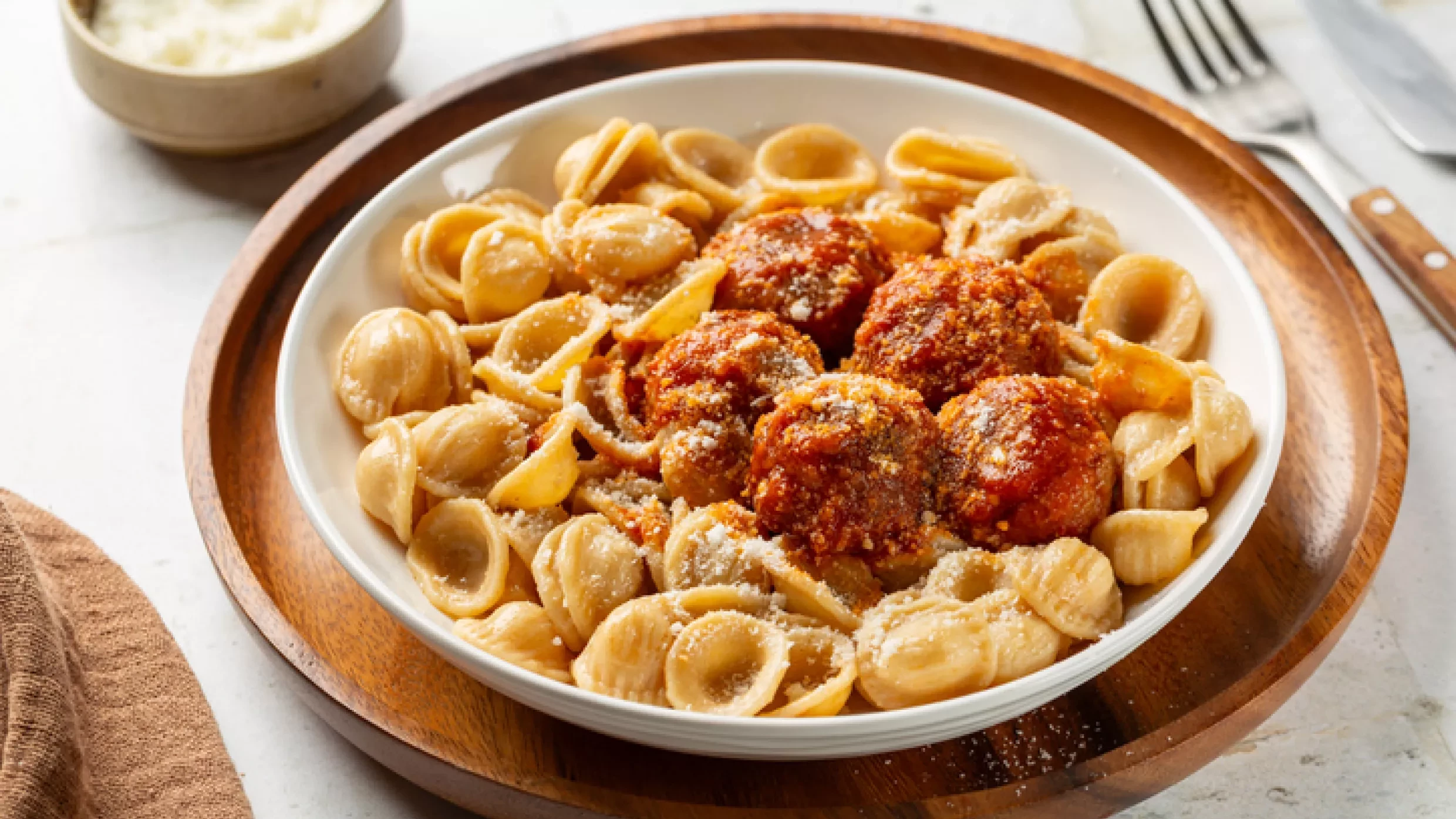
Cicchetti are usually simple, locally sourced bites, including baccalà mantecato (whipped salt cod mousse served on small slices of toast), sarde in saor (fried sardines marinated in sweet and sour onions, pine nuts, and raisins), polpette (small beef, pork or veal meatballs mixed with bread, egg and cheese), tramezzino Veneziano (small triangular sandwiches stuffed with fillings like tuna and hard-boiled egg, ham and mushroom, and shrimp and cocktail sauce), and the indulgent mozzarella in carrozza (a deep-fried mozzarella sandwich).
They’re usually eaten very informally standing up at the bar, accompanied by an ombra (a small glass of wine) or a spritz. And if you want to know more about Venice's rich food history, click here.
Petiscos | Portugal
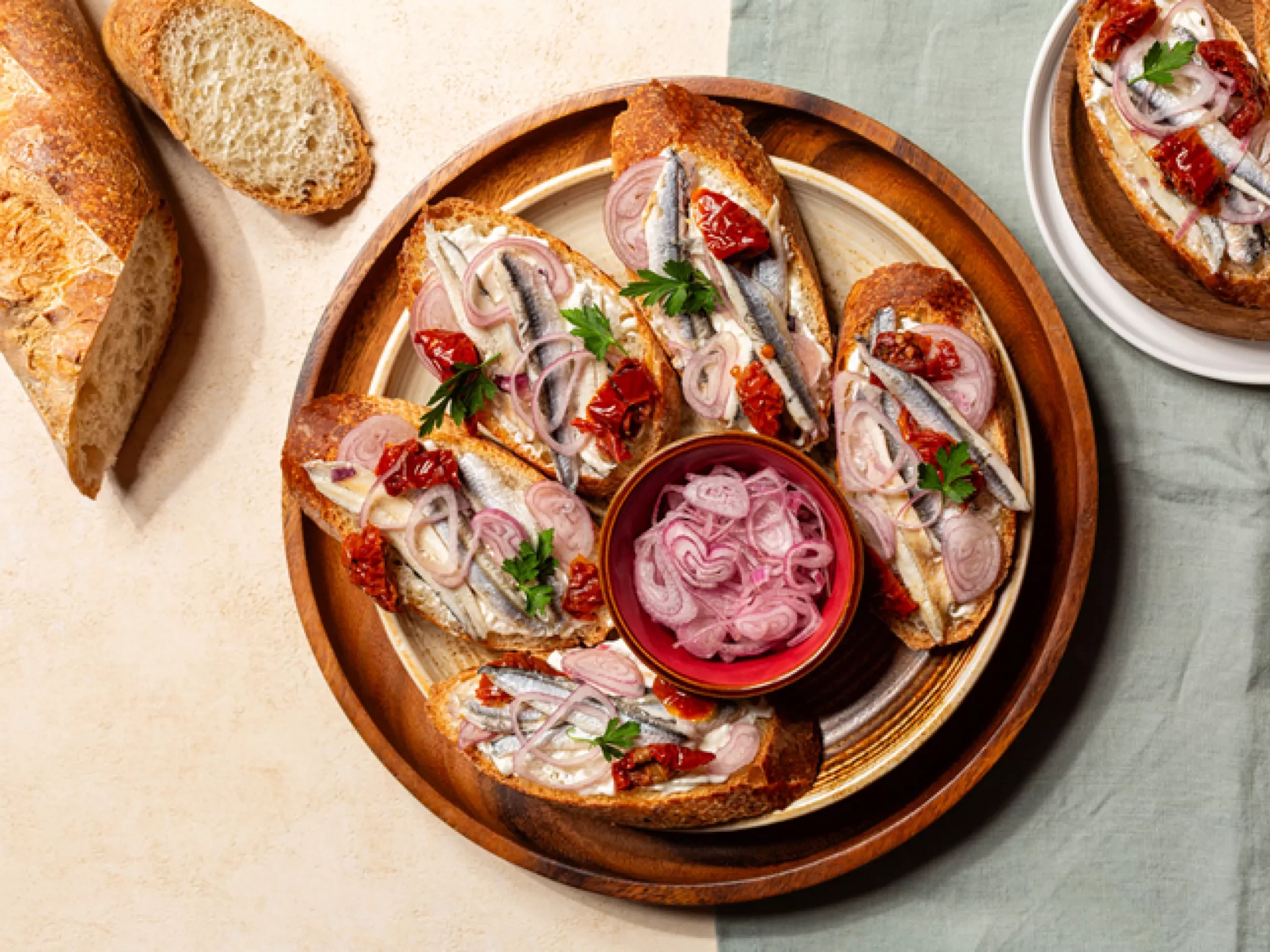
Petiscos are Portugal’s version of small plates, traditionally enjoyed in taverns, cafés, and bars alongside wine, beer, or a shot of aguardente, which literally translates as ‘burning water!’ It reflects Portugal’s emphasis on hearty, rustic fare served in generous but shareable portions. Unlike the light, drink-led French apéro, petiscos often feature more substantial dishes that can border on full meals.
Typical petiscos include chouriço assado (sausage flambéed in aguardente), pataniscas de bacalhau (cod fritters), queijo da serra (a traditional sheep’s milk cheese served with bread, olives, and various cured meats), pica-pau (small beef or pork bites in a garlicky beer gravy), and peixinhos da horta (battered and deep-fried green beans). They’re commonly served in ceramic bowls or small plates and shared among friends at communal tables.
Mezze | Middle East
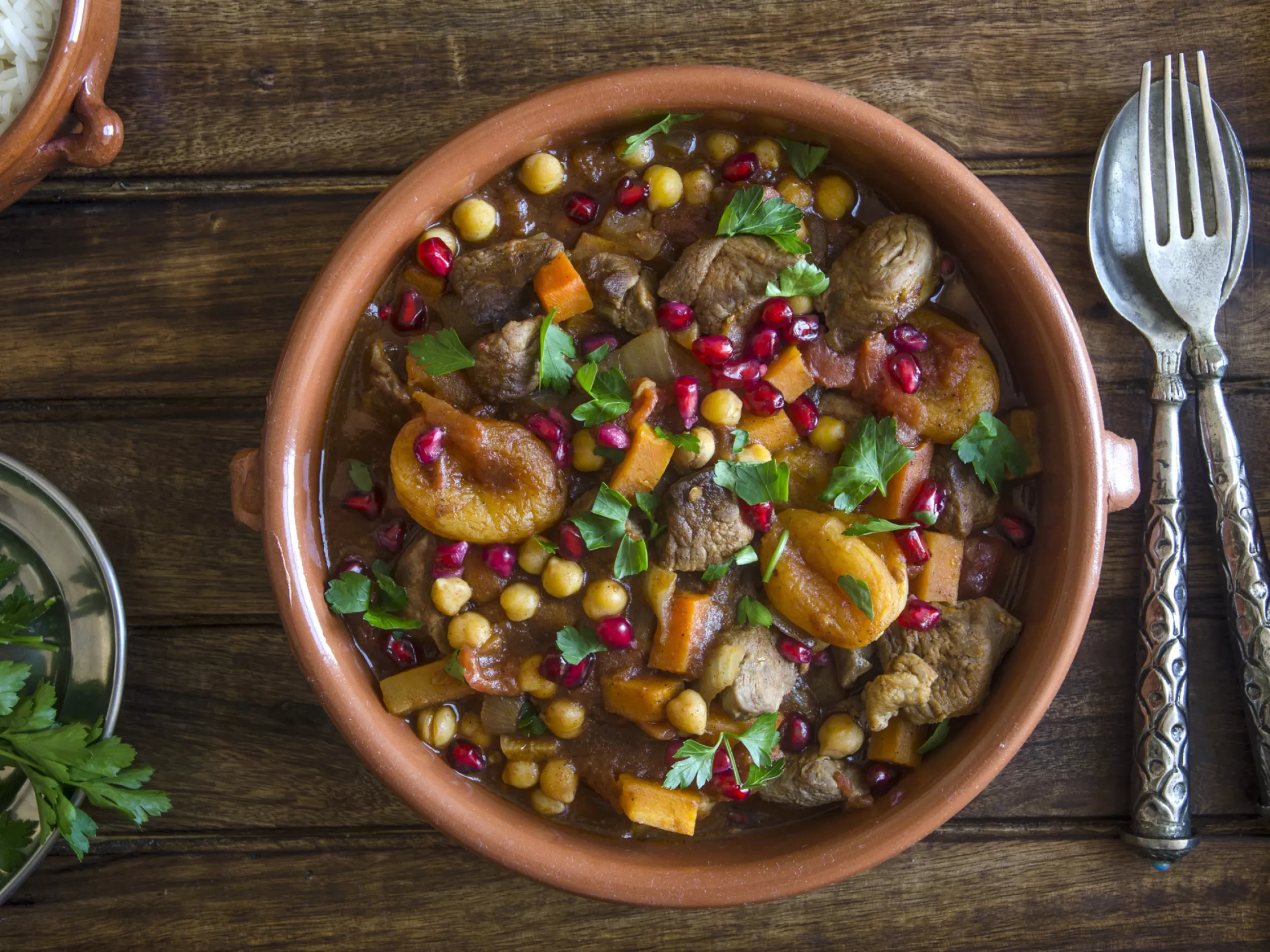
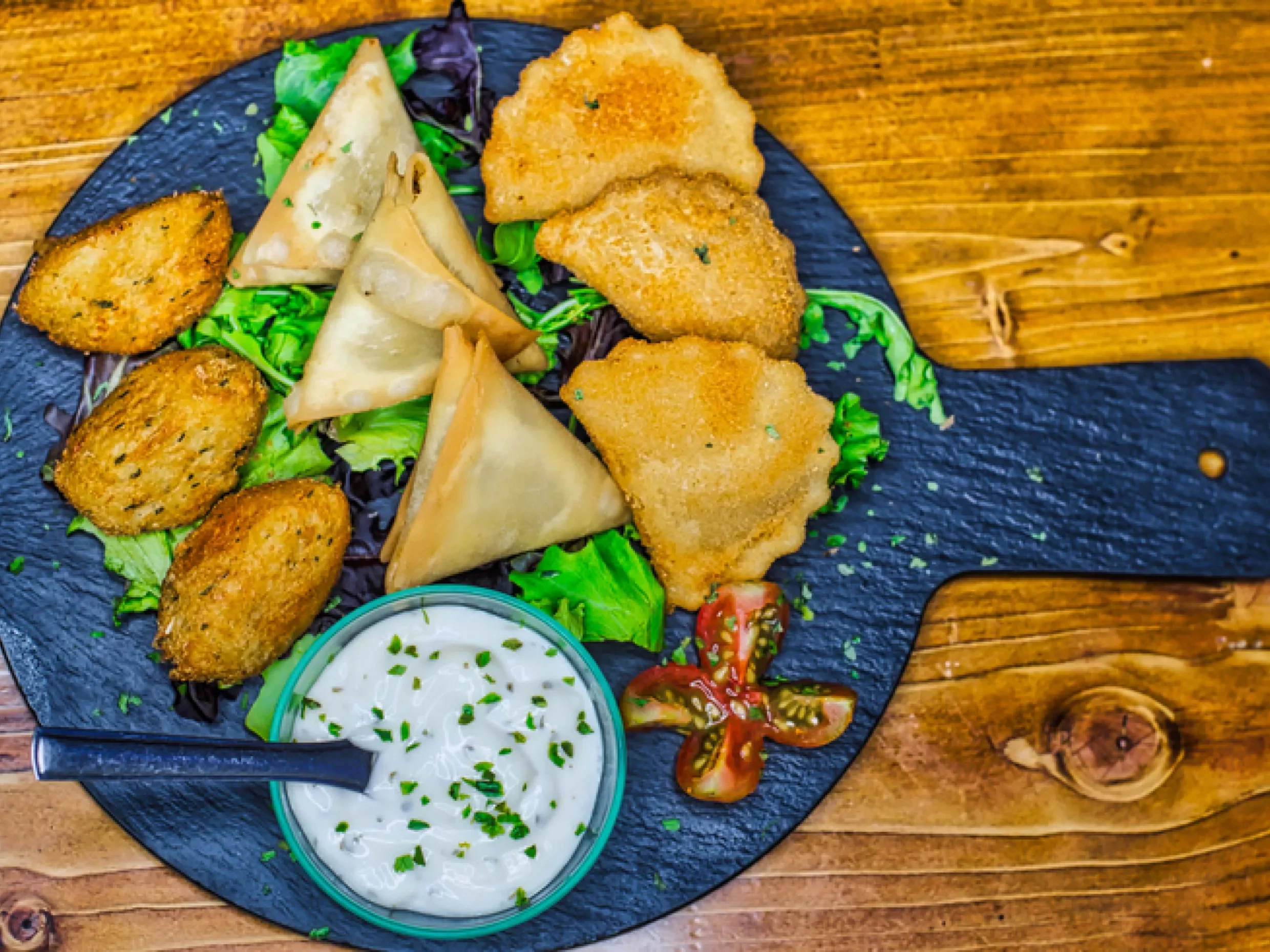
Mezze is a style of dining common across the Levant and wider Middle East, consisting of lots of small dishes served before or alongside a main meal. The word comes from the Persian maze, meaning “taste” or “relish,” and the tradition may have roots in Ottoman cuisine. Mezze is typically served as a communal spread, with dishes placed in the centre of the table for everyone to share.
A typical mezze selection includes hummus (a chickpea spread), baba ghanoush (a dip made from roasted aubergine, tahini and garlic), falafel (deep-fried balls made from chickpeas - sometimes fava beans - with fresh herbs and spices), tabbouleh (a herb salad made from bulgur wheat with parsley, tomatoes, mint and onion), ful medames (slow-cooked fava beans with olive oil, cumin, garlic and lemon juice), and various stuffed vegetables, cheeses, and cured meats.
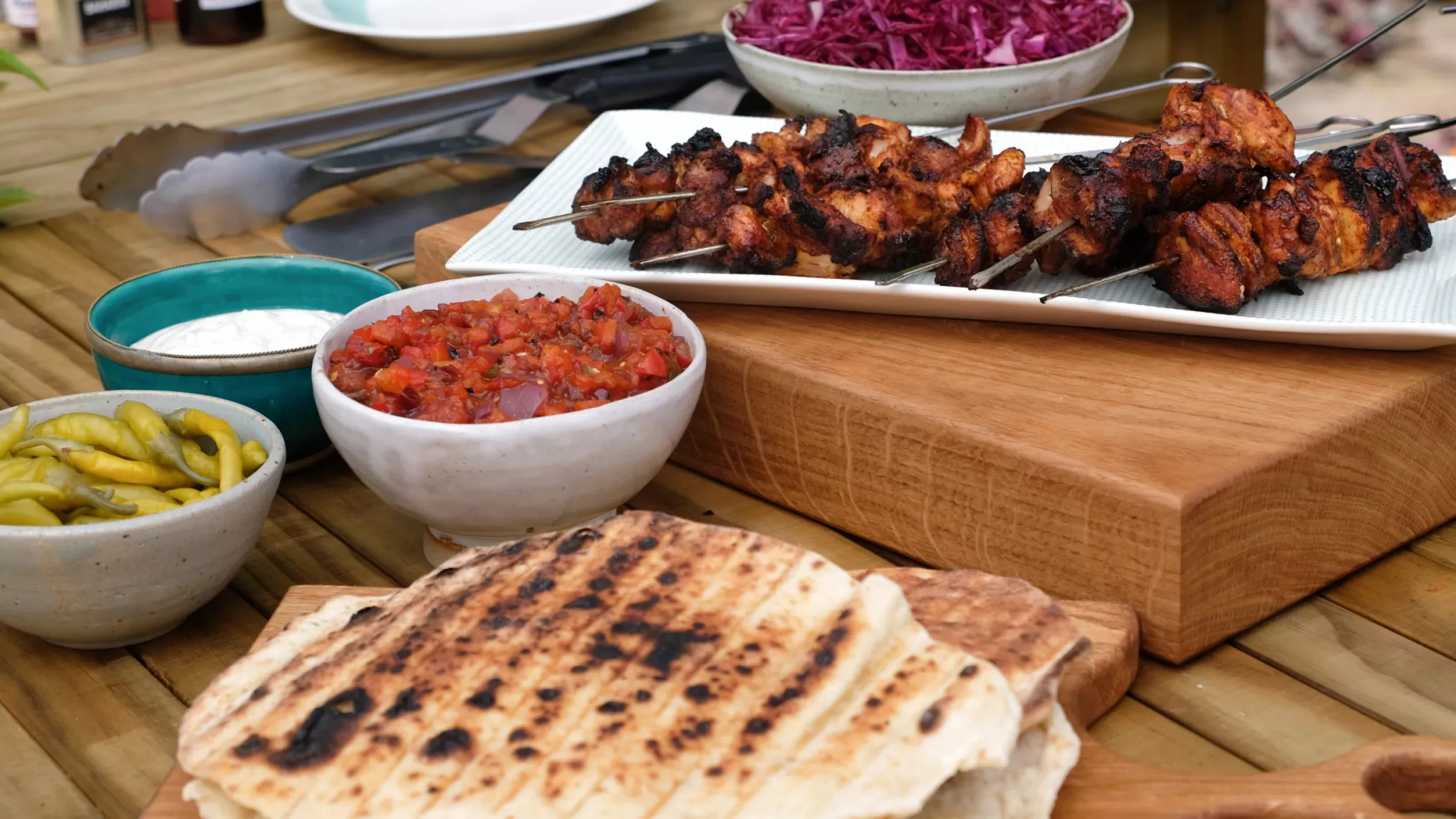
In some regions, it may also feature grilled meats, seafood, and specialty dishes like muhammara (a dip made from roasted red peppers, toasted walnuts, pomegranate molasses and spices) or shanklish (a crumbly cow or sheep’s milk cheese known for its pungent aroma!) Mezze is often accompanied by bread, olives, and pickles, and is traditionally enjoyed with arak (an anise-flavoured distilled spirit), wine, or tea.
Mezethes | Greece
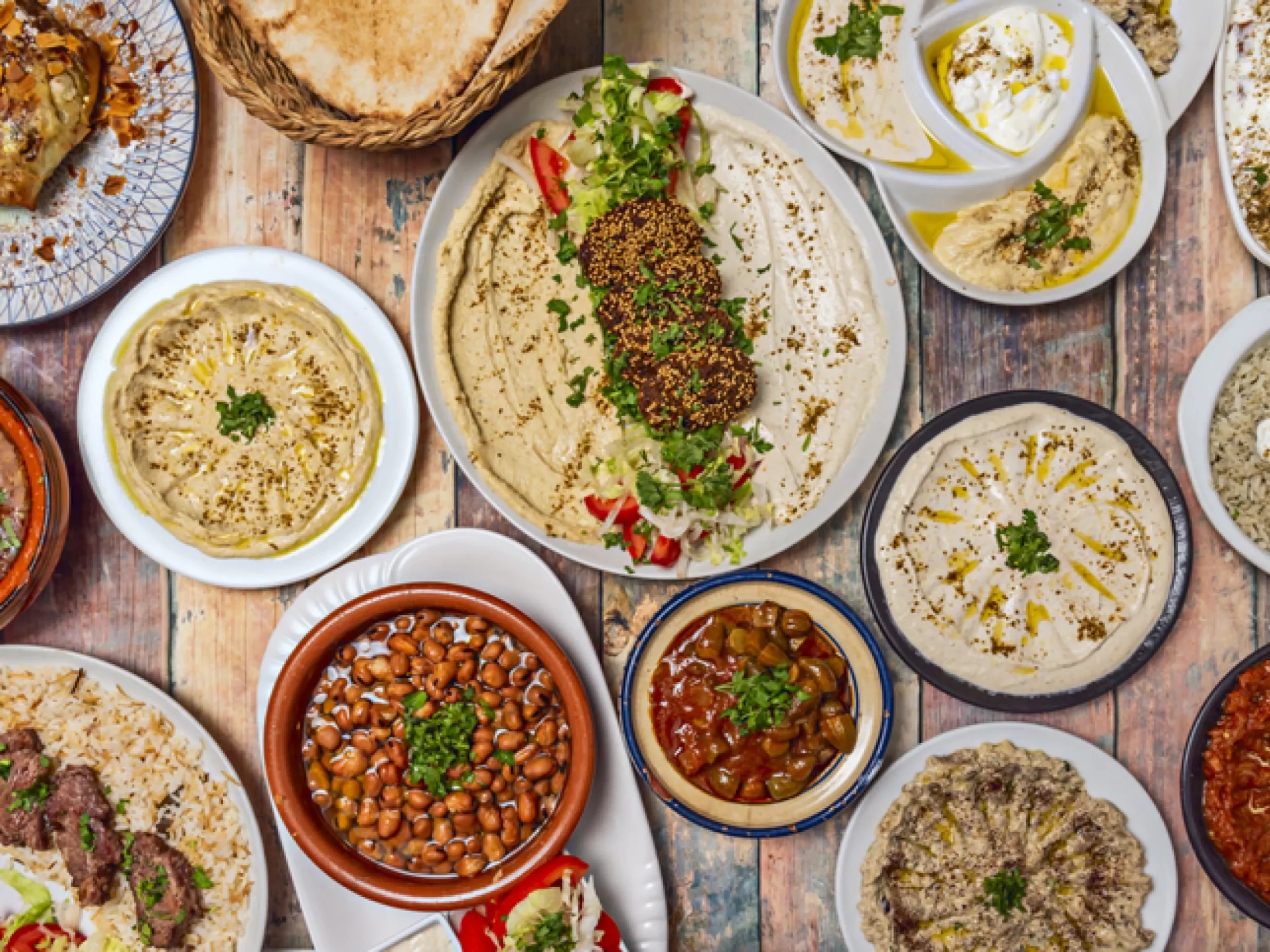
In Greece, mezethes (or mezedes) are small dishes served as appetisers or alongside drinks, particularly in tavernas and ouzeries. The tradition is closely related to Middle Eastern mezze but has its own distinct character, often involving seafood, olives, and local cheeses. In coastal areas, mezethes often feature fresh fish and shellfish, while inland regions may lean more toward cured meats and cheeses.
Common mezethes include tzatziki (a dip made from yoghurt, cucumber, garlic, olive oil, and herbs like dill or mint), taramasalata (a spread made from salted and cured fish roe with lemon juice and olive oil), dolmades (vine leaves stuffed with rice and herbs), grilled octopus, sardines, feta with honey, and various fried or marinated vegetables. They’re traditionally paired with ouzo (an anise-flavoured distilled spirit), tsipouro (a traditional Greek grape spirit), or wine.
Botanas/Bocas | Mexico/Central America
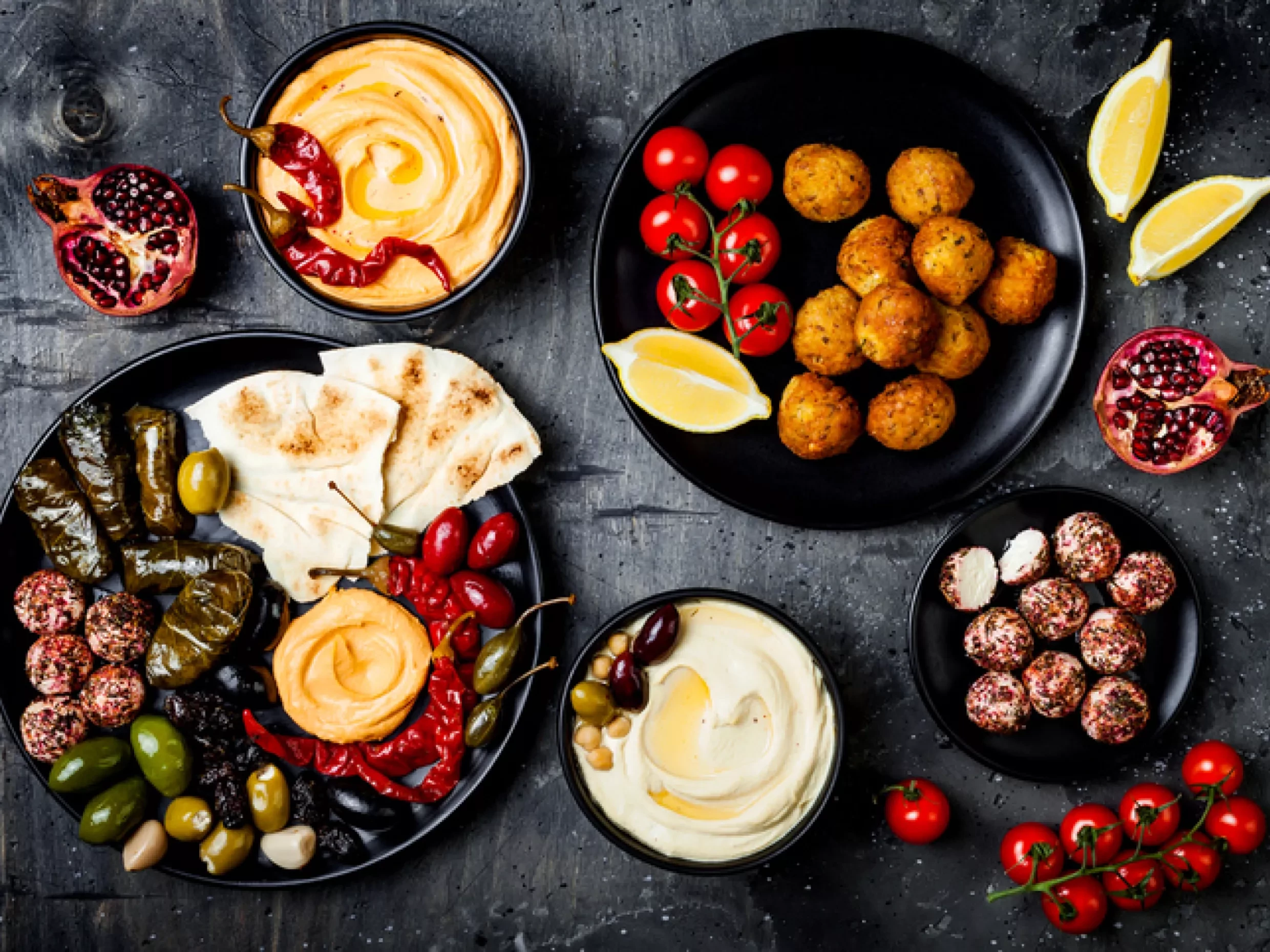
In Mexico and parts of Central America, botanas (or bocas) are small snacks served with drinks, often in bars, cantinas, and casual eateries. Less structured than tapas or mezze, the term botana comes from the Spanish word for “snack”, and the tradition is closely tied to cantina culture, where drinks are often accompanied by complimentary small plates. In some regions, boca - literally “mouth” - is used interchangeably to refer to these bite-sized morsels.
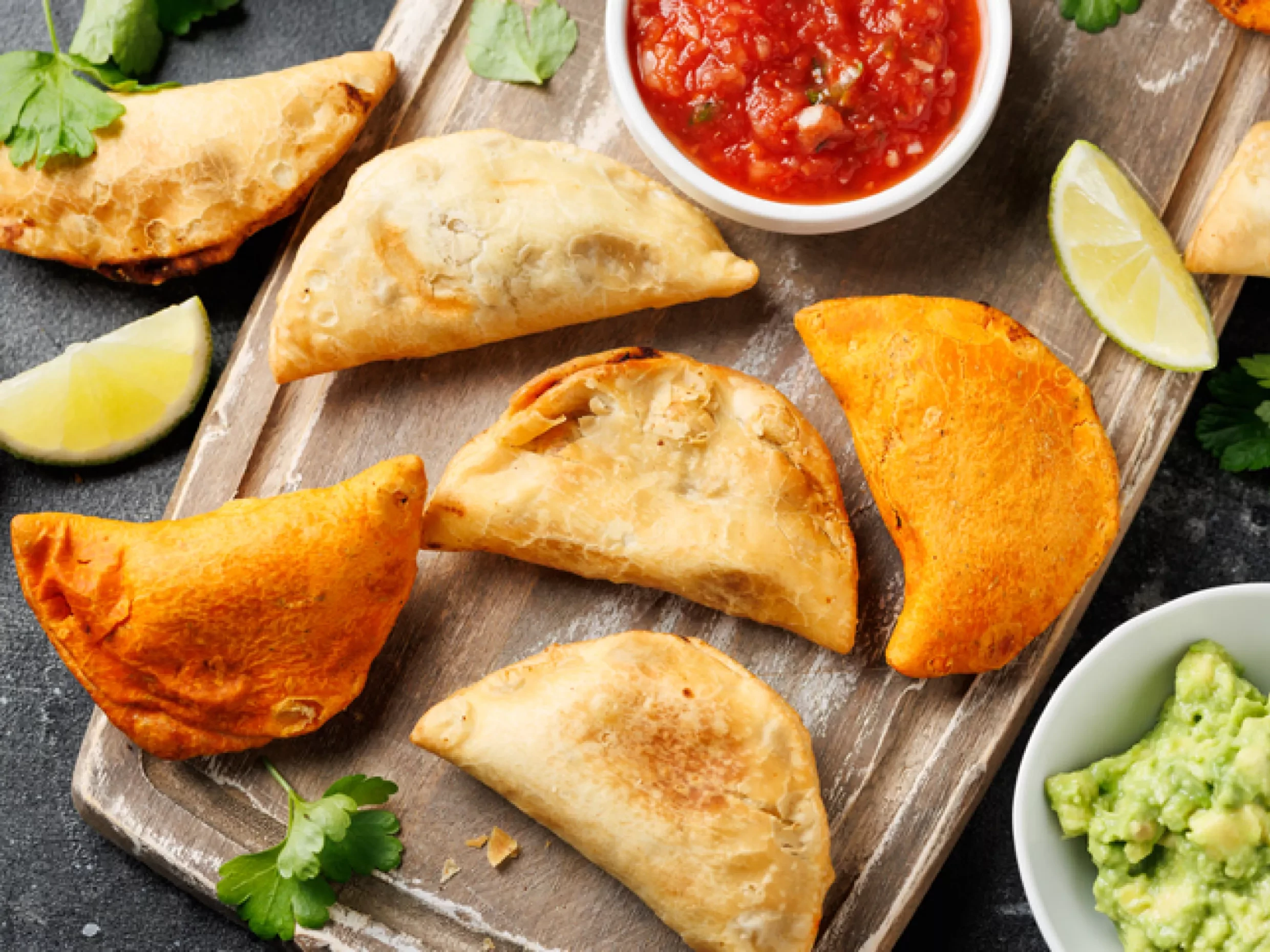
Typical botanas include nachos (fried corn tortillas with a variety of toppings, including cheese, ground beef, chicken, beans, salsa, peppers, and sour cream), guacamole (a creamy avocado-based dip) with tortilla chips, ceviche (chopped raw fish cured with lemon or lime juice and mixed with onions and chilli peppers), tacos de canasta (soft steamed tortillas with fillings including mashed potato, refried beans, pork rinds in salsa, or adobo meat), empanadas (small baked or fried pastry turnovers with sweet or savoury fillings), and various salsas with fried snacks. In cantinas, it’s common for customers to receive a rotating selection of botanas as they order drinks.
Dim Sum | China
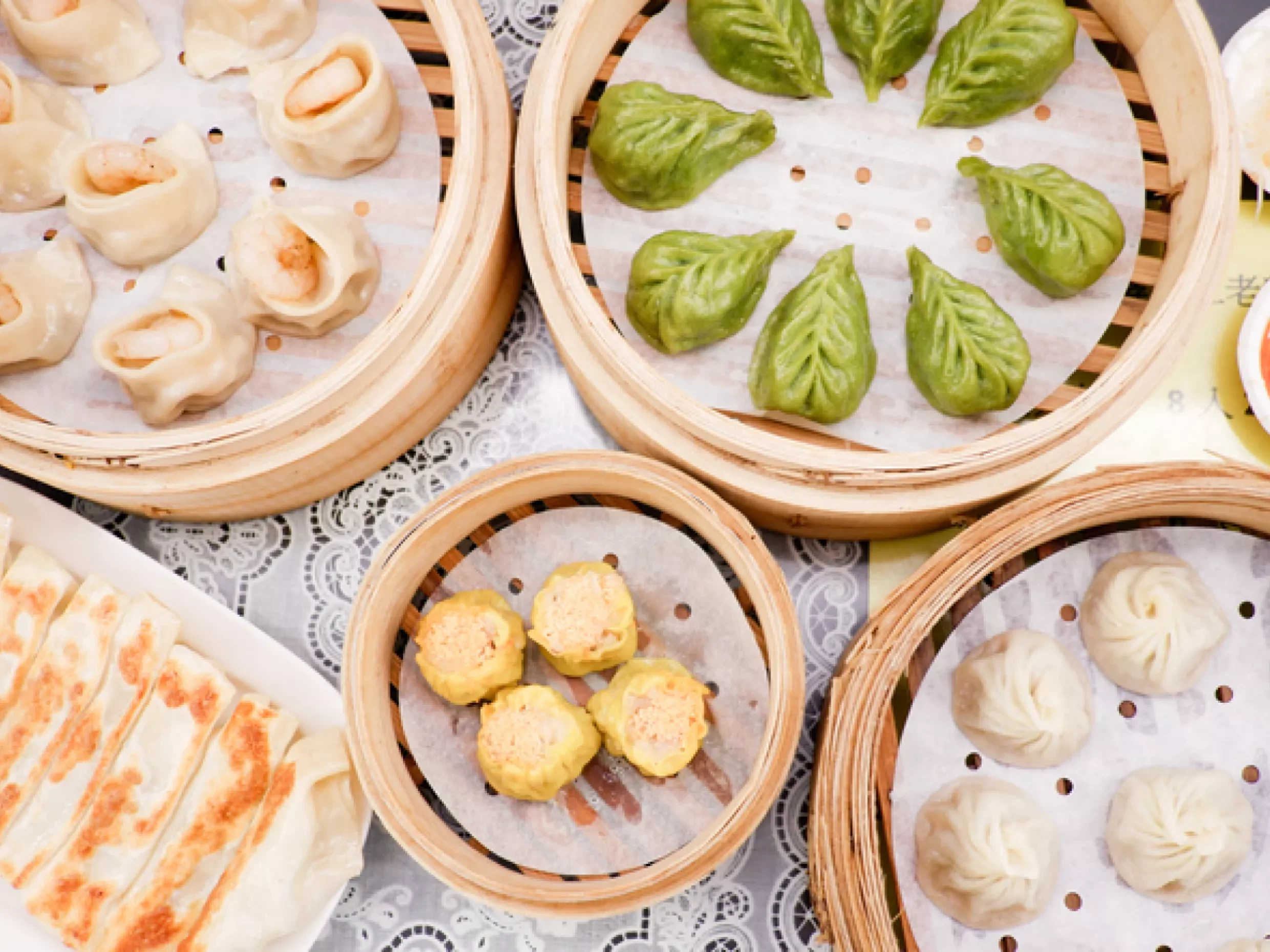
In China, dim sum is a style of small-plate dining traditionally served alongside tea, particularly in the morning and early afternoon. The practice probably emerged in Guangdong province around the eighteenth century and became closely associated with Cantonese tea houses along the historic Silk Road, where travellers would stop to rest and enjoy tea with light snacks. The term dim sum translates roughly as “touch the heart,” referring to small portions meant to satisfy rather than fill.
Dim sum is typically served in bamboo steamer baskets or on small plates, with dishes including har gow (shrimp dumplings), siu mai (pork dumplings), char siu bao (barbecue pork buns), rice noodle rolls, and egg tarts.
Izakaya | Japan
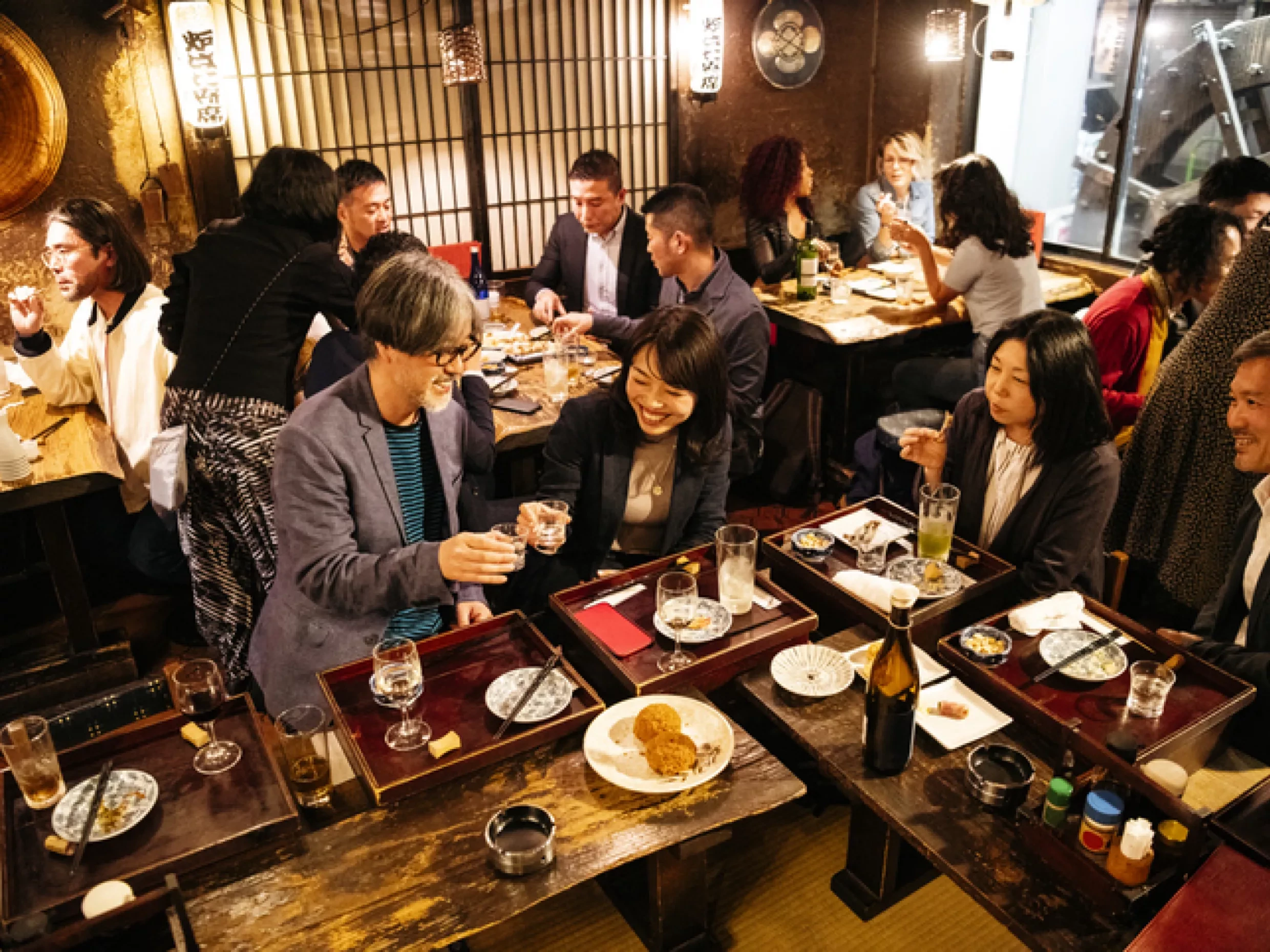
In Japan, izakaya are casual drinking establishments which serve a wide variety of small dishes, similar to tapas bars. The term combines i (to stay) and sakaya (sake shop), reflecting their origins as sake retailers who began offering simple food to customers. Today, izakaya are central to Japanese after-work social life, providing a relaxed setting for colleagues and friends to gather over drinks and shared plates.
Typical izakaya dishes include yakitori (literally, ‘grilled bird', and refers to grilled chicken on skewers), edamame (steamed soybeans in their pods, traditionally served with sea salt), karaage (bite-sized pieces of fried chicken), sashimi (thin slices of fresh raw fish or meat), gyoza (dumplings filled with meat and vegetables), tamagoyaki (a traditional rolled egg omelette), and small hot pots. Dishes are designed to complement alcoholic drinks such as sake, beer, or shochu - a distilled spirit made from rice, barley or sweet potato - and are served throughout the evening as diners order. Unlike the structured courses of formal Japanese dining, izakaya fare is informal, varied, and meant for sharing.