


From the bustle of the Rialto markets to the quiet hum of canal-side kitchens, Venetian cooking has evolved over the centuries through a range of trade, travel, and tides. In a story of discovery and elegance, every dish carries a trace of the city’s seafaring soul.
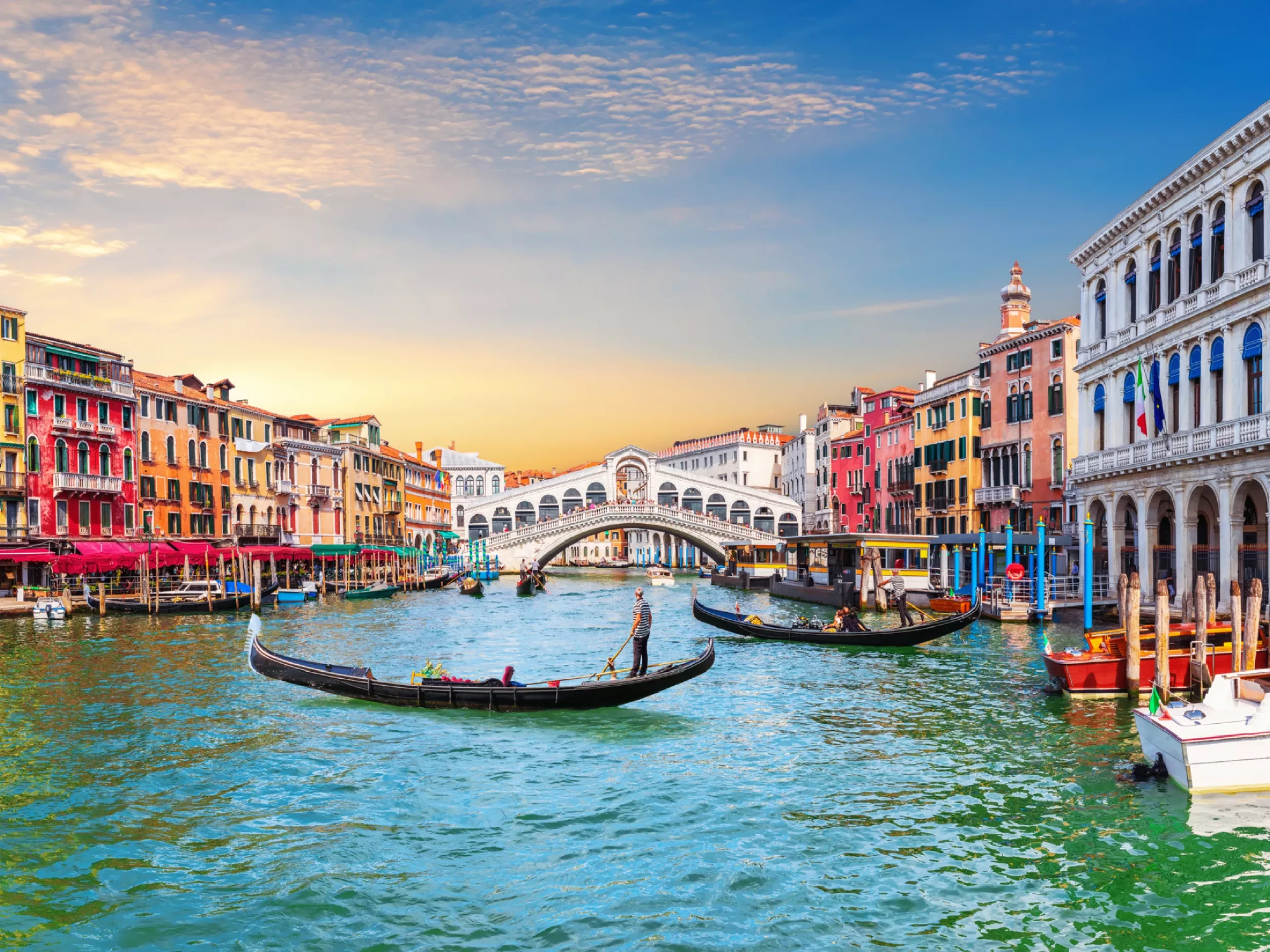
Venice: A City on Sticks
Venice was a refuge built on the water. In the fifth century AD, as waves of invaders swept across northern Italy, people sought safety in the shallow lagoons of the Adriatic. On these islands, they drove wooden piles into the mud and began to build what would become one of the greatest maritime republics in history.
By the early Middle Ages, Venice had become a powerful trading hub linking the Byzantine Empire and the Islamic world with Europe. Its strategically important position made it a centre for the exchange of goods, ideas, and ingredients - from spices and sugar, to salt and seafood. The city grew rich on trade, and a powerful navy often dominated the east - west sea routes. Spices, silks, salts, and stories flowed up its canals, transforming not just its economy but its very identity. It was ruled by its Doge and Great Council for nearly a thousand years.
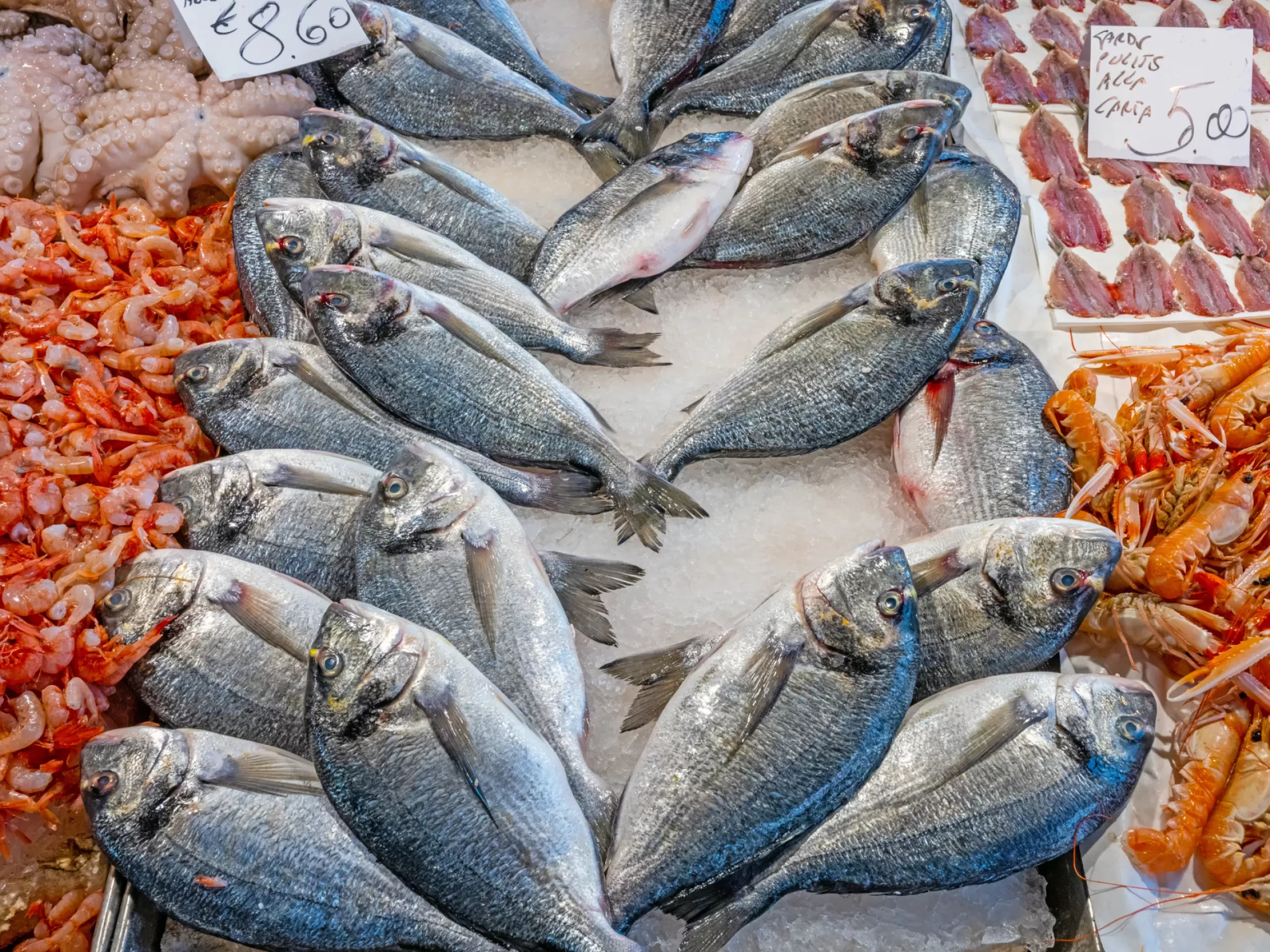
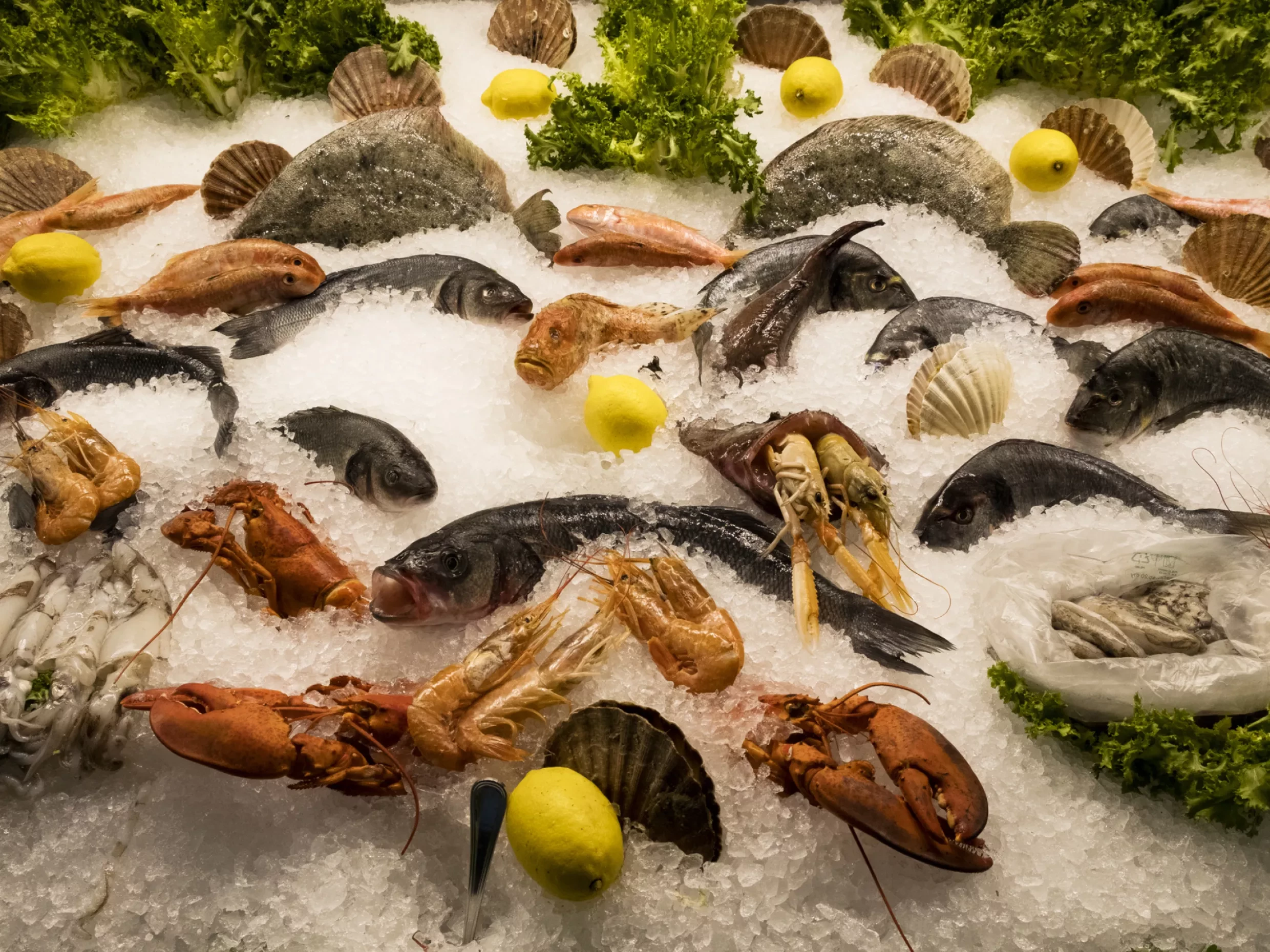
Unlike inland Italian cities such as Florence or Siena, Venice’s fortunes were tied not to agriculture but to the sea. The lack of farmland shaped its diet, and the city relied on imports and what the lagoon could provide - fish, shellfish, waterfowl, and salt.
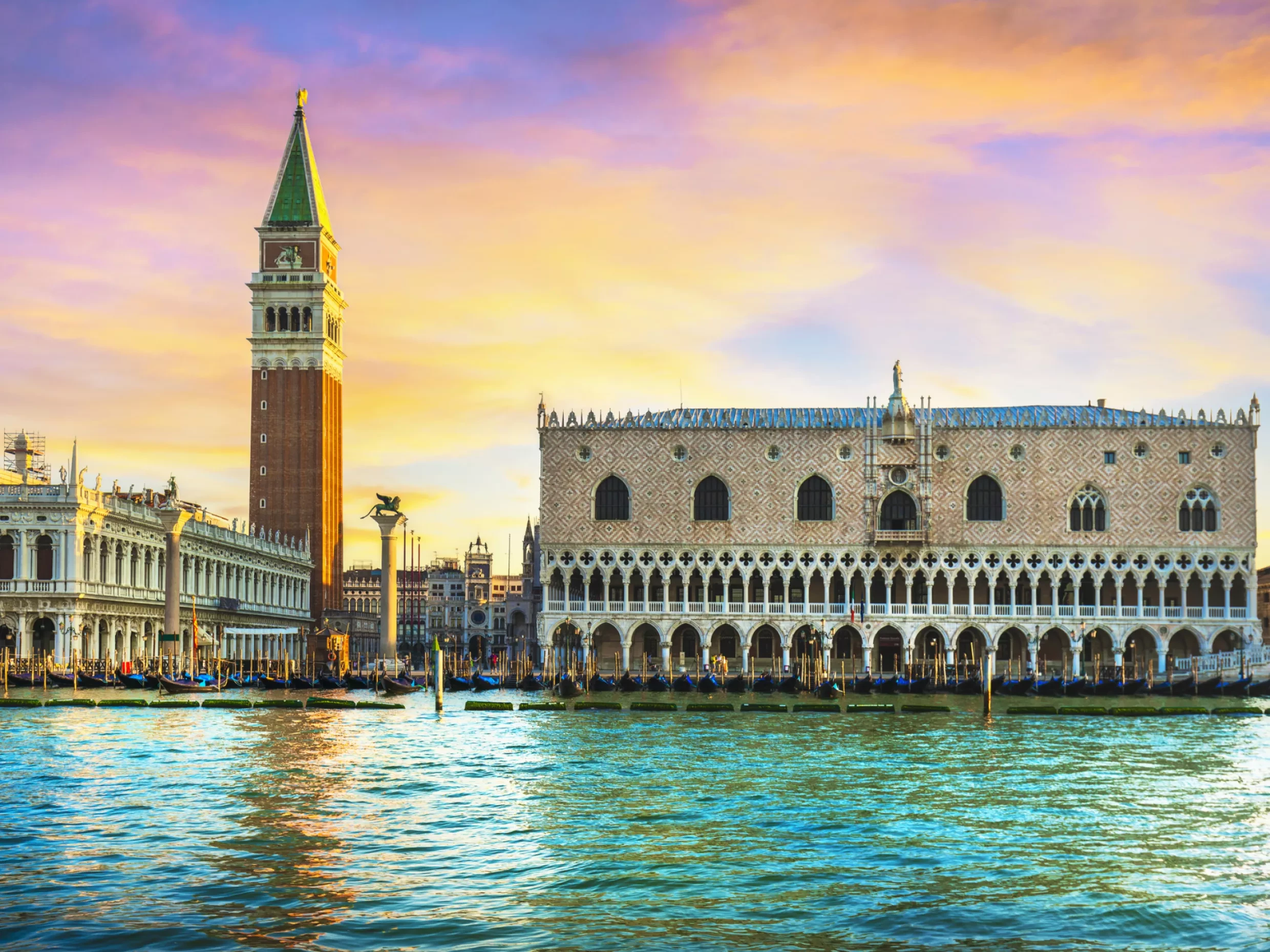
Venice: The Gastronomic Gateway
Like many of the world’s great maritime cities, Venice’s culinary story began with commerce. From the early Middle Ages onward, Venetian merchants sailed across the Mediterranean and to the East, bringing back ingredients that transformed European cooking. Pepper, cloves, cinnamon, nutmeg, pine nuts, vinegar and sugar - once rare luxuries - became symbols of wealth and sophistication, and often arrived through Venetian hands.
The city’s location made it the natural crossroads between east and west, and its markets sold foods that very few Europeans had ever seen. Dates from the Levant, almonds from Sicily, and rice from Asia that arrived through Egypt. Venetian traders learned how to preserve fish for long voyages, how to salt meats, and how to balance flavour with shelf life - practical skills that would become defining features of the region’s cuisine.
Wealth from trade also encouraged refinement in the kitchen. Noble families commissioned elaborate banquets influenced by the exotic and expensive flavours of Persia, Arabia, and Byzantium, blending local seafood with imported spices and fruits. While not as opulently decadent, the same Eastern influences were also present in more modest homes.
By the time of the Renaissance, Venice’s tables reflected its place as one of Europe’s richest and most powerful cities. The city that controlled the seas had also begun to dictate the menu of Europe
A Melting Pot of Cuisine
No other city in medieval Europe absorbed so many culinary influences - or blended them with such skill and subtlety - as Venice. For centuries, its merchants moved between Constantinople, Alexandria, and Damascus, carrying not just cargo but culinary ideas. Dishes, techniques, and ingredients crossed borders as easily as ships sailed back and forth across the Adriatic.
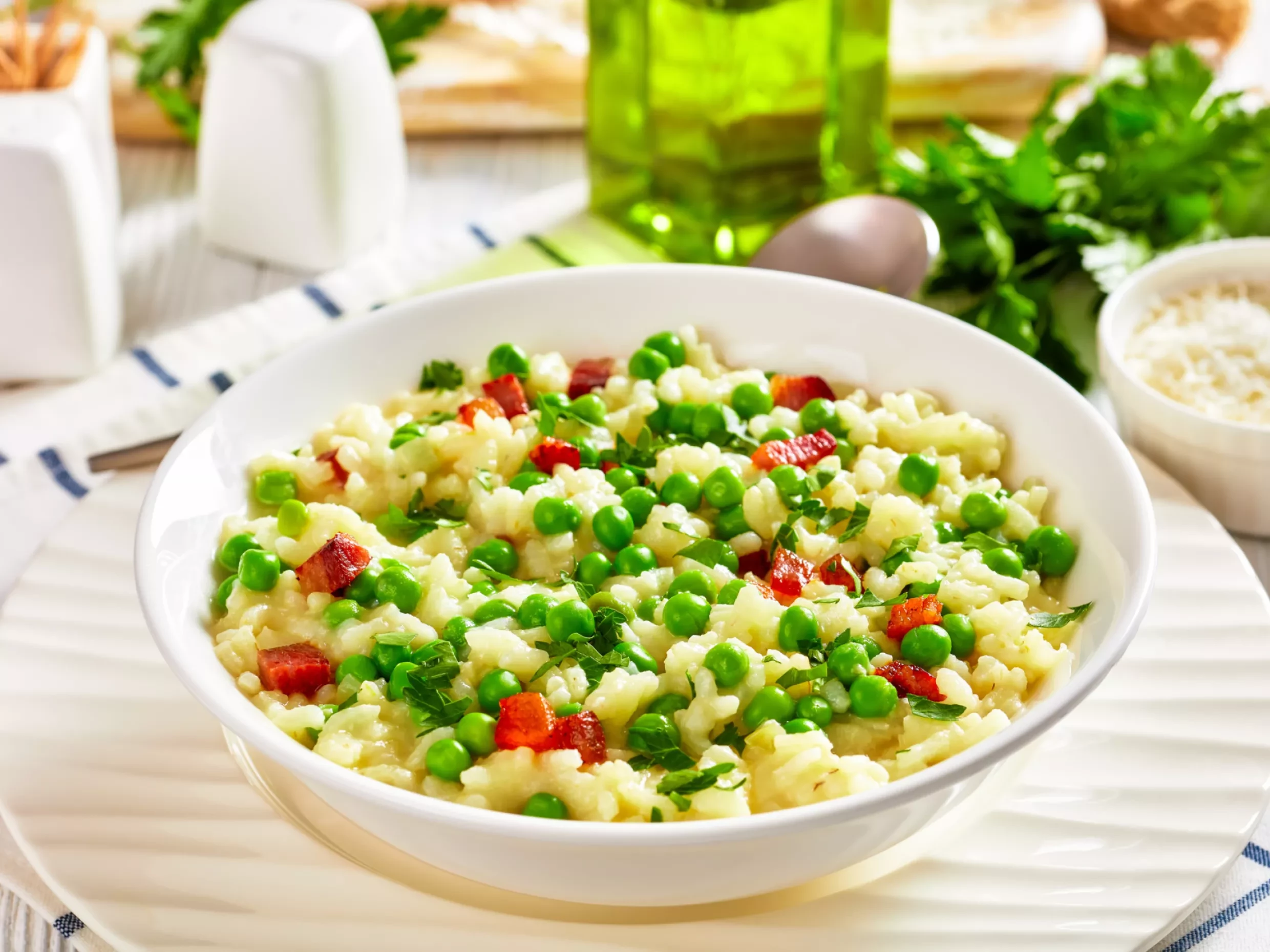
These trips helped to shape Venetian cooking.The sweetness favoured in Byzantine and Arab cuisines found its way into sauces and pastries, often eaten with salt fish or game from the lagoon. Rice, originally an import, became central to local dishes such as risi e bisi, or ‘rice and peas’, a cross between a thick soup and a risotto, while new ingredients like citrus, raisins, and pine nuts added brightness to otherwise simple recipes.
Similar to the mix of French, Spanish and Swiss influences in Milanese kitchens, this east meets west fusion in Venetian cookery refined local character but didn’t erase it. The lagoon’s seasonal fish and vegetables remained the foundation, but foreign spices enhanced them.
Venice’s Living Food Calendar: The Tide Decides
It’s not quite as rigid today, but for centuries, the city’s daily life was governed by tides and calendars - the rise and fall of the lagoon dictated when fishermen could work, while the Church determined when meat was forbidden and fish was required. This crossover between practicality and ritual gave Venetian eating habits a distinct order.
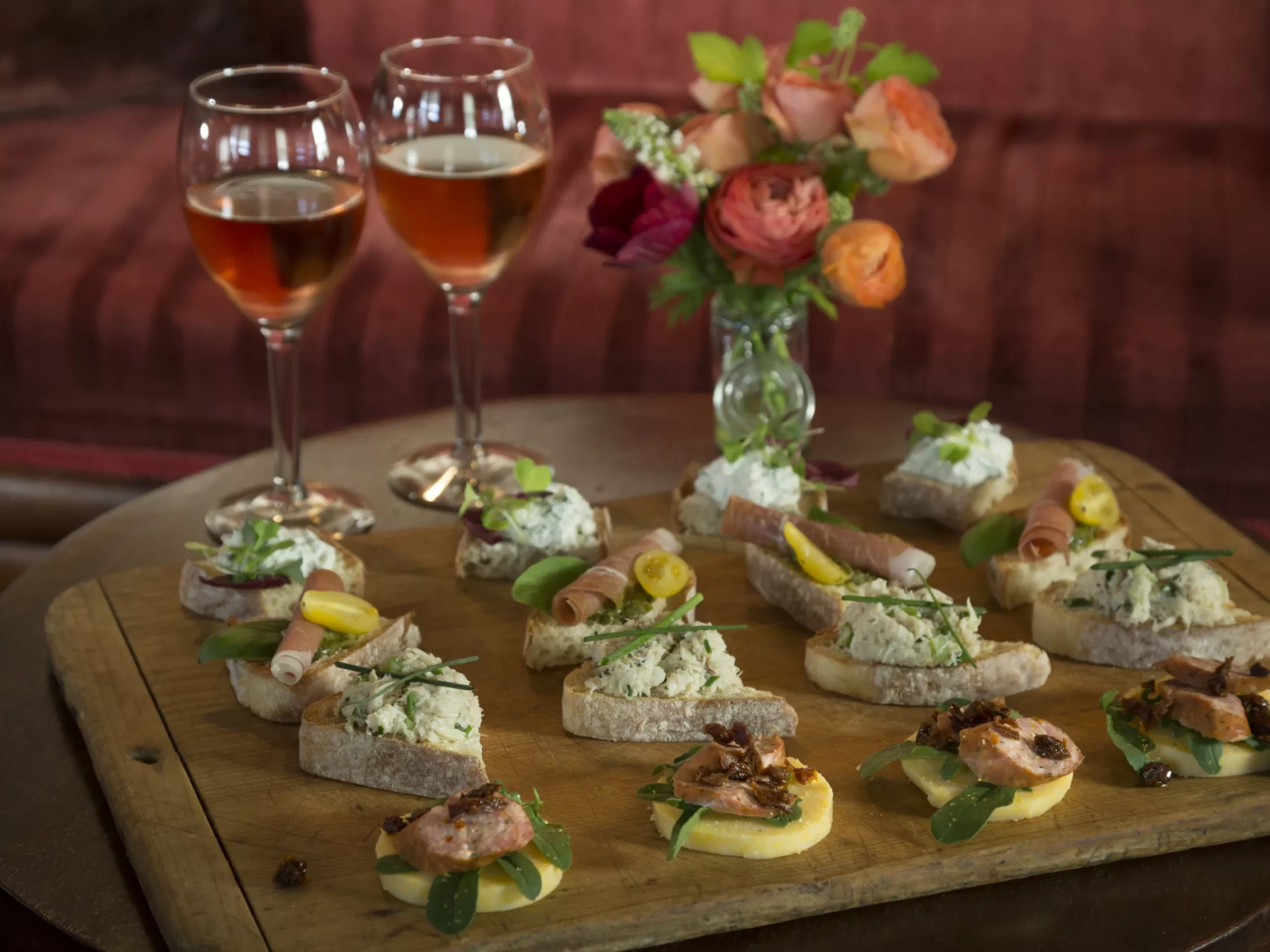
Religious observance shaped much of the city’s menu. Long periods of fasting encouraged a reliance on seafood and vegetables, and Fridays, Lent, and saints’ days called for dishes like baccalà mantecato, a creamy spread made from air-dried cod, olive oil, garlic and spices, typically served on grilled polenta or crostini, or sarde in saor, a sweet-and-sour marinated dish of fried sardines with slow-cooked onions, vinegar, and usually pine nuts and raisins. Fresh produce from nearby islands such as Sant’Erasmo added seasonal variety, ensuring ingredients remained local despite influences on flavour coming from far away lands.
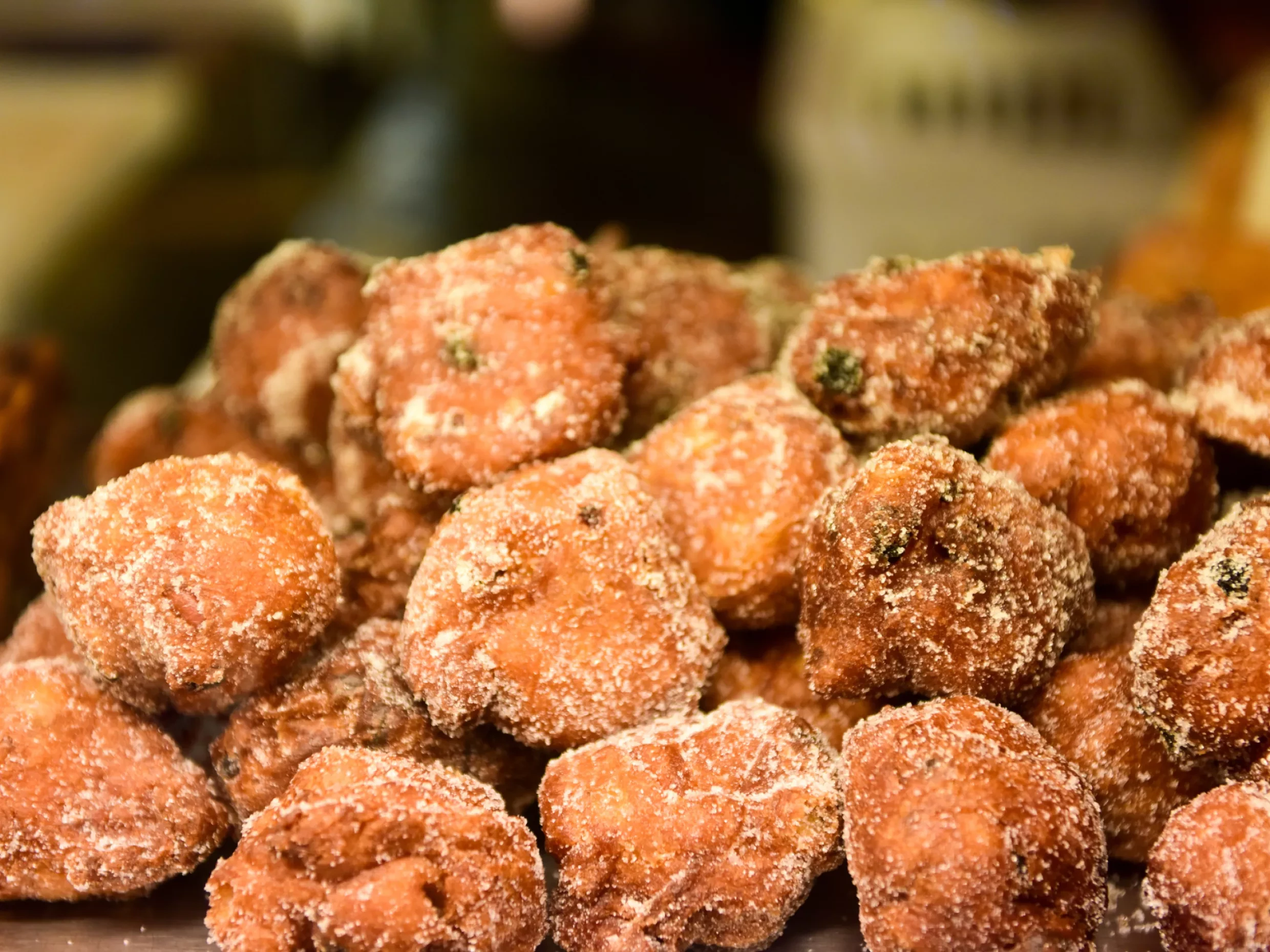
Like almost everywhere around the world, Venetian festivals also revolved around food. Carnival meant indulgence - fritters, or Fritelle Veneziane, pastries, and wine - and maritime ceremonies like the ‘Marriage of the Sea’, or Sposalizio del Mare, reinforced the link between the locals and their waters.
A Menu Dictated by the Lagoon
In terms of flavour profiles, Venetian cuisine can be described as restrained but layered. Lots of recipes pair the clean taste of fish or rice with gentle sweetness from onions, raisins, or a touch of sugar, balanced by vinegar or citrus. Spices such as pepper, cinnamon and cloves are a legacy of the city’s commercial past rather than used to add heat.
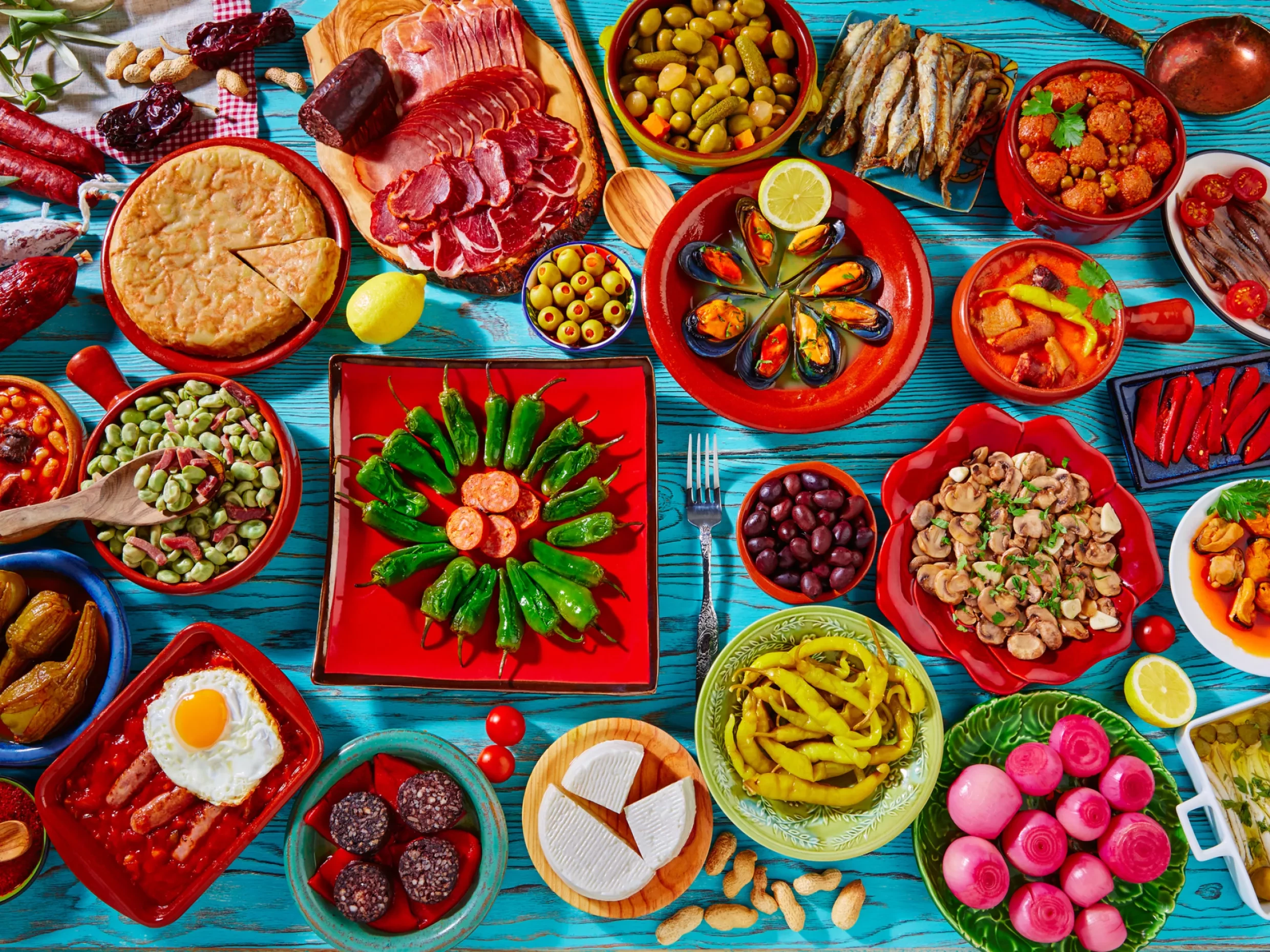
Again, like all of Italy’s great food regions, you can tell the season by restaurant menus and the cicchetti, small tapas-style plates served in local bars called bàcari. In spring, there might be moeche (soft-shell crabs) and tender peas. The summer months bring grilled fish and marinated vegetables, and in autumn and winter, slow-cooked stews, baked pastas, and richer rice dishes are the order of the day.
Uniquely Venetian Dishes
Venetian cuisine is distinct from the rest of Italy, heavily influenced by both local produce and its history as a maritime republic. Today a number of unique dishes help to make up modern Venetian cuisine.
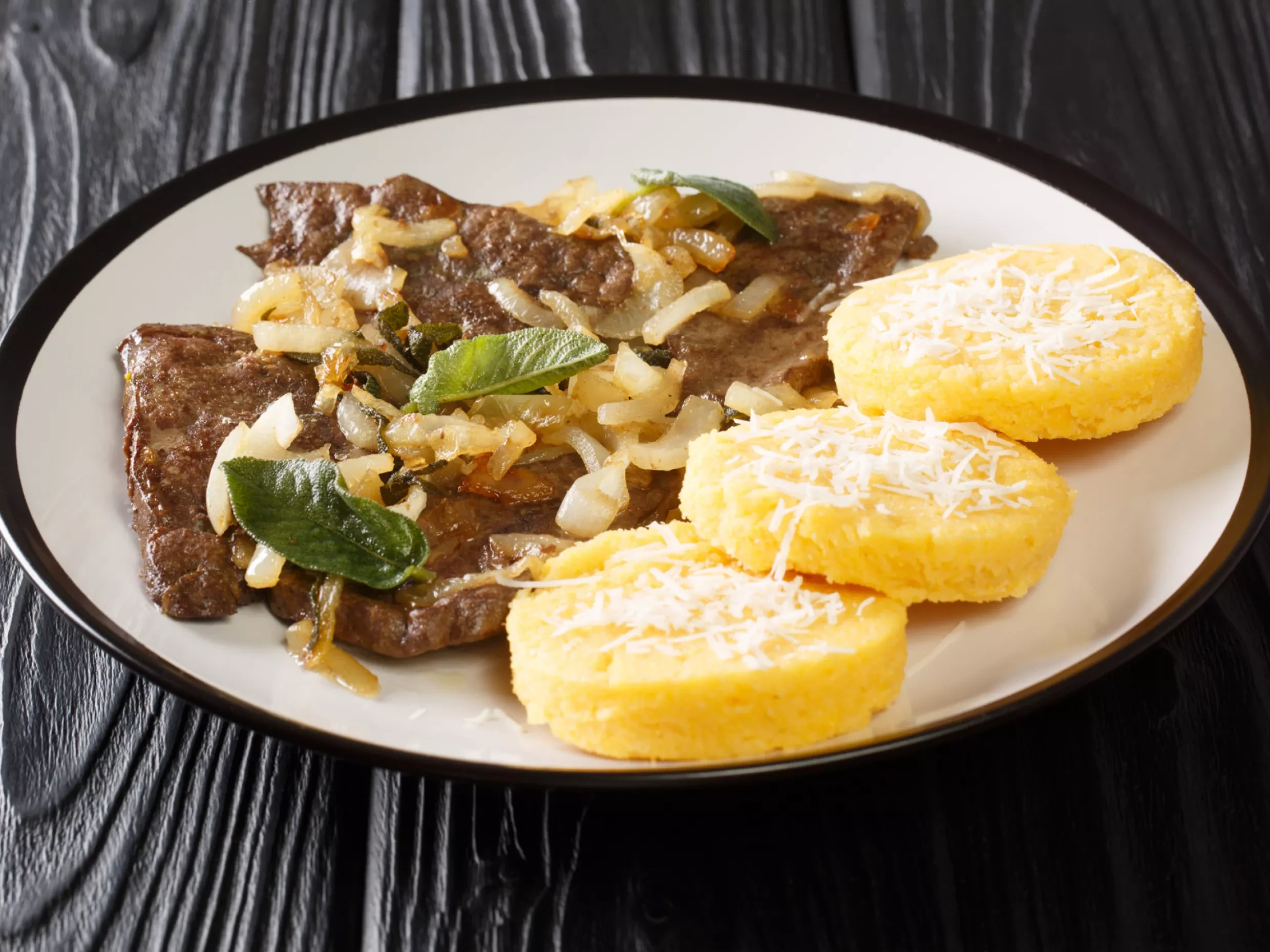
Fegato alla Veneziana
A classic Venetian dish of thinly sliced calf’s liver gently sautéed with slow-cooked onions. The sweetness of the onions balances the richness of the liver, and it’s typically served with soft polenta.
Bigoli in Salsa
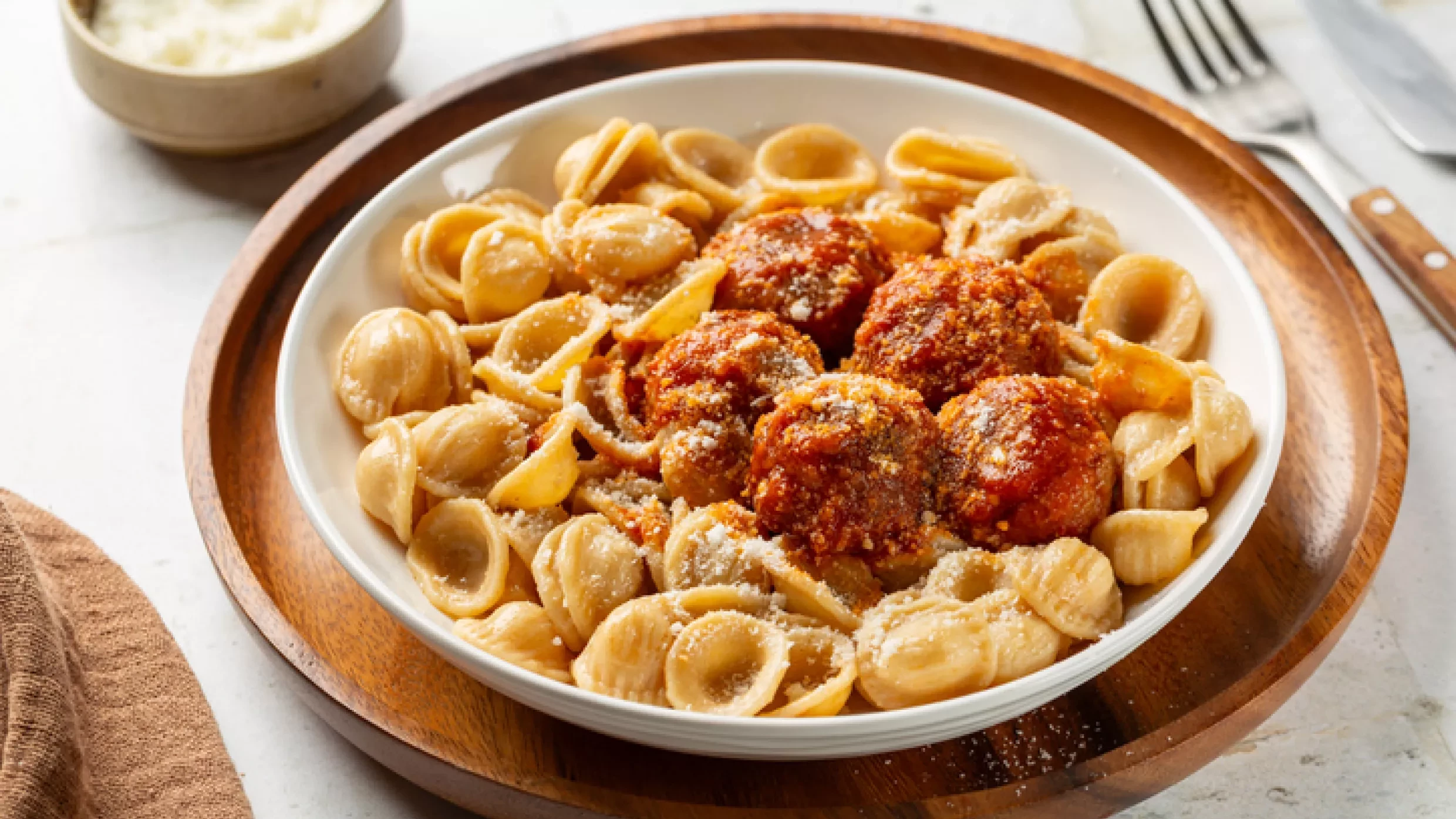
Thick, wholewheat or white spaghetti-like pasta dressed in a savoury sauce of slow-cooked onions and salted anchovies (or sardines). A classic dish that’s simple, briny and traditional.
Risotto al Nero di Seppia
Creamy risotto coloured jet black with cuttlefish ink. It has a delicate seafood flavour with a subtle briny depth and is often finished with tender pieces of cuttlefish.
Moeche Fritte
A seasonal lagoon speciality of soft-shell crabs, harvested just after moulting. They are lightly floured and fried whole, crisp outside and wonderfully sweet.
Scampi alla Busara
A typical northern Adriatic dish of langoustines cooked in a fragrant sauce of tomato, white wine, garlic and breadcrumbs. The dish is rich, slightly spicy and perfect for mopping up with bread.
Baicoli
Thin, crisp, twice-baked biscuits originally made for Venetian sailors due to their long shelf life. Light and delicate, they’re traditionally enjoyed dipped in coffee, zabaglione (a classic, light Italian custard) or sweet wine.
Fritelle Veneziane
Soft, deep-fried doughnuts traditionally eaten during Carnival. They’re often filled with pastry cream or zabaglione, or studded with raisins and pine nuts, and dusted with sugar.
Tiramisu
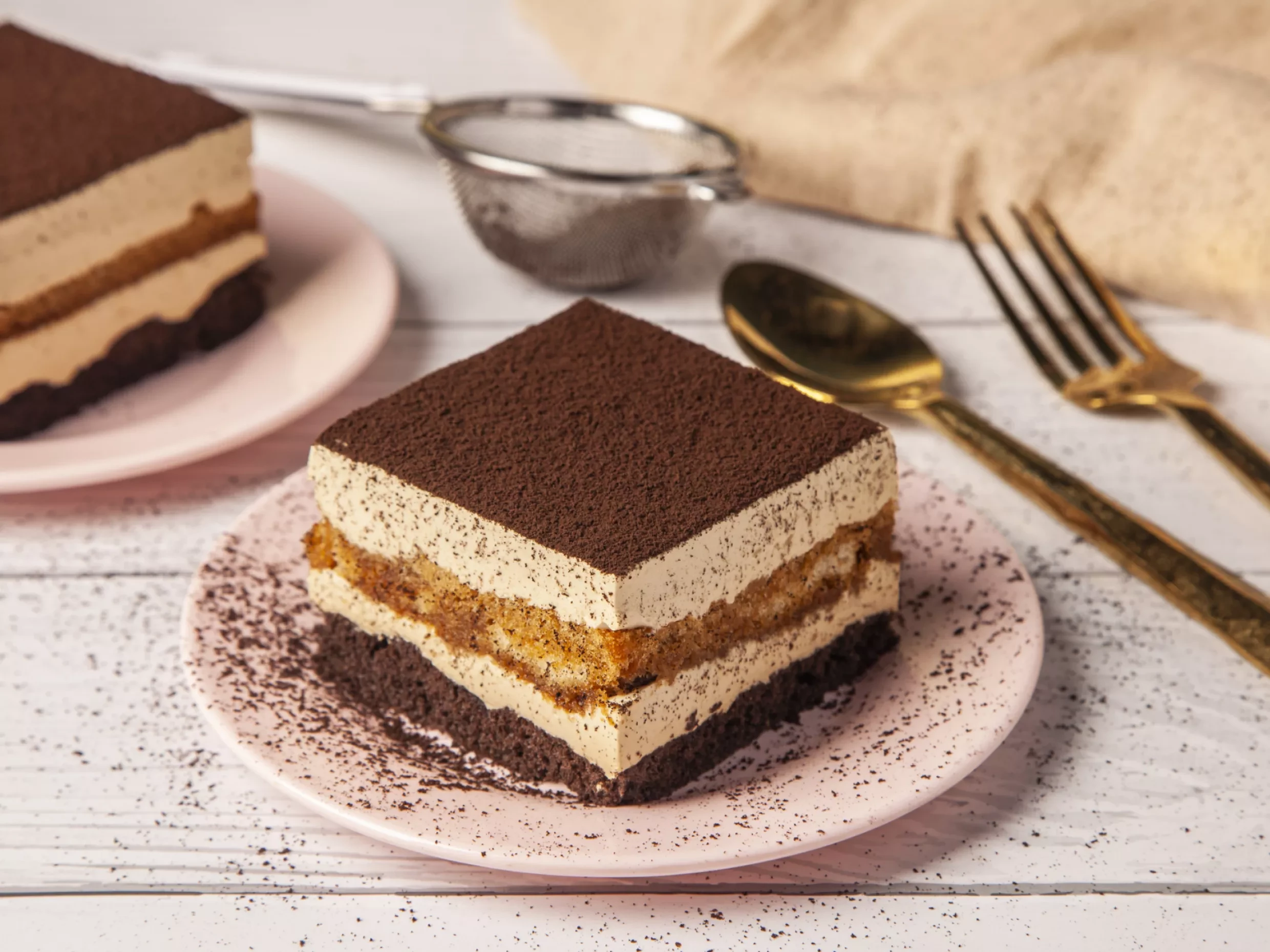
And then comes (arguably) the most famous of all Italian desserts - tiramisu. But who created it, where and when? The most widely accepted claim places its creation in the early 1970s at Le Beccherie restaurant in Treviso (in the Veneto region around twenty miles north of Venice), often crediting pastry chef Roberto Linguanotto, and the restaurant owner’s wife, Alba di Pillo-Campeol as the dessert’s creators. This version is often featured on restaurant menus and reports from the time, and Treviso has formally recognised the dish as part of its culinary history.
Naturally, other regions contest this! Friuli-Venezia Giulia claims an earlier version from the mid-1930s at the trattoria Vetturino in Pieris, while some stories push the dessert back to the nineteenth century, linking it to Siena or even to aphrodisiac dishes served by a Venetian madam to her customers.
Food scholars tend to agree that tiramisù, in its modern layered form of mascarpone cream, coffee-soaked savoiardi biscuits, cocoa and eggs, likely emerged in northeast Italy in the early 1970s, evolving from earlier spoon desserts like sbatudin (whipped egg yolks with sugar). But regional pride ensures the debate remains lively.
The Taste of Venice: A Culinary Lega-sea
From its earliest lagoon settlements to today’s crowded bacari and busy markets, Venice has always expressed itself through food. Each dish, from humble rice and peas to rich tiramisu, carries traces of the trade routes and traditions that truly shaped the city.
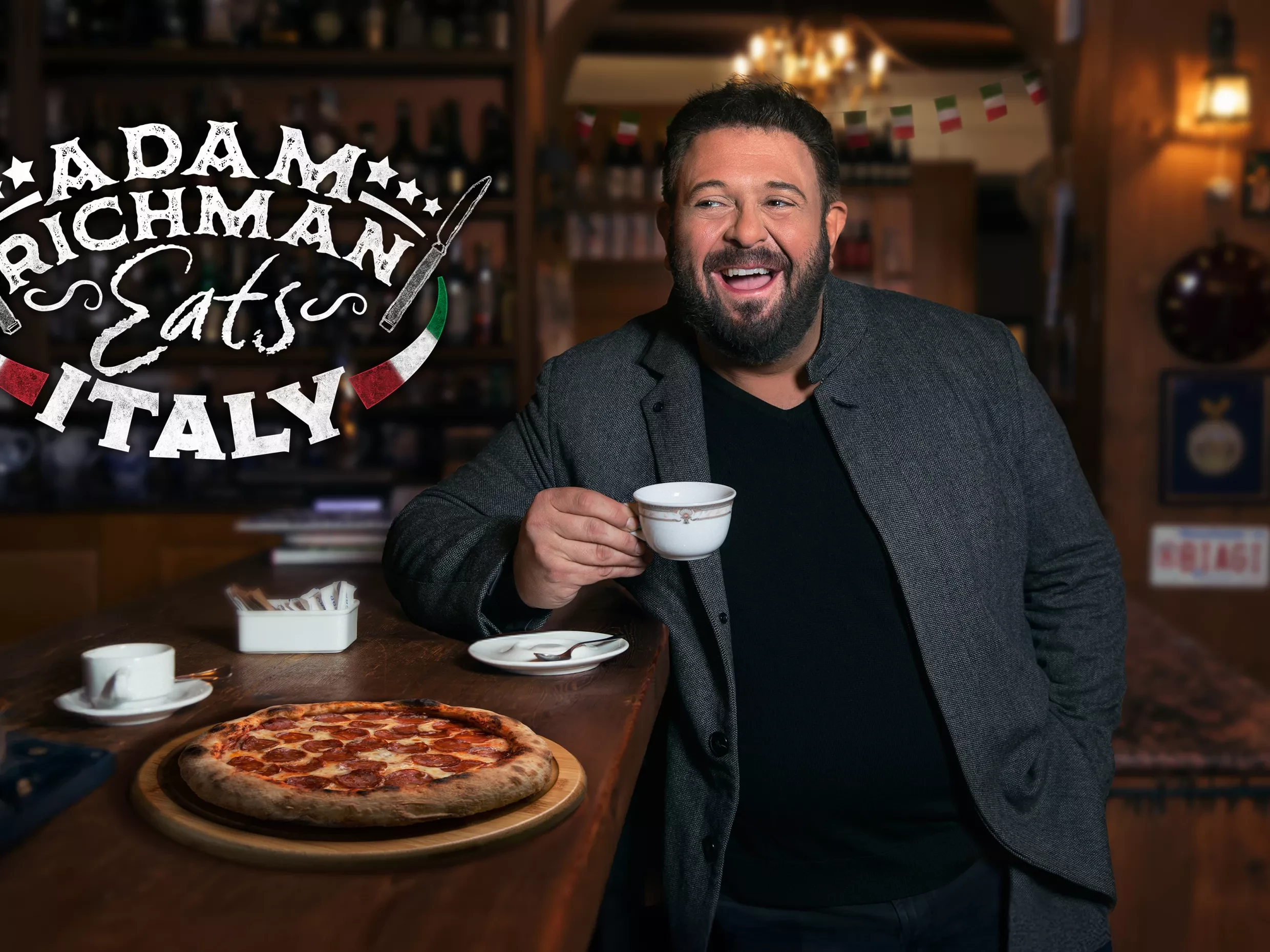
Watch Adam Richman Eats Italy On Discovery+
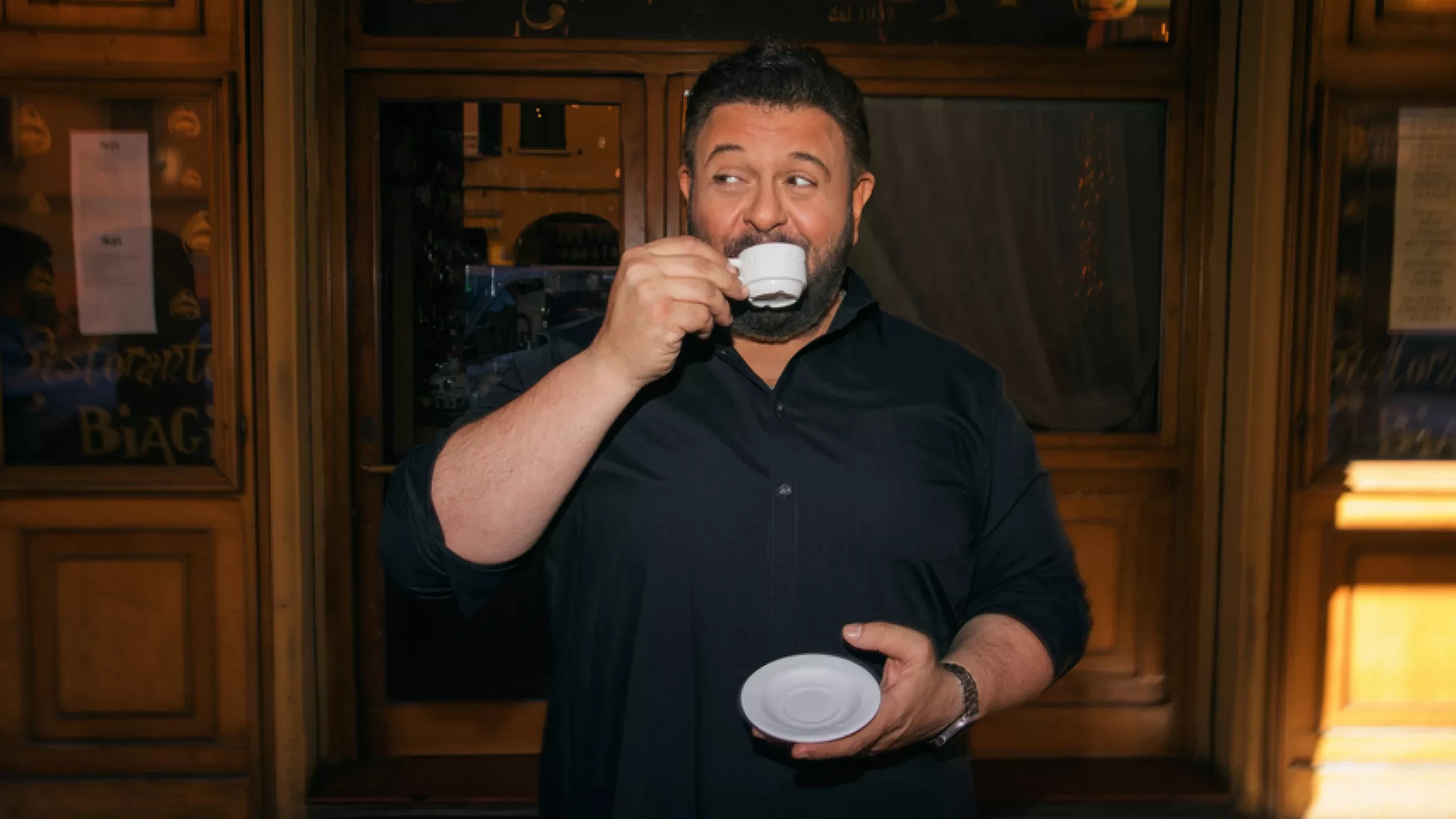
Man vs Food legend Adam Richman’s new show on Discovery+ uses the map as a menu as he embraces Italy’s remarkable relationship with food. In episode four, Adam is in Venice to taste dishes that are not only named after Venice but imbibe the soul of the city. The menu includes a delicious Venetian take on tapas and a stunning seafood pasta. Plus, he visits the restaurant where tiramisu was (or may have been) created.
Watch Adam Richman Eats Italy on discovery+ today!
You can also read an interview with Adam as he discusses his culinary journey through Italy here.