









Simple and scrumptious, the tamale has fed Mexico for millennia. From ancient Mesoamerican festivals to Aztec and Mayan celebrations and modern-day family parties, this humble bundle of delicious joy tells a tale of tradition. So how did a staple of the ancient Americas become one of Mexico’s most famous foods? Let’s unwrap the history of the tamale.
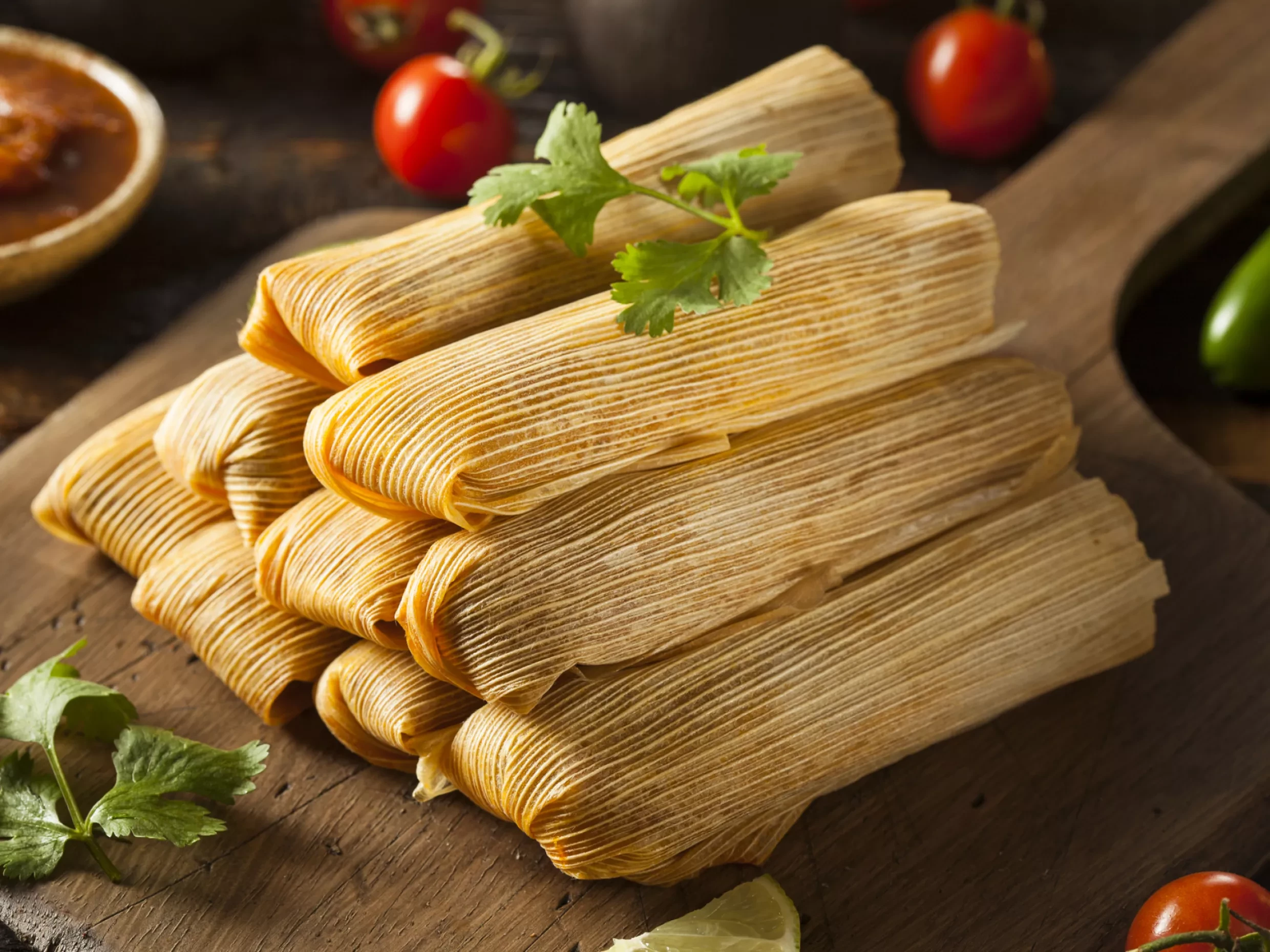
What are Tamales?
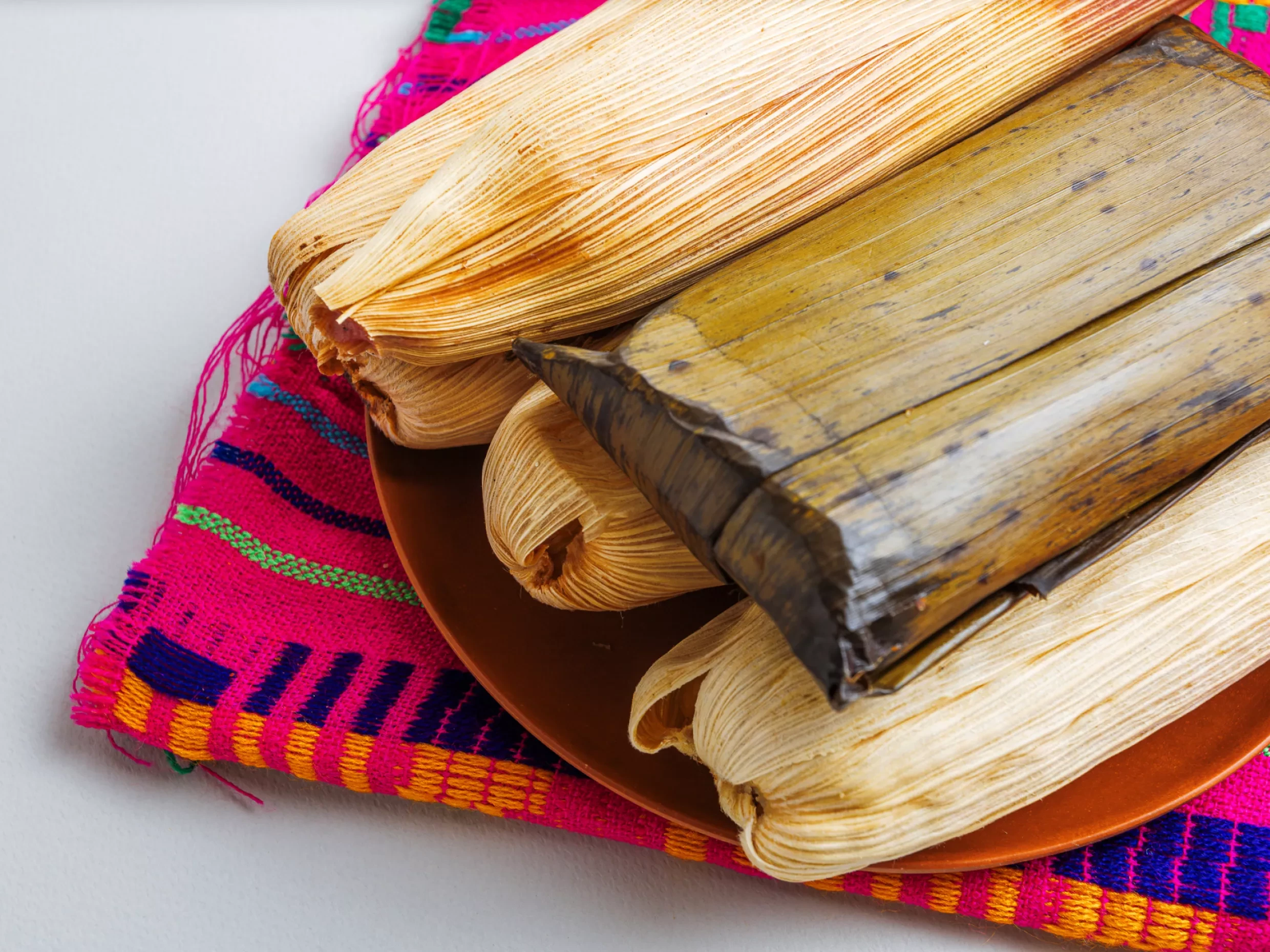
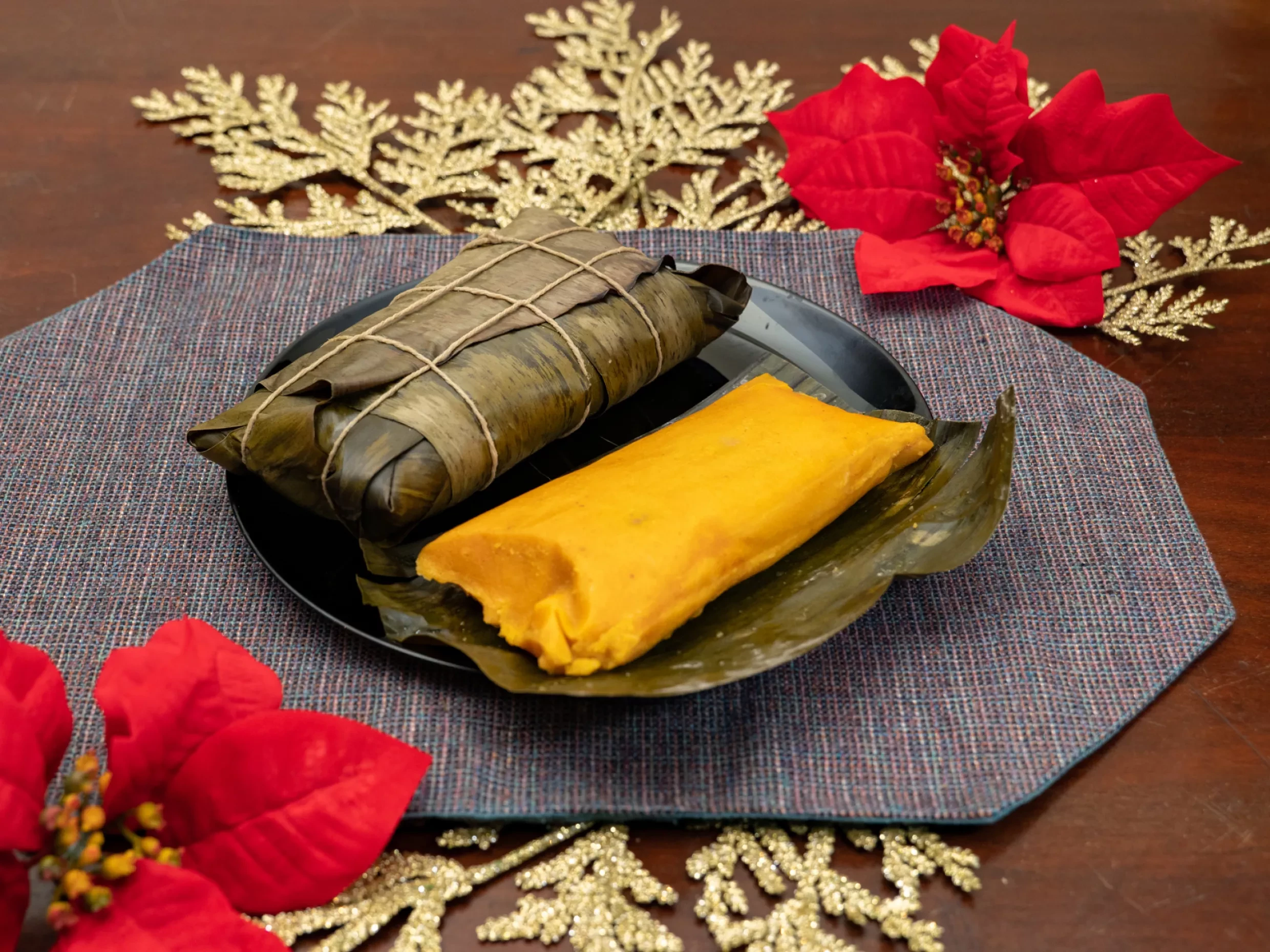
At their most basic, tamales are small parcels of maize dough, known as masa, filled with savoury or sweet ingredients, wrapped in corn husks or banana leaves, and steamed until soft. The name comes from the Nahuatl word tamalli, meaning ‘wrapped food.’ To make tamales, cooks blend ground maize with water or broth, sometimes enriched with lard or oil, before adding fillings ranging from seasoned meats to beans, cheese, chillies, or fruits. Then, they’re folded into their ‘wrapper’ and steamed. But tamales are much more than just a rustic tasty treat…
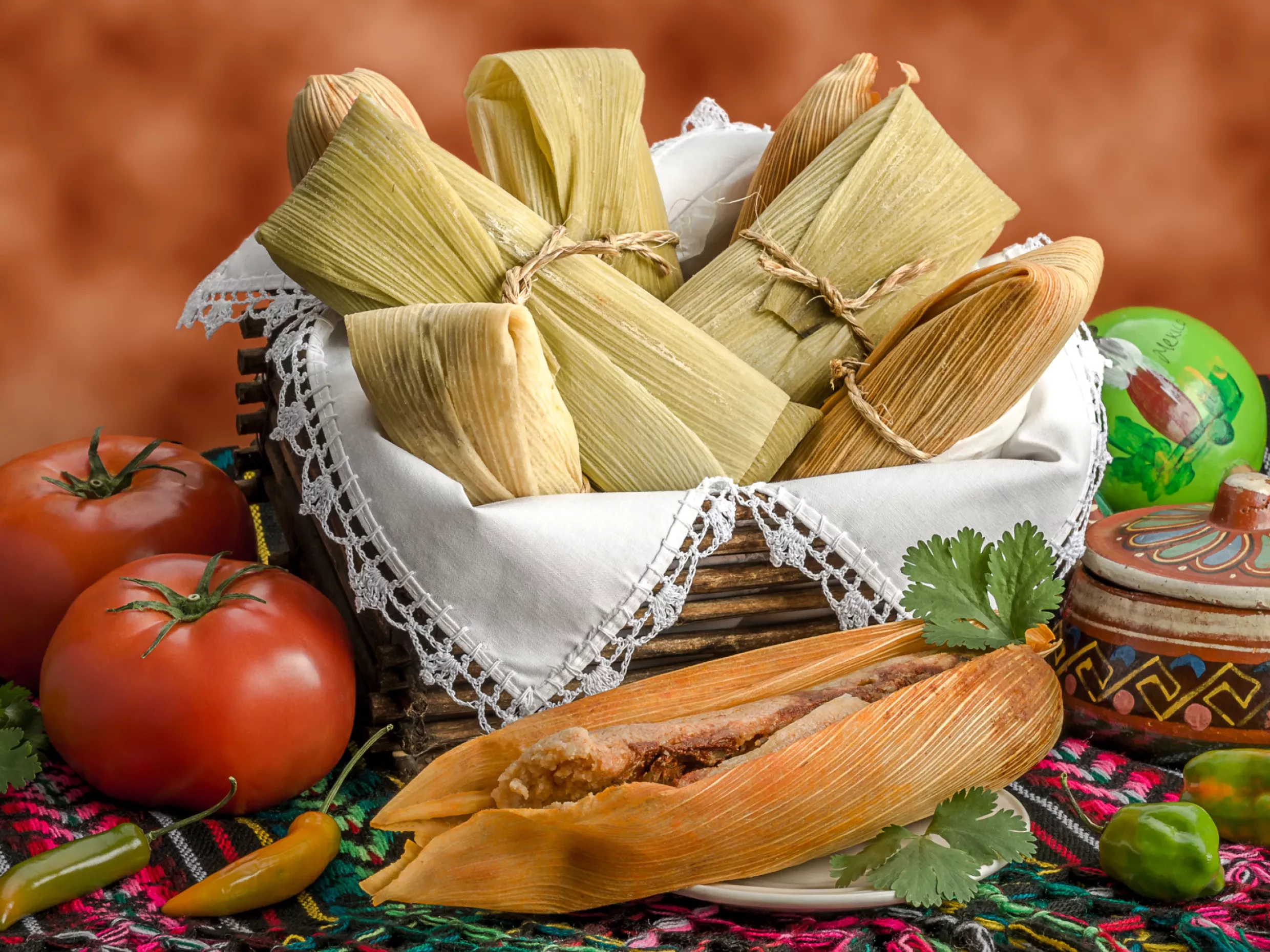
Ancient Origins & Mesoamerican Roots
The story of the tamale reaches back into the earliest chapters of Mesoamerican history. Archaeological evidence suggests that forms of steamed maize dough have been prepared for thousands of years. To the Olmec, Toltec, Maya, and later the Aztec peoples, maize was a crop with a spiritual meaning, and tamales appeared in ancient iconography and burial offerings.
In 2013, Italian-born Guatemalan archaeologist Francisco Estrada-Belli and his team found a sixth-century mythological frieze depicting food offered to the solar ancestor by two star deities or ancestral spirits. The glyph - similar to the Egyptian hieroglyphs - translated as ‘the first tamale’. He said, “It's very powerful symbolism that tells you how fundamental the tamale was regarded by the Maya."
In addition to their ritualistic meaning, tamales were incredibly practical. For armies on campaign or farmers far from home, they provided food that travelled well, was compact, easily stored, and durable. Back then, they were filled with turkey, fish, frog, axolotl (a type of salamander), or even gopher, as well as fruit, beans, and eggs. Savoury tamales were seasoned with chilli or seeds, and sweet ones, with honey.
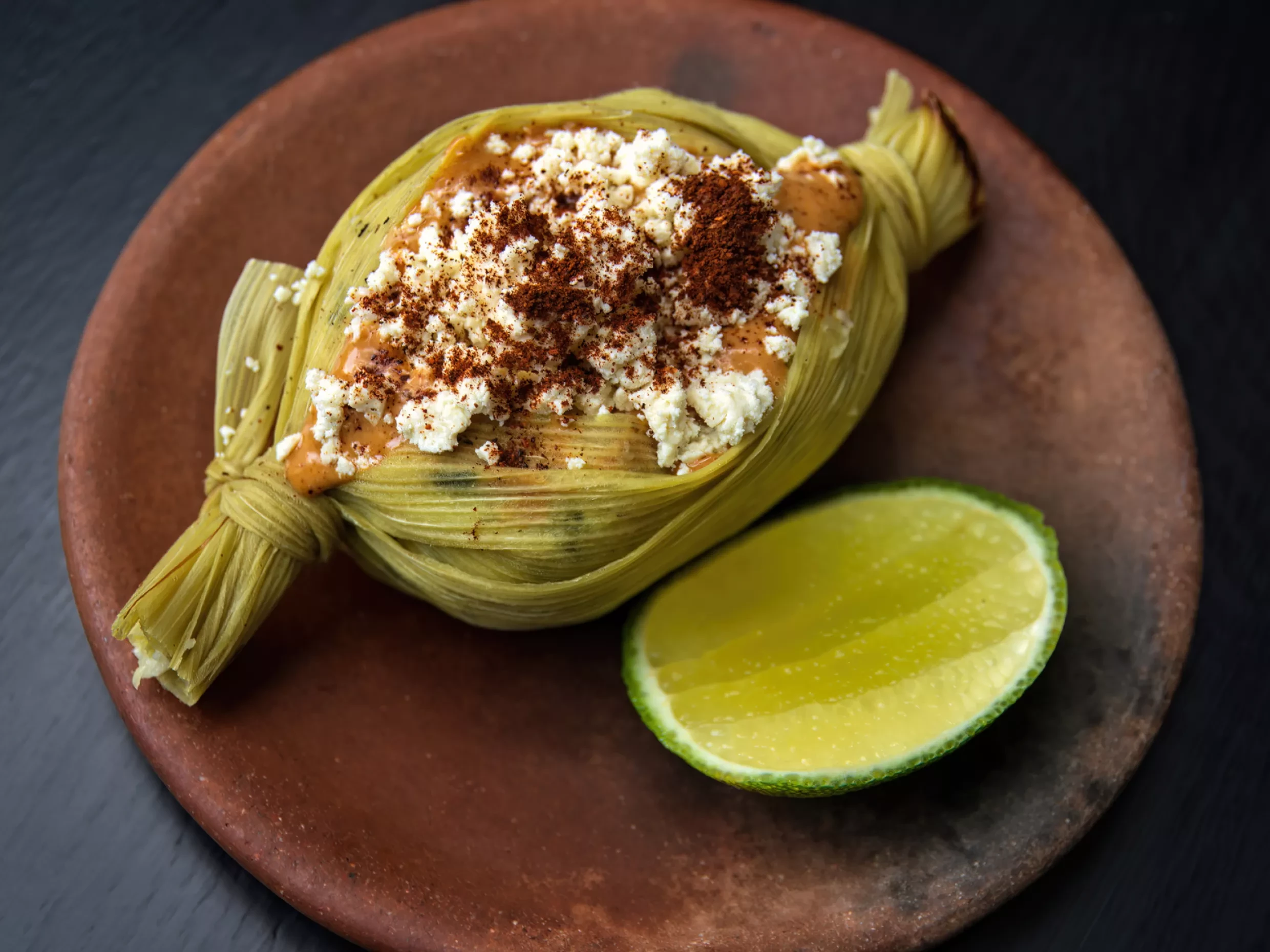
The Tamale Ritual
Recipes for tamales differ from region to region, even neighbour to neighbour, but the making of tamales remains one of Mexico’s most enduring culinary traditions. Tamaladas - gatherings of people making tamales - is a fun and enjoyable day for families and communities. The tasks are divided up between the group - mixing the masa, preparing fillings, softening husks, and assembling dozens, or even hundreds, of neat bundles ready for steaming.
The Variations
It’s often said that you can tell where you are in Mexico by the tamales! In parts of southern Mexico - places like Oaxaca, Chiapas, Veracruz and the Yucatan Peninsula - tamales are often wrapped in banana or plantain leaves, while in the north, they’re wrapped in corn husks. Around the coast you’ll find tamales filled with fish or shrimp. You’ll also find vegetarian versions filled with cheese and rajas con crema (roasted poblano peppers with garlic, onions, and cream), sweet ones with pineapple or chocolate, and even miniature tamalitos served in fine‑dining restaurants.
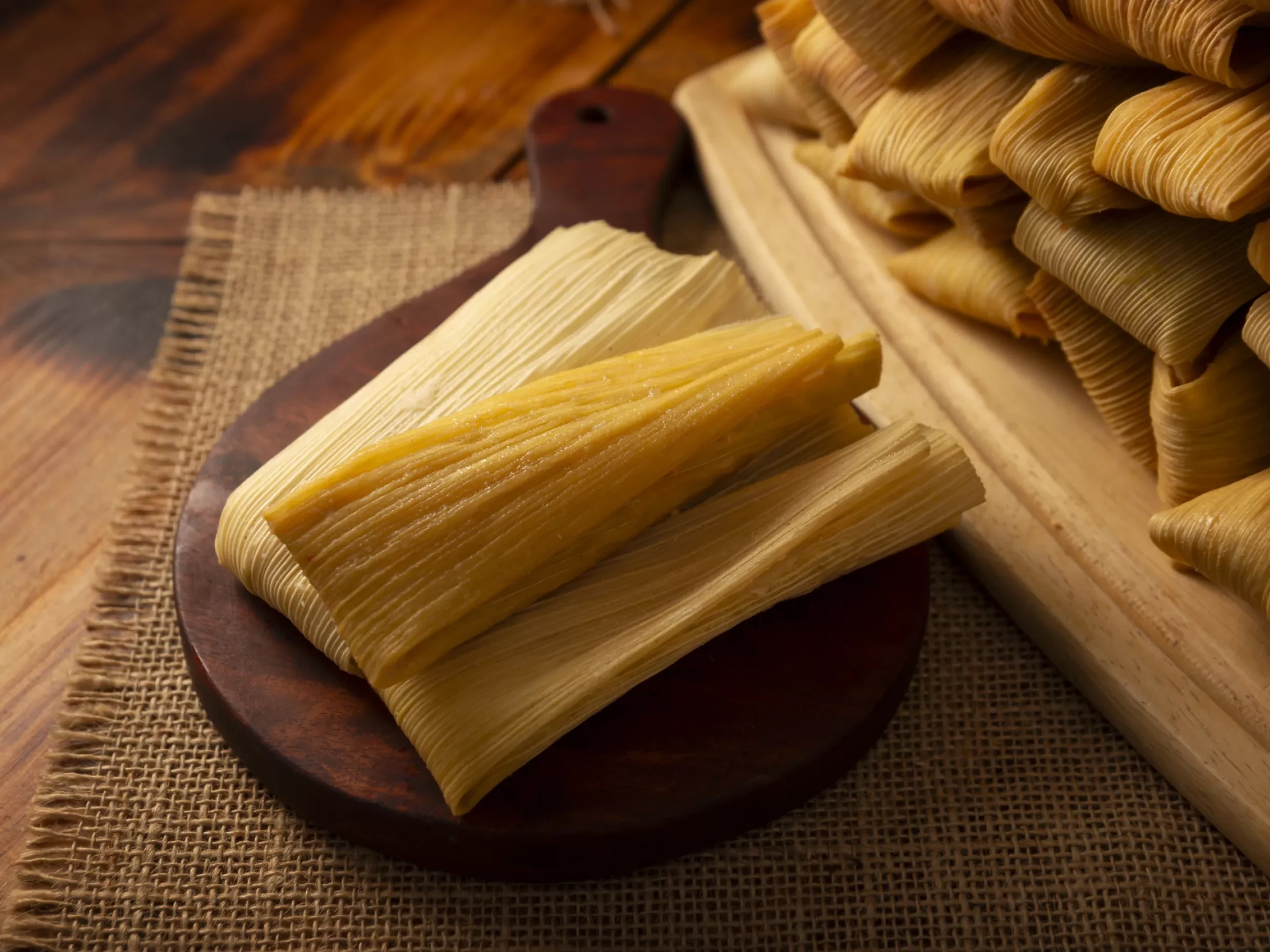
Tamales in Modern Mexico
In modern Mexico, tamales are a fixture of daily life as well as part of many celebrations. You’ll find vendors on most street corners selling tamales from steaming pots balanced on bicycle carts, as well as people queuing outside their favourite tamale stalls for breakfast.
In the home, tamales mark important dates, like Christmas Eve, New Year’s Day, and especially Día de la Candelaria (Candlemas) when it falls upon whoever found the hidden figurine in the Rosca de Reyes (a sweet bread eaten in Mexico on the Epiphany) to host a tamale feast.

Going Global
Outside Mexico, tamales appear across much of Latin America, though the name, shape, wrapper, and fillings often change from place to place. In Guatemala, tamales are commonly larger and wrapped in banana leaves. In Venezuela, the related hallaca is a festive dish filled with meat, olives, raisins, and capers, and in parts of Central and South America, similar steamed maize parcels reflect local ingredients and customs.
While tamales have clear roots in Mexico and Central America, related dishes appear across the wider culinary map. In the United States, tamales became established through Mexican and Mexican American food traditions, particularly in the Southwest and beyond.
That’s a Wrap
From ancient Mesoamerican hearths to modern Mexican tables, the tamale has endured because it’s practical, adaptable, and rooted in tradition. Its story is shaped by thousands of years of everyday cooking, and if you’ve never had one, we’ve got some classic tamale recipes, and a few tasty twists on tradition. ¡Buen provecho!