




















Every year, on the last Wednesday in April, Stop Food Waste Day raises global awareness of the staggering amount of edible food we throw away. It’s believed that nearly one-third of all food produced for human consumption worldwide is lost or wasted, depleting natural resources and contributing to greenhouse gas emissions. The campaign engages society at all levels, and challenges everyone to rethink consumption, support sustainability, and make mindful choices, emphasising that cutting food waste is essential to feeding a growing population sustainably.

Who Started Stop Food Waste Day?
Stop Food Waste Day was started in 2017 by Compass Group USA, one of North America’s largest foodservice companies supplying schools, universities, sports stadiums, hospitals, museums, offices and factories, and even oil rigs, as a way to shine a light on the scale of food waste and encourage practical action.
Compass Group say the campaign was created to educate and inspire people at every level of the food chain, from producers to consumers, because reducing waste supports both sustainability and smarter use of resources, while helping address a major environmental, social, and economic issue.
The parent company, Compass Group plc, is a huge multinational contract foodservice company (the largest in Europe with over 580,000 employees) and is headquartered in Surrey.
How Much Food Do We Waste?
In the UK, we waste an astonishing 10.2 million tonnes of food every year*. More than half of that - six million tonnes, or 58% - comes from households, making our kitchens and homes the single biggest source of food waste in the country. Beyond the home, waste is also generated across the supply chain, including farms, manufacturing, hospitality and food service, and retail, showing just how widespread the issue has become.
What makes the picture even more striking is that much of this food could have been eaten. WRAP (the Waste & Resources Action Programme, a global environmental action NGO) estimates that 4.4 million tonnes of the food wasted by UK households is edible, with a value of around £17 billion a year - roughly £1,000 for an average family of four. Put another way, that’s the equivalent of around three meals per person, every week, thrown away at a time when food costs remain a major concern for many households.
And of course food waste isn’t limited to the UK. There are dozens and dozens of countries around the world where food waste is a growing problem. In fact, according to the Stop Food Waste Day website, just a quarter of the food wasted globally could feed almost 800 million undernourished people.
*These figures are WRAP’s July 2025 update, which uses 2022 data for households and 2021 data for most other sectors.
Why Food Waste Matters
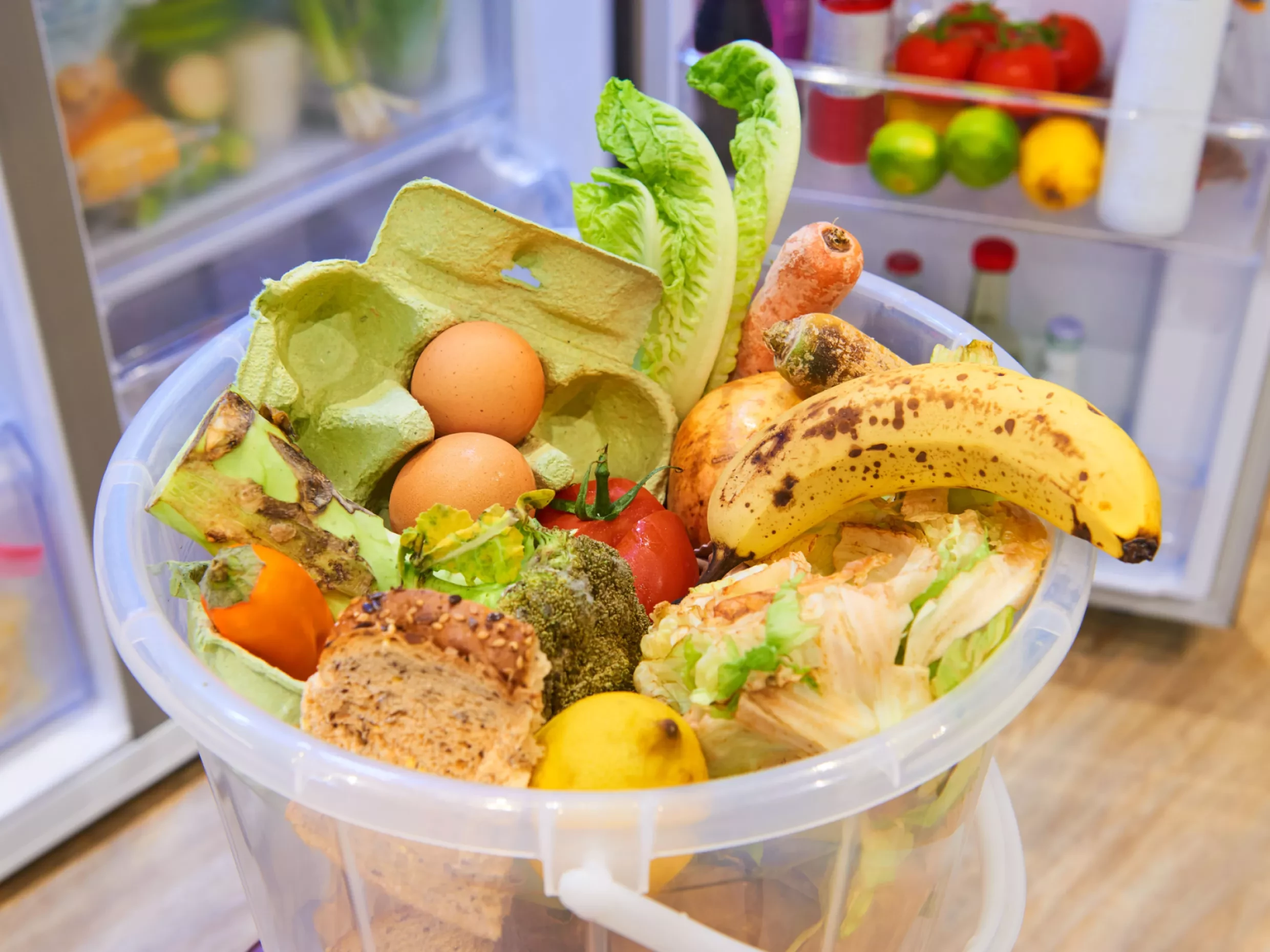
Food waste is about much more than a couple of slices of mouldy cheese, or leftovers that end up in the composting bin after promising to eat them for three days.
When food is thrown away, all the water, energy, land, transport and labour that went into producing it is wasted too. That makes food waste a surprisingly big environmental issue, because it adds unnecessary pressure to already stretched resources. It also matters financially, because households, restaurants and retailers are paying for food that never gets eaten. There’s also the ethical side of food waste. In a world where many people still struggle to access enough food, waste sits uncomfortably alongside need.
The good news is that this is one problem where small changes really can add up. Better shopping lists, smarter storage habits, or new ways to use up leftovers can all help reduce waste in a very practical way.
Where Waste Happens Most
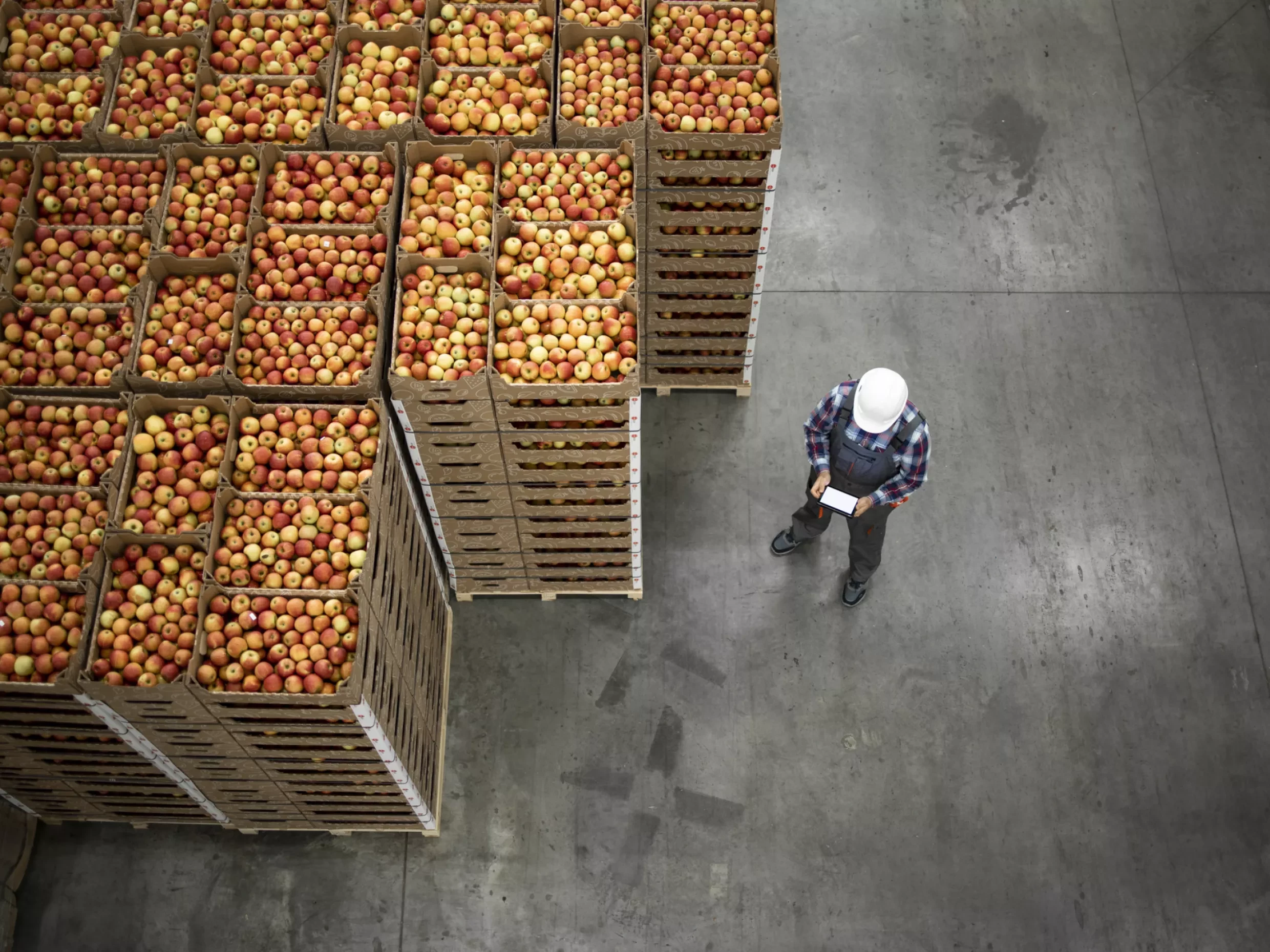
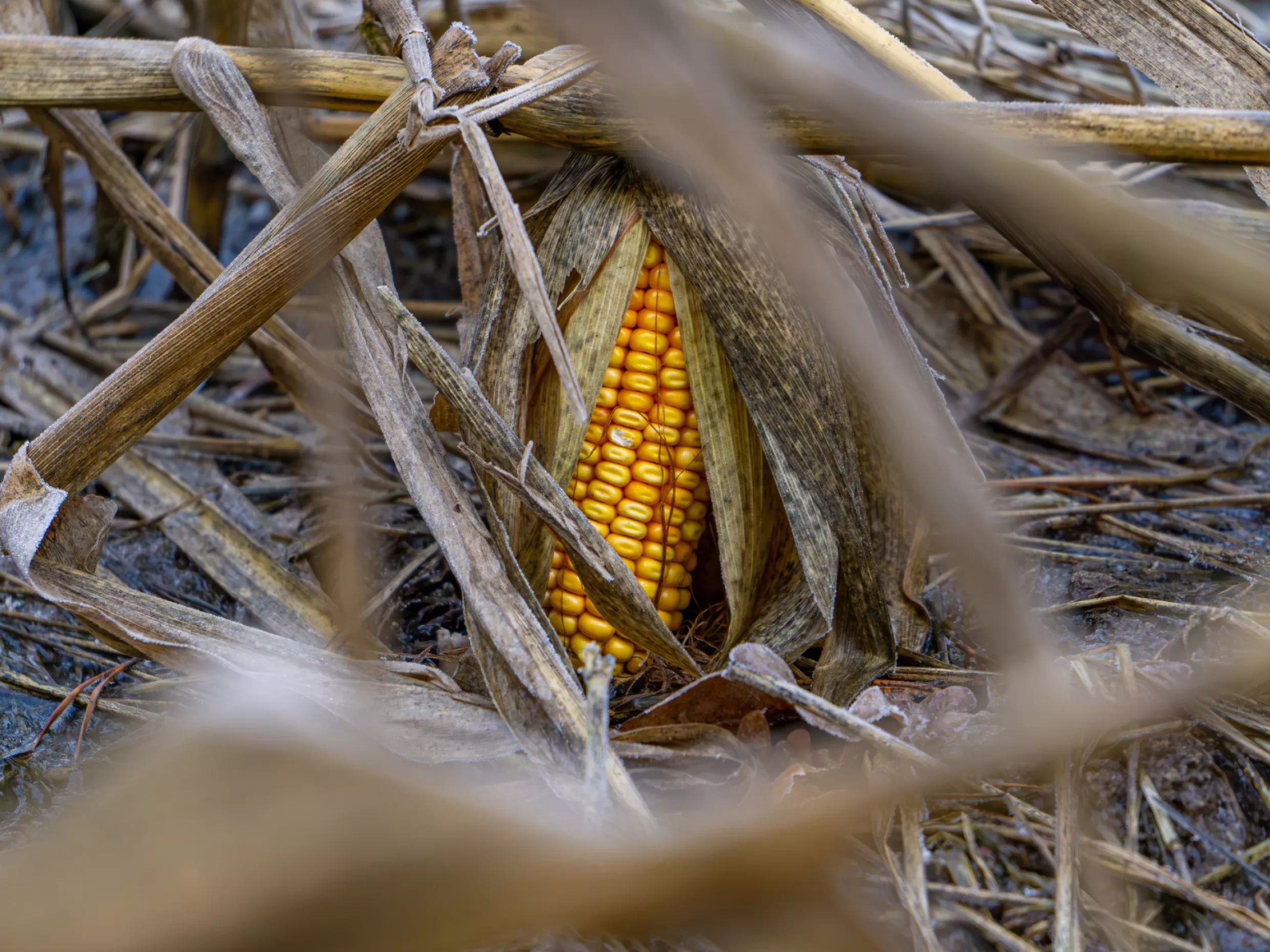
Food waste can happen at almost every stage of the food production journey, but some points are especially vulnerable. During the growing stage, crops may be left unharvested because they don’t meet size or appearance standards, even when they’re perfectly edible. In shops, cafés, and restaurants, over-ordering, poor forecasting and strict date-label rules can all lead to perfectly good food being binned.
And at home, the biggest issues are often the simplest - buying more than you need, forgetting what’s in the fridge, or cooking too much. The frustrating part is that a lot of this waste is avoidable. Better planning, clearer labelling and a few storage know-how basics can make a real difference, whether you’re the CEO of a huge supermarket chain or just trying to figure out what to do with a few leftover meatballs the kids didn’t eat.
What Home Cooks Can Do
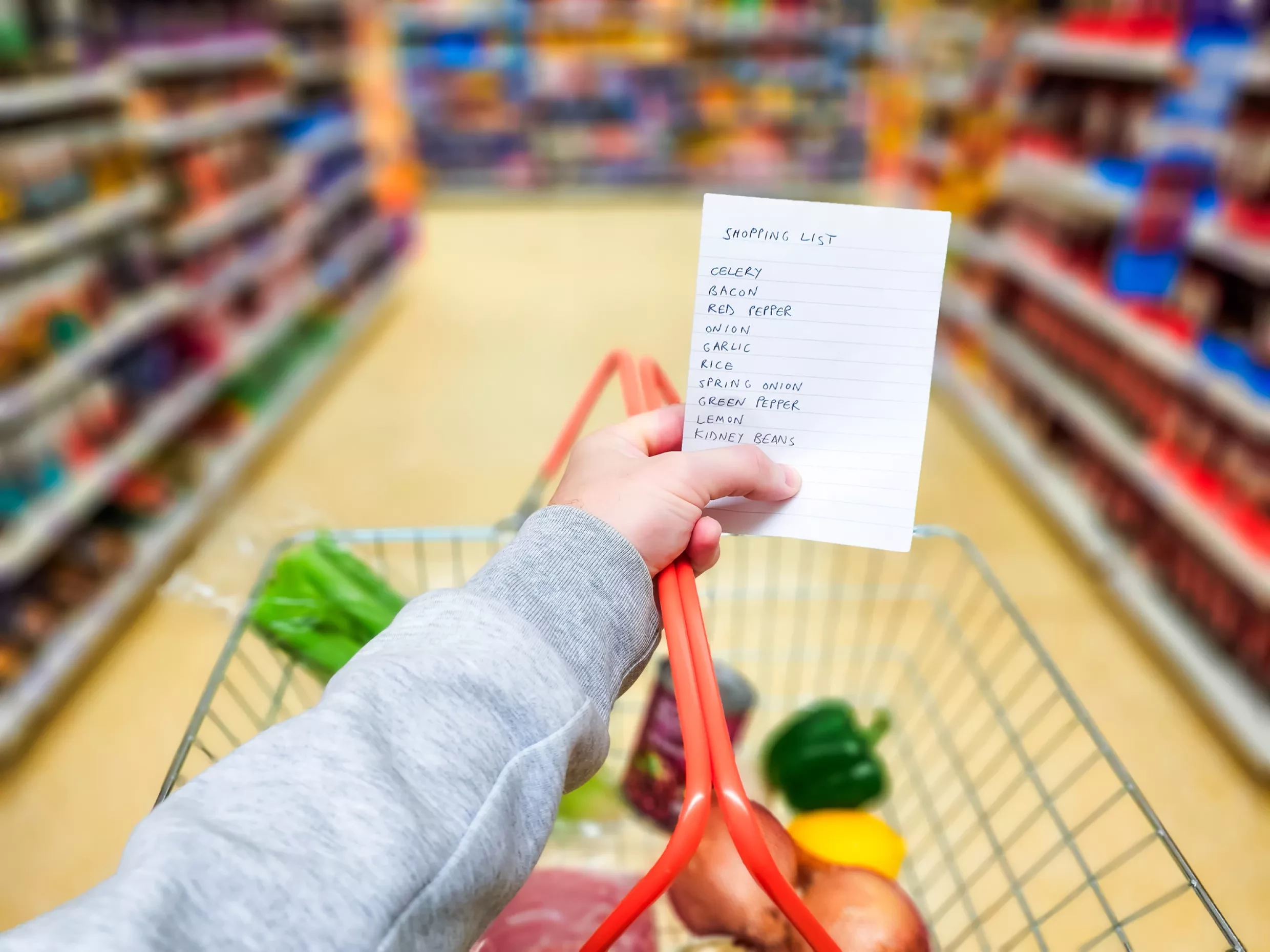
For most of us, tackling food waste starts in the kitchen, and there are several ways in which you can do your bit. Don’t go shopping without a list, and certainly don’t go when you’re hungry! Another good tip is to check your fridge and store cupboards before you go to avoid duplicate purchases.
Once you’re home, make sure everything’s stored where it’s supposed to go and use up anything perishable first. Leftovers are another easy win - turn yesterday’s veggies into a warming soup, cooked rice and grains can go into a delicious salad, meat makes great next-day sandwiches, and spare fruit that’s still good can be blitzed up into smoothies or cooked into cakes.
Another thing that’s easy to control is portion sizes, since cooking just a little less can prevent plates from ending up half-eaten. It’s really just about paying closer attention to what you already do and being a bit more practical and inventive.
How Chefs and Food Businesses are Responding
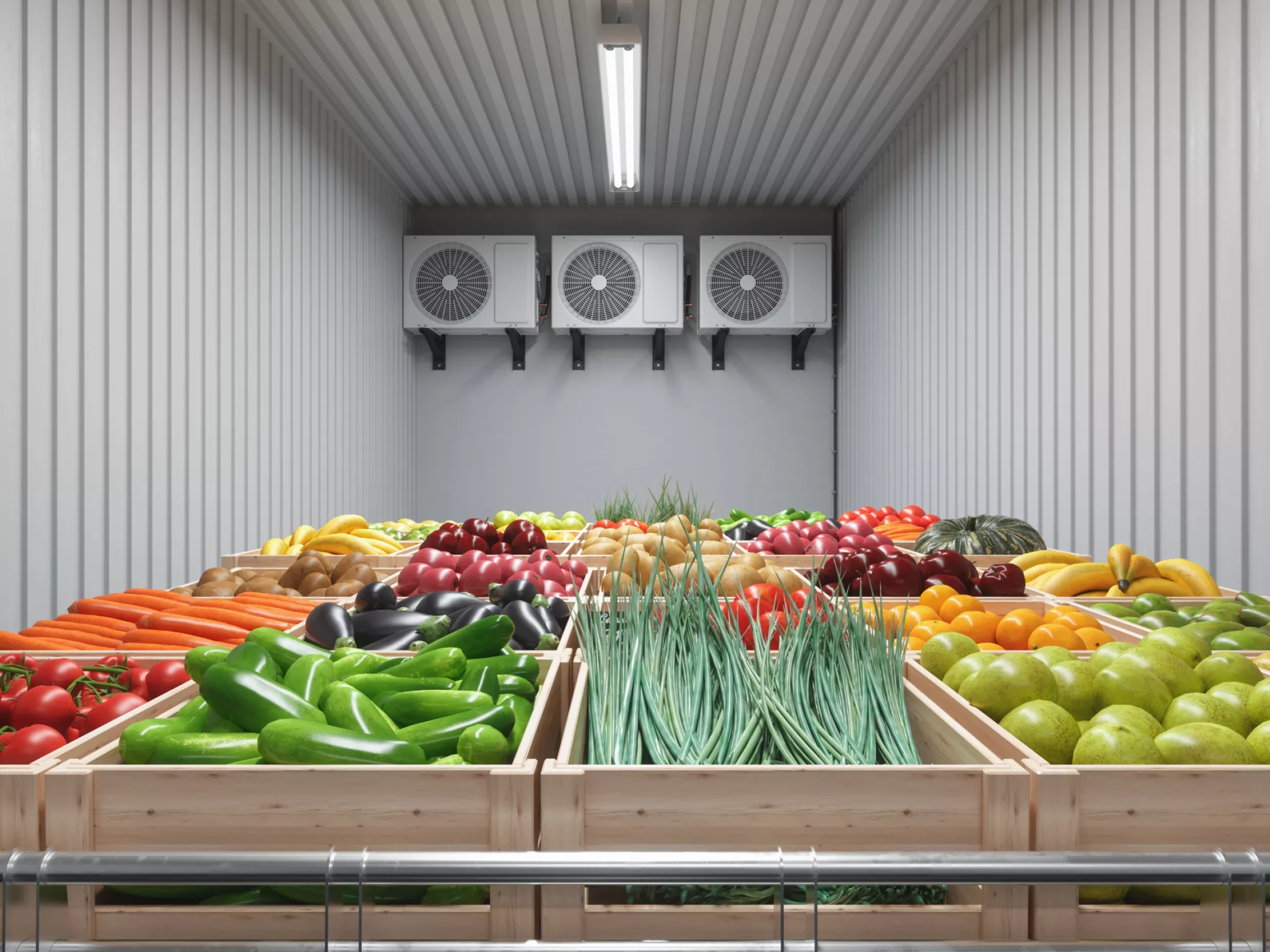
Food waste has traditionally been an afterthought, however chefs and food businesses are now treating it as a business priority. In restaurants, that can mean planning menus around seasonal ingredients, tracking stock more closely, and finding smart ways to use trim, peelings and surplus produce in stocks, sauces or specials. Many operators are also looking at clearer portion control, better storage systems and more accurate forecasting to reduce the amount that ends up in the bin.
Beyond the kitchen, supermarkets and foodservice companies are looking at donation schemes, anaerobic digestion (where food waste is turned into renewable energy), and more flexible use-by strategies to make sure good food isn’t wasted unnecessarily. For the food industry, it’s both an enormous challenge and a great opportunity.
Stopping Food Waste: One Bite at a Time
Stop Food Waste Day is a reminder that reducing waste isn’t about grand gestures or complicated solutions. From smarter shopping and better storage at home to more efficient planning in professional kitchens, small changes can add up quickly. In the end, wasting less food is one of the easiest ways to save money, stretch ingredients further and make the food system a little more sustainable for everyone.