









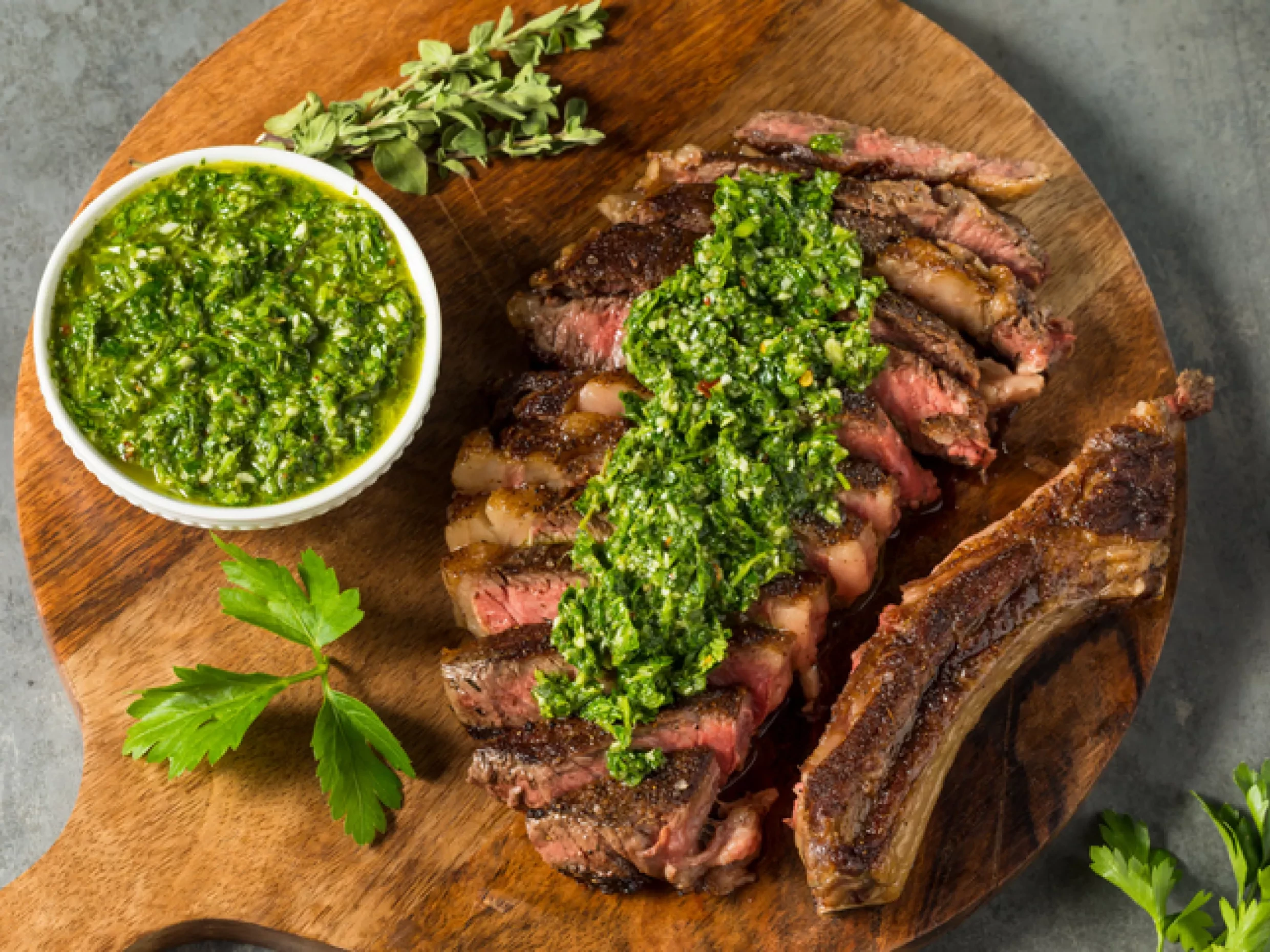
This iconic Argentinian condiment is used to top grilled meats and fish, or tossed with vegetables to make a simple dinner special. But what exactly is chimichurri and what’s in it? For more info, we spoke to chef Alex Raij, who co-owns New York restaurants Txikito, La Vara and Saint Julivert with her husband, chef Eder Montero.
What Is Chimichurri Sauce?
Chimichurri is a cold or room-temperature raw sauce and condiment that originated in Argentina and Uruguay. Raij says that she first learned about chimichurri from her Argentinian parents. She considers its original form to be a shelf-stable vinaigrette or sauce made from dried oregano, fresh garlic, vinegar, oil, chilli flakes, salt, and pepper. Subsequent iterations incorporated fresh parsley and sometimes other fresh herbs. Today, chimichurri has been widely adopted in South American and Latin American cuisine.
“In its most basic sense, chimichurri is a condiment that gauchos cooking out in the fields had, and it was really just something that had stability,” Raij says. “So, it was vinegar, oil, dry spice, garlic, water and salt. From there, people can add different things. If it takes on too many flavours, it probably stops being chimichurri.” Some people cooked meat more thoroughly than we do contemporarily, she adds, so chimichurri might have been used to provide "some moisture and freshness.”
Chimichurri’s Main Ingredients
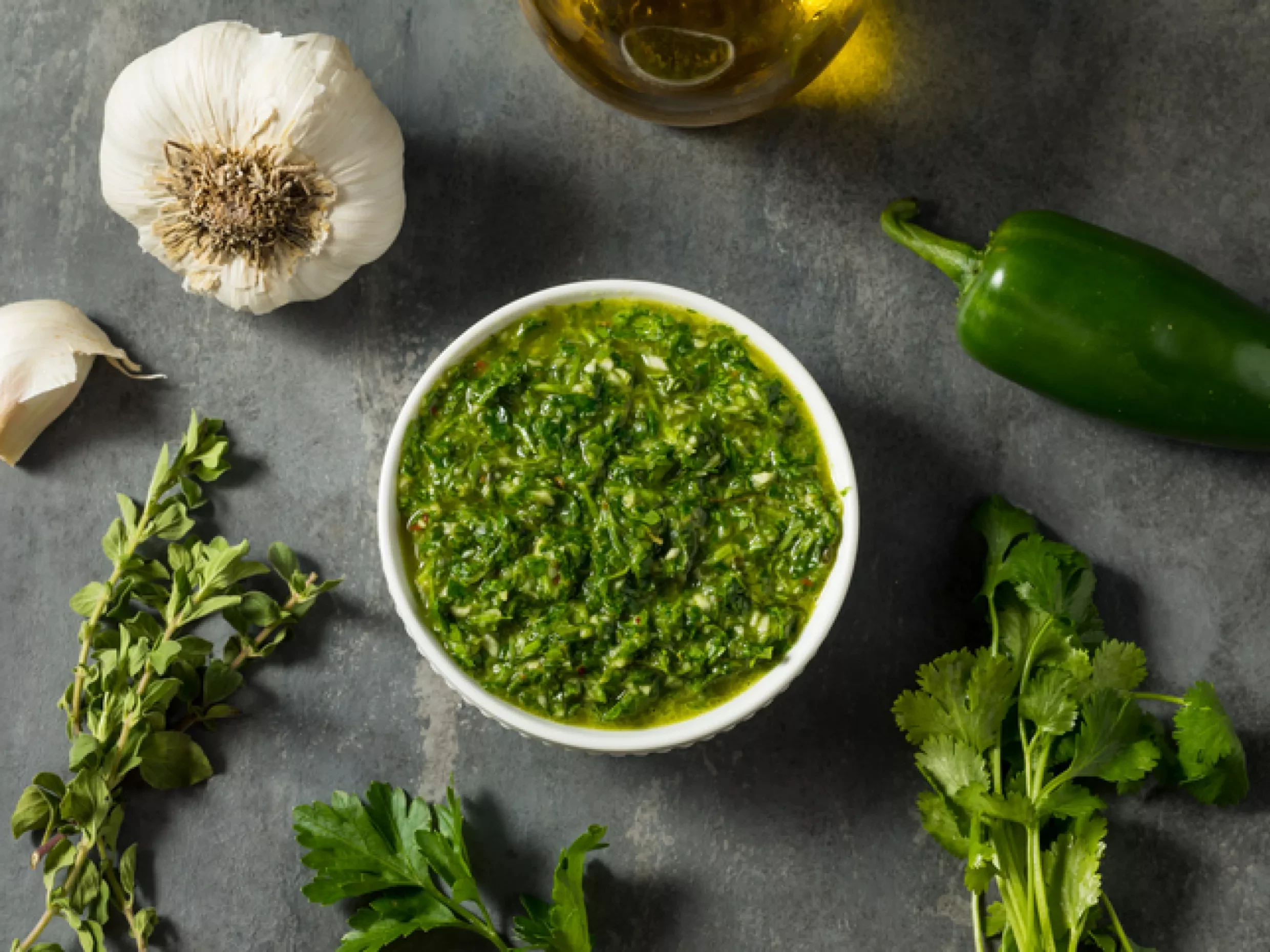
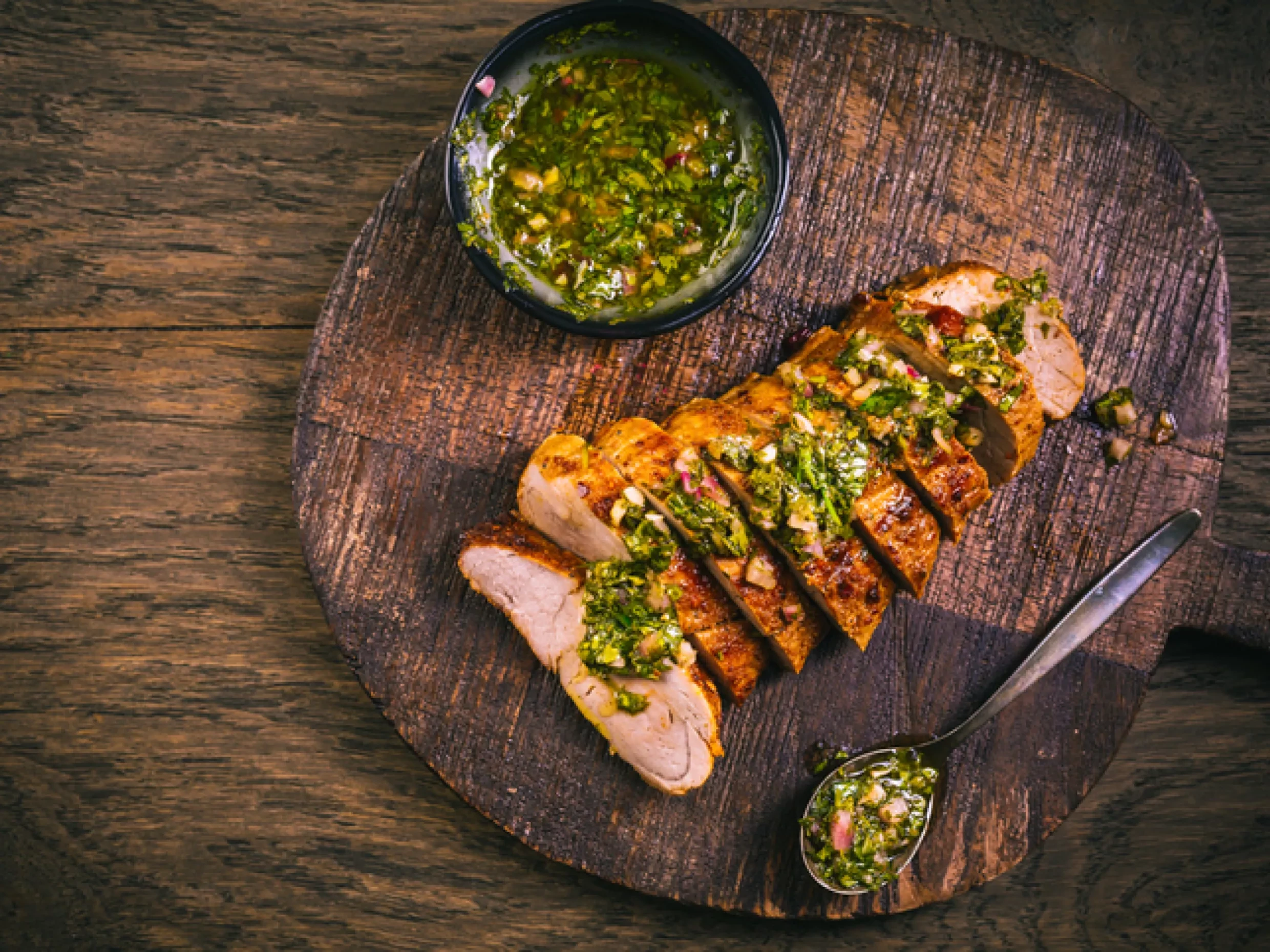
The main ingredients in contemporary chimichurri are parsley, oregano, olive oil, red vinegar, garlic, chilli flakes, salt, and pepper. The version Raij serves at her restaurants deviates slightly from the traditional preparation. “Ours is very fresh and herby and unusual by classic standards,” Raij says. “It’s still grounded in the flavours that I associate with it - garlic, oil, vinegar, dried oregano and chilli flakes, but instead of regular oil, ours has parsley oil, so it gives it a very verdant quality.” The chimichurri is served as a refreshing counterpoint to suckling pig at both La Vara and Txikito, and alongside a pork steak at Saint Julivert.
Is Chimichurri Spicy?
Although chimichurri does contain chilli flakes, it isn’t considered spicy. “I would describe it as a kind of zingy, herby condiment that is on the savoury side, that is multi-purpose,” Raij says. “And, it goes extremely well with things that are sort of naturally dry, like potatoes, or meat or bread.” Although chimichurri is made with fresh garlic, its flavour profile isn’t considered garlicky.
How to Use Chimichurri
To Raij, chimichurri is “a singular sauce that can bring together your whole plate.” In Argentina, meat, salad and bread are served family-style, she says, and people eat all the components together on their plates with chimichurri as the accompanying condiment.
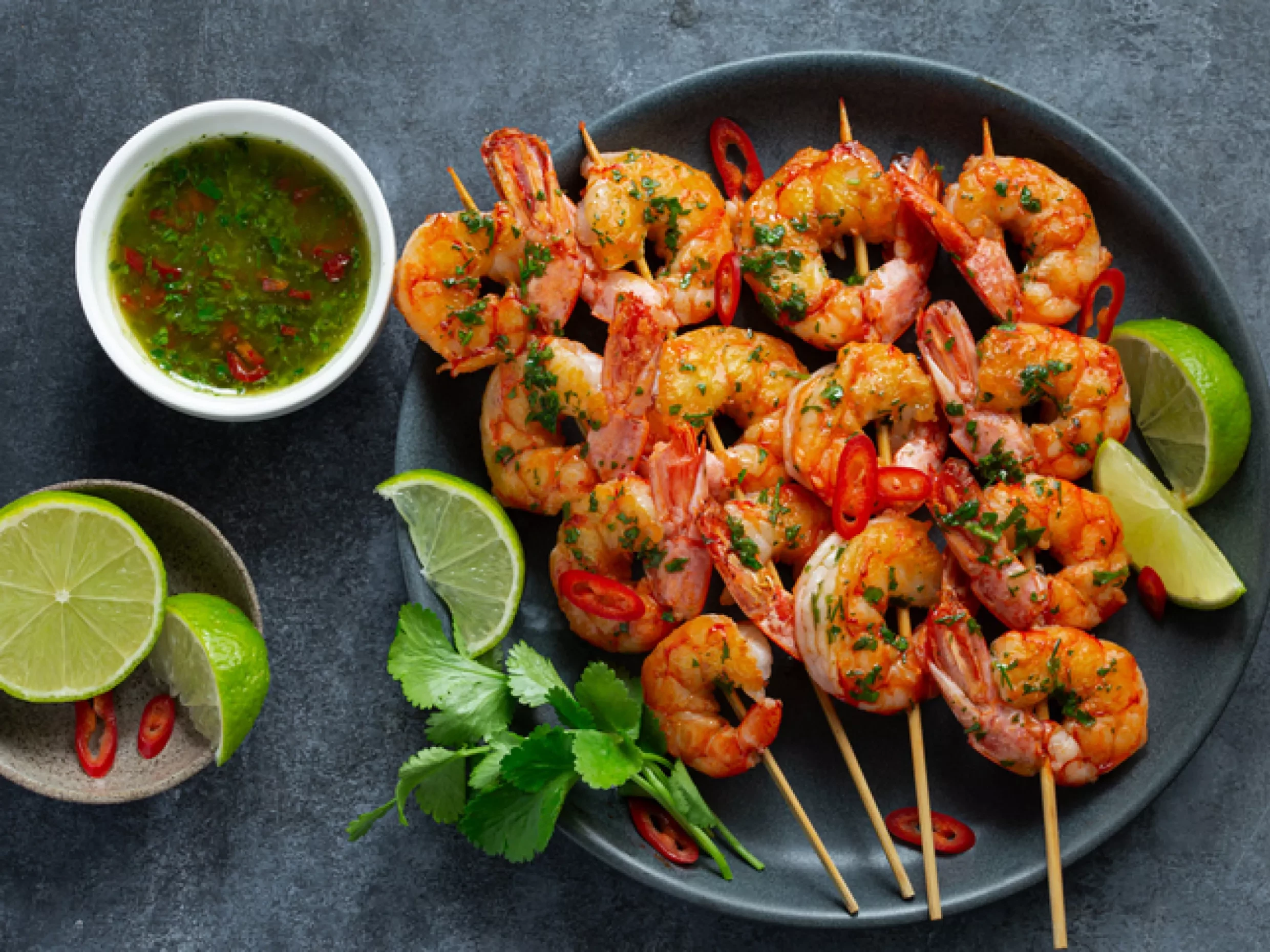
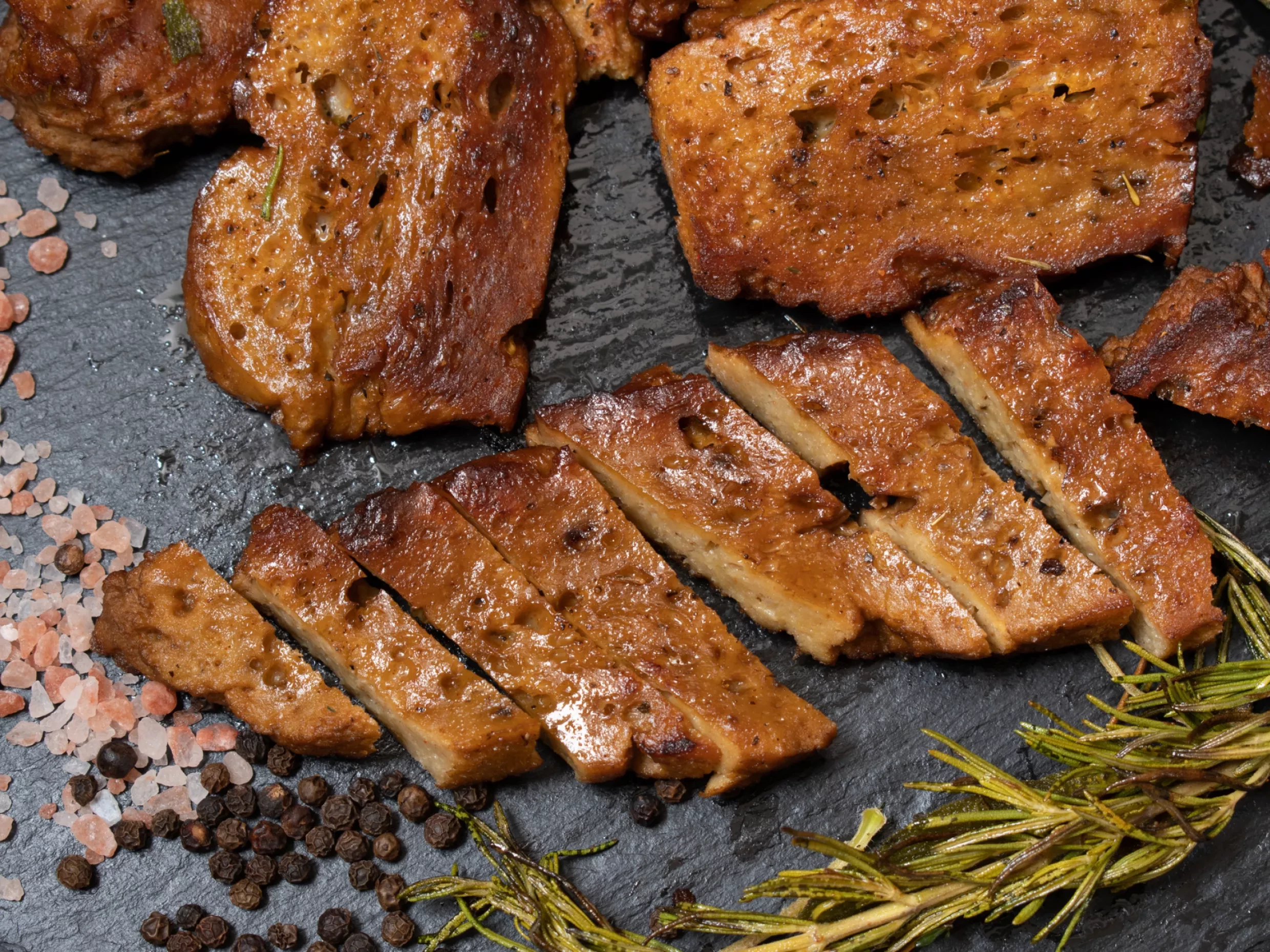
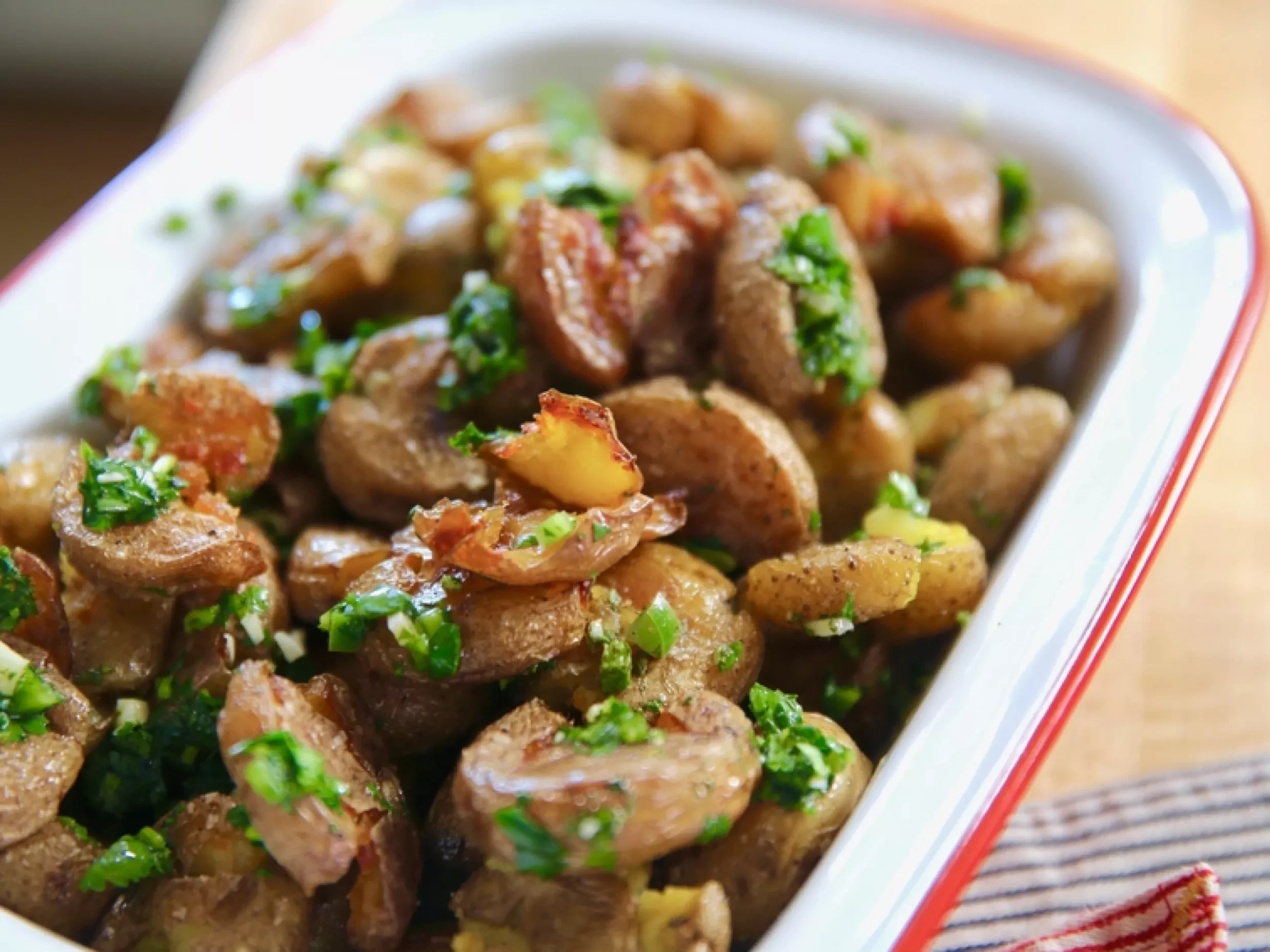
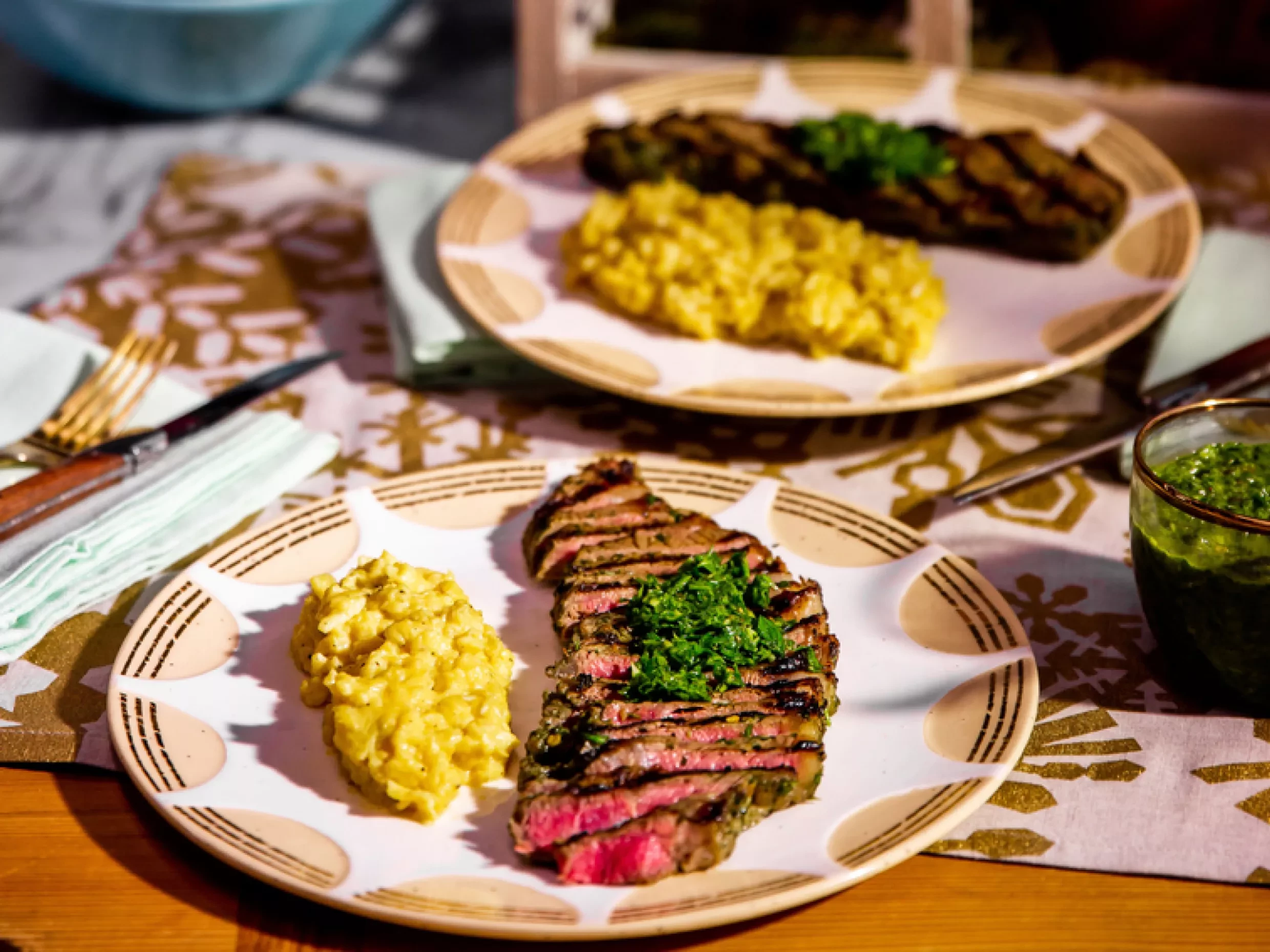
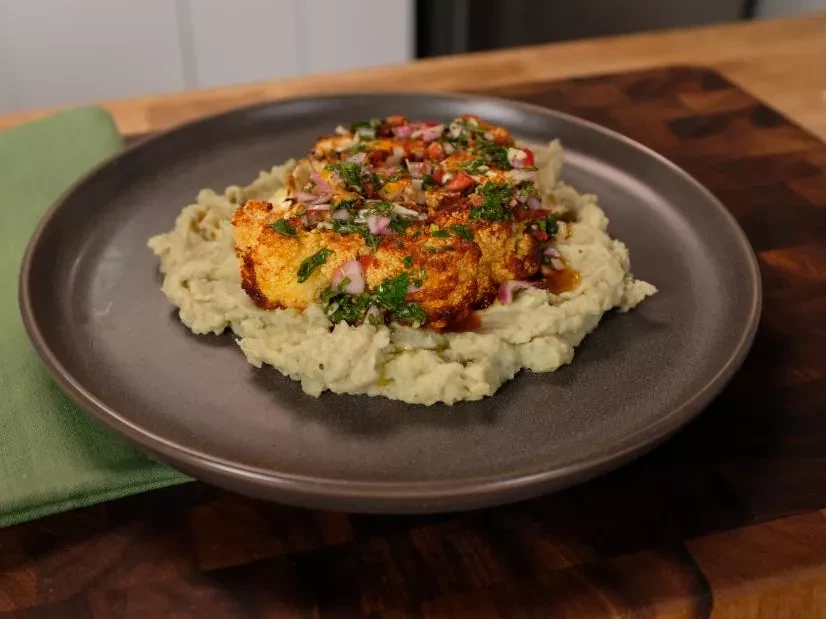
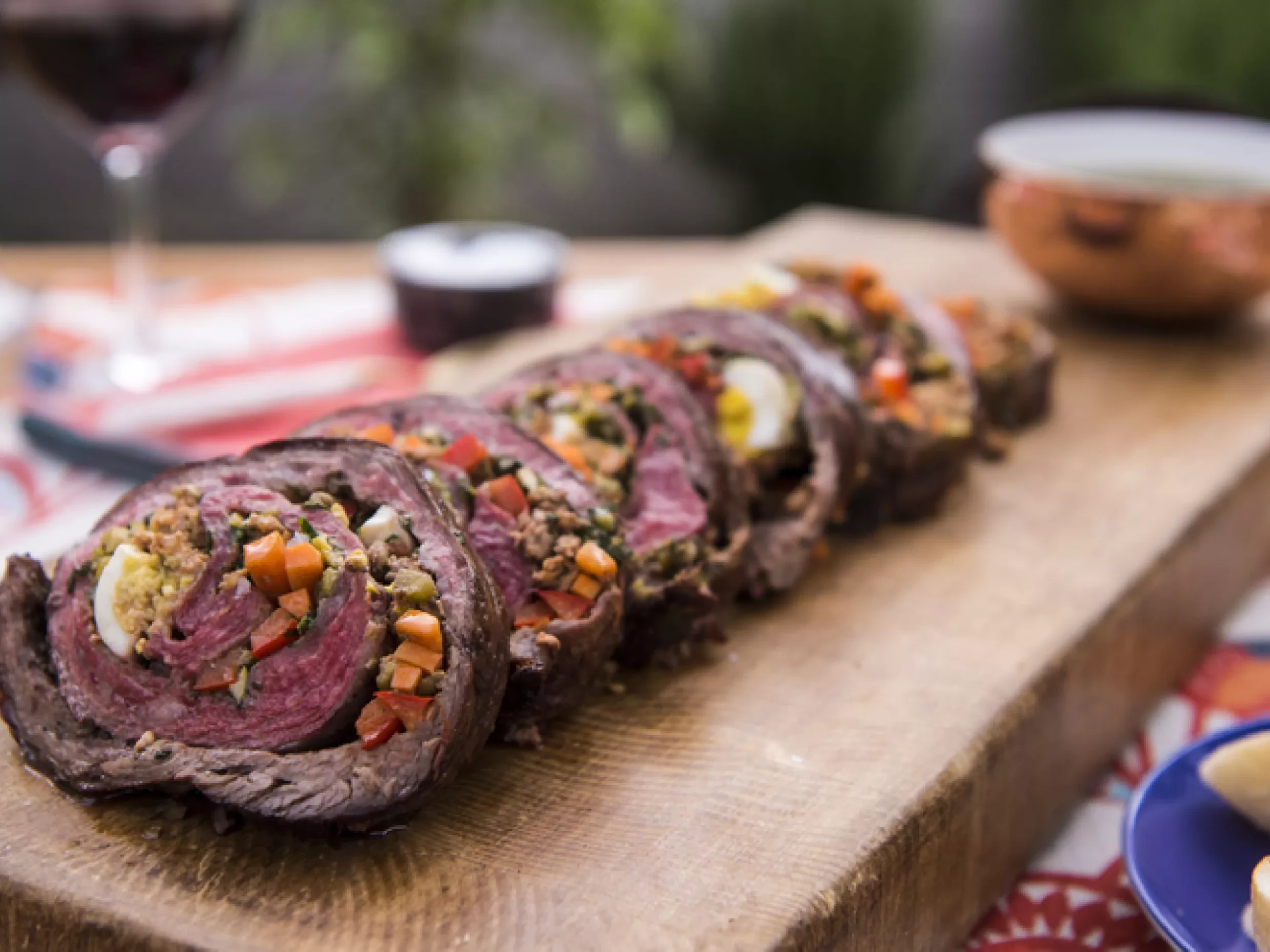
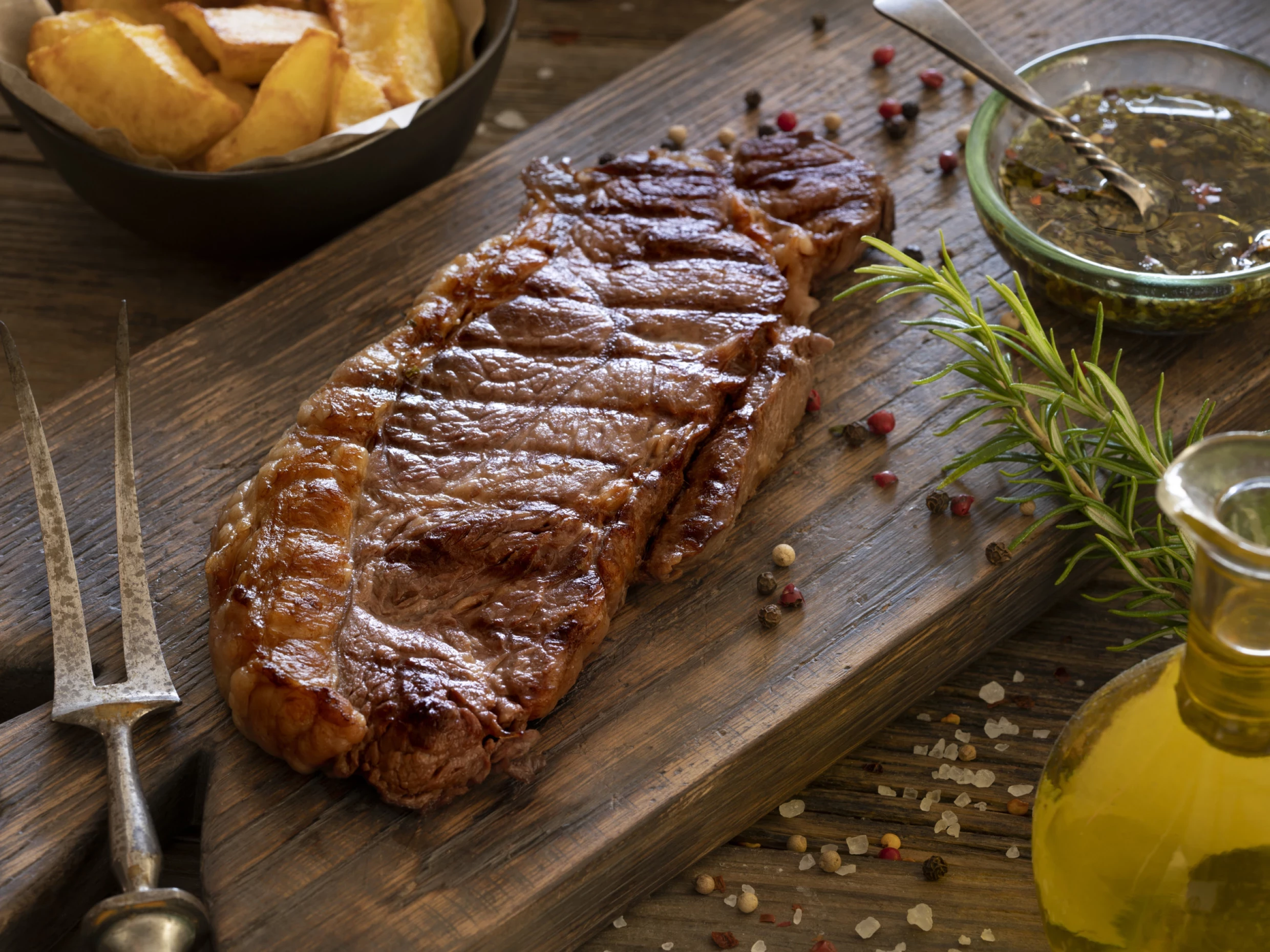
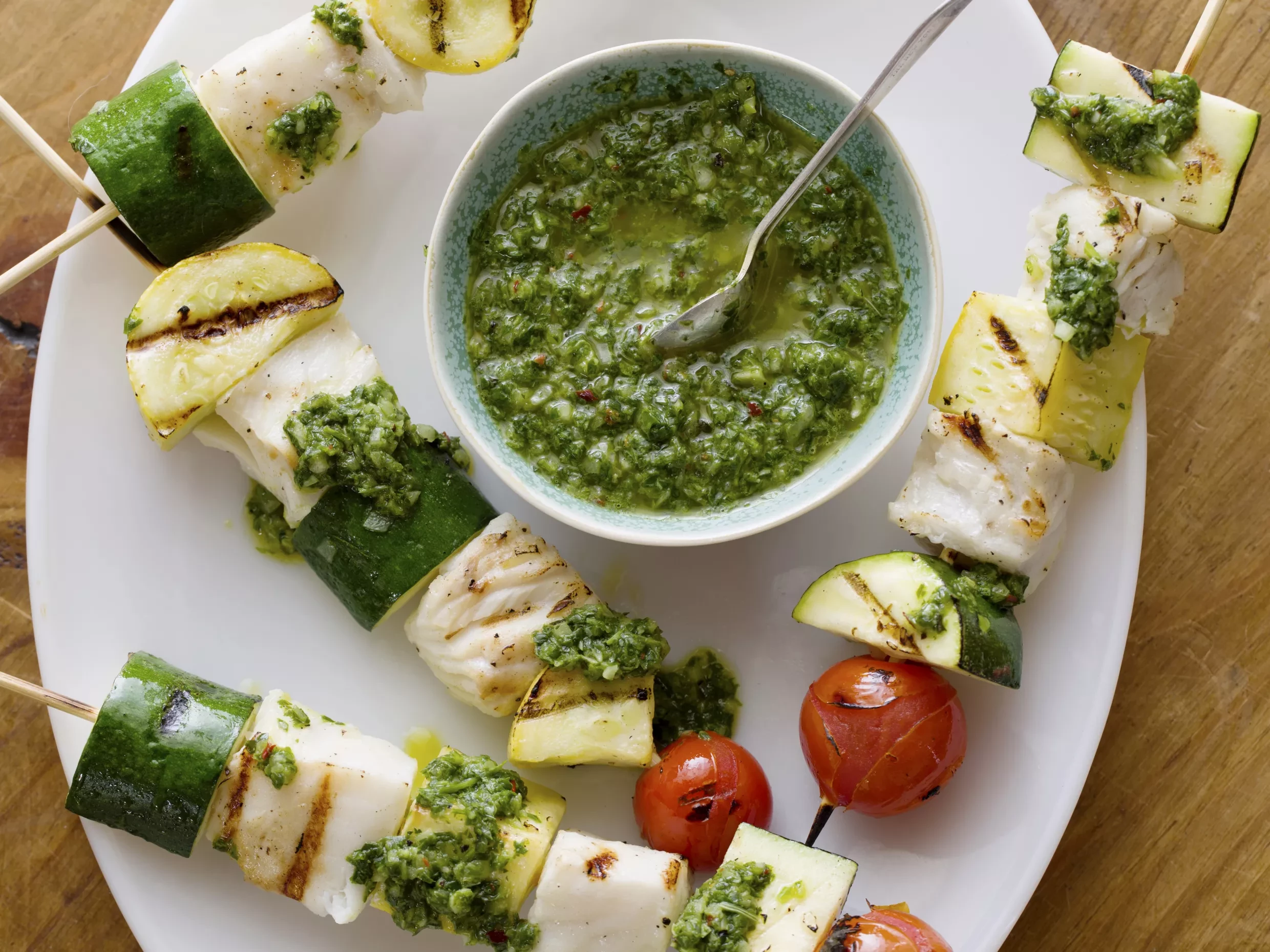
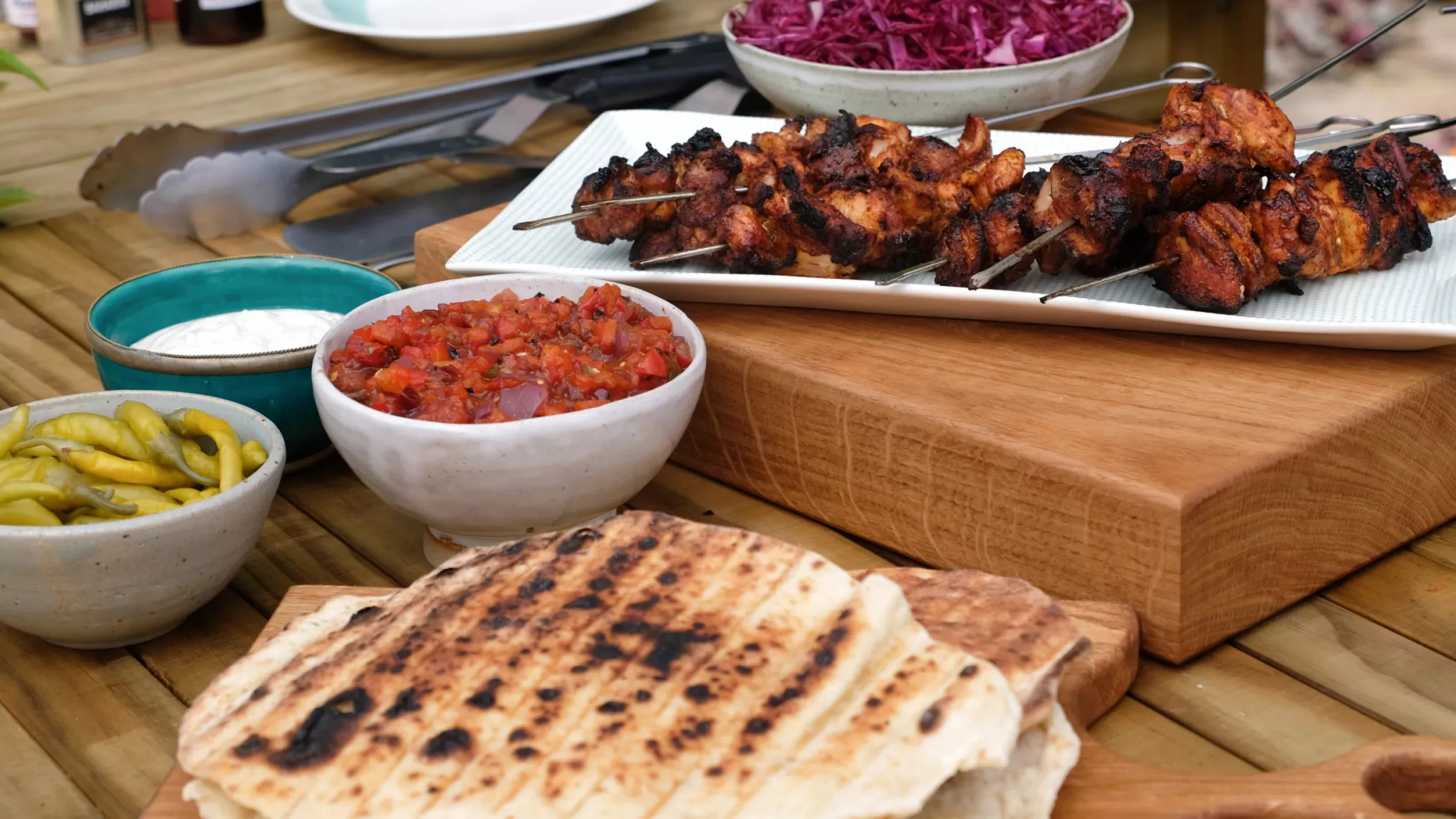
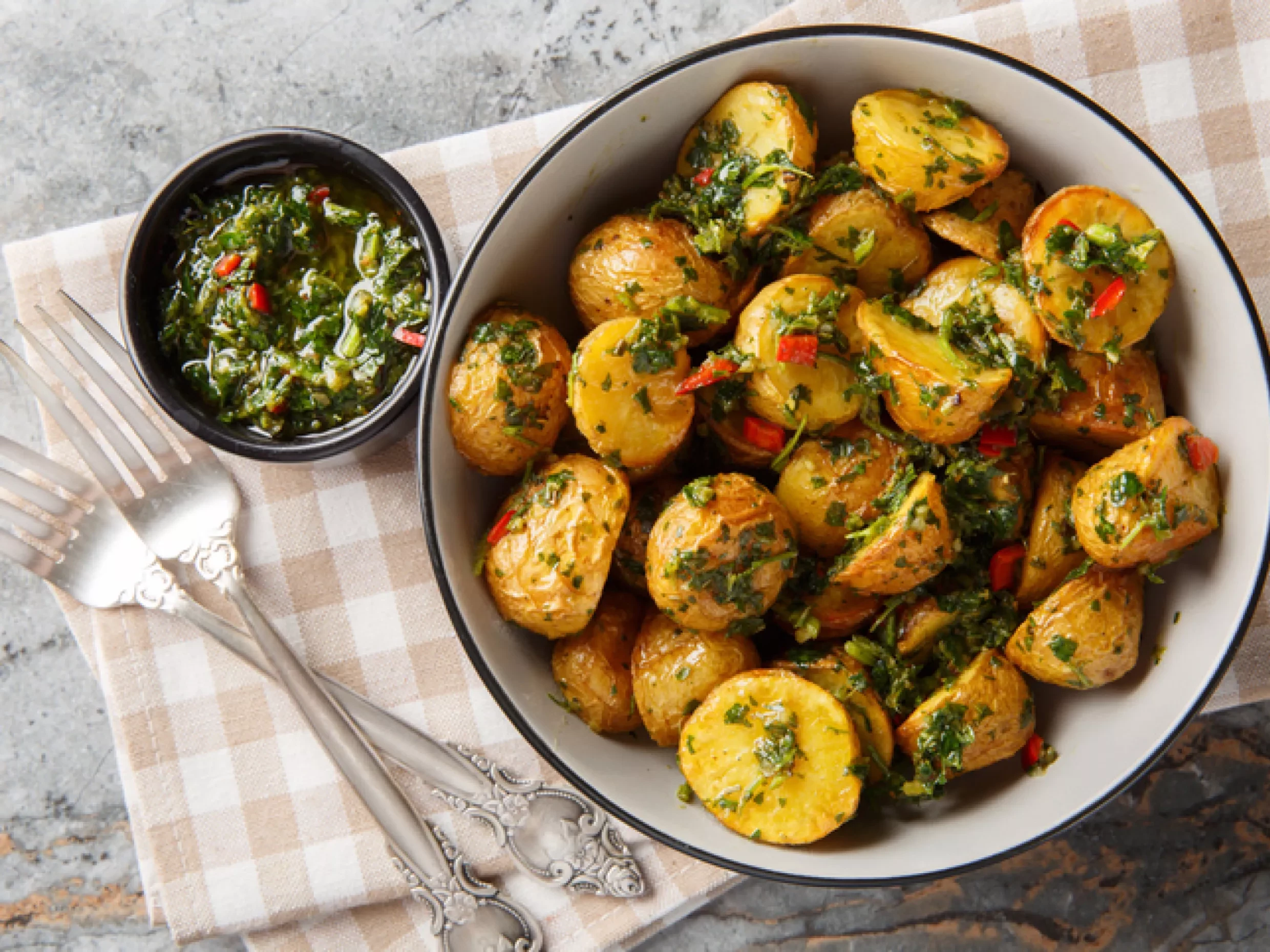
Pair chimichurri with a variety of meats and plant-based proteins, such as grilled steak, pan-seared pork chops, roast chicken or baked tofu. You can also jazz up seafood such as swordfish steaks, shrimp skewers or seared salmon with a side of chimichurri. Try using chimichurri as a dip for crusty bread, drizzle it over potatoes or toss it with roasted veggies. Or, experiment with chimichurri as a base for salad dressings, dips and marinades, or to season cooked grains.