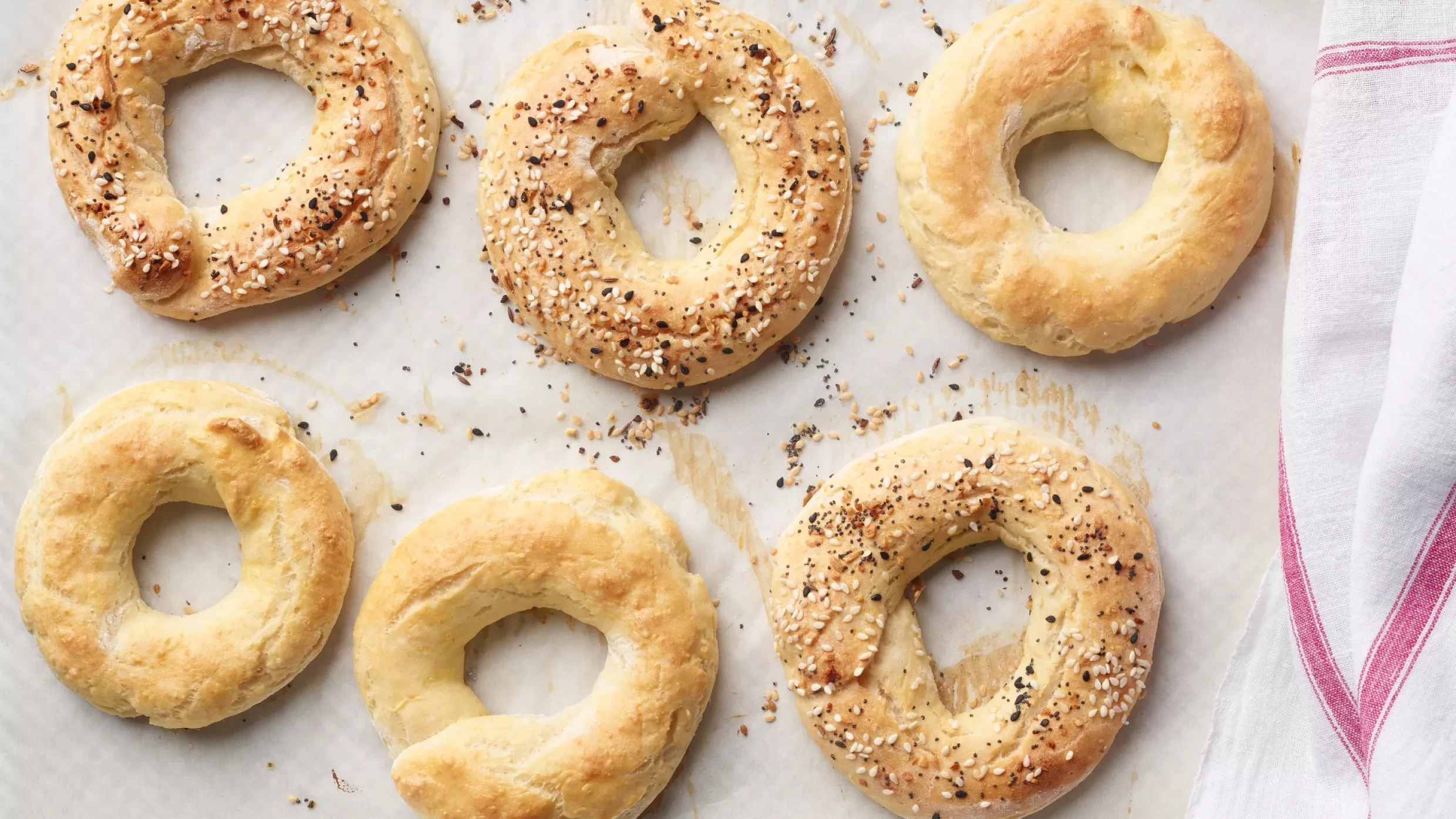




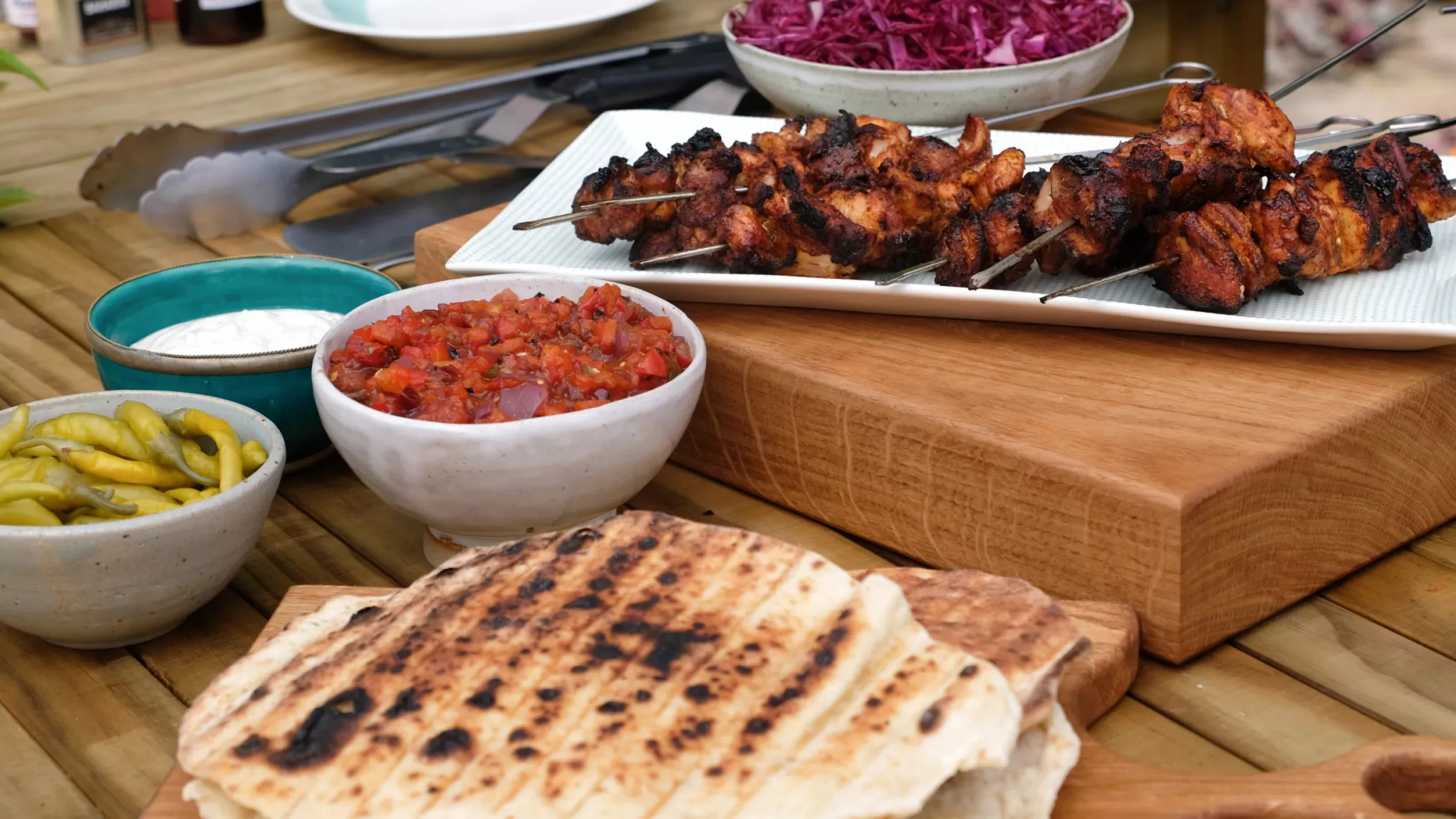
One-bowl baking is simple, homey baking at its best. These recipes often have short, store cupboard-staple ingredient lists and include easy-to-follow instructions, directing you to assemble everything in - you guessed it - a single bowl. In short, if you love baking, but don’t have a lot of time (or patience) for 1) all-day baking projects, 2) hunting down ingredients (or maybe even food shopping), and 3) doing dishes, one-bowl baking is for you.
Most baking recipes - even those easy-peasy ones you’re super fond of - lack the moniker "one-bowl" and, frankly, that’s because many include unnecessary steps and superfluous tools (read: bowls, plural) for assembly. But with a few twists and tweaks, many of them can indeed be one-bowl wonders, or at least be streamlined. Here’s how you can make (almost) any baked good into a one-bowl recipe. With a few new uses for your favourite tools and simple strategies, you’ll be able to assemble your fave treats more efficiently and, dare I say, elegantly.
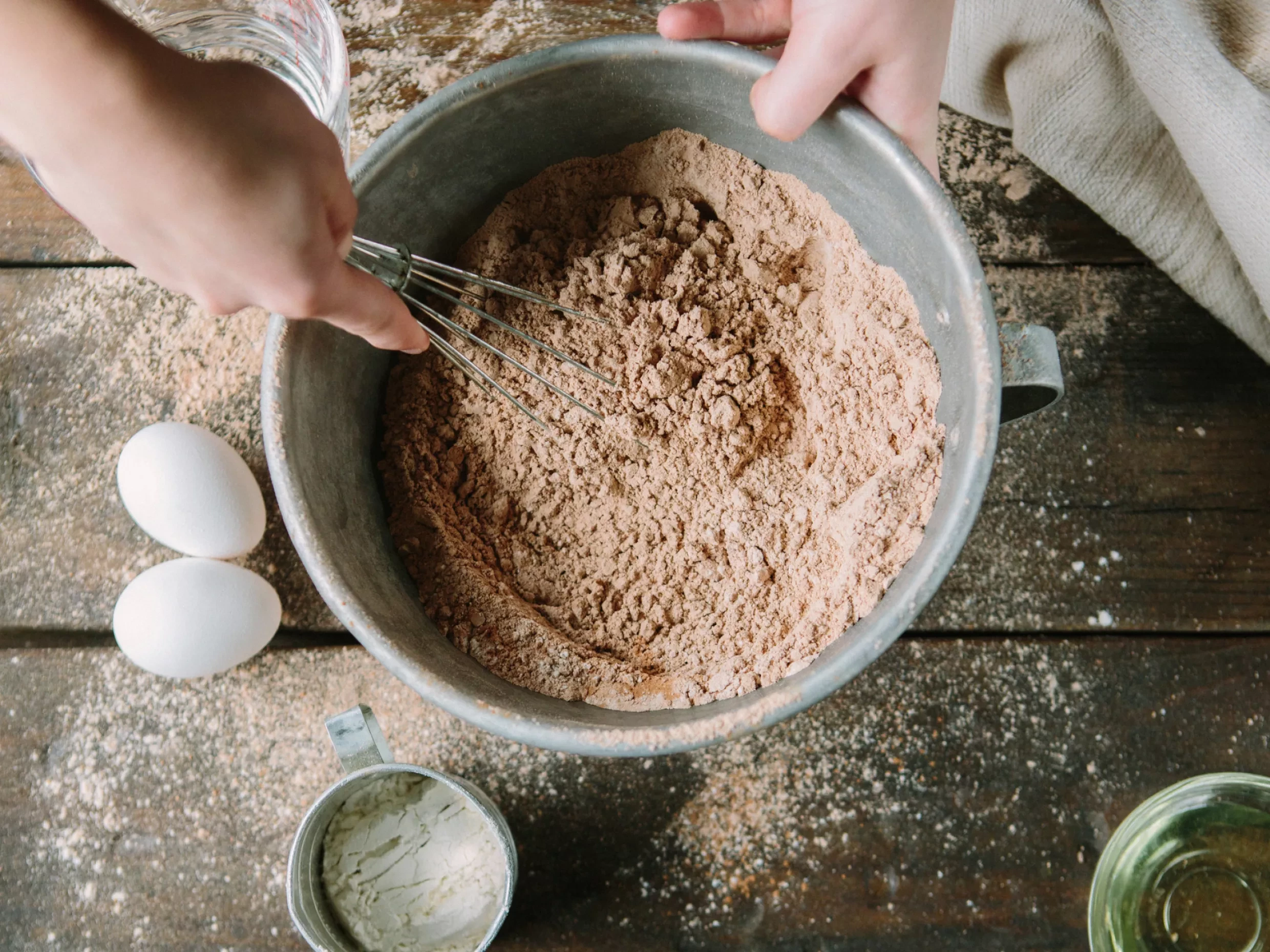
The Right Tools Mean Fewer Dishes
Are you getting enough mileage out of your kitchen tools? By rethinking how you use them, you can use them more effectively. Investing in these will save you so much time (and clean-up!) while baking.
Kitchen Scale
If you have a scale and are working with a recipe that includes gram measurements, you’ve eliminated the need for measuring cups. Therefore, you’re several utensils closer to a one-bowl baking experience. Sure, the recipe might still require other tools or tweaks to get it to one-bowl status, but without a sink full of measuring cups to contend with post-bake, you’re still winning at one-bowling.
Glass Mixing Bowls
Provided you have a microwave, glass bowls are clutch when one-bowl baking, as they avoid the need for a make-shift double boiler when melting chocolate (not to mention the time spent getting that second bowl - okay, pot - out of the cupboard, filling it with an inch or two of water, bringing it to temp, cleaning it and putting it away). The same holds true for melting butter, as the glass bowl replaces the need for a small saucepan, and depending on the recipe, might be just fine for mixing more ingredients into later.
4-Cup Glass Liquid Measuring Cup
The larger the measuring cup, the better it can double as a makeshift "bowl" for mixing and measuring all your wet ingredients. If you’ve got a simple enough step (say, "combine a 1/2 cup of milk and 1/2 cup of water"), you can measure them "on top" of each other in the cup — so no need for another bowl. And small ingredients like vanilla or lemon zest are also easy to mix right into the ingredients already in the cup.
A measuring cup is also great for melting butter or whisking up an egg wash. Even if it requires a quick rinse in the sink before being repurposed, it still beats using another bowl for the job.
Sieve + Parchment Paper
A one-bowl baking recipe avoids instructing that dry ingredients be "combined together in a bowl, whisked and set aside," as so many traditional recipes do. Instead, try "combining" dry ingredients in a sieve and sifting over a sheet of parchment. Not only is a sheet of parchment paper an ideal landing-pad for your sifted dry ingredients, but it also serves as a funnel with which to transfer said ingredients (in three installments, please) to your wet ingredient-filled glass mixing bowl. Pro tip: reuse the sheet as landing-pad/funnel over and over again - or use it to line your pan.
One-Bowl Strategies
Rethink Mise en Place
"Mise en place" (French for "everything in its place"), is the culinary process in which you gather and place your ingredients within easy reach before baking - often you might even see the suggestion to measure ingredients into small vessels prior to assembling your recipe. But this is to be avoided at all costs when trying to get your one-bowl game on.
It’s still wise to get everything organised before you start baking (nothing worse than finding you’re missing an ingredient half-way through a recipe!). But if you measure your flour straight from the bag and transfer it straight to your sieve for sifting, and then all into one bowl, your post-bake self will thank you. (No more dishpan hands!)
Reorder Recipe Instructions
One-bowl recipes require that you prep a particular ingredient, or group of ingredients, only right before adding it to your (large, glass) mixing bowl, avoiding a ton of small bowls. So if your recipe begins by instructing you to set-aside your combined dry ingredients, your chopped nuts, your whisked-together cinnamon-sugar mixture and your freshly squeezed lemon juice, it would behoove you to hold off on the combining and chopping and whisking and squeezing until right before you want to add those items to your "one-bowl."
Repurpose Measuring Tools as Vessels
As indicated above, a large glass liquid measuring cup is an excellent one-bowl baking tool, as it can be employed for tasks other than measuring. But so can your dry measures. When streamlining a recipe calling for ingredients measured in volume, use your one cup measure as a vessel for your cornstarch slurry, or to lightly beat an egg or to dissolve espresso powder in a couple of tablespoons of hot water.
When you start considering these tools as "bowls" and resist the urge to follow a recipe’s instructions to prep and set aside ingredients in small bowls, you’ve done it - magically found a one-bowl recipe where there once was not.