

France, 1889. The Eiffel Tower was unveiled as the centrepiece of the Exposition Universelle, and in the quiet town of Clermont-Ferrand in central France, two enterprising brothers, Édouard and André Michelin, launched a tyre company. Yet alongside this new venture, they started a side project, one that would set a course to the world’s best kitchens. From wheels to meals, this is the story of the Michelin Guide, a name that would come to define where stars maketh the chef.
The Birth of Michelin: Tyres & The Open Road
Achieving a Michelin star is the culinary equivalent of winning an Oscar or a Nobel Prize, but how did a tyre company end up being the arbiter of the world’s best restaurants?
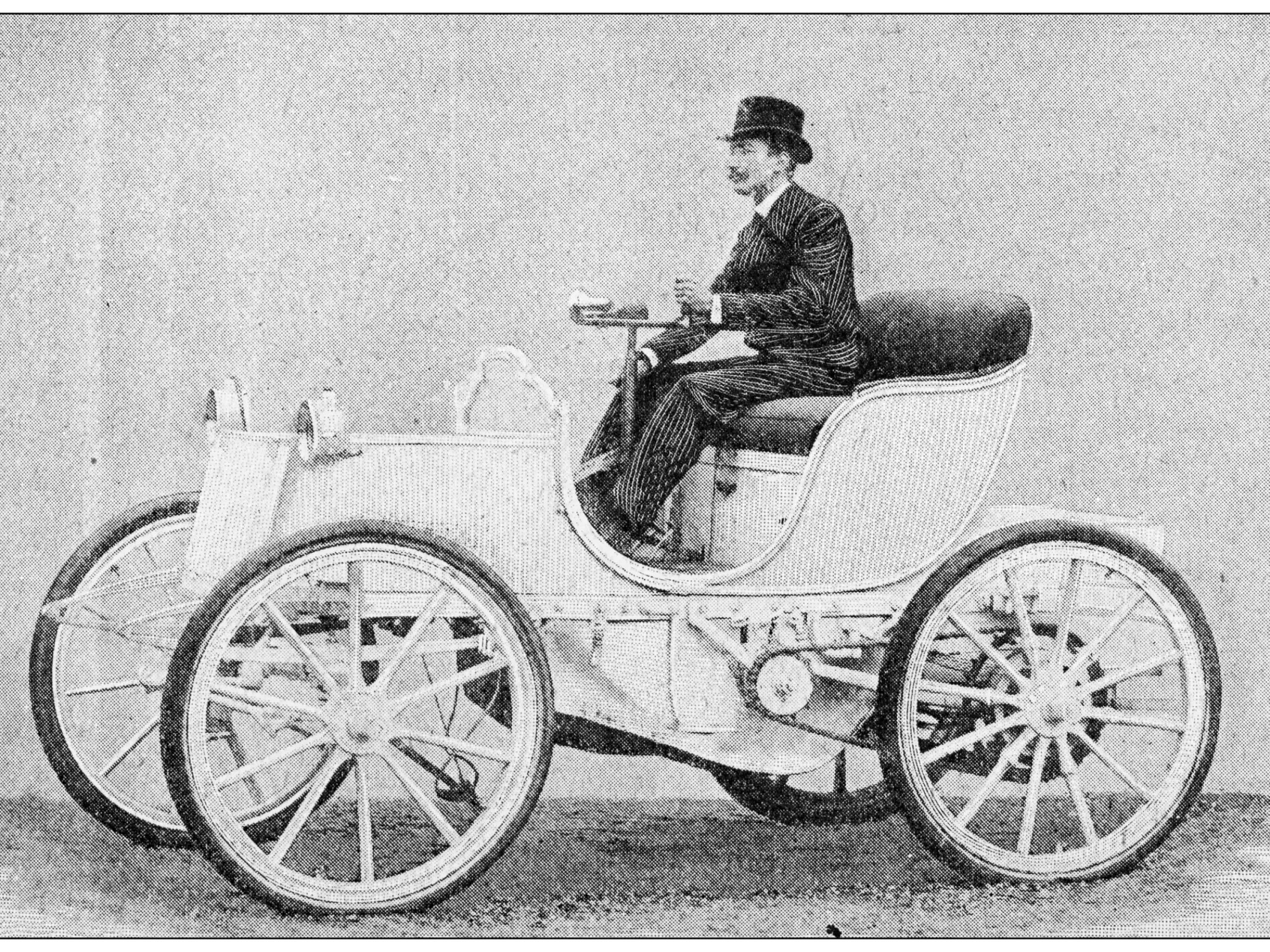
The story starts in 1889 in the quiet industrial city of Clermont-Ferrand in central France. As Europe buzzed with the possibilities of a new mechanical age, brothers Édouard and André Michelin took over a struggling company that made rubber parts for farm machines. After a chance meeting with a cyclist whose pneumatic tyre needed replacing but was incredibly difficult to do, the brothers invented a removable pneumatic tyre. This ground breaking idea would revolutionise travel. Yet - like famous entrepreneurs who came after them - perhaps their greatest stroke of genius wasn’t only in the product, it was in the marketing.
In 1900, with fewer than 3,000 cars on French roads, ‘les frères’ published a free red booklet for motorists. It contained maps, instructions on how to repair and replace tyres, and locations of car mechanics, petrol stations, restaurants and hotels. While it was a very useful companion for France’s early road users, it was actually designed to encourage people to drive more, therefore increasing tyre wear and the need for new tyres. And if they were in possession of a book with the Michelin name all over it, the brothers’ idea was they’d most likely buy Michelin tyres.
Over the next decade or so, Michelin Guides were produced for Belgium (1904), northern Italy, Switzerland, Bavaria and the Netherlands (1908), Germany, Spain & Portugal (1910), the British Isles (1911) as well as northern Africa, southern Italy and Corsica.
For twenty years, the Michelin Guide was free, but that was about to change. Unknowingly, the Michelin brothers had created something that would go on to steer both cars and appetites for well over a century.
From Marketing Freebie to Must-Have Guide
In the first two decades of the twentieth century, the Michelin Guide was given away for free to motorists, as a clever marketing gesture. But as the book spread to neighbouring countries, its reputation began to outgrow its original purpose.
But it was another fateful encounter in 1920 which transformed the fact-filled freebie into commercial culinary colossus. During a visit to a mechanic’s workshop, André Michelin noticed his cherished red guides were being used to prop up a workbench. Based on the idea that people only respect what they pay for, he decided there and then to charge for the guide. A new Michelin Guide was launched the same year and went on sale for seven francs.
The two brothers ditched the guide’s paid-for adverts and very quickly turned the book from a giveaway into an editorial authority.
The Birth of the Stars: Roads to Restaurants
The all-new 1920 edition of the guide featured a list of hotels in Paris, as well as restaurants based on category. The brothers also realised that the restaurant section was becoming increasingly influential and recruited a team of inspectors to anonymously review them.
By 1926, a single star appeared beside select names, denoting “a very good restaurant.” Five years later, the system expanded to two and three stars, formalised in 1936 into the now-familiar, deceptively simple hierarchy -
One Star: a very good restaurant in its category.
Two Stars: excellent cooking, worth a detour.
Three Stars: exceptional cuisine, worth a special journey.
With that, a tyre company’s handbook had become the ultimate culinary compass, transforming chefs into superstars and placing small provincial kitchens on the same map as Parisian landmarks.
The Mysterious Michelin Men & Women
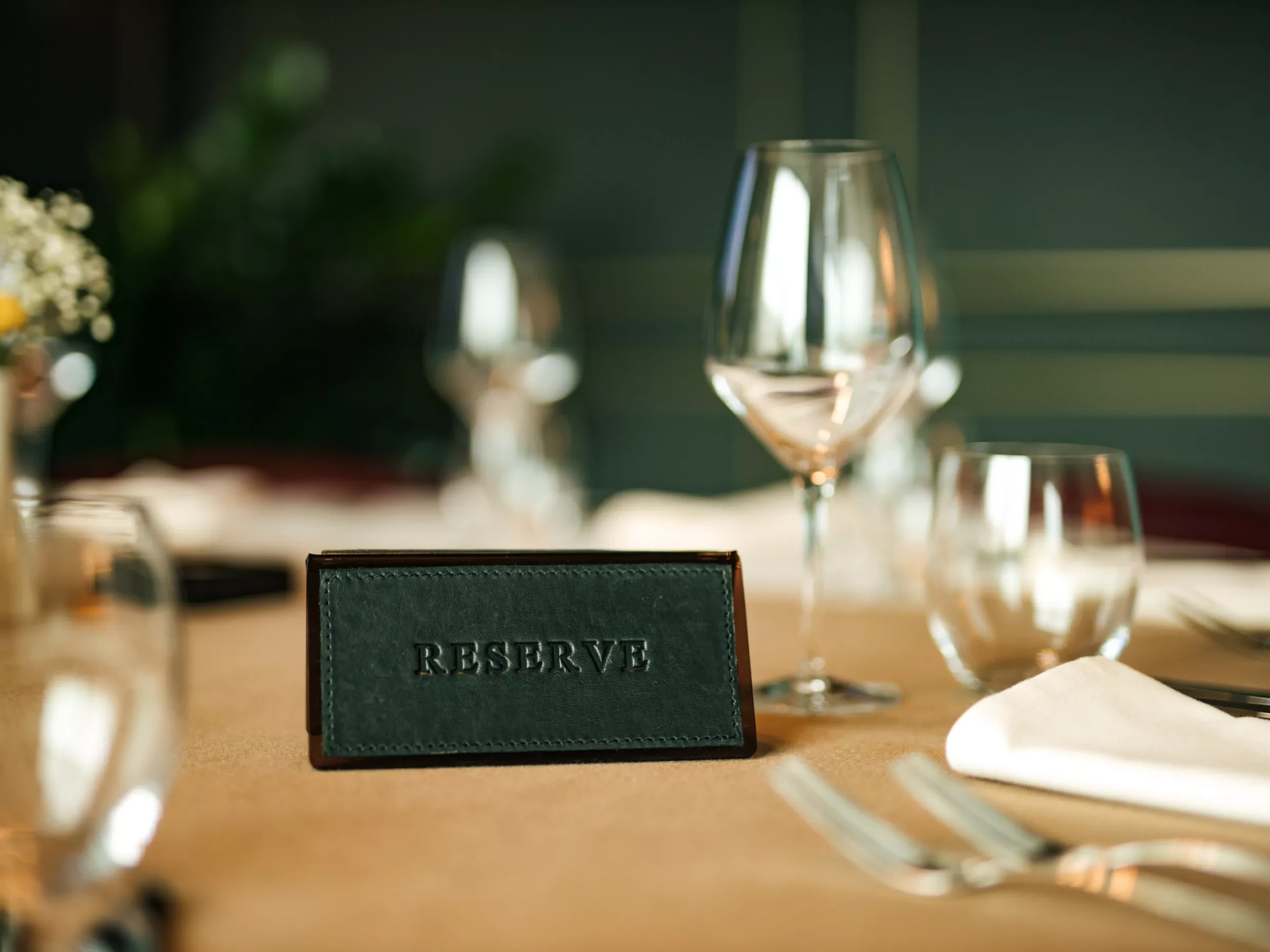
As the stars gained prestige, so too did the mystery behind them. By the 1950s, the guide operated with an influence that chefs seemed to both revere and fear in equal measure - yet few, if any, knew who actually controlled their fate. The guides were (and still are) compiled by a discreet team of inspectors, anonymous professionals whose identities were (and remain) closely-guarded secrets.
They travelled the country, dining alone, paying their bills, and submitting meticulous reports judged against uncompromising standards, including the quality of ingredients, mastery of technique, harmony of flavours, consistency, and the personality of the chef expressed through the cuisine. Indeed it was this secrecy that built an aura of incorruptibility around the guide, as well as tensions in the kitchens it judged.
Michelin’s own website explains the criteria for which one, two and three stars are awarded -
One MICHELIN Star is awarded to restaurants using top quality ingredients, where dishes with distinct flavours are prepared to a consistently high standard.
Two MICHELIN Stars are awarded when the personality and talent of the chef are evident in their expertly crafted dishes; their food is refined and inspired.
Three MICHELIN Stars is our highest award, given for the superlative cooking of chefs at the peak of their profession; their cooking is elevated to an art form and some of their dishes are destined to become classics.
For a restaurant, a single star could transform its fortune and losing one could do the opposite.
Icons, Legends & Controversies
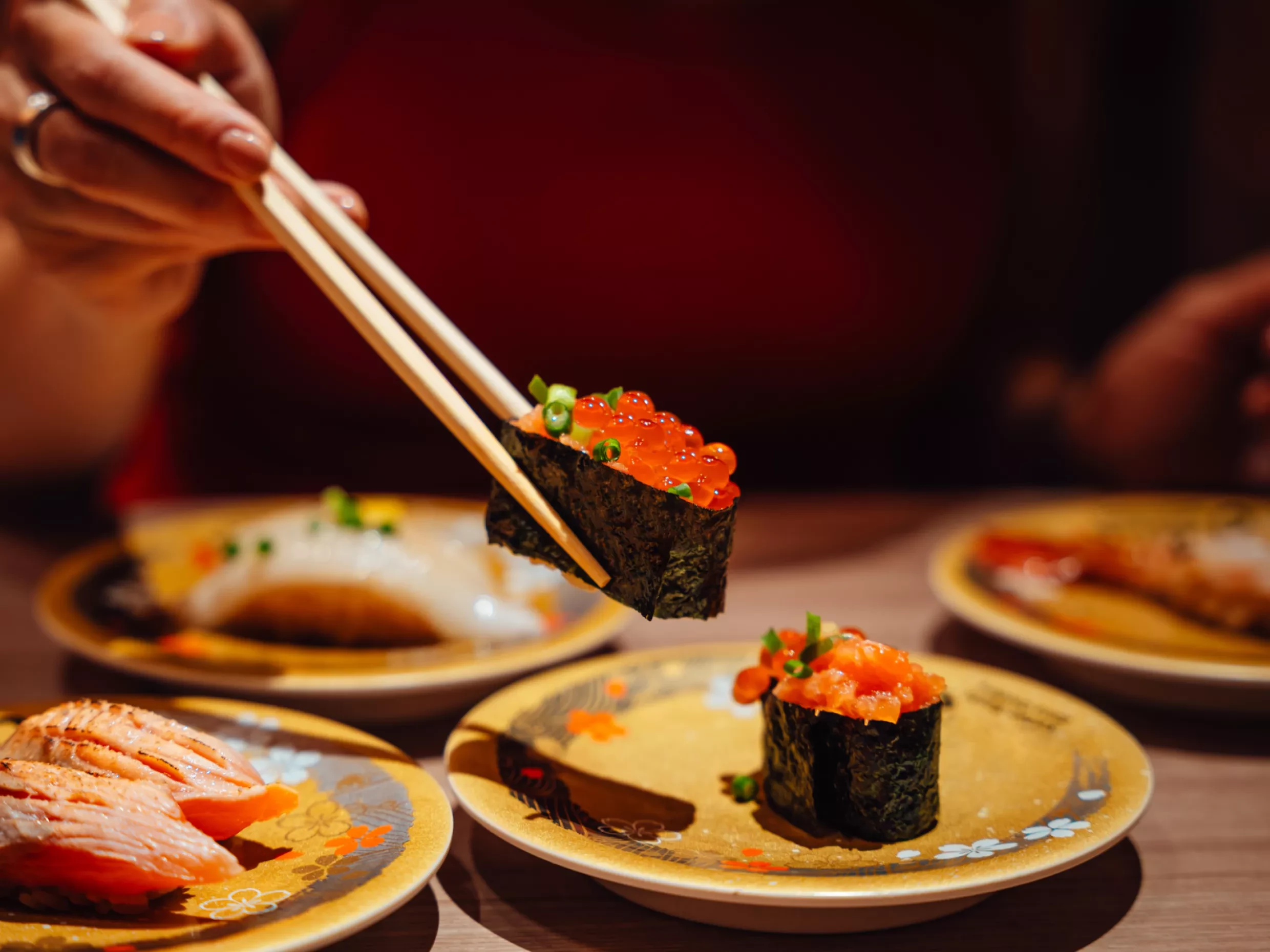
By the second half of the twentieth century, the Michelin Guide had become the stage and the scoreboard for the world’s greatest chefs. In France, names like Paul Bocuse, the Troisgros brothers, and Michel Guérard defined the nouvelle cuisine movement in the 1960s and 1970s, and later Alain Ducasse would build a global empire of starred restaurants, while Joël Robuchon earned more stars than any chef in history.
And it wasn’t just in France where the Michelin Guide was staggeringly influential. In the UK, the Roux brothers transformed British fine dining with Le Gavroche, which opened in 1967 and became the first UK restaurant to win one, two and then three Michelin stars before closing in January 2024. They also opened The Waterside Inn in 1972; it has held three Michelin stars continuously since 1985 and remains in the 2026 guide.
In Spain, Ferran Adrià’s El Bulli was a three-star establishment voted the world’s best restaurant for much of the 2000s. The guide listed the pinnacle of gastronomic excellence, such as L’Auberge de l’Ill, Maison Pic, and Guy Savoy, alongside rising innovators pushing traditional boundaries, one of the most famous being Heston Blumenthal, chef-patron of The Fat Duck, a three-star restaurant famed for serving dishes such as nitro-scrambled egg & bacon ice cream, and snail porridge!
Yet the power of the Michelin Guide is not without turmoil. Some chefs have publicly returned their stars (or asked Michelin to revoke them), unable or unwilling to cope with customer expectation, disillusioned by the pressure to maintain perfection, and in one famous example, by a chef questioning the competence of the inspectors.
Over the years it’s also been criticised for its secrecy and accused of favouring classic French formality. Despite this however, year after year, the Michelin Guide continues to reward culinary ambition and define excellence in the market.
The Gourmet Guide Goes Global
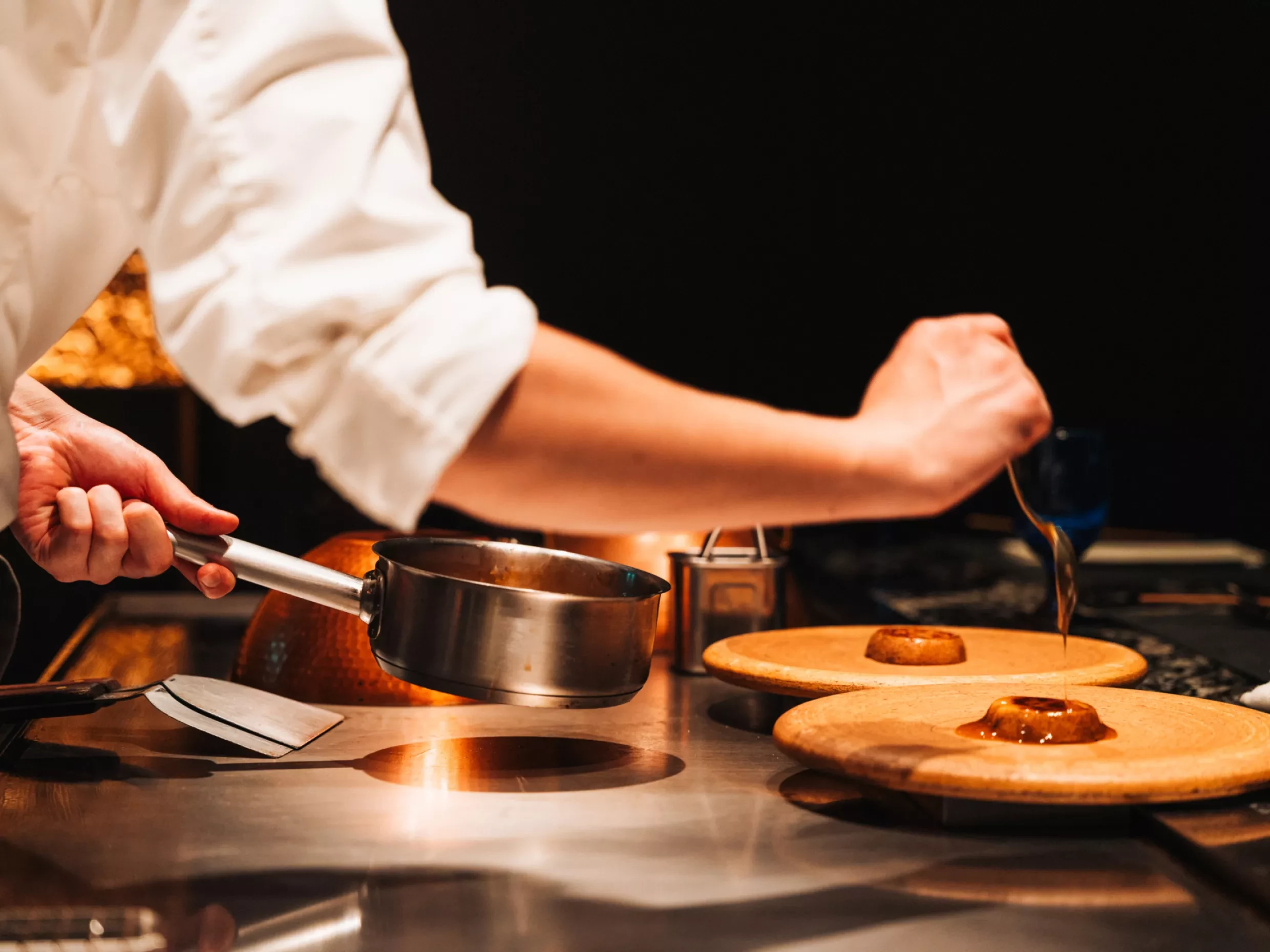
By the start of the twenty-first century, the free guide that began as a handy driving companion now mapped the world’s best dining rooms. After decades focused on Europe, the Guide made its first foray across the Atlantic in 2006 with New York, followed soon after by San Francisco, Los Angeles, Las Vegas and Chicago.
Tokyo was introduced in 2007 and - thanks to Japan’s legendary reputation for precision and reverence for craft - the city eventually earned more stars than Paris itself. Much of Asia soon followed - Hong Kong, Singapore, Bangkok and Seoul - and with each new edition came the same triumphs and tears.
The Digital Era
As much of the world moved online in the 2010s, even the Michelin Guide couldn’t remain solely a printed product and it found a new home on screens, with apps, searchable databases, and social feeds transforming how diners discovered stars. The French, Italian, Spanish and Japanese guides remained in print, but in 2021, most other markets went online only.
However, the company still stayed true to their original ethos. Anonymous inspectors still travel quietly, judging meals not for their Insta-worthiness but for their culinary quality.
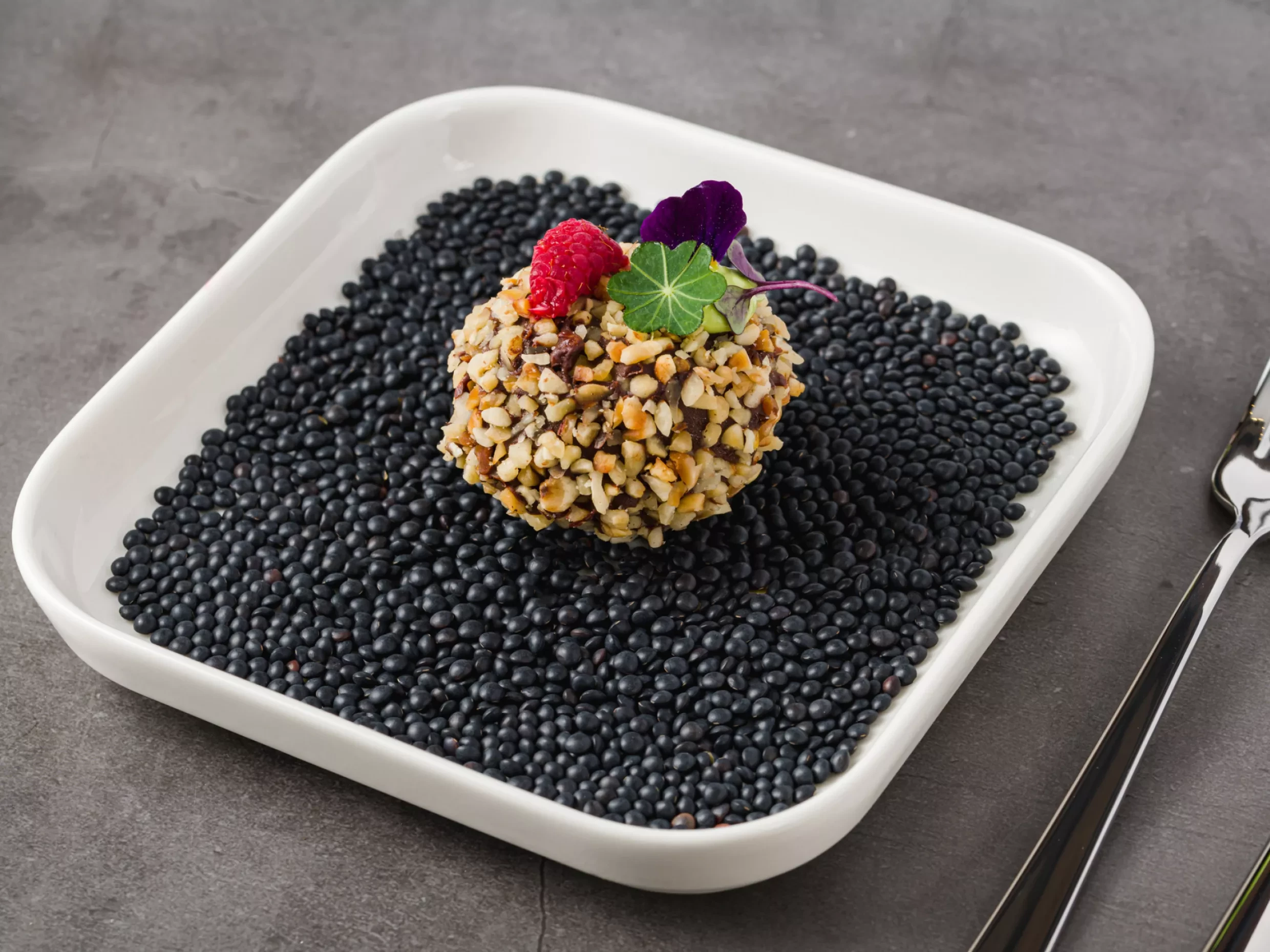
Michelin Stars in the UK | 2026
The 2026 Michelin Guide was released in February and the UK is now home to 207 Michelin-starred restaurants - 174 with one star, 23 with two stars, and 10 with three, including Alain Roux’s The Waterside Inn, Heston Blumenthal’s The Fat Duck, Restaurant Gordon Ramsay, Core by Clare Smyth, and Hélène Darroze at The Connaught.
There were 20 new one-star establishments in the 2026 guide, including Tom Brown at The Capital, Legado - a Spanish restaurant headed up by multiple star holder Nieves Barragán Mohacho - Michael Caines at The Stafford, and Killiecrankie House in Perthshire run by Tom Tsappis.
London supplied both of the UK guide’s new two-star restaurants - Bonheur by Matt Abé, and Row on 5, a collaboration between Jason Atherton and chef Spencer Metzger - while Maré by Rafael Cagali made Brighton & Hove home to a Michelin-starred restaurant for the first time in nearly fifty years.
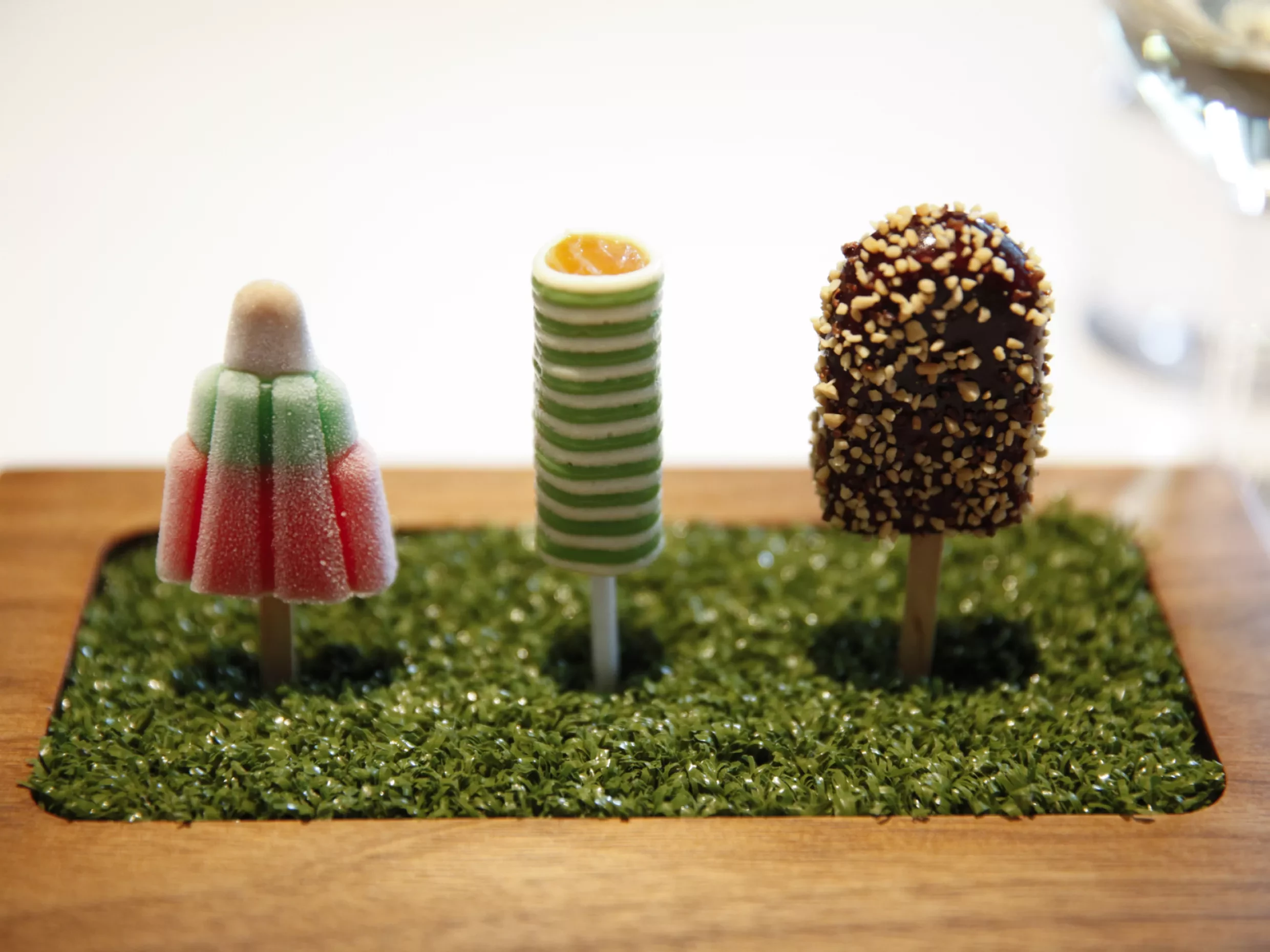
A Hundred Years and More
It’s over a century since the Michelin Guide started rating restaurants with stars, and it remains one of the most powerful forces in global gastronomy. What began as a clever marketing idea to keep motorists moving has become the ultimate arbiter of gastronomic glory. Today, a Michelin star or two (or three) can transform a remote inn into a sought-after destination or turn a chef’s name into a global brand.