






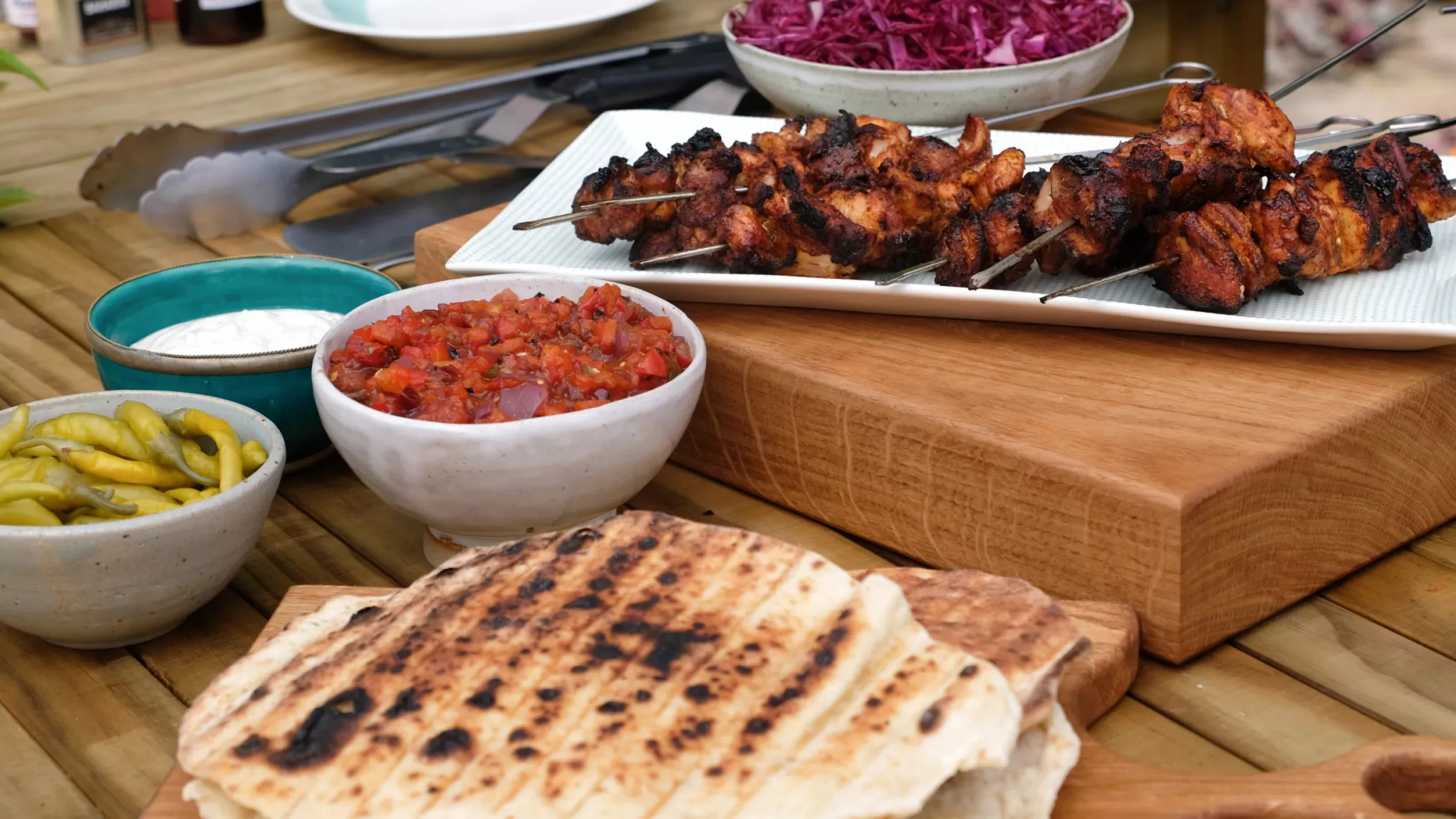
Few dishes capture the heart of British food quite like the Sunday roast, served with crispy roast potatoes, rich gravy, big Yorkies and the ever-present family chaos. But how did the week’s most anticipated meal become a national ritual? Slow-cooked in history and served with pride, this is the delicious story of the Sunday roast.
What is a Sunday Roast?
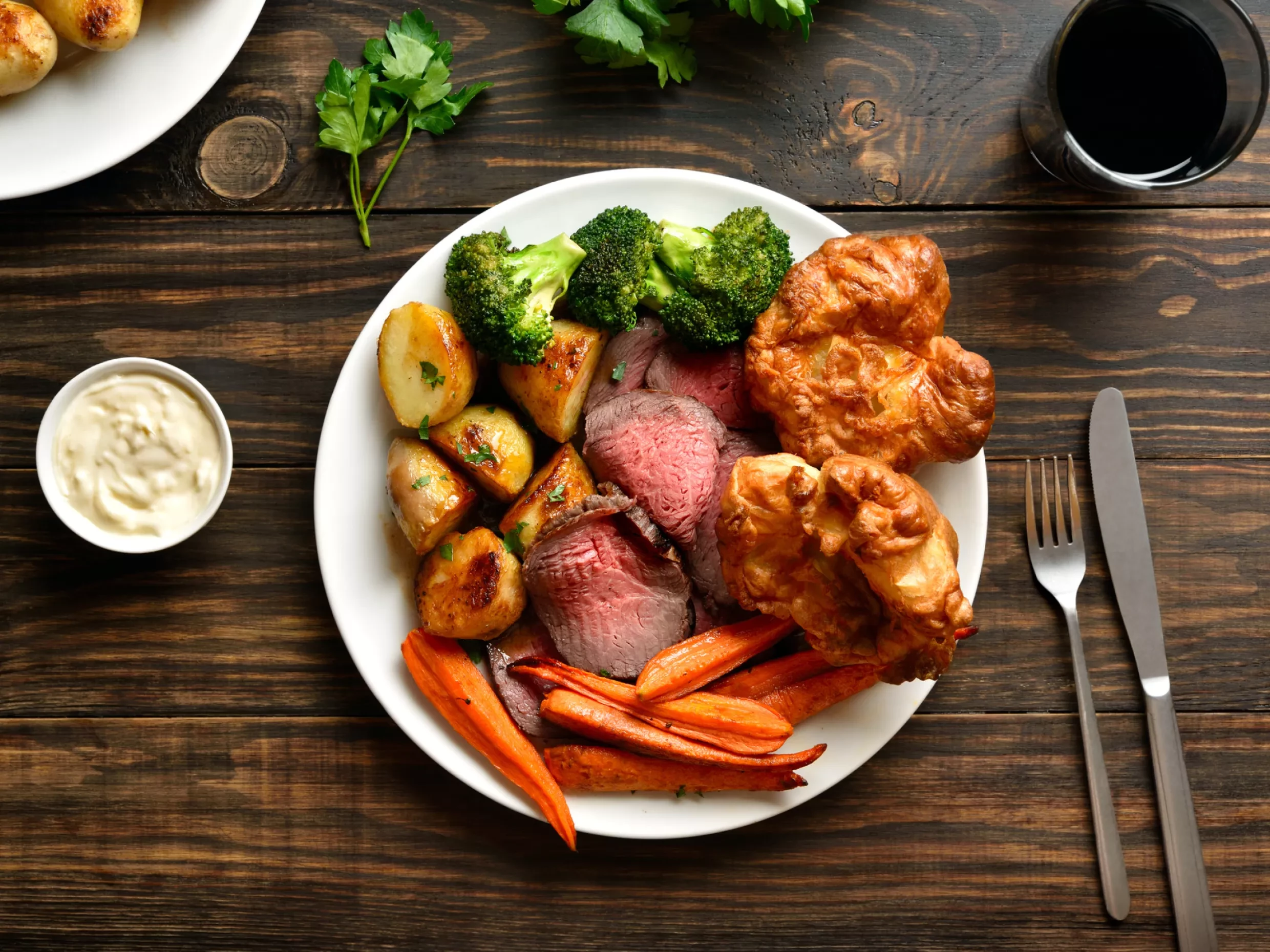
A Sunday roast is a traditionally British meal built around a roasted joint of meat, usually beef, lamb, pork, or chicken, served with potatoes, seasonal vegetables, gravy, and often, but not always, Yorkshire pudding. Depending on the meat of choice, the meal can also include stuffing, and condiments such as mint sauce (with roast lamb), horseradish or mustard (with roast beef), apple sauce (with roast pork) and bread sauce or redcurrant jelly (with roast chicken).
At its most basic, the Sunday roast isn’t defined by a single recipe (as we’ll get into in a minute), but by a pattern - meat roasted slowly, then served as a shared meal on Sunday. It’s that simple structure that helped it become one of the most recognisable dishes in British cuisine.
But when did it all start, and is it ever OK to serve the whole meal in a plate-sized Yorkie? Read on.
The Origins of a Sunday Tradition
The origins of the Sunday roast are hard to pin down because it developed gradually rather than appearing at one fixed moment. One commonly-told origin story is the idea of a large Sunday meal tied to churchgoing in the Middle Ages, when families would gather after services and eat a more substantial meal than they would on other days.
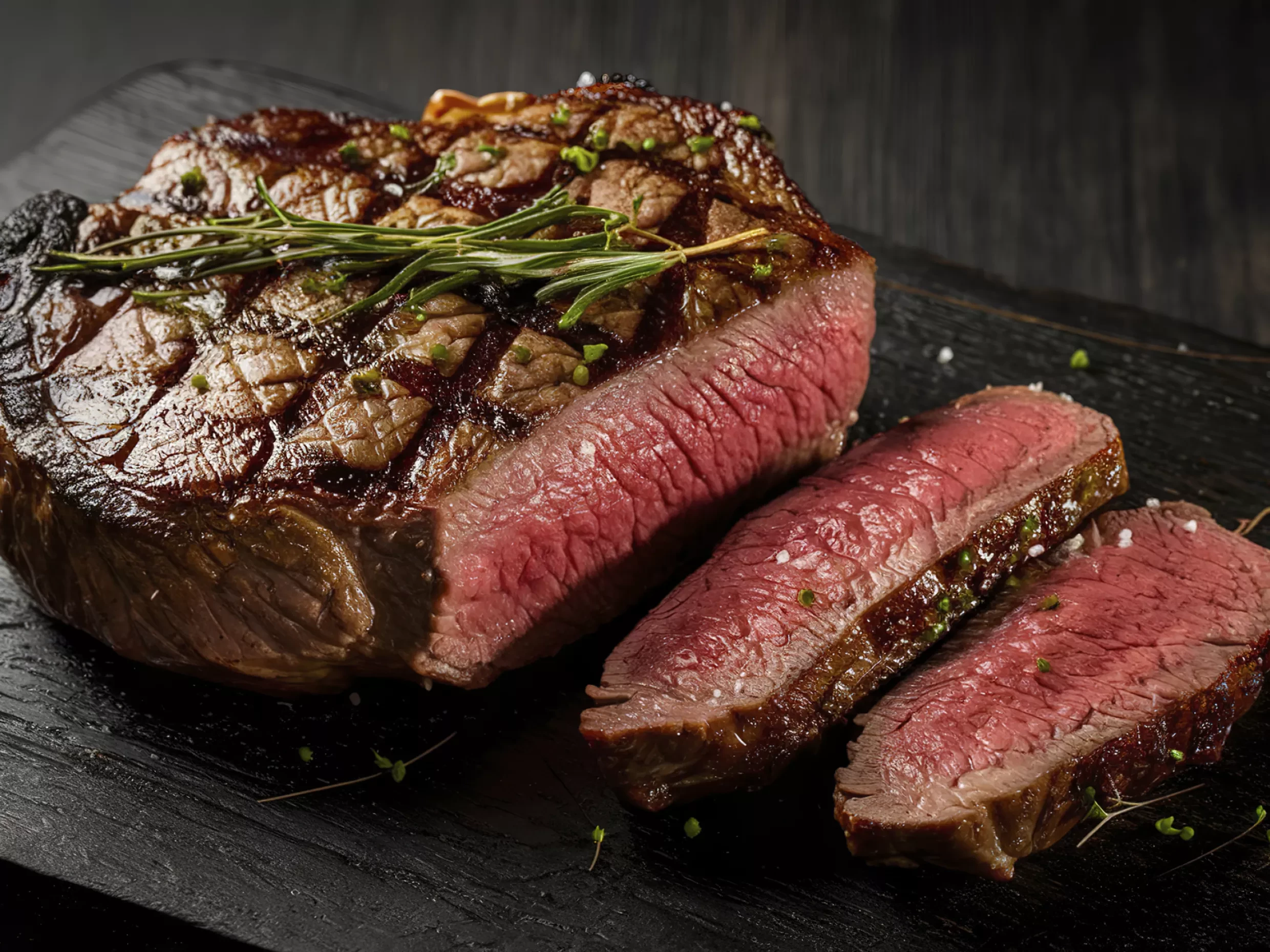
Between the late medieval period and the closing years of the Tudor age (between around 1400 - 1600), roast meat had become associated with status, hospitality, and festivity, though not as inextricably linked with the Sunday roast we know today. Some later stories connect the beginnings of the tradition with Yorkshire, others to the reign of King Henry VII, and even to the Beefeaters at the Tower of London due to their weekly ration of beef, but these tall tales are better treated as part of Sunday roast folklore rather than absolute fact.
What seems clearer is that by the eighteenth century, roast meat on Sunday had become a familiar part of English life. Over the next three hundred years, the meal continued to settle into the pattern that would eventually define it - a regular weekly roast, served at home, followed by a hearty pudding, usually with custard.
How the Sunday Roast Took Shape
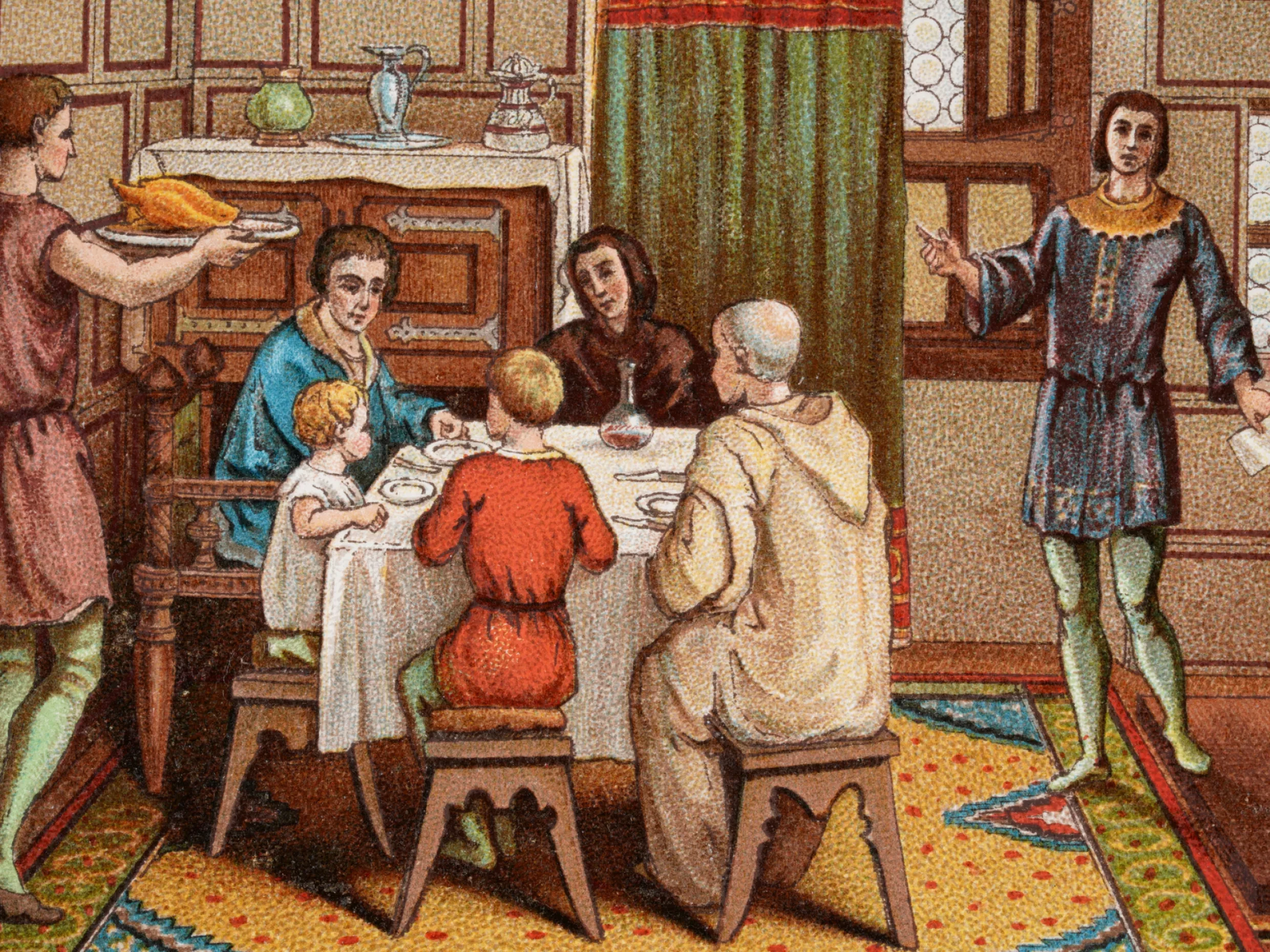
As the eighteenth century became the nineteenth century, the Sunday roast was becoming a more settled aspect of domestic life. Better ovens, wider access to fuel and changing household routines meant that more families could make their Sunday roast at home.
In some places, people still relied on baker’s ovens to cook their meat, especially before kitchens at home were equipped to manage long, steady roasting. But over time, the cooking of the roast moved into the house and became a regular part of the family week. By the Victorian era, it had taken on a clearer identity as a proper Sunday meal, usually centered on beef, with potatoes, vegetables, and gravy becoming increasingly familiar sides.
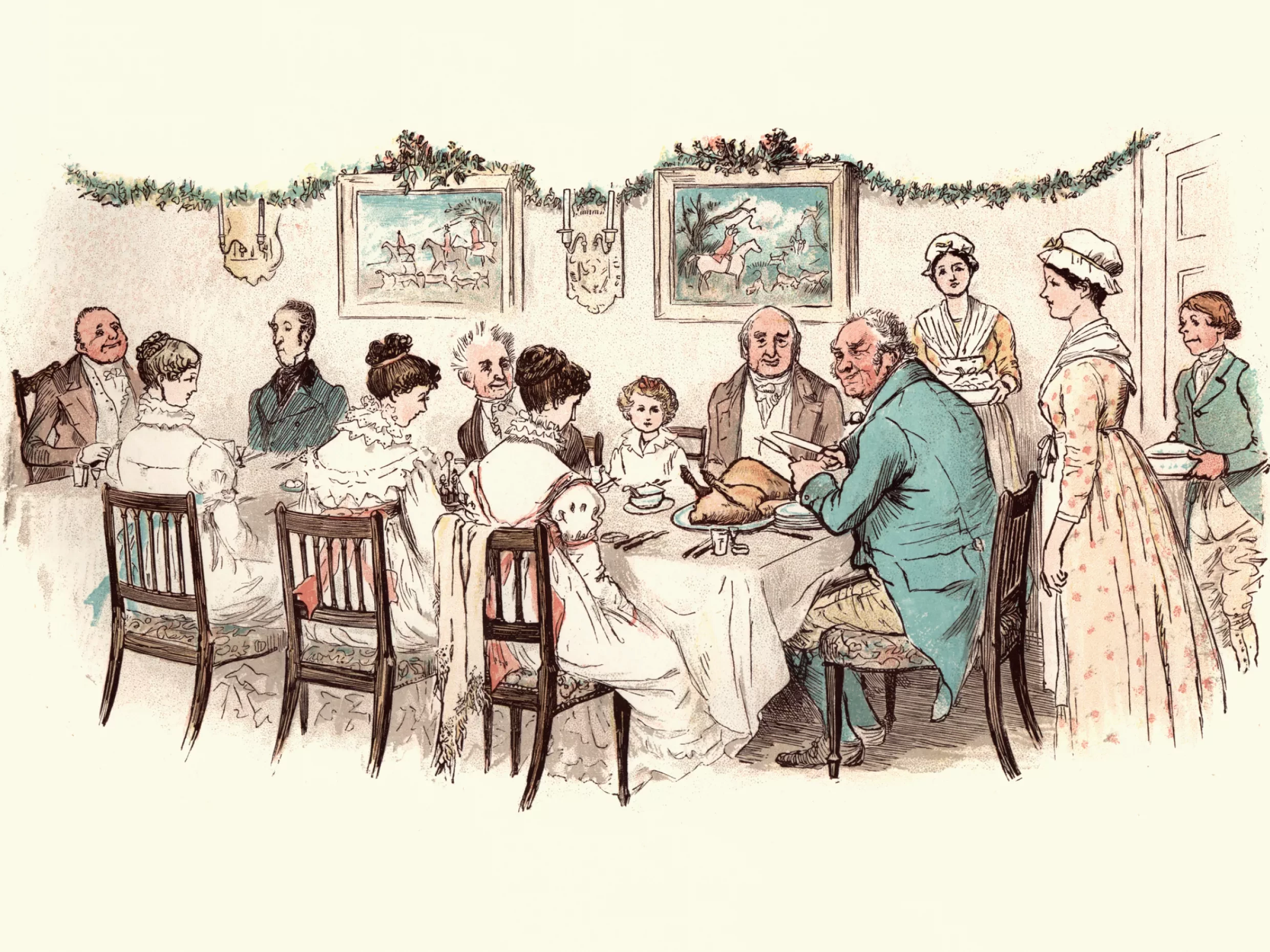
A British Institution
By the twentieth century, the Sunday roast had secured its place as a cherished weekly event. Taking their cue from home cooking, by the mid to late-1950s a very small number of set-price, restaurant-style carveries opened, including two London Lyons Corner Houses. However it wasn’t until the 1960s and 70s that chains such as Berni Inn and Beefeater helped popularise the idea of going to a pub for a full meal, while carveries also expanded in the late 70s and early 80s.
Yet the fiery debate about what belonged on the plate remained (and remains) a hot topic of discussion! Beef was always the classic choice, but lamb, pork, chicken, and later other meats - turkey, gammon, venison, duck and goose - all found their place, with discussion over vegetables, sauces, and side dishes depending on local area more than fixed rules. Does cauliflower cheese belong on a Sunday roast? Do Brussels sprouts and bacon, roasted asparagus, or purple sprouting broccoli?
Why the Sunday Roast Still Matters
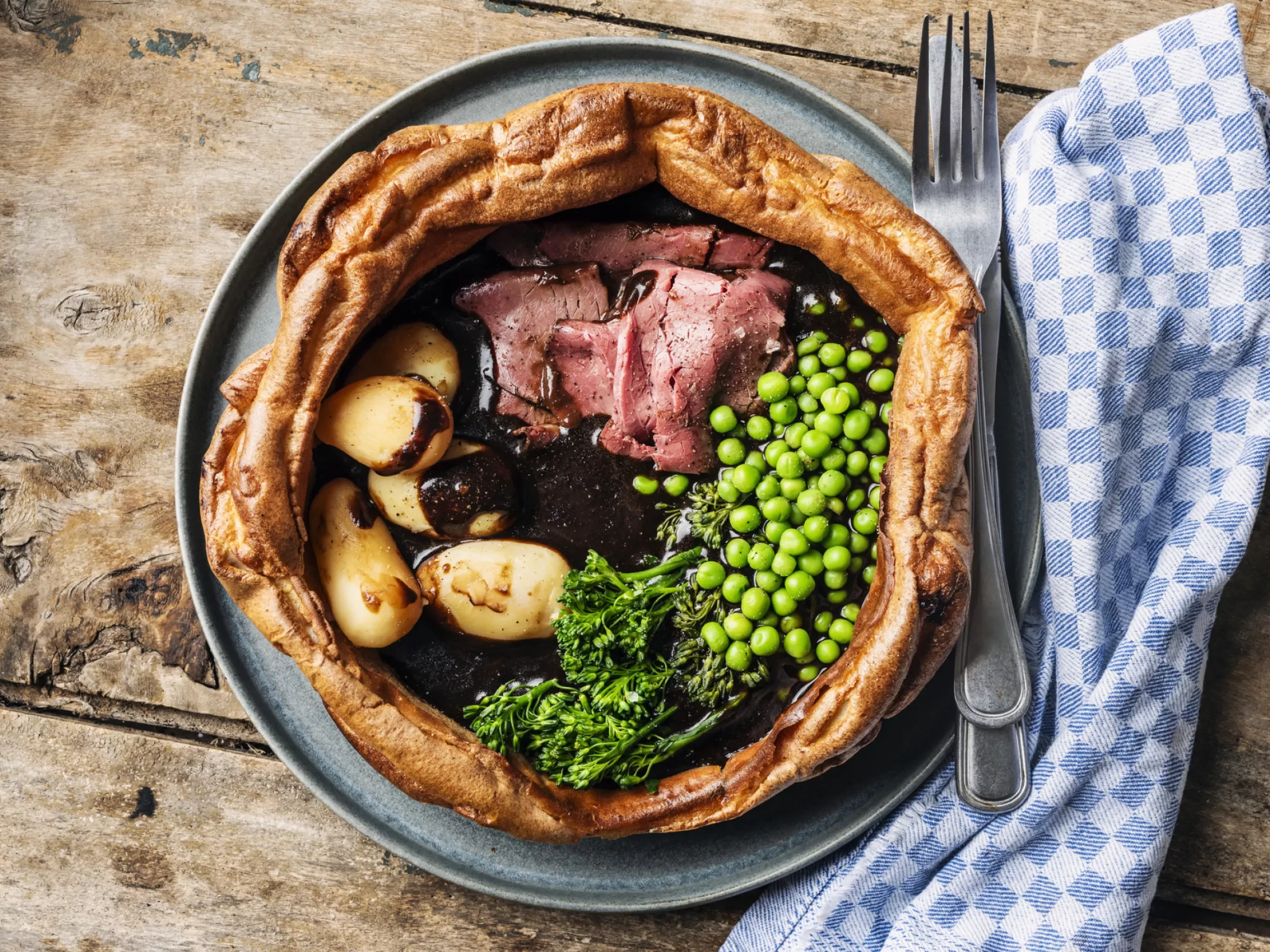
The Sunday roast has endured because, even centuries later, it still offers something unique that other meals don’t - shared time with family and friends rather than speed. Lunch at work is often a quick sandwich or a salad in a plastic box, eaten while scanning emails. Weeknight dinners can be quick and functional, but the Sunday roast isn’t any of those things.
Whether you’re a beef and roasties traditionalist, or you’re serving a mushroom Wellington in a giant Yorkshire pudding, it doesn’t matter. Eating habits and dietary choices may have changed, but the Sunday roast is still a classic of British fare.