

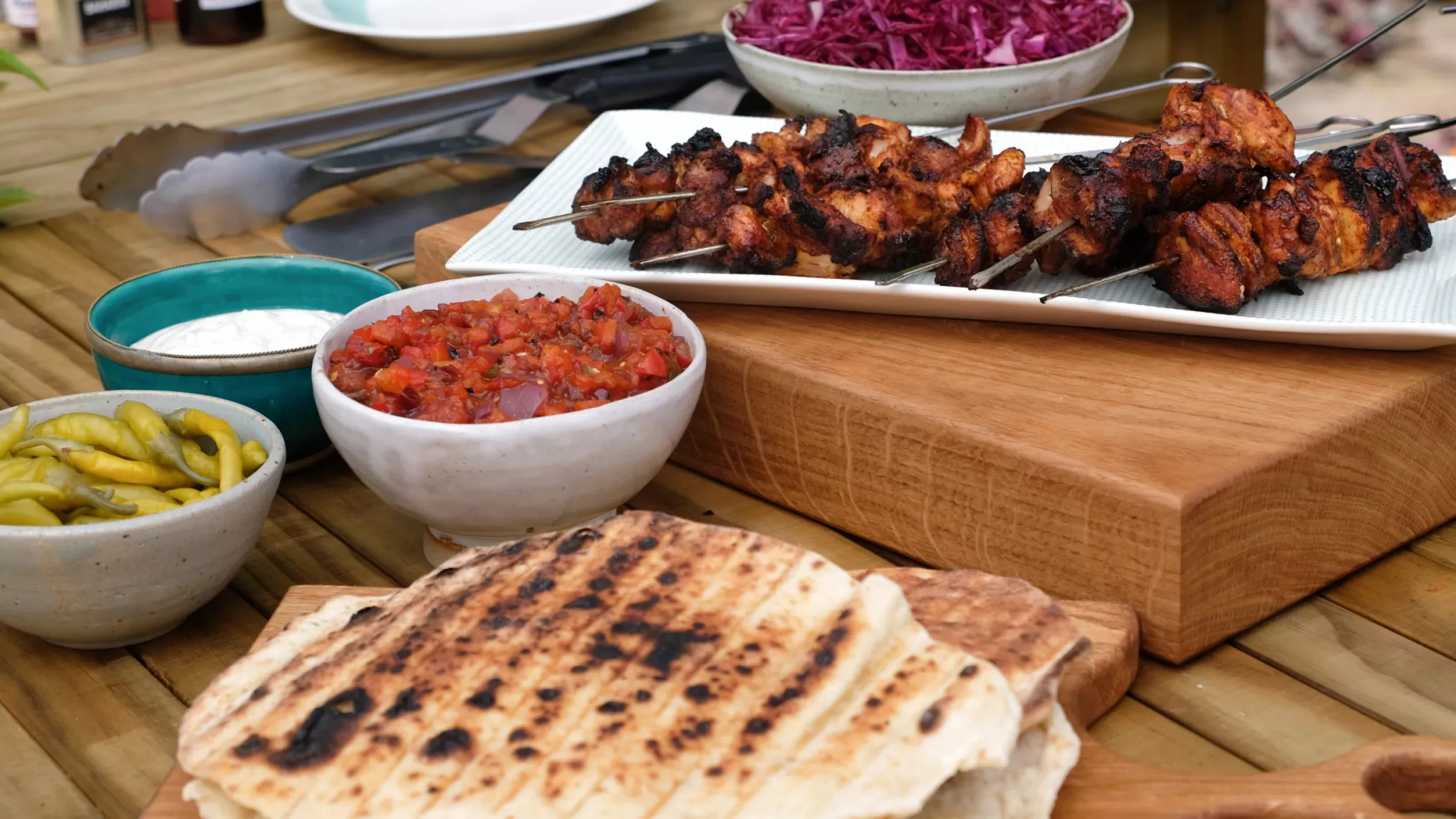
In Milan, taste has always been about more than food. The city of Armani, Versace and Prada not only espouses sartorial style but also dining elegance. From the Romans to the Renaissance and the sleek cafés of the modern metropolis, Milan’s relationship with culinary quality has taken root at the heart of the city.
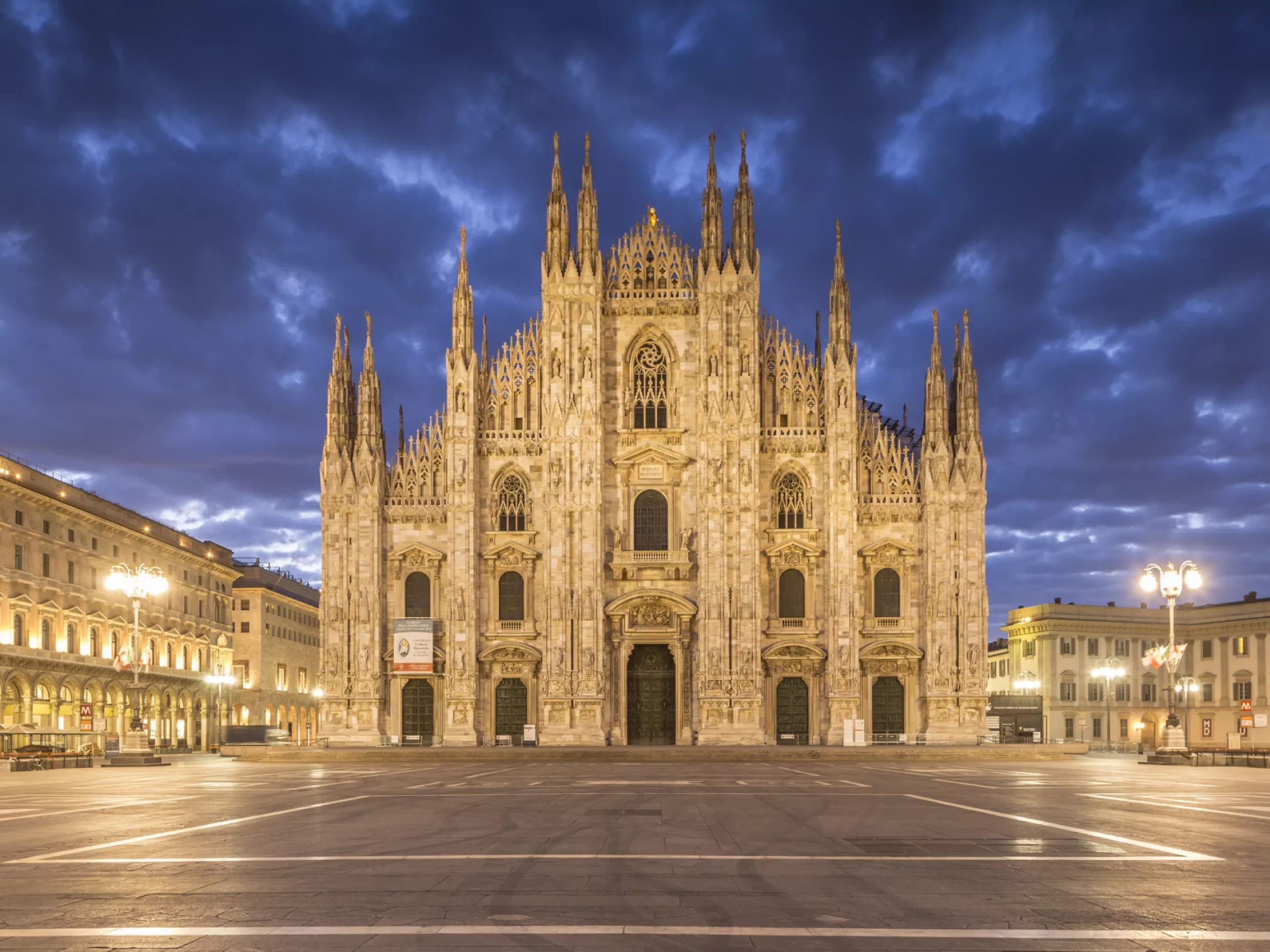
Milan: From Garrisons to Gold to Gowns
Set on the fertile plains of the Po Valley, Milan is northern Italy’s gateway to Europe, protected by the mountain ranges of the Alps to one side and the Apennines to the other. It’s a metaphorical goal-kick from France to the west and Switzerland to the north. Connected by waterways that linked it to the Mediterranean, what was once a Roman garrison became Lombardy’s beating heart, evolving into a hub of commerce and craftsmanship. By the Middle Ages, its strategic position on the northern trade routes made it a crossroads of merchants and cultures. Wealth poured in through textiles, metallurgy, and banking, and it became one of the wealthiest and most influential cities in the region.
When the Visconti and Sforza dynasties reigned supreme, Milan’s dining tables reflected the grandeur of its rulers. Banquets became spectacles of opulence, where French and Spanish influences mingled with local Lombard traditions. Butter replaced olive oil, rice took over from pasta, and saffron - imported by silk merchants - gave its golden sheen to the dishes that would come to define the region. In any number of ways, they still do.
As centuries passed, Milan balanced its place as Italy’s industrial powerhouse with a love of refinement. The same discipline that built grand churches, heavy machinery, and famous fashion houses also developed a distinct culinary style. Few cities have learned to fuse work, wealth, and style quite like Milan - on the cutting table, the drawing table, and the dining table.
Milan’s Culinary Journey: From Court Kitchens to Cosmopolitan Tables
Like much of western Europe’s story, Milan’s unique cuisine developed during the Renaissance, when the leading families turned the city into one of Europe’s most cultured and connected capitals. The kitchens of the Castello Sforzesco were packed with the region’s best cooks and confectioners, preparing lavish banquets designed both to feed and impress. Recipes travelled north from Tuscany, south from Switzerland, and west from France and Spain.
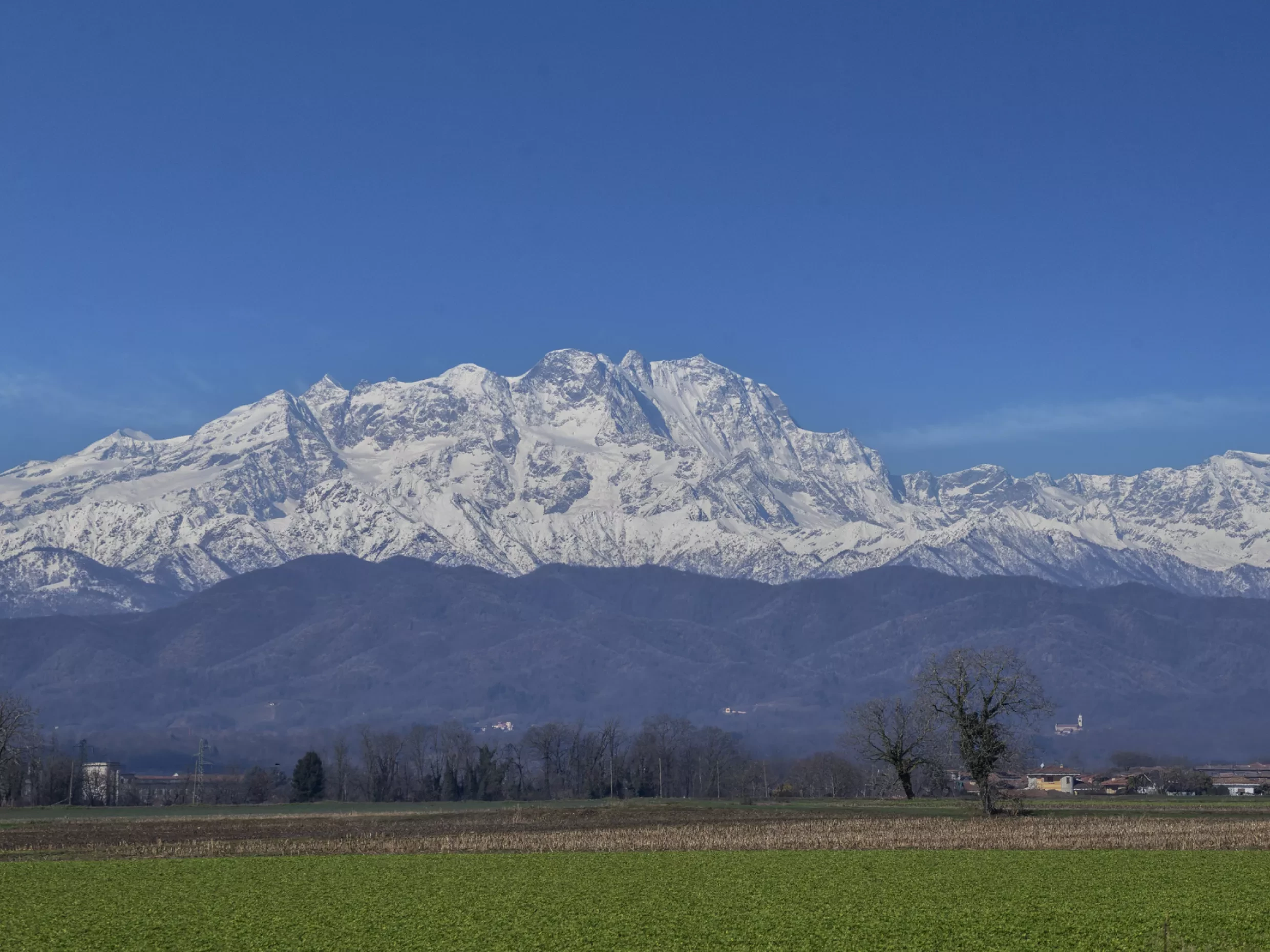
Milan’s position as a trading hub soon introduced new ingredients which took hold in its recipes and dishes. Rice arrived via Arab trade routes, and soon became the predominant starch in the damp Po Valley. Saffron, as legend says originally used by glassmakers for pigment, found its way into the cooking pot, transforming ordinary risotto into a dish of colour. Even the city’s preference for butter over olive oil reflected its northern climate and continental influences, marking a divergence from southern Italian traditions that focused more on the Mediterranean diet.
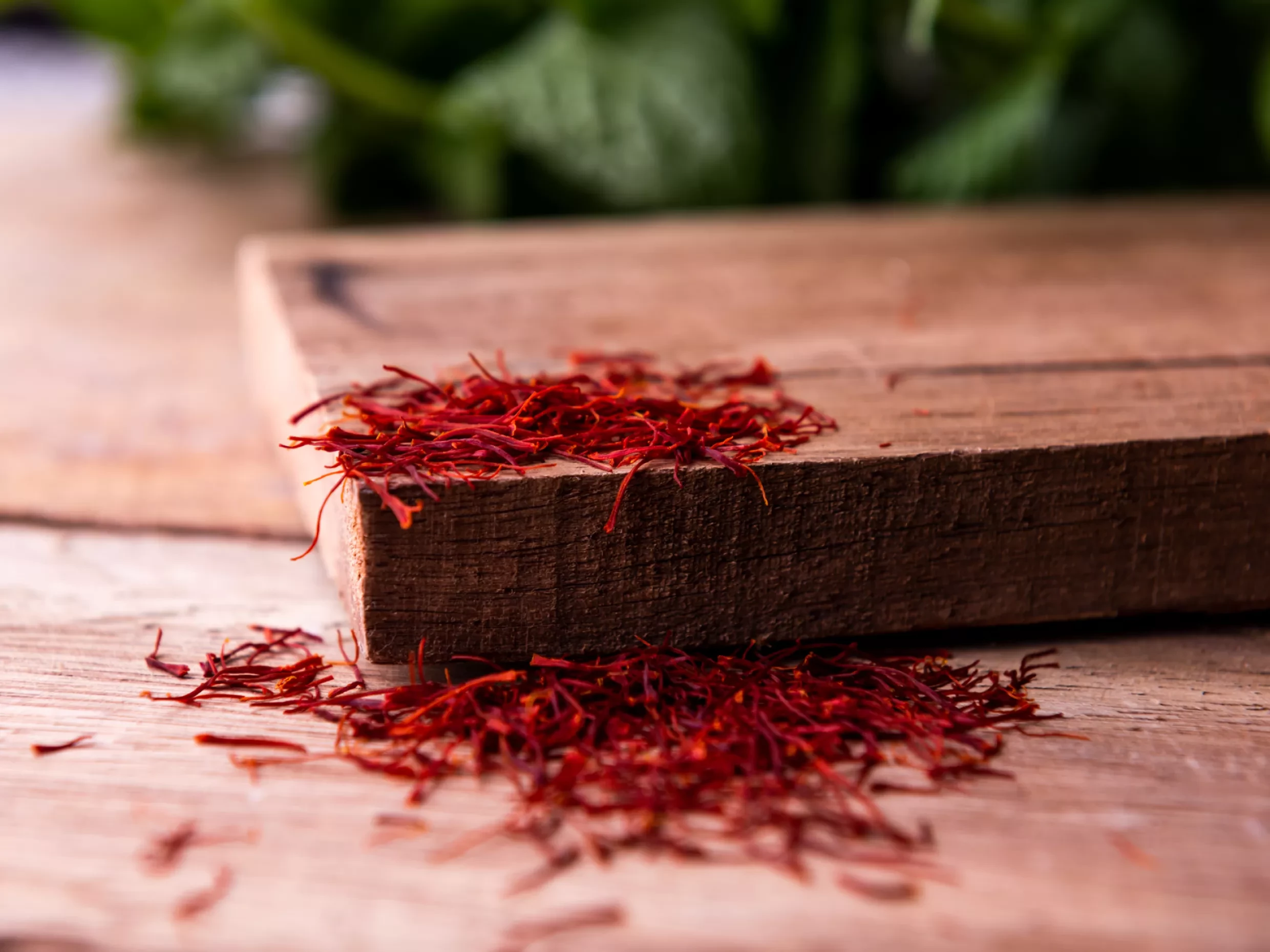
Milan Reinvents ‘Modern Italian’
By the nineteenth century, Milan was the engine room of a newly unified Italy after a patchwork of separate Italian states were turned into a single kingdom. Railways, factories, and banks transformed it into the country’s financial and industrial capital, drawing in workers, businessmen, and intellectuals from across the peninsula. With this came a new rhythm of life - faster, more urban, more outward-looking - and food adapted to match. Trattorias and cafés became informal clubs where deals were done, newspapers of all political leanings were read, and the thoughts and ideas of the day were debated over plates of simple dishes.
As fashion houses, design studios, and publishing firms flourished in the twentieth century, Milan’s reputation for modernity began to shape what ‘Italian’ food looked like to the outside world. Menus here favoured clarity over excess. A perfect risotto, a crisp cotoletta, a thoughtfully curated aperitivo spread. The city embraced dining rooms that felt like extensions of its showrooms and studios - minimal, efficient, and impeccably styled.
At the same time, waves of migration from elsewhere in Italy and abroad brought new flavours into the Milanese mix, from southern pasta and tomatoes to Central European pastries and techniques. Rather than let it take over from its Lombard roots, Milan included these influences onto a foundation of rice, butter, and slow-cooked meats. In doing so, it helped create an idea of modern Italian cuisine rooted in regional tradition, presented with metropolitan polish, and designed for a life lived at speed.
The Milanese Relationship with Food
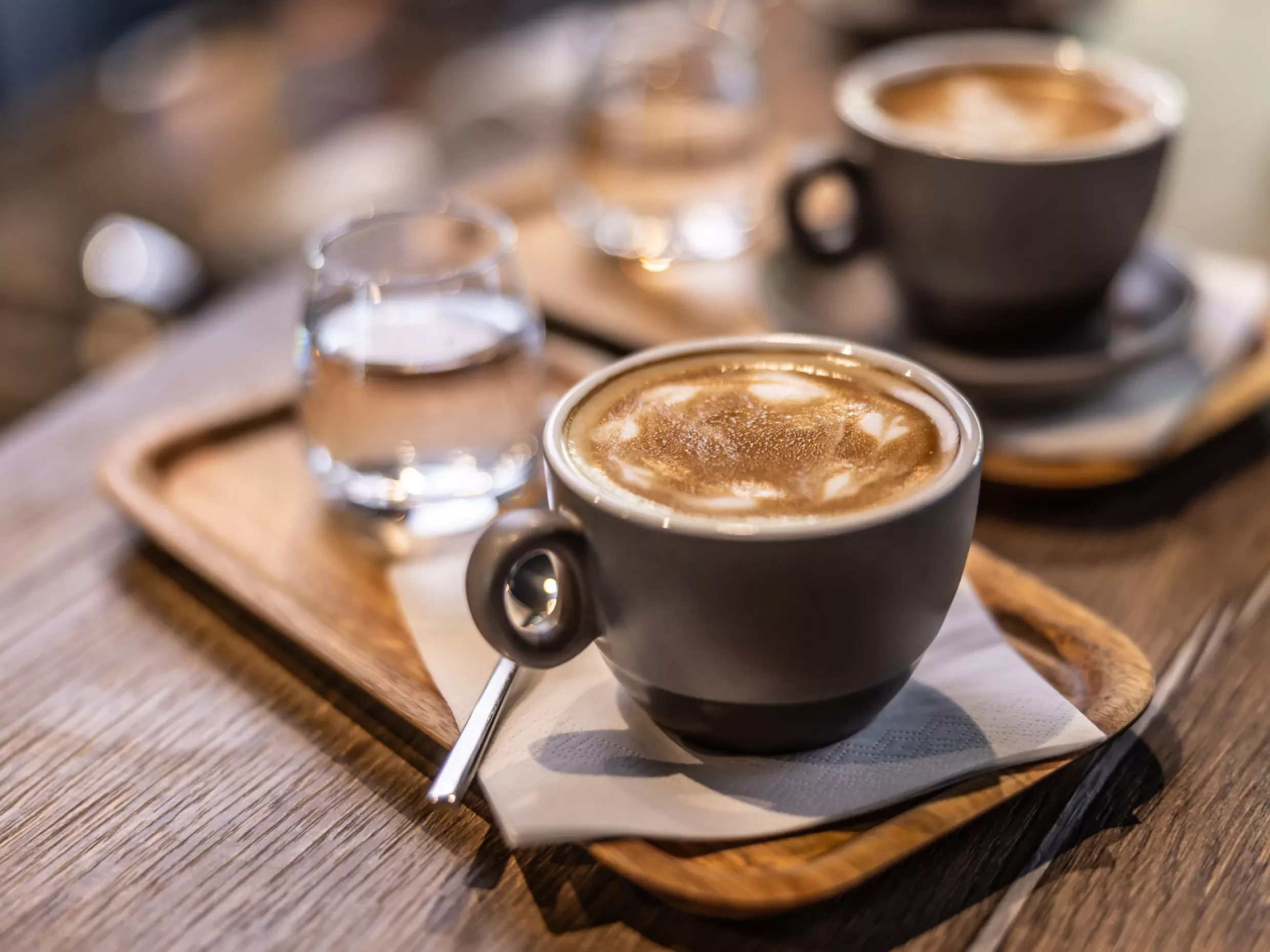
Like a runway model, there’s an unspoken choreography to how and when Milanese people eat. Breakfast may be a quick cappuccino or espresso with a sweet pastry, and lunch is efficient and usually a single substantial dish such as risotto, a pasta, or a salad or grain bowl, sometimes followed by fruit or a small dessert and an espresso. Milanese cuisine is also about what’s left out as much as what’s served. Flavours are clean, plates are uncluttered, and portions are moderate.
Golden, Subtle & Structured: Milanese Cuisine
Milanese cooking today doesn’t shout with spice or rich tomato sauces, rather it’s shaped by its northern location and the agricultural landscape of Lombardy. It relies heavily on rice rather than pasta, butter rather than olive oil, and slow‑cooked meats. Classic techniques include long simmering (for braises and stews), careful toasting and cooking of rice for risotti, and shallow frying in butter or clarified fat.
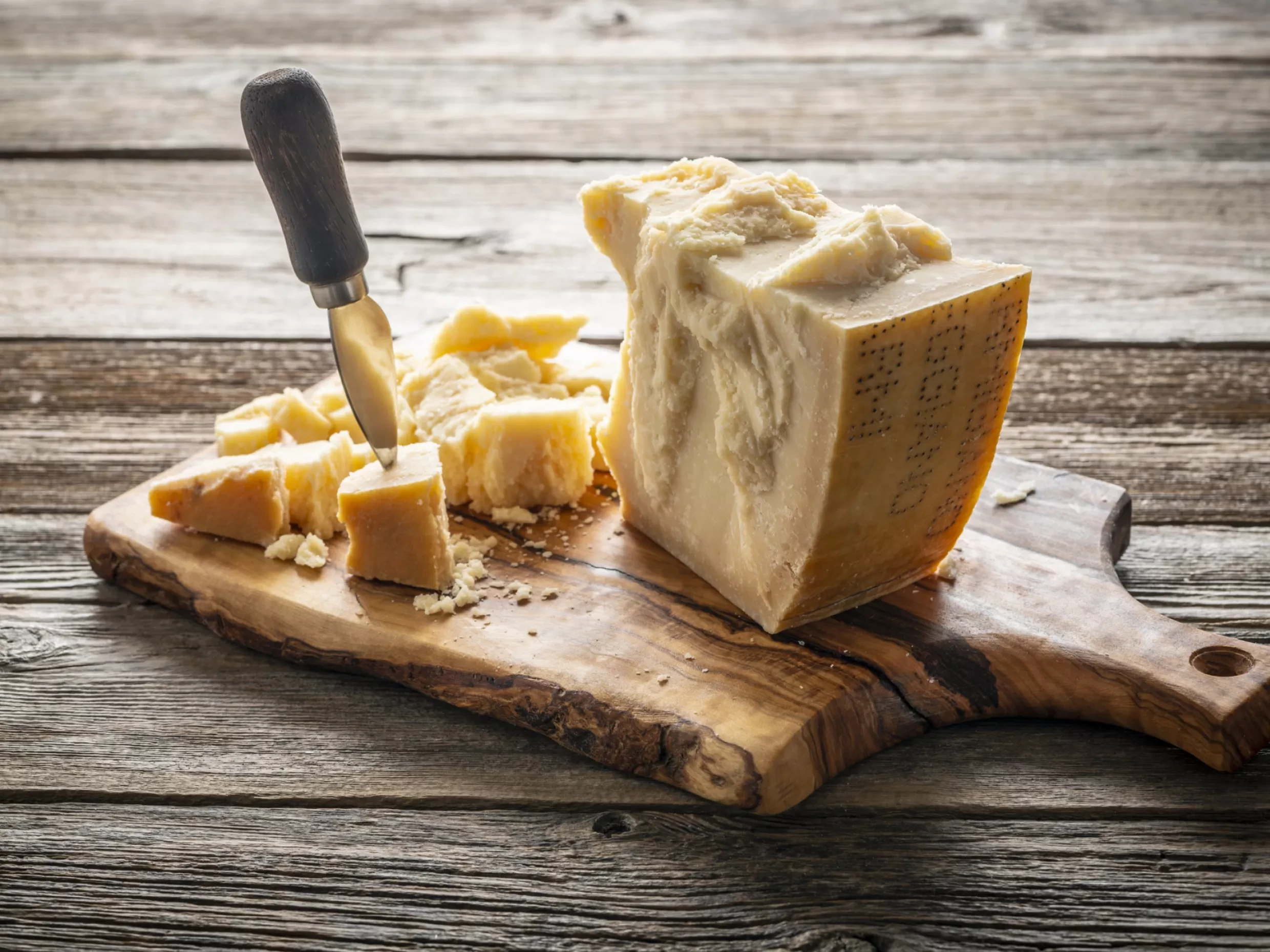
Some of the most important regional ingredients include Arborio or Carnaroli rice, beef and veal (most notably shank and cutlet), and pork for sausages and cured meats. Cabbage and other winter vegetables are very common, and dairy products such as butter and aged cheeses such as the iconic Parmigiano Reggiano, and a historic Lombardy-specific variety known as Granone Lodigiano, are all used in Milanese cookery.
LIke many regions of Italy, seasonal eating is still visible in traditional Milanese cooking. Autumn and winter bring dishes like ossobuco with risotto, cassoeula (a pork and cabbage stew), and hearty soups. In spring and summer, menus tend to feature lighter risotti, veal dishes such as cotoletta alla Milanese, simple vegetable sides, and freshwater fish from nearby lakes.
Famous Dishes Unique to Milan
Milan’s culinary fame rests on a handful of dishes which showcase the city’s preference for butter, rice, and slow cooking.
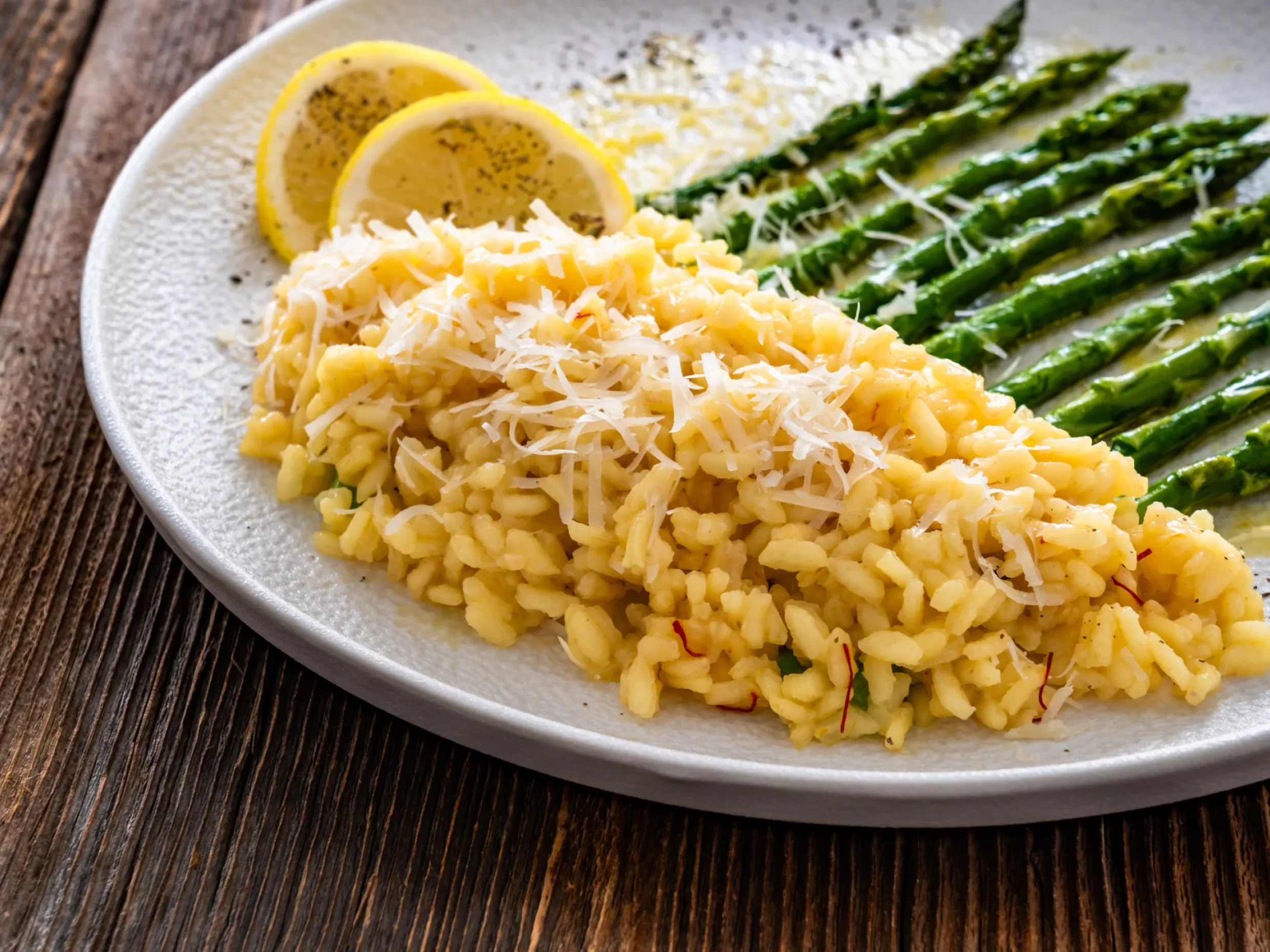
Risotto alla Milanese
The gold standard of Milanese cookery. A rich, creamy risotto infused with saffron, which gives it its signature golden colour. Made with arborio rice, butter, stock, white wine and Parmigiano Reggiano cheese, it’s a refined yet comforting symbol of Milanese cuisine.
Ossobucco alla Milanese
Slow-braised veal shanks cooked with white wine, broth and vegetables until they’re tender. Traditionally finished with fresh gremolata (a mix of parsley, lemon zest and garlic), the marrow-filled bone and silky sauce make it flavourful and rich.
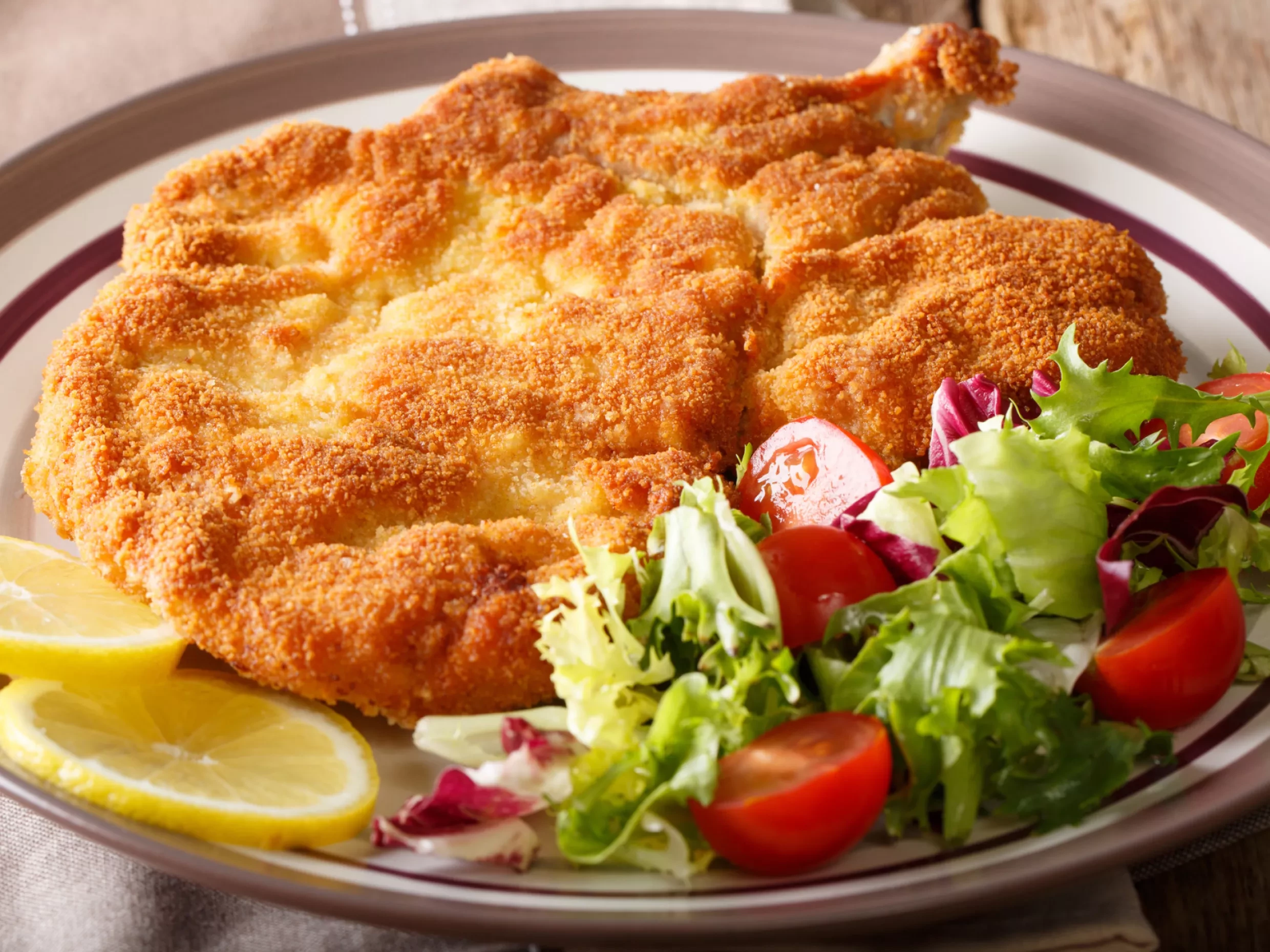
Cotoletta alla Milanese
A bone-in veal cutlet, breaded and fried in butter until it’s crisp and golden on the outside while remaining tender within. Simple yet indulgent, it’s Milan’s answer to the Wiener schnitzel - served simply with a wedge of lemon and a light salad.
Cassoeula
This is a hearty winter stew of slow-cooked pork cuts and Savoy cabbage, and traditionally, salami skins. It’s a dish rooted in Lombard peasant cooking. Robust, rustic and savoury, it reflects the region’s love of bold, comforting flavours.
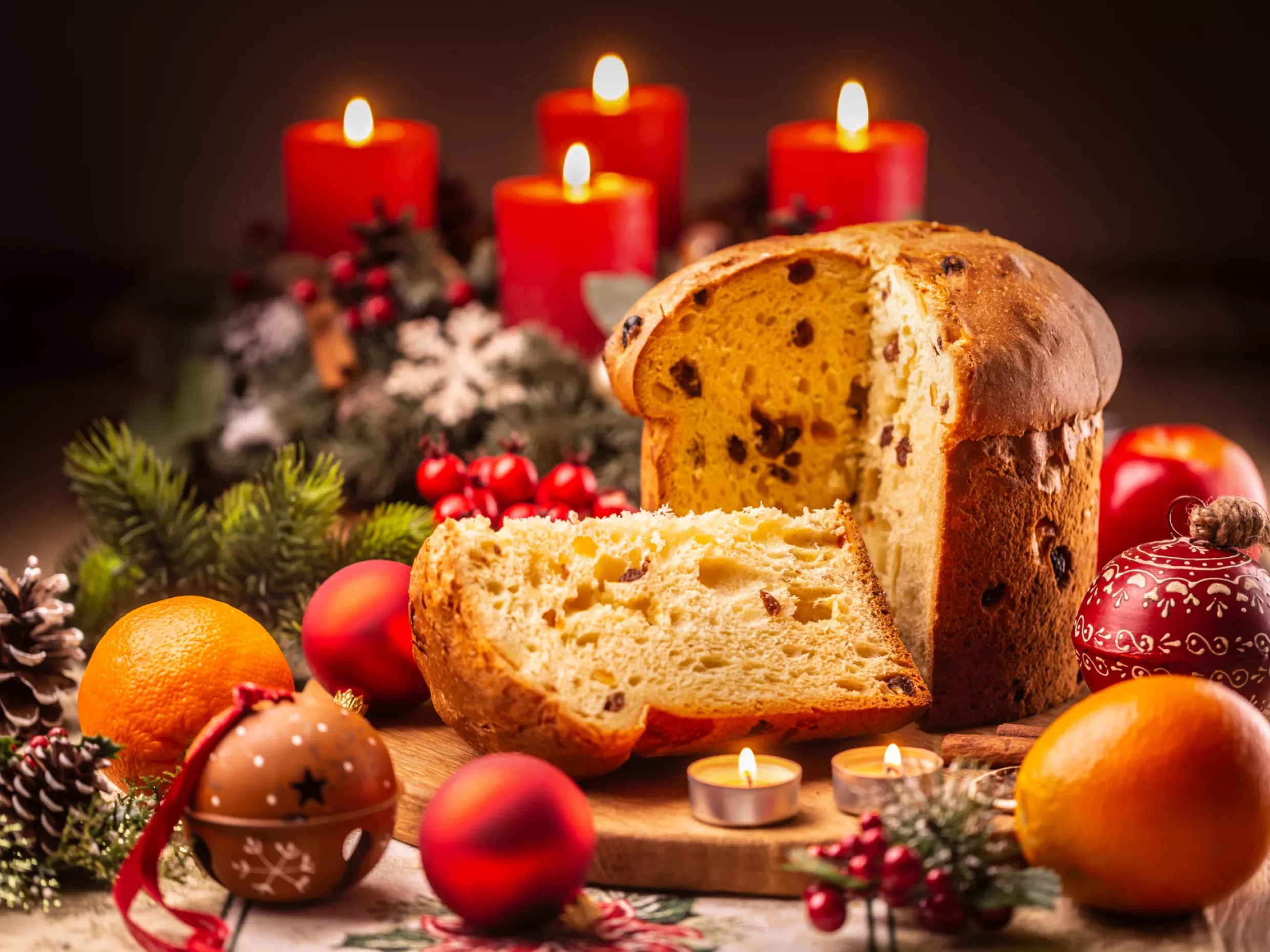
Panettone
Milan’s sweetest export is a tall, dome-shaped sweet bread studded with raisins, candied citrus, and butter. Born in the Renaissance, it’s now a symbol of Christmas all over the world.
The Taste of Milan: A Recipe for Refinement
Milan’s food story proves that elegance doesn’t need excess. From Renaissance banquets to modern aperitivi, the city has shaped a cuisine that’s as precise as its fashion and as stylish as its cars.
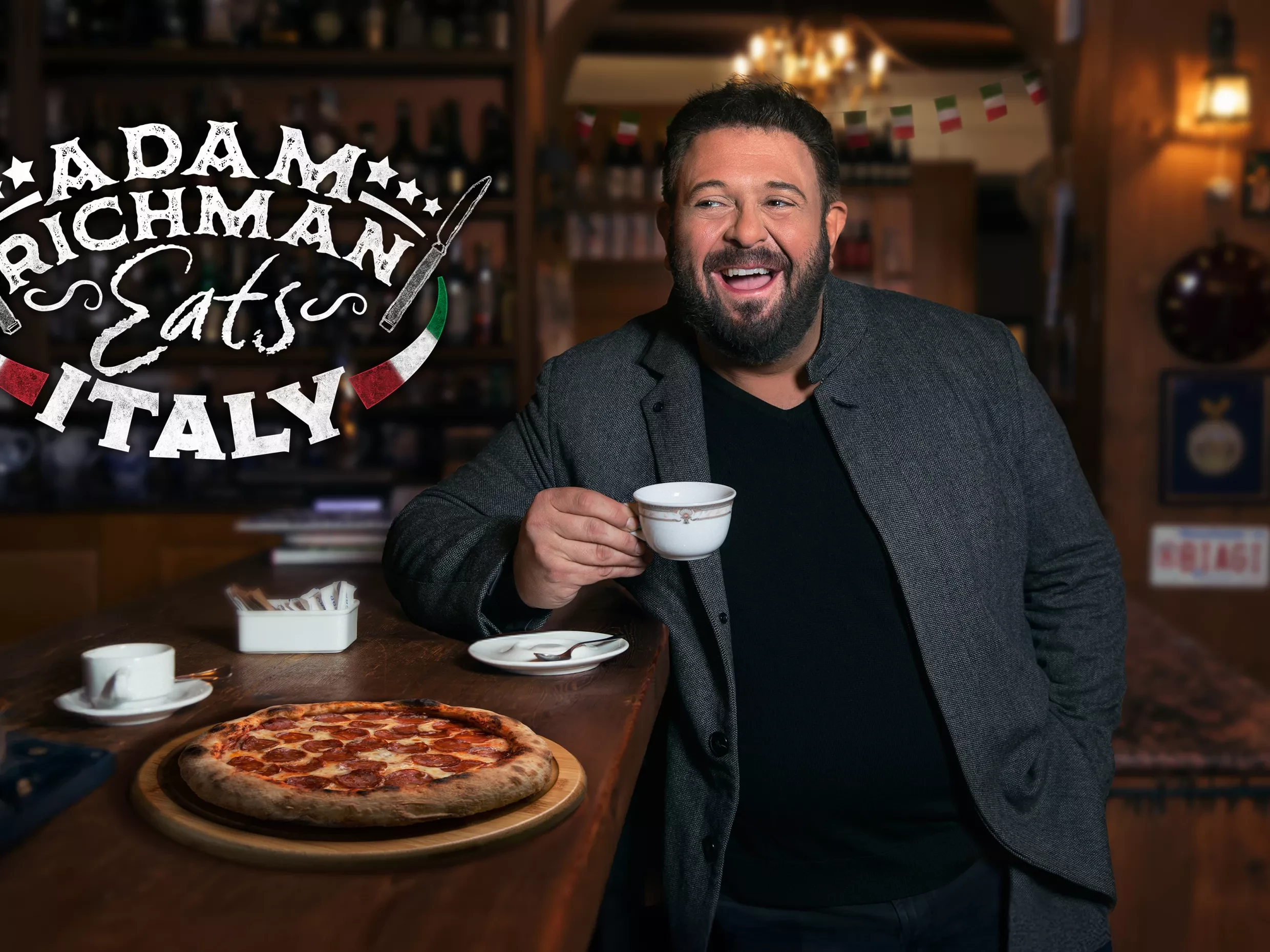
Watch Adam Richman Eats Italy On Discovery+
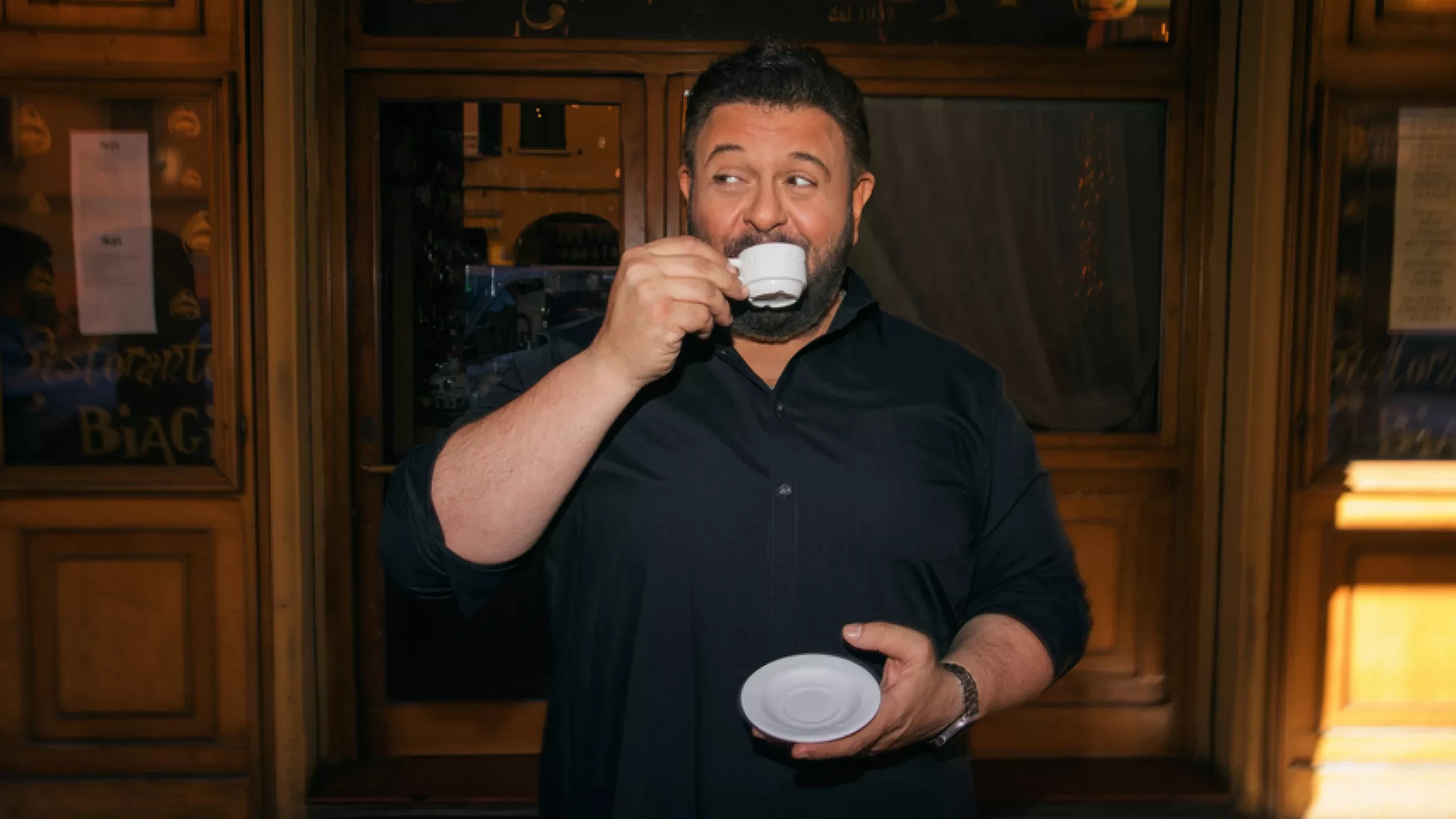
Man vs Food legend Adam Richman’s new show on Discovery+ uses the map as a menu as he embraces Italy’s remarkable relationship with food. In episode two, Adam is in Milan and dressed to impress, tasting the most iconic foods named after this city. He tucks into an amazing Risotto alla Milanese, a delicious Minestrone and finds time to try a unique take on chicken street food.
Watch Adam Richman Eats Italy on discovery+ today!
You can also read an interview with Adam as he discusses his culinary journey through Italy here.