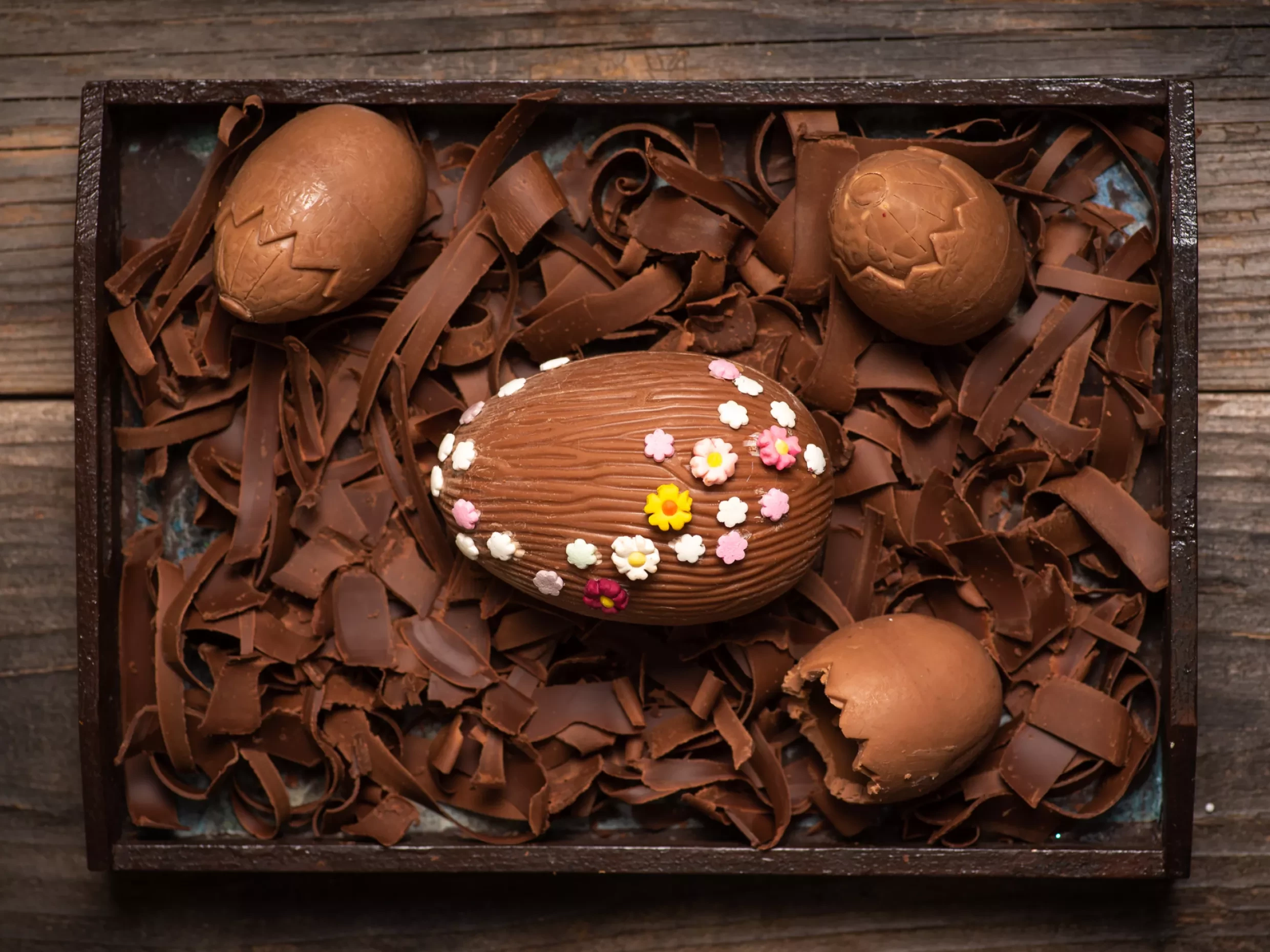


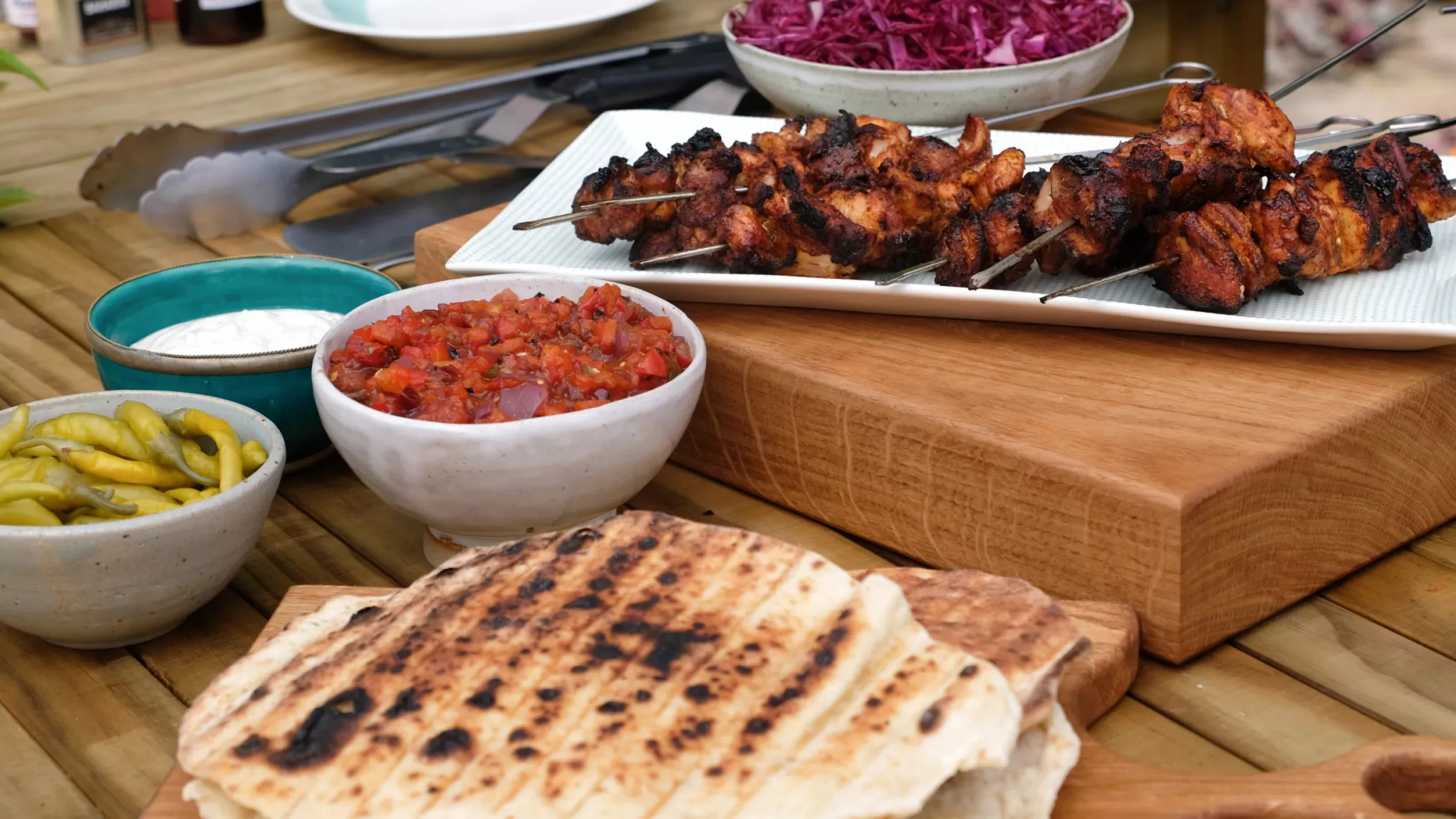
Painted shells, foil-wrapped chocolate, egg hunts, and baskets brimming with sugary scrumminess. Nothing says Easter more than chocolate eggs, but when did this ancient religious springtime symbol of rebirth, fertility and new life become an ultra-competitive commercial juggernaut? Here’s the eggs-traordinary story of Easter eggs.
A Story 60,000 Years in the Making
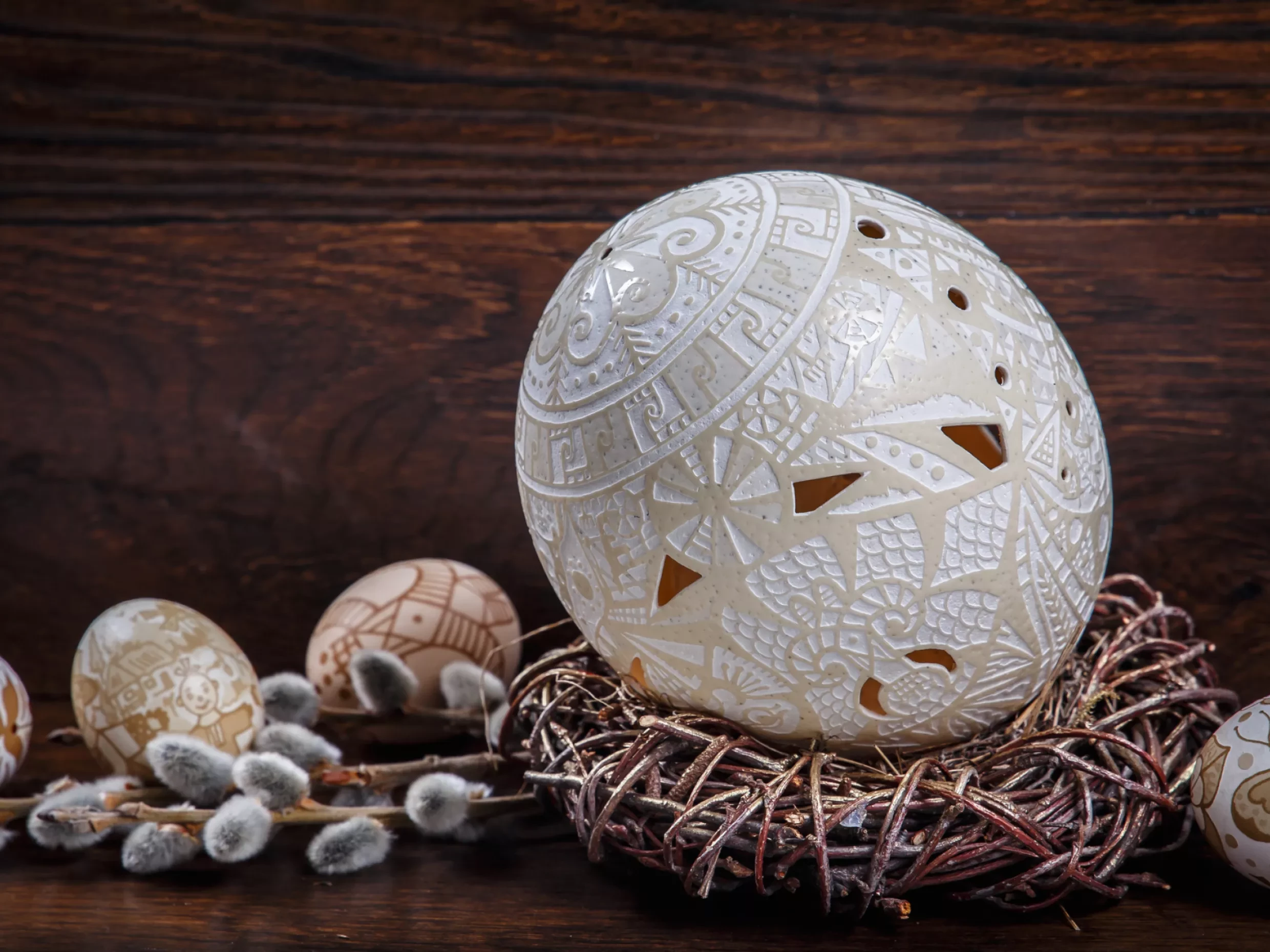
The story of the Easter egg starts a very, very long time before egg hunts or chocolate factories. Archaeologists have discovered fragments of engraved ostrich egg shells in Africa dating back more than 60,000 years, and they weren’t just pretty trinkets, they were precursors to today’s water bottles, which were filled with drinking water, personalised, and plugged with grass or beeswax.
In Sumeria, Egypt, and Mesopotamia, eggs became emblems of rebirth and fertility. The Egyptians buried painted ostrich eggs in tombs as offerings for eternal life, while the Greeks told tales of the universe hatching from a cosmic egg. Painted eggs were given as offerings to mark spring and rebirth after the leaner winter months.
Eggs & The Rise of Christianity
As Christianity spread through Europe, eggs came to represent the resurrection - the sealed shell was the tomb and the cracked shell was a symbol of life emerging from death.
In places where Christianity was becoming popular, yet ancient pagan customs were still being practised, the latter’s festivals celebrating fertility and renewal blended with the former’s religious aspect of Easter. The celebration was shared, and feasts - with eggs at the centre of the table - marked the end of winter scarcity.
Lent, Fasting & Festive Colour
For centuries, the Christian calendar shaped eating habits. During Lent - the forty days before Easter - animal products, including eggs, were strictly off the menu. But hens kept laying. To prevent waste, people boiled and sealed the eggs for keeping, often marking them with wax or dye. When the fasting season ended, they tucked in!.
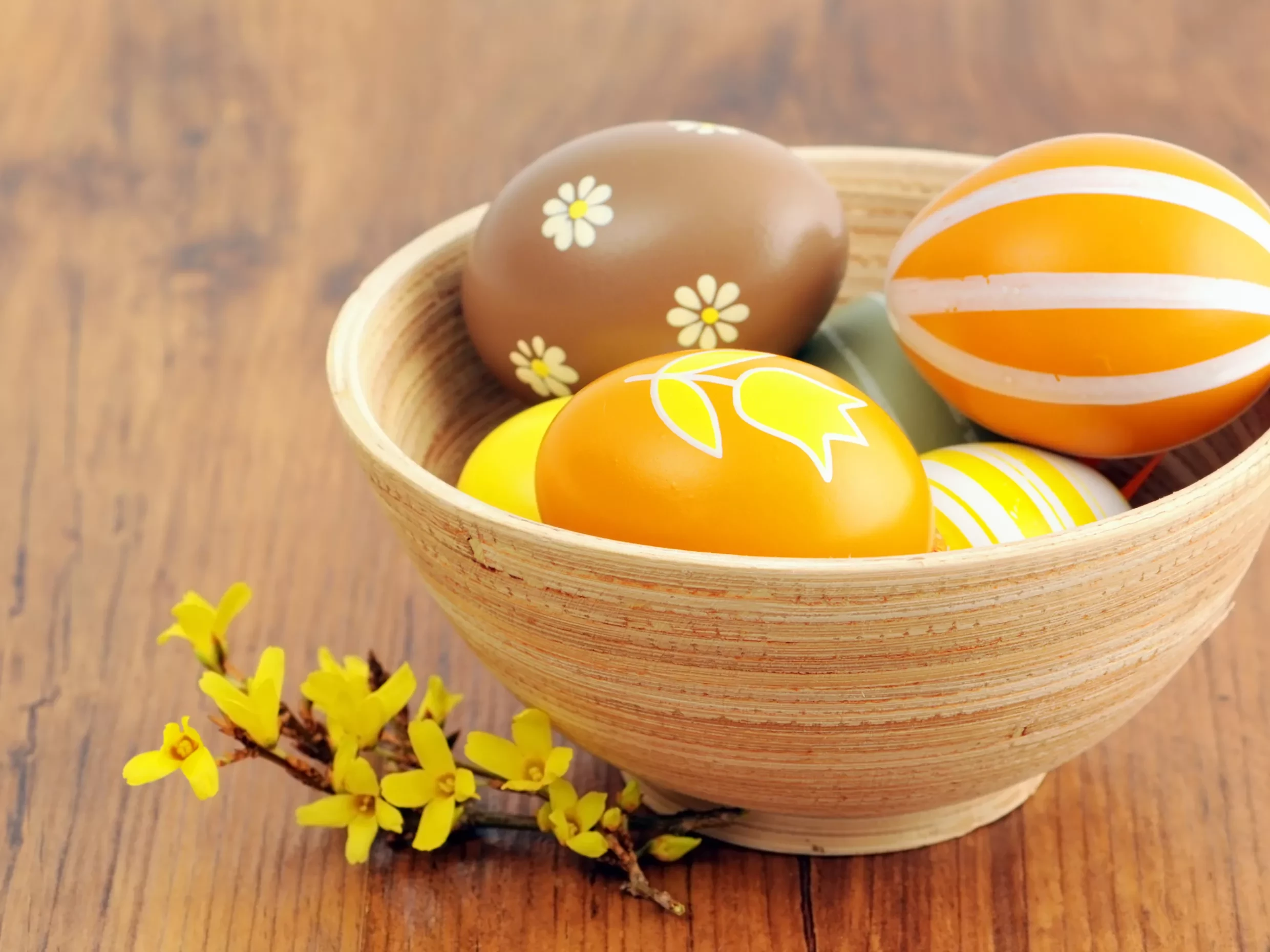
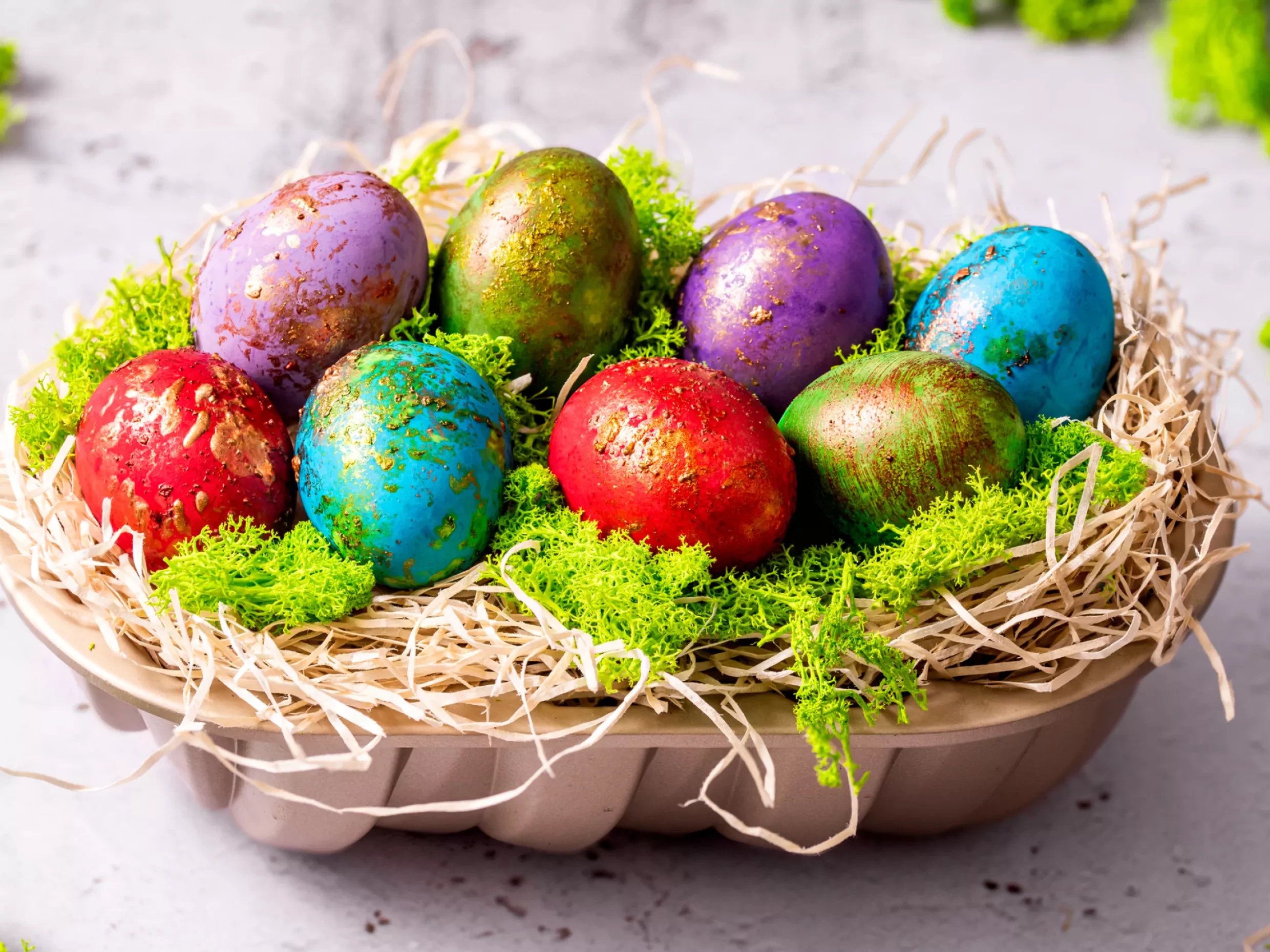
By the Middle Ages, egg-decorating had evolved into a bright, joyful custom. Families tinted shells with natural dyes - onion skins for amber, beetroot for red, and spinach leaves for green. These colourful creations were tokens of good luck, shared between neighbours and children at Easter feasts, while across Northern Europe, “pace eggs” were boiled, polished, and proudly rolled down hills in friendly contests. People are still rolling eggs today!
From Symbolism to Sweet Treat
By the seventeenth century, Europeans started transforming symbols into sweets. Eggs - already rich in meaning - were created in sugar and marzipan. Skilled confectioners shaped and gilded their creations for aristocratic and royal tables, where edible art was seen as a display of wealth and status. But it was the arrival of cocoa from the Americas that would soon rewrite the story of these desserts.
At first, chocolate was a luxury drink. Thick, spiced, and sipped from porcelain cups, it was far removed from what we know today. But as technology evolved - particularly the invention of solid chocolate in the nineteenth century - artisans began to experiment. They poured warm chocolate into decorative moulds, crafting intricate animals, fruits, and, eventually, eggs.
Melted Myths
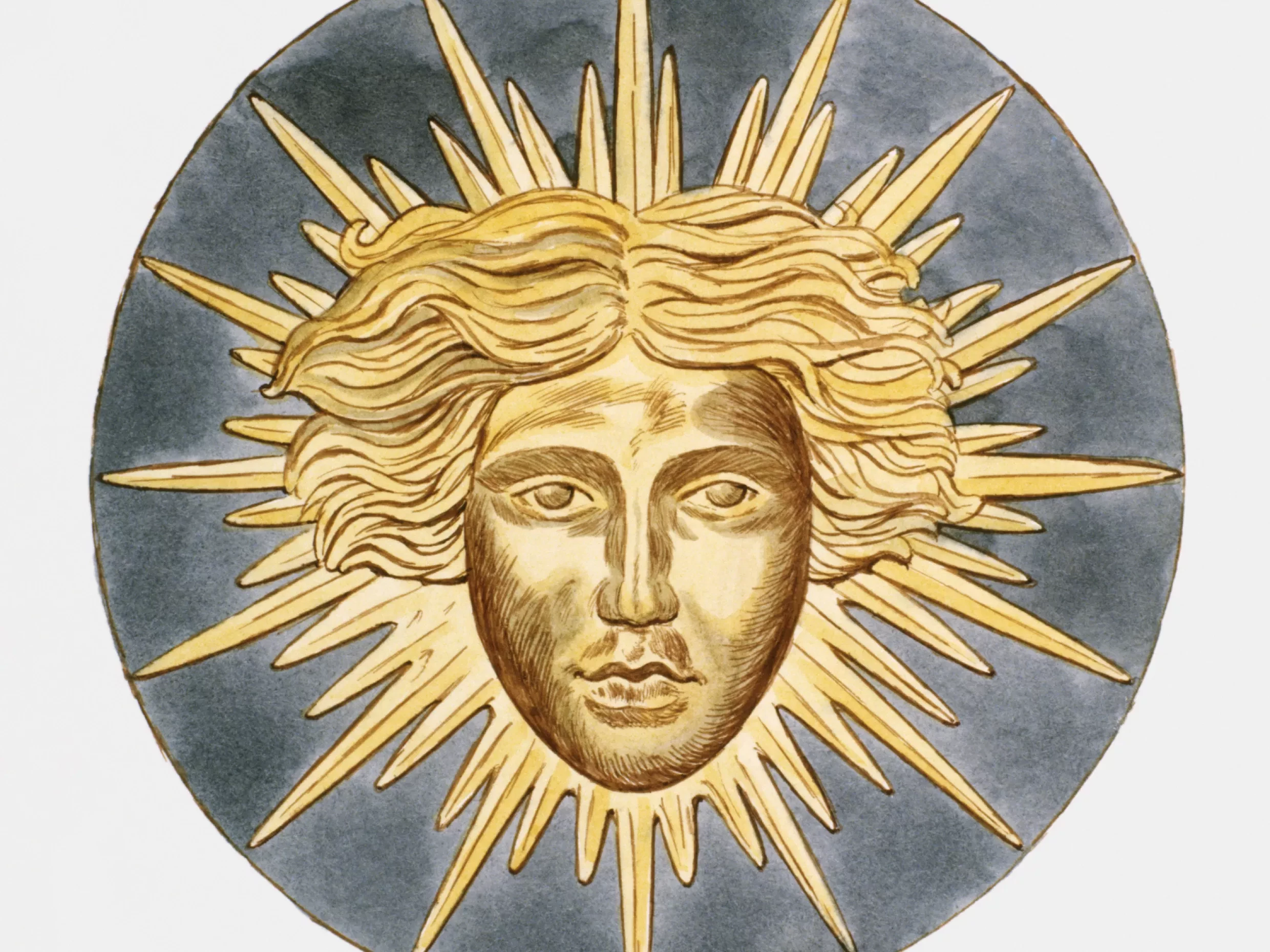
Like many iconic foods and dishes, the story of the first chocolate Easter egg comes with a few tall tales and should be taken with a pinch of salt. The most common story places the Easter egg’s origin at the court of French King Louis XIV - known as The Sun King - where chefs were supposed to have moulded chocolate eggs for his lavish parties. Another often-told tale is of the Widow Giambone from Turin, an enterprising chocolatier who was said to have made hollow chocolate eggs in the early 1700s using tin moulds and liquid cocoa. Both great stories, but the evidence for either is thinner than a foil wrapper!
So while Louis may never have unwrapped a praline masterpiece, and Giambone’s shop remains a legend, Europe was most definitely ready for a sweet revolution, and it came from two very familiar names.
Cadbury and Fry: A Rivalry Made of Chocolate
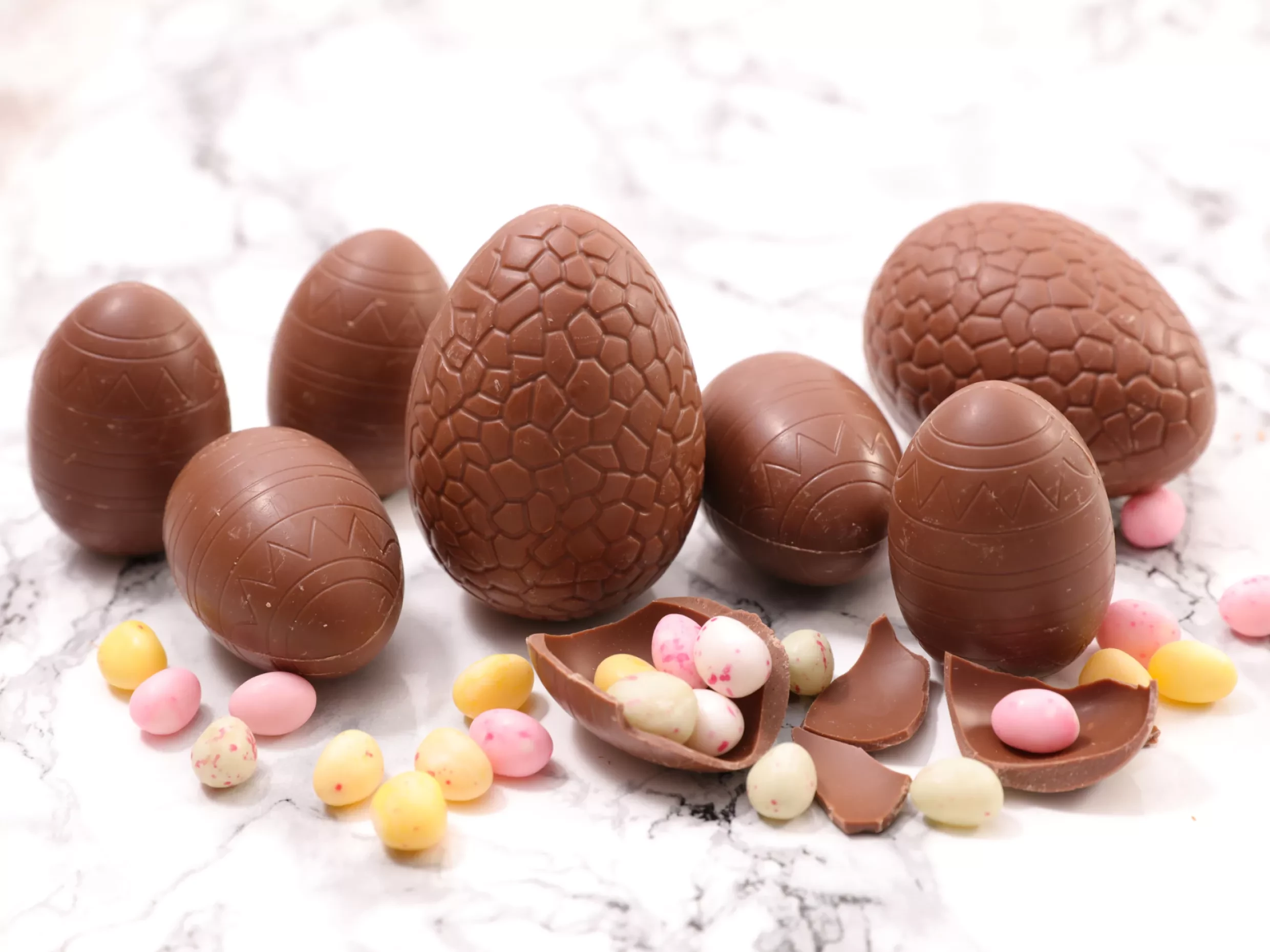
The true chocolate Easter egg story probably begins in Victorian England. By the mid‑nineteenth century, improvements in cocoa processing were transforming Britain’s confectionery industry. In 1847, J. S. Fry & Sons of Bristol created the first modern eating chocolate - a smooth, solid bar made possible by refining cocoa butter more effectively. A few decades later, the company turned this innovation into something new - the first commercial hollow chocolate Easter egg, launched in 1873.
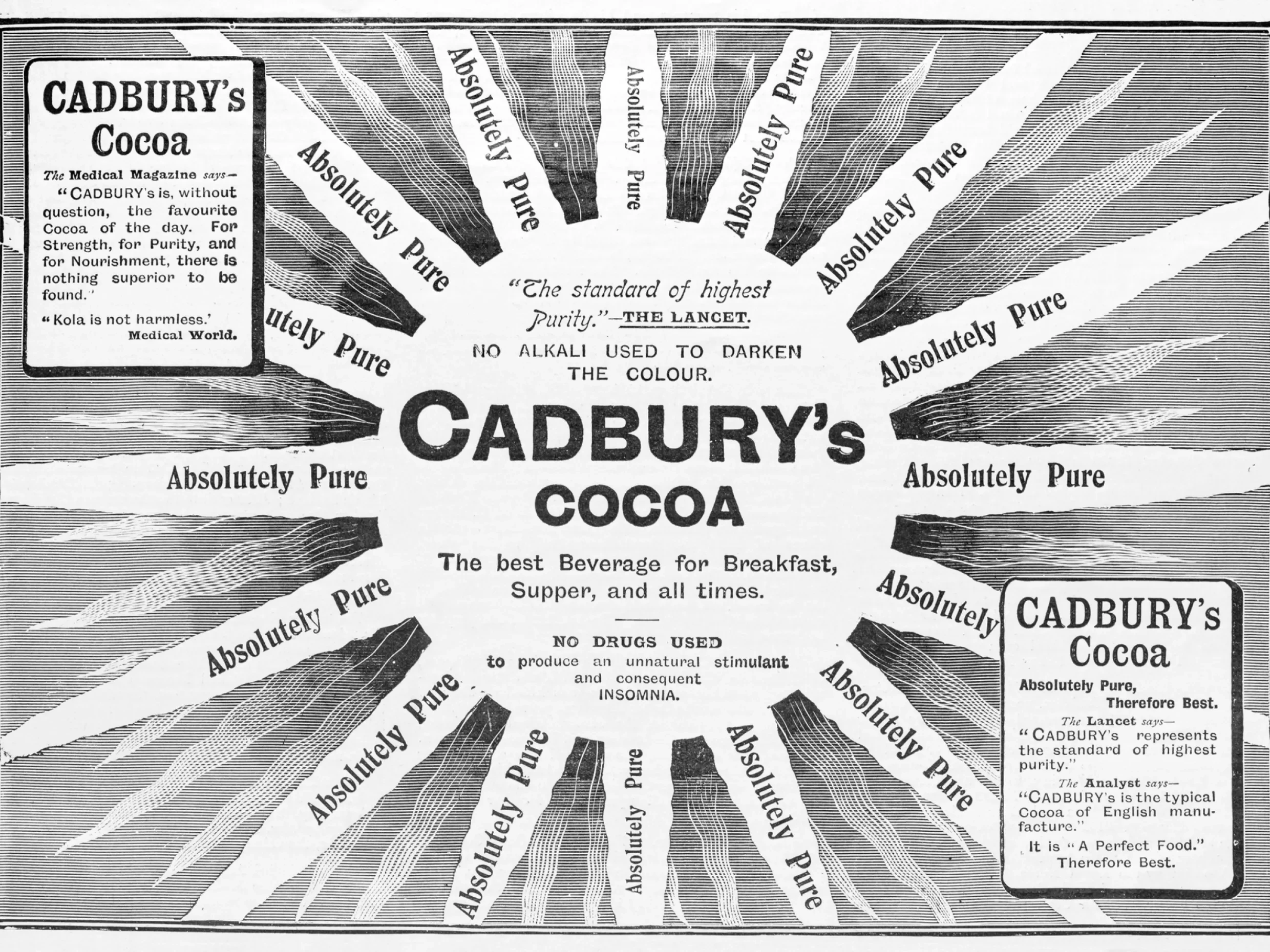
Two years later, Cadbury’s launched their egg, and they themselves described it as dark chocolate, with a smooth, plain surface, and filled rather than empty. Cadbury says the filling was dragees (sugar-coated chocolate drops), but it might also have been sugared almonds.
Fry invented the hollow chocolate Easter egg for the UK market, and Cadbury made a more polished, filled version that helped popularise it. Either way, they struck a national chord. Decorative moulds, pastel foils, and painted finishes soon flooded the market, turning Easter into one of the year’s sweetest shopping seasons.
Other British firms like Rowntree’s joined the race, but it was Cadbury that defined the Easter egg as a national tradition. By the early 1900s, chocolate eggs were mass‑produced and universally loved - a far cry from the painstaking handmade confections of Europe’s chocolatiers. A new chocolate chapter had begun.
Easter Eggs: A Billion-Pound Bonanza
A century after Fry and Cadbury cracked the market, the Easter egg has become a global juggernaut. In the UK alone, around ninety million chocolate eggs are sold every spring - and with a population of just under seventy million, who are the lucky people getting more than one?
Worldwide, the seasonal market is worth billions. Supermarkets stock walls of bright foil, colourful cardboard boxes and novelty fillings, while artisan chocolatiers showcase limited‑edition creations splashed with colour and gold leaf that cost hundreds, or even thousands of pounds! From supermarket staples to couture confectionery, the Easter egg now exists at every level of the food chain.
Bettys Grande Easter Egg
One of Britain’s most expensive Easter eggs is Bettys Grande Easter Egg made by Yorkshire-based bakery and confectioner Bettys. It’s a stunningly ornate, 55 cm high egg made from more than five kilograms of Grand Cru Swiss chocolate from prized Venezuelan criollo cocoa beans. It’s hand-finished with an “array of delicate, individually crafted spring blooms and foliage including primroses, narcissi and pansies, with hand-piped stems as a final perfect touch.” You need to order it at least two weeks in advance, and the cost? Only £395!
The Modern Eggy Evolution
But Easter eggs aren’t all about how big they are, how expensive they are and what’s inside them. Today’s chocolate makers think as much about sourcing and sustainability as sweetness. Fair‑trade cocoa, plant‑based recipes, and plastic‑free packaging are all reshaping how we celebrate.
Around the World in Dozens of Eggs
While chocolate dominates much of the modern celebration, the egg’s place at Easter remains wonderfully varied around the world.
Pysanky | Ukraine
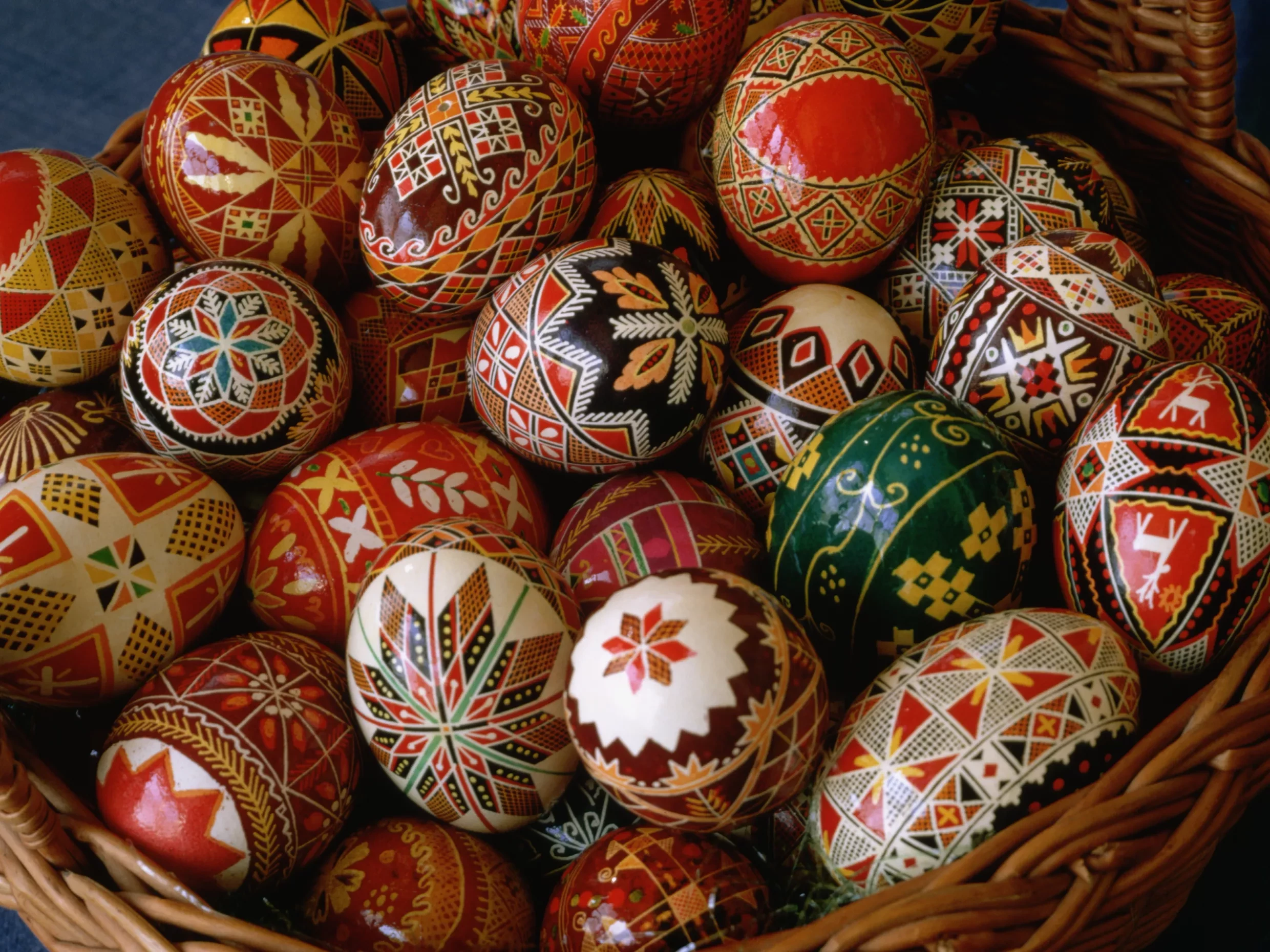
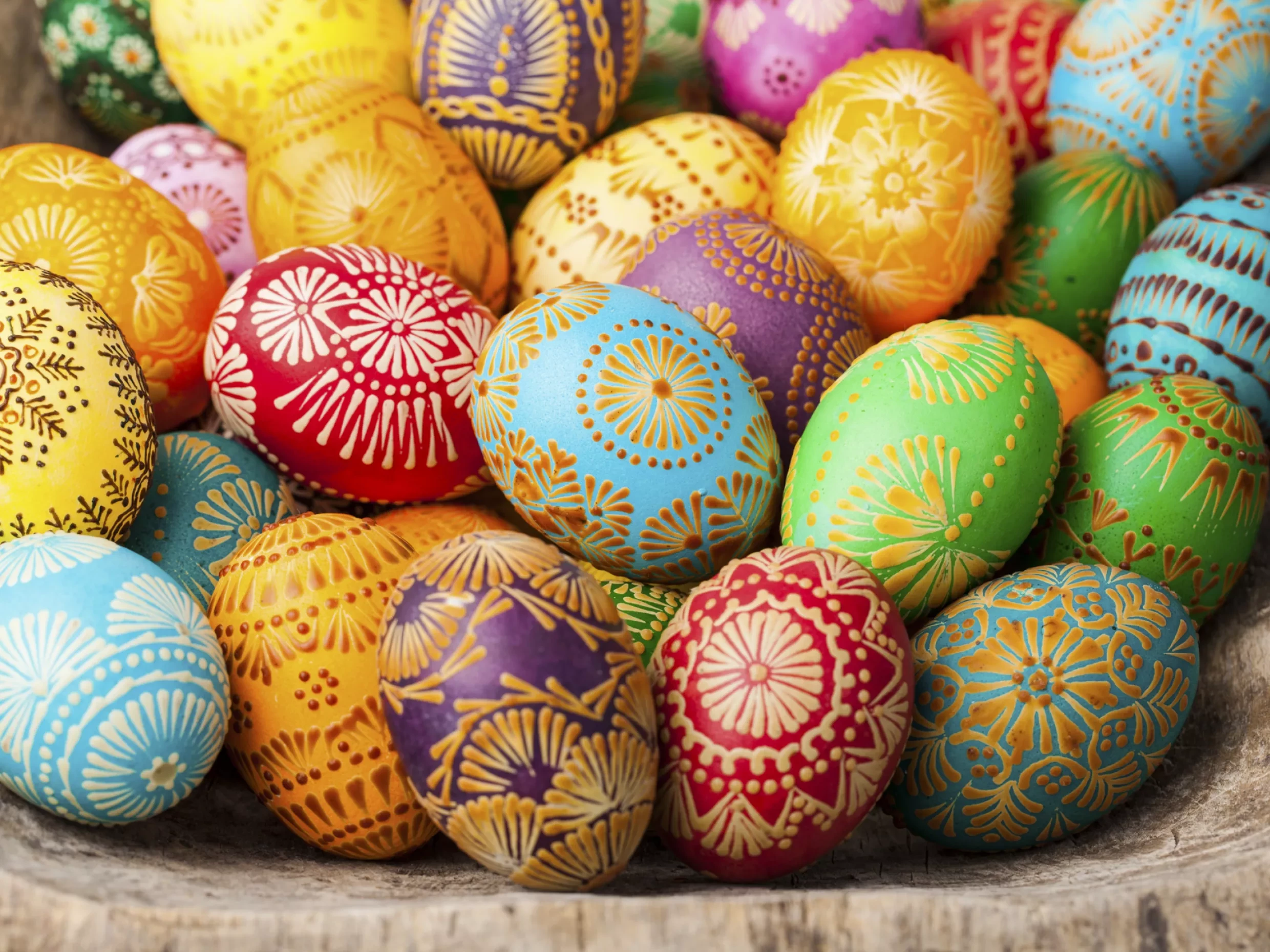
One of the world’s most celebrated Easter egg traditions is the Ukrainian art of pysanky. Using melted wax, artisans draw intricate patterns onto eggs before dyeing them in layers of colour. This process creates detailed designs featuring symbols such as suns, stars and stylised plants, each believed to bring blessings of health, fertility and good fortune.
Kokkina Avga | Greece
In Greece, eggs are traditionally dyed red as a symbol of life and renewal. Known as kokkina avga, they’re used in a game called tsougrisma, where players tap their egg against someone else’s while saying “Christos Anesti” (“Christ has risen”). The aim is to crack the other person’s egg without breaking your own. The person left with an uncracked egg is said to have good luck in the year ahead.
Pace Eggs & Egg Rolling | UK
In parts of England and Scotland, people decorate pace eggs - deriving from Pascha, a Latin word for Easter - in bright colours, sometimes adding playful or humorous designs. Once they’re hard-boiled, the eggs are raced down hills in traditional egg-rolling contests to see which one travels the furthest before cracking. Some of the best-known events take place at Holcombe Hill in Bury, Avenham Park in Preston, the castle moat in Penrith, Arthur’s Seat in Edinburgh, and Penshaw Monument in Tyne and Wear.
Osterbaum | Germany
In parts of Germany, Easter’s marked by decorating leafless branches or small trees with hollow painted eggs, ribbons and other spring decorations. Known as the Osterbaum, or Easter egg tree, this tradition is one for the whole family.
Egg Tapping | Eastern Europe
Versions of egg-tapping contests are found across Eastern Europe, much like the Greek tradition of tsougrisma. In Bulgaria, for example, people choose brightly painted eggs and tap them against one another to see which remains uncracked the longest. The winning egg is often seen as a symbol of good health and success for the year ahead.
Sorpresa | Italy
In Italy, it’s traditional to give large hollow chocolate eggs containing a hidden sorpresa, or surprise, inside. These gifts might be small toys for children, more elaborate items such as jewellery and in very rare cases, keys to a new car! Part of the excitement lies in breaking open the chocolate egg to discover what’s hidden inside.
The Giant Omelette of Bessières | France
In the southwestern French town of Bessières, Easter Monday is celebrated with the cooking of a giant omelette. According to legend, the tradition began after Napoleon visited the area, enjoyed an omelette there, and ordered the townspeople to gather their eggs to make an enormous one for his army. Today, the custom lives on, with a local group, The Confrérie Mondiale des Chevaliers de l'Omelette Géante (Global Brotherhood of the Knights of the Giant Omelette), using more than 15,000 eggs in a 4.2 metre wide pan to prepare a huge omelette in the town square for crowds to enjoy.
Cascarones | Mexico
In Mexico, cascarones are hollow eggshells that are brightly decorated and filled with confetti. During Easter celebrations, people crack them over the heads of friends and family, showering them in confetti as a playful gesture said to bring good luck and joy.
That’s All, Yolks…
From ostrich shells to supermarket shelves, the Easter egg has travelled a very long way without ever really losing its meaning, only now they’re encased in chocolate!