






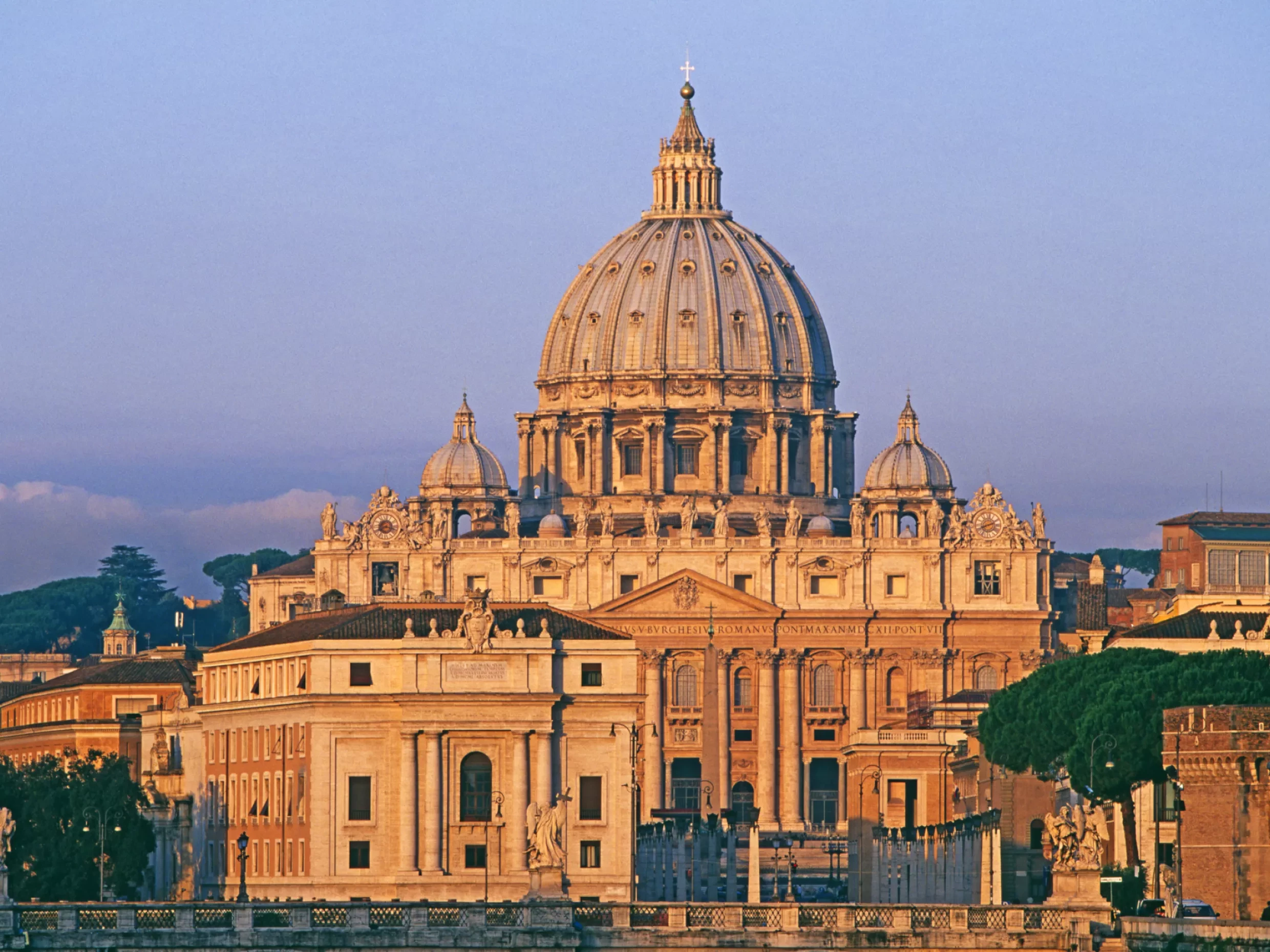
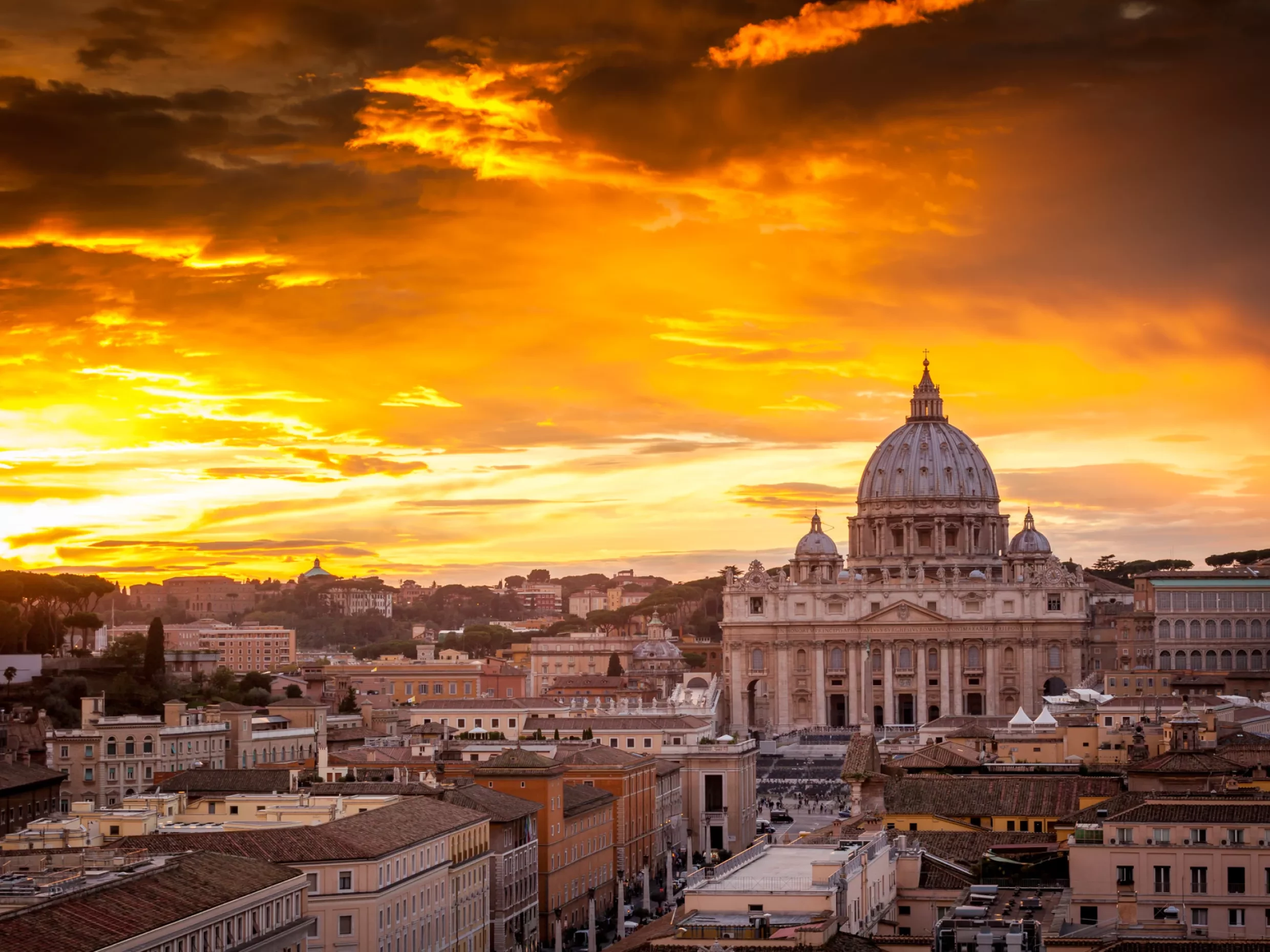
In Rome, food is built into the city’s very foundations. From the shadow of the Colosseum to trattorias in Trastevere, every cobblestone on every street tells a fascinating story. If Florence refined Italy’s palette and Naples fed its soul, the table was built by Rome.
The Birth of Roman Cuisine: From Empire to Everyday
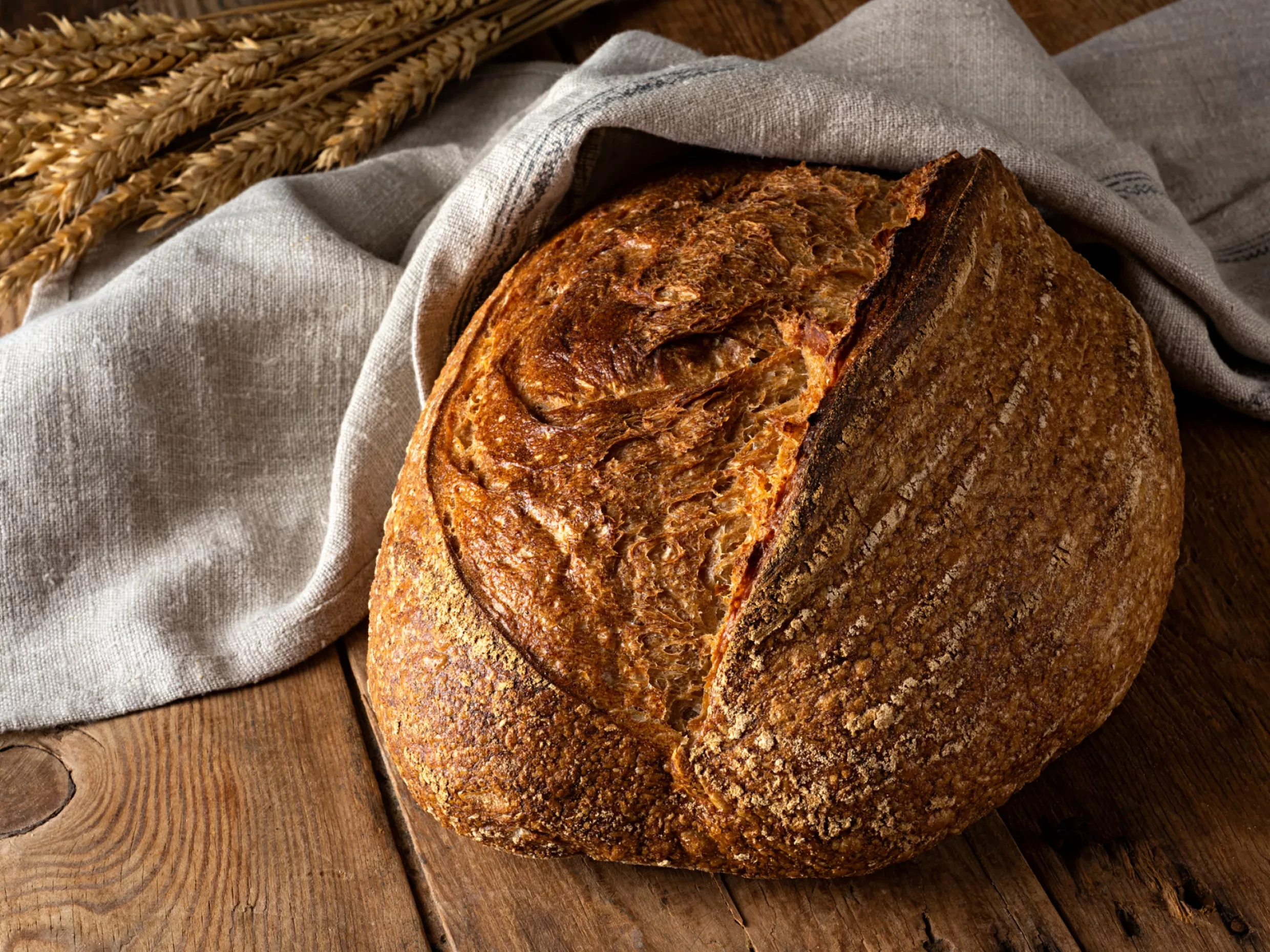
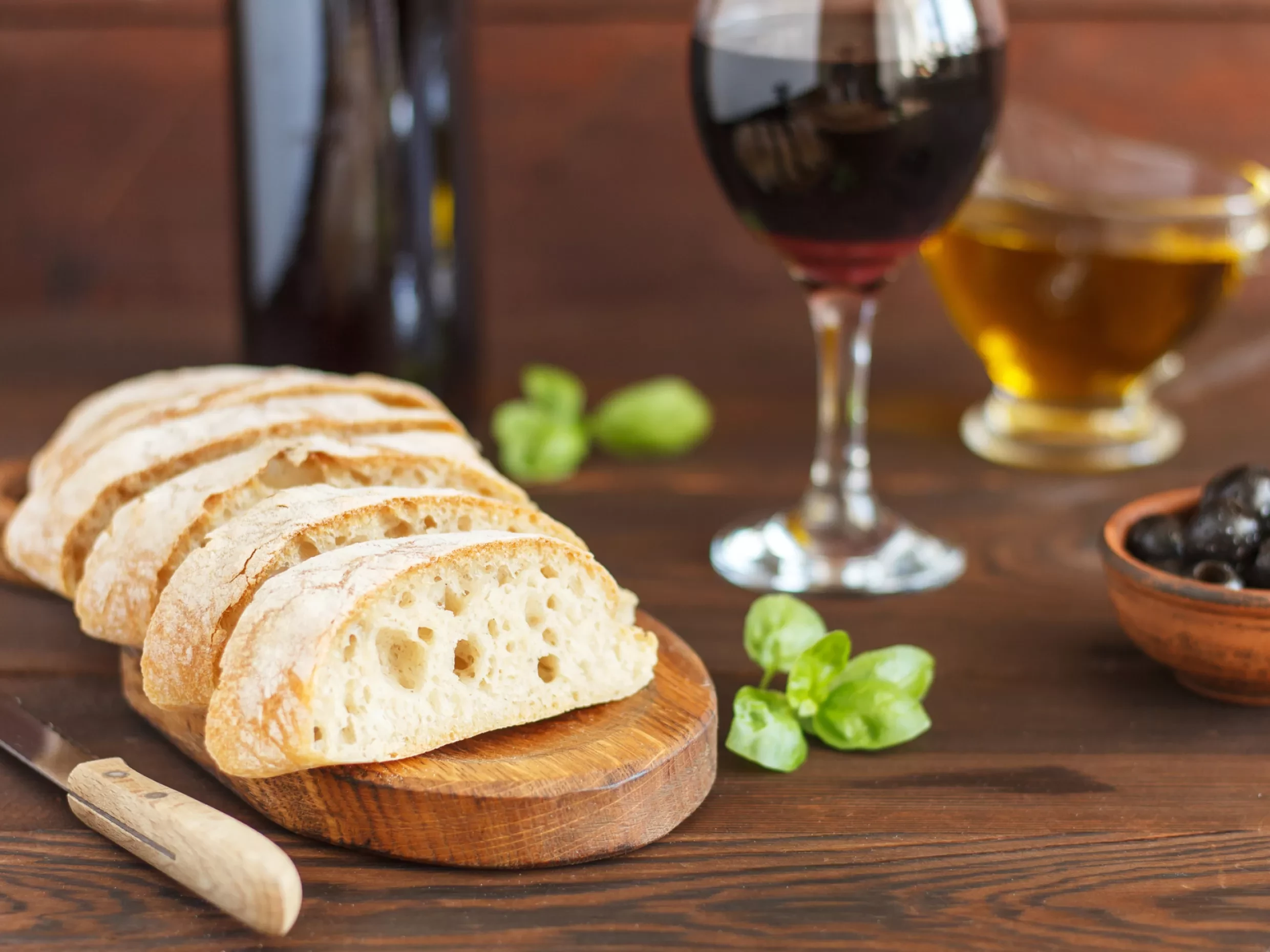
Rome built its empire with armies, and fed it with grain. As the city expanded, feeding its swelling population became an act of governance as much as survival. Grain ships from Egypt arrived at the nearby port of Ostia, filling the state storehouses that kept Rome’s citizens loyal and its streets calm. Bread, wine, and olive oil - the three pillars of the Roman diet - were as essential to order as legions and laws.
Yet beyond necessity, food reflected the empire’s reach. From Spain came oil, the finest wines from Gaul (much of modern-day France, Belgium, and parts of Northern Europe), and from Asia the trade routes that perfumed Roman kitchens with cinnamon, pepper, and other spices. In wealthy patrician villas, elaborate banquets displayed the abundance of conquest, including honeyed dormice, oysters from Baiae on the Gulf of Naples, and figs stuffed with pine nuts and herbs. But in the crowded insulae (high-rise, densely-packed tenement apartments), the diet remained humble - lentils, chickpeas, salted fish, and the ever-present loaves of bread that sustained the working class.
At both ends of society, food was an expression of Rome’s power. Even by the fifth century, the cookbook Apicius reveals a civilisation already obsessed with seasoning, texture, and spectacle.
Caesars to Cardinals: Imperial Feasts to Papal Plates
When the Western Roman Empire fell in 476 AD, Rome didn’t go hungry, it simply learned to eat differently. The vast trade networks that had once carried exotic foods from the outer reaches of the known world collapsed, and the city turned inward, sustained by what its hills and nearby fields could provide. Marble palaces became monasteries, and imperial kitchens gave way to refectories where monks tended gardens and perfected the art of preserving food for leaner times.
As centuries passed, Rome’s appetite was revived. The papal courts became the new imperial households. Banquets once staged for emperors now honoured visiting kings and cardinals. Lent and feast days dictated the rhythm of the Roman table, and where once it was only extravagance, now restraint and indulgence found a happy medium.
By the Renaissance, the kitchens of noble families and clergy revived the grandeur of ancient feasting, mixing old ingredients with new arrivals from distant shores, including tomatoes, which were brought to Italy by the Spanish after their conquests of the Americas. Once again Rome was powerful, with an appetite to back it up.
A City of Seasons
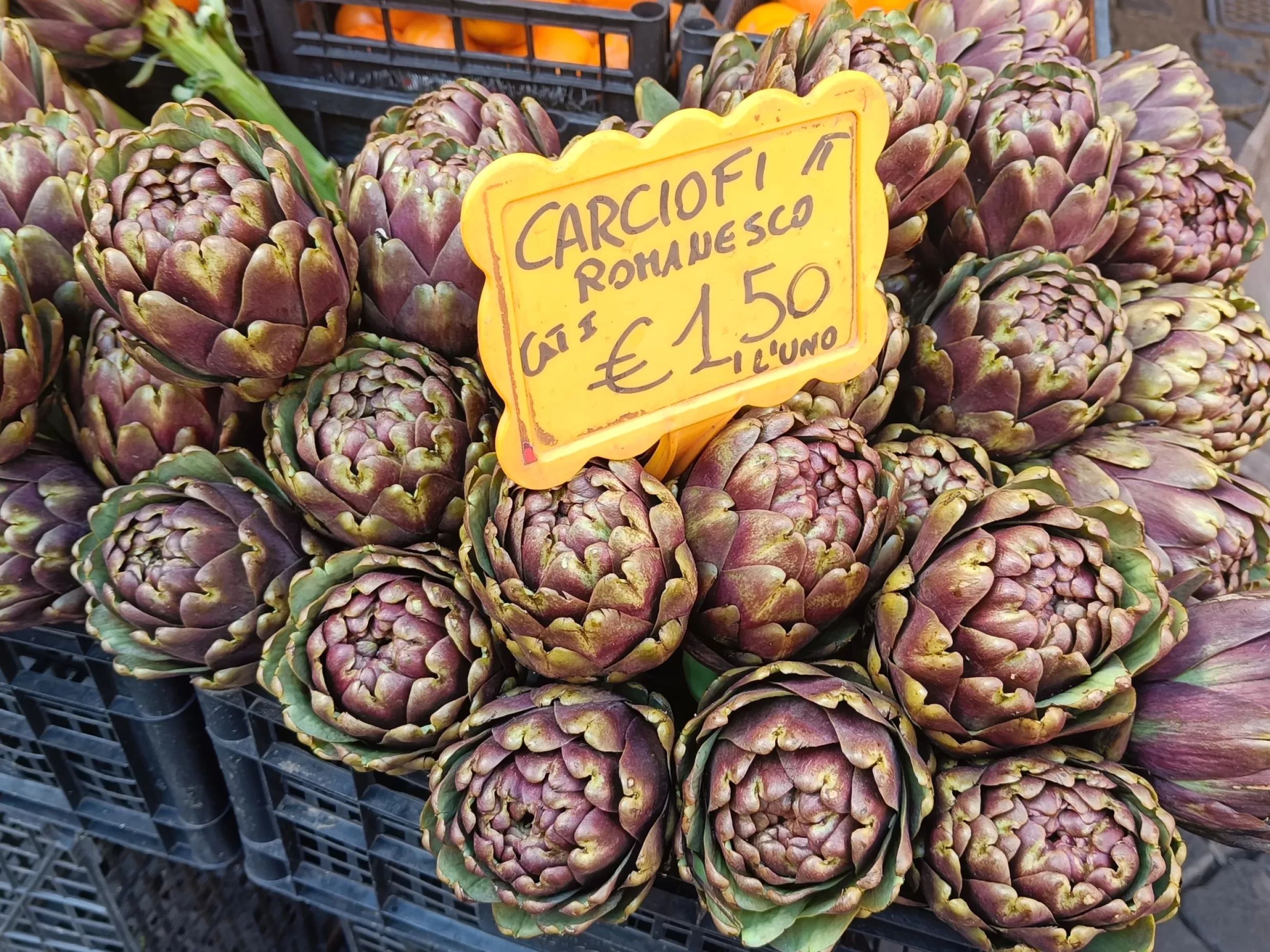
Long before restaurant menus and modern markets, Rome’s appetite was sated according to the calendar. The locals learned that seasonality was essential to how they ate - the tender greens and peas of spring, bright tomatoes and figs of summer, mushrooms and chestnuts of autumn, rich stews and bitter leaves of winter. Farmers from Lazio would bring produce straight from the field to market stalls, and people bought only what the sun made possible.
Plates fit for an Emperor
In Rome, like its monuments, certain dishes carry the weight of history. Recipes shaped by empire, poverty, faith, and the pride of its people. And each plate tells the story of a different Rome.
Cacio e Pepe
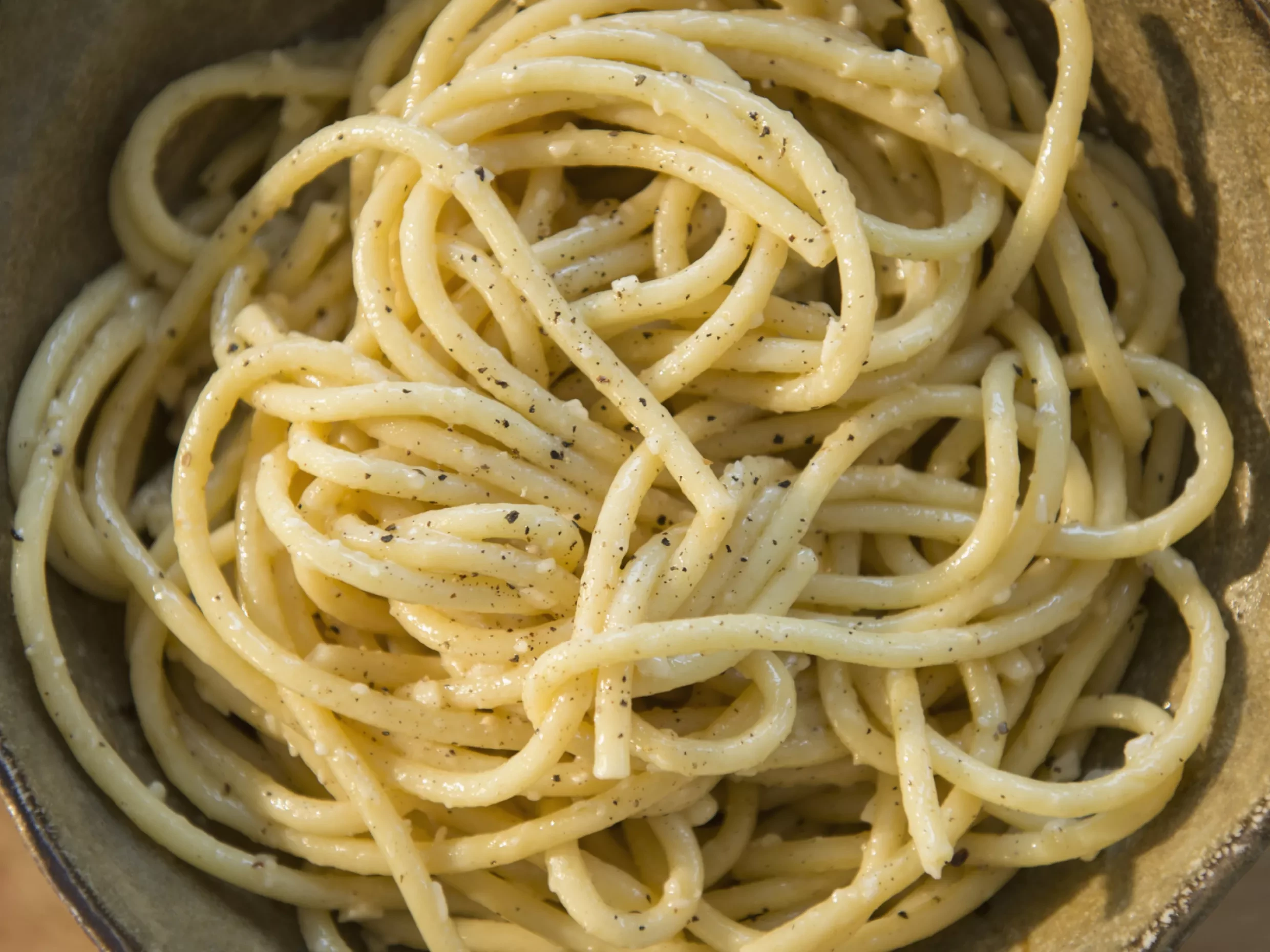
Cacio e pepe is one of Rome’s oldest and most iconic pasta dishes. Made with just three ingredients - pecorino Romano cheese, black pepper, and pasta - it relies entirely on technique for its texture and flavour. The dish is often linked to shepherds who carried dried pasta, aged cheese, and peppercorns on long journeys through the countryside. Its success depends on emulsifying cheese and starchy pasta water into a smooth sauce - a method that defines much of Roman pasta-making.
Pasta alla Carbonara
Carbonara is generally believed to have emerged in Rome in the mid-twentieth century, most likely in the years following the Second World War. Its combination of eggs, guanciale (cured pork cheek), pecorino Romano cheese, and black pepper creates a rich sauce without the use of cream. The dish’s exact origin remains debated - some trace it to American military rations, others to charcoal workers (carbonai), or to earlier rural cookery. Regardless of its beginnings, carbonara has become one of the clearest examples of modern Roman cooking, and perhaps its most famous epicurean export.
Pasta all’Amatriciana
Amatriciana began in the town of Amatrice, around ninety miles north of Rome, and later became part of the city’s culinary identity. It developed from gricia, an earlier sauce of guanciale and pecorino, before tomatoes were introduced to Italian cooking. The addition of tomato created the version recognised today.
Coda alla Vaccinara
Coda alla vaccinara developed in the Testaccio district, historically home to Rome’s main abattoir. Workers, known as vaccinari, were often paid in offal and less desirable cuts, including oxtail. Slow cooking transformed these tough cuts into a rich stew, typically prepared with tomato, celery, wine, and sometimes cocoa or pine nuts. The dish reflects Rome’s tradition of cucina povera - resourceful cooking rooted in necessity - and remains a defining example of the city’s working-class food culture.
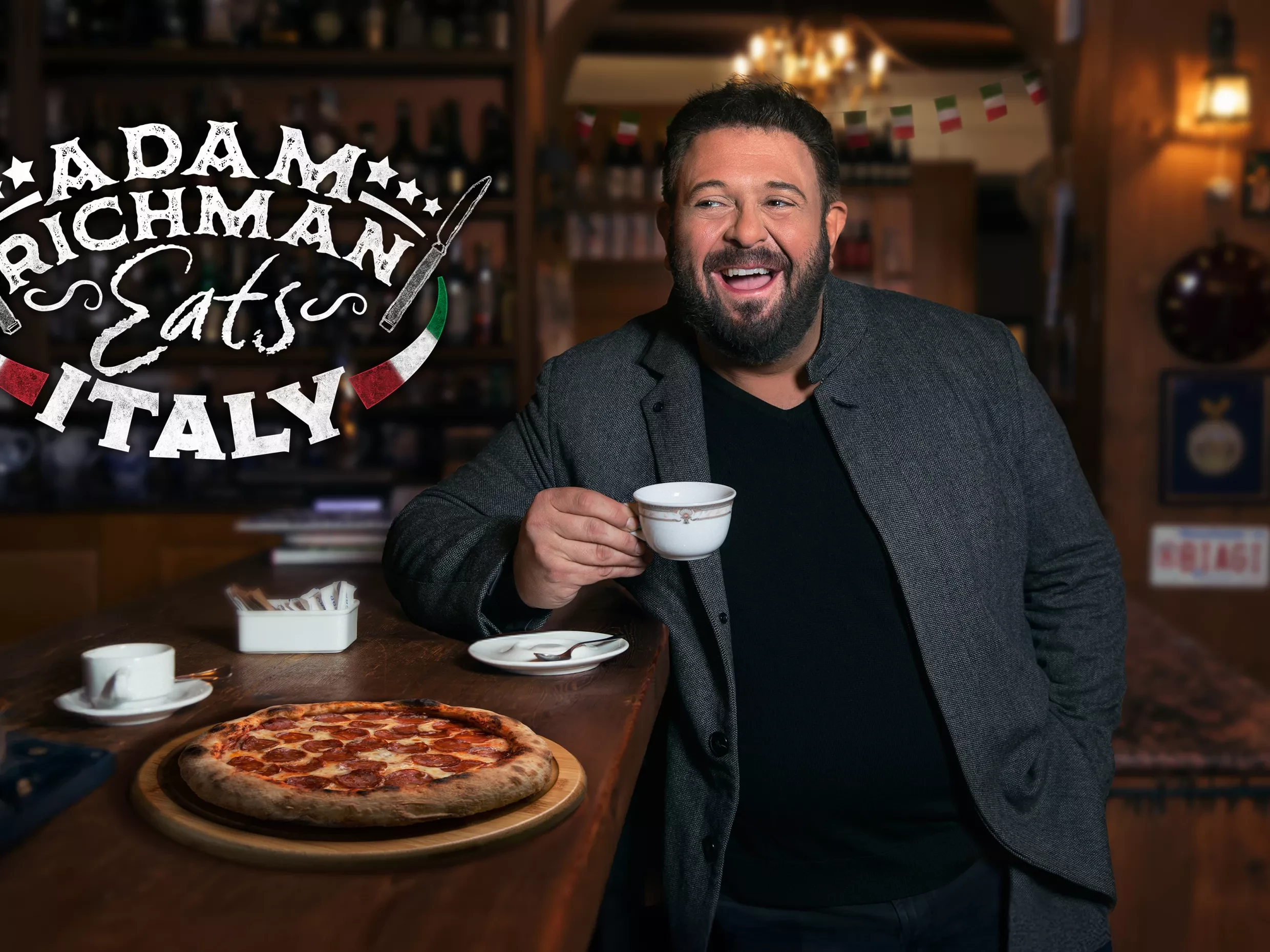
Watch Adam Richman Eats Italy On Discovery+
Man vs Food legend Adam Richman’s new show on Discovery+ uses the map as a menu as he embraces Italy’s remarkable relationship with food. In episode ten, Adam is in Rome to taste the most iconic foods named after this city. He tucks into one of the best local pasta dishes, cacio e pepe, and porchetta Romana, which is suckling pig, Roman style. Plus, he tries gelato, the way the Romans make it.
Watch Adam Richman Eats Italy on discovery+ today!
You can also read an interview with Adam as he discusses his culinary journey through Italy here.